Measuring Angles

We have recently been introducing some basic Geometry ideas and both of mine have kept asking for more and more angle activities – we have done a few activities were we identified the different type of angles, compared the sizes and determined which was greater or less than and we started measuring a few angles.  My youngest who is determined to do all the angle activities did find measuring the angles a little bit tricky so I thought it might be good to practice it.

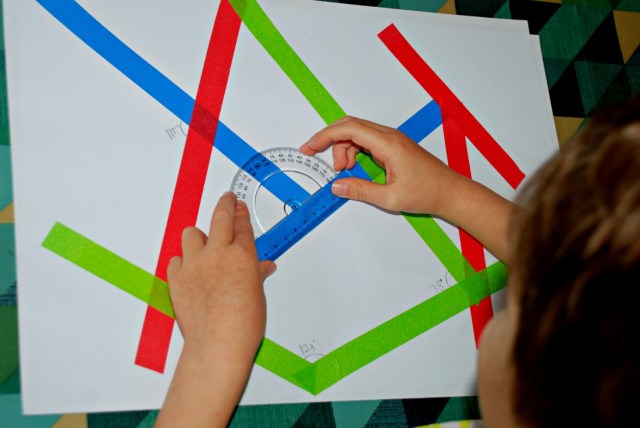
To start with I used some coloured Washi tape to create angles on a large piece of paper (the Washi Tape just adds a bit of colour and fun to the activity).

Then both kids practiced measuring the different angles created by the Washi Tape.
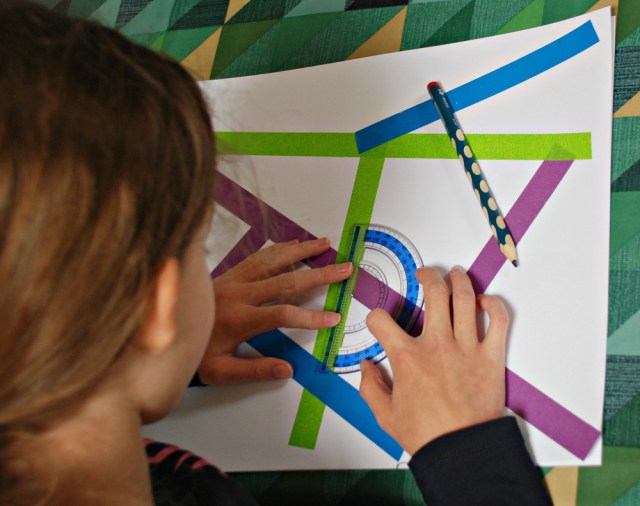
Measuring the angles created by the Washi Tape

I must admit my oldest was very accurate with her angles – she measured everything and would not just classify an angle as a right angle unless it was exactly 90 degrees – I managed to create quite a few 89 and 91 degree angles (woops).  My youngest was not as accurate (he is 2.5 years younger), but I was not fussed.  I really wanted him to understand how he needs to use the protractor and not get confused by the two-rows of numbers.
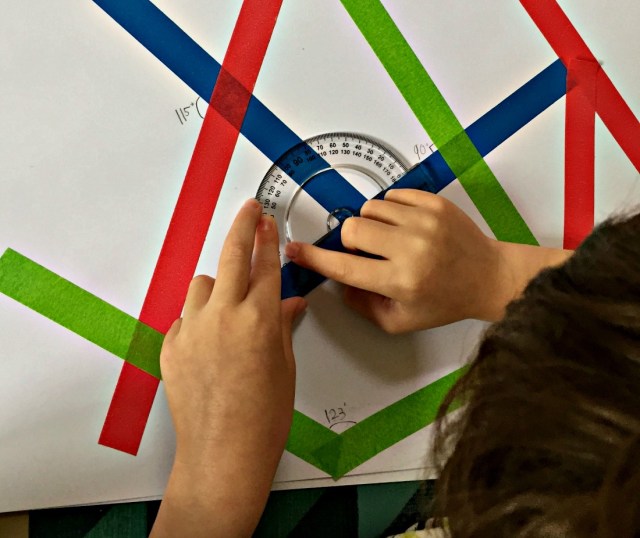
Creating Washi Tape angles and then measuring them

After they had finished their page they both asked for more but this time we used our Learning Resources Primary Shapes Template Set.  I bought our set of shape stencils about 5 years ago and we have used it over and over again.  I originally bought them as my daughter’s Occupational Therapist recommended that we use stencils as a way of getting her to engage both hands at the same time.

Anyway the kids draw some shapes, making sure that some overlapped (and we also added a few straight lines intersecting the shapes).
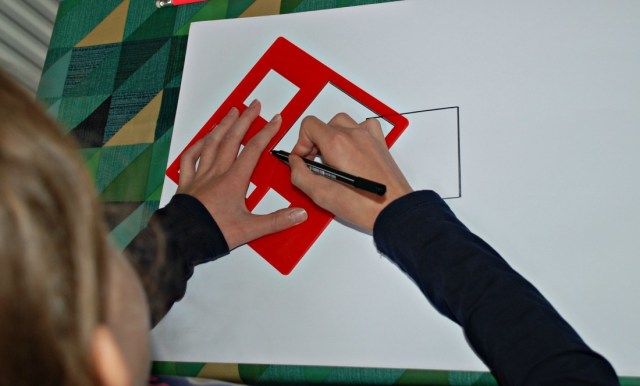
Using our Learning Resources shape stencils to draw an angle picture

Once they were happy we started measuring.  I must add that with some of the shapes that my son drew we did have to extend the lines so he could measure the angles successfully.  But I actually liked this.  They learnt a simple trick, if you are trying to measure an angle but the lines are too short it is not an issue just extend them.
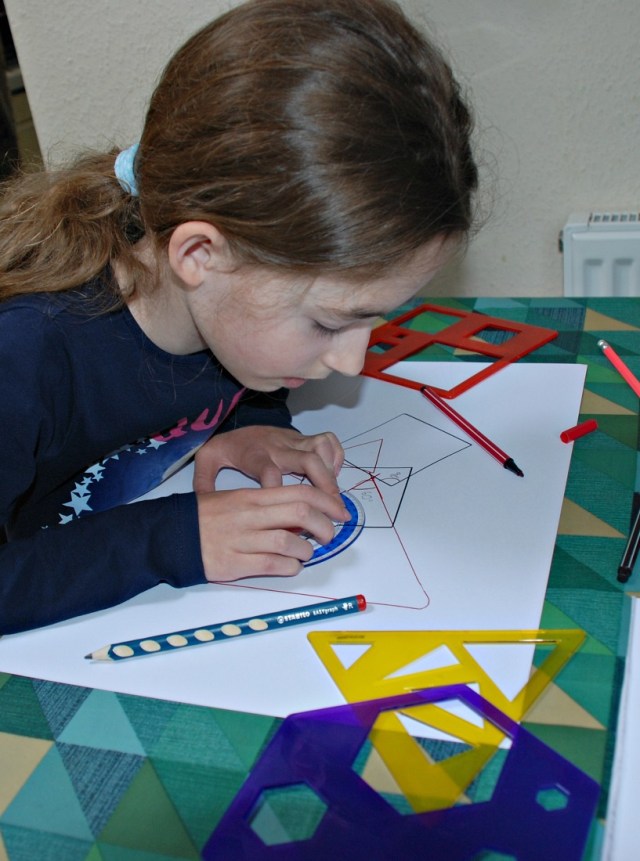
Measuring random angles created after drawing shapes using their Learning Resources shape stencils

I love Maths sessions like this.  Both kids relaxed, enjoying the activity and getting involved creating the angles and then measuring them.

The Washi Tape that we used was just some from my craft cupboard – I cannot remember where I bought it from (could have been a Tiger Store in the UK or Amazon, really not sure, it is one of those items that I just like to have in the craft cupboard for us to use whenever we want).

I do include Affiliate links. If you follow an affiliate link and go on to purchase that product, I will be paid a very small commission, however your cost will remain the same. I only include affiliate links for products that we use and love.
Measuring the Washi Tape angles. Fun way to practice measuring angles

Posted in maths ideas | Tagged , , , , , , , | 1 Comment

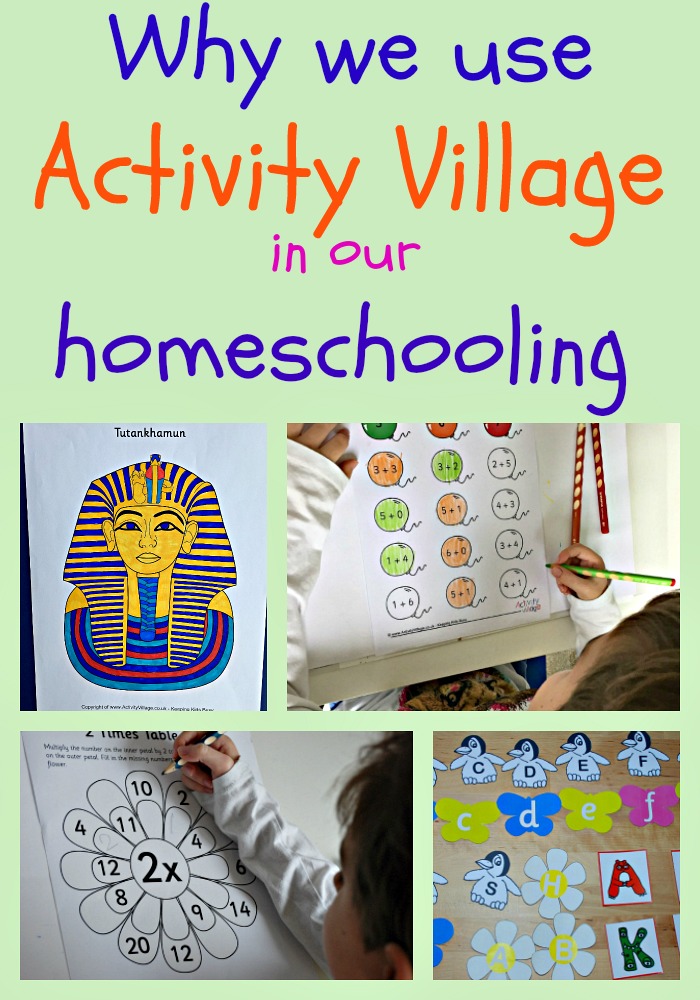
Why we have been using so many Activity Village pages

Activity Village have added a lot of new and interesting pages since I wrote my last general Activity Village pages post about 18 months ago.  And I feel like they are adding more and more content which is making them more and more valuable as a home education resource (plus their membership deal is a good price (£15).  So for those of you who do not use the site a lot or are not sure what they offer for home educators I am going to point out a few of the areas that we have been using a lot this past year. (This post is not sponsored in any way it is just me writing about a resource that I have been using a lot this past year / 18 months)

They have created a whole new Numeracy section and are growing it step by step.  Starting with basic number recognition and it is going to end up going all the way through to Maths for Year 6.  It is the Maths Stage by Stage.  If you are new to home education, have younger kids and are wondering what you need to do and possibly in what order you would like to introduce Maths this Maths Stage by Stage gives lots of great ideas.  They start from basic numeracy ideas like one to one correspondence and progress step by step up to Addition and Subtraction to 20 (for now – like I said that are always adding to this).   They also include lots of resources using 10 frames or base 10 which I used a lot with my kids.

So some of the Key areas which you might want to look at – Ordinal Numbers, Number bonds, Fact families, Numbers up to Twenty.

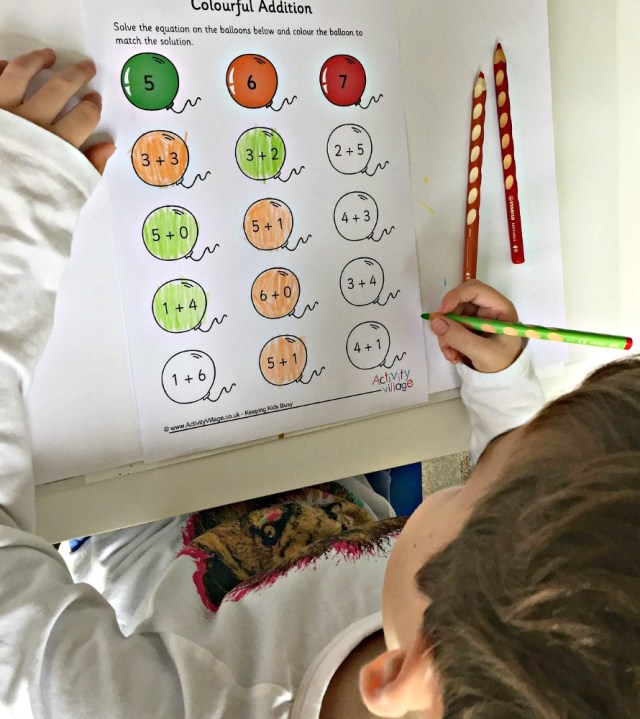
Colourful addition pages from Activity Village

With each section they include a brief explanation and suggestions on how to introduce the topic and lots of different worksheets.

I think this Maths Stage by Stage is an absolute gem for new home educators who are nervous about Maths. And not included in their Maths Stage by Stage section but a Maths section we have been using a lot lately – their Times Table resources. (They have posters, worksheets and multiplication games).

Activity Village Times Table Worksheets

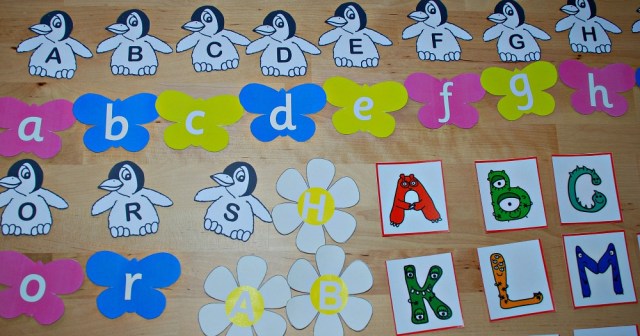
But Maths is not the only things you get in your membership.  You also get Lots and Lots of English resources – starting with basic alphabet resources for younger kids,

Some of the different Alphabet pages from Activity Village

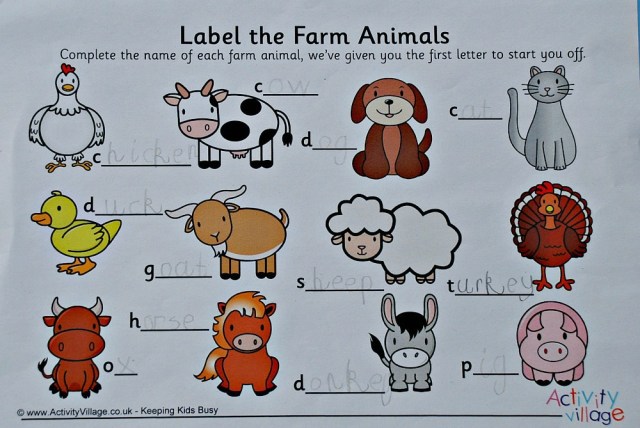
handwriting pages – lots of tracing over words in all different kinds of formats, labelling worksheets,

Activity Village label the farm worksheet

vocabulary cards (which we love using for spelling) and High Frequency word printouts (we used some of their bookmarks with our stories when the kids were still learning to recognise basic words – High Frequency Bookmark Post).

One of my favourite and most used English sections are their Story pages (Love that they have normal lined and handwriting versions – handwriting versions have a middle dotted line to help kids with the height of their small letters).

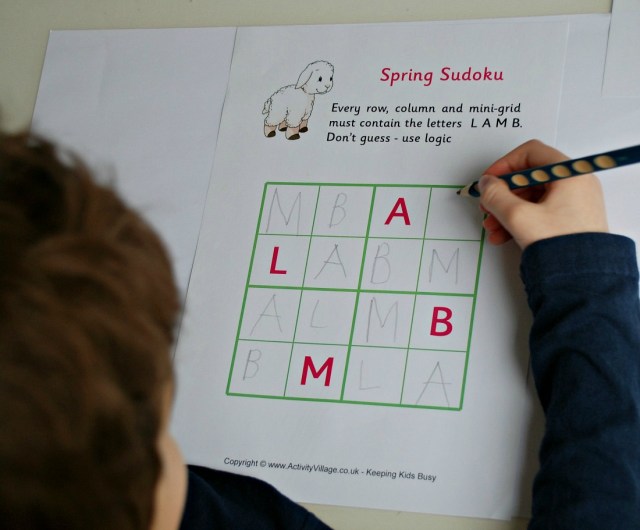
And don’t forget about the Word Searches and Crosswords and Word Sudoku.

Activity Village Word Sudoku

One of the sections that we have not used a lot but which looks so useful is their Geography section – Lots and Lots of Maps and a really handy My Country Study 4 page document which would be great for kids to use to summarize all the facts that had learnt about a country.

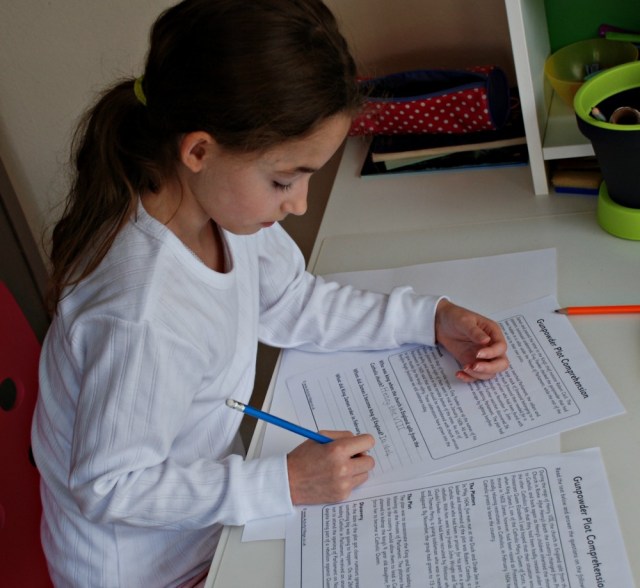
For History we have actually used their Famous people section quite often.  My daughter in particular loves reading up about Historical figures and then afterwards we always have a look to see if that person is included on their database and print off one or two goodies to use (examples of the kind of things you can find here are included in these two posts – Guy Fawkes and Christopher Columbus).  We also recently used a lot of the Egyptian pages (Tutankhamun post)

Activity Village the gunpowder plot comprehension pages

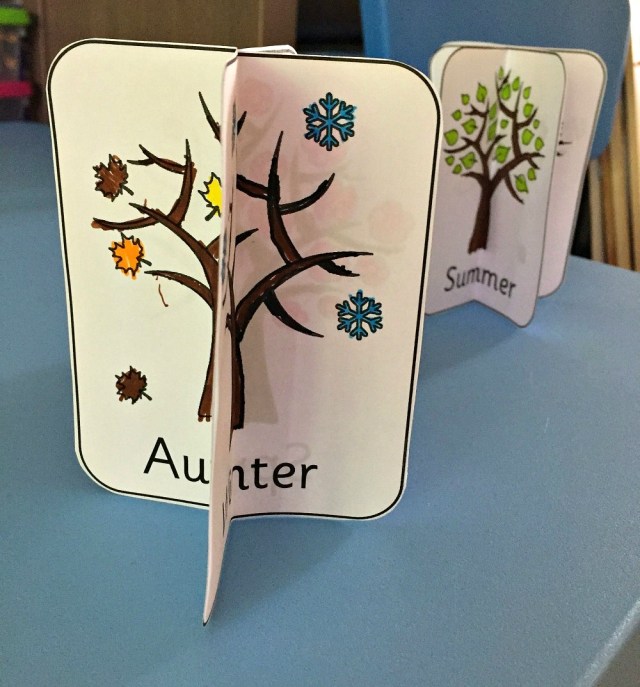
And Science themes – they have some Human Body posters (Including ones where the kids need to fill in the labels themselves, lots of fun animal pages and some seasonal pages. (our version of a seasonal tree).

activity village 4 season tree

It really is worth spending some time looking at their Teacher section to see what they have on the site.  But don’t forget all those puzzles and the massive range of pages to inspire Art – we LOVE using their templates for art activities.

As I mentioned in the beginning this is NOT a sponsored post in any shape or form.  We started using Activity Village when we started home education but over the last 18 months I have been using their site more and more.  They really have been working hard at increasing the number of printouts on their site and I think they have done an amazing job.  There are only two of them so I am constantly amazed at how much they add each week.  And I have only ever found 1 error on a page (if you ever do find an error or a link is not working just email them they are super helpful and will fix it).

Why we use so many Activity Village pages in our home education (homeschooling)


Posted in Homeschooling | Tagged , , , , , | 1 Comment

Mrs Mactivity

Since December last year the kids and I have used a few goodies off the new website Mrs Mactivity.  They have a combination of paper craft activities and some learning activities aimed at the moment at the younger years (I would say key Stage 1 ages for their learning items).  They offer a free membership and a premium membership which is currently just under £10.  It is a newish website and they are constantly adding items but I thought I would share a few of the gems that we have found so far.

We totally loved their egg matching number bonds and flower wreath colouring activity (both of which are free to download and perfect as a Spring or Easter activity).

Learning wise they have English resources like these CVC word cards (free to download) and the common exception word sheets for Year 1 and Year 2   (both premium).  My son did find the words that he needed to trace over a bit too small but he liked the fact that the list came with extra lines so he could add his own words.

Mrs Mactivity exception words handwriting practice

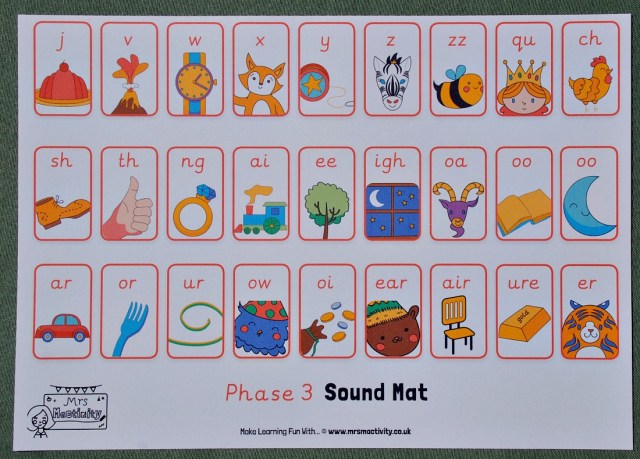
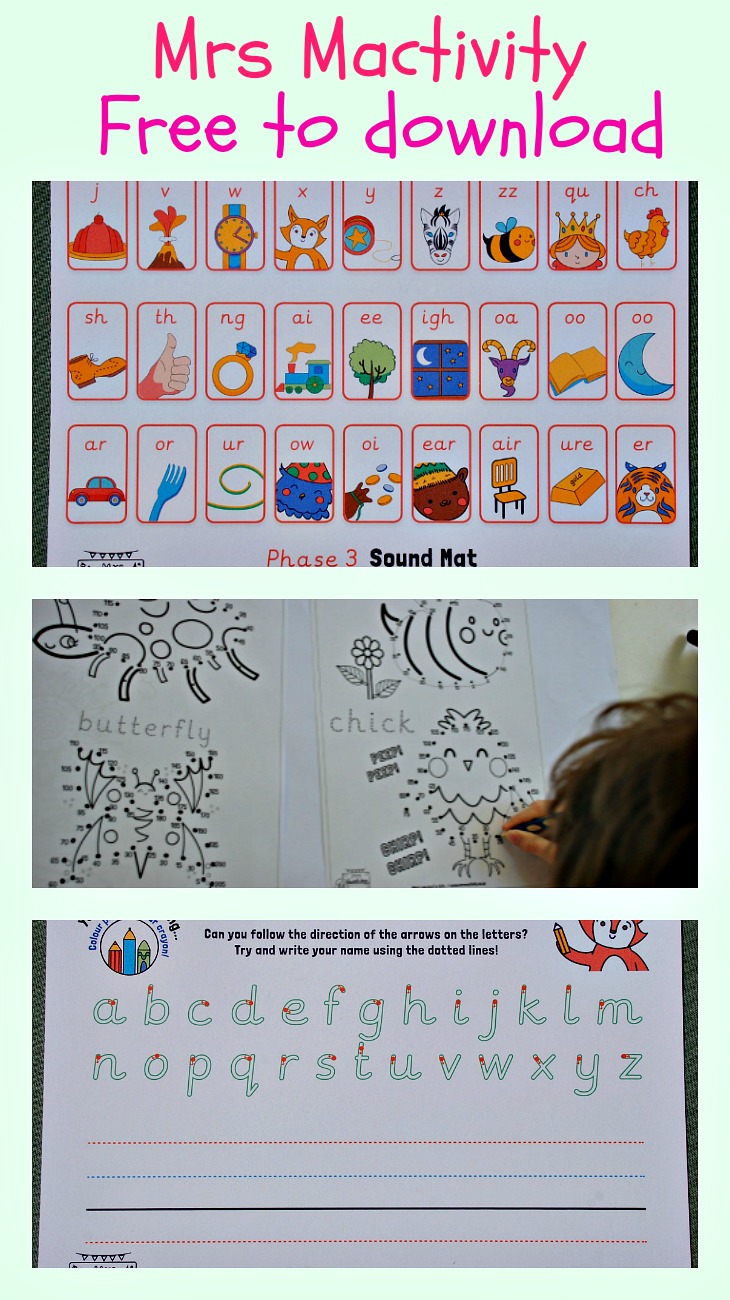
And for kids learning their sounds they have a lovely FREE to download sound mat

Mrs Mactivity FREE to download Sound Mat. Different versions available

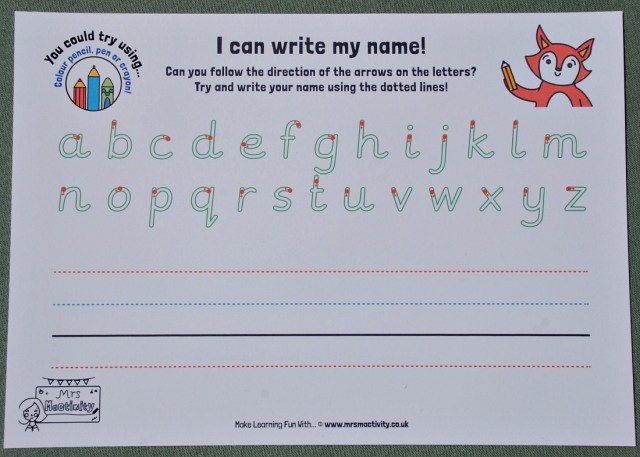
And some very useful FREE CVC Letter Shape Phoneme Frames.  I used pages very similar to these when both my kids were learning their sounds.  The Letter shape frames are really helpful for younger kids.  They also have a FREE  Name Handwriting activity – but you could use this for a number of activities not just for name writing.  When my kids were younger I had a page like this laminated and they would practice writing all kinds of different words on the lines below.  I liked using something like this as it had the letters above so when they were still learning how to form their letters properly they had a guide which they could refer to.

Mrs Mactivity Free to download I can write my own name page

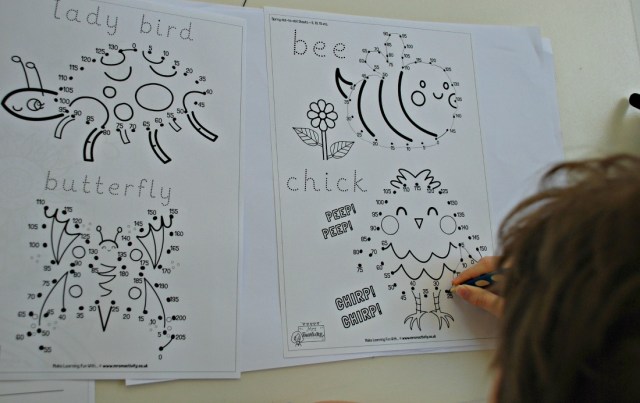
My son has recently used some of their dot to dot pages – we used the FREE counting in 5’s version when we were practicing his skip counting for his 5 times table.

Mrs Mactivity Dot to dot pages in 5's. Perfect for practicing skip counting and helping with multiples of 5's

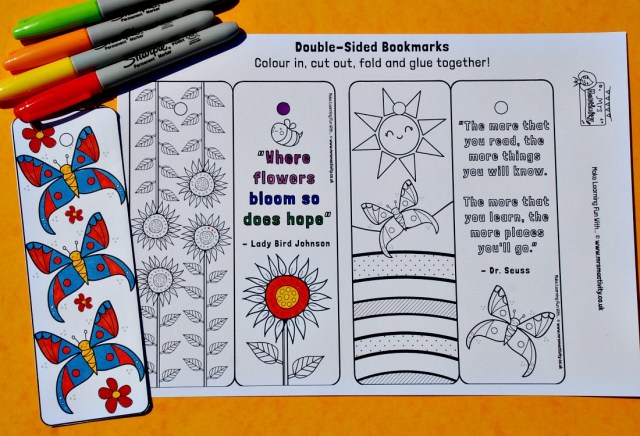
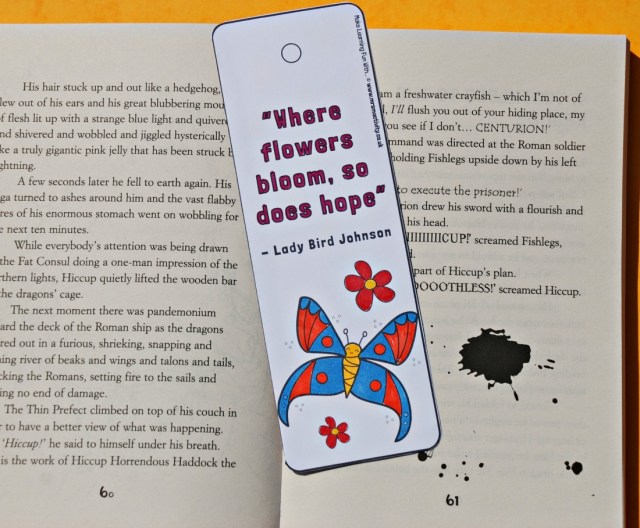
And although the learning pages are too young for my daughter she has enjoyed some of their paper craft pages.  She is currently going through a phase where she reads about 4 books at the same time (really not sure how she manages but she seems to love dipping in and out of the different stories) so she needed some extra bookmarks.  She choose these cute Spring Bookmarks (these are premium).

Mrs Mactivity Spring themed colouring bookmarks

And I must admit they do look lovely.

Mrs Mactivity Double-sided colouring bookmarks

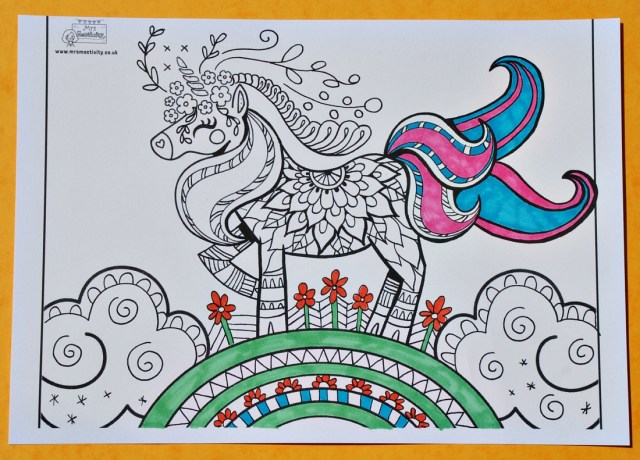
She also liked the more detailed Unicorn colouring page (also premium).

Mrs Mactivity detailed Unicorn colouring page part of their premium package

Mrs Mactivity. Lots of Free to download pages suitable for Key Stage 1 ages


Posted in Homeschooling | Tagged , , , , , , | Leave a comment

Key Stage 2 Comprehension Books

Two Years ago I wrote a post about the comprehension books that we had used for year 2 (and into the start of year 3).  So I thought it was time to give an update and share which  Key Stage 2 comprehension books we are using (Key stage 2 covers school years 3, 4, 5 and 6 in the UK).

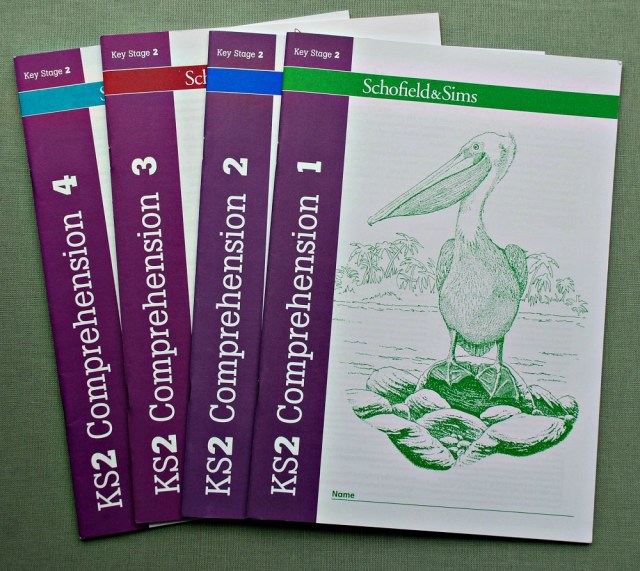
KS2 Comprehension books by Schofield & Sims. 4 Books included in the set

We have stayed with the Schofield & Sims range for comprehension. Their Key Stage 2 Comprehension books consists of 4 different workbooks – in theory one workbook for each year of Key Stage 2.  So Book 1 for Year 3, Book 2 for Year 4, Book 3 for Year 5 and Book 4 for Year 6 (but we have not really stuck to that).

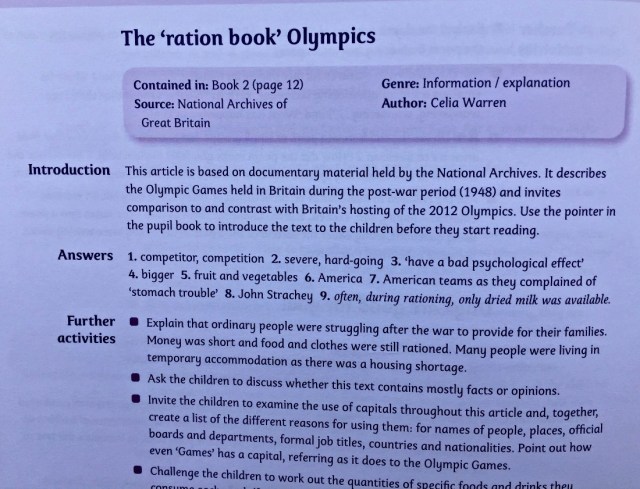
One of the reasons why I like these books is their choice of topics for the comprehensions.  The texts are varied and interesting – they combine fiction with non-fiction, extracts of famous stories, poems, newspaper articles and factual material, like items from the National Archives.   Below are a few examples of the different texts that they have included in their Book 2.

This slideshow requires JavaScript.

I also like these books because they contain lots of practice and there is no sharp increase in difficulty between the exercises.  So if there is one exercise that the kids want to miss out, it’s okay,  it really is not going to impact the flow of work.  In fact when my daughter was working through Book 2 she actually jumped around a bit between the different comprehension based on what we were doing in other learning areas.  And some of the comprehensions lead to further reading about the topic.

Each comprehension is spread over a double page – one page for the text and one page for the questions.  Normally around 8 questions per text.  We have not yet tried the exercises in Book 4 but after looking through I do think they are slightly harder but I don’t think it is a big leap, especially if the kids have been practising the slightly easier ones in the previous books. (Photos below show the difference between Questions in Book 1 and Book 4)

This slideshow requires JavaScript.

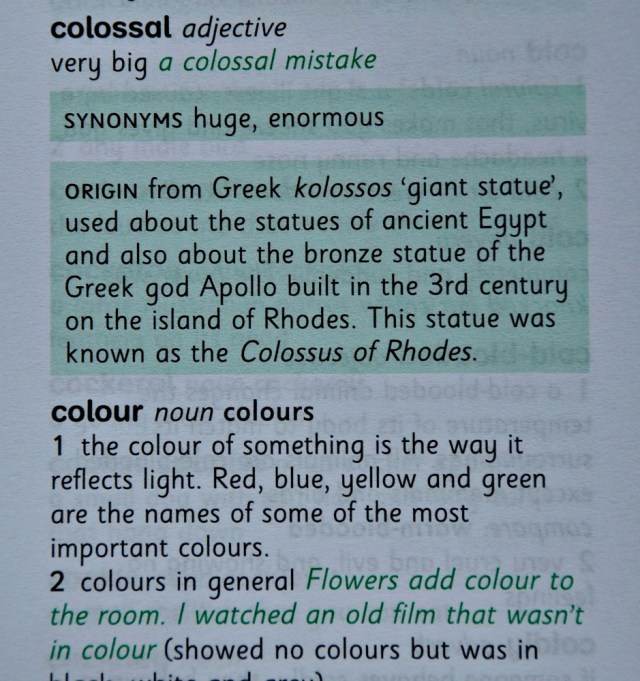
Some of the comprehension did require the kids to look up a few words in the dictionary – something which I really liked as I think using a dictionary is a good skill (yes yes I know  – the internet and all that  – but there is something about looking a word up, the kids often end up noticing other words and end up learning more than just the one word that they had to look up – but this is probably a whole other blog post).  The Dictionary that we used is this one.

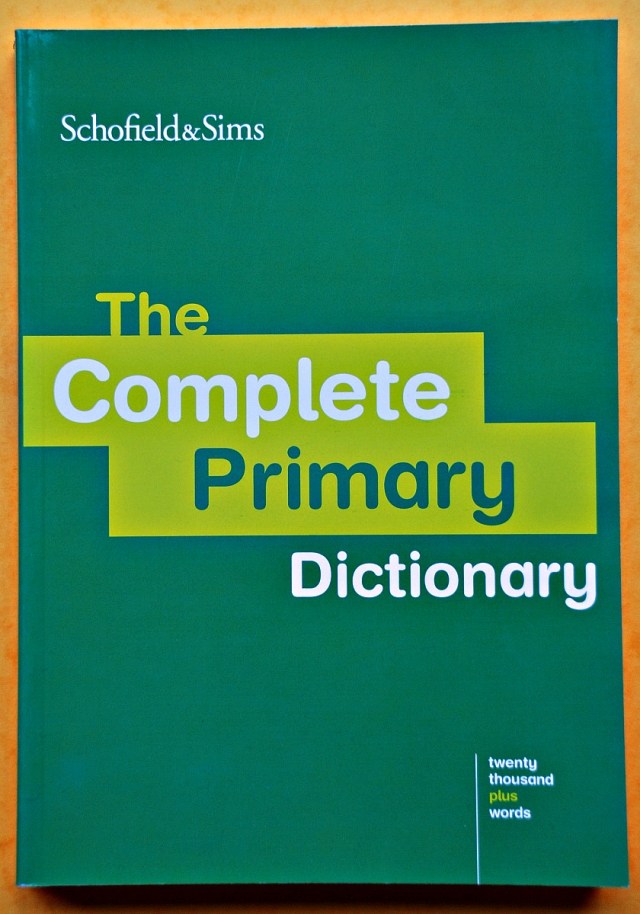
Schofield & Sims Complete Dictionary

Schofield & Sims Complete Dictionary. Perfect for Key Stage 2 ages

I must admit that when I first bought Book 1 and Book 2 for my daughter I did not buy the teacher’s guide and I feel like together my daughter and I managed to answer the questions successfully.  When Schofield & Sims and sent me the whole set for review purposes they included the teacher’s guide and I admit,  I have actually used it to double-check that a few of our answers were on the correct path.  So if you are not that confident in helping your kids with the comprehension it might be useful to get the teacher’s guide.  For each exercise the teacher’s guide includes a short introduction, the answers to the questions and suggestions on how you can expand the topic.

KS2 Comprehension books by Schofield & Sims. The Teacher's Guide

For more Information about these books have a look at the Schofield & Sims website here – Key Stage 2 Comprehension and the Dictionaries.

You can also purchase the books from local bookstores or from Amazon (I tend to buy mine directly from Amazon as I often get them for slightly cheaper and then I just buy them as we need them).

KS2 Comprehension Book 1: Year 3, Ages 7-8 (for the new National Curriculum)

KS2 Comprehension Book 2: Year 4, Ages 8-9 (for the new National Curriculum)

KS2 Comprehension Book 3: Year 5, Ages 9-10 (for the new National Curriculum)

KS2 Comprehension Book 4: Year 6, Ages 10-11 (for the new National Curriculum)

KS2 Comprehension Teacher’s Guide: Years 3-6, Ages 7-11 (for the new National Curriculum)

As I mentioned above we used the Key Stage 1 comprehension books (which I bought) and I then bought Book 1 and Book 2 of the Key Stage 2 set.  Schofield & Sims heard we were using these books and then offered to send us the complete pack together with a dictionary for me to use in a review.  These books are OUR choice of comprehension workbooks.

I have included Affiliate links. If you follow an affiliate link and go on to purchase that product, I will be paid a very small commission, however your cost will remain the same. I only include affiliate links for products that we use and love.

Posted in Homeschooling | Tagged , , , , , , | Leave a comment

Skip Counting Spiral Snakes

We are doing quite a bit of skip counting with my youngest at the moment mainly because he is busy learning his times tables.  We are just starting the three times so I wanted to find a fun way for him to practice skip counting in 3’s but I was stumped.  Then a few days ago he asked if we could do some paper snake crafts (he is fascinated by snakes) and as soon as I saw the spiral snakes I immediately thought they would be perfect for skip counting.

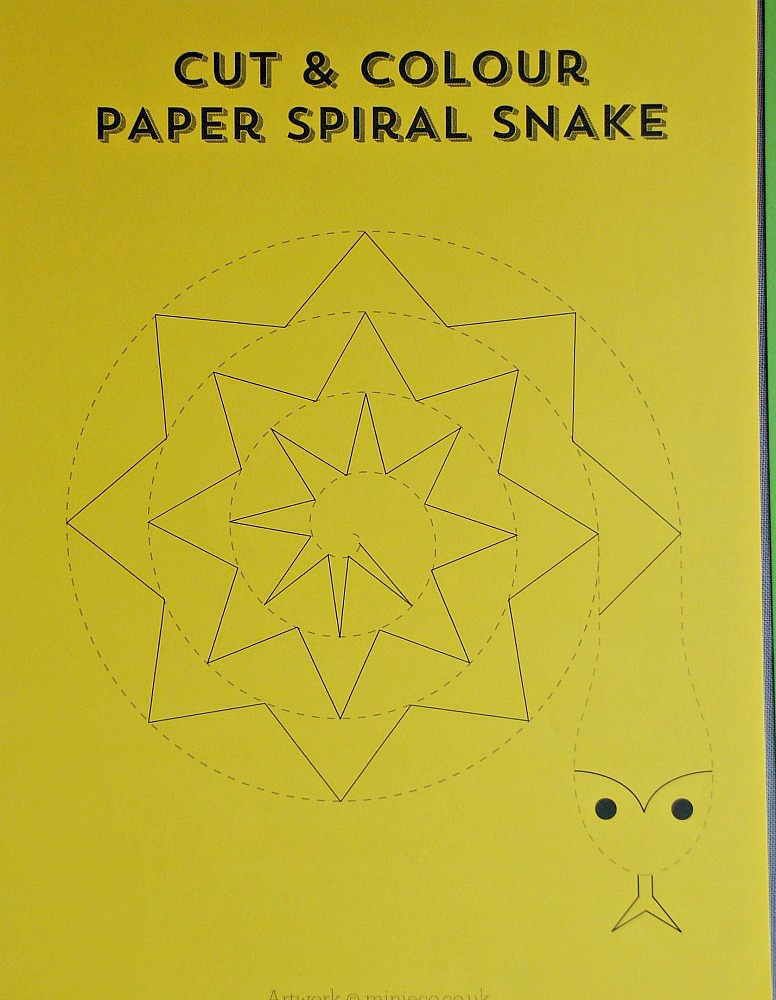
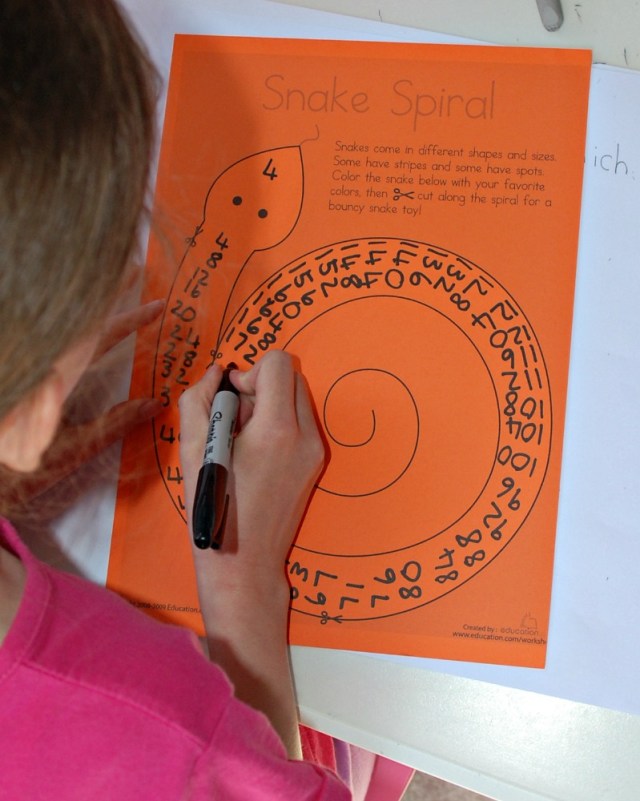
We actually downloaded and used 2 different templates.  The first spiral snake  is free to download from  minieco.co.uk and the second spiral snake template is from the Education.com website (I have a free membership with them and then I get to download 10 worksheets a month).

Spiral snake template from minieco.co.uk websiteSpiral snake template from Education.com

I started off by printing a number of copies onto coloured thin card – we did also try paper but it did not work well.

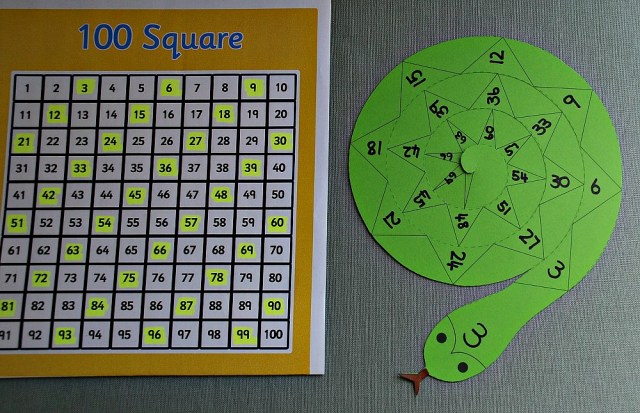
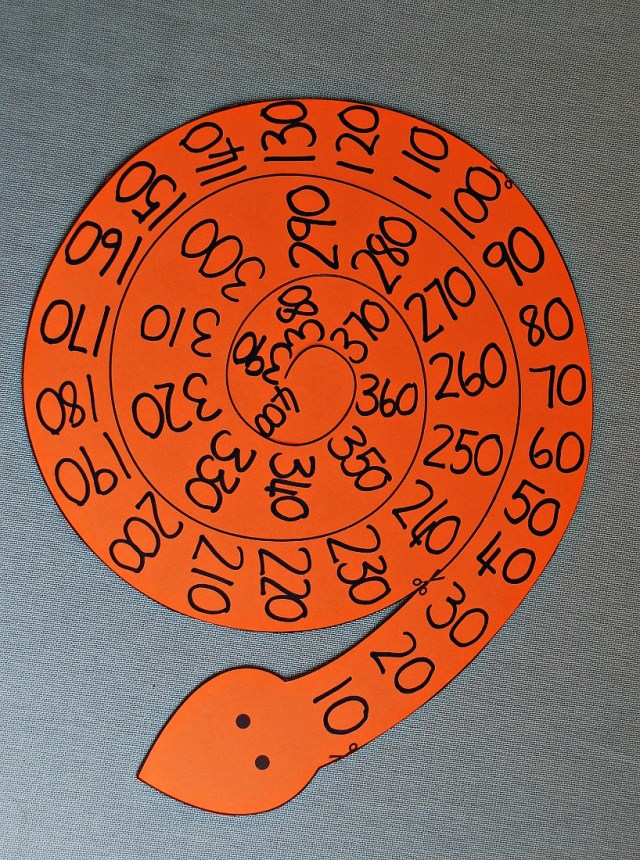
Our first one was counting in 3’s so we used a hundred square to first highlight the correct numbers and then wrote them onto the snake. (you can download hundred square from a number of different sources – Education.com hundred square, free hundred square from Twinkl)

Using a spiral snake to practice counting in 3's

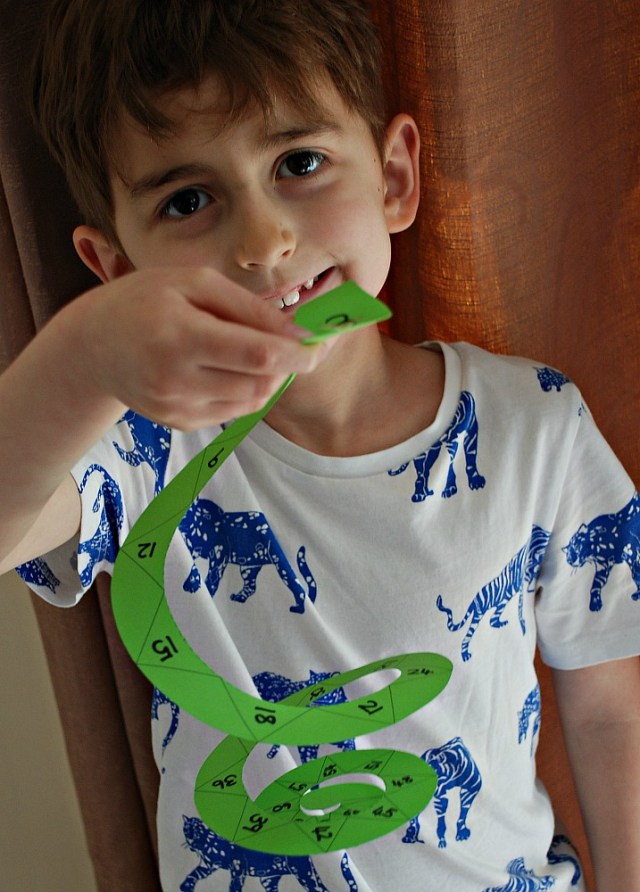
He loved the end result.

Making your own skip counting snakes. Fun and easy way to practice skip counting

And wanted more, so next we did counting in 5’s and 10’s.

Skip counting spiral snakes. Multiples of 10. counting in 10's

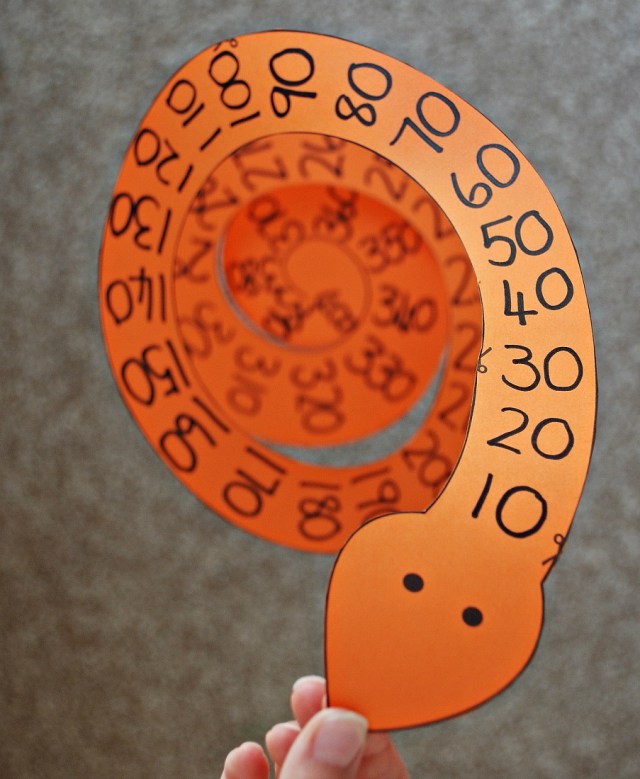
One of the things I really liked about this is the snakes are fairly long so when we did counting in 10’s he went all the way to 400.  I loved this as it reminded him that the number pattern stays the same no matter how big the number gets.

Counting in 10's spiral snake. Fun way to learn skip counting

And even his old sister joined in.  They made snake after snake.  Branching out into other multiples like 4’s, 6’s and 7’s.  And yes mistakes were made.  But it ended up being a longer, fun Maths session.  My daughter ended up adding all kinds of numbers and he was singing the number patterns (sorry neighbours).

Making skip counting spiral snakes. Fun and relaxed maths

They were really easy to make – just downloaded and print a template and you are set for a a fun, relaxed Maths session, the kind when no-one really realizes how much they are learning.

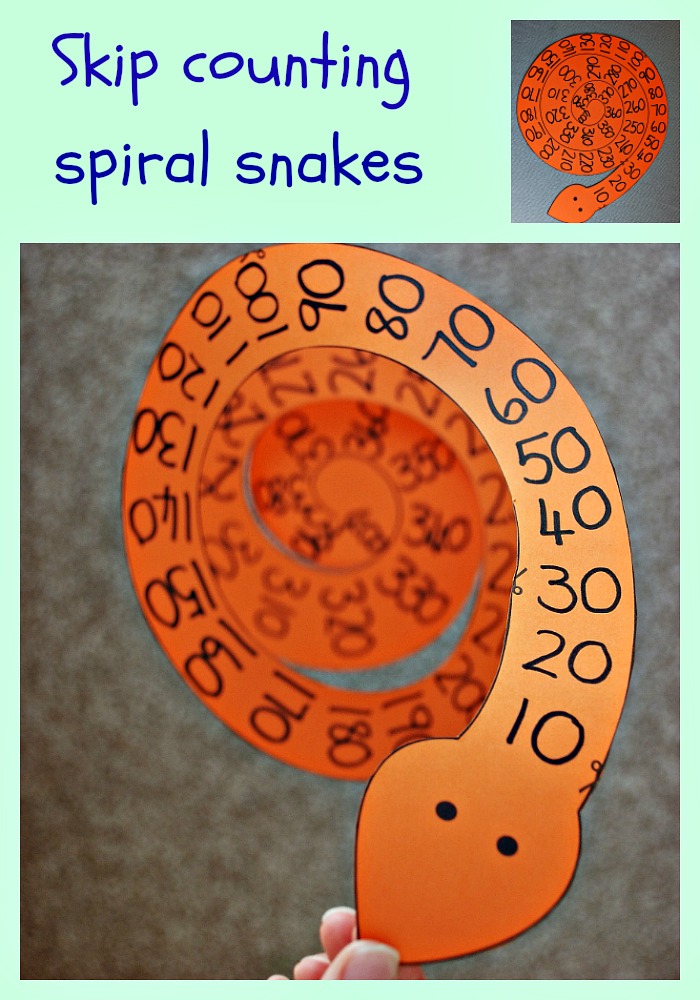
Fun and Easy to make.  Skip counting spiral snakes.  Counting in 10's, 5's and 3's

Posted in maths ideas | Tagged , , , , , , | 2 Comments