Staying Alive Book (The story of the Food Chain)

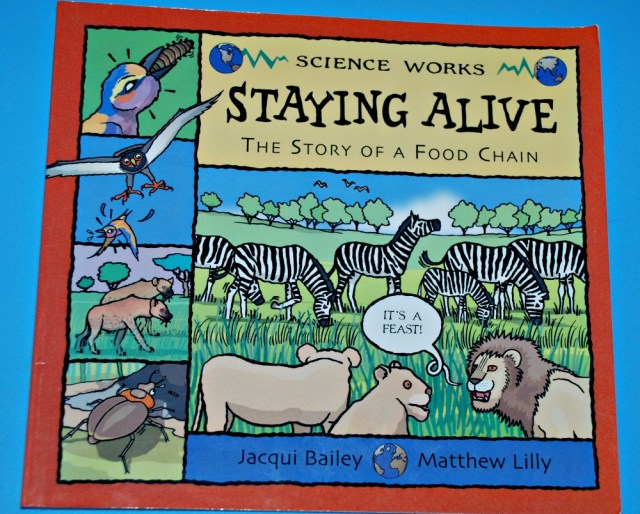
Staying Alive – The story of a Food Chain – is one of those books that my kids come back to time and time again.  The book deals with a few animal science concepts but it is done in a very accessible manner so young kids can understand it.

Staying Alive. The story of the Food chain by Jaqui Bailey and matthew Lilly. A childrens book which deals with the food chain based on animals living in Africa

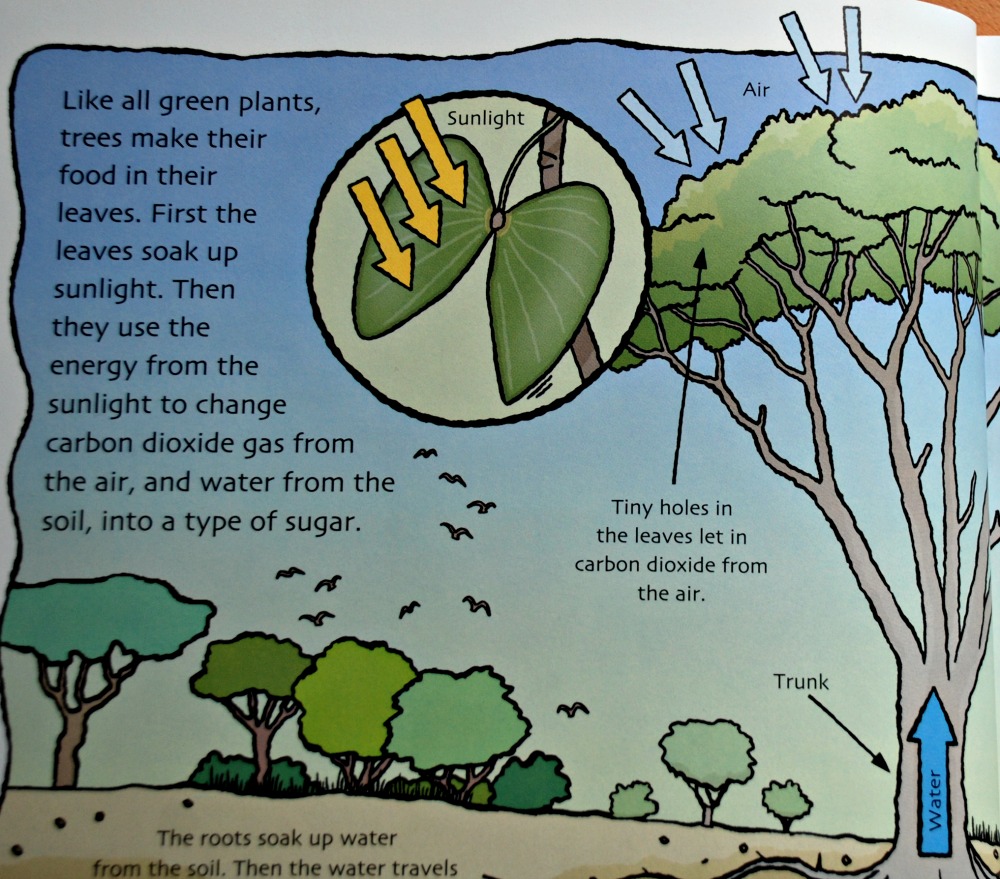
The book is set in the African savannah and starts off by explaining a bit about trees and how they need sunlight and water to grow.  It also gives a brief introduction about the African savannah.

Staying Alive - starts explaining about the producer in the food chainThen it moves onto the creatures that would feed off the tree eg caterpillars and what animal would potentially eat the caterpillar.  It explains words like carnivore, herbivore, omnivore and the difference between what a Producer is and what a Consumer is.

Staying alive explain an animal food chain in detailsMy kids are totally fine with the concept that predators hunt prey and they are not upset by scenes of animals being hunted but just to mention for other kids there are a few pictures of a zebra being hunted and killed.

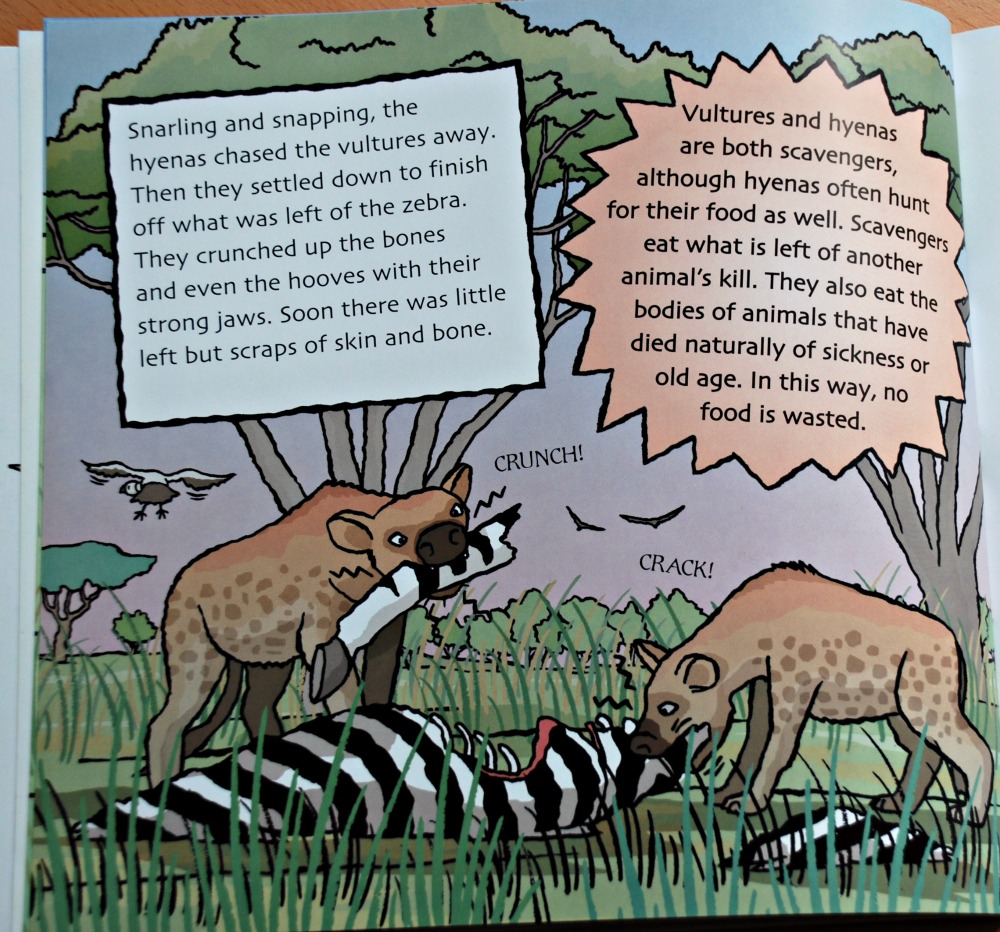
Staying alive - the lions hunting the zebra as part of the food chainand then the being scavenged on my vultures and hyenas

staying alive the hyena eating the zebraThe pictures above are potentially the two which could upset a highly sensitive child (there is nothing worse than these two).

Then it continues with how the remains of the zebra attract insects and ultimately end up rotting into the soil which provides minerals for the plants and so the whole food chain begin again

On the whole the pictures are clear and the text does contain a lot of information.

Staying alive a great science book for young kids which includes lots of factsI bought our copy of this book from Amazon here   Staying Alive: The Story of a Food Chain (Science Works)

Explain the food chain to young kids using the book Staying Alive. Very informative and easy for young kids to understand

You may also find this book interesting – Life Cycles everything from Start to Finish

I have included an affiliate link in this post.  If you follow an affiliate link and go on to purchase that product, I will be paid a very small commission, however your cost will be the same.

Save

Save

Save

Save

Save

Save

Save

Posted in Book Ideas | Tagged , , , , , | 2 Comments

Make Your Own Animal Life Cycle Book

We have recently been going through a bit of an animal life cycle craze.  The kids already knew a lot about different animal life cycles but they have been asking more and more questions and we have been reading more and more books about it, so we thought it would be fun to make our own life cycle book.

Make Your own Animal Life Cycle book with young kids

We have kept it simple as my youngest wanted to join in, so lots of cutting and sticking pictures and a bit of writing key words.  We have also left pages free in-between the different animal life cycle diagrams so that the kids can come back and add their own diagrams or notes as they want.  It is still very much a work in progress but I thought I would share what we have done so far.  We have used a number of different pages, all are Free pages from Twinkl so I am going to list them at the end of the post.

For every animal that we do we start off by setting up a page in our book with the basic template as below and we normally read up a bit about each animal.

Lifecycle - hen life cycle template the kids then stick the pictures in the correct placeThen the kids cut out the pictures and decide in which order they should go.

life cycle of a robinWe are only making one book so they kids are making the book together as a team.  They both do the cutting out, then my youngest normally gets to do the sticking and my oldest will label the pictures (I am not making a big deal about any spelling errors).

life cycle making our spider life cycle pageIt has been a very relaxed project and both kids are enjoying it as we add to the book bit by bit and they are in charge of the book.  They have now given me a list of future animals that they want to include in the book and I have been tasked with finding some pages for them to use.

life cycle - ladybird life cycle page completed by the kidsTo encourage my youngest to join in with the writing side of things I have also printed out some the general life cycle words for him, he has yet to add any of his own writing but he has been reading the words on the cards (with a bit of big sister help).

life cycle - key words printed out to help the kids with their bookAnd we even found this cute frog life cycle folding aid which we have added.

Life cycle of a frog folding aid which shows the different stages of a frogs life

I really enjoy this kind of relaxed learning with the kids.  I definitely find when I am relaxed they both end up trying more and they get more and more involved with the project.

My son informed my earlier today that next week he is going to draw a snake life cycle in the book and apparently his sister is going to do a lizard drawing in the book – I can’t wait to see these additions to our little life cycle book.

Here is the list of all the pages that we have used so far (all FREE from Twinkl)

Hen Life cycle worksheet

Robin Life cycle worksheet

ladybird life cycle worksheet

spider life cycle worksheet

ant life cycle worksheet

sea turtle life cycle worksheet

Frog life cycle folding aid

General life cycle word cards

animal life cycle book made by kids using free pages from Twinkl website


Save

Save

Save

Save

Save

Posted in Homeschooling | Tagged , , , , , | 1 Comment

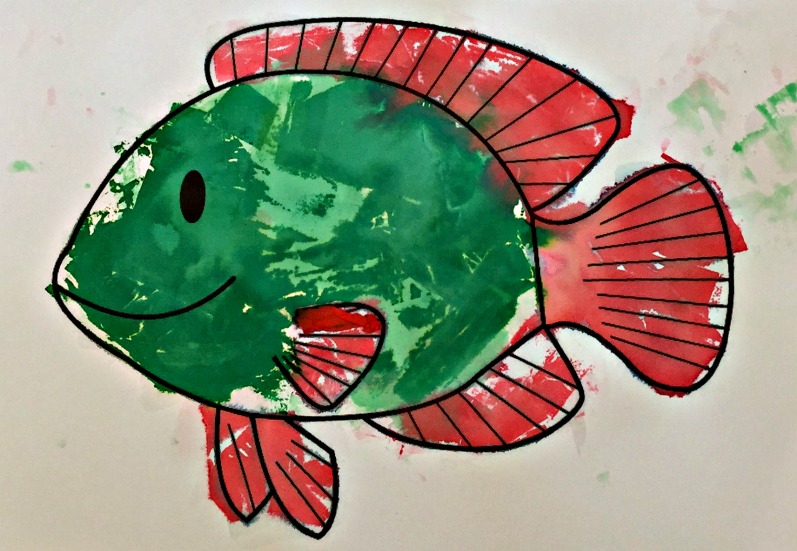
Fish and Turtle Tissue paper art

We did some bleeding tissue paper a while ago – it made very pretty writing paper. So the kids were eager to try it again but this time they wanted to use it with some pictures (my son is not very sure of art when it is not an object that he can identify) .  My daughter was a bit unsure of how it would turn out so I suggested we first try it using some basic colouring pictures so that the kids would have a basic outline and could concentrate on the placement of the tissue paper.

I printed the colouring pages onto some card as the kids do need to add water to get the effect and my youngest can go a bit overboard with the water resulting is soggy paper.

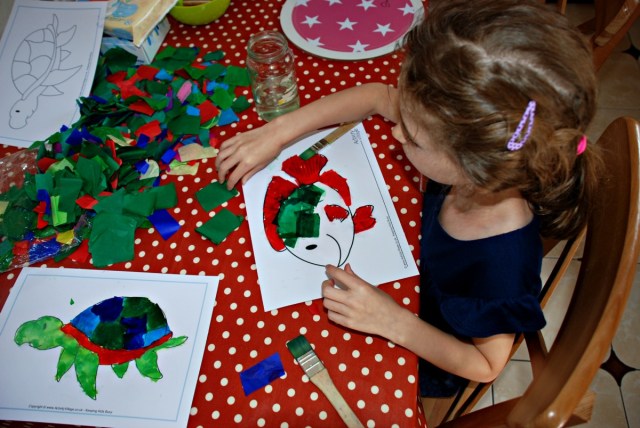
Making the bleeding tissue paper pictures - add water onto the tissue paper with a paint brush

We started off by slightly wetting the area where the tissue paper was going, then we added the tissue paper (we needed to fold it and tear it so it sort of fitted in) and then afterwards we used our paint brush to add a bit more water on top of the tissue paper to make sure it was wet so that the colour would bleed onto the paper.

The colouring pages that we used are both Free to download from Activity Village here – fish  and the sea turtle. (UPDATE – since writing this post the fish and turtle pages that we used are no longer Free to download they are now part of the Activity Village membership deal.)

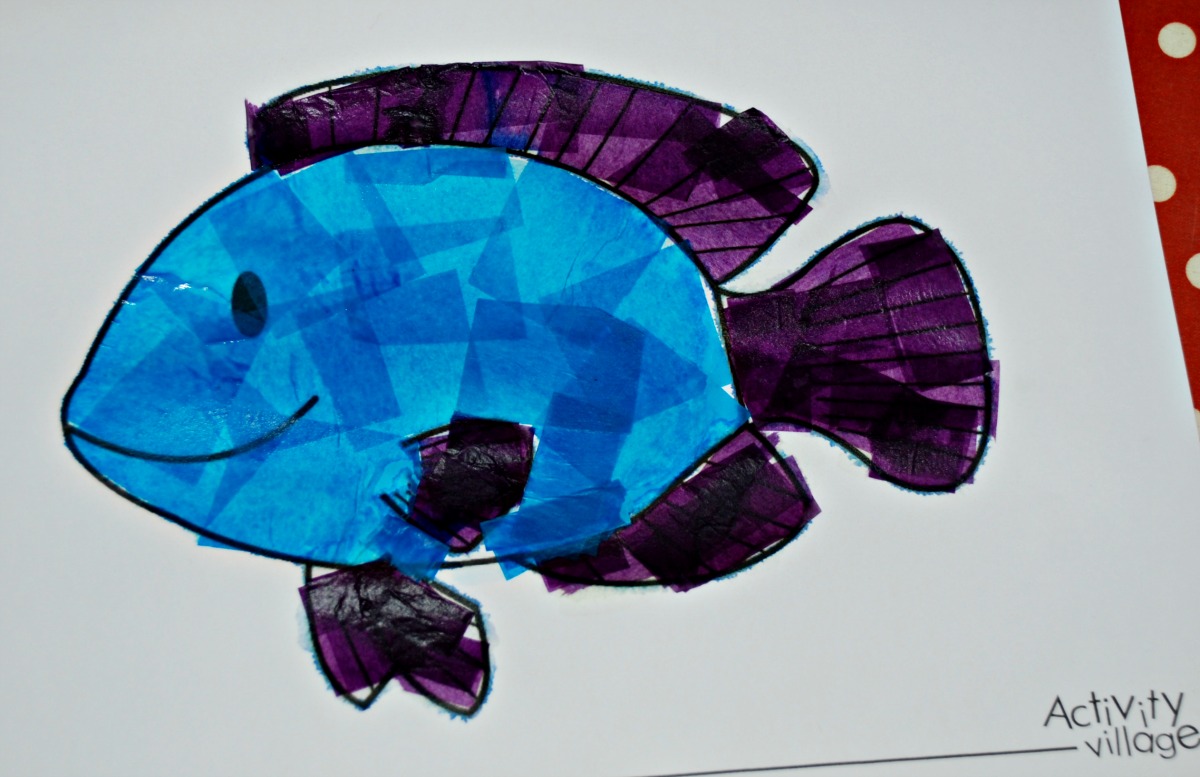
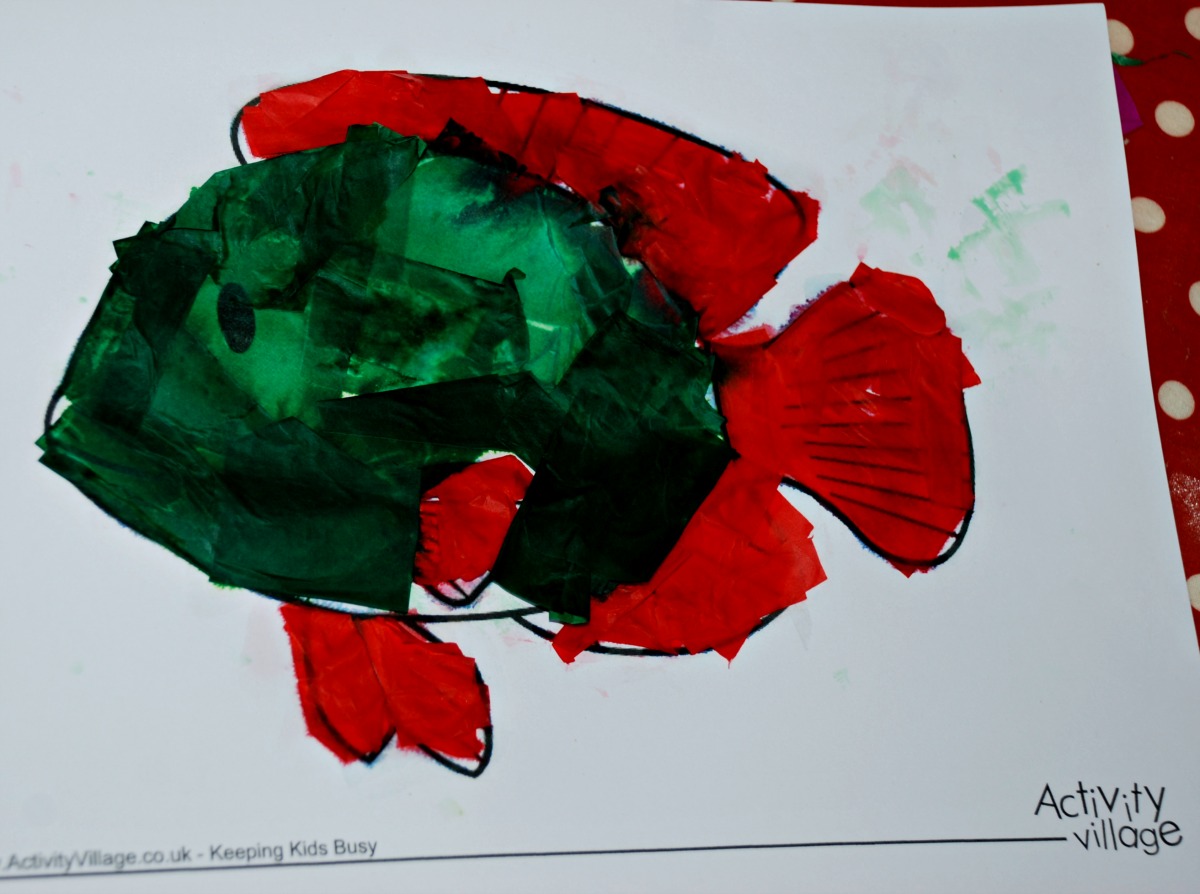
This is what the pictures looked like with the wet tissue paper on

Fish colouring page with tissue paper and water added

Tissue paper fish before the wet tissue paper is removed

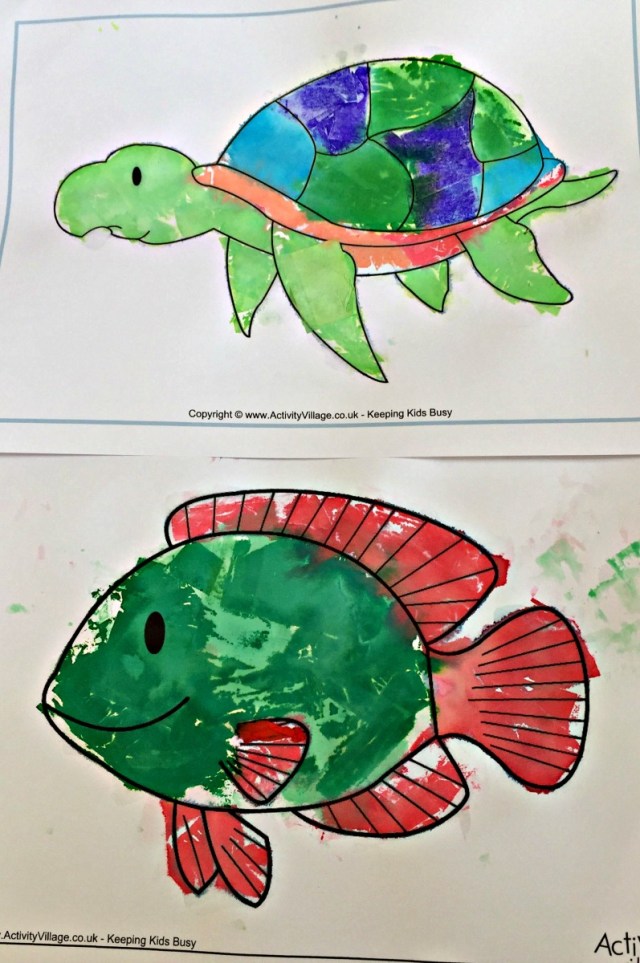
sea turtle tissue paper pictureand after you have removed all the wet tissue paper.

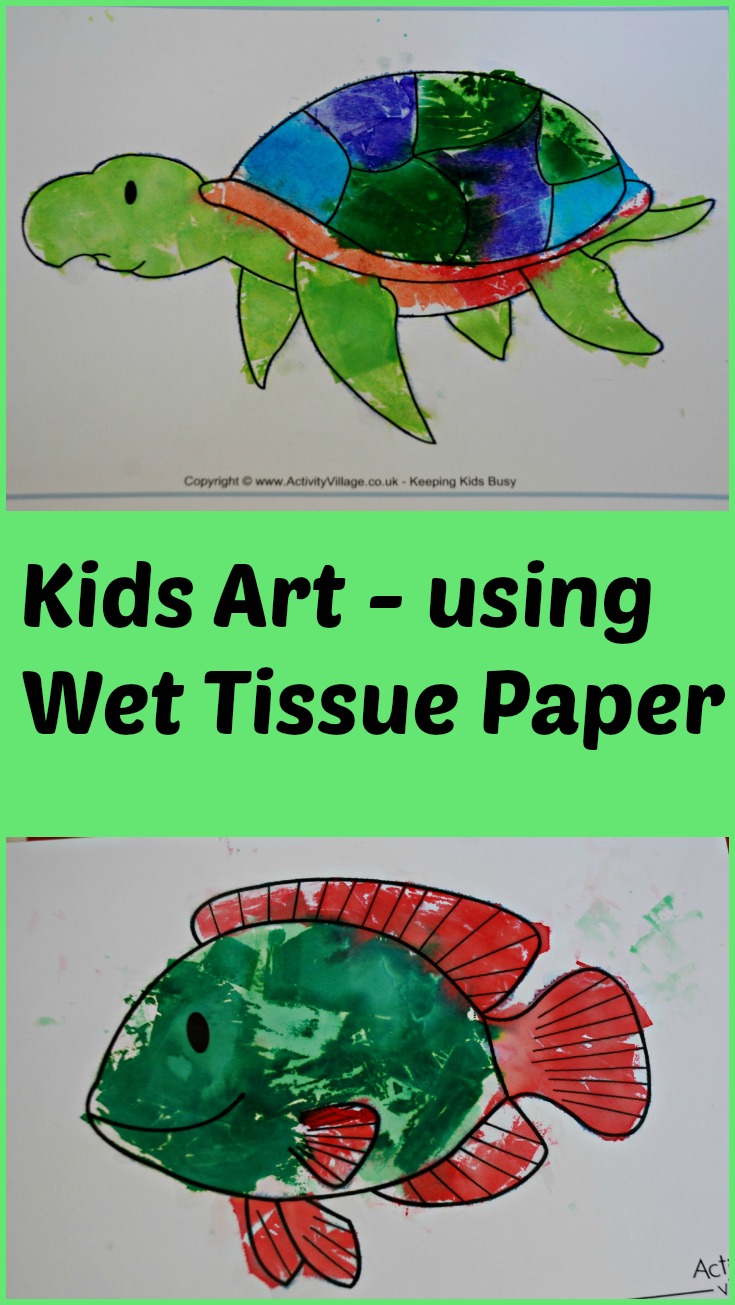
Fish and Sea turtle made by Bleeding tissue paper onto the colouring pages

I think the pictures turned out really well.

And just in case you are curious – this is how our Bleeding Writing paper turned out – Making some colourful writing paper

Kids Art idea using wet tissue paper and bleeding the colour onto colouring pictures

Fish made with bleeding tissue paper

Save

Save

Save

Save

Save

Save

Save

Save

Posted in Art and Craft Ideas | Tagged , , , , | 1 Comment

Easy Crafts to do with Kids

I love kids crafts but lets be honest lots of the crafts that you see on Pinterest involve some set up time (possibly need to buy stuff first), a fair bit of adult supervision and some clean up afterwards.  On some days I am up for that but there are other days when I am exhausted and my brain is just mush (I am sure this is a technical term?)  and having to do all that well it can take the fun out of doing crafts with the kids.  And as with most things it is normally on these days that the kids are determined to do a craft or art activity.  So in order to  maintain some sanity I will sometimes resort to my “easy crafts” – those craft activities that are easy to set up (does not involve a mad dash to the store), easy to clean up afterwards and does not require an adult hovering above them supervising but instead allows me to drink my cup of tea in an attempt jump-start my brain.

Easy art and craft activities to do with young kids

So with all of that in mind I thought it would be good to start a new board on Pinterest –  an Easy Craft Board and for me to share with you 5 of my “easy art/ craft activities”

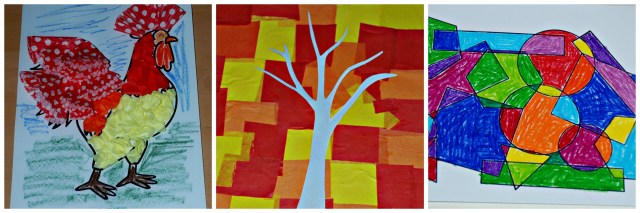
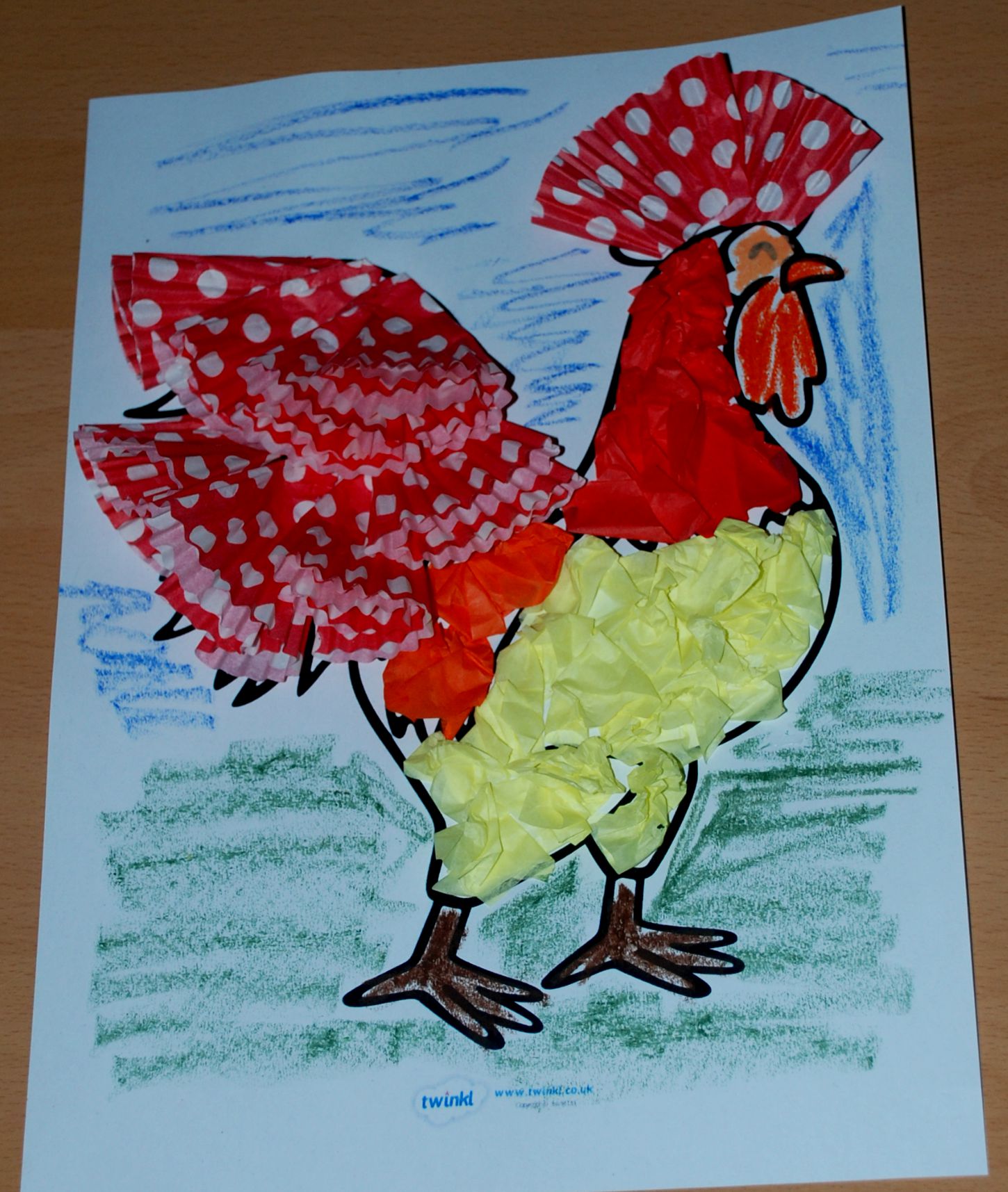
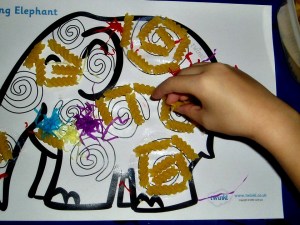
1. Collages – oh we have done so many of these.  I often print off some colouring pages and then we use whatever is on our art cart or we raid the kitchen for some pasta and beans.  Honest anything goes with this one.   Pictures below are from our animal crafty post and Elmer.

Tip when doing collages with young kids I have found it better for them to apply the glue to the picture and then add whatever they want.  When the kids try to add the glue to the pasta or bead etc and then add the pasta or bead dripping with glue onto the page it can often end in a bit of a mess.

Rooster mosaic using cupcake cases and tissue paper on ofamilyblog

OLYMPUS DIGITAL CAMERA

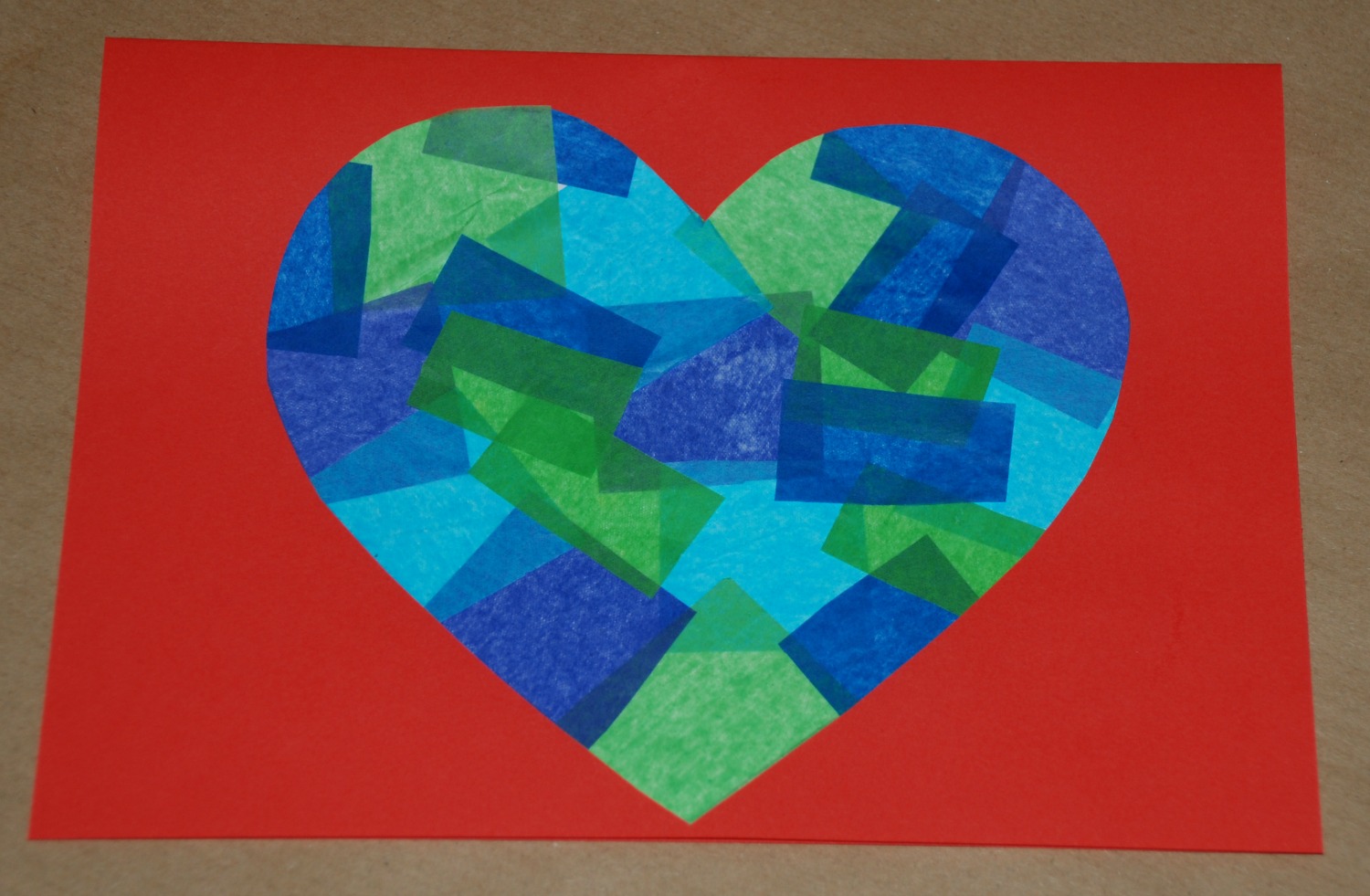
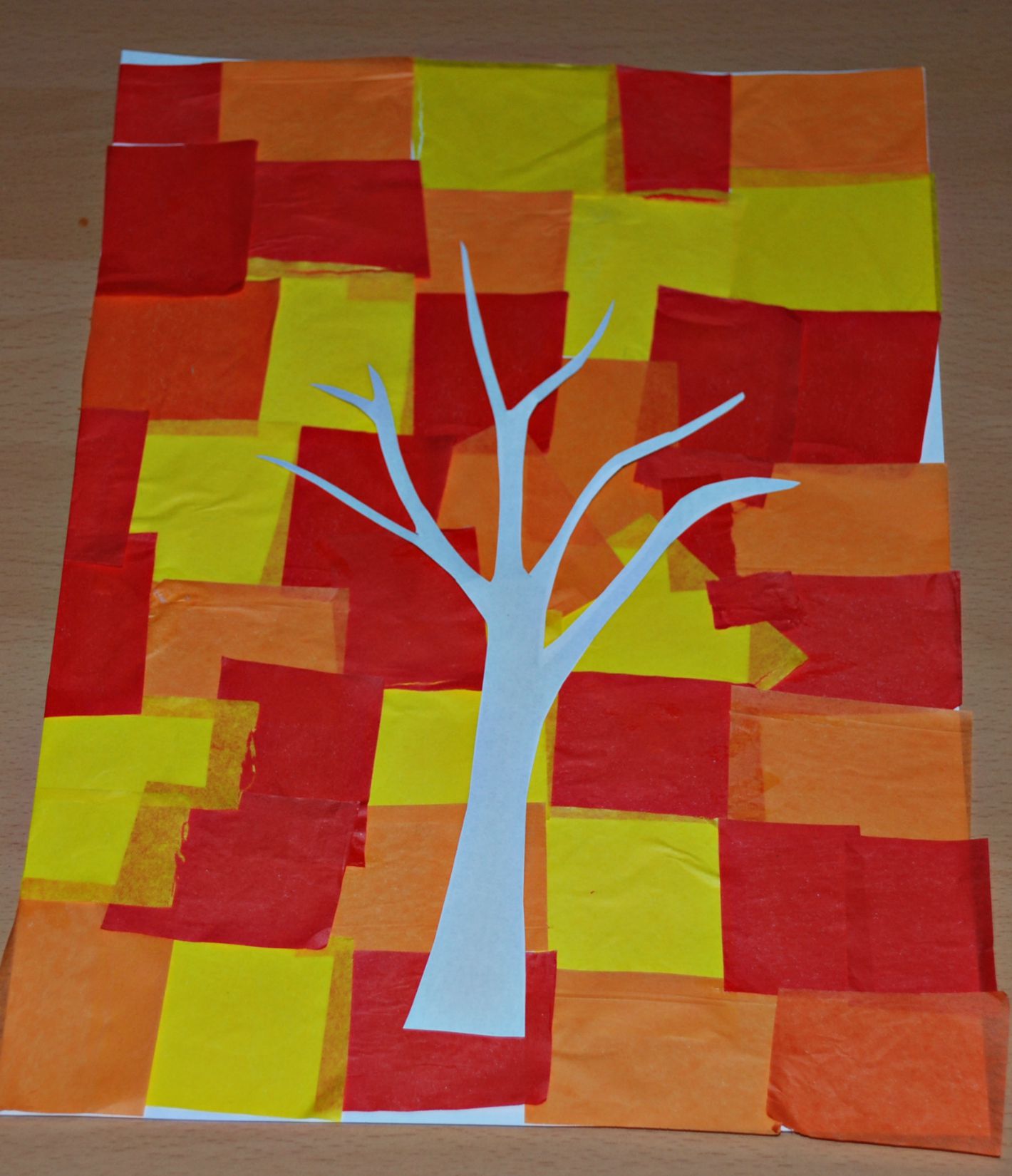
2. Tissue art.  We often use our tissue paper in our collages but we also like doing just tissue paper pictures.  One of the kids favourite tissue art projects is when we choose a shape, they cover the shape in the tissue paper then we cut it out and either use the shape for a card or a picture.  I personally think the tissue paper cards that the kids have made are stunning (the pictures below are from these blog posts Winter Tree Picture, Heart cards for children, Tissue paper pictures)

snow trees 2

heart card

Autumn tree using tissue paper for the background and a basic tree template on ofamilyblog

3. Water colour pictures (using water-colour crayons).  I love our STABILO 3-in-1 pencils as they are nice and easy for little hands to hold and they are lovely water-colour pencils.  The kids have produced lots of stunning pictures with just these pencils and a small cup of water.

Tree drawing using a Twinkl tree template and Stabilo water colour pencils on ofamilyblog

Activity village scarecrow colouring page using STABILO woody pencils with water

4. Stencil art.  It is amazing what the kids can produce with some nice pencils and their pens or pencils.  I have these brilliant learning resources stencils  that we love and I have also made the kids some basic stencils just by printing silhouettes of animals and dinosaurs onto card and cutting them out (eg our African animal stencil art post or our learning resources stencil art post).

Stencil art project done on ofamilyblog

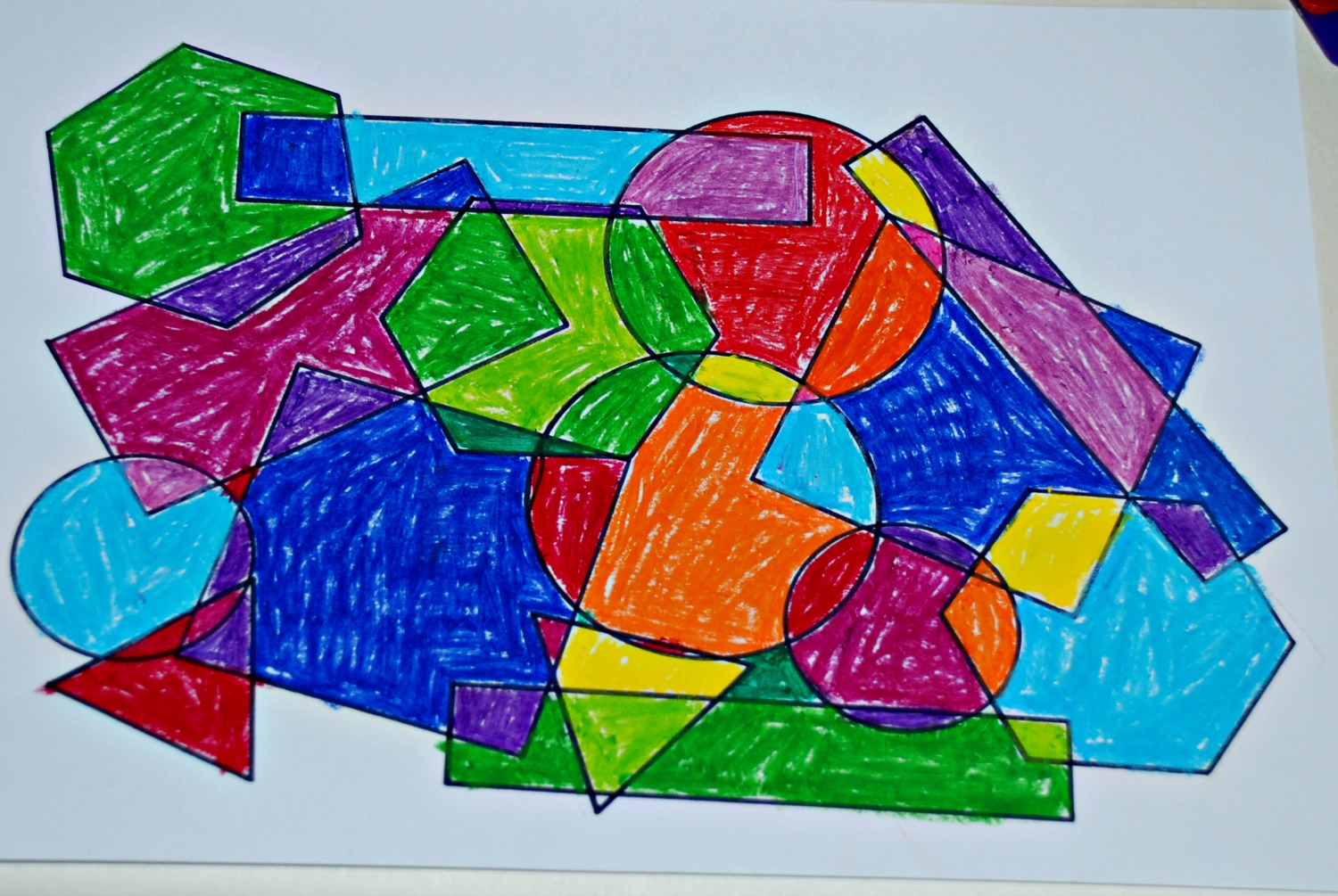
5. Use Templates.  It could be a template of anything but it gives the kids a starting point and then they can do what they want with it.  I have a bunch printed out – trees, people, butterflies etc.  The kids have used them to create all kind of works of art and some works that I shall call “Abstract Art”.

Easy to do Crafts with kids. Easy to set up, kids can do the craft by themselves and easy to clean up afterwards

Save

Save

Save

Save

Posted in Art and Craft Ideas | Tagged , , , , | Leave a comment

Core Knowledge Books that we use

I am a bookworm. I tend to read lots of different books about any topic which is affecting our lives.  I believe that the more you read the more informed you are.  Some books I read cover to cover and others I tend to dip in and out of as I need to read up about a certain topic, others just get taken straight to the local charity shop.  So when I first started home-educating the kids I followed my natural bookworm instinct,  I bought a bunch of different books to read, some turned out to be interesting and useful and some turned out to be disappointing.
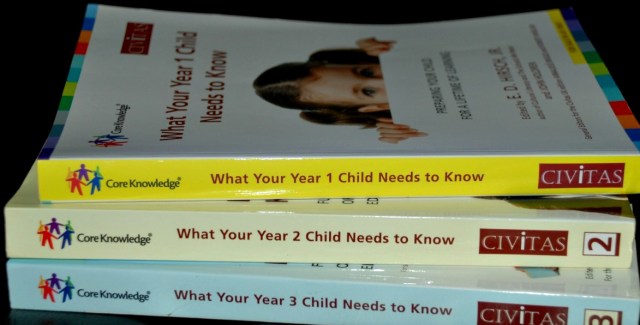
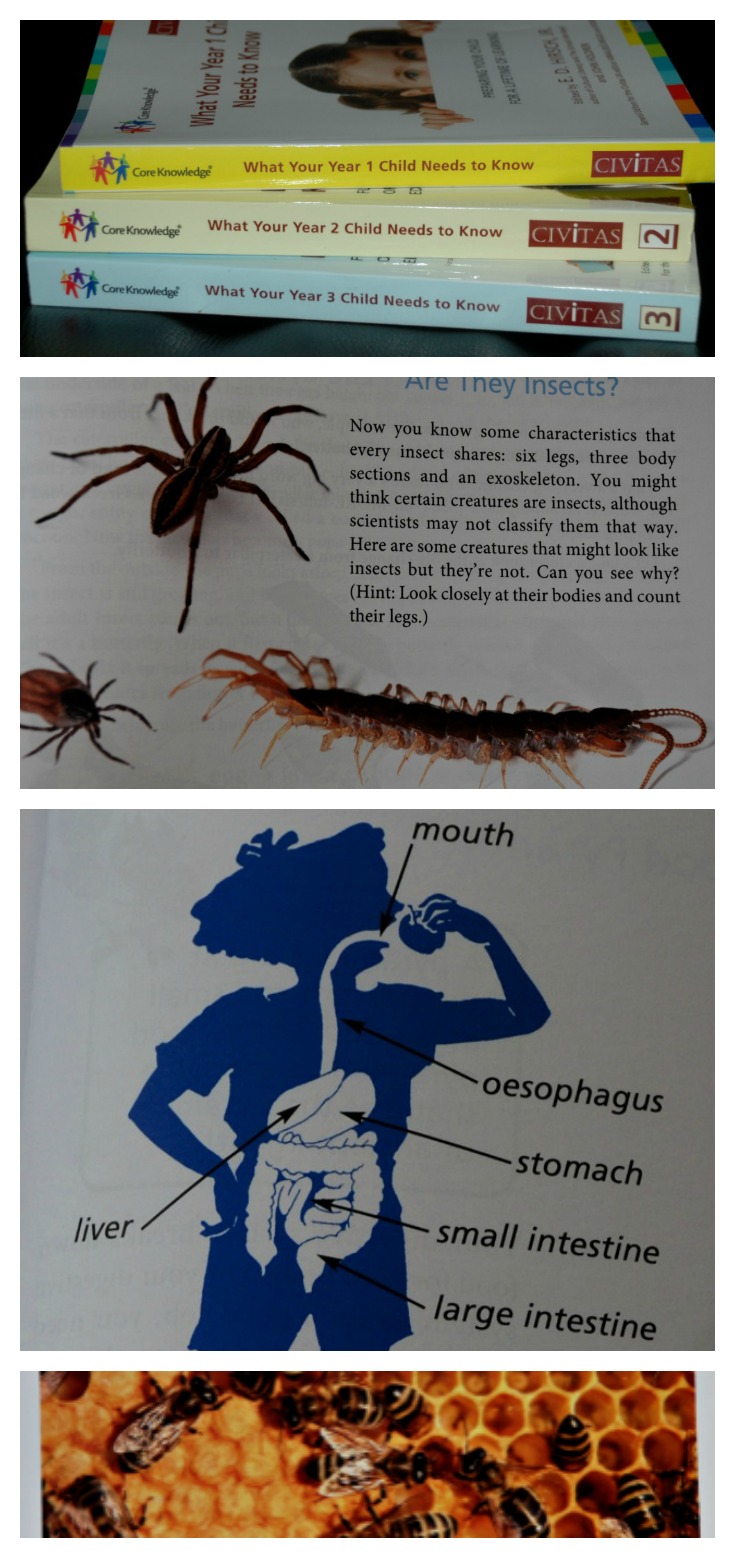
Core Knowledge Books year 1 , year 2 and year 3 great for planning and ideas

One series that I have found useful and informative is the Core Knowledge Books – What Your Year (goes from 1 to 6) Child Needs to Know.

Let me start by saying I do not follow this series word for word, suggestion for suggestion. I do not go out and buy everything that they recommend and we do not do very activity in the book.  I like having these books as a reference, a guide, a suggestion of what we could include in our year.  I like having something that I can turn to for ideas, ideas on what topics we could include and also ideas on how I can explain certain concepts.
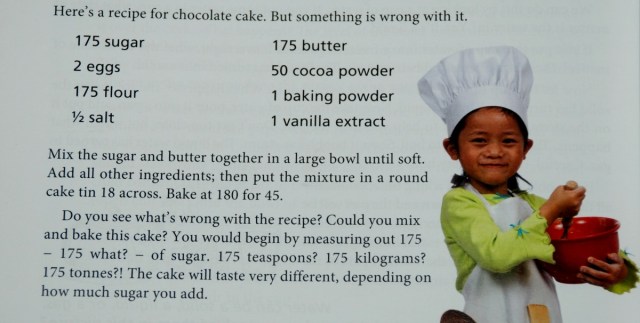
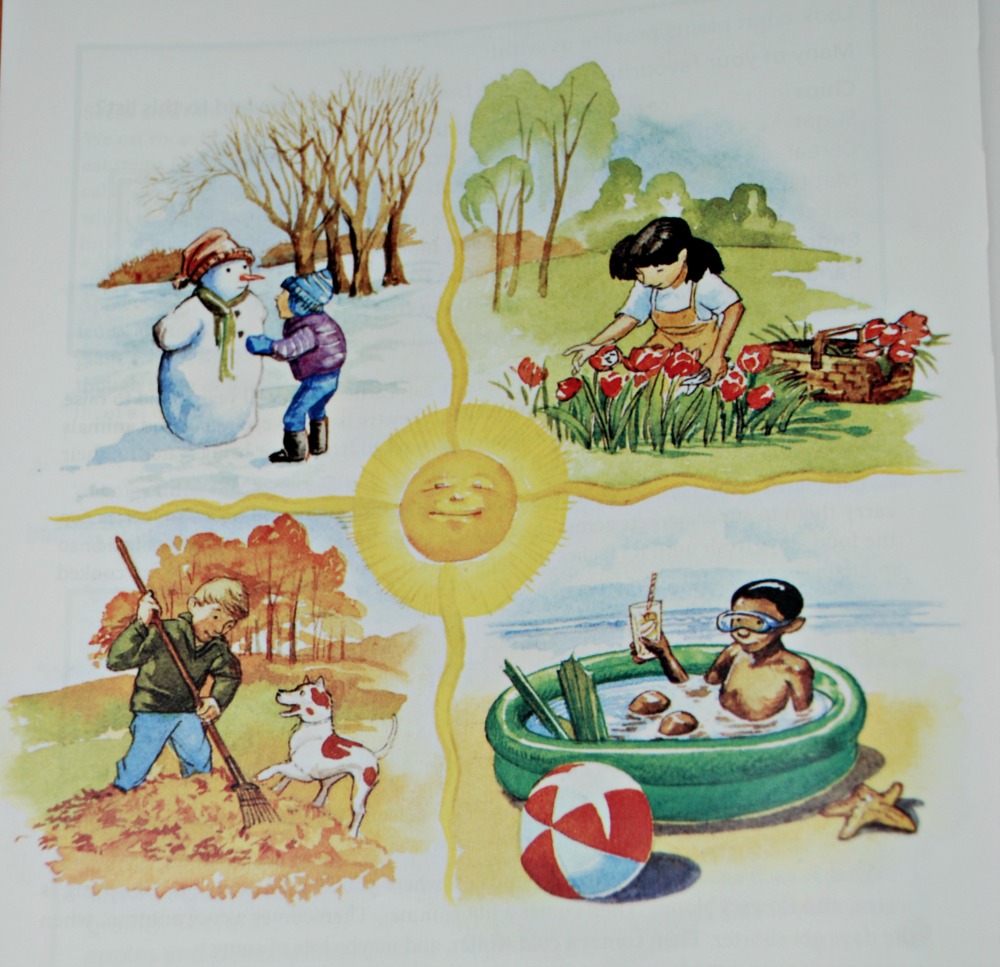
Core Knowledge and example of the Year 2 book

I find it helpful to have a look at the book which relates to whatever year we are about to start after the Summer holiday before our “new education year” starts.  It has become part of my Summer reading, and it helps me to form a general plan of what we might include in the upcoming year (not that we ever stick to my plan, but having a plan in mind always comforts me)

Each book is divided into the 6 different subjects –

  1. Language and Literature
  2. History and Geography
  3. Visual Arts
  4. Music
  5. Mathematics
  6. Science

Within each subject it is further divided into topics so included in Mathematics for the Year 1 book is Patterns & Classifications, Numbers & Number Sense, Money, Computation, Measurement, Geometry.  Within each of these topics they will explain what they suggest you cover and give a number of examples of how you could cover the topic.  So for example for counting in 2’s they suggest lining up all the shoes in pairs and then getting the kids to work out how many shoes there are by counting them in 2’s.  And under the money section they recommend a fun looking version of money bingo to help the kids with money recognition.

I like the resource suggestions after each subject.  We have used a few of them and the ones that we have used have been very successful with the kids.  It was after looking at this series that I started using children’s story books as a way to introduce the kids to famous artists.  And it was after reading the Year 2 book in this series that I finally hit the jackpot with finding readers for my daughter.  I had been trying the tradition readers with her and they were just not right for her, she was progressing but she was not enjoying her reading.  The Year 2 book in the series gave a lovely list of books to use with beginner readers.  We tried one suggestion on the list and it was a big success so I tried another and another of their suggestions and I finally had a little reader who was really enjoying her reading.

I think I have probably found the English and Maths sections in the books the most useful mainly because History in our house tends to develop after the kids have discovered a new favourite book at the library and Science well – my kids are animal obsessed so we tend to read lots of very detailed factual books about animals with them and we are totally allowing them to drive how this area of their learning developes.

As I home-educator I like having reference material that I can rely on.  I like reading up about subjects so that I can ensure I have a good basic knowledge for those inevitable questions that always seem to come up when I am driving the car (What is it about kids that they always ask detailed questions when you are trying very hard not to get lost somewhere ?)

The books also contains lots of high quality illustrations and photographs (always a big plus for me and my kids).
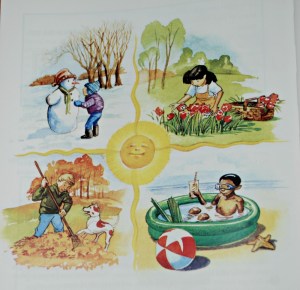
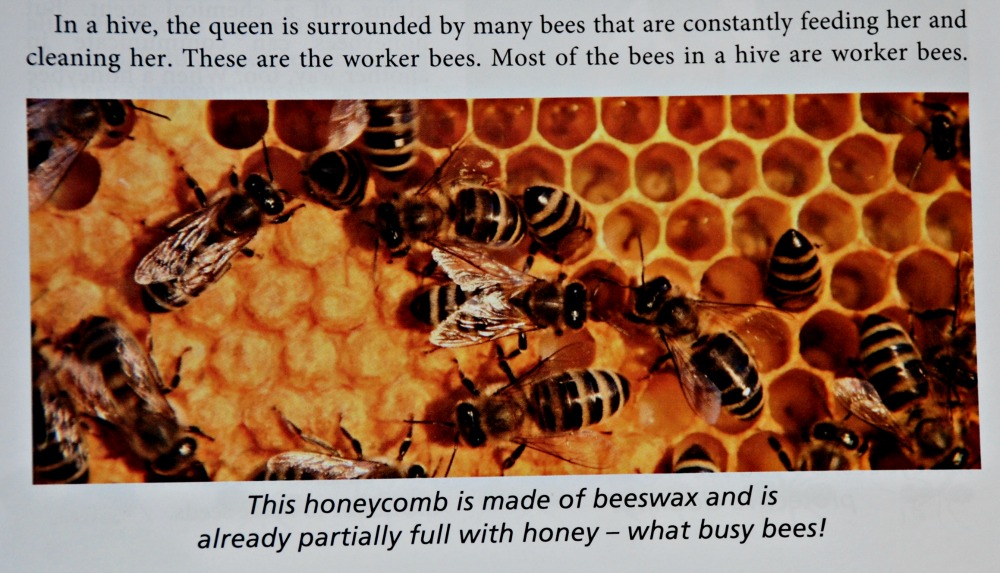
Core Knowledge book an example of an illustration in one of the booksCore books bee photo

The Core Knowledge website contains a lot of information about this series of books, I would recommend having a look at the page on the website called Activities

The books that I have personally bought and used are these three

What Your Year 1 Child Needs to Know: Preparing Your Child for a Lifetime of Learning (Core Knowledge UK)

What Your Year 2 Child Needs to Know: Fundamentals of a Good Year 2 Education (Core Knowledge UK)

What Your Year 3 Child Needs to Know: Fundamentals of a Good Year 3 Education (Core Knowledge UK)

And in case you are wondering the Year 4 book is on my reading list of July.
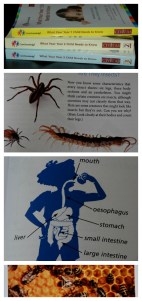
Core Knowledge Books. Very informative and great for helping plan your home educationI have included affiliate links in the post.  If you follow an affiliate link and go on to purchase that product, I will be paid a very small commission, however your cost will be the same.


Save

Save

Save

Save

Save

Save

Save

Save

Save

Save

Save

Save

Posted in Homeschooling | Tagged , , , , , | 1 Comment