Lady Mary

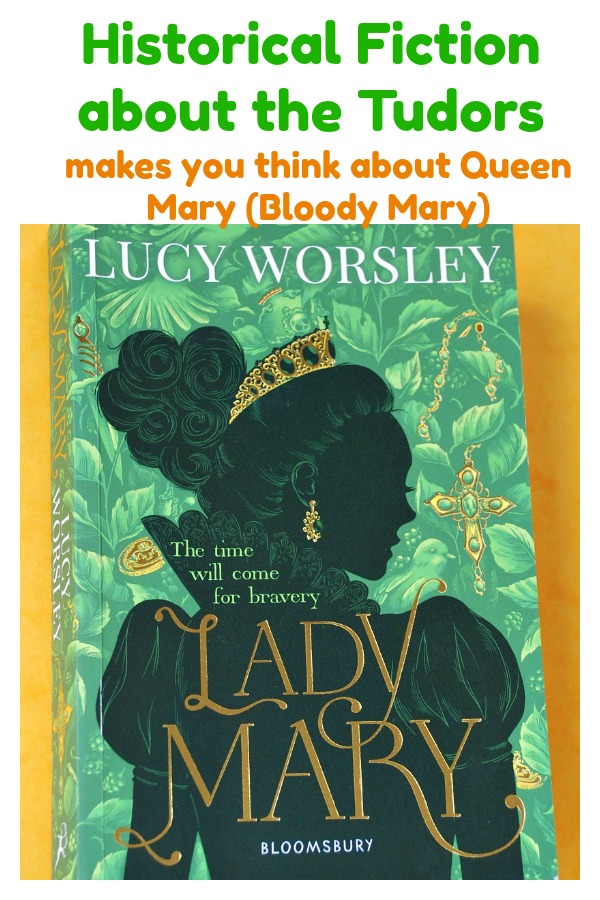
I recently bought Lady Mary for my daughter and we have both been so impressed with the story that I thought I should write a bit about it.
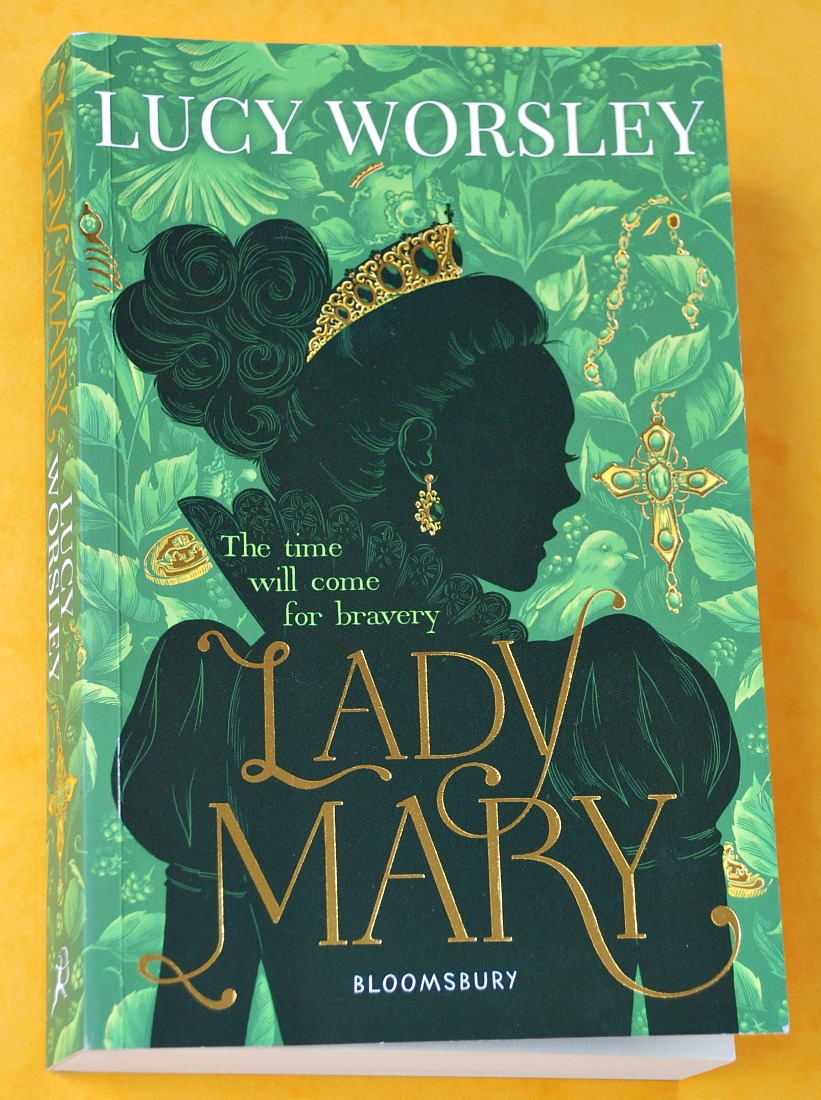
Lady Mary Historical Fiction about the life of Bloody Mary when she was a child up until the age of 21

Let me start by saying that when I first thought about getting her the book I was a bit nervous because it deals with Princess Mary growing up and going through the years when her father decides to divorce his first wife, has an affair with his second wife, marries her then has her beheaded. I was a bit apprehensive that there might be sections with a bit too much detail regarding Henry’s bedroom antics.  But after pondering about it for a few weeks I bought her the book and then read it cover to cover myself. I LOVED the book.  LOVED it. And no there are no bedroom antics. They do talk about the fact that the King has mistresses twice in the book and the Queen in one instance tells Princess Mary that the King is allowed a mistress whenever the Queen is pregnant “for his health” but that is the level that it is discussed at. No explicit details.

Both my daughter and I have found this a thought-provoking story about Mary’s childhood and it has prompted many discussions about what it must have felt like being Mary, one day a princess whose father seemed to adore her and then suddenly banished from her parents, her title removed and really imprisoned and treated very badly. The demands that she must recognise her younger sister as a princess, a new imposter (in her eyes) as Queen, a new religion, the treatment – all of that makes you think about the impact that it must have had on her. You really do warm to her and I admit I stopped thinking of her as Bloody Mary and started thinking about how all these actions must have affected her so deeply. There is no denying that Queen Mary was not a moderate like her sister and caused a number of deaths but I do think it is good to put her in context, to consider what it must have been like growing up the way she did, how her father’s actions must have deeply affected her.  I think when we look at Historical figures it is good to consider the background, the context and for me this book has really helped my daughter do that.  Before she read this story she was fascinated by the Tudors but very much biased towards Elizabeth I, she still adores Elizabeth I but this story has made her think more deeply about Mary.

This slideshow requires JavaScript.

This story has without a doubt raised a lot of questions in our household – questions about how someone’s childhood can shape them and how if Mary had been treated better, would that have impacted her as Queen and possibly made her more moderate?

I like this book for that reason it gives a backstory to Mary and it makes the reader think about her in a new way.

But there is more tucked away in this story. The story gives you an understanding of Tudor life and Tudor court. We found some of the references to the food interesting and how a bit of protein made such a big difference to Mary’s health. Also Court life, the politics involved and how you had to be so careful about everything that you said and the way in which you phrased your sentences.

We think this is a stunning book for Tweens / Teens to read while they are learning about the Tudors. 

I have a strong suspicion that this is going to be one of those stories that my daughter reads a few times.
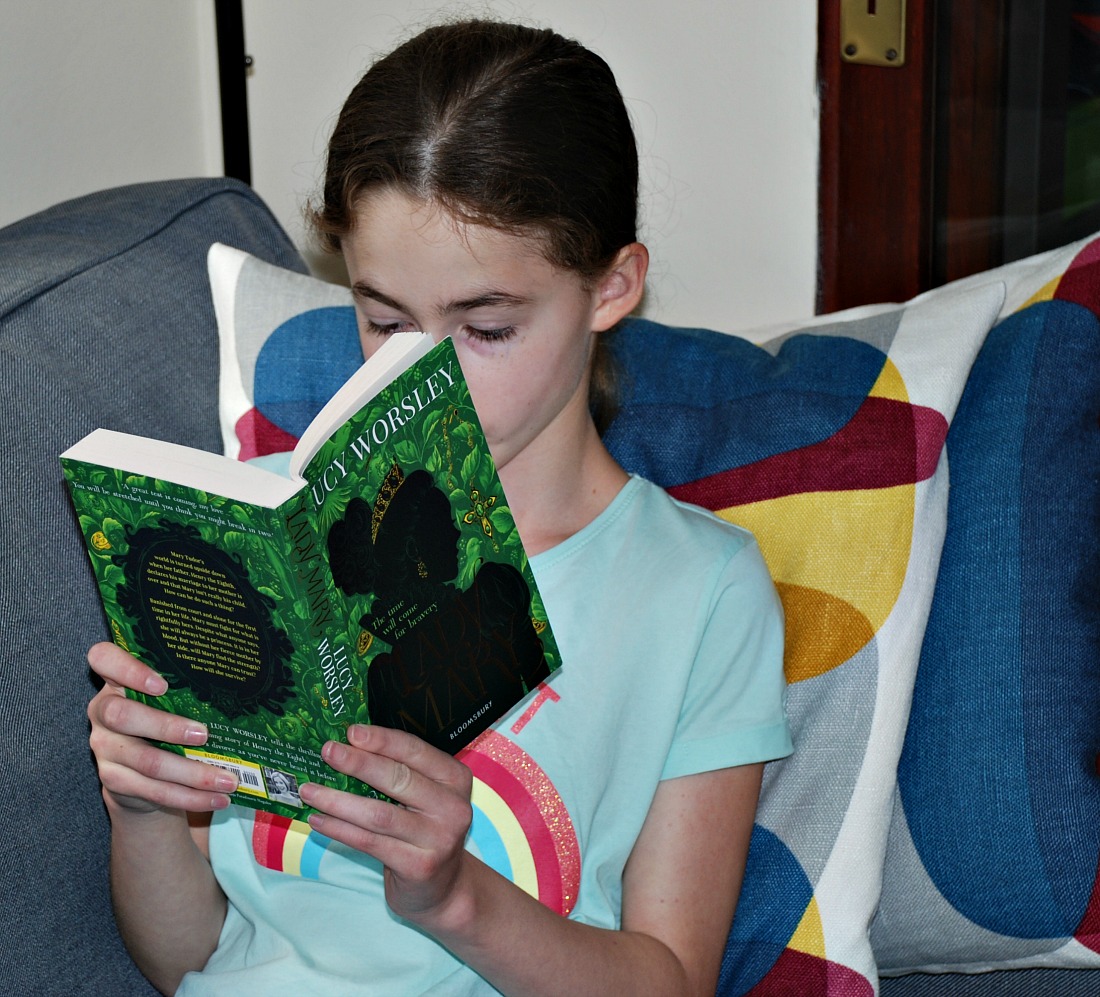
reading Lady Mary by Lucy Worsley

Admin bit – I bought this book for my daughter.  I did email the publisher to double check recommended age and they told me 13 and over.  My daughter has just turned 11 and we found this book the perfect fit for her, but she is a bit of a bookworm and is slightly History obsessed.

I also spotted another Lucy Worsley book at our local library which we immediately borrowed – My name is Victoria.  And I have read it and found it an interesting fictional take on Victoria but my daughter has not yet had a chance to read it. 
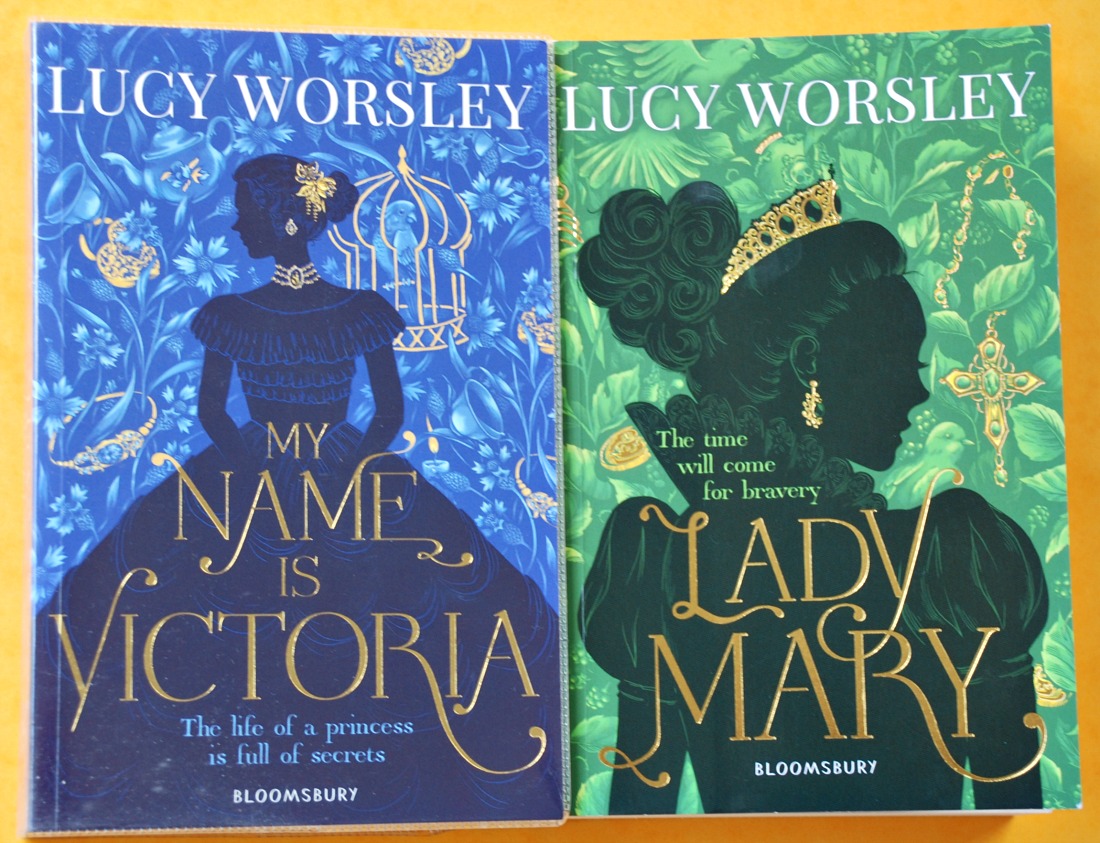
Lady Mary and My name is Victoria both written by Lucy Worsley. Historical fiction for Teens

Historical Fiction about the Tudors. written by Lucy Worsley. Good for Tweens or Teens. About life of Queen Mary (Bloody Mary) while she was growing up


Posted in Homeschooling | Tagged , , , , , , , | 4 Comments

Map of Europe

I was wanting to cement some of the kids knowledge about the map of Europe but I wanted to avoid the typical write the countries name on a label type activity just because it is something that I knew we were going to have to do a few times. Plus he always learns better when he is doing something, using his hands, even if it is as simple as pinning labels onto our cork board.

So I printed out the blank coloured map of Europe from the Activity Village site, pinned it onto cork board and wrote out the countries names onto little strips of card.

This slideshow requires JavaScript.

We started by just sticking with the countries that the kids were already familiar with and focused on those and then as they grew more confident we added more.

Very simple idea. The kids select the names and then pin it onto the correct place on the map.

This slideshow requires JavaScript.

And yes some sections get a bit squashed and there is overlap but that actually turned into a good thing because as soon as the labels were getting squashed he was commenting on how he had to squeeze a certain country between two others, which actually just reinforced the relationship between the countries that border each other.

map of Europe from Activity Village with hand written labels pinned to the different countries

And yes the more the kids did get more and more confident with where the countries are and who borders who.

I also noticed that even when I did not include a countries label in the mix of countries we were working on he would often point to a country and either ask me about it or tell me which country he thought it was.

asking about countries we had not yet labelled

It really was easy to set up and it has worked really well with both kids. I do think the pinning the labels on the map just makes a nice break from written worksheets and my daughter has already asked if we can do the same activity for Asia.

Learning where the different countries are situated on a Map by pinning labels onto their own map

Posted in Homeschooling | Tagged , , , , , , , | 1 Comment

The World of Vikings. Book Review

I thought we were done with Vikings. Like Done, finished, ticked the box, time to move onto other sections of History (because let’s be honest a large portion of last year was all about Vikings – Viking Fiction, Vikings in Britain, Norse Mythology – lots of Vikings). But as it often happens I was WRONG! Yip wrong. My son just really enjoys reading about the Vikings, it is one part of History that excites him and if I am really honest they just seem to keep reappearing. Whether it is in History, Geography, stories we are reading the Vikings just don’t seem to be done with us yet. My daughter was just done a very detailed study of 1066 – she looked at all the key characters in detail and one of those figures was a Viking and another was of Viking descent (William the Conqueror), so yes the Vikings are just not going anywhere. So it was a brilliant timing when a new Viking Book arrived for us.

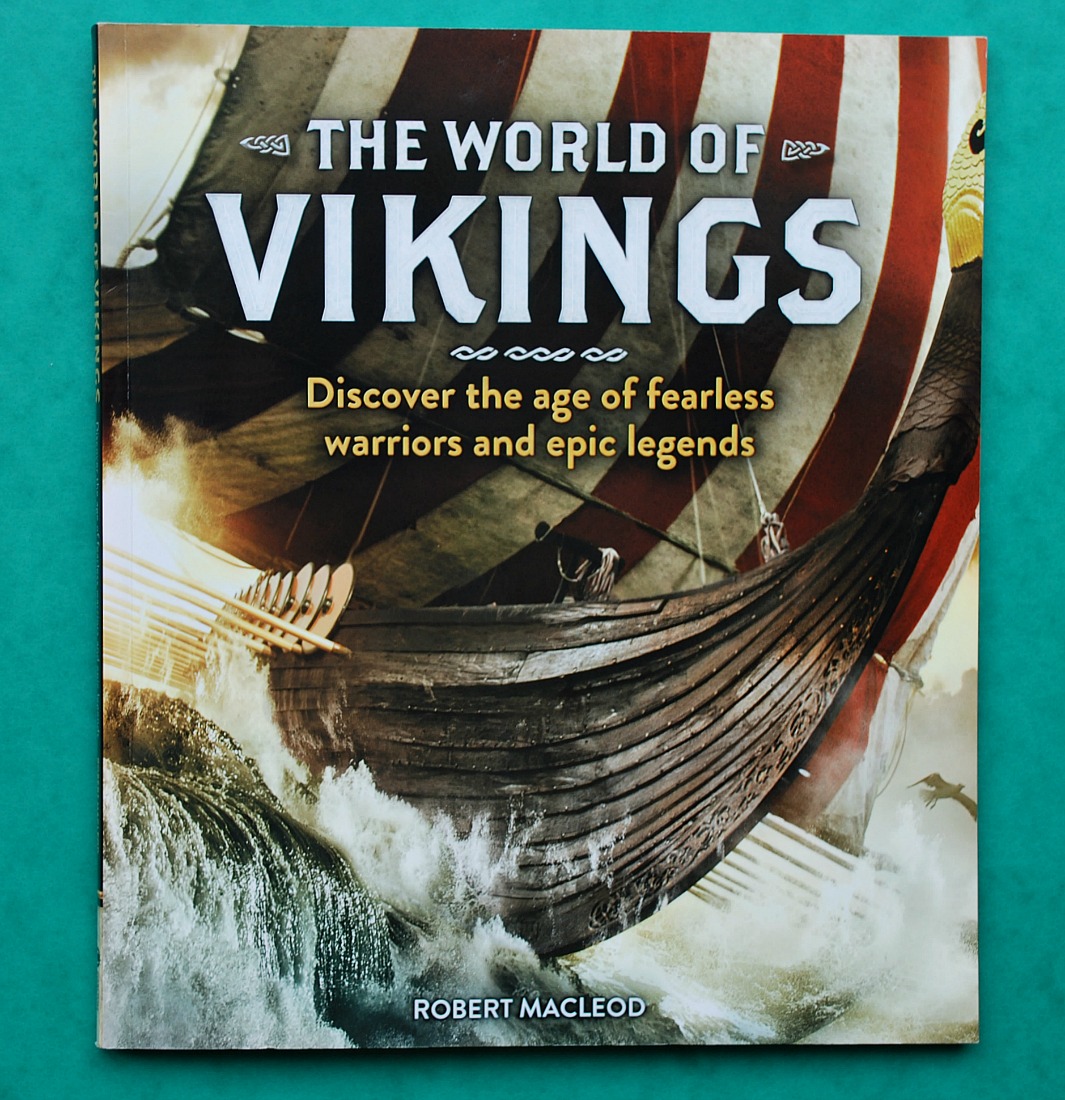
The World of Vikings written by Robert Macleod

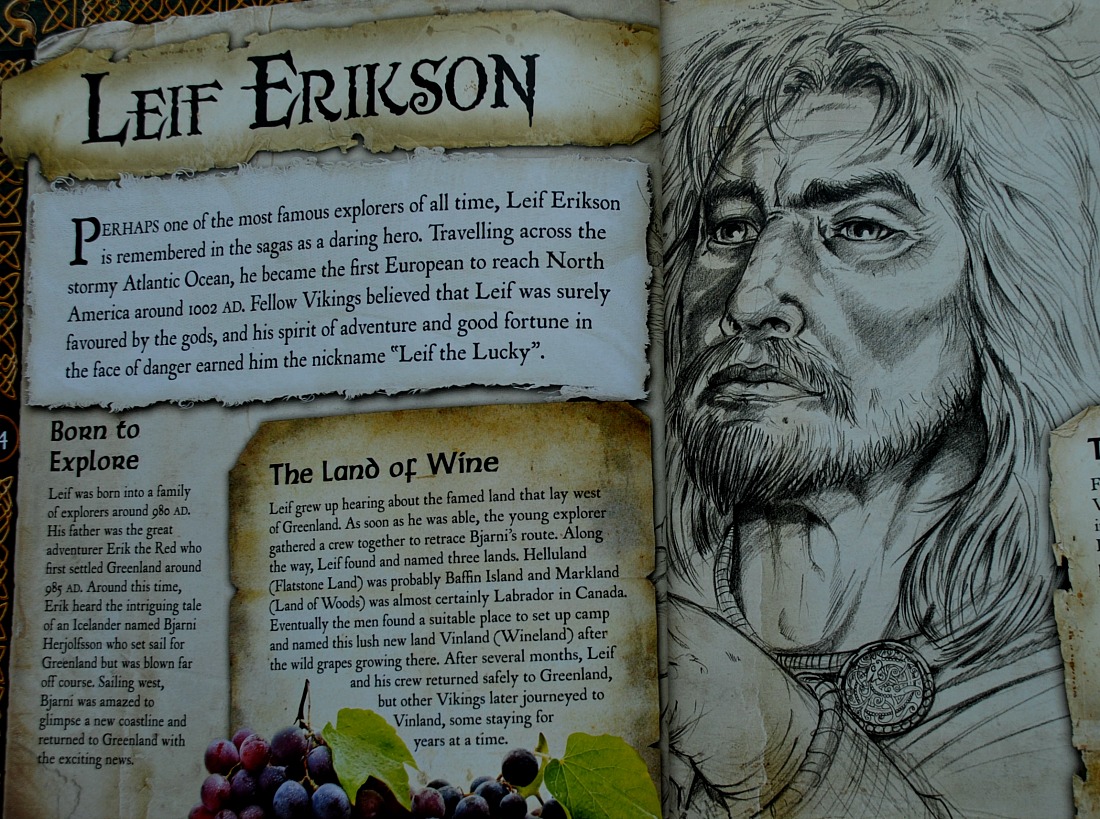
And I must admit this book is actually very cool (yes cool). It is packed full of stunning photographs and drawings – my daughter especially loves the drawings of the famous Viking faces. She has found these fascinating.

The world of Vikings. Leif Erikson

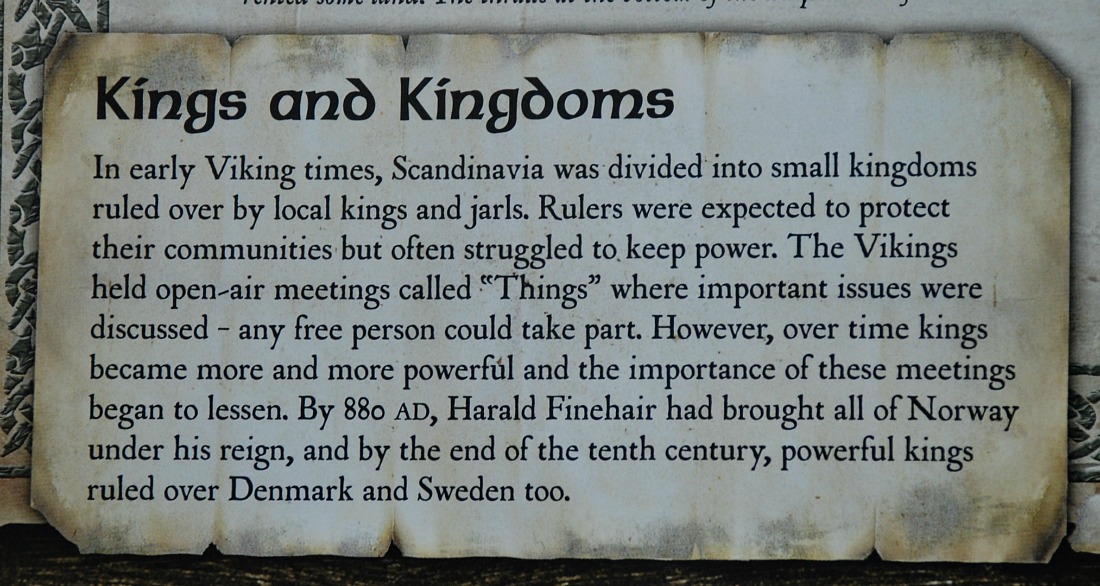
And even though we have a few other Viking Books already the facts that have managed to effortlessly include in this book are brilliant – my son is now walking around informing me that we need to a “Family Thing” – what the Vikings called it when they got together to have discussions.

The World of Vikings by Rober Macleod. Things

And he loved learning that the metal round knob on their shields was called a “boss”. He loved that.

So what is included in World of Vikings book.

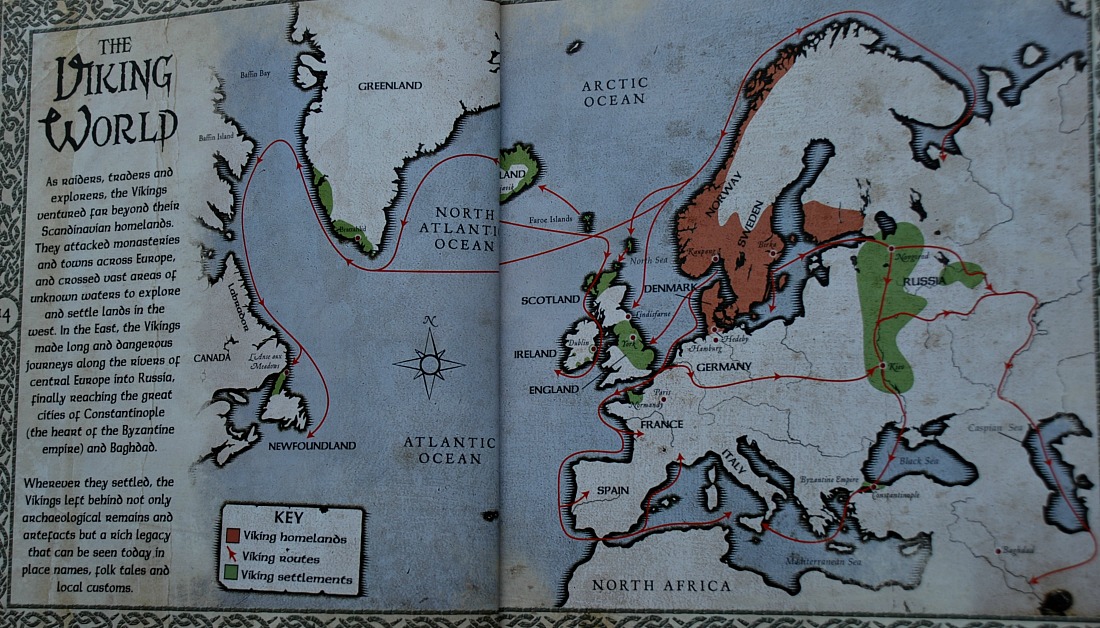
It starts with the Viking world – which includes an excellent timeline and a map showing all the areas the Vikings explored (and yes I will totally admit that even though we have looked at the Vikings in the past we focused on Vikings in Britain and did not realize how far they went – all the way into Russia and Baghdad).

The world of Vikings book by Robert Macleod. The viking world map

Then Exploring the World – Vikings ships and their exploration of new lands. We also really liked that scattered throughout the book it mentions some of the key characters and another admission we always thought of the Vikings as raiders, which they were, but they were also traders and merchants and I liked that this is pointed out in this section.

Next is Viking Attack. We loved the fact that they explained that “beserkers” were real (if your kids are fans of How to Train Your Dragon books they talk about beserkers in there and we honestly thought that was fiction). And of course more about the weaponry they used.

Then Life in Viking Times. We really liked these few pages as it reinforced a few concepts that we already knew and also explained a number of things which the kids did not actually know. This includes family life, their homes, towns, feasting, crafts (loved that the Vikings played a board game called hneftafl – which made me think of an early chess game).

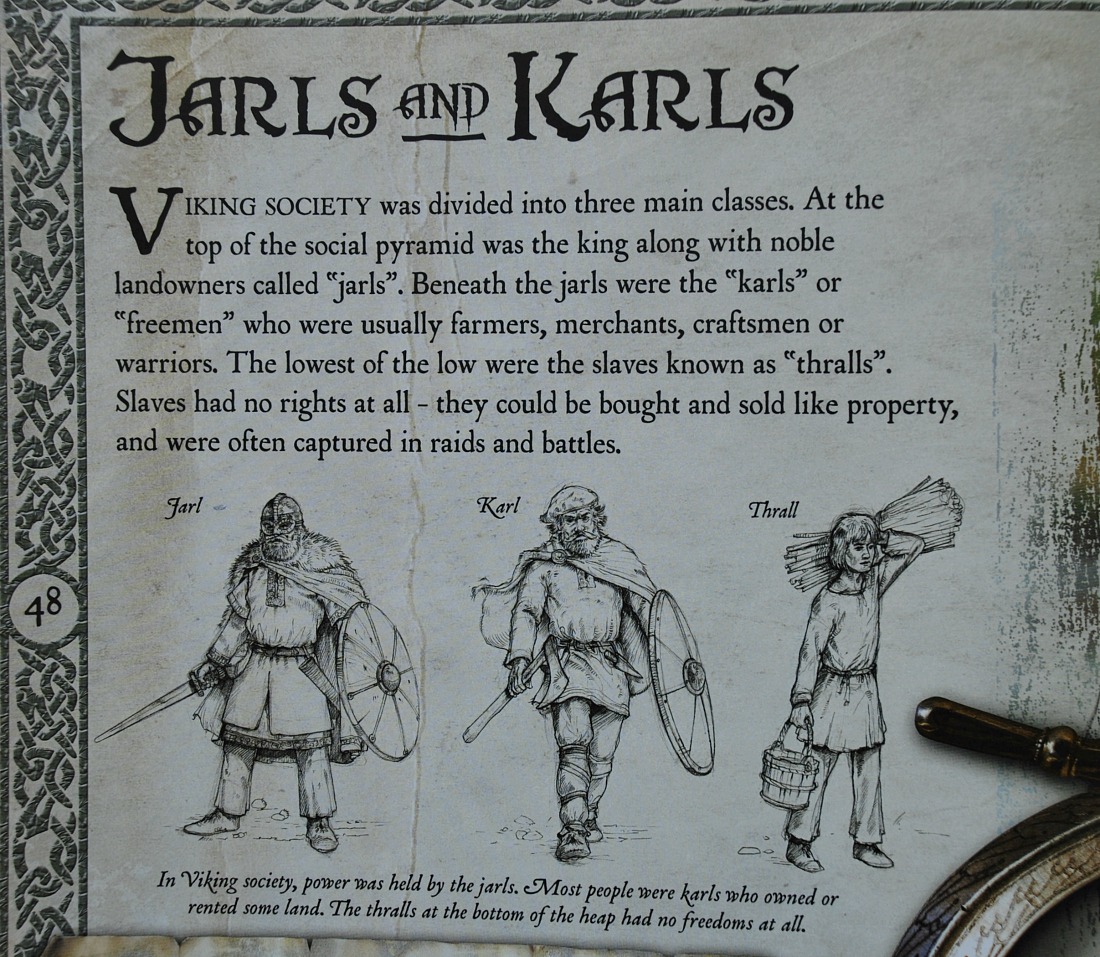
The World of Vikings Jarls and Karls

Lastly Legend and Lore – their beliefs, runes, Viking burial and Harald Hardrada (yes the one who invaded in 1066).

The world of Vikings. Harald Hardrada the last Viking King

My kids have really enjoyed our new Viking book and I must admit it is a great addition to our History books and I have really been impressed with the combination of amazing pictures and new information it has contained.

Disclosure – we were sent this book by the publishers. We were under no obligation to write about it and all opinions expressed are that of my two readers (aged 8 and 11) and myself.

I do include Affiliate links. If you follow an affiliate link and go on to purchase that product, I will be paid a very small commission, however your cost will remain the same.  I only include affiliate links for products that we use and love.

Posted in History | Tagged , , , , , , , | Leave a comment

Pollination

I am trying to do more plant biology with the kids but they are not naturally that interested in plants, however I have realized that whenever we look at plants from an animal angle then both kids get involved and absorb the information. So instead of looking at the parts of a flower that are needed for pollination we looked at what animals are pollinators and how the different animals are attracted to different plants (are they nocturnal, do they smell, are they close to the ground, can the insect land on the petal etc.) and it seems to really have worked. By taking the angle of what does the creature pollinating the plant require the kids have ended up learning quite a lot about the structure of the flower and how it can differ without even realizing it.

We started with our Plants, Pollen and Pollinators: Band 13/Topaz (Collins Big Cat) book which showed lots of different pollinators and explains how different creatures are attracted to different plants. I must say the photos included in this reader have been excellent.
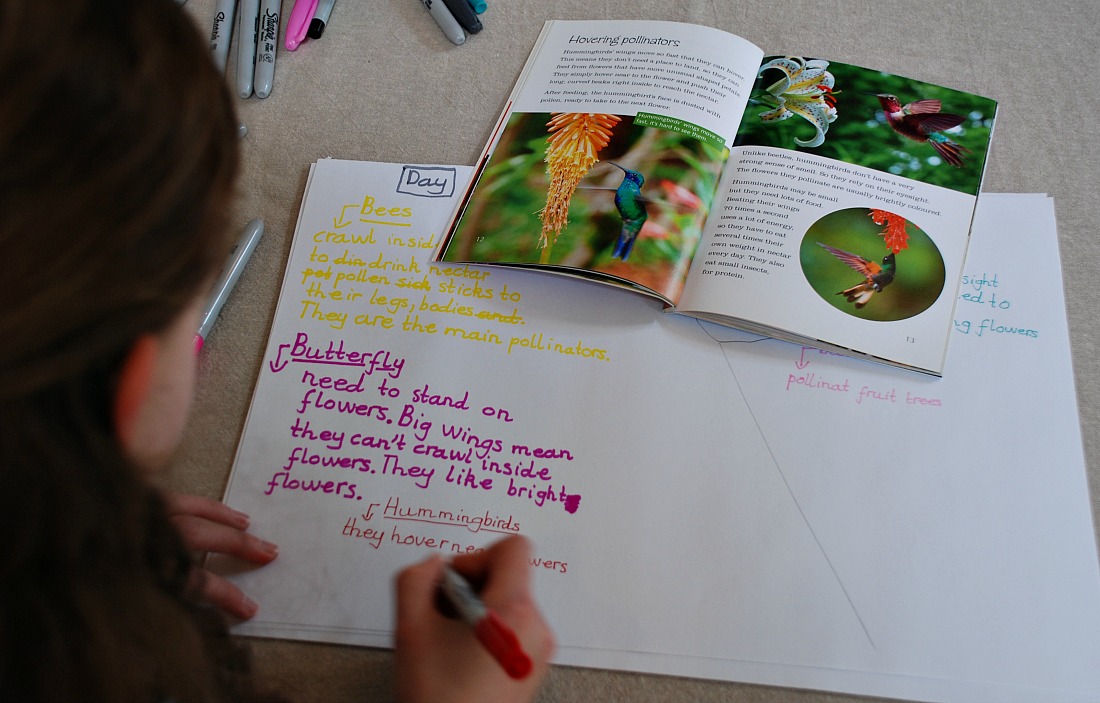
This slideshow requires JavaScript.

After reading this book the kids had some definite guides that they had figured out 

  • Insects need to land on petals whereas bird or bat pollinators just hover.
  • Insect pollinators tend to transport the pollen via their bodies whereas birds and other small animals tend to transport the pollen on their face.
  • Smell is very important for nocturnal pollinators.

And a few more.  But the fact was after reading the book the kids starting picking up the patterns.

In fact it inspired the kids to try and create their own summaries of the different pollinators that they had read about.

summarizing the pollinators book onto a page

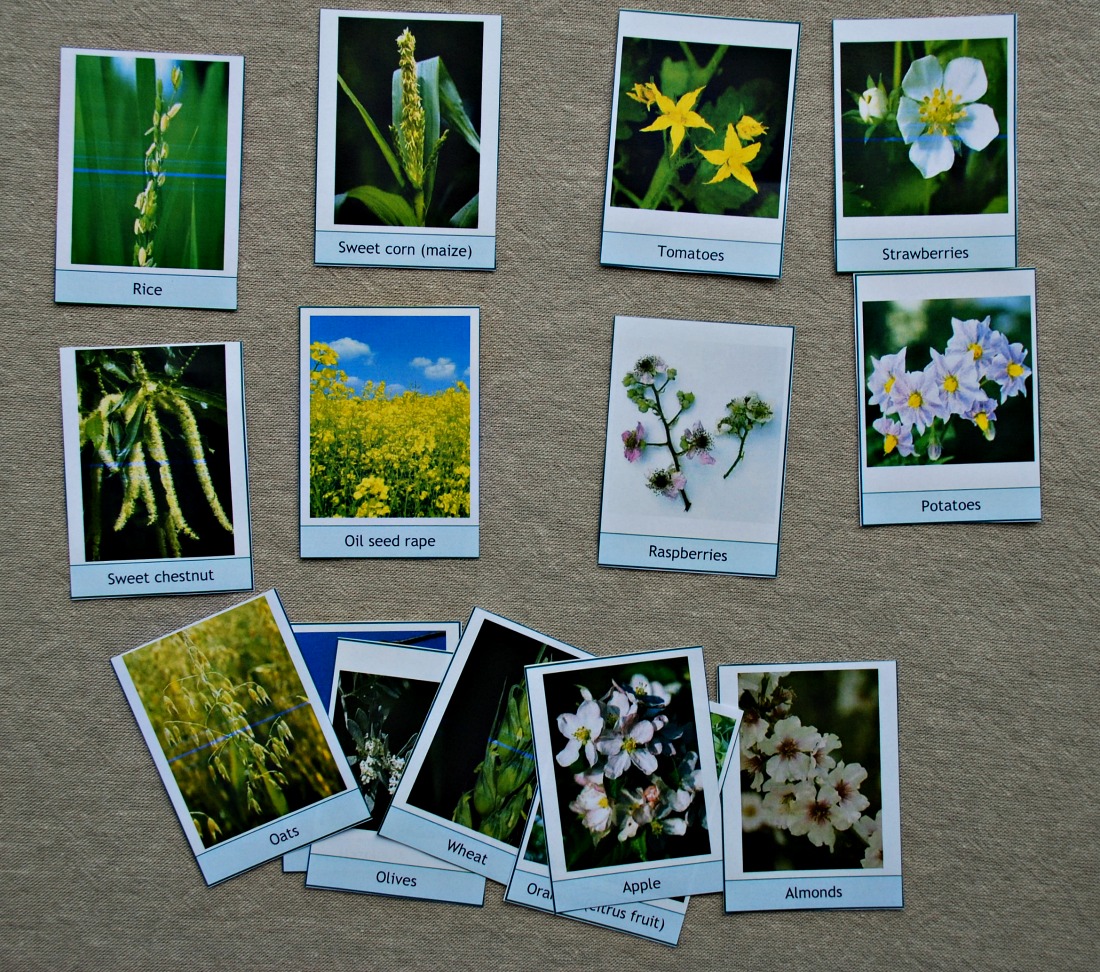
We also expanded it a bit and started talking about animal pollination verses wind pollination and how the flowers are different.  We found some great flower picture cards on the Teachit Science website which clearly showed the difference in the flowers that are animal pollinated and those that are wind pollinated. There is also a worksheet they have on wind pollination (Teachit Science wind verses insect pollination).  Just to mention the blue line in the photo is me needing to change the ink in my printer, it is not the download

wind verses insect pollinated flowers

And we even went onto a bit more detail about the flowers (because as my son pointed out to me you need to understand the parts of a flower to understand how they are adapted for different pollinators).  The pages we used were also from the Teachit Science website (Teachit Science Plant Reproduction)

This slideshow requires JavaScript.

The pages I have used are Free to download from the Teachit Science website. (You need to set up a free account).  The resources are created for secondary school and I think I will be using the site a lot more for my daughter as I found a number of interesting pages on their website.

I do include Affiliate links. If you follow an affiliate link and go on to purchase that product, I will be paid a very small commission, however your cost will remain the same. I only include affiliate links for products that we use and love

Collins BIG CAT readers Plants. Pollen and Pollinators book


Posted in Science Ideas | Tagged , , , , , , | Leave a comment

Writing for Fun

I remember about 3 years ago I was constantly worried that my daughter was not interested in writing.  AT ALL.  Yes she would write as part of an activity that we did but if I suggested just writing a paragraph, or putting one of her story ideas down onto paper she was just not interested.  I really worried about this and then I made a decision to stop always pointing out every error that I spotted.  It did not need to be perfect but I wanted her to start enjoying writing.

I eased up a lot and it seemed to work, she started writing more and more and I did not point out the errors but I listened to the stories and we spoke about what she had written.  And the pages started turning into whole exercise books filled with her writing.  I was thrilled.

So I applied the same logic with my younger son.  But still he did not seem to want to write, partly because he struggles more with writing (the joints is his hand overextend so pencil grip is an issue for him) and partly because he battled to find things to write about.  He is a very factual kid – he likes learning facts about animals or planets but then finds them a bit dry to write about.

So to get him started we turned to two of his favourite stories.  The first one being The Day The Crayons Quit.  He always loved this story so I dug it out again and we re-read it and without me even suggesting anything he started writing his own little notes from the crayons (The book is basically about some letters that the box of crayons write to the little boy complaining about how he uses them).  And yes there were lots of mistakes in the letters but I did not correct him, we laughed about the crayons and he continued writing more notes, this time from the angle of the little boy answering the crayons original letters.  He thought it was brilliant and he kept racing over to read them out to me.

This slideshow requires JavaScript.

So we tried the same thing but this time using the animal diaries that he loves as inspiration.  He started with really a book of pictures that he drew of the animals and then just a few sentences about the animals.  But he filled an entire exercise book.  Again he made mistake and we did not make a big deal about them (a few of the mistakes he actually realized later and came and pointed them out to me).

This slideshow requires JavaScript.

But the exciting thing was that he was enjoying it, he really was enjoying the writing and I did not have to ask him to write he did it himself without prompts.

And the writing got longer and yes his spelling and grammar improved.

Now I must point out that for us this idea of not obsessing about the errors in their writing works well for a few reasons.  My kids are both home educated so we don’t have the pressure of school tests, we can learn slower in certain areas we deem necessary and in other areas we can go ahead of the school curriculum.  For me, I personally wanted the kids to enjoy reading and writing.  That was important, something I wanted to focus on.  Taking the pressure off by not having their writing corrected made a huge difference in their own enjoyment level which meant they now write a LOT (and bonus for me I never have to nag about writing).  But we still work on spelling and grammar.  It’s just we do that separate from their fun writing.

Posted in Homeschooling | Tagged , , , , , | 2 Comments