Prefixes

When I was reading one of my daughter’s stories I noticed that she had a tendency to drop double letters when she combined prefixes with root words so I thought it would be good to revisit the idea of prefixes (eg – un + natural = unnatural – when you combine your prefix with your root word you don’t drop any letters – straight forward rule but a good spelling rule to know). I also wanted to make sure that she understood what the different meanings of the prefixes are.

I picked out a few words in one of the books that she is reading and we spoke about the root word and how adding different prefixes to a root word would change the meaning. We also tested out the spelling rule (she double checked a few words in her dictionary just to make sure the spelling rule does work – always good to prove it to yourself).

Then we looked at a few exercises in workbooks that we had at home ( Understanding English: Spelling : KS2 English Study Book, Ages 7-11 and Understanding English: Vocabulary: KS2 English Study Book, Ages 7-11). Both of these workbook had 2 pages each on prefixes, which was handy.

This slideshow requires JavaScript.

However my daughter suggested it would be nice to have a list of what the different prefixes were and their meanings. So we came up with this list – very simple just in a word document but I also created a second page where the meanings are empty.

This slideshow requires JavaScript.

But as handy as our list is I know my daughter is a very visual learner and she likes having pages stuck up on our notice boards and the list just looked a bit boring. So we came up with a colourful cloud version (have no idea why we went for clouds but we did). And it looks like this.

This slideshow requires JavaScript.

I am attaching both of the documents for anyone who wants to use them.

Prefixes list and meanings created by ofamily learning together

prefixes in clouds bigger v2 created by ofamily learning together

admin bit -The documents I have attached are free for anyone to download and use.  However please don’t go and repost them on your own site.  They were created by my daughter and myself

I do sometimes include Affiliate links. If you follow an affiliate link and go on to purchase that product, I will be paid a very small commission, however your cost will remain the same. I only include affiliate links for products that we use and love.

Prefixes - Free to download prefix clouds created by ofamily learning together

Posted in Homeschooling | Tagged , , , , , | Leave a comment

The Tap Dancing Pigeon of Covent Garden Book Review

This book is a bit young for my kids but I liked the message included in the book and since one of my neighbours is the author I offered to write a review on the book.

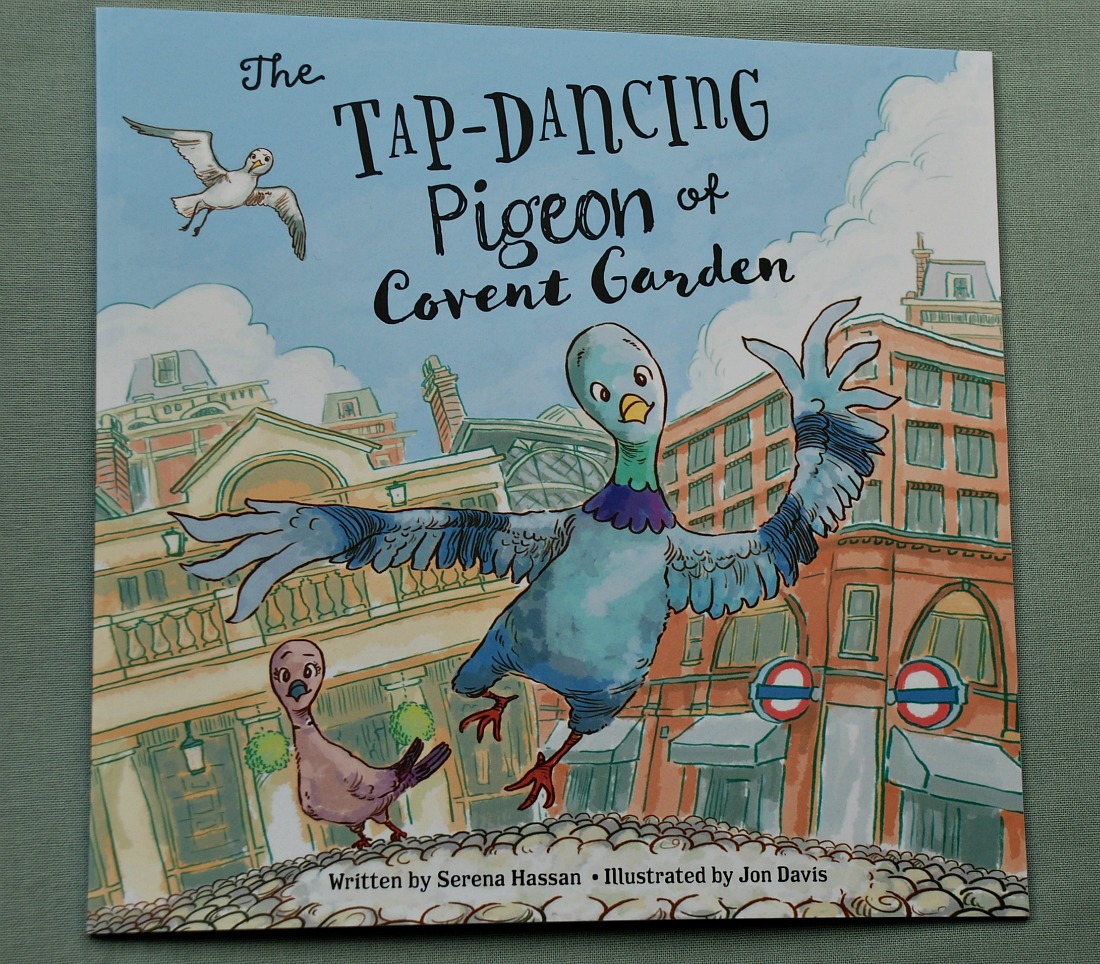
The Tap Dancing Pigeon of Covent Garden written by Serena Hassan

When I first heard about the story it was all about how a little pigeon gets affected by plastic rubbish, and although that is the case I actually think that is a lot more to this book. This is a story about a young pigeon who leaves home and discovers his own passion and I loved that aspect of it. I think it is important to encourage young kids to go and find something that they are interested in, even if it is unusual, if you are passionate about it go for it.

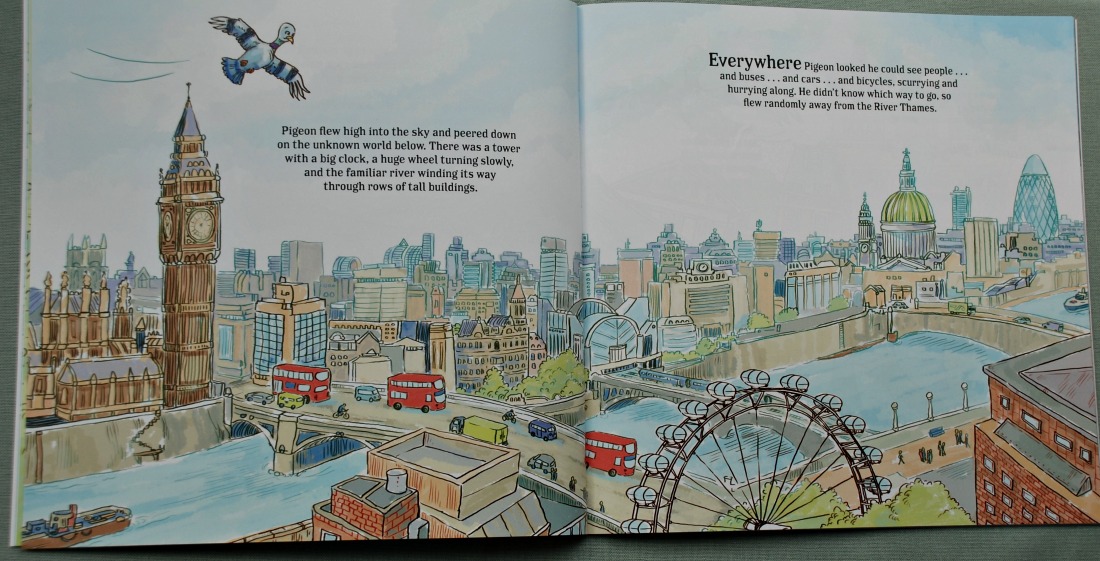
I also really liked all the references to London. I remember when my two were younger they would always get so excited reading stories which made references to places that they had been to. And the illustrations of these famous places are just spot on – the kids will definitely be able to recognise them from the pictures.

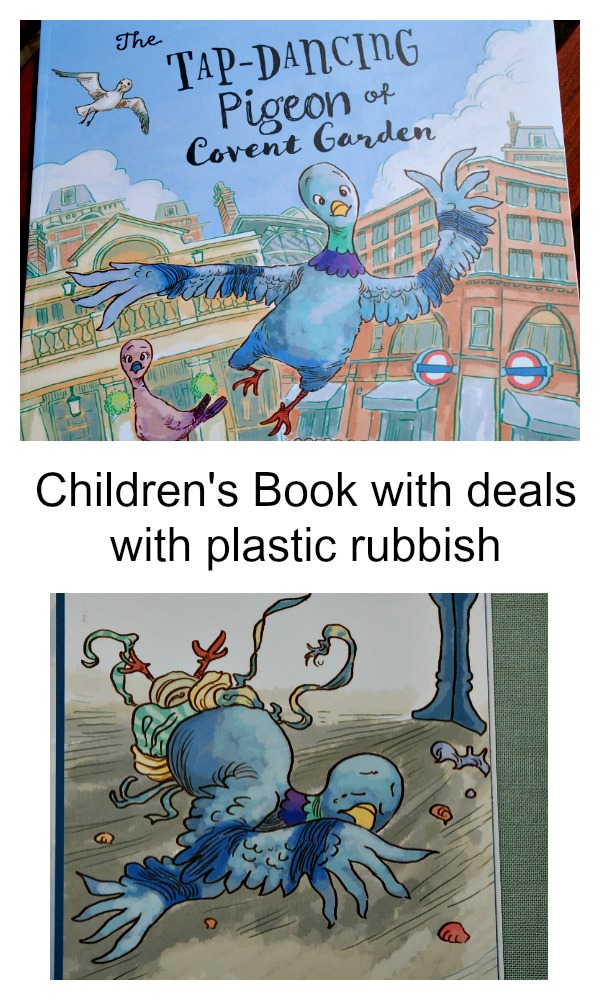
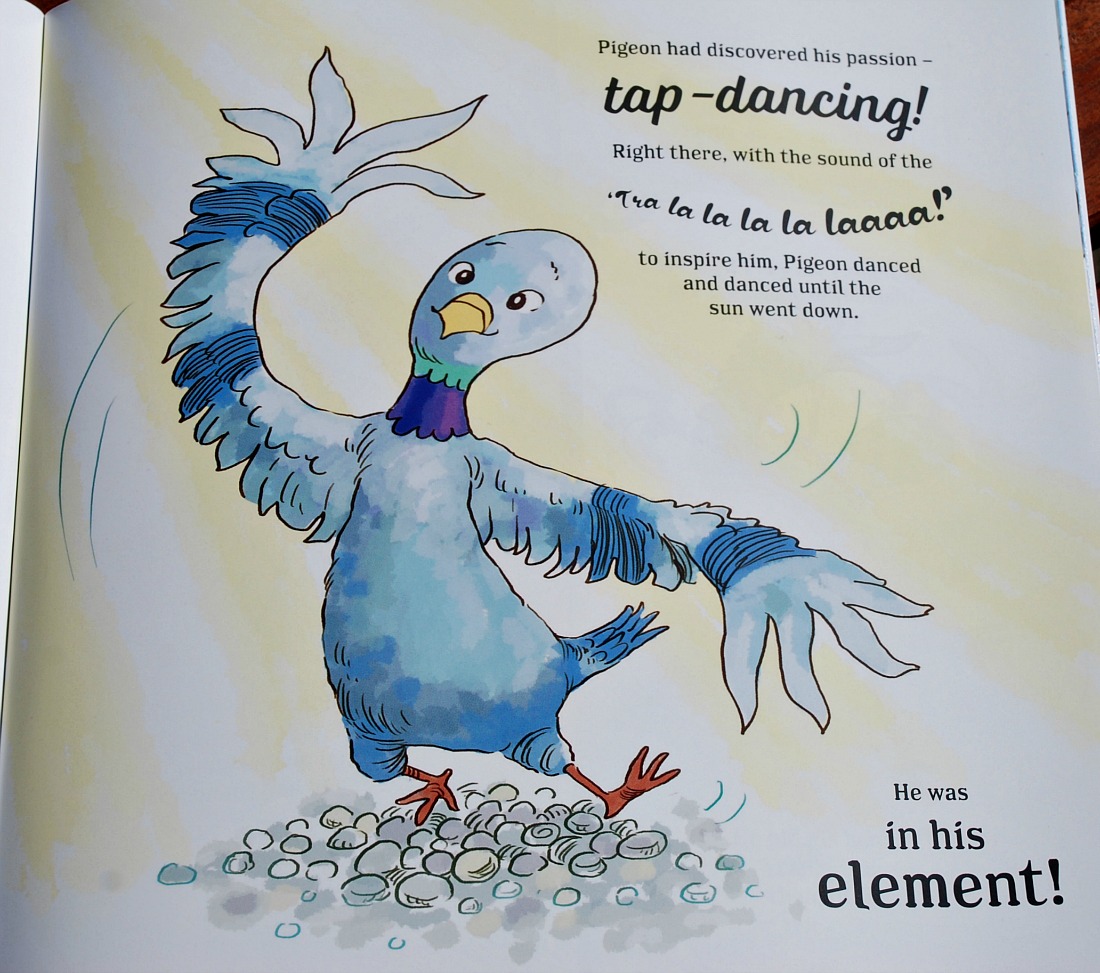
The Tap Dancing Pigeon of Covent Garden has stunning illustrations

So what happens? A young pigeon leaves his parents nest and flies over London looking for somewhere to make his new home. There are some strange and unusual sights and sounds for him (I enjoyed the seagull that swops in to steal his food as there really are lots of seagulls around and they do always try and steal food). And then he discovers music and the music makes him dance, tap-dance. Yes he is a pigeon that loves to tap dance – right there something that we can chat to the kids about – it would be unusual for a pigeon to tap-dance, but he loves it so should he stop and do what the other pigeons do or should be tap-dance?

The Tap Dancing Pigeon of Covent Garden. The pigeon that loved to dance

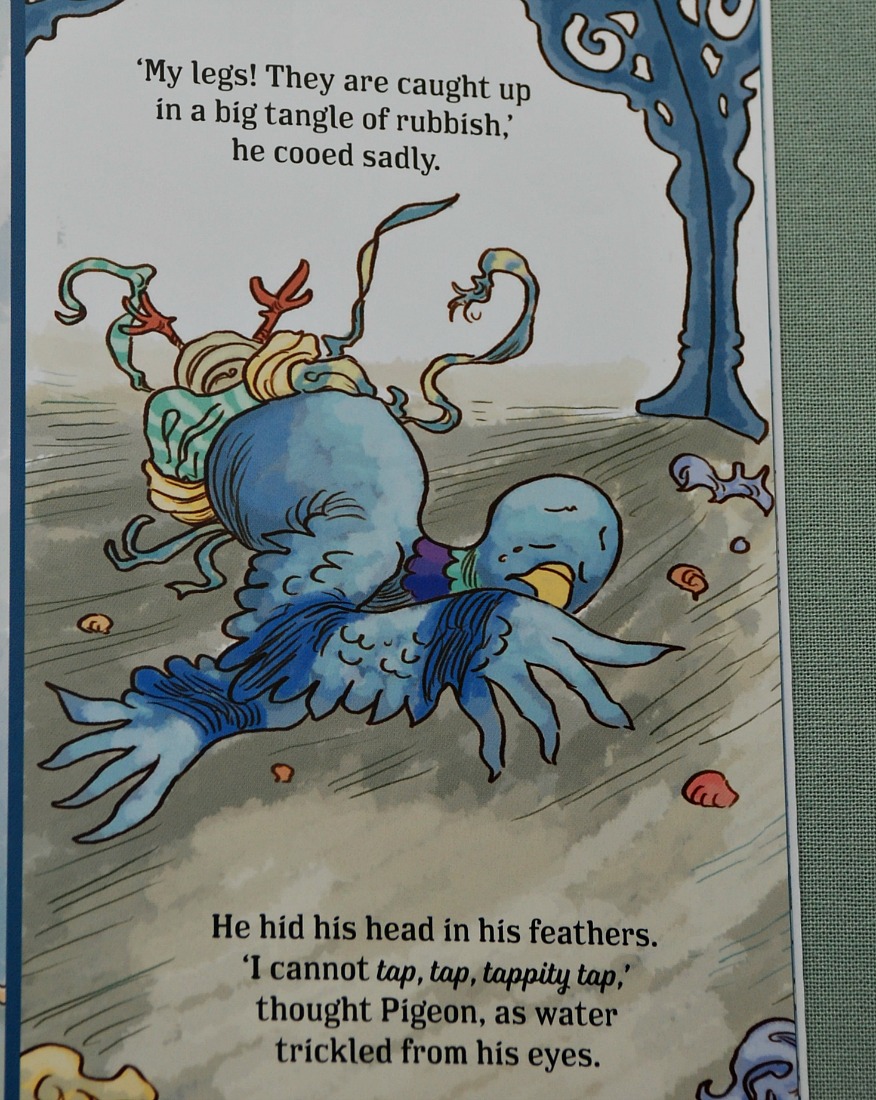
And then there is an accident and he ends up entangled in plastic rubbish. The rubbish restricts his legs which means he can’t move properly -again a good point to chat to kids – what happens to the plastic rubbish that they throw away? Do they think it could end up being harmful to any local animals?

the pigeon caught up in plastic rubbish

But in this story the pigeon is helped by a kind person – another good message to chat to the kids about – should we try and help animals in difficulty? And what should the kids do if they find different animals injured ?

And of course as he is a pigeon he does what all pigeons do and says his thanks in the form of some pigeon poo right on the man’s head (I know this will be popular).

I thought this was a lovely story with lots of great talking points.

I personally think it would make a good addition to younger kid’s bookshelves.

You can get a copy of the Tap Dancing Pigeon of Covent Garden from Amazon –  The Tap-Dancing Pigeon of Covent Garden

And if you want to extend the pigeon theme I had a quick look and  Twinkl have included pigeons in their Doorstep Wildlife Comprehension and also in their Bird Mindfulness colouring set (both are part of their paid for membership).  And if you are wondering about crafts I thought a tissue paper pigeon might be a good one, or what about using your recycling to create a home for pigeon?

The Tap Dancing Pigeon of Covent Garden written by Serena Hassan

Admin Bit – as I mentioned above I offered to write this review and we were given a copy of the book.

I do include Affiliate links. If you follow an affiliate link and go on to purchase that product, I will be paid a very small commission, however your cost will remain the same. I only include affiliate links for products that we use and love.
A Children's book that deals with plastic rubbish and how to harms animals. The Tap Dancing Pigeon of Covent Garden

Posted in Book Ideas | Tagged , , , | 2 Comments

The Wonderlab at the Science Museum

We bought a year’s membership to the Wonderlab at London’s Science Museum which means we have been a few times so I thought I should write something about the experience. (Just to clarify this is not an ad I purchased our tickets).

I need to start by saying the Science Museum has never been a favourite with my daughter, she finds the downstairs section very overwhelming so we have tried to do it in small visits.  But after we the success of our outing to the Science Centre in Winchester I decided to buy tickets for the wonderlab and just hope for the best. Straight up the first two visits were stressful for her. The Wonderlab is busy – lots of school groups and it is a sensory overload for kids who may be sensory avoiders.

If you think of this from a sensory persons point of view – there is a LOT of visual stimulation, and the noise is constant – noise of the experiments, bangs from some experiments, the constant hum and bustle of kids – it is noisy and there is also a big tactile element – it is very hands-on so they kids are always touching stuff and when it gets busy there are lots of kids pushing past, sitting or standing way to close. So from a sensory side there is just a LOT going on.

This slideshow requires JavaScript.

So we needed to find quieter times and these tended to be weekdays after lunch time, really the later the better (when the school groups have left).  I also found quieter areas within the wonderlab itself – there is a shape building area using polydron framework shapes (which was really amazing) near the toilets and some benches near the chemistry bar.

After a few visist my daughter started to enjoy the experience more and for her the biggest winner has to be their chemistry bar.  We have been a few times and have had different explainers do the presentations so they are never exactly the same.  For us the chemistry bar is even better when you go later in the afternoon.  Yesterday we went to a session where there were only 3 kids (2 of which were mine) and the explainer really involved the kids and ended up going on for longer because the kids were so interested. 

She also really likes the Explainers (the staff), who walk around.  I have always found them brilliant with the kids, ready to help but at the same time they don’t feed the kids the answers they get the kids to work out solutions.  And when it gets even quieter in the afternoon they tend to get even more chatter which just means the kids get to ask more and more questions.

This slideshow requires JavaScript.

I think the Wonderlab at the Science Museum is well worth the cost of the tickets.  But if you do have sensory kids I highly recommend trying to time your visit for quieter periods because it is a sensory overloading experience for the kids (also if you do have sensory kids I have found the more we visited the more mine tended to relax as they knew what to expect which meant thay actually end up learning more).

Posted in Homeschooling | Tagged , , , , , , , | 1 Comment

What’s Where on Earth Dinosaurs and other Prehistoric Life – a book review

We recently went on a day trip to the Isle of Wight and while we were there we visited a Dinosaur museum. The kids were actually invited into a back area to see how they were busy rebuilding a dinosaur skeleton. It was an amazing day out and it naturally relaunched my son’s interest in Prehistoric creatures. Now we already have a number of dinosaur books but I felt like we needed to step it up and get something with more detail about the individual creatures and something that shows where they lived. I searched and found this book What’s Where on Earth Dinosaurs and Other Prehistoric Life: The amazing history of earth’s most incredible animals and requested a review copy from DK. This Book is amazing, a true gem for mini-palaeontologists.

This slideshow requires JavaScript.

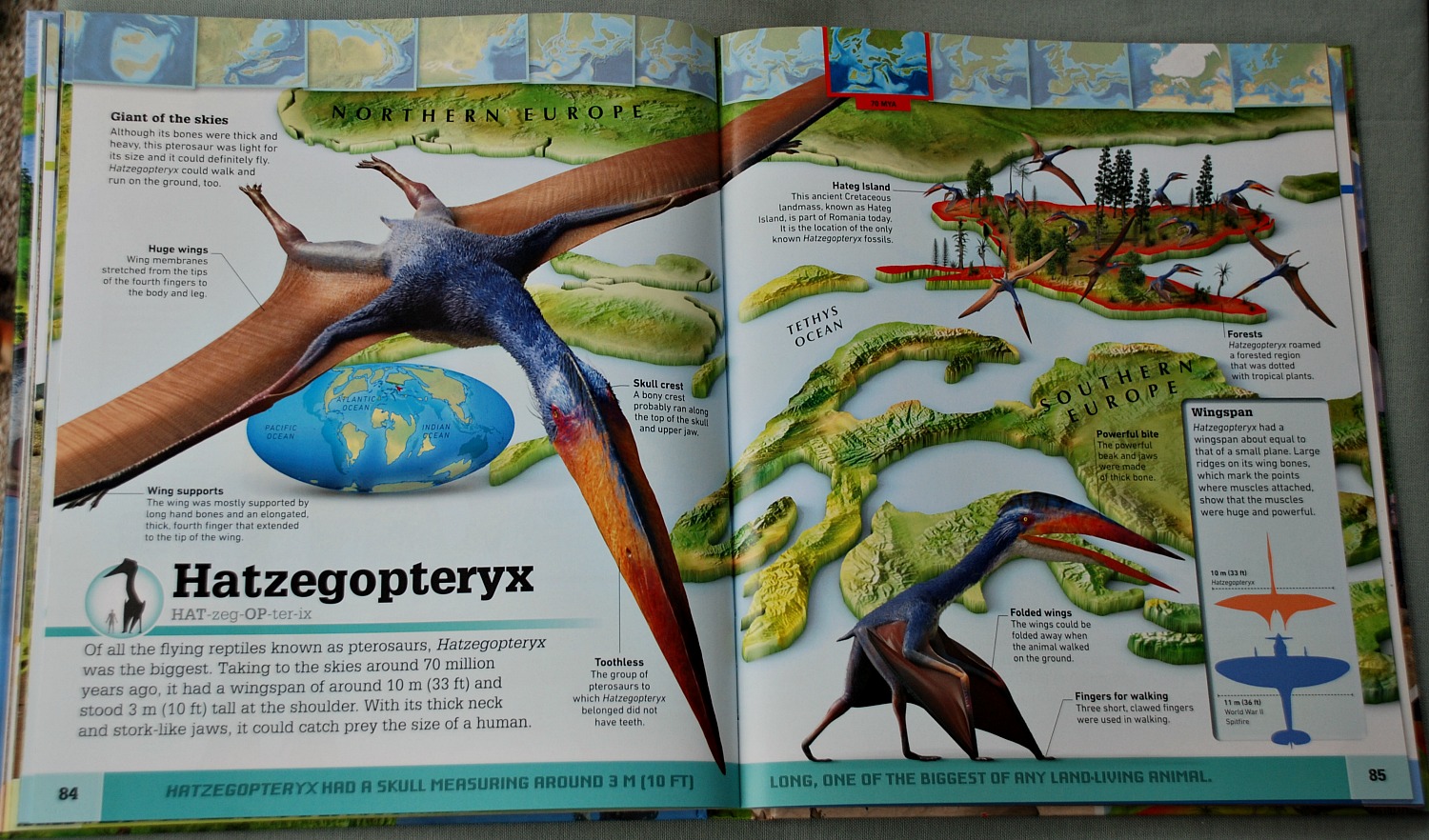
The illustrations are incredible, the detail truly impressed me, very life-like and realistic (well how we would imagine dinosaurs looked).

This slideshow requires JavaScript.

But as amazing as the illustrations are my son and I also really like the facts included. For each dinosaur and prehistoric creature they include maps of where they were and link the ancient maps to where it would be in the current world. They also talk about the habitat, the climate, unique features about each creature, skulls or skeletons are sometimes shown and they sometimes link features back to modern animals. Really fascinating facts about these creatures.

This slideshow requires JavaScript.

For us one of the best dinosaurs books we have read (and we have read a lot of dinosaur books).

Okay so what is included in this book.

The Book starts by talking about the “Rise of the Dinosaurs” – which is how life forms developed on Earth. It introduces the three main periods of the Mesozoic era – Triassic, Jurassic and Cretaceous and then “what is a dinosaur”.

This slideshow requires JavaScript.

After the introduction there are chapters for each continent. These chapters consist of double pages for every dinosaur found on that continent. We really liked this idea – grouping the dinosaurs on their Geographical location. And at the end of each continent chapter there is a fossils find page which summaries the major fossils finds on each continent (a nice visual summary).

inside page of What's Where on Earth Dinosaurs and other Prehistoric Life

After the 6 continent chapters there is a chapter called “After the Dinosaurs”. A chapter we really enjoyed as often these creatures are a bit ignored but really they are just as fascinating as the dinosaurs.

This slideshow requires JavaScript.

And then a final chapter called “Reference” which explains how fossilization occurred and mass extinction. 

Really an informative book.

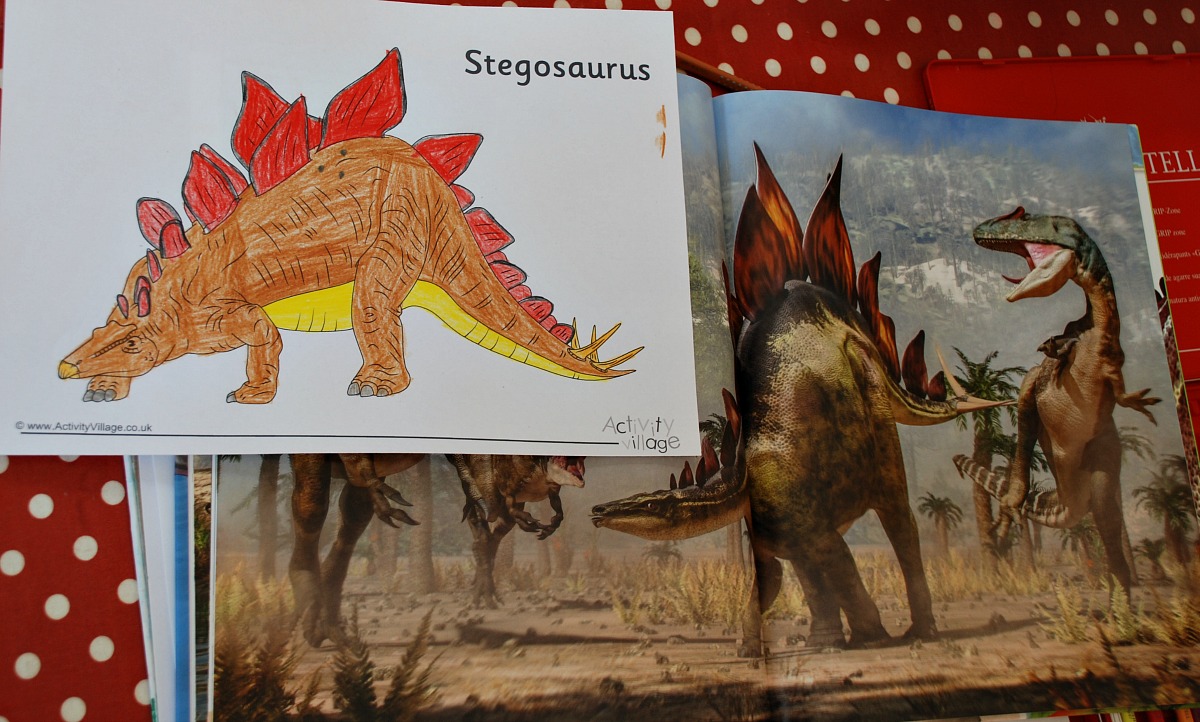
And it has even inspired some realistic dinosaur representations of our own.

using the dinosaur book to get realistic colours for pictures

Admin Bit – I did request this book as a review copy.  All opinions expressed are that of my little palaeontologists and his reading companion (me).

I do include Affiliate links. If you follow an affiliate link and go on to purchase that product, I will be paid a very small commission, however your cost will remain the same. I only include affiliate links for products that we use and love.
DK What's Where on Earth Dinosaurs and othe Prehistoric Life. One of the best dinosaur books

Posted in Homeschooling | Tagged , , , , , , | Leave a comment

Weekends are just as good as Week Days

There seems to be a thought that home education happens during the week (okay this is normally what I hear from non-home educating parents) but it doesn’t. Yes the kids and I do activities during the week, yes we work through Maths and projects, we read educational books and watch documentaries, we visit museums and go to workshops and the kids have their “physical” activities. Yes all of that does happen Monday through Friday. But it also does not stop because it is weekend time. In fact I often start Monday feeling like we did a lot over the weekend.

What do I mean? Well we often end up baking or working on art projects over the weekend. It just happens like that.

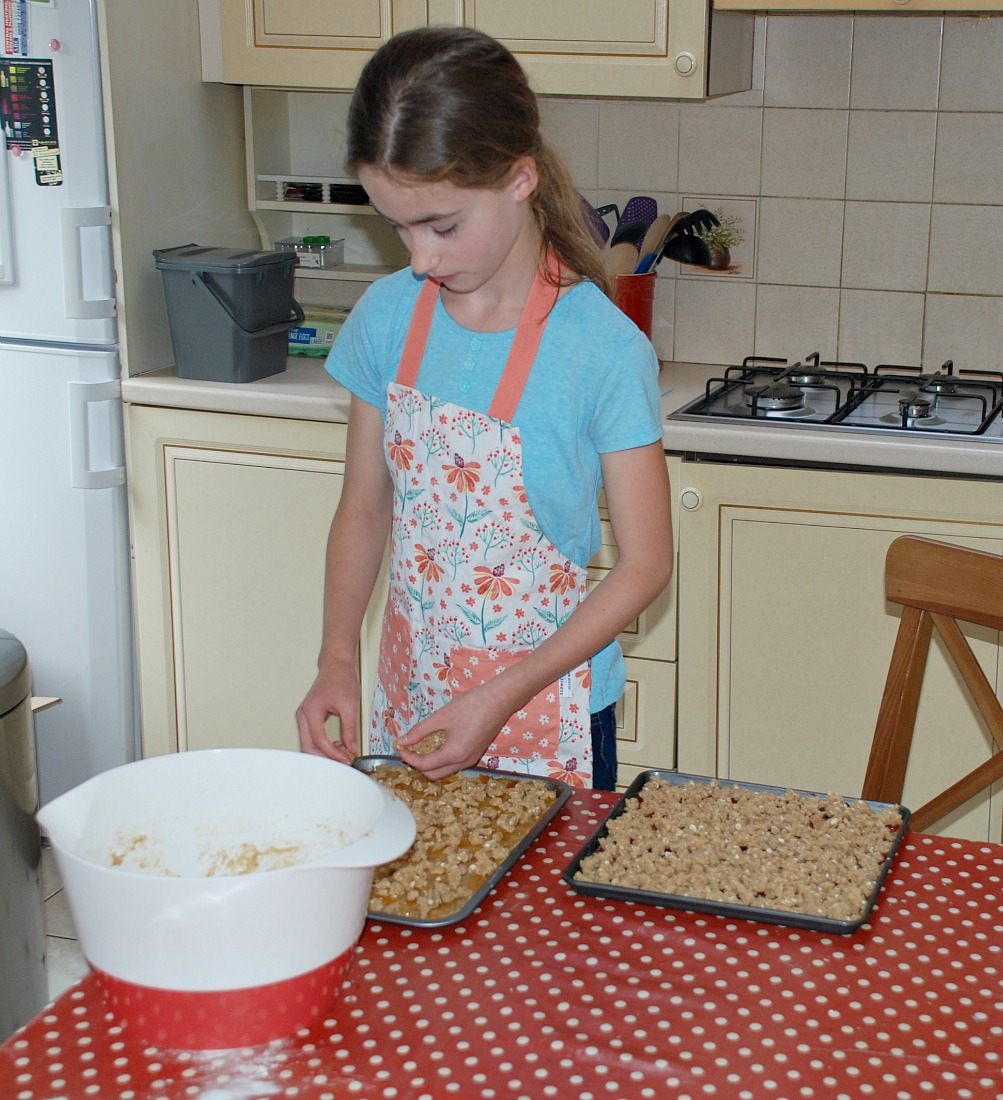
baking over the weekend

The photo above was yesterday’s baking where she had to change the proportions of all the ingredients – lots of Maths working with fractions and decimals – all on a Saturday. But it worked, her calculations were correct and the biscuits were yummy.

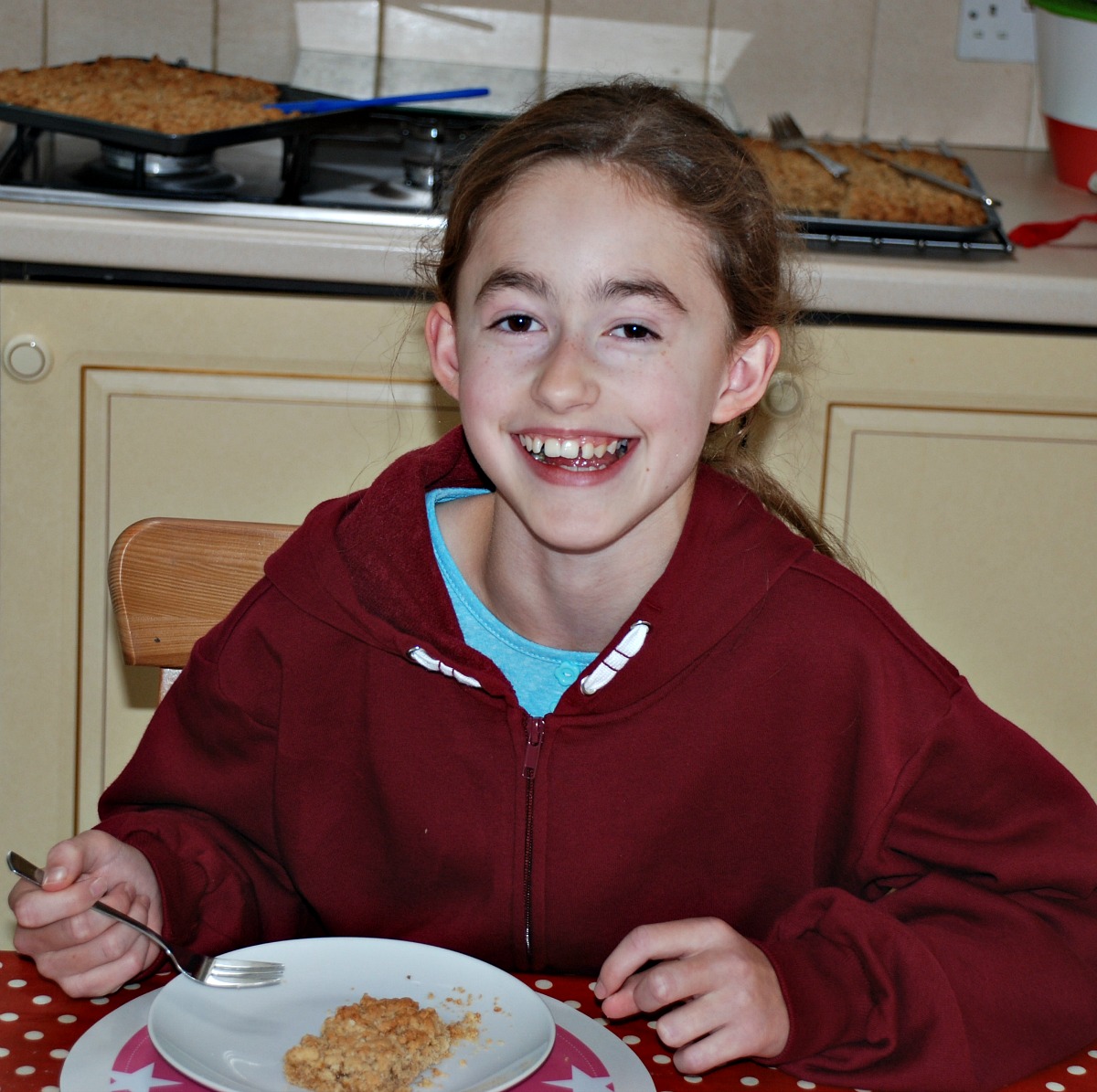
eating her baked goods

The kids don’t stop reading their books just because it is weekend time, fiction and non-fiction if they are enjoying a book they still read it over the weekend which means questions still get asked and we still spend time trying to answer those questions. Just yesterday I saw my daughter on the couch with her dad and a dictionary looking up some words from her new book she has been reading. Likewise if we are busy watching a documentary series we often continue watching it over the weekend and again that means the questions still get asked and in fact if it is weekend time and their dad is around he tends to ask questions about the episodes he missed so there is often a lot of explaining by the kids.

We often plan our “field trips” for weekend days so that their dad can join us. Honestly we actually just like having him with us on our adventures to different places and I find it often helps because sometimes the kids want to split up and go to different areas so when he is with us we can do that and we can allow one kid to spend as long as they want in one section while the other goes exploring somewhere else (I have one kid who likes to read every sign in order at museums which means the other kid often gets frustrated waiting).

In fact my kids learning does not stop if I leave the house. Yip. (Talk about bursting any bubble I may have had). Last weekend was a great example, I happened to meet one of my mom-ed mum friends on Saturday morning for a kid-free morning. We had a blast but so did our kids. Both sets of kids were at home with their dads. When I enquired about hers she told me when she left the house they were busy watching clips about the Incas and when I arrived home I found out mine had watch an aircraft investigation episode with their dad and then they worked through what went wrong with the plane (mechanical fault, they explained the detail to me and how it was uncovered – talk about a puzzle). They had also been out in the garden digging up the potatoes that they had grown and had made plans for a trip to an aircraft museum for the following day (which was an incredible outing).

This slideshow requires JavaScript.

But the point I am trying to make is their learning does not stop just because it is weekend time and it does not stop just because the stay-at-home-educator has a morning off, it is never-ending.

Posted in Homeschooling | Tagged , , , | Leave a comment