Our Favourite Primary Non-Fiction Books

One of the questions I am always asked is – “what are your must have books?” And in all honesty I am wary of that question for the simple reason that there are just so many amazing books out there and everyone home educates in a slightly different manner. So what works for us might not work for you. The projects we do in primary might not be the projects you choose to do. There are lots of variables, lots, but I have been persuaded to go through our book case and pull out our favourite non fiction books just as a way of giving some ideas. So these are our Primary aged Non-Fiction Books (History and Science) which I could not have survived without.

So starting with Ancient History.

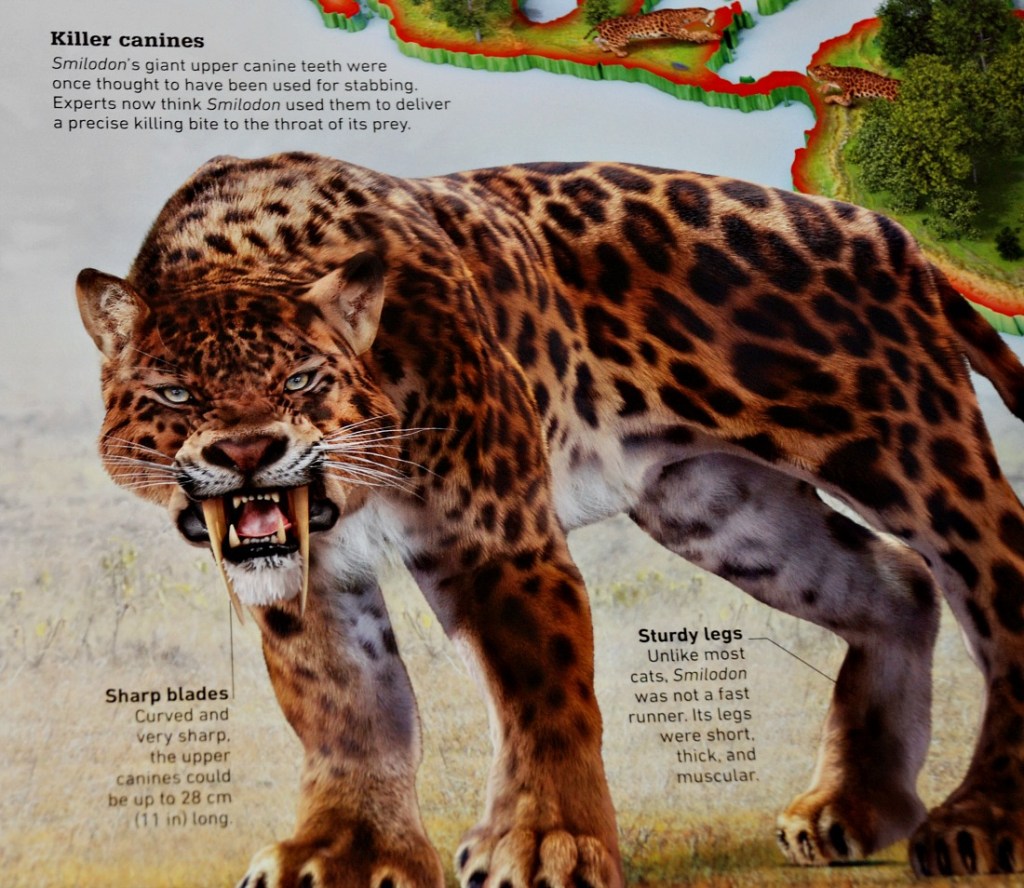
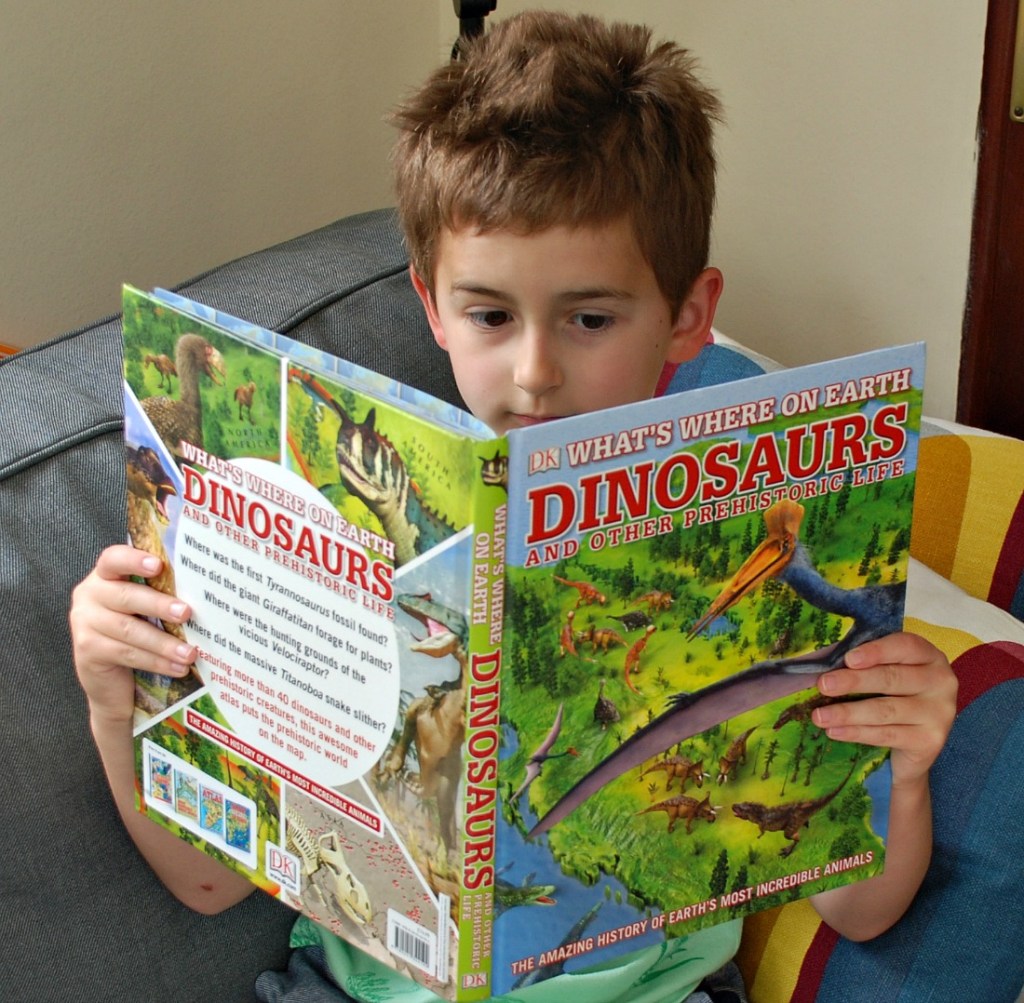
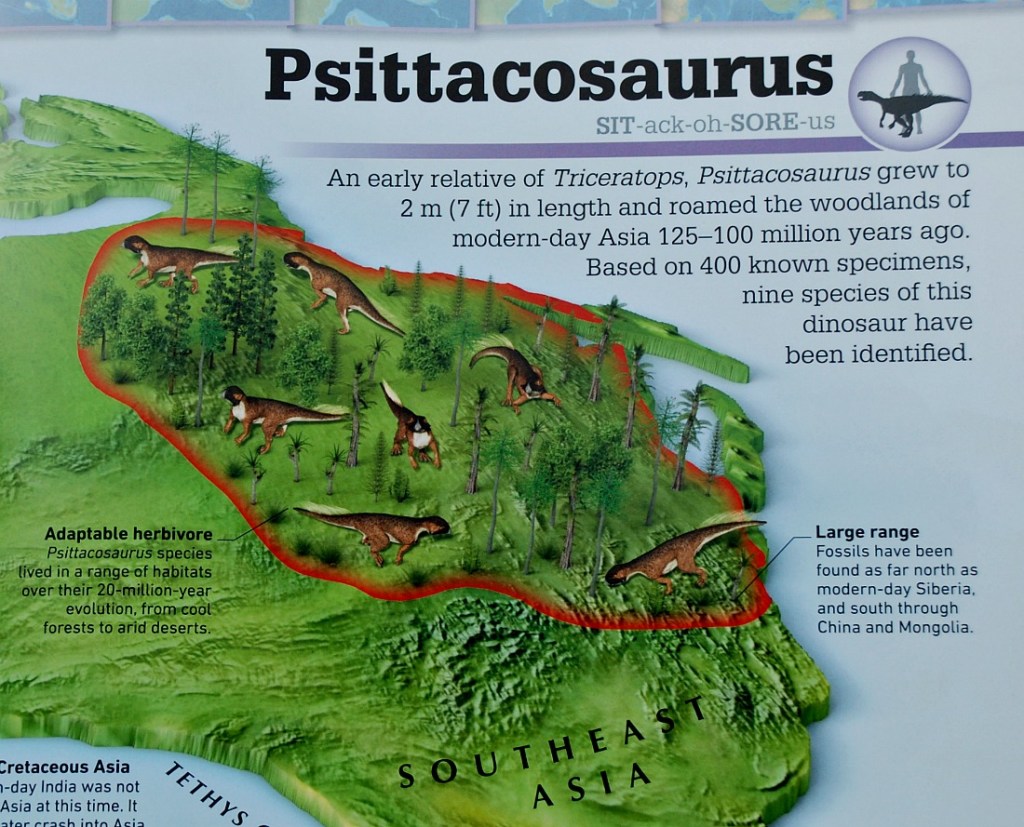
Now, in total honesty my son has LOTS of Dinosaur books, he loves learning about Dinosaurs and he has some real gems but if I had to choose just one (which is actually quite hard to do) I think it would be the What’s Where on Earth Dinosaurs and Other Prehistoric Life: The amazing history of earth’s most incredible animals. He just finds this one fascinating and more than two years after buying it he is still coming back and rereading it on a regular basis. He really likes that it shows maps of where the different creatures where found, has clear pictures and contains lots of information about how each creature was built and they highlight the unique features while often linking the features back to current animals. It is a visual book (lots of big, incredible pictures) but they have also managed to include lots of interesting facts. This book is one of my sons favourites.
Linking to that theme of dinosaurs and fossils we found this book Archaeologists Dig for Clues: Stage 2 (Let’s Read-And-Find Out Science. Stage 2) brilliant. It just brought in a few facts about how we discovered and uncoved all those ancient treasures. Great for younger kids.

Now one which I really wished I had bought a lot earlier and which I think is Brilliant is Story of the World, Vol. 1: History for the Classical Child: Ancient Times: 0. I have been so impressed with the writing style in this book, it is such an easy read yet it manages to organize world events in a logical fashion and it somehow includes lots of facts. I highly recommend this book as a starting point for Ancient History.
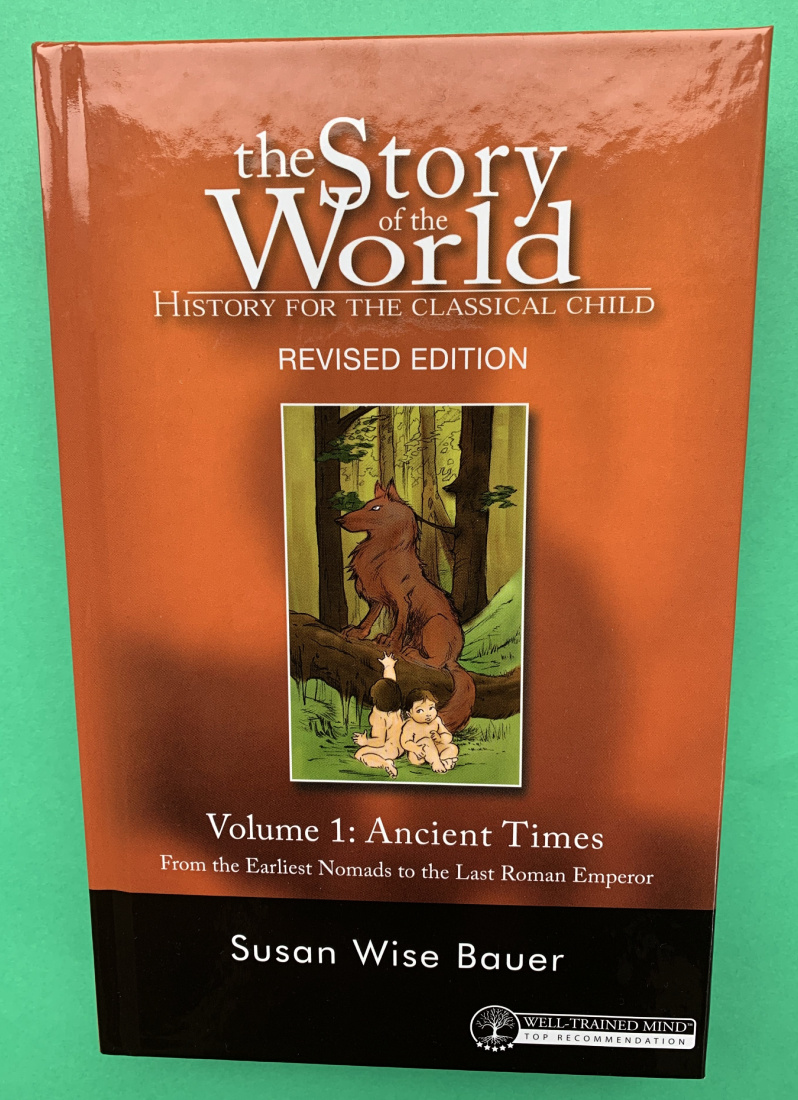
The Story of the World. Volume 1 Ancient Times

And then a topic which we spent a lot of time on was Pompeii and this book was excellent – Pompeii (Young Reading (Series 3)): 1 (Young Reading Series 3, 9). Again it is written in an easy story like fashion, perfect for primary aged kids. We used this book when we learnt about the Ancient Romans, we then used it as a reader and we turned to it again when we covered Volcanoes. It was well worth the few pounds I paid for it.
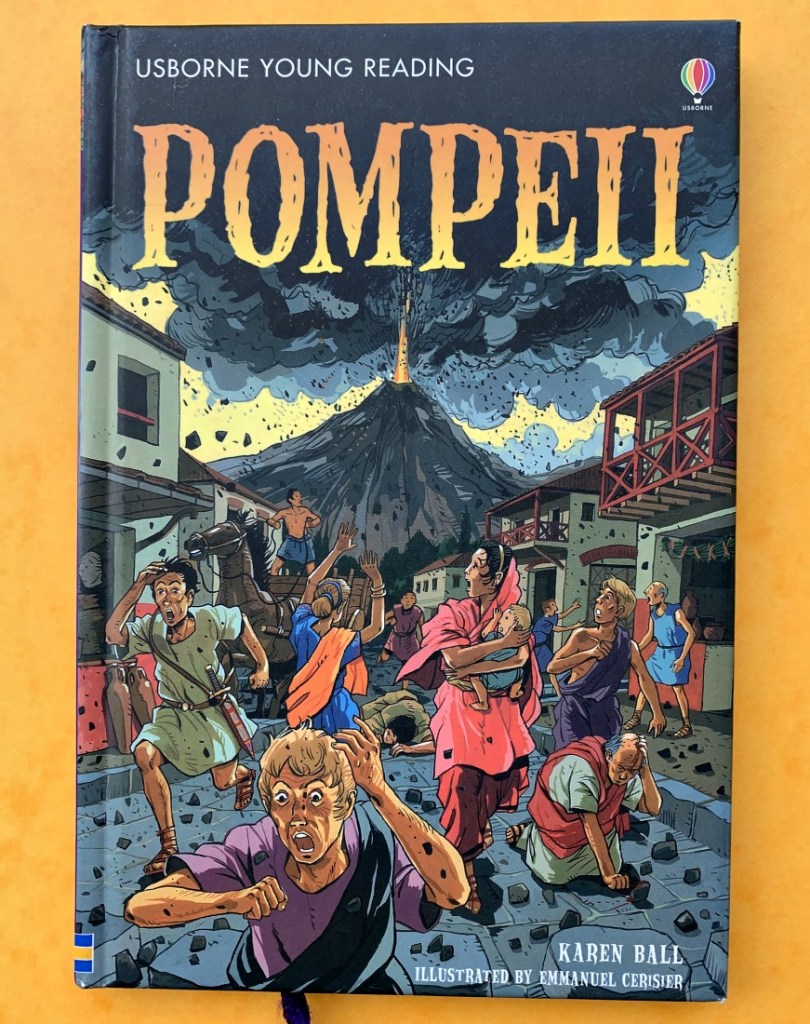
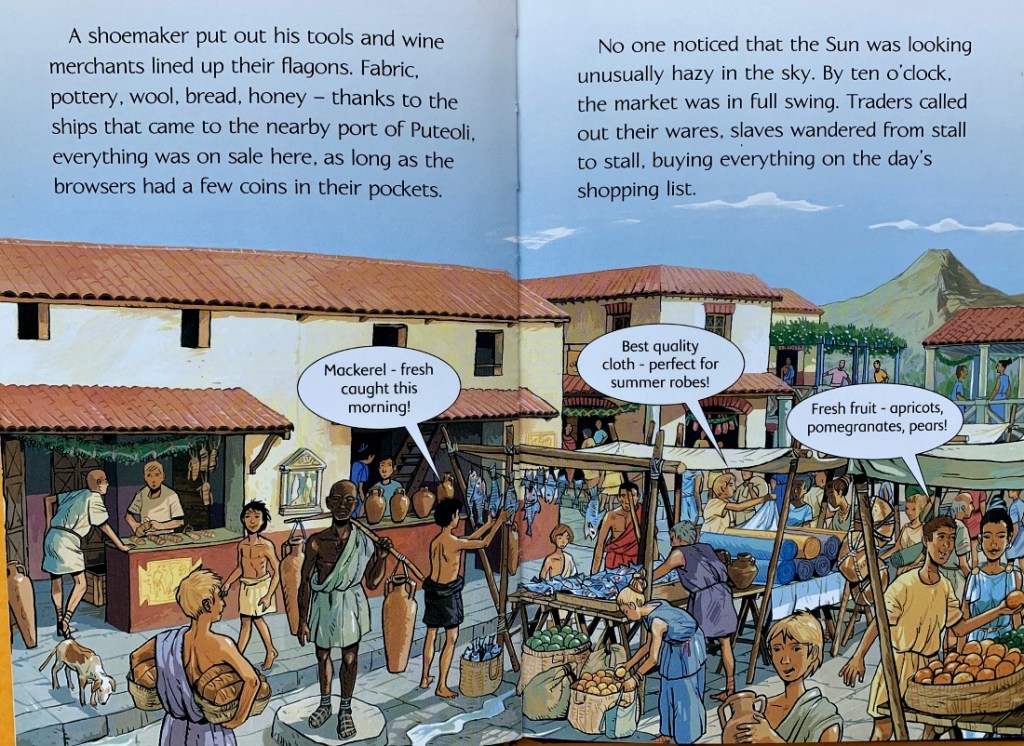
  • Usborne Young Reader Pompeii. Great for history and volcano topics
  • Usborne Young Reader Pompeii shows a Roman market

More history. Firstly my daughter’s favourite, we first got this book as a library book and after renewing it 5 times I just had to buy her a copy – Kings and Queens (History of Britain): 1. She has read this book cover to cover multiple time and she loves it. We have used it for multiple History projects and topics but really it is just a great book for placing everyone in order and explaining a bit about them and their impact on British history.

Then the World Wars. Now I like the idea of introducing the World Wars to younger kids (primary ages) but I also think certain parts need to be dealt with in a gently fashion (it can be an emotional, hard topic for younger kids), The two books that I found that ticked all my boxes for World War facts suitable for this age are The Story of the First World War for Children (1914-1918): In association with the Imperial War Museum and The Story of the Second World War For Children: 1939-1945.

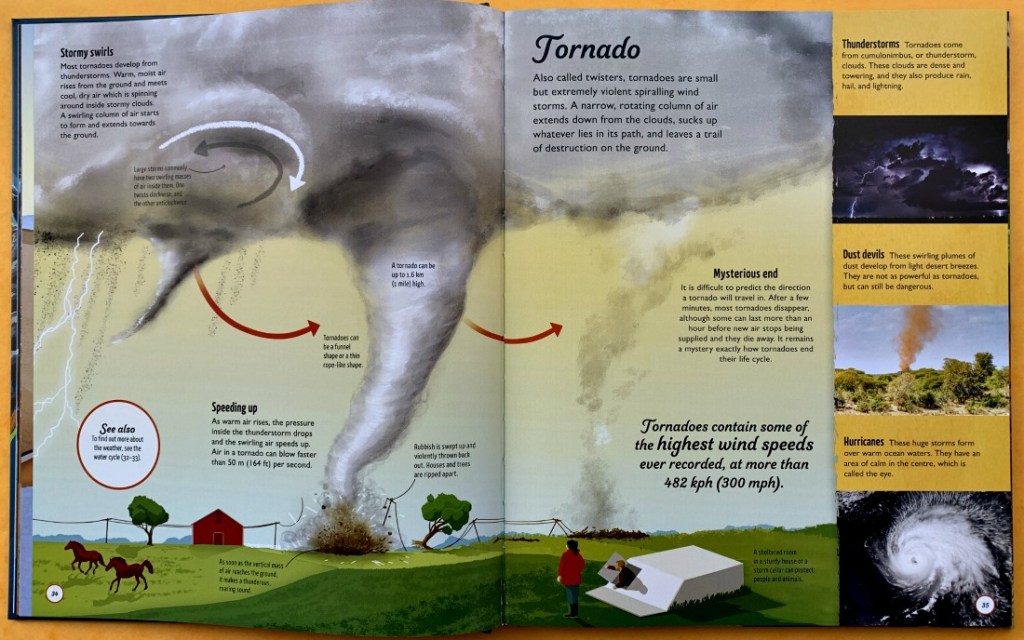
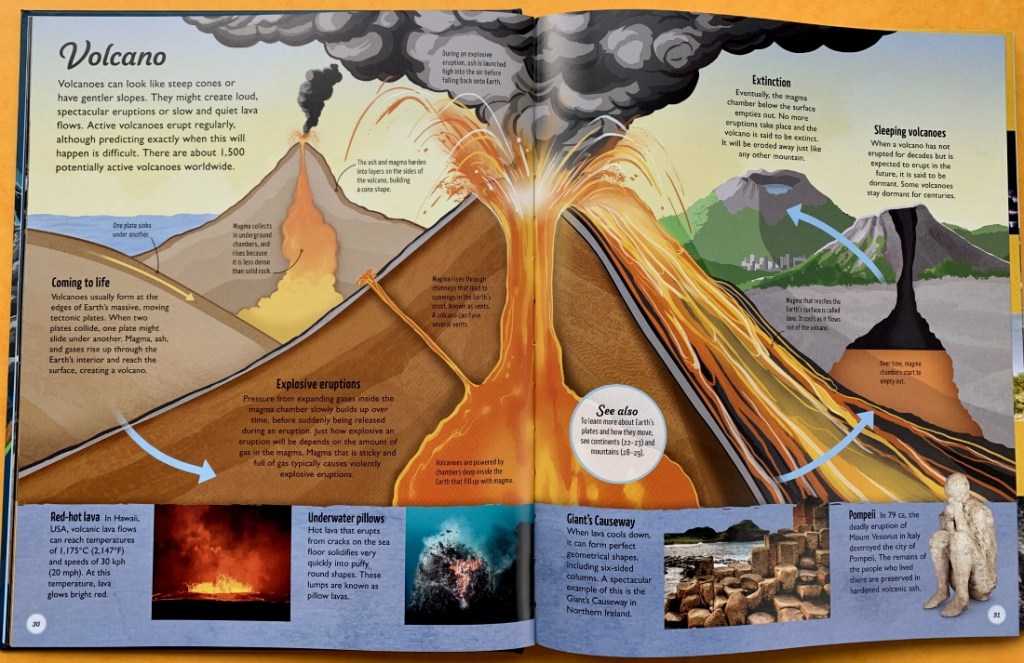
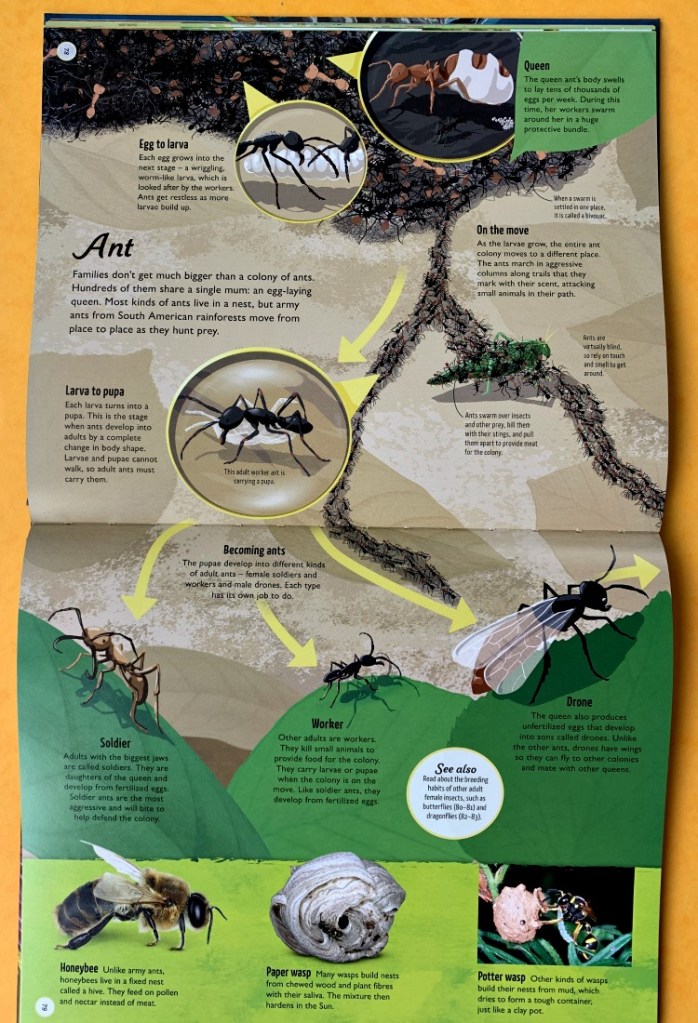
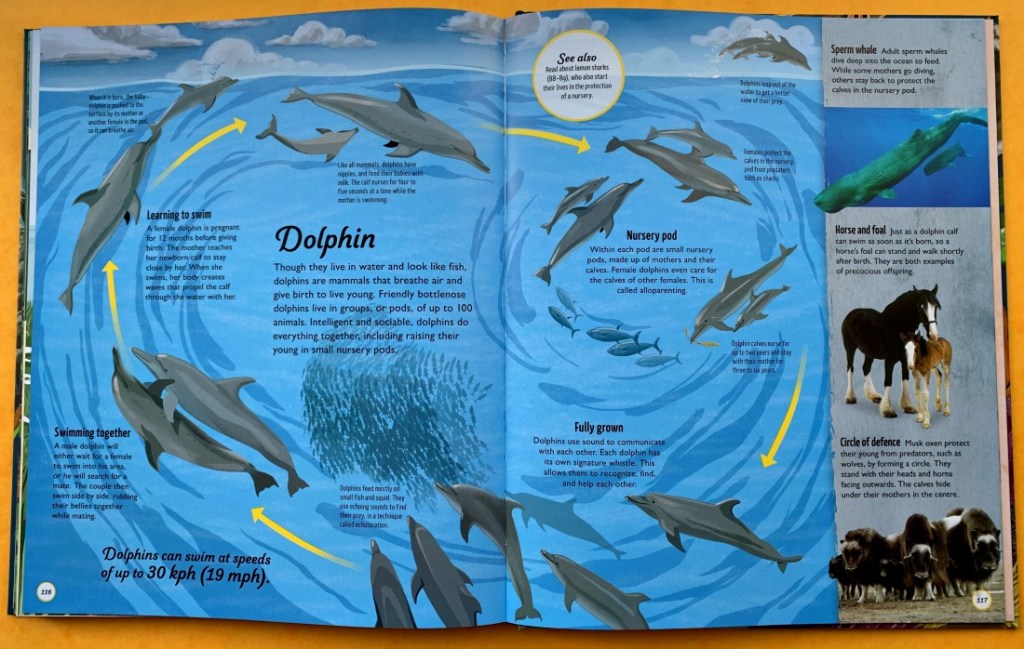
Onto Science topics. I have to start with my amazing life cycle book – Life Cycles: Everything from Start to Finish. This book is one incredible book. It is a visual feast of ALL life cycles – it covers a wide range of different animals, plants and other interesting “earth” cycles like that of a rock, a volcano, iceberg even the life cycle of a star and moon. It really is everything you will need on life cycles and so much more than you could even have imagined. And included in the life cycles they also talk about things like hibernation, predators, habitats and animal classification.
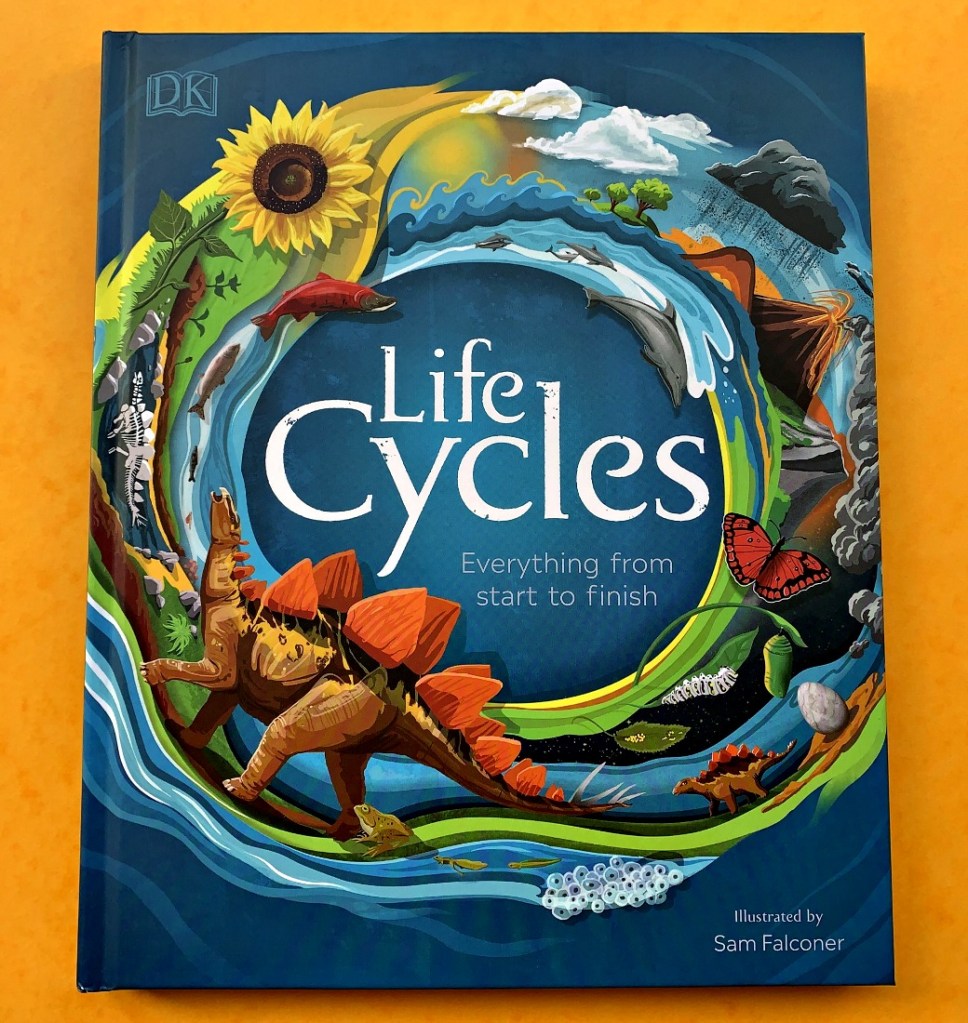
  • DK Life Cycles. Everything from Start to Finish
  • DK Life Cycles. Everything from Start to Finish
  • DK Life Cycles. Everything from Start to Finish
  • DK Life Cycles. Everything from Start to Finish
  • DK Life Cycles. Everything from Start to Finish

And then two other science books. Our food chain book, which is just brilliant – Staying Alive: The Story of a Food Chain (Science Works) and our Rock book – The Rock Factory: A Story About Rocks and Stones (Science Works). Both cover important concepts and do it in a very easy to digest manner.

And I am sure I have forgotten something, I can almost guarantee that in a few days time I will think Oh boy I should have included x or y. But hopefully this might give someone one or two ideas.

Admin – I do include Affiliate links. If you follow an affiliate link and go on to purchase that product, I will be paid a very small commission, however your cost will remain the same. I only include affiliate links for products that we use and love.

Posted in Homeschooling | Tagged , , , , | Leave a comment

CGP Year 6 Grammar, Punctuation and Spelling Workbook

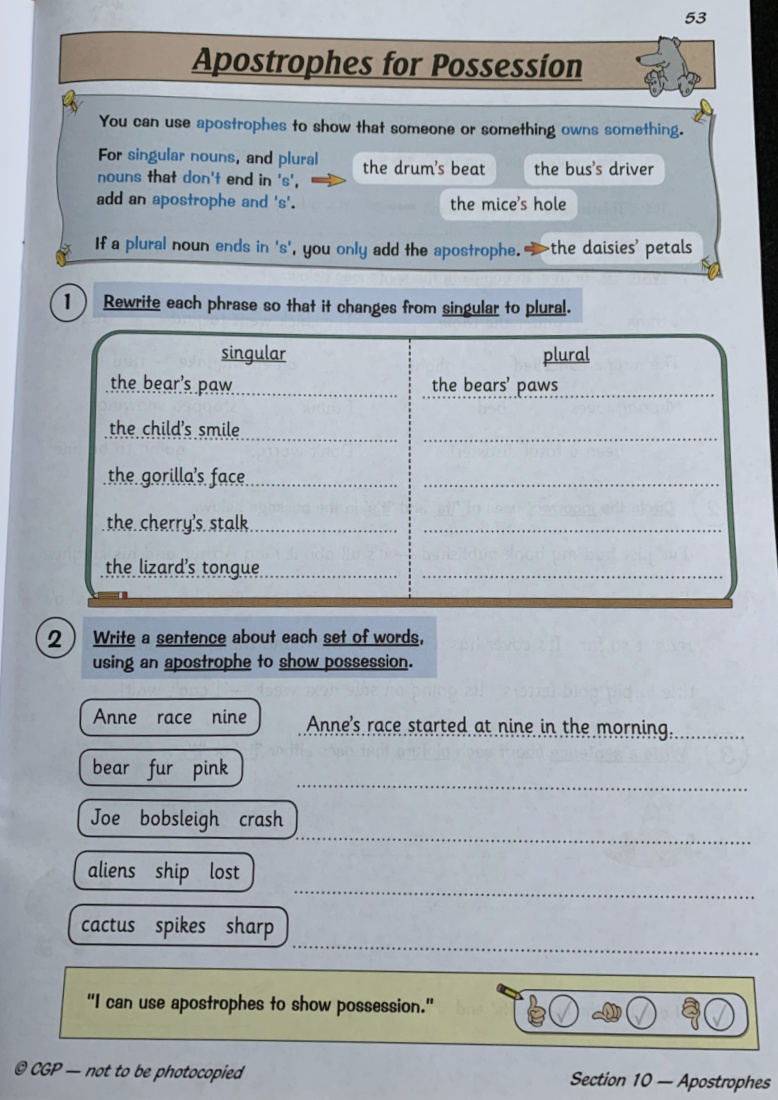
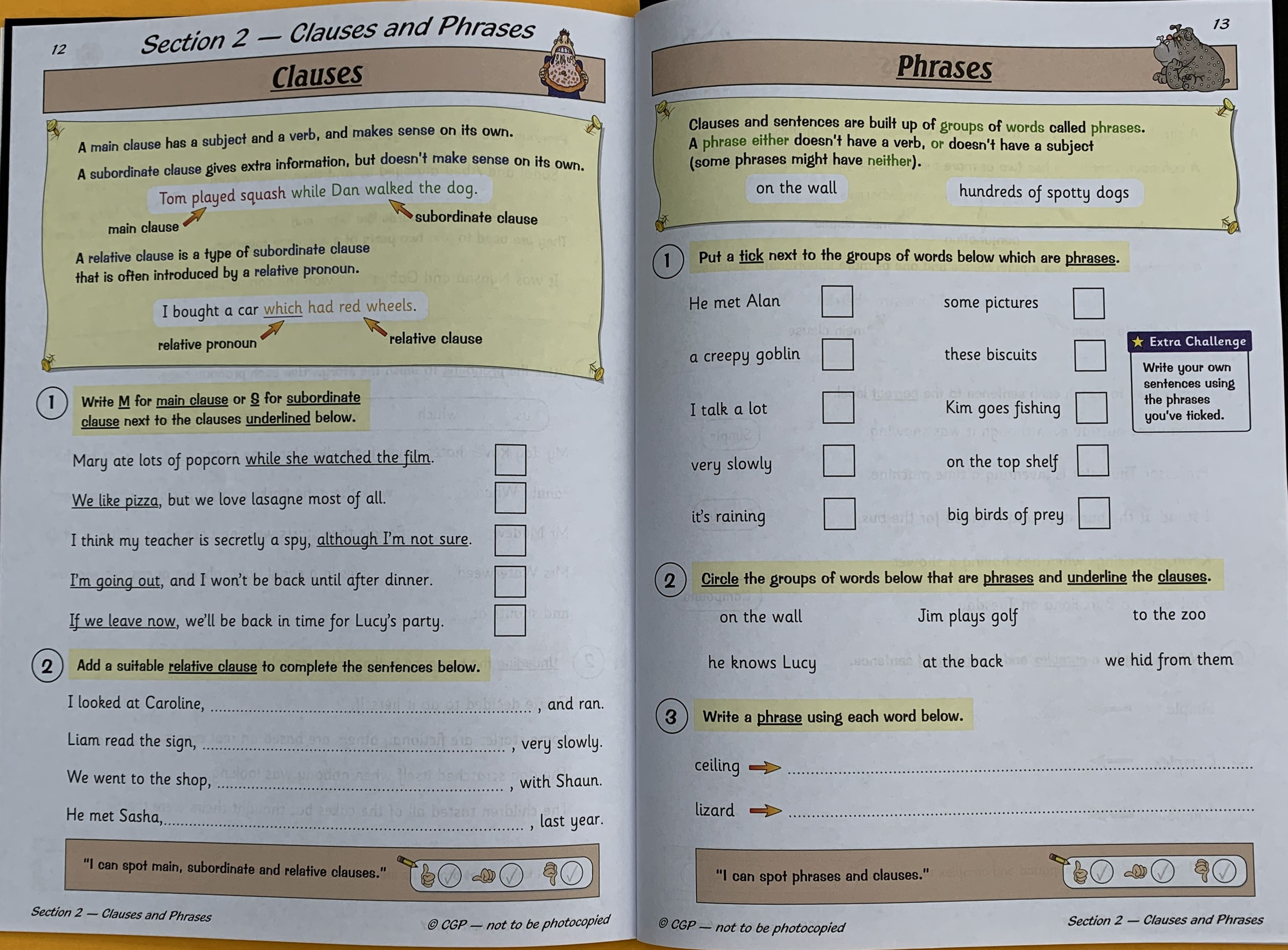
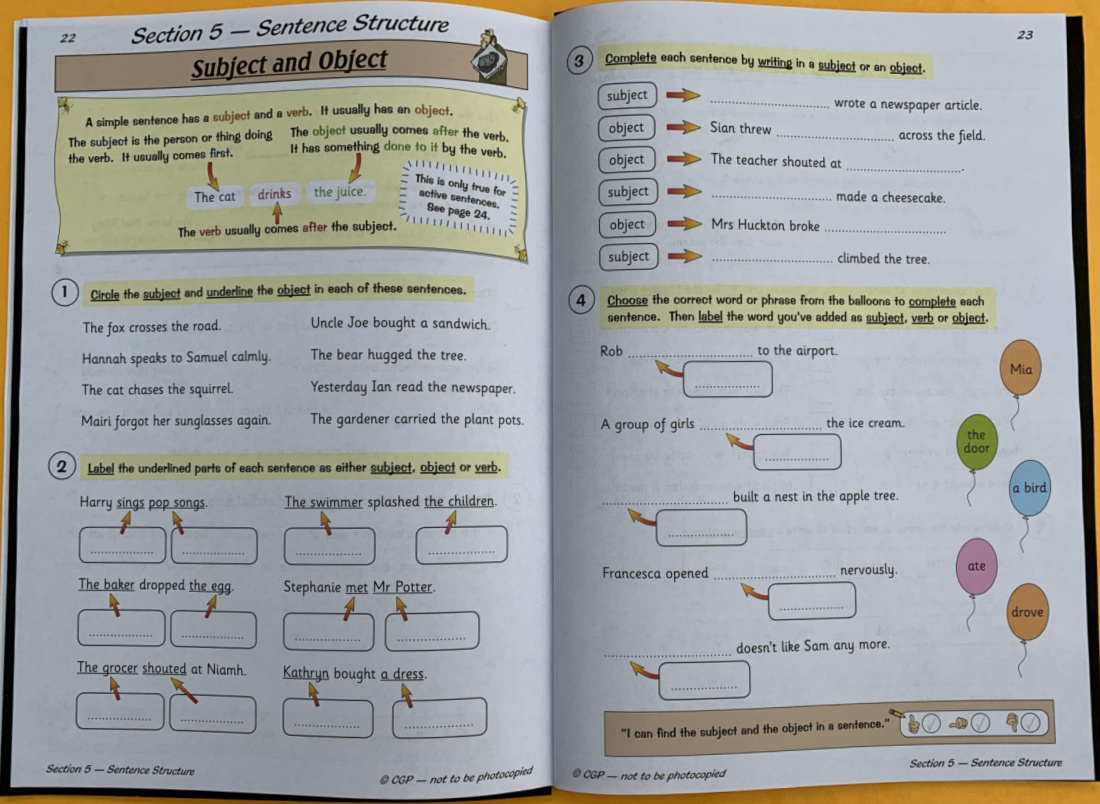
We tried one of the CGP Grammar, Punctuation and Spelling workbooks for the first time last year and I must admit both my son and I found it suited us. So this year I bought him another one to use – KS2 English Targeted Question Book: Grammar, Punctuation & Spelling – Year 6: perfect for catching up at home (CGP KS2 English)

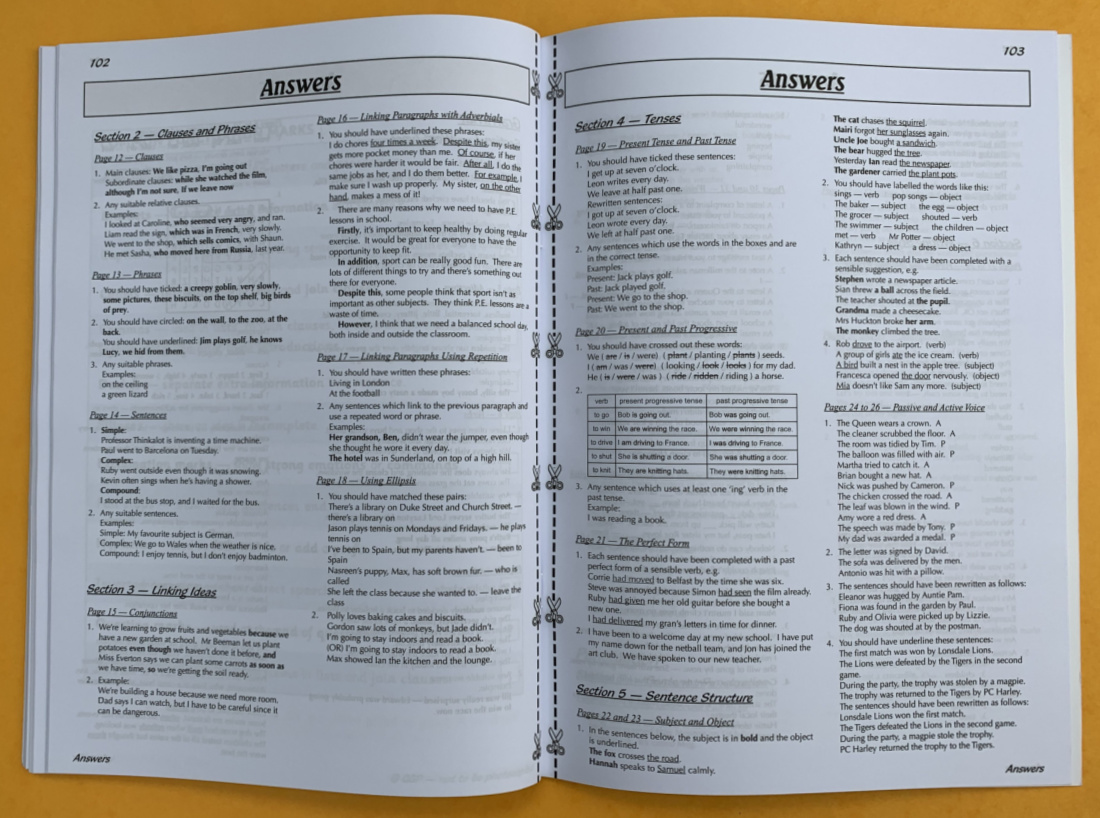
It is a straight forward workbook. But we like it for a few reasons – we like the layout of the pages – with the explanation at the top, followed by a few exercises. We like that the explanations are concise and clear and I really can hand the book to him and he reads it and completes it by himself – I like this as it is a step in the more independent style learning. Plus they have included all the answers at the back of the book.

The workbook is 100 pages long and is split into the three main sections – Grammar, Spelling and Punctuation. The pages are separate, stand alone pages so you can dip in and out and complete the pages in any order. Under each of the three sections they cover the following.

  1. Grammar
  • Word Types – nouns, adjectives, verbs, adverbs, synonyms and antonyms and pronouns.
  • Clauses and Phrases
  • Linking Ideas – conjunction, linking paragraphs with adverbials and repetition and ellipses.
  • Tenses – present, past, past progressive and perfect form
  • Sentence Structure
  • Writing Style – formal and informal and writing for your audience.

2. Punctuation

  • Sentence Punctuation – capital letters, full stops, question marks, exclamation marks.
  • Commas – in lists, after subordinate clauses, after introductions, for extra information and to avoid ambiguity.
  • Brackets and Dashes
  • Apostrophes – for missing letters, for possession, its and it’s.
  • Inverted Commas
  • Colons and Semi-colons
  • Paragraphs and Layout

3. Spelling

  • Prefixes – trans, bi, tri, semi, aero, micro, tele, photo, circum
  • Word endings and Suffixes – shus, shul, ant, ent, ence, ancy, ence, ency, able, ible, ably, ibly, fer
  • Confusing words – ei vs ie, words with ough, silent letters, homophones.

We do not use this book in isolation. In other words these are not the only English pages he is working through. I will often link a page out of this workbook with another activity – possibly something like a Twinkl worksheet, a lesson from The Night Zookeeper website or an English Lit activity. As a home educator I don’t think there is enough in this one workbook for you to use it by itself for the entire Year 6 English. But as a home educator it is a useful book, a guide that you can work through to make sure you have covered everything and it may possibly highlight areas that you need to work on. We recommend this workbook.

We bought our CGP Year 6 book from Amazon – KS2 English Targeted Question Book: Grammar, Punctuation & Spelling – Year 6: perfect for catching up at home (CGP KS2 English) but I have also seen them in our local bookstores.

Admin – I do include Affiliate links. If you follow an affiliate link and go on to purchase that product, I will be paid a very small commission, however your cost will remain the same. I only include affiliate links for products that we use and love.
Posted in Homeschooling | Tagged , , , , , | Leave a comment

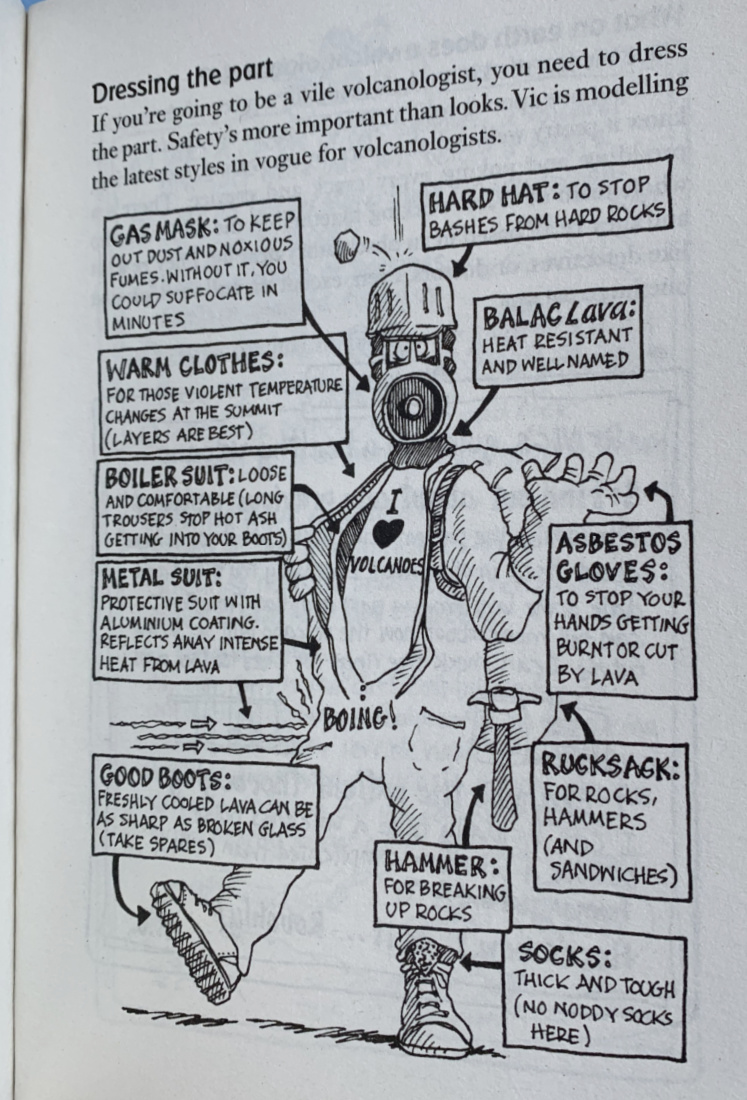
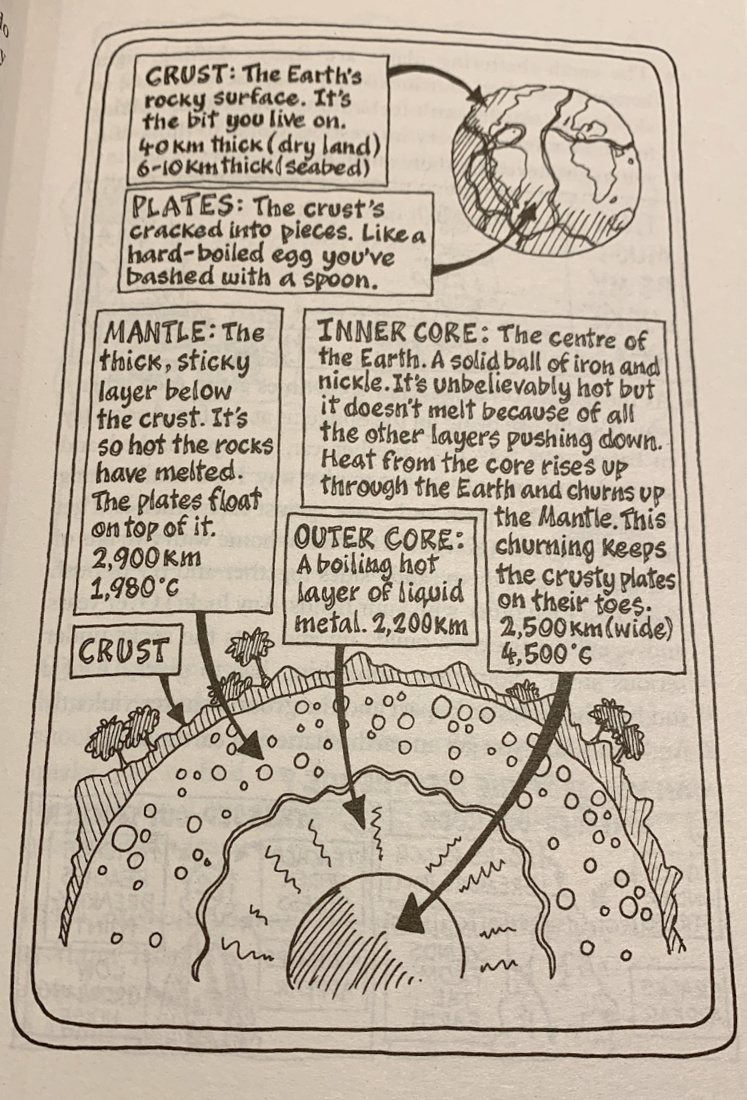
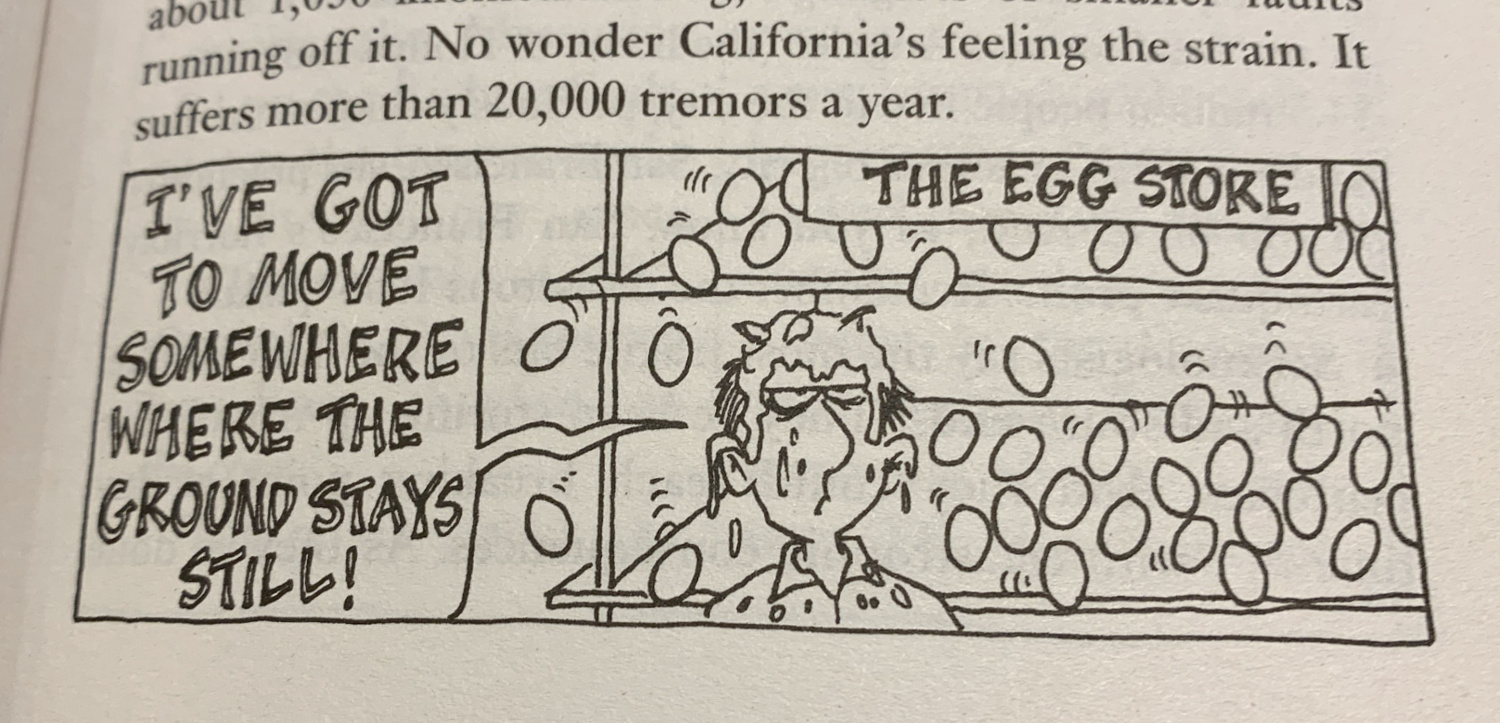
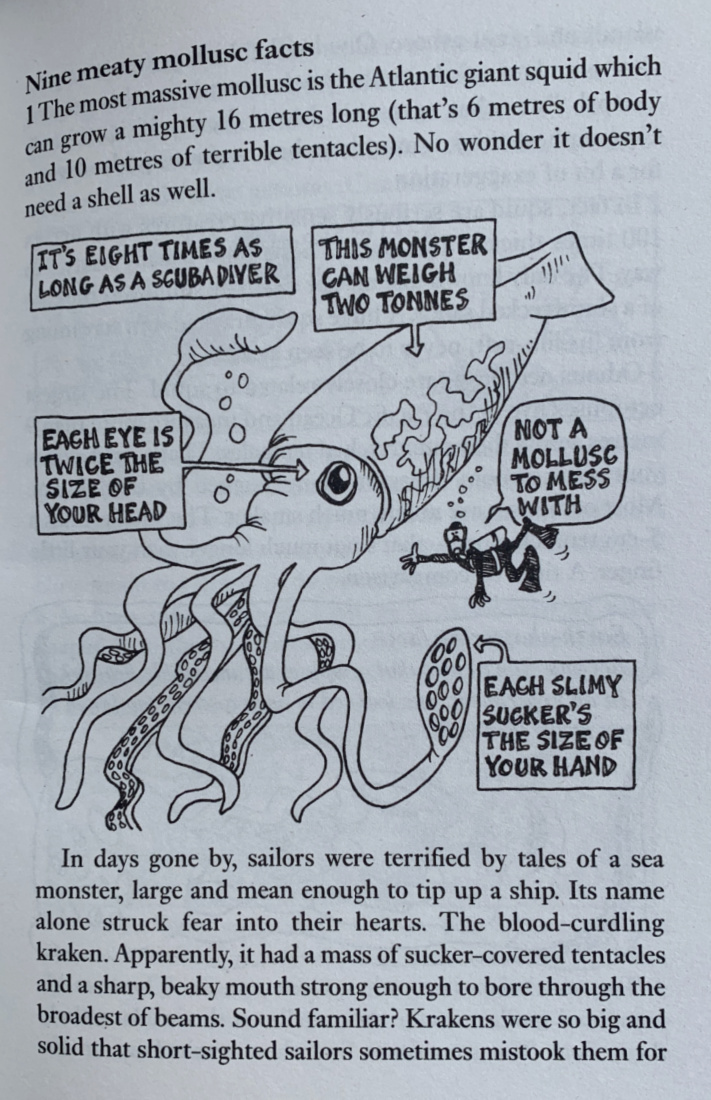
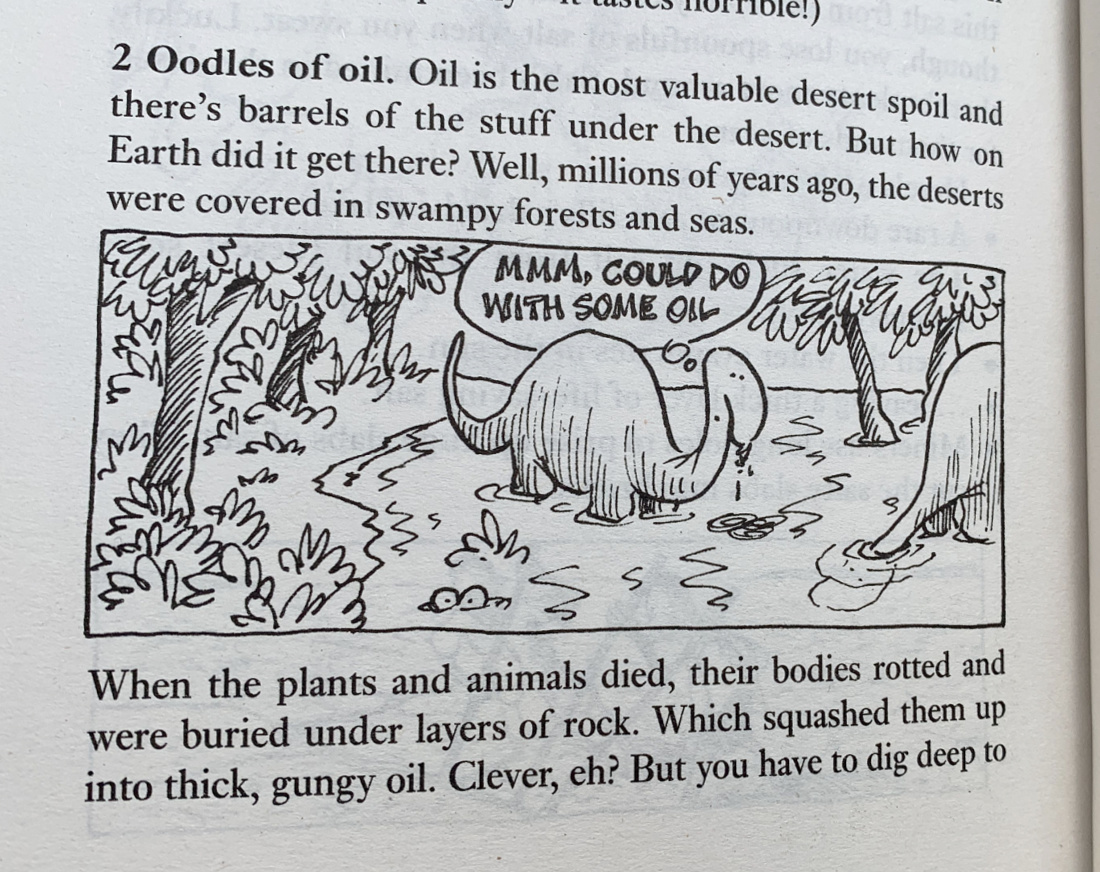
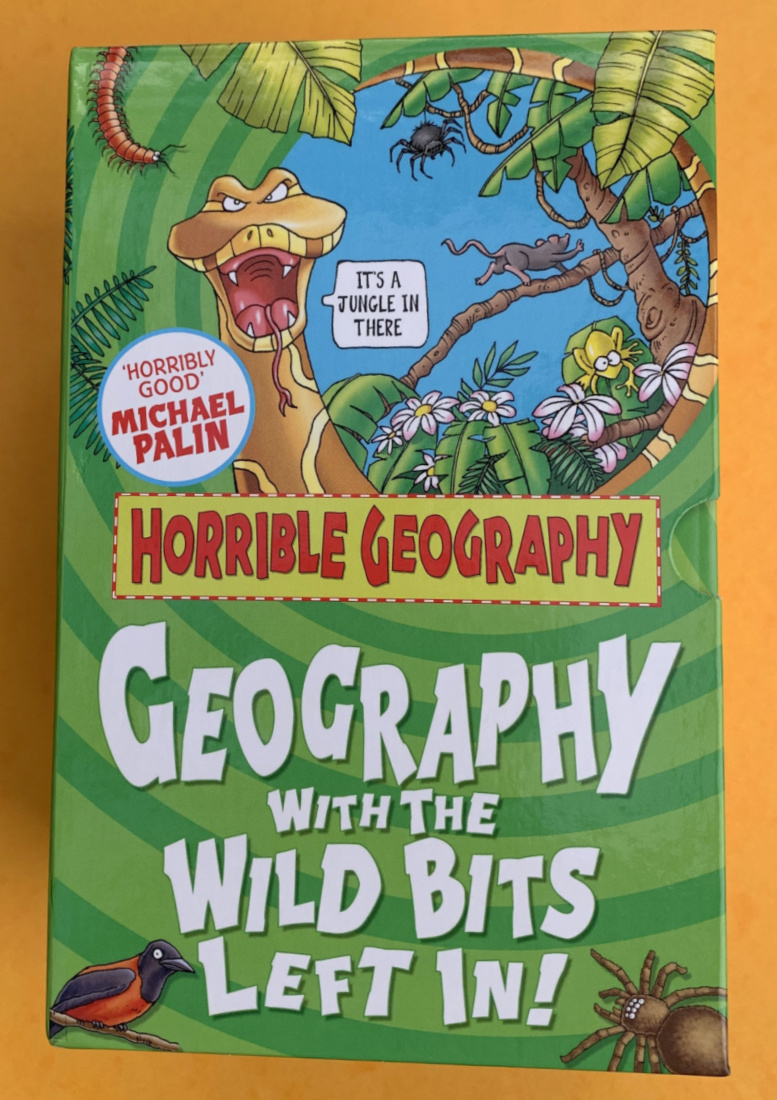
Horrible Geography Books are a Win

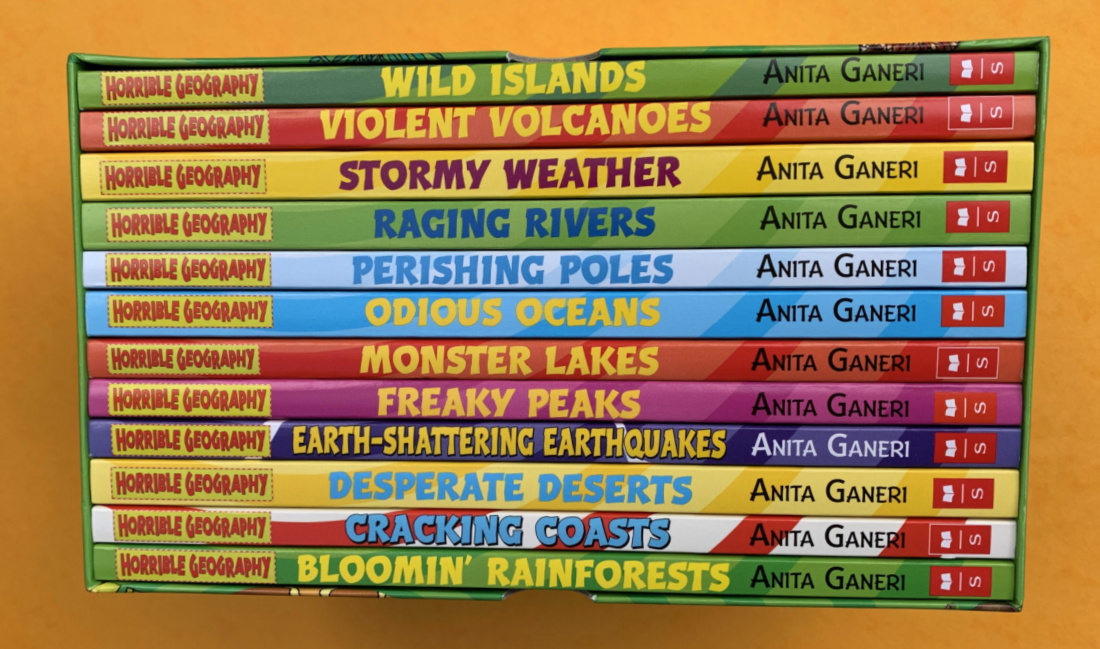
I really did not know what to expect when I ordered these books. I had never seen one of them before but I took a chance based on the fact that my son has really enjoyed reading the Horrible History books (and I mean REALLY ENJOYED them).

Book sets from the Books2Door website

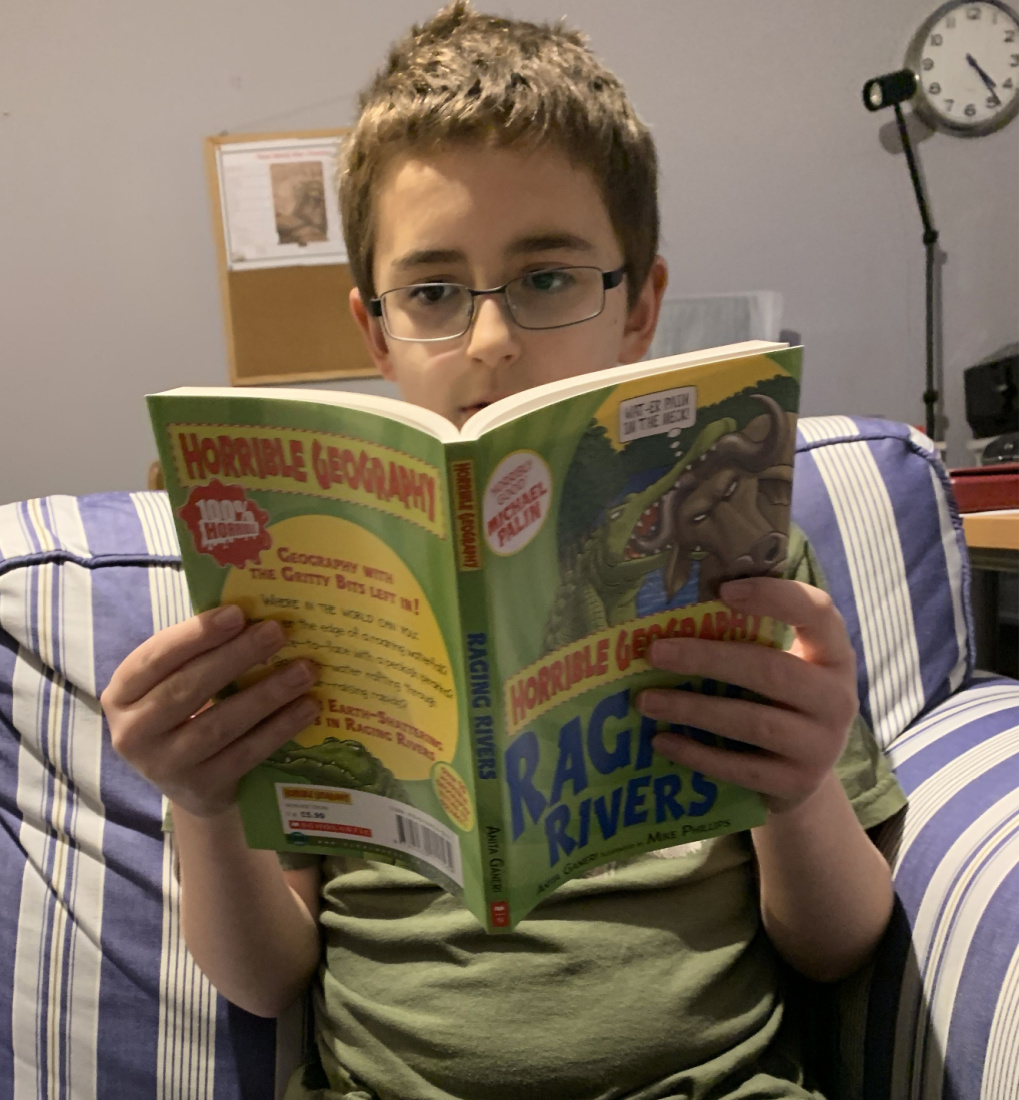
Well, they have been a Big HIT. My son is loving them.

First of all, I am all for any book which encourages kids to read, because reading is just good for them and I want them to enjoy books and enjoy reading. So straight away the fact that he just saw the books, had a look at the covers and started reading without me even suggesting it is a win. Then the fact that after he read the first one he picked up another and another again without me saying anything is another win.

And these books are covering Geography topics (which I do at time find a bit challenging to make interesting) is another Massive win. I mean any book that makes Geography interesting and engaging and that teaches the kids facts without it being a lesson-based session is a HUGE win for me. In fact I was going through some Year 9 Geography with my daughter and he chirped up with a whole lot of relevant facts that I did not know – and it was all because he had just read the Monster Lakes book.

I have to admit my son is very good about remembering facts IF he is interested in what he is reading. If he finds something boring he will not remember one little thing but if he is chuckling, engaging with the book, wanting to read extracts to me then I know he is going to remember what he has read.

My son Highly Recommend these Books and I must confess as a home educator who sometimes struggles a bit with Geography I am LOVING these books

Just to mention my son is 10 years old (he would be in year 6 if he attended school), my oldest who is thirteen has not read these books, she has a massive pile of other books that she is currently reading so I cannot give feedback from her point of view.

Posted in Homeschooling | Tagged , , , , | Leave a comment

The Birds of Flanders Fields

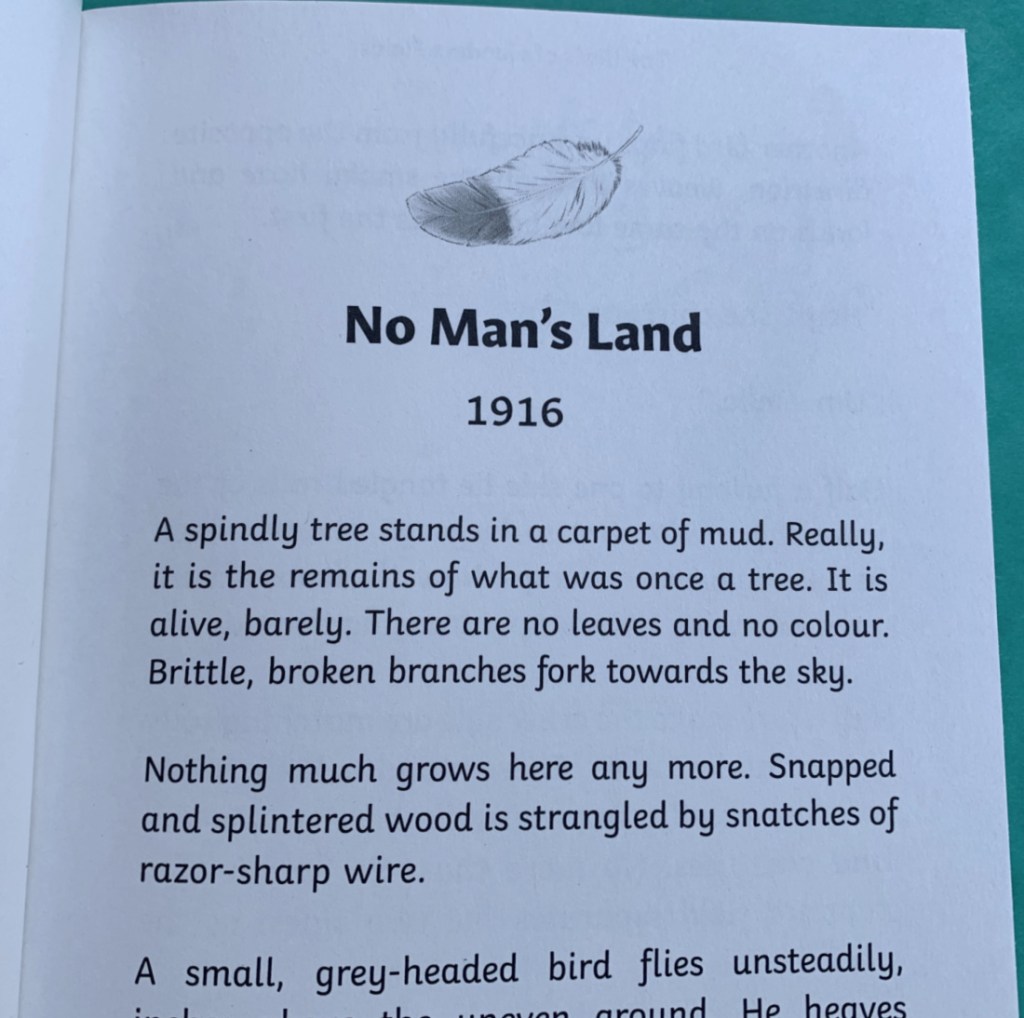
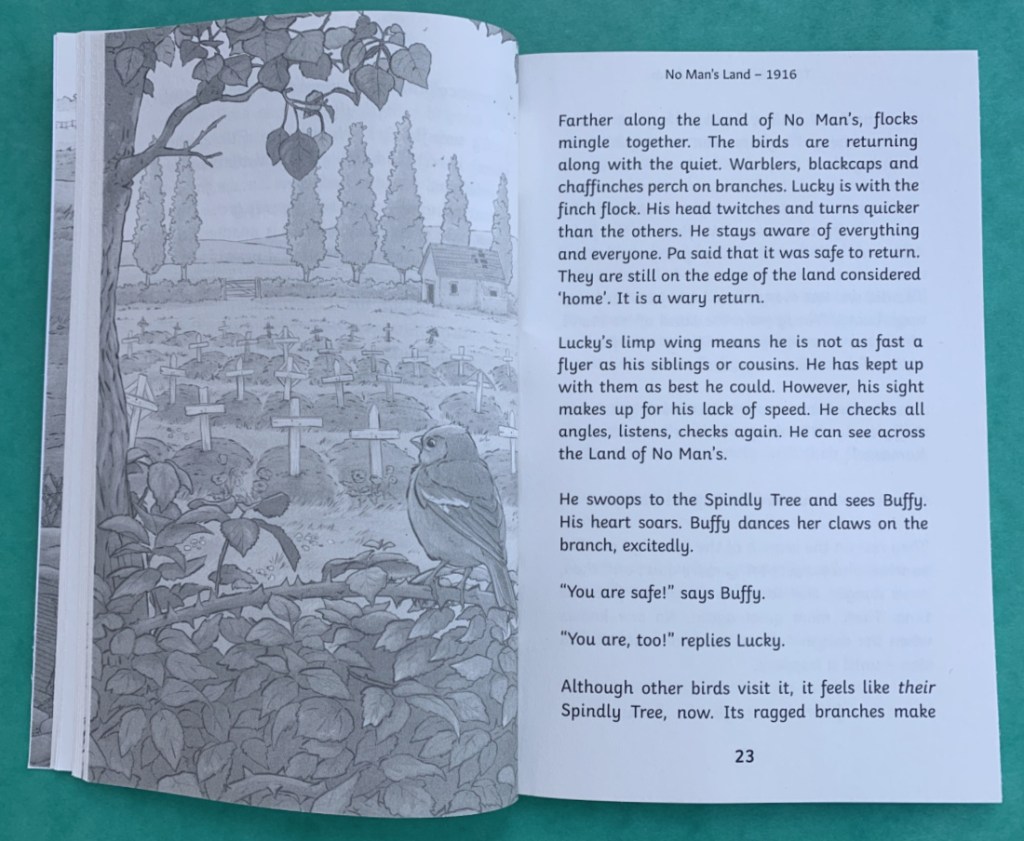
We have been covering the First World War as our History Topic but most of the work that we have been doing has been aimed at my oldest (Year 9) and I knew I needed to find something slightly easier for my son, something more aimed at KS2, so we picked the Twinkl original book to do together – The Birds of Flanders Fields. We have an actual copy of the book but you can download it as an eBook from their site – The Birds of Flanders Fields eBook.

We read it last week (we read the whole book in 3 seasons) and both my son and I loved the story. I thought they covered the whole World War I theme in a very easy to digest format – great for younger learners and sensitive kids. The book is written from the birds perspective – the birds live in Flanders and they are wondering why the humans are fighting and why they all look so miserable. In the story the birds sing for the soldiers as a way of trying to cheer them up. I also really liked the fact that the two main birds are actually birds that have been injured – one has a damaged wing and the other cannot hear properly in his one ear (great way of showing that disabilities do not change the animal / person and great way to start talking about injured soldiers).

My son really loved the fact that although this was a fictional story there were actually birds in Flanders and he found the accompanying comprehension about the Actual Birds of Flanders Fields fascinating (it tied in really nicely with some of the learning that we have been doing about animals in war time). I have to confess that he is not normally one that enjoys ANY English activity, but he enjoyed this comprehension – he was fascinated by all the birds and kept pointing out links and asking about other stories. It really sparked that interest that you always want to see in the kids.

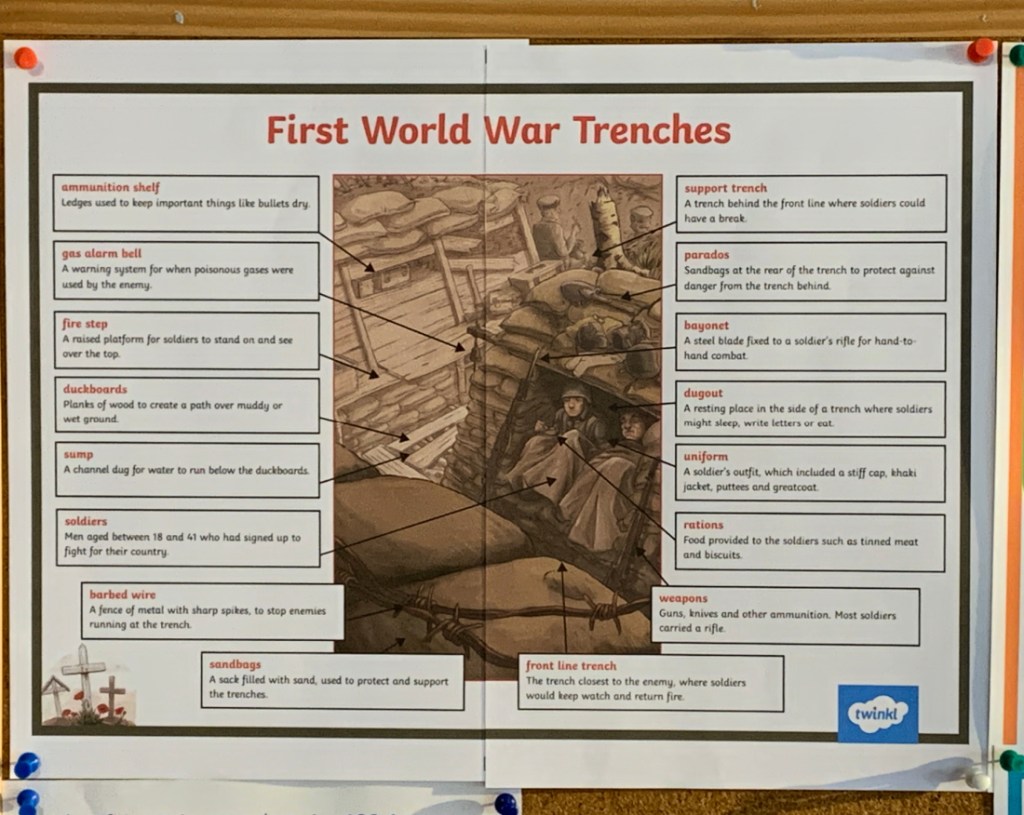
As with all the Twinkl original stories they had linked resources – we liked the trench display poster (which was already up on a board in our house), there is also a trench labelling worksheet that goes well with the poster

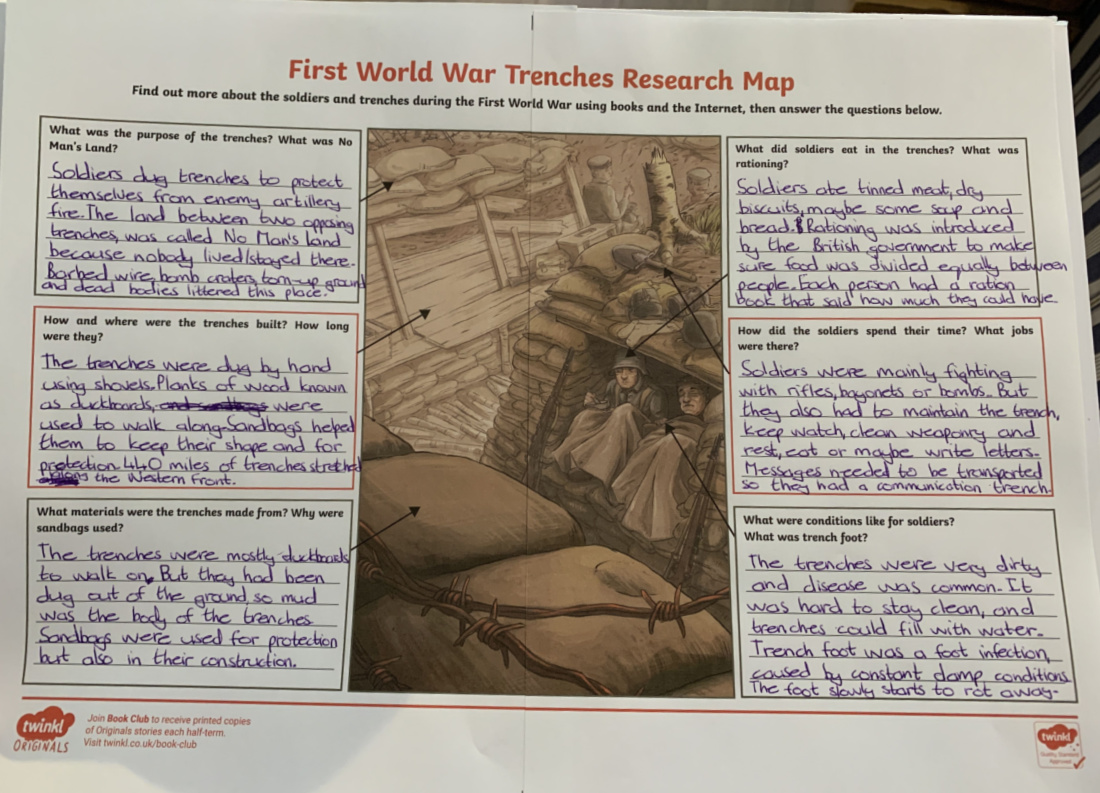
and a trench research map worksheet.

(They all tied in nicely with all the reading and learning that we have been doing about trench warfare).

I must confess we also linked in other World War I items (which is one of the reasons I like using the Twinkl eBooks, we always end up finding so much on the site). There really is a lot of World War 1 activities are the site so just a few quick links that we liked – this colouring map showing the Alliances, the First World War eBook, The Christmas Truce and my son read some of the pages from the KS3 Western Front pack (see link below).

For the older kids – there is an interesting First World War Western Front pack under KS3 and a Causes of the First World War under their GCSE History section (my daughter really liked the causes of the first World War pack and even though she is technically Year 9 and not suppose to be doing GCSE work yet she was 100% fine working through this section, in fact she really enjoyed doing the extra detail that was included in here.)

Posted in Homeschooling | Tagged , , , , , , | 1 Comment

KS3 English Anthology – War – Review Update

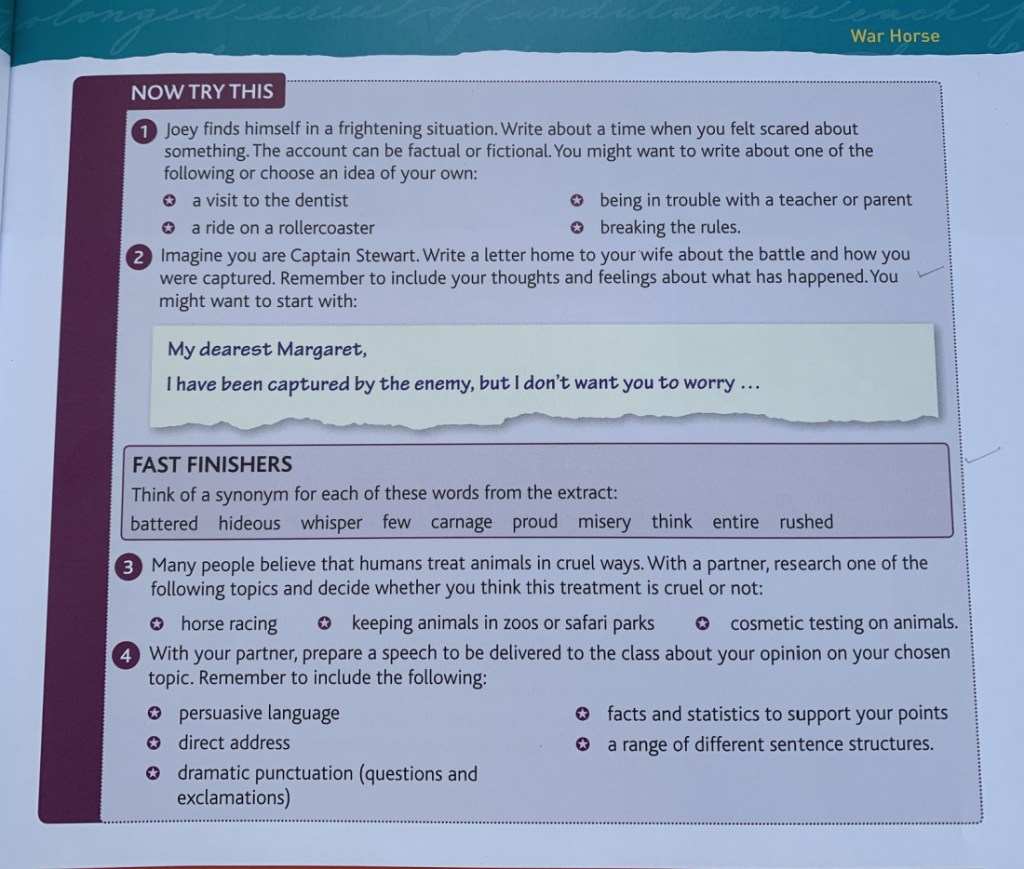
I wrote a review, a few months ago, about our new English Anthology book on War. It was a post based on me reading the book, my expectations of the book and not us (my daughter) having actually had time to use it. And I always like to read reviews from people once they have actually had time to use it and figure out if it works for them. So this is our “we have been using it since August and this is what we think of it” – update post.

KS3 English Anthology series from Hodder Education. War

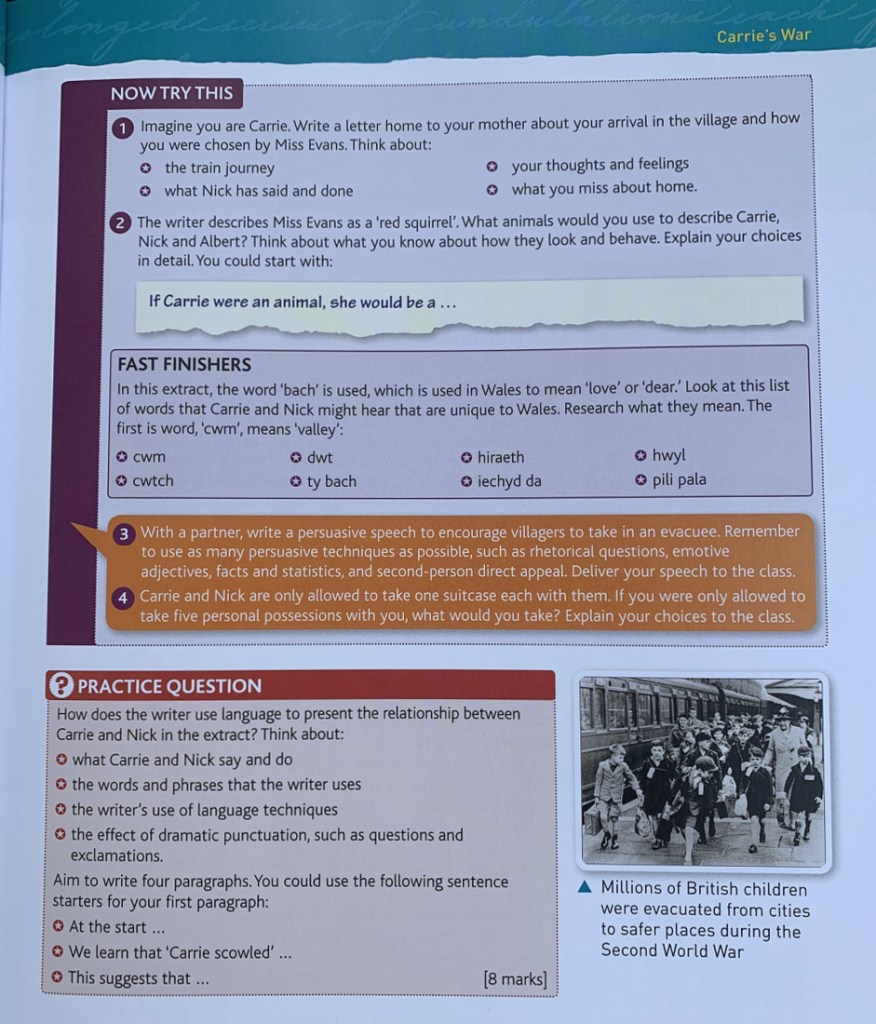
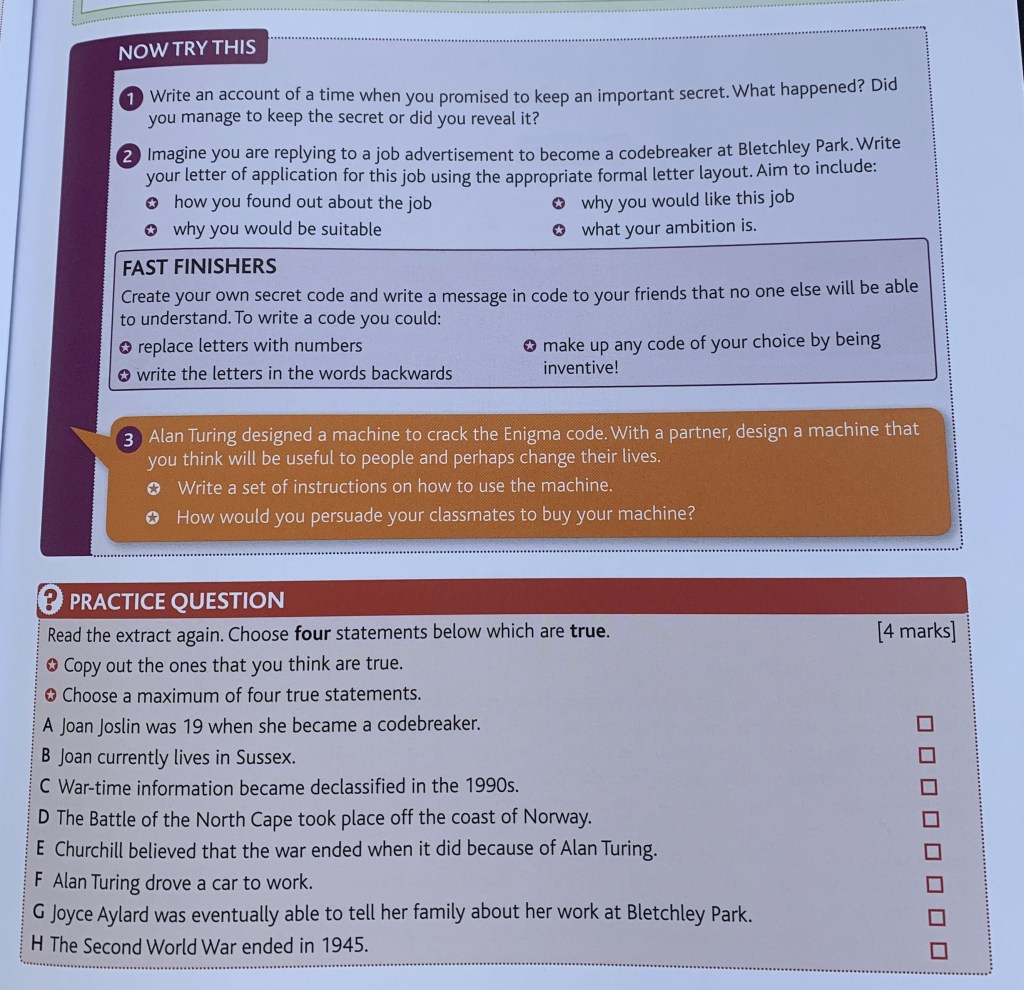
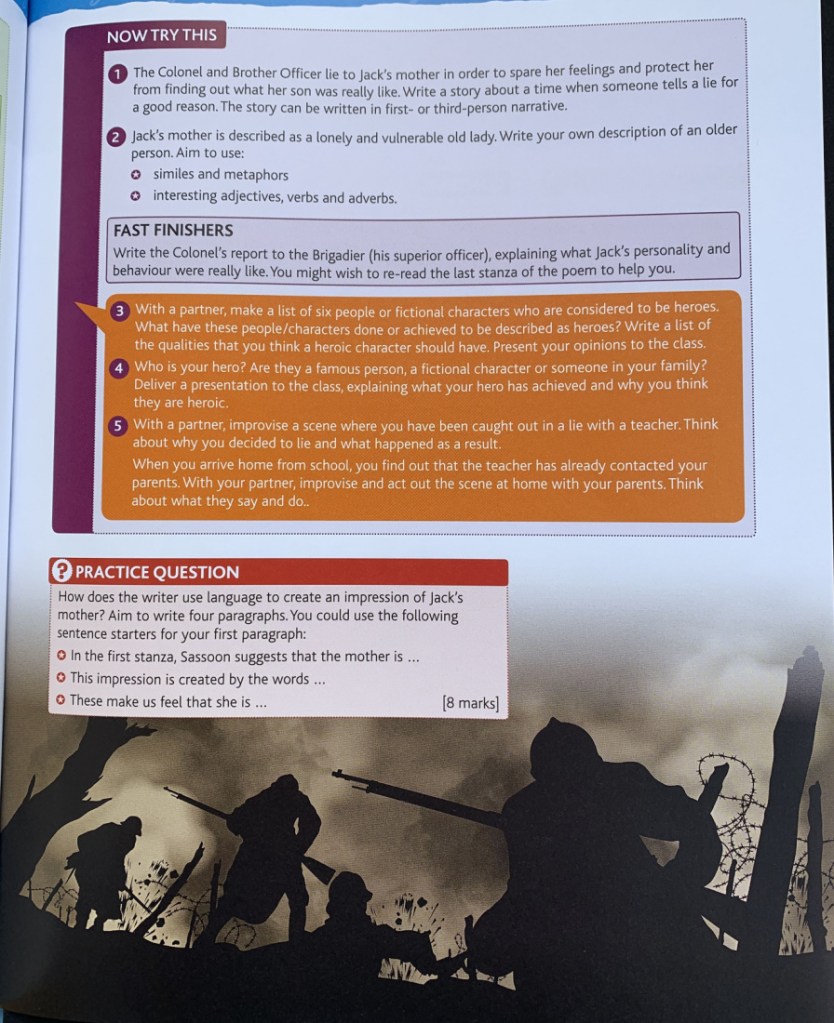
So what is this book – The War book is part of a 9 book series of English Anthology books published by Hodder Education (aimed at KS3 ages). Each anthology book covers a genre or theme – so far we have two of these books – the Myths and Legends Anthology book and this one, the War Anthology book. The books are split into 3 categories – Fiction, Non-Fiction and Poetry. For each of these three categories there are eight examples of War writing (so it could be an extract from a story, it could be a film review of a article and it could be a poem). For each war extract you get get activities linked to the writing. These activities are broken down into different type of tasks and range from questions about the piece of writing to creative writing activities, to possible speaking activities to further research and investigation activities. The activities are vast in their nature.

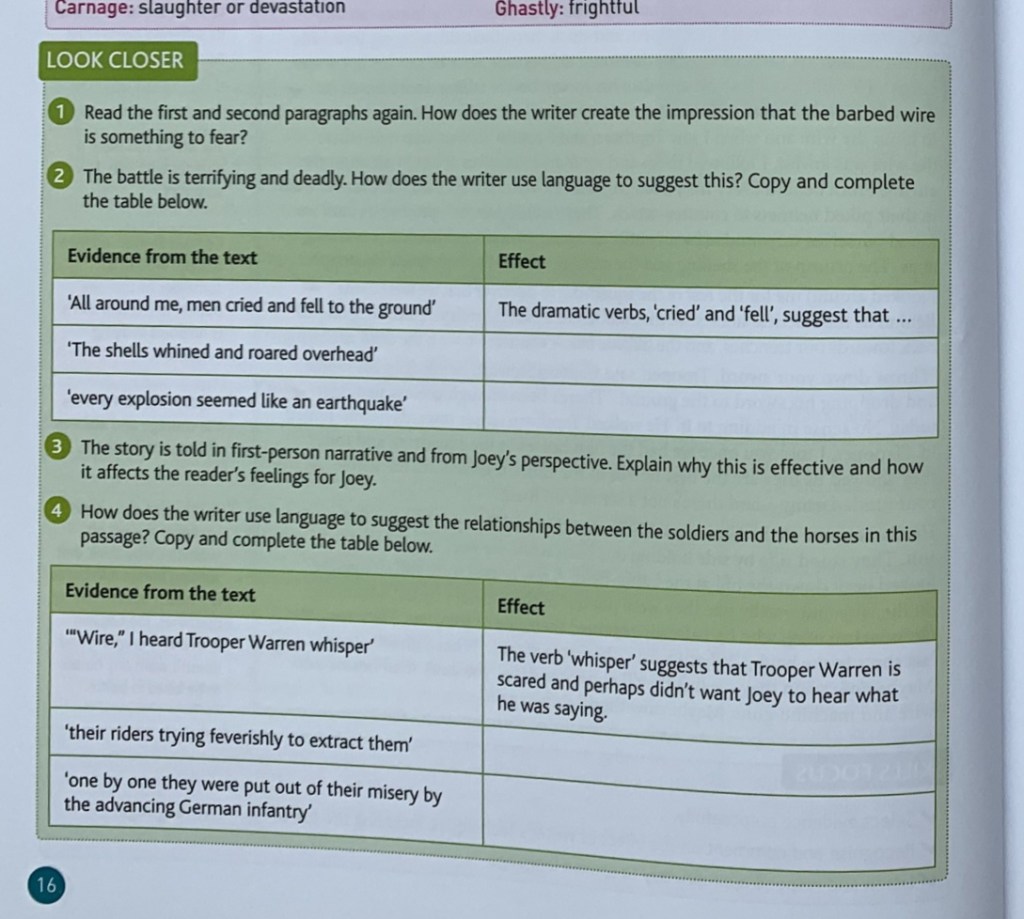
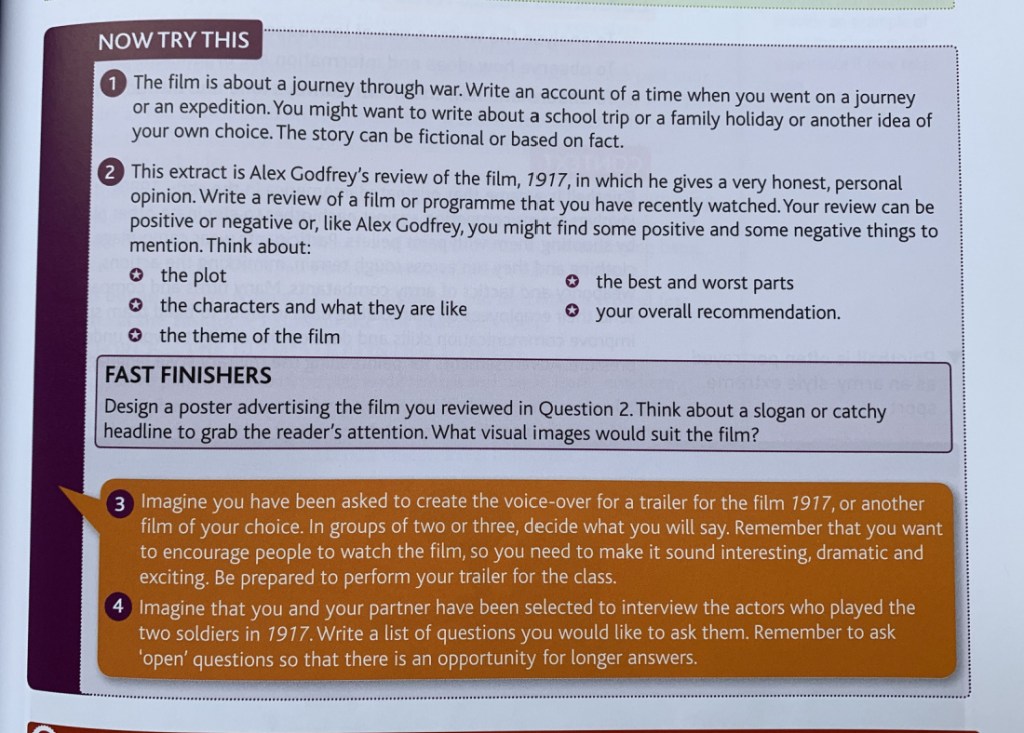
So what do we think of the actual writing samples (extracts) they have included? I personally think they have chosen well – they are all excellent examples of writing, both in the style that they are written and in the way they convey information and feelings about the war topic. One of the things that I like about these books is they actually inspire us to read (or watch) what they have chosen. After seeing the 1917 movie review in the book we actually watched the film and everyone really enjoyed it and thought it was thought provoking. And I must say that working through the activities on the movie helped to highlight a possible area that we could improve on. Also after completing the War Horse activities my daughter wanted to read the complete story (so possible negative point could be that you end up wanting to buy a number of new books based on the extracts included).

The activities – I really like the range of activities that they have included. They do always have some easier activities and some more longer writing (possibly more challenging) activities. I must confess although I think the “understand the text” type questions are good and useful for the kids to work through I really love the longer writing questions. And yes some of them are a challenge but then I think it is good to challenge the kids, to get them to write about different topics and possibly write them in a format they are not used too. My daughter found the movie review writing activities a bit more challenging (she is far more comfortable writing a book review or writing a letter or even a short story than a movie review). But the fact that she found in more of a challenging writing activity made me realize it was something we needed to talk more about and practice. I also like that some question are a “give your opinion but explain why you say that” question. I think it is an important skill that the kids need to develop and practice – being able to explain why they think a certain way, why they agree or disagree with a statement made. Very important skill. Honestly I could go on and on because I really do think the activities chosen are varied and well chosen.

  • KS3 English Anthology series from Hodder Education. War

But more importantly my daughter, the kid you has been using this resource, what does she think – She likes this range, and I mean really likes it. She likes it so much so wants to try other English Anthology books – that too me is always a good indicator when the kid who is using the book actually asks for the other books in the range then you know they are enjoying using the book. She likes the different sources that they have found and used and she enjoys the fact that the activities are so varied. She says it is an engaging and fun English resource. And yes some of the activities are challenging but she is the kind of kid who will work at the challenging activities and try until she is happy that she has been successful.

She also likes that there are answers (free to download from the Hodder website). She marks her own answers for the shorter questions and then when it comes to the longer writing questions I read her answer and give her feedback.

Both my daughter and I LOVE this book. We really do. We have been impressed with the works they have chosen to base the activities on and we think the activities are brilliant – a good mix of easier and more challenging and they have made the activities interesting so the kids actually enjoy working through them (yes I am using the word enjoy). We really do HIGHLY RECOMMEND the War Anthology book.

I have not spotted this book in our local book stores but you can order it directly from Hodder – English Anthology on War or from Amazon Key Stage 3 English Anthology: War

Admin Stuff – I was given a copy of this book for us to review but the fact that I have now written multiple posts about it and keep mentioning it in other posts is because we are finding it so useful and are really enjoying it.

I do include Affiliate links. If you follow an affiliate link and go on to purchase that product, I will be paid a very small commission, however your cost will remain the same. I only include affiliate links for products that we use and love.
Posted in Homeschooling | Tagged , , , , , | 1 Comment