My daughter has always enjoyed crosswords and when she was younger we often completed crosswords linked to the topics that we were learning in Geography or History so I was excited to spot the KS3 Geography Crosswords created by Oaka Books.
The Crossword Booklets have been written as revision tools. So the idea would be the kids would only complete the Plate Tectonics crossword once they had finished learning about Plate Tectonics. (There is one double page crossword for each topic). The questions focus on key definitions and important features of each topic (so in a way it is actually a great summary of important facts). And they have included the answers at the back of each booklet (which is very useful as I will admit there were a couple of questions that I was not sure what the answer was).
Both Crossword booklets (Level 1 and Level 2) cover the exact same topics.
Plate Tectonics
Weather and Climate
River Processes
Population and Settlement
Transport and Industry
Environmental Issues
Map Reading
The difference is in the layout and the questions asked. The Level 1 Crossword booklet is considered the easier version and it includes some picture clues with each question. Each crossword has 30 questions – so that is 30 revision questions for each topic (or as I like to think of it 30 key points per topic).
Having said that it is the “easier” version does not mean it is that easy. When my daughter worked on the River Crossword she filled in the answers to the questions she knew and then she did still had to go and look up a few answers in order to complete her crossword.
The Level 2 Crossword booklet does have slightly different questions and there are no visual clues to help with the answers. Also there are more questions per topic in the Level 2 booklet (there tends to be around 37 to 40 questions for each topic).
For our own personal use Level 1 suits us. It is just the right amount of questions at the right level to make revision engaging, interesting and VERY effective. If my daughter does decide to do Geography as a GCSE (or IGCSE) subject then we may use the Level 2 as a revision resource but for now Level 1 ticks all our needs. The only downside is now I keep wishing I could find more KS3 Crosswords like this for our other subjects.
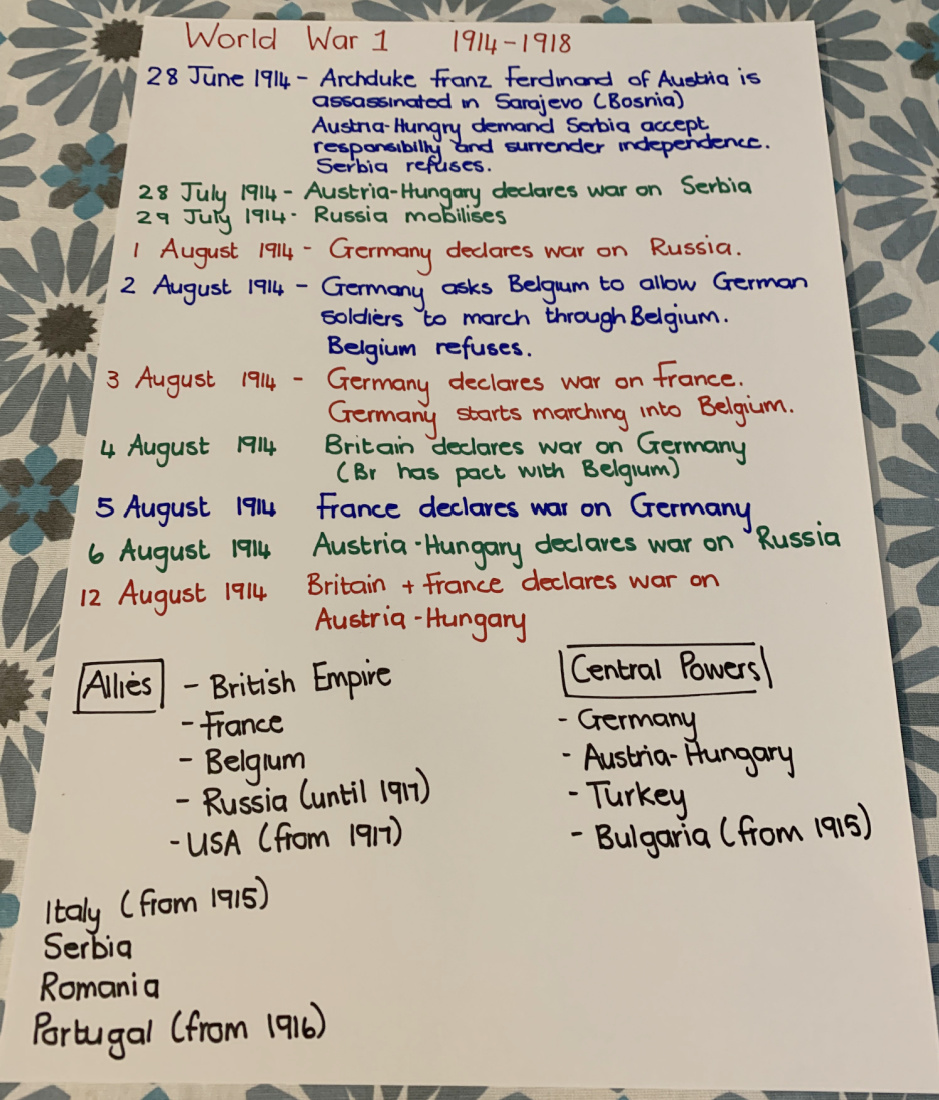
Our History theme has been the First World War and one of the things that has bugged us a bit was how hard it was to find a good, brief summary of the key dates (free to download summary) so we ended up creating our own.
Our first version was a handwritten poster.
But we decided that it was actually really useful so we typed it up – nothing fancy just the dates and significant events in the order that they occurred. And we created a colourful version and a printer friendly version (i.e. less colourful for those days when your ink is running low).
Here are the Free downloads, please download for your own use.
And then because we like using sorting cards as a way of remembering facts we also created a set of significant event cards. With this set we did not include the dates, just a brief description of what happened. I felt that including the dates would have made it too easy as I wanted the kids sort the events without hints.
I have included the assassination of Franz Ferdinand as the trigger event for World War One but I have not included cards which mention the slow build up (eg Franco-Prussian war, arms race etc).
I have also not included when some of the smaller countries joined, I have just focused on the main countries. It is just a case of me trying to summarize events and not make it too long and detailed.
I hope some of you find our summaries useful. But please do NOT repost these documents on your site and claim them as your own. They were created by us for users to download directly from the ofamily learning together site.
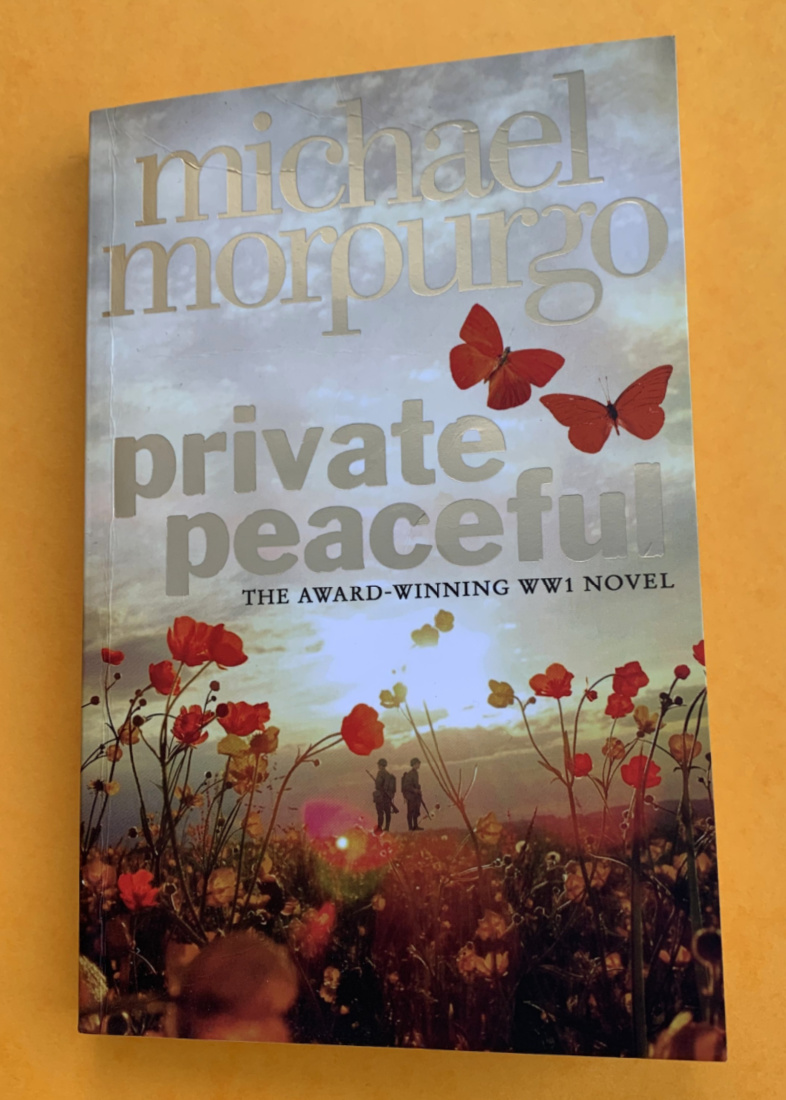
The kids and I have recently finished reading Private Peaceful. What a brilliant book and it was an excellent way to integrate our History (World War One topic) and our English Literature.
But I have to warn anyone who has never read this book before it is sad. I was reading it with both of my kids and in the last two chapters I was reading through tears. That being said it is a brilliant book to read with your kids while you are working on the First World War. You get to experience what it would have been like being a young man in the First World War, from being guilted into joining, to training and then to life in the trenches and having to go over the top. You get to understand shell shock and you get to feel how shocking the policy of shooting young soldiers accused of cowardice was. But that is not all this book covers (although that would have been enough), this is one of Michael Morpurgo’s best works (we have read a lot of his books), the way he draws you into his characters lives and the way he builds up the relationship between the two brothers is incredible.
There is something about reading books that are well-written, the kids remember the moving descriptions, they remember how the author develops his characters and shows their weaknesses as well as their strengths to get a well-rounded person. And if they read enough of these powerful books, they do end up including some of the ideas in their own creative writing. This book is truly one of those that just stays with you.
We (all three of us) highly recommend reading Private Peaceful if you are studying World War One (we would say it is suitable for ages 10ish and over) and honestly even if you are not studying World War One it is a powerful, moving story that is worth reading.
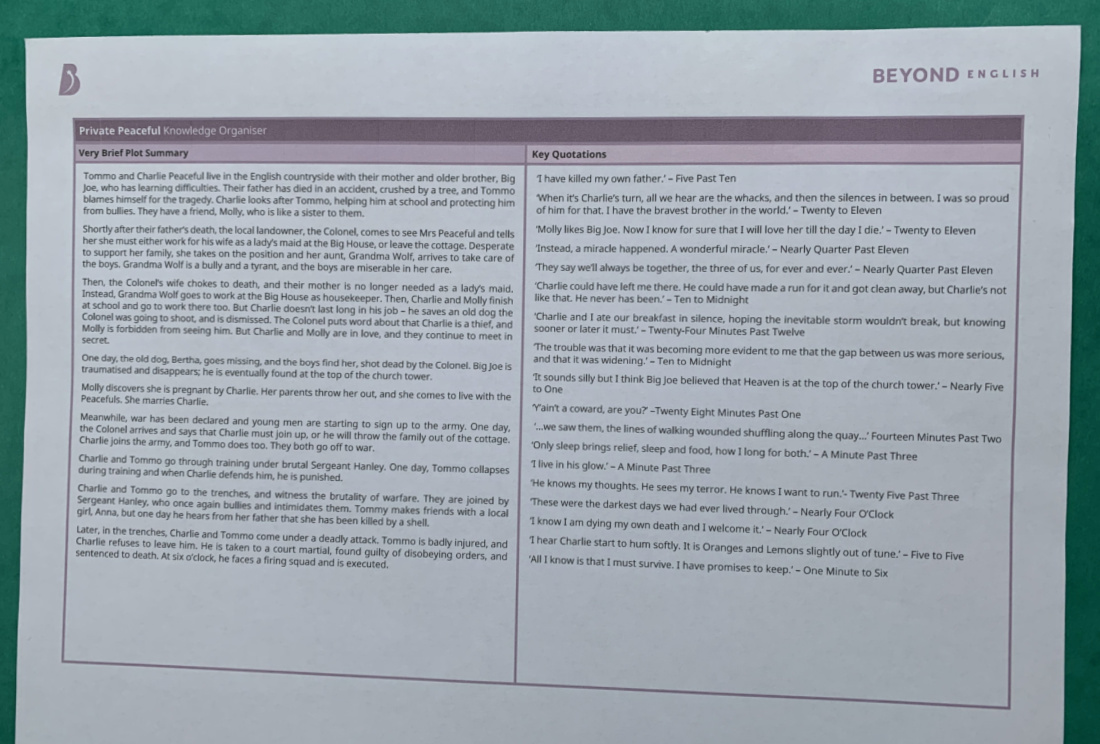
Since we were reading Private Peaceful as one of our English Literature books I wanted to find some activities to work through with the kids. I found a really good selection of of activities on the Twinkl website (under their vast KS3 English Literature section). And I must confess because I had not read the book before I really found the Knowledge Organiser for Private Peaceful incredibly useful. I printed it out and read it before we started and it just helped to give me an idea of where we were going and what was going to be covered.
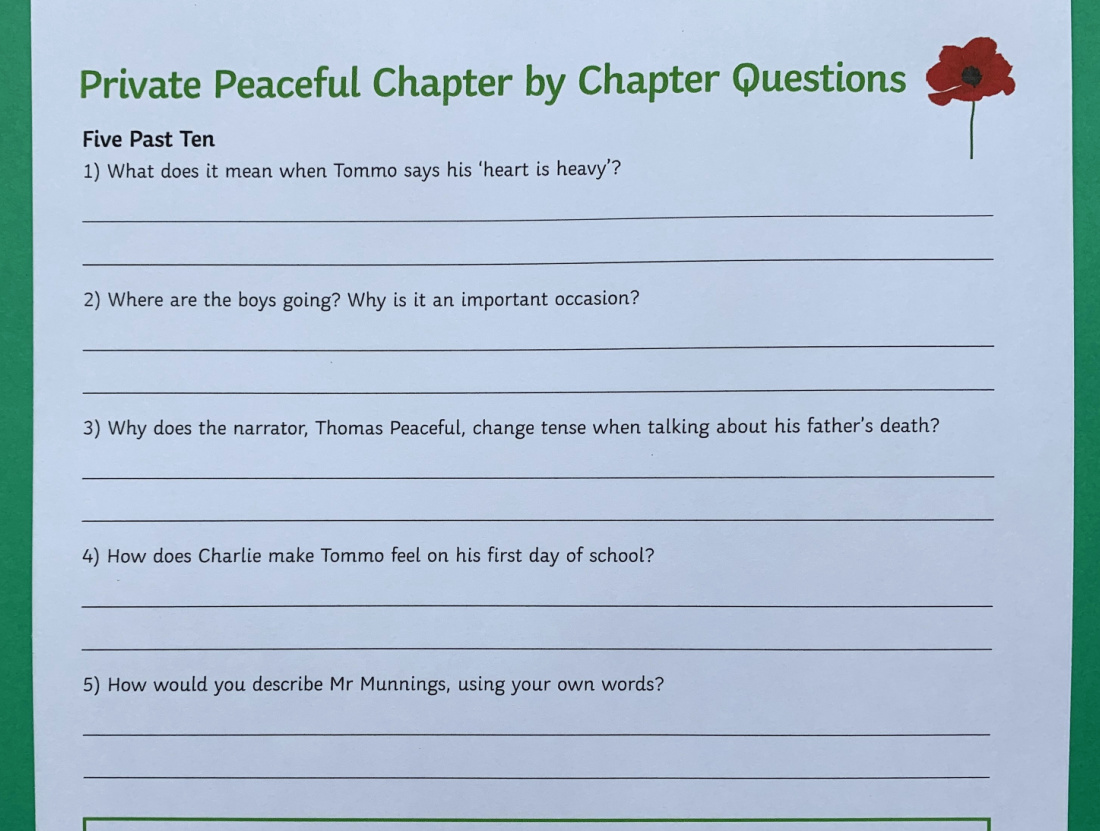
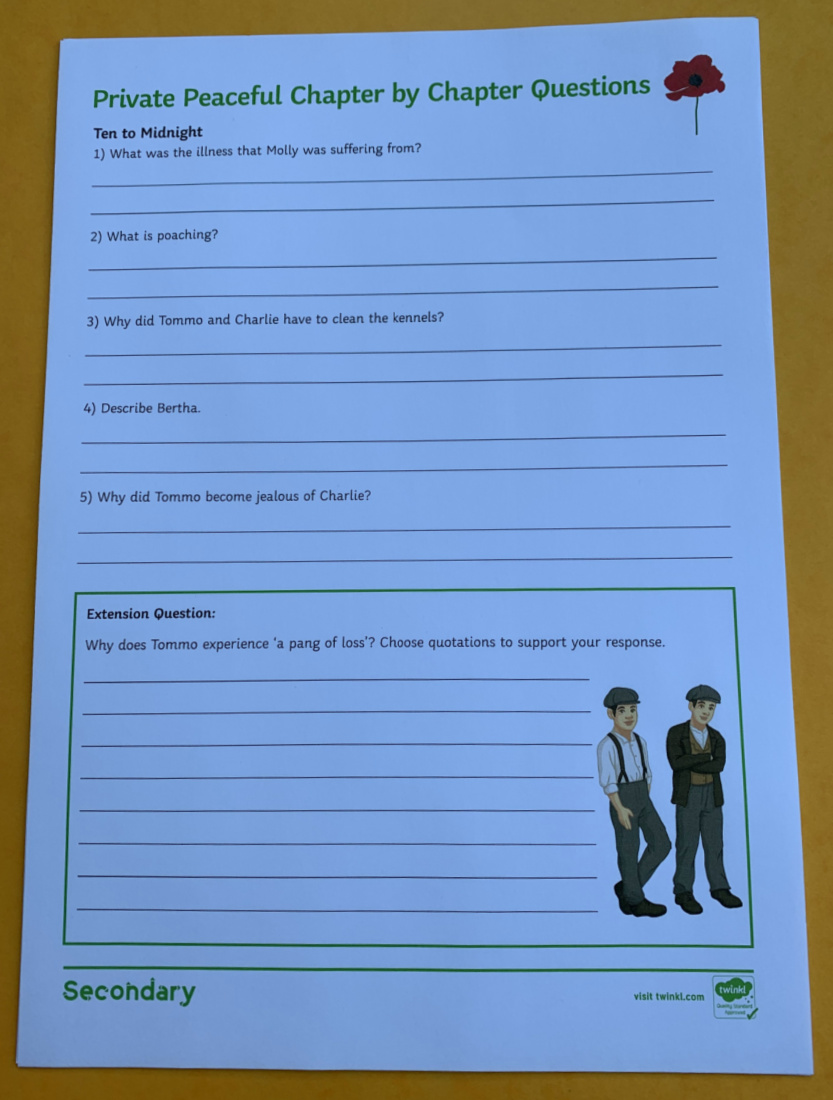
They have chapter by chapter worksheets which is a great way to wrap up a chapter after you have read it. We used these after every chapter – with this book we really did read a chapter a day and then the kids worked through the chapter questions, they are only one page long so they are not that long.
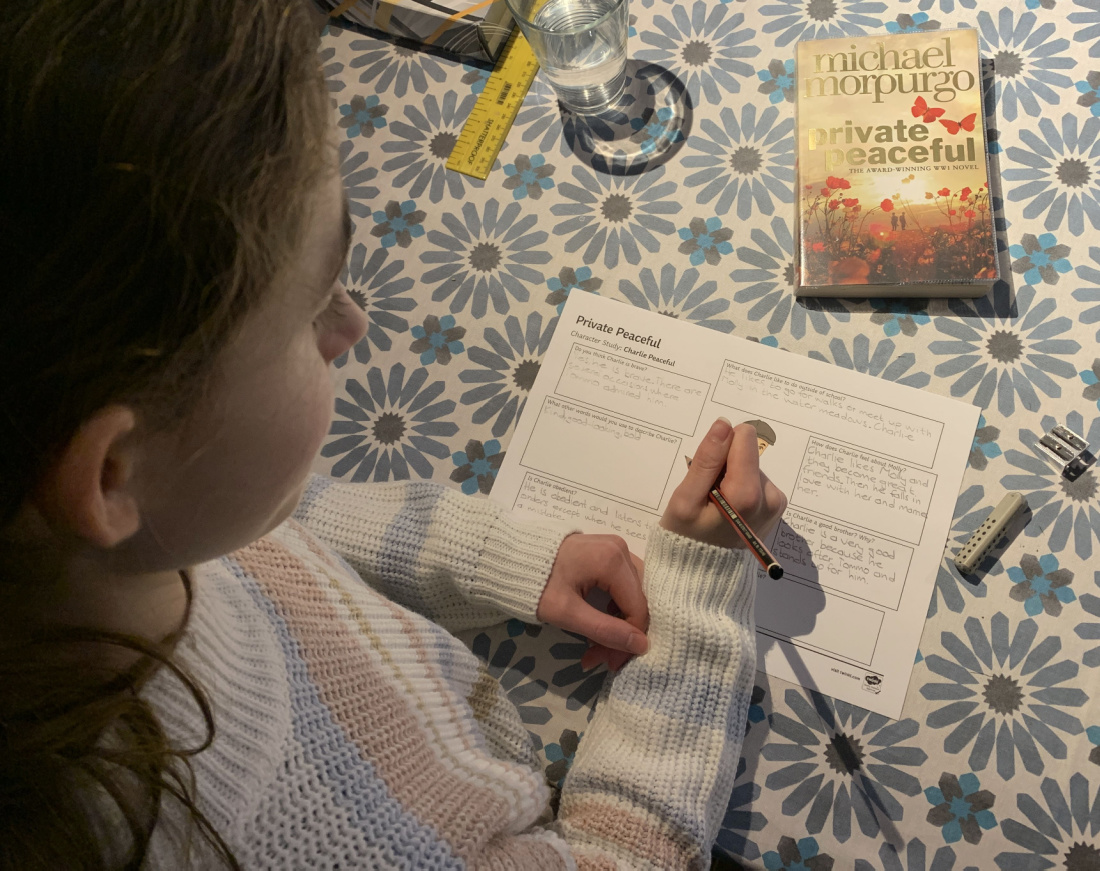
And they also have these useful character worksheets – I like the way they set these out, the questions they asked are good examples of things to think about if you were planning on writing a few paragraphs discussing a character.
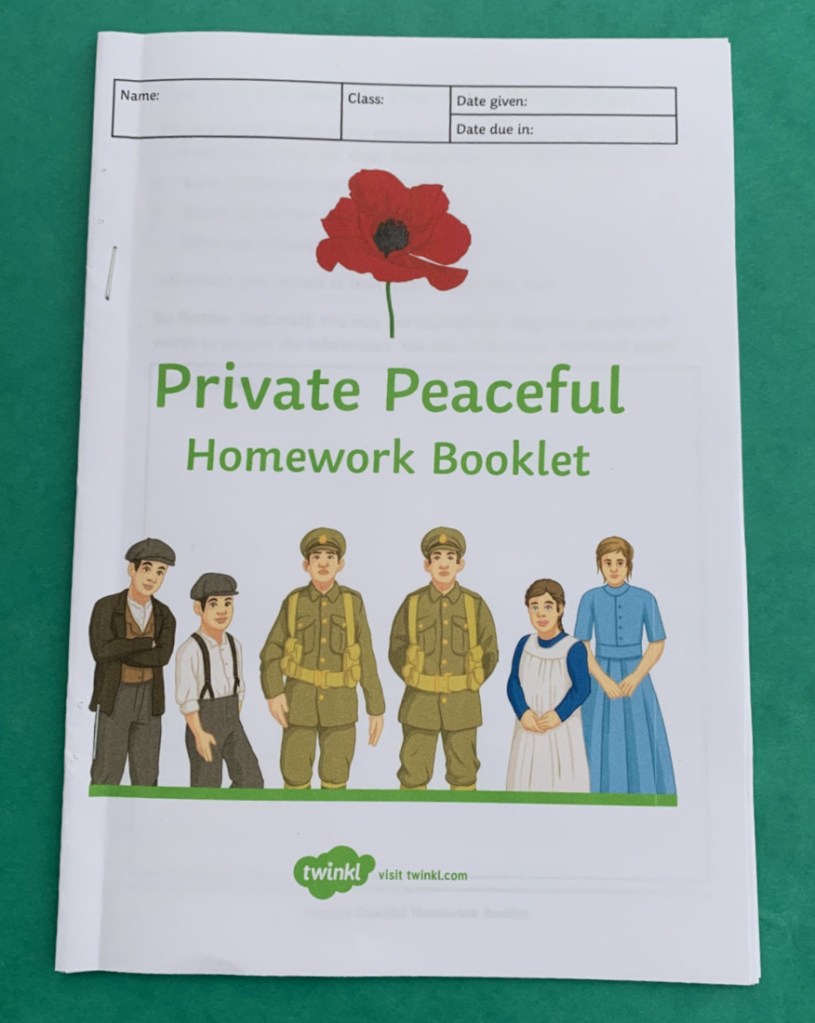
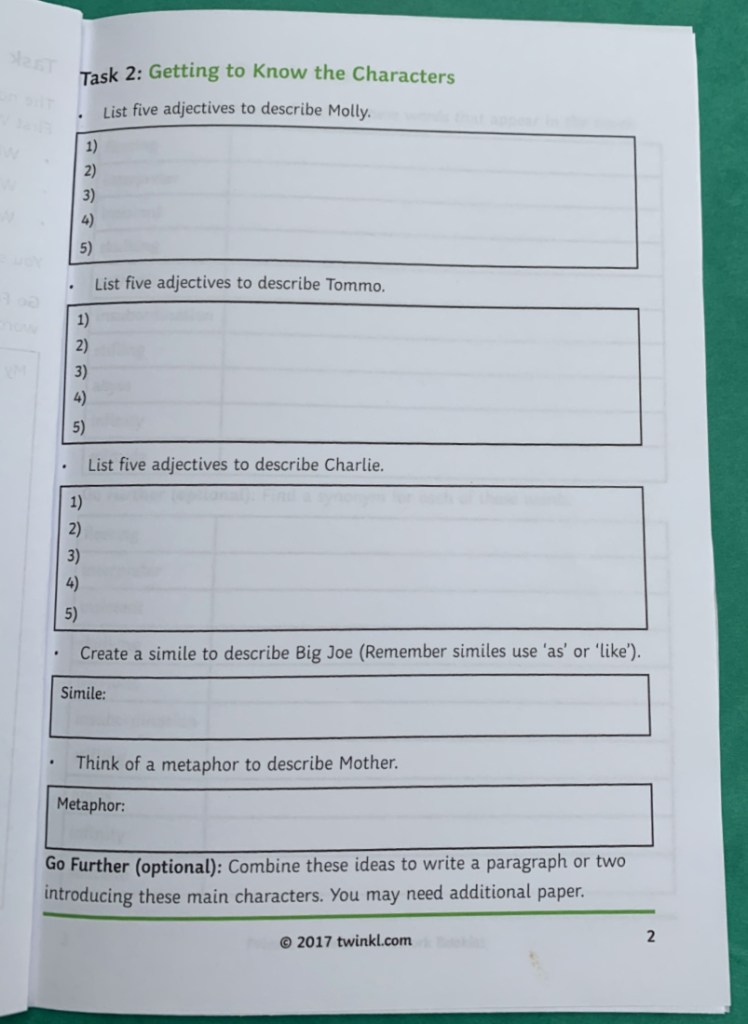
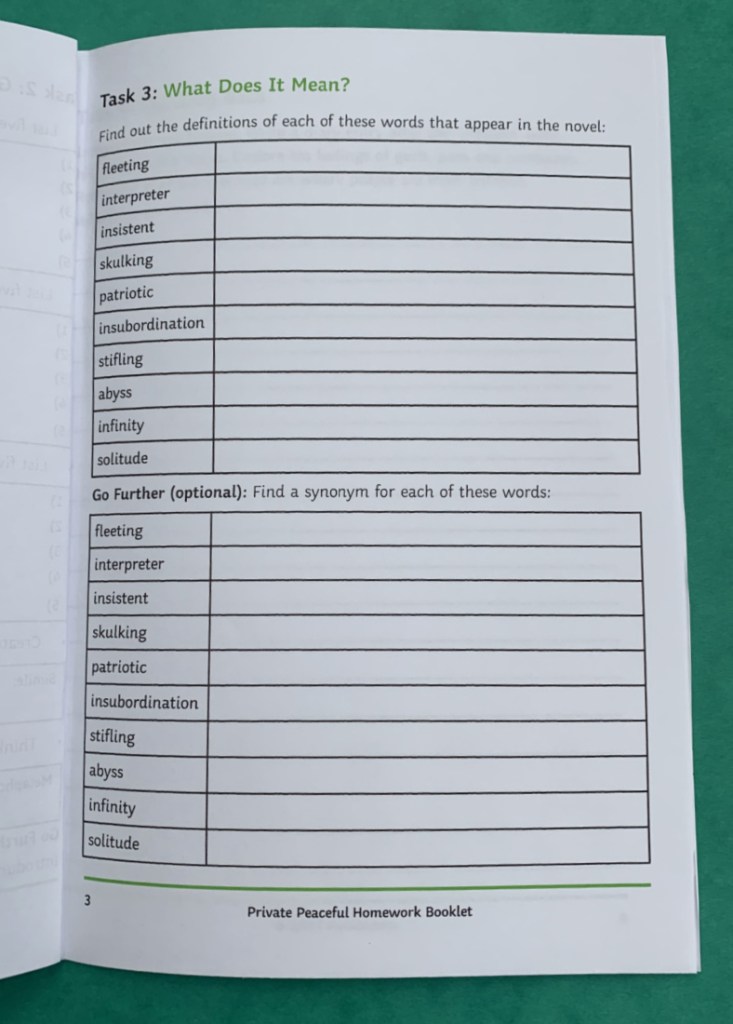
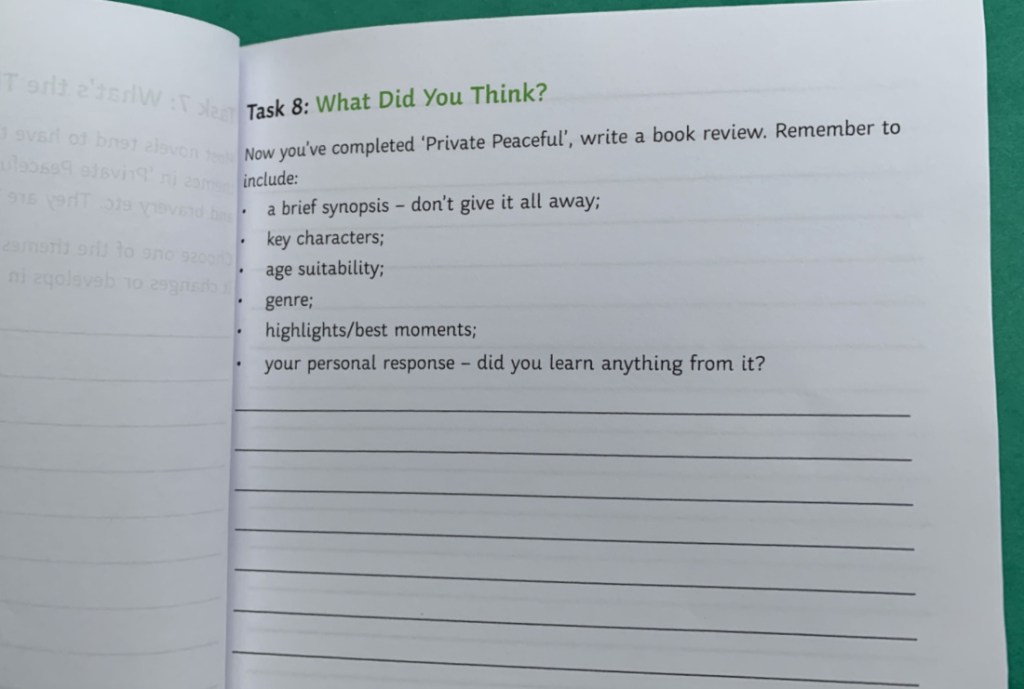
They had a number of other interesting pages but I must admit after working through the chapter questions, and character studies the only other thing I printed out was the homework booklet. We really loved the whole idea of this booklet and I just printed it out and gave it my oldest and asked her to work through it and give it to me at the end of the week.
The Private Peaceful worksheets are one of a number of English Literature resources from the Twinkl Beyond section that I have used and been impressed. If you are looking for possible KS3 English Literature resources I suggest having a look around the KS3 and GCSE resources on the Twinkl website (We have actually used a few of the GCSE English Literature resources in our KS3 work so it is worth looking under both sections).
admin – I do include Affiliate links. If you follow an affiliate link and go on to purchase that product, I will be paid a very small commission, however your cost will remain the same. I only include affiliate links for products that we use and love.
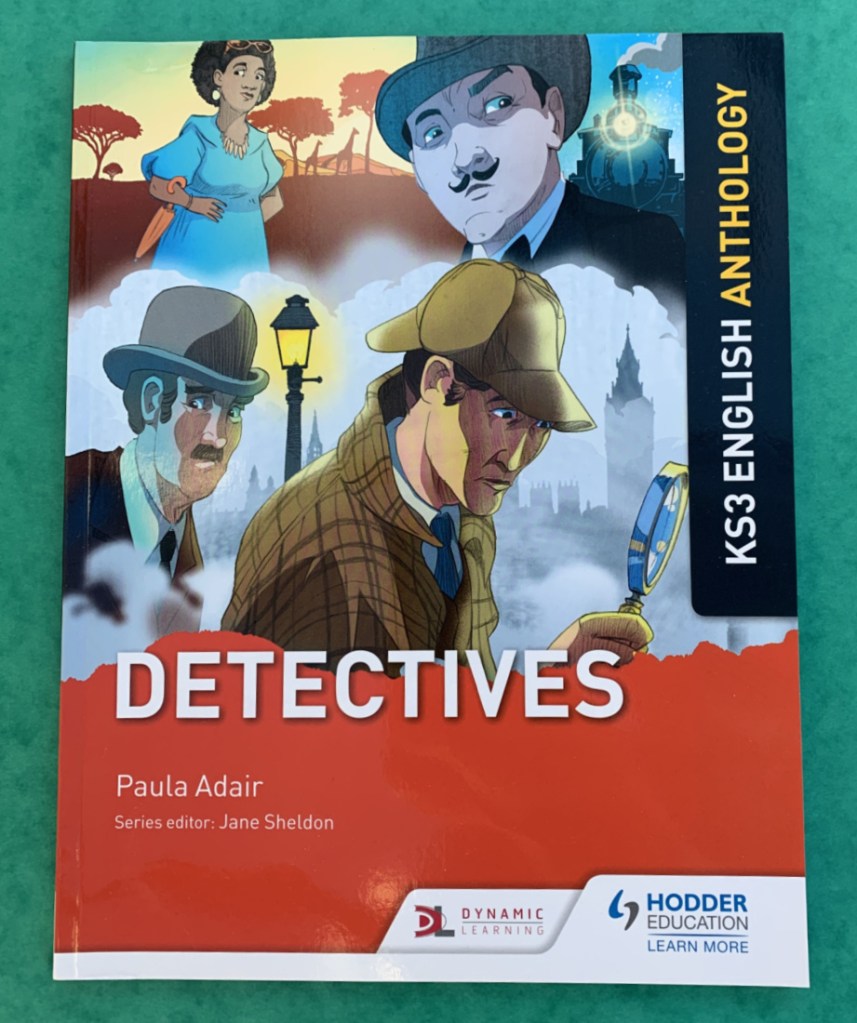
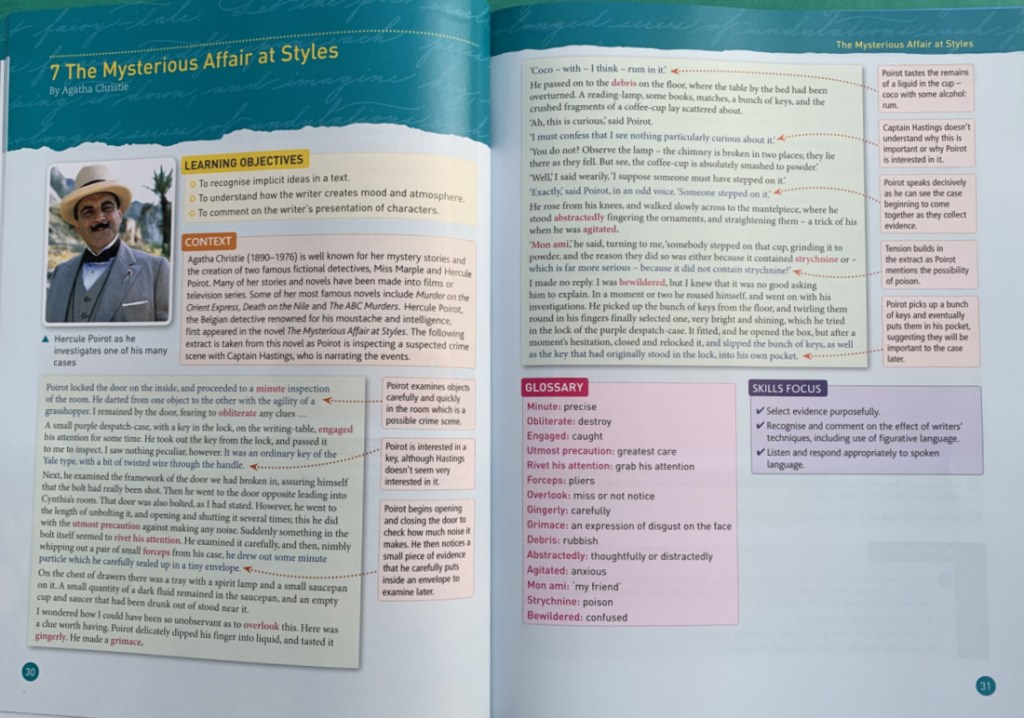
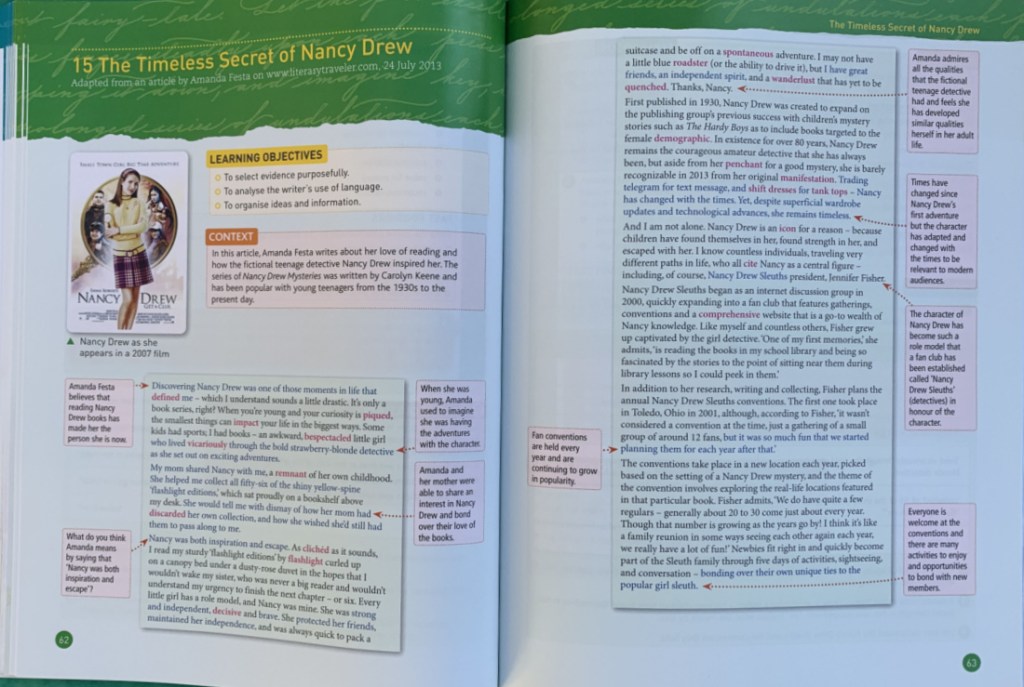
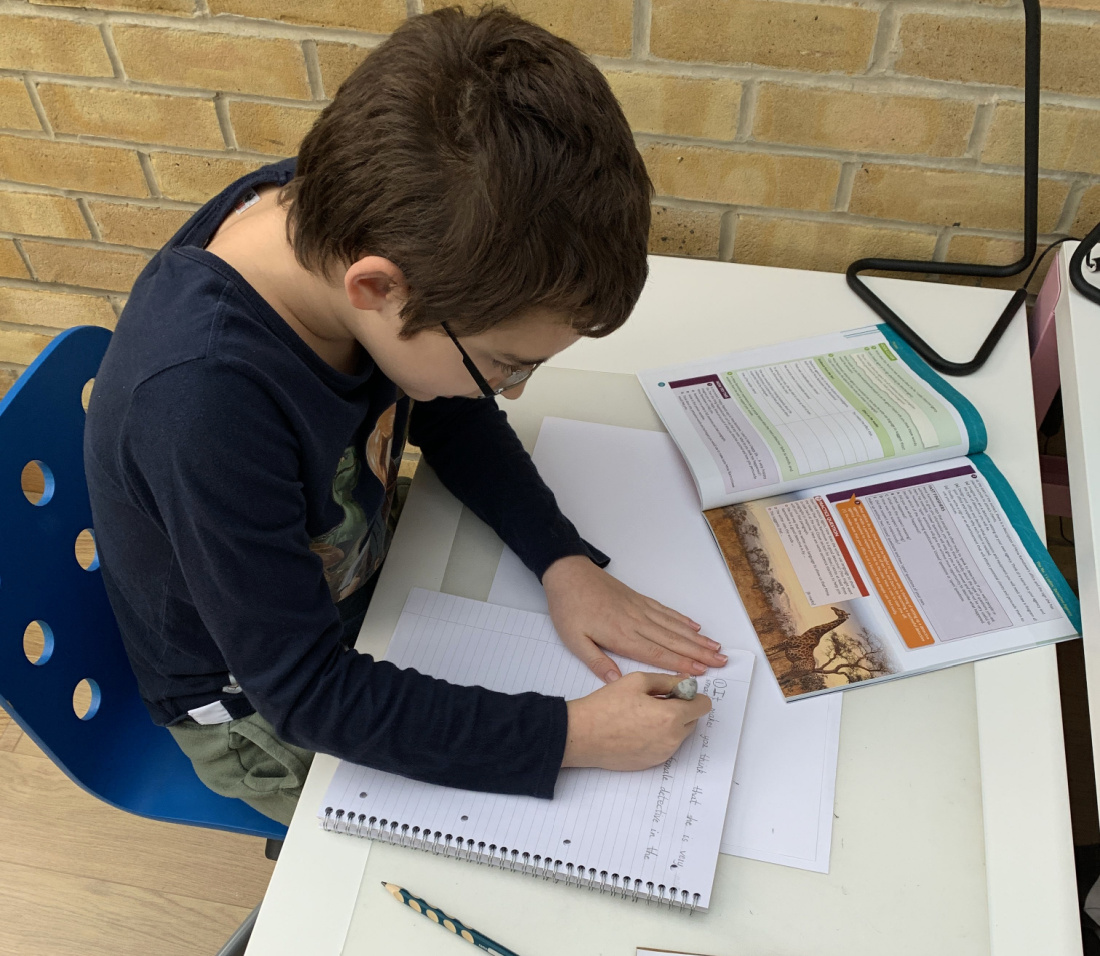
Our latest KS3 English Anthology that we have started using is the Detective one. My kids are I are really enjoying the books in the series so when I wanted to get an extra English book it just made sense to stick with the series we are loving and get another one.
But the one thing I have noticed is that some books are slightly easier and some are more challenging and I must admit when I started using this series I just went with the topic that I wanted and did not pay that much attention to which book was recommended for which year. The first book we used was the Myths and Legends book and I felt like I could use it with both my kids (at the time my son would have been year 5 and my daughter Year 8). I felt like he could join in with some of the easier questions (mainly the look closer questions) and she did all the questions. Then we got the War Anthology and it was a definite step up in terms of harder questions. I felt like it was a brilliant book for my daughter (I liked that it was a bit more challenging and we loved that it linked in with our History) but I did feel like it was a bit too much of a stretch for my youngest.
Hodder Education do state on their website that the skills are built up as you work through the series and that the books do increase in difficulty. And they do actually have a Anthologies at a glance breakdown where they show you which Anthologies they would recommend for each year (Myths and Legends was for Year 7 and War was for Year 8 and comparing the two we have used, there is a definite increase in the degree of difficulty of questions.)
For our new Anthology book I wanted something that would work with my youngest. He really enjoyed the Myths and Legends activities that he did and that is unusual for him, he normally just grits his teeth and completes his English activities as quickly as he can. So I was tempted to get another Anthology just to use with him even if it was too easy for my oldest. But I have also been spending quite a bit of time thinking about English Literature for my oldest and making sure we cover all angles. My daughter reads a LOT (and I really do mean a LOT) but she actually does not read Detective books, she likes 19th Century stories and War stories, so I started thinking it might actually be good for her to work through a few detective pages just to get the feeling for the detective genre (and who knows she might even be inspired to read one of the books covered in the Detective book). So our third Anthology is the Detective one (I am still thinking of getting the 19th Century and Gothic one – and just doing a few activities out of those with my oldest as I know they will be good for her to try).
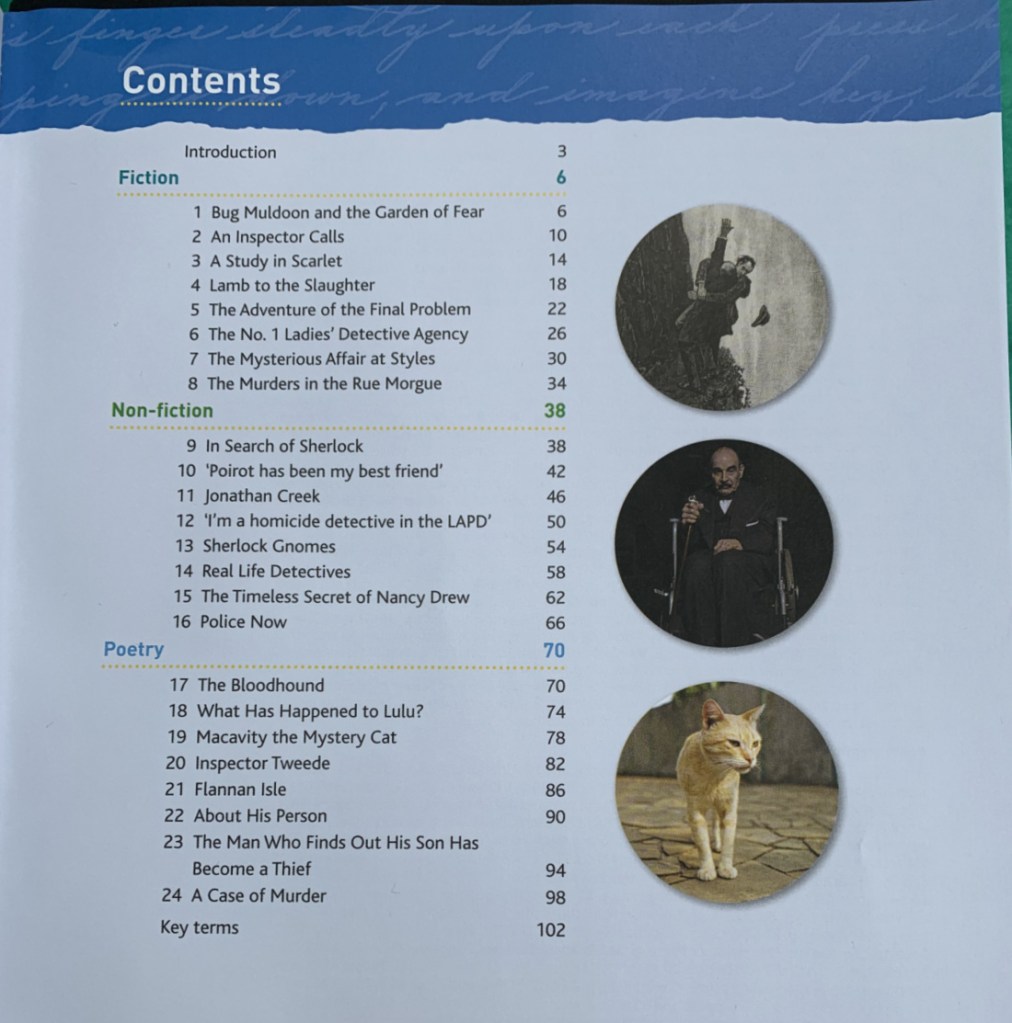
At a first glance I do agree with the suggested years. The Detective Anthology is definitely more along the lines of the Myths and Legends in terms of degree of difficulty of the questions. Also they have included lots of works that are familiar – Sherlock Holmes, Nancy Drew and Poirot which is always great (my kids love it when they have heard of something or someone before) and they have included a number of works that I would like my kids (well hope) to eventually read.
The format is the same as the other books in the series (although I have been told the Shakespeare Anthology format is different). It is split into three sections – Fiction, Non Fiction and Poetry. And under each of those sections there are eight different extracts that are covered. And for each extract covered you get a wide range of questions (this wide range of questions is one of the reasons we enjoy these books as much as we do. It keeps it interesting and it keeps the kids engaged.)
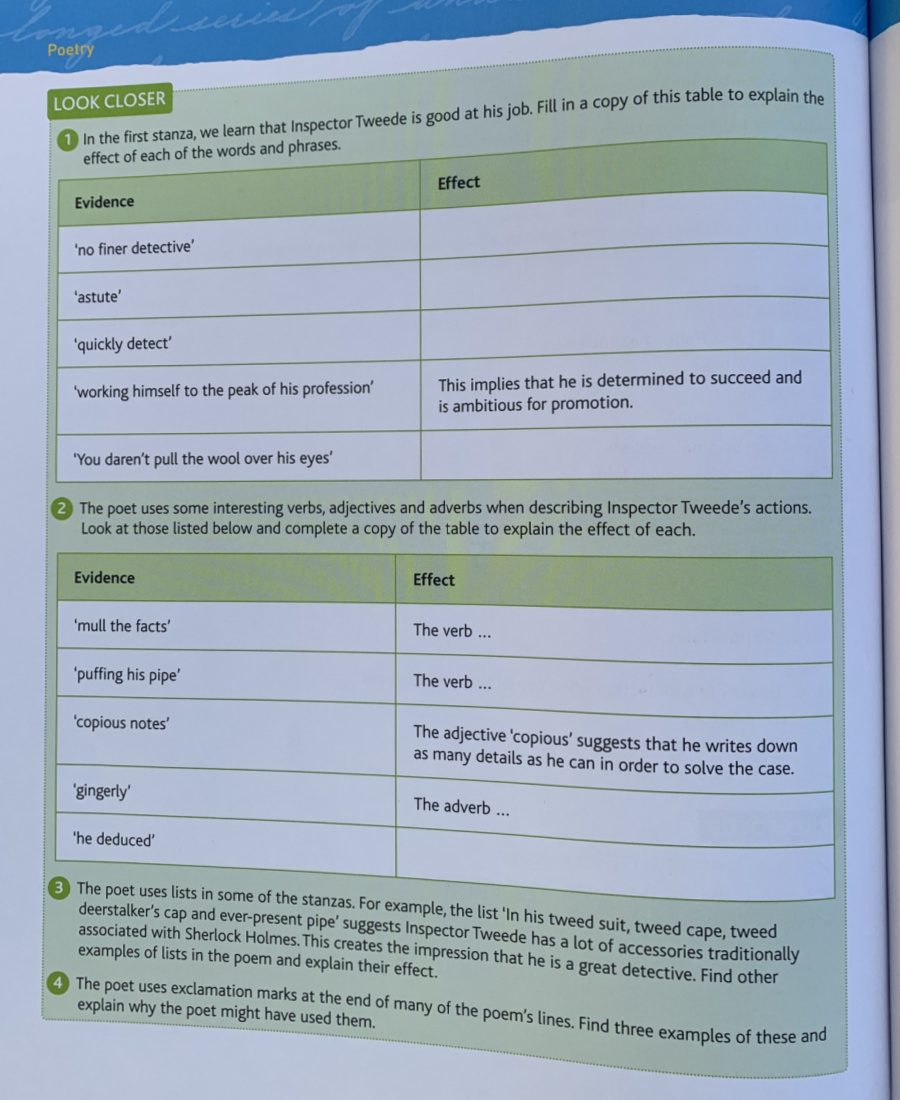
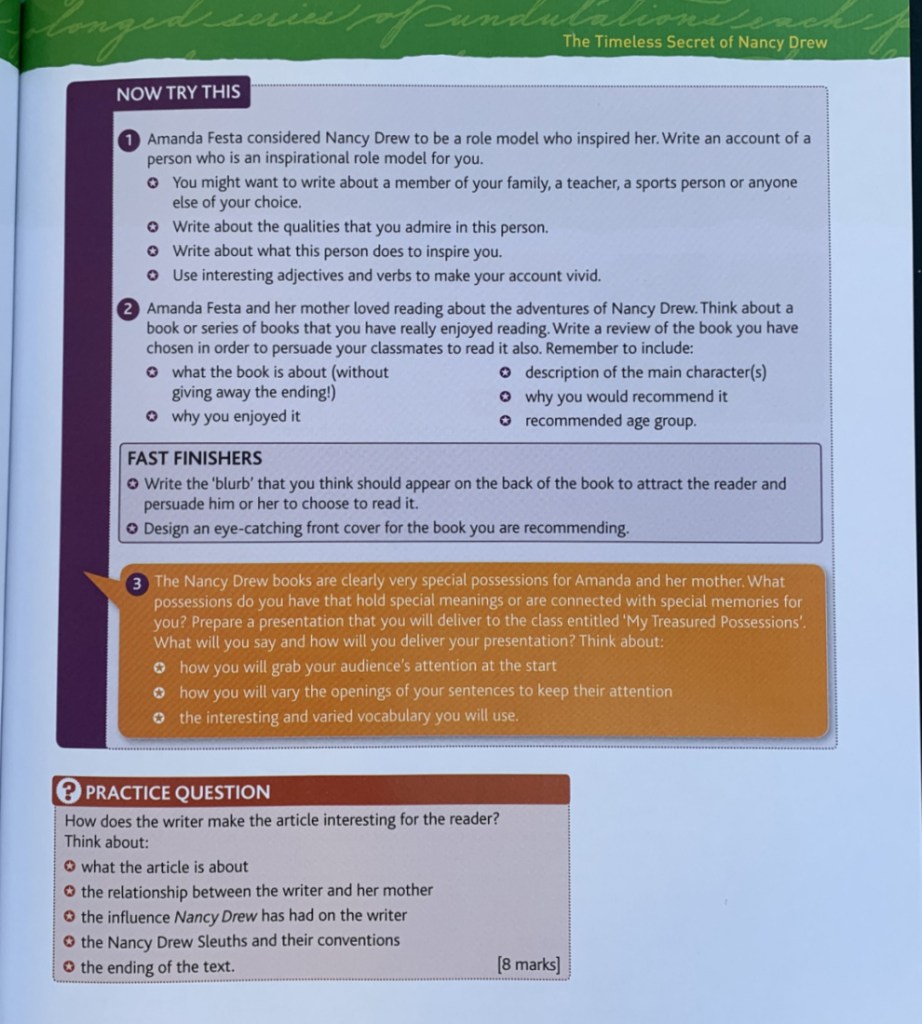
The questions are split into three broad categories
Look Closer – this tend to be the “slightly easier questions”, shorter answers and tend to be more comprehension type questions.
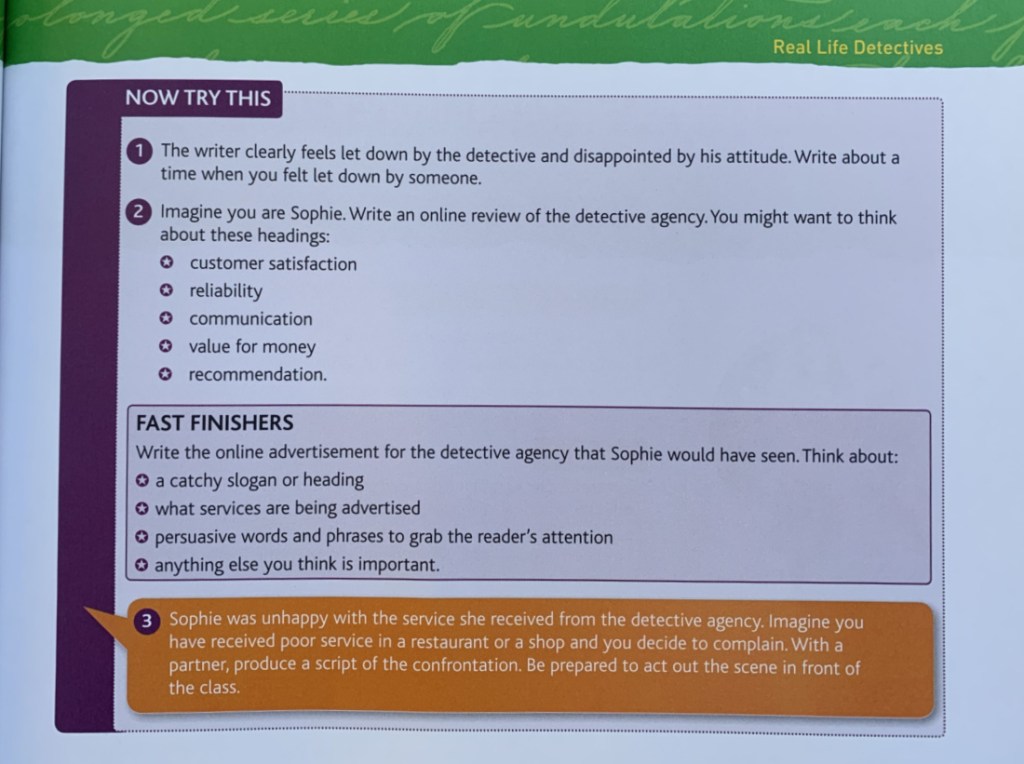
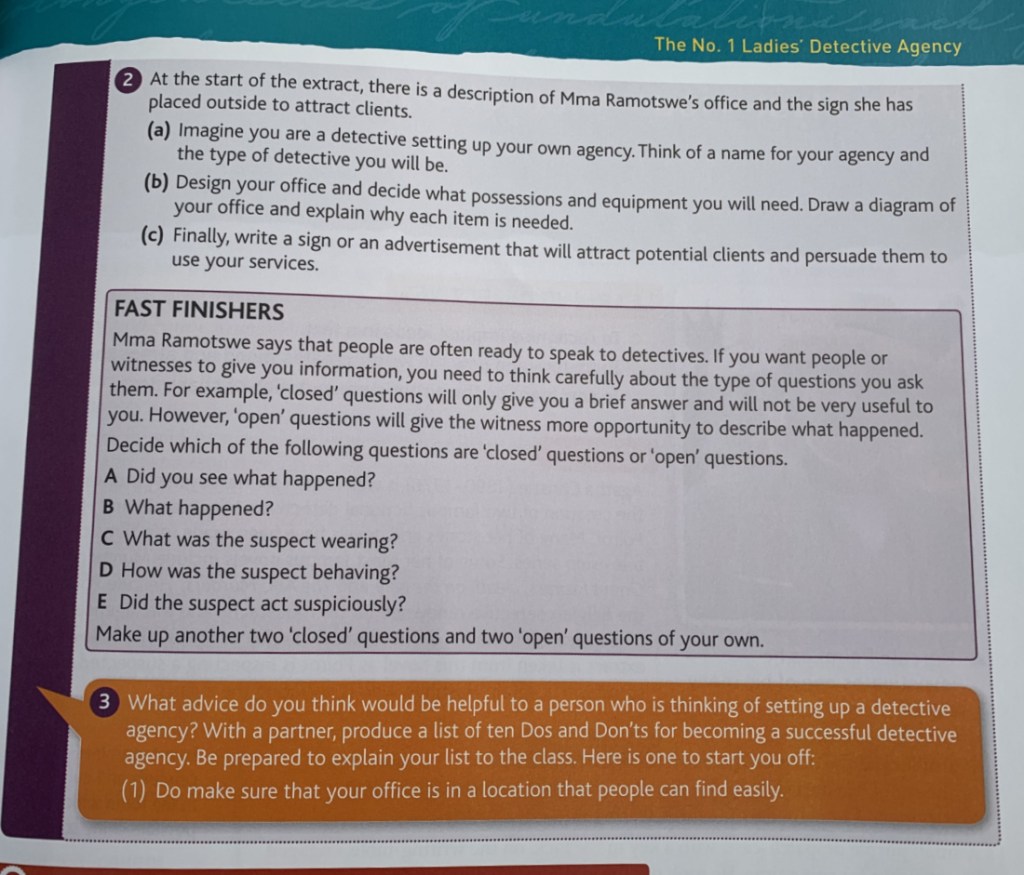
Now Try This – these are the longer questions. They include lots of different writing activities – create an advert, write a letter, write a newspaper article, diary entry all kinds of writing activities. I really like these longer writing activities.
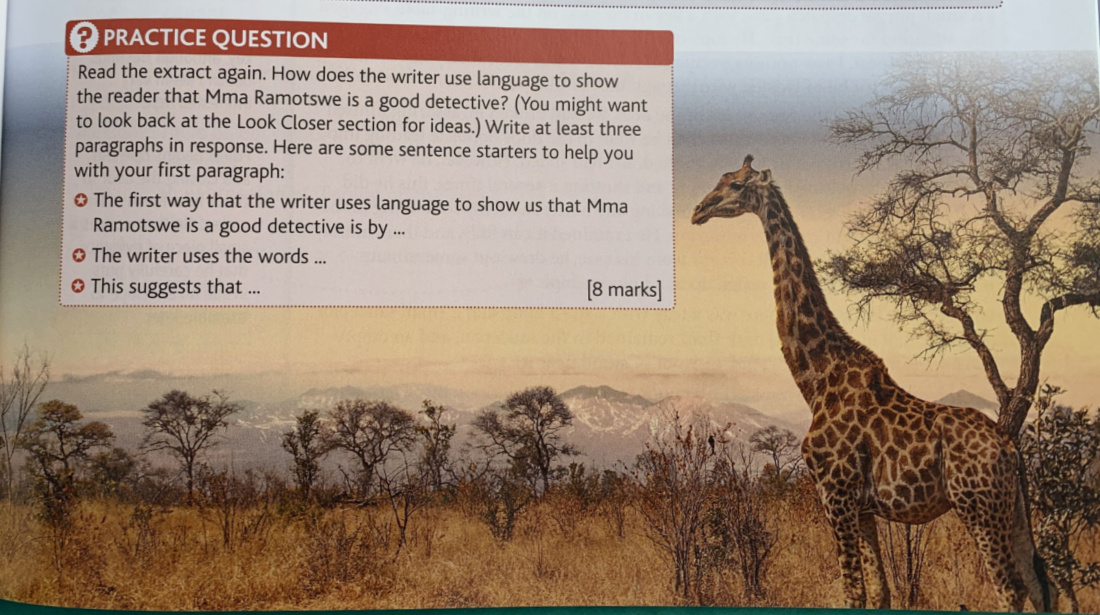
Practice Questions – these range from fairly short pick the correct statement to longer write three paragraphs type questions.
There are no answers in the book but if you log onto the Hodder Education website you can download all the sample answers for all of the English Anthology books for FREE (I really appreciate that they have added this to the site).
We have only just started using this Anthology but I already like it. I like that I can use it with my youngest to extend his Year 6 English activities and I like that I can use it as a way of going over the detective writing genre with my oldest. I also really like the varied questions, they are interesting and engaging and honestly this is one of the most enjoyable English series that we have found.
My oldest has always enjoyed English but my youngest is not that keen on working on English activities however he does enjoy the activities that I chose from the Anthology series. And really after 9 years of home educating if you can get the kids interested, engaged and even enjoying their work they really do take it in, learn more, remember more and as a home educator that just makes my life a LOT easier.
We have received all of our English Anthology books from Hodder – here are the links to the books on their website. (A quick note – on the Hodder website they also have Boost eBooks which are the digital version of these books, it is exactly the same content but instead of getting a paper book you get online access for a year.)
Admin – Hodder Education kindly sent us a copy of the Detective Anthology book after I asked if we could review it. I have not been paid forthis post and all opinions / words written are mine.
I do include Affiliate links. If you follow an affiliate link and go on to purchase that product, I will be paid a very small commission, however your cost will remain the same. I only include affiliate links for products that we use and love.
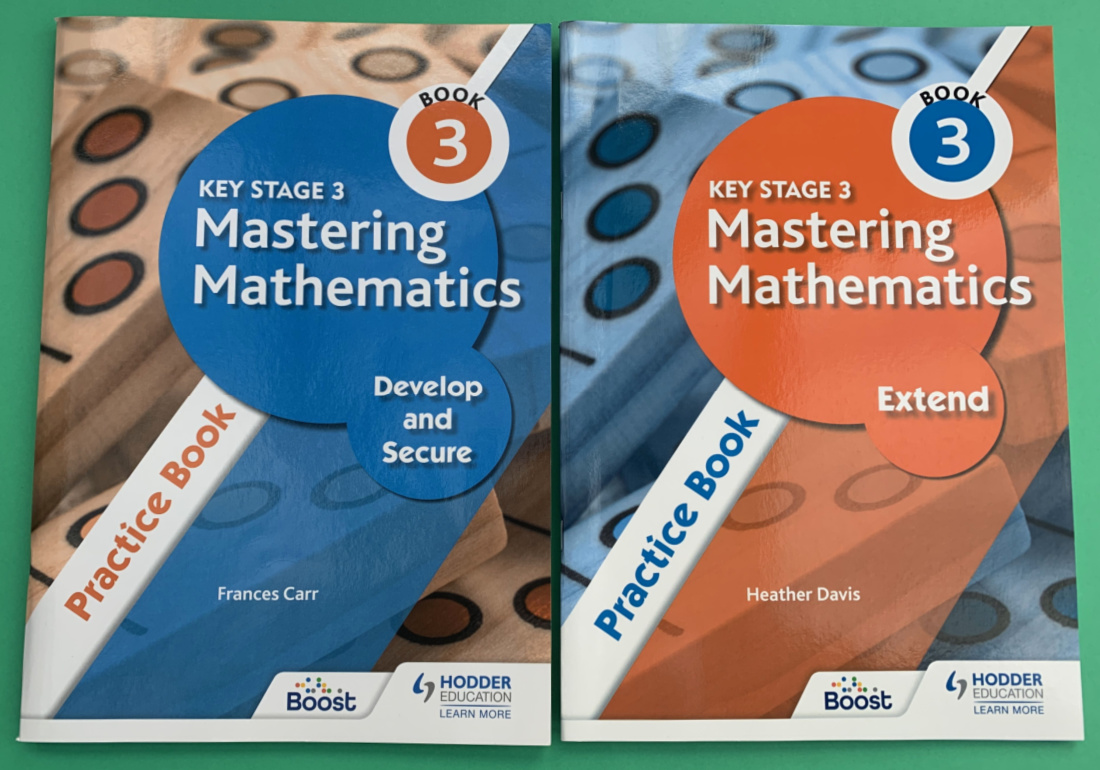
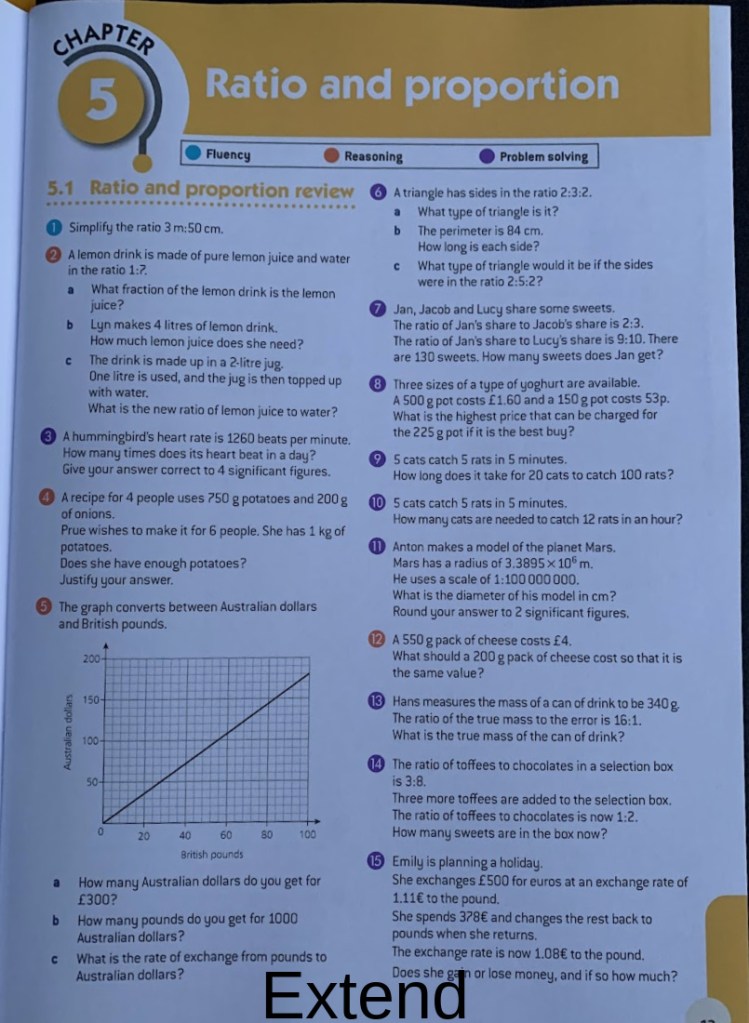
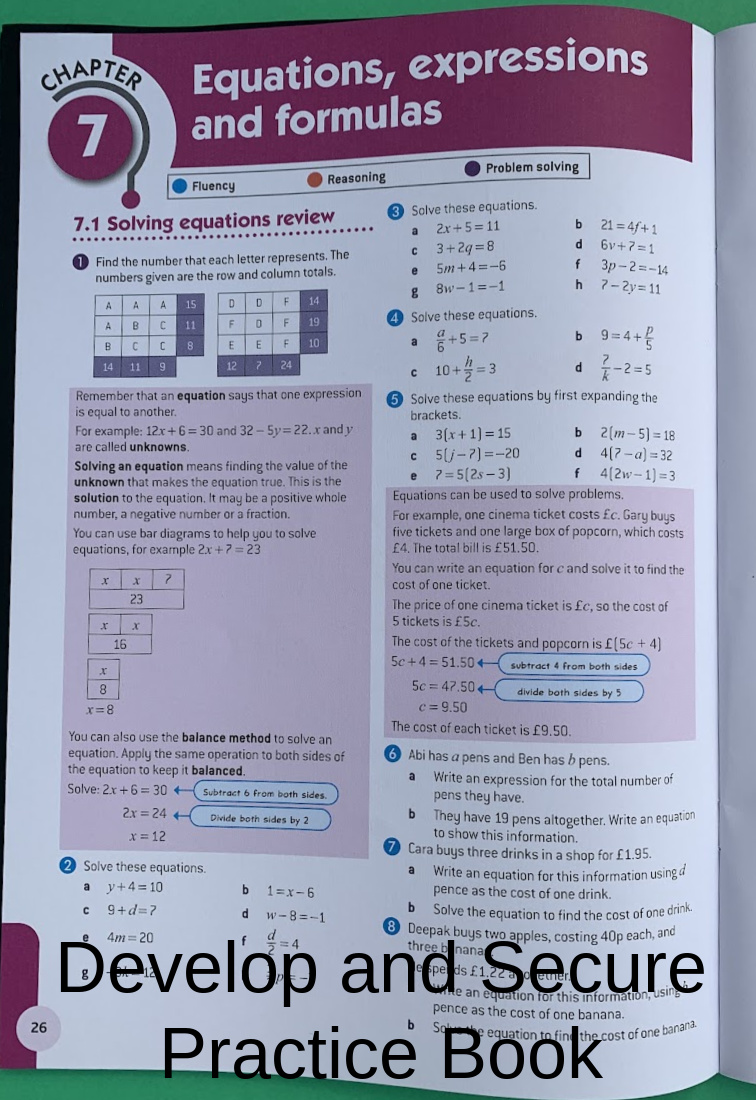
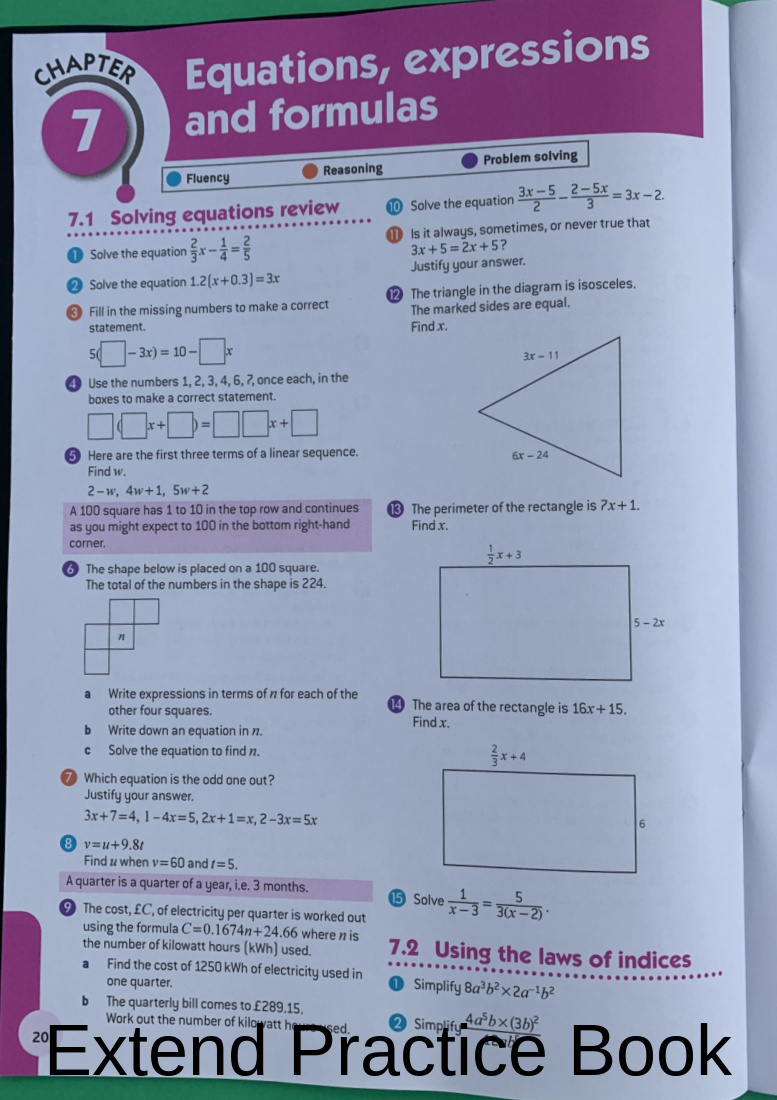
This year we are working through the third stage of the KS3 Mastering Mathematics series from Hodder Education, which includes using a text book and a practice book. It is the first time we have used this range and I have already written about it in the Starting Year 9 Maths resource post and the Maths Books Year 9 Update post but I wanted to write another post just about the two practice books.
The first one is called Develop and Secure and the second one is Extend. And if you are anything like me you might be wondering which one to get? Do they contain the same questions? Do you get both or is it even worth getting a practice book? So this is my opinion on the practice books (I will give an update at the end of the year once we have worked all the way through everything).
To begin with I want to state – the questions in the text books are different to the questions in the practice books and the text book and practice books really do go well together. The text book has the detailed explanation on the topics and is followed by a number of questions split into 3 bands. The practice book has extra questions (I am stressing the word extra as the questions in the practice books are different from the text book so you are NOT wasting your money buying both). Also to make it clear the practice book is not a “write in” book – you kids will need to do the questions on paper (I actually really like this because I intend to use the books with both of my kids).
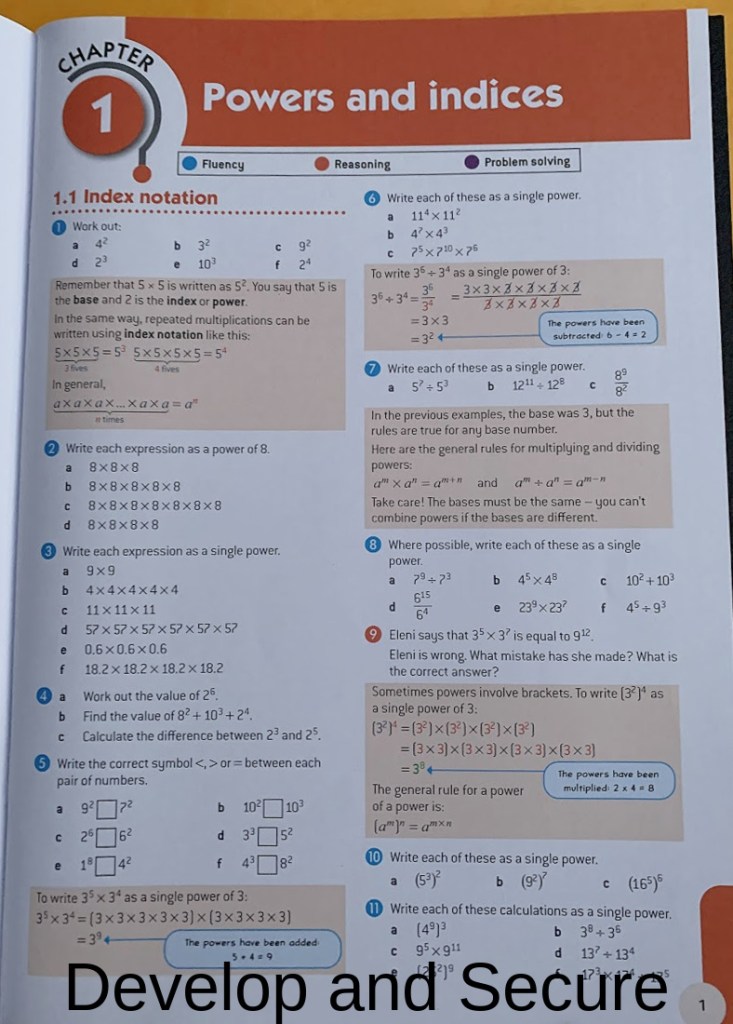
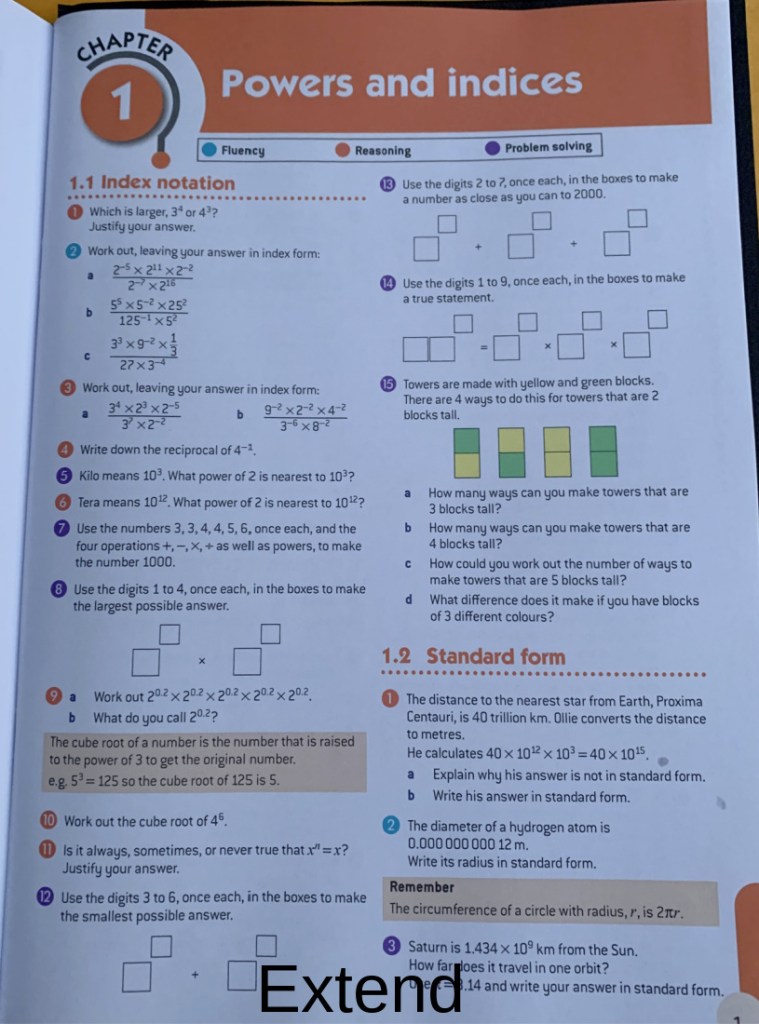
We started Year 9 with the Develop and Secure Practice Book 3 and we started by working through the first 3 chapters – Powers and Indices, Fractions and Accuracy. My daughter would go through the explanations in the text book, then do the band 1 and 2 questions in the text book, she would then flip to the questions in the practice book and then go back and do the band 3 questions in the text book. Which is a LOT of questions, but we have a “Maths needs to be practiced” approach. With these first 3 chapters I felt like she needed more challenging questions. She was cruising through the practice book and I want her to have some Maths questions that make her think, that she actually gets wrong the first time and we need to work through them. So we opted to buy the Extend Practice Book (it does only cost £6.99 and you get 73 pages of Maths questions and all answers are free to download from the site – which for me is a reasonable price.)
First impression of the Extend Practice Book – the questions in the Extend Practice book were more challenging and there were lots of problem solving type questions. Also the Develop and Secure Practice book has some summary reminders to help the student whereas the Extend Practice book has very few summary reminders.
How do I think the practice books link in with the text books? The text books questions are set out in Bands. Hodder Education explains the Bands as follows.
Band 1 – Working Towards
Band 2 – Working At
Band 3 – Exceeding
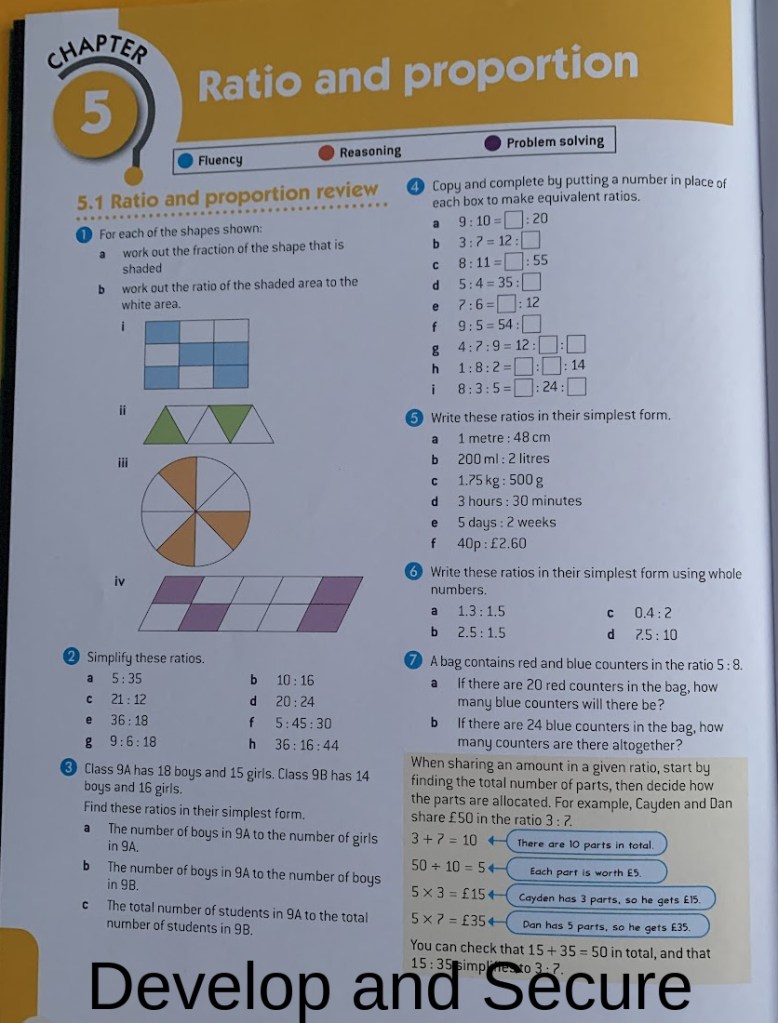
My impression of the practice books is if your child is more comfortable doing the Band 1 and Band 2 questions then go for the Develop and Secure Practice Book. But if you child seems to find Band 1 easy and is working more at the Band 2 and Band 3 level than the extend practice book would be better. But I do feel like some people (like myself) may actually like having both practice books. My daughter is at a Band 2 and a bit of Band 3 Maths level. But the Extend practice book, by itself, in some areas would just not give her the breath of questions that I would like. I feel like we need a mix of questions from both the practice books. And it also depends on which Maths topic we are covering. For example I know my daughter finds fractions easy so we focused on the harder questions, but I know Ratio and Proportion is not something she is as comfortable with so we are going to first go through the easier questions, make sure we are happy and then tackle the harder ones. Also there are some topic where we will NOT do all the questions because in the past we have covered it in A LOT detail but there are other topics that we will do most of the questions. It is a bit of a tricky answer, I know, but I do feel like lots of kids may benefit from a combination of both practice books where you decide on the questions based on the Maths topic covered.
And one final comment – on the Hodder Education website they have Boost eBooks available – I emailed someone at Hodder and inquired about these and apparently they are just the digital format of the text book and practice books (so the questions in the Boost eBooks are the same as the normal paper Books that you buy)
You can get the Mastering Mathematics Practice Books directly from Hodder Education
Admin – I do include Affiliate links. If you follow an affiliate link and go on to purchase that product, I will be paid a very small commission, however your cost will remain the same. I only include affiliate links for products that we use and love.










 ofamily learning together