Oaka Books Topic Packs our new learning discovery

A few weeks ago I shared a video on our Facebook page showing the Topic packs that we received from Oaka Books.  We have been working through the science one – Living Things and Their Habitats (key stage 2 ) and this is what we think of it…………

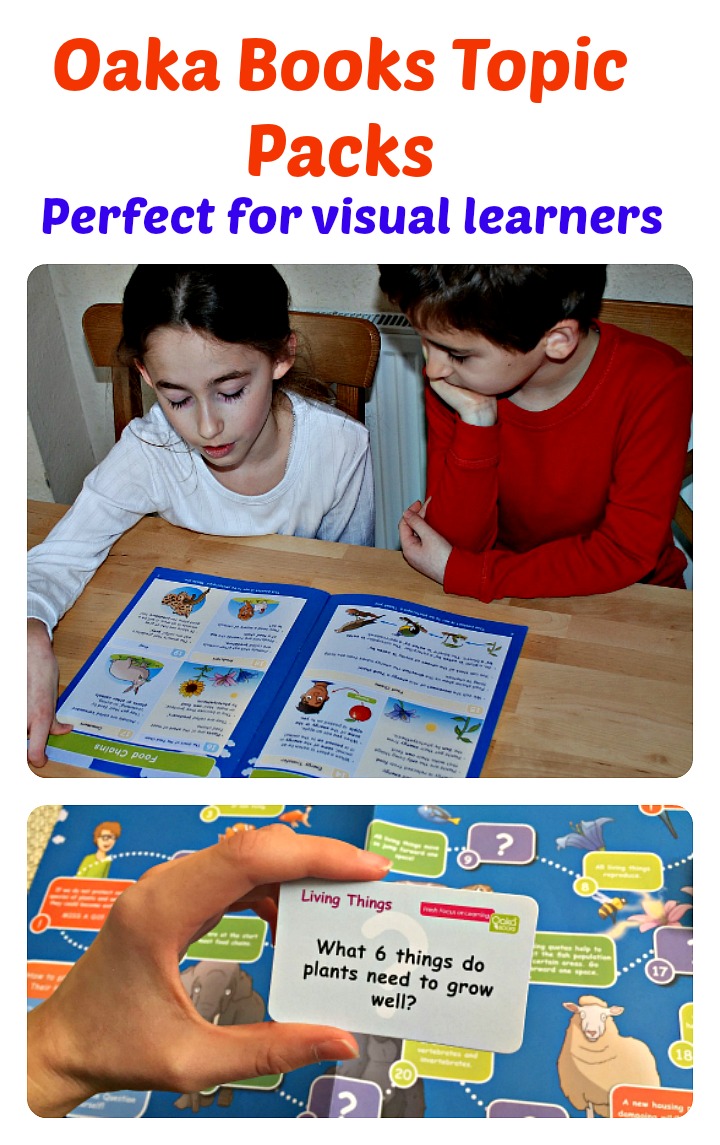
The Topic pack comes with a Topic Booklet, Write Your Own Notes booklet and a Board Game.  They were created by a mom who wanted to find a way to help her dyslexic daughter so the topic booklets are key points, no long paragraphs, no flowery descriptive words.  The pages are set out in a style that suits visual learners – not too much crowded onto a page, colourful pictures without being overpowering.
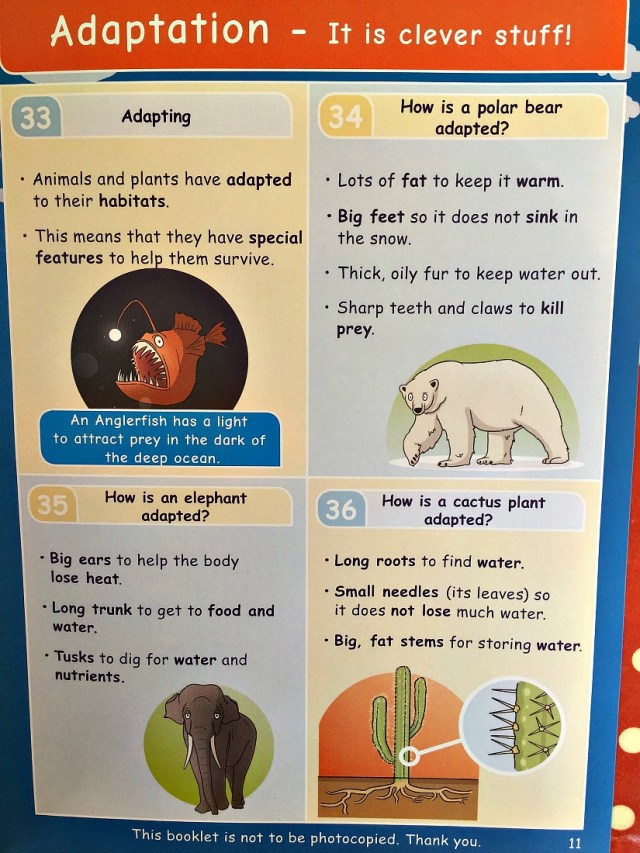
Living Things and Their Habitats Adapation page from inside the Topic Booklet by Oaka Books

My daughter is Not dyslexic but she is very much a visual learner and struggles with pages that are too crowded.  We tried this pack first because it is an area she enjoys, she already knows a lot about animals, food chains and habitats so I knew it would be a good way to introduce the topic pack idea to her.  She LOVED it and she wants MORE of them.

She sat and read the Topic booklets with her younger brother (he also really liked the way the topic booklets were set out). If he was in school he would have been in year 2 and he could almost manage the topic booklet by himself, just battled with a few of the longer words.
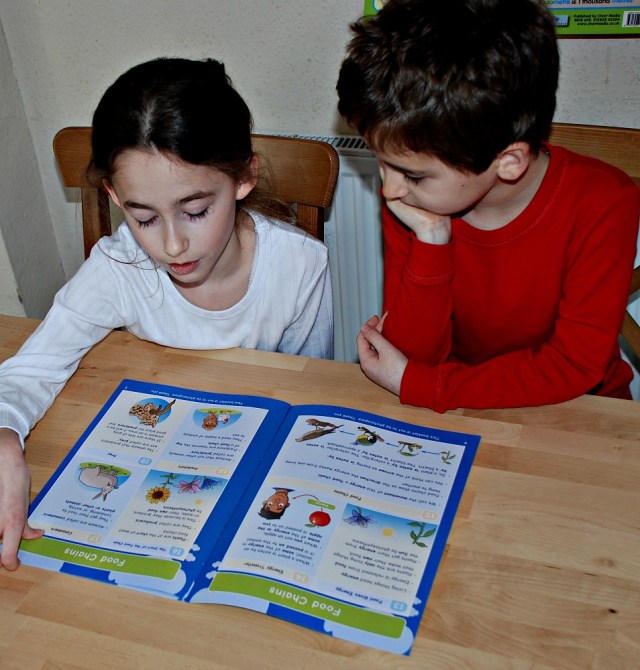
Oaka Books. Reading the Topic Booklet from Living Things and Their habitats together

Then she had a go at writing some of the notes herself – she did not start at the beginning but choose the section on food chains and tested herself to see if she could complete it without looking back at the notes (and she did).
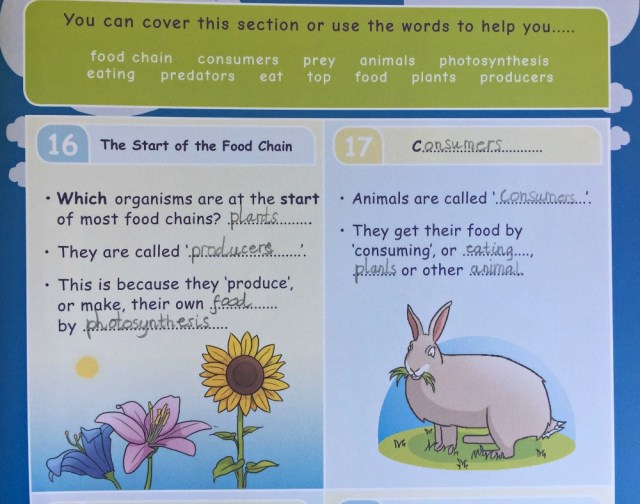
Oaka Books. Part of the Write Your Own Notes booklet from the Living Things and Their Habitats Topic Pack

All three of us played the game together.
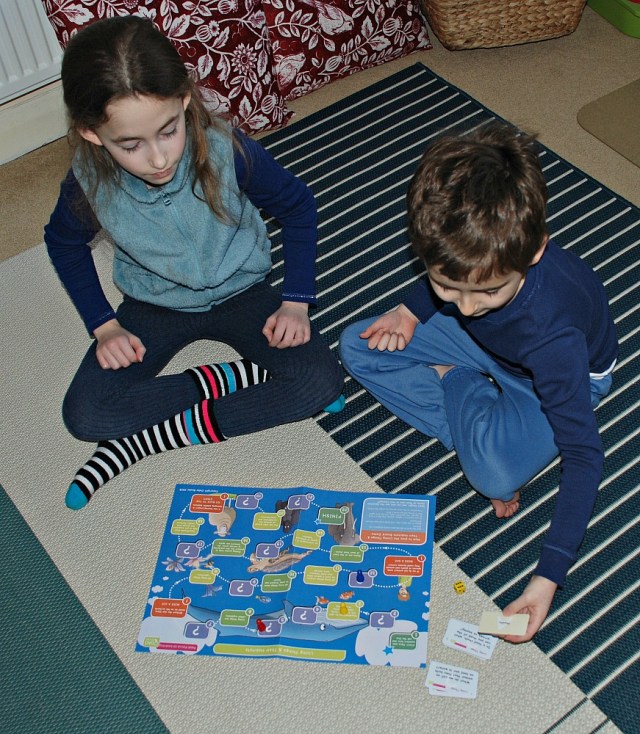
Playing the Oaka Book Living Things and Their Habitats game, part of the topic pack aimed at ks2

This game is brilliant.  Simple but such a great way to revise the facts that the kids have learnt.  The Board has blocks on it, some with question marks on, some with facts – if you land on the question marks you need to pick up a question card and answer it.  Normal board game idea, you throw the dice and try to get to the finish block first. Straight forward.  But really such a great idea I wish we had learnt our science like this when I was younger.  Really LOVED this.
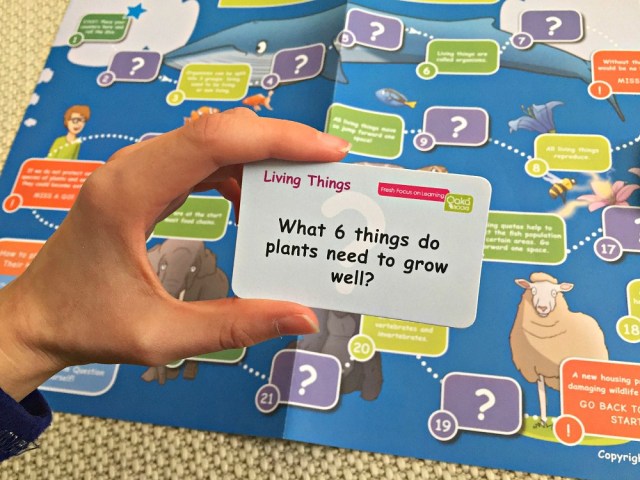
Living Things and Their Habitats Board game from Oaka Books, part of the topic pack for key stage 2

I did think a bit about how this game might work if you played it with siblings or a mixed age group where some where not be as knowledgable in this area.  You could remove some of the question cards but then it would mean the older kids would not benefit from the harder questions so I came up with the idea of 2 separate groups of cards (one group having the “tougher questions ” in it).  That way an older sibling can still revise / test themselves on everything they have learnt and a younger sibling or friend could happily join in.

Living Things and Their Habitats Board Game question cards

And the great thing is even after you have finished the topic pack and move on to another set you can always dig the game out as a way to remind the kids of what they learnt – my plan is as we go through the topic packs – yes I am planning on doing more – I am going to collect the games and then every so often we will dig one out and play it as a fun way of revising our science and history.

And after playing the game she went back to the notes and completed some more, sometimes on her own and sometimes checking back in the topic booklet.
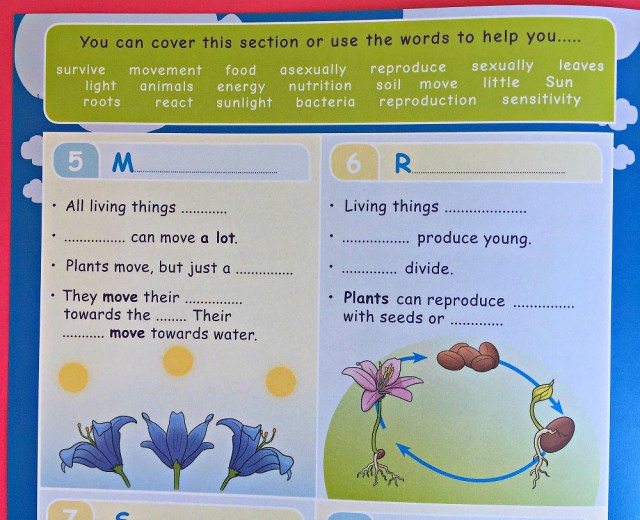
Living Things and Their Habitats. An example of an inside page where the kids need to add in key words

The one thing about the Write Your Own Notes Booklet is the spaces provided for the words and phrases are not big. My youngest would not be able to write in the space provided.

Okay so Oaka Books sent us two topic packs – this one – Living Things and Their Habitats and The Stone Age (both topic packs sell for £7.97).  So you are probably thinking well sure they liked it they were given them for free.  hmm.  No.  Firstly I LOVED them I think they are brilliant.  The way the Topic booklets have been set out – key points with pictures, no long paragraphs, it totally suits my daughter.  The Write Your Own Notes – Loved it and the Game that was included so simple but genius – a brilliant way of helping the kids remember the facts.

In fact last night when my hubbie got home from work I dragged him to my computer and showed him the topic packs and the digital library (yes there is more than just these topic packs they also have an online library) and my words were ” look this is what we are going to use when we get to KS3″ – because if I am totally honest in the back of my mind even though it is still 18 months away I have already been thinking about what KS3 resources we will use with my daughter.

The Digital section has lots of KS3 resources in it.  I will write a separate detailed review about the digital side of Oaka Books soon.

Oaka Books. Living Things and Their Habitats Topic Booklet and Write Your Own Notes

Oaka Books Topic Packs.  Perfect for visual learners.  Science, History and Geography

Posted in Home education resources | Tagged , , , , , , | 1 Comment

Bee Boy – Fun Reading

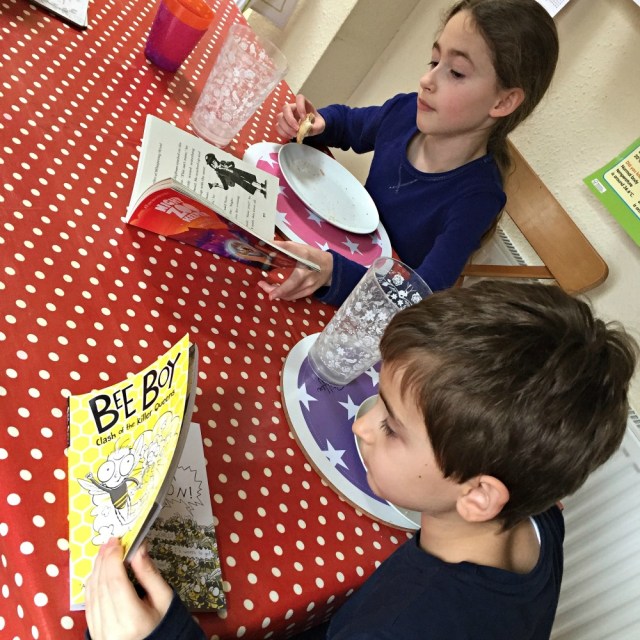
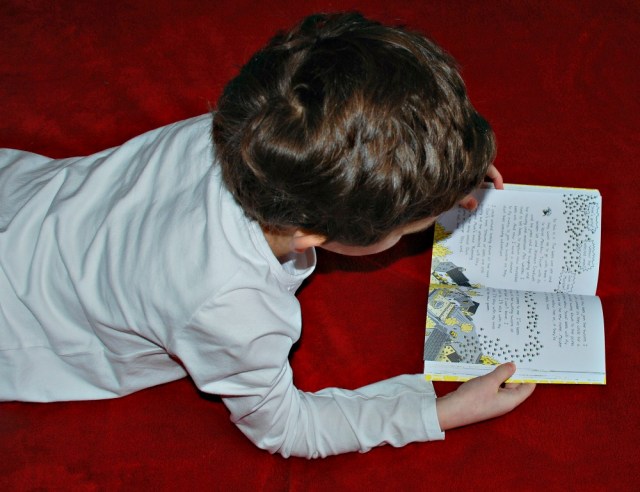
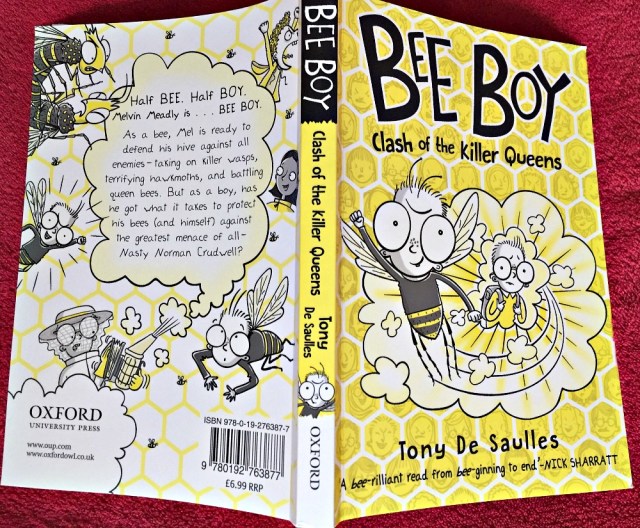
We were recently given a copy of a newish story – Bee Boy Clash of the Killer Queens.  As soon as I saw this book I knew my youngest was going to love it and he DID.  The very first day it arrived he sat and read the story while he ate his lunch. Everything about the book was just right for him.

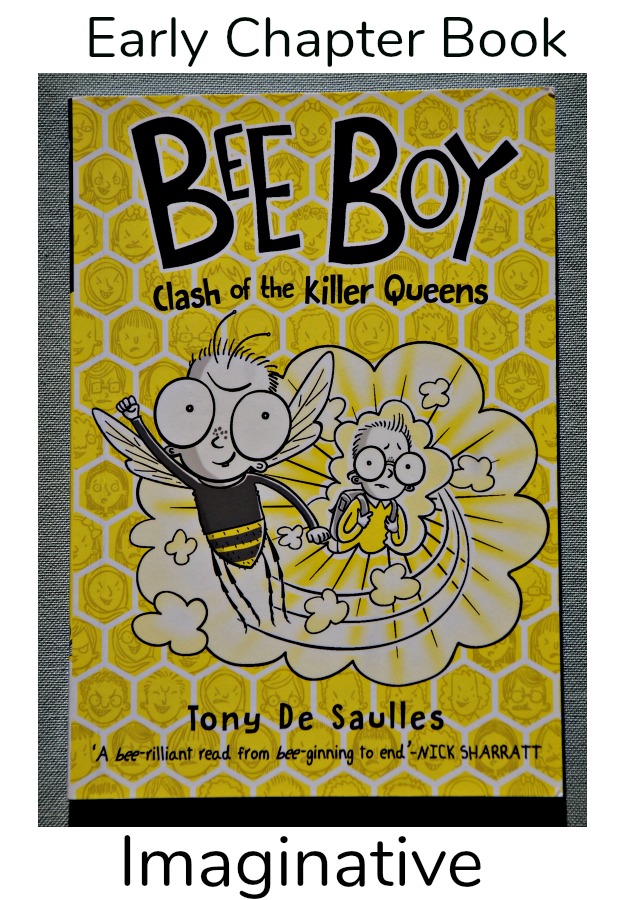
Bee Boy Clash of the Killer Queens. A brilliant chapter book for kids

He loved the storyline, the text was spaced out and the words manageable for him and the pictures in yellow and black were very effective.

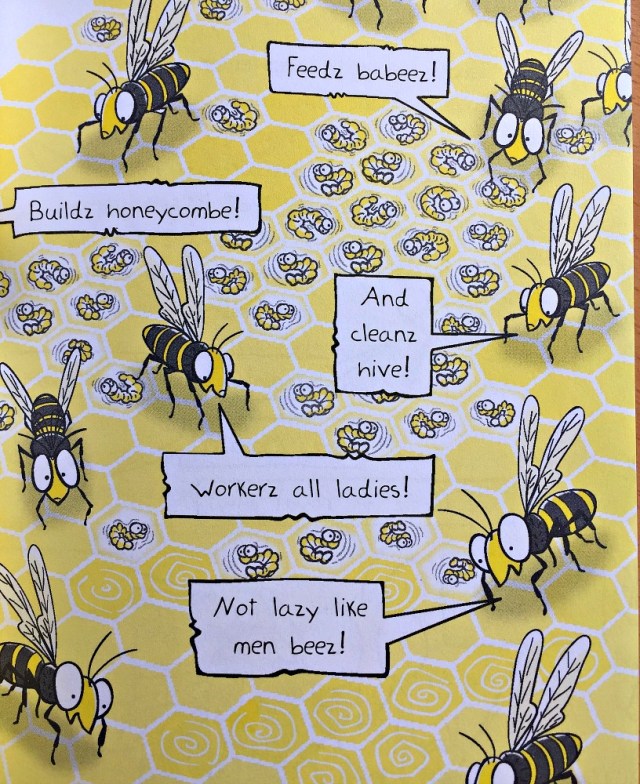
The story follows Melvin, he keeps bees in a beehive on top of their apartment tower.  Melvin is not a confident kid but as the story unfolds his bees start giving him confidence and he ends up with an excellent friend.  The story is sweet but what really got my son’s attention was when Melvin turned into a bee and could go inside the bee hive and talk to the other bees.  Wow, he loved this.  He loves the way the bees all spoke – with zz’s added onto their words and he kept reading the pages were Melvin goes into the hive over and over again.

Bee Boy Clash of the Killer Queens. My son loved the way the bees talked with z's on the end of their words

This was actually his first real chapter book but he did not flinch.  The story had him hooked and he wanted to read page after page (often reading 2 or more chapters in one go).  I think part of the reason was the way the text was formatted on the page.  It is not all crowded together, it was nicely spaced out so for a beginner chapter book it is not intimidating.

Bee Boy Clash of the Killer Queens. A great starter chapter book as the text is nicely set out making it less intimidating

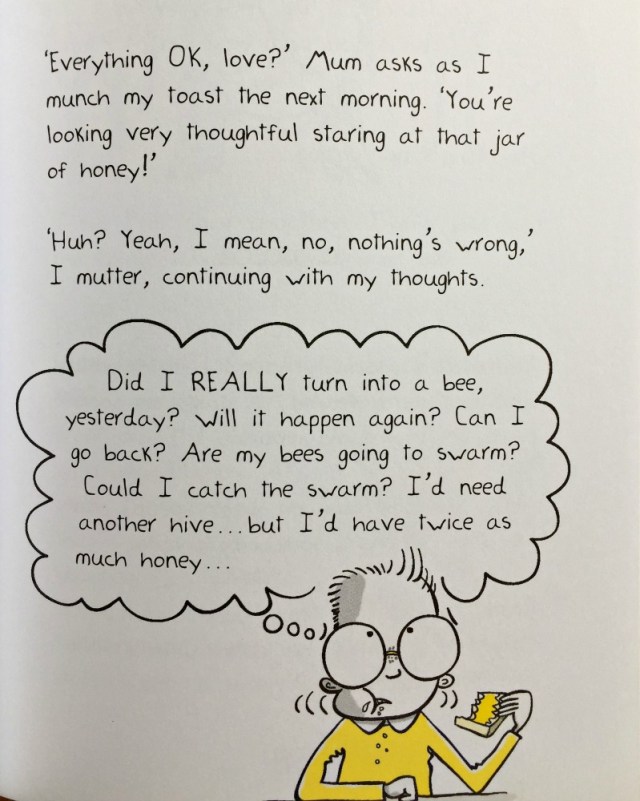
There are also lots of pictures scattered throughout the book and speech bubbles when the different characters are talking.

And for me, the fact that it is a fun reading book would honestly have been enough.  Seeing my son pour over the pages and read and reread parts both to himself and then out loud to me or his big sister, that really is what I want in a children’s book – books that create a love of reading, books that make the kids want to curl up somewhere and get lost in a story.

Bee Boy Clash of the Kiler Queens. My son loved this story

But that is not the only thing this book offers.  There are lots of facts about bees brilliantly woven into the story.  You don’t even realize that you are learning because they naturally flow as part of the story.  I was really impressed with how the author managed this, a fun story with informative facts included without taking anything away from the story.

Both my son and I highly recommend this book.  In fact he is already asking when Bee Boy 2 will be reading for him to read.

You can get a copy of Bee Boy directly from OUP – Bee Boy Clash of the Killer Queens

or from Amazon Bee Boy: Clash of the Killer Queens

Bee Boy Clash of the Killer Queens by Tony De Saulles

We were kindly given our copy of Bee Boy by Oxford University Press.

Bee Boy. Clash of the Killer Queen. An imaginative, fun early chaper book about a boy who can become a bee. ofamilylearningtogether.com

I have included an Affiliate link. If you follow an affiliate link and go on to purchase that product, I will be paid a very small commission, however your cost will remain the same. I only include affiliate links for products that we use and love.

Posted in Book Ideas | Tagged , , , , , , | 1 Comment

Flight of the Honey Bee

I am always amazed at how our little themes seem to just pop up.  And they often have nothing to do with me trying to plan, it is normally the kids finding something interesting.  We seem to have stumbled onto a bit of a bee theme, my son found a book at the local library – Flight of the Honey Bee and we were given another book Bee Boy at around the same time and totally unplanned we are looking at Bees and pollination.

Bee Books. Flight of the Honey Bee and Bee Boy Clash of the Killer Queens

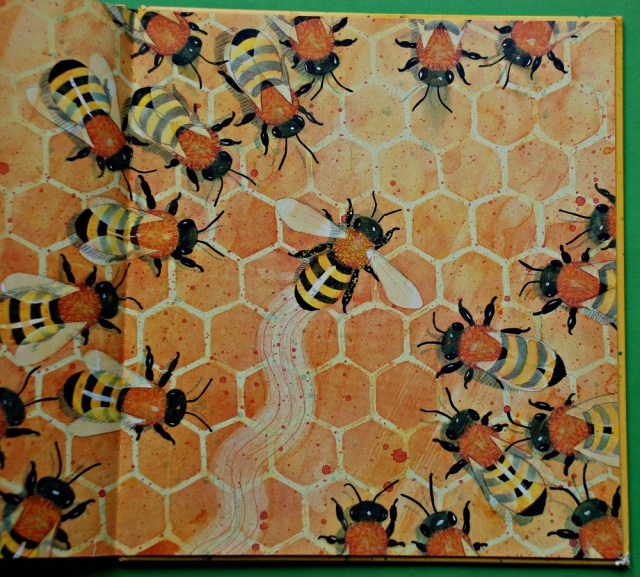
The Flight of the Honey Bee is a stunning children’s book which tells a short story about a Bee and manages to weave in lots of facts along the way.  It is part of the nature storybook series which is a series of books about animals that we love as the kids have always found the stories enjoyable but full of interesting facts about the animals.

Flight of the Honey Bee. A brilliant children's book filled with lots of information about bees

It starts off by explaining that bees are always changing jobs – from a cleaner to babysitter, a builder, a guard, a scout and then a harvester and the story is about a scout.  It follows the scout as she flies out in search of flowers, it details how she navigates, how she avoids rain as it can damage her and which predators are out there (I never realized so many other animals ate bees).

Once she gets back to her hive she does a dance for the other bees which explains where the flowers are.  I loved this bit about the dance and both my kids found it fascinating that the bees communicate where the flowers are by dancing.

Flight of the Honey Bee. Scout doing a bee dance to show the other bees where the flowers are

It also explains a bit about how the life in the hive works.

Both my kids found the book very interesting (even my older one).  And they liked the way the information was included in the story.

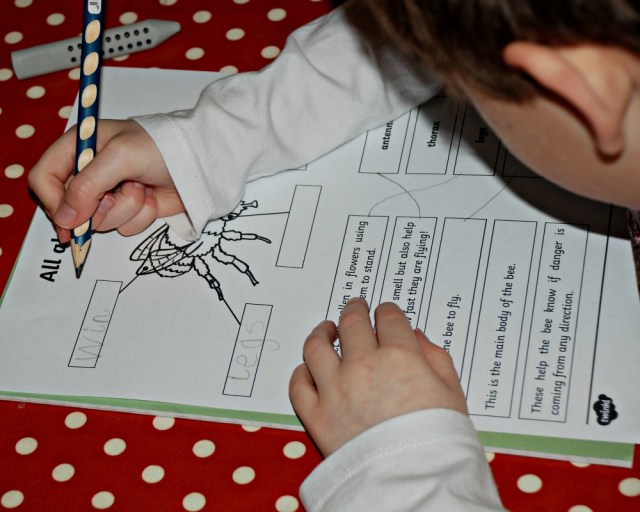
So I had a quick search and I found this page All about bees from Twinkl for my son (part of their paid for package).

All about Bees worksheet from Twinkl Resources

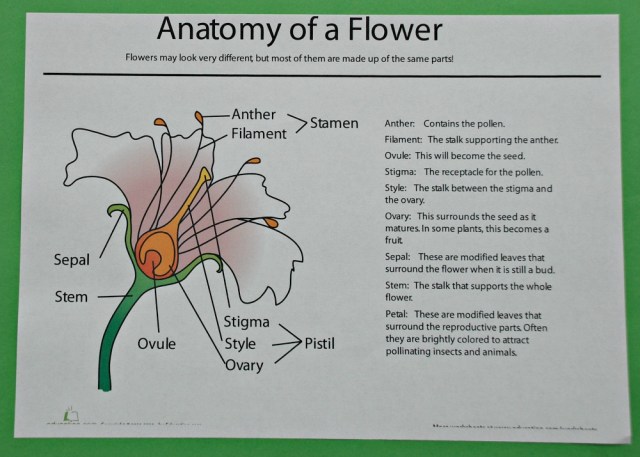
And for my daughter we went more onto the pollination process.  We found this really good Flower Anatomy page from Education.com

Anatomy of a Flower from the Education.com website

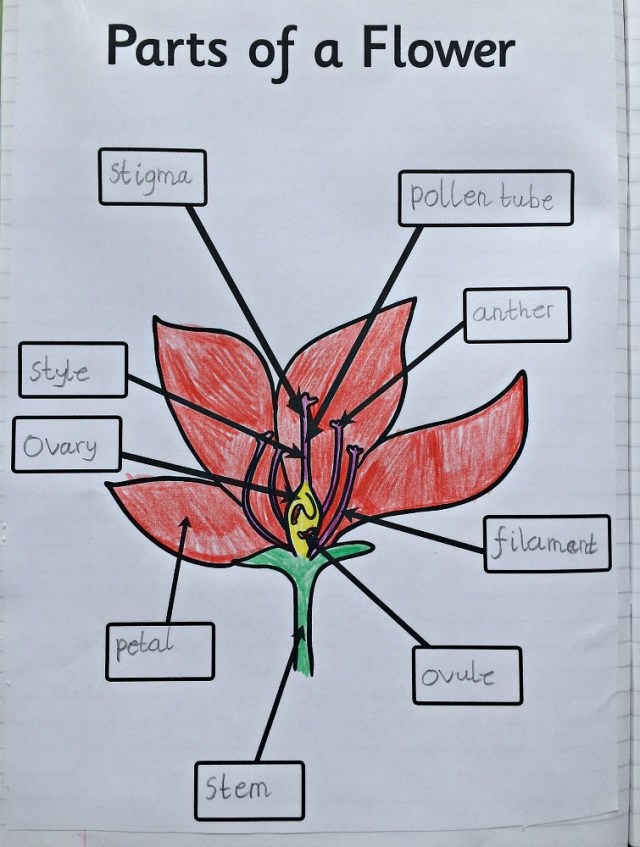
And we also downloaded this FREE Parts of a Flower page from Twinkl so she could label her own flower and include the diagram in her Science book.

Parts of a Flower labelling activity from Twinkl Resources. Free to download

My daughter has a notebook  where she keeps a very loose record of the interesting science things that she has learnt.  We often stick in pictures, diagrams of something that she has learnt about and sometimes she will draw a quick brain map of a few key words.

Parts of a Flower labelling page from Twinkl Resources. Completed and in our science book

My son liked the idea of the flower picture so he took the answer page and coloured it in and stuck it into his own book.  (The first time he did this I was very tempted to print out a copy of the page that his sister was doing for him, but he explained to me that if he has the answer page, he can focus on reading the words and decorating it and not trying to get his writing to fit in so he enjoys it more.  And the slightly easier way of allowing him to do the activity – he is 2.5 years younger – means he sits for longer, joins in and he does actually take in the vocab and the facts so it works well for us).

Parts of a Flower labelling activity Free to download from Twinkl Resources

The Two books I mentioned up top are these two

Flight of the Honey Bee (Nature Storybooks)

Bee Boy: Clash of the Killer Queens

My son is still reading Bee Boy but once he has finished it I will write a post on the book.

All links back to independent third-party websites and references to any subscriptions are correct at the time of writing this post. 

I have included Affiliate links. If you follow an affiliate link and go on to purchase that product, I will be paid a very small commission, however your cost will remain the same. I only include affiliate links for products that we use and love.

Posted in Book Ideas | Tagged , , , , , , | 1 Comment

Noun word search

We have been talking about nouns and verbs lately and my youngest seems to have clicked quite quickly that a verb is an action / doing word but nouns seem to get mixed up.  He sometimes gets a bit confused when he tries to join in with his older sister’s learning activities (he loves working with her on projects) so I wanted to do a fun activity to help him spot nouns and make it a bit easier for him to join in with some other english activities we have been doing.

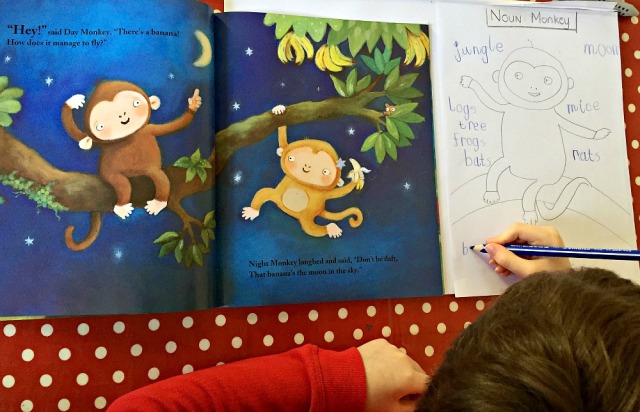
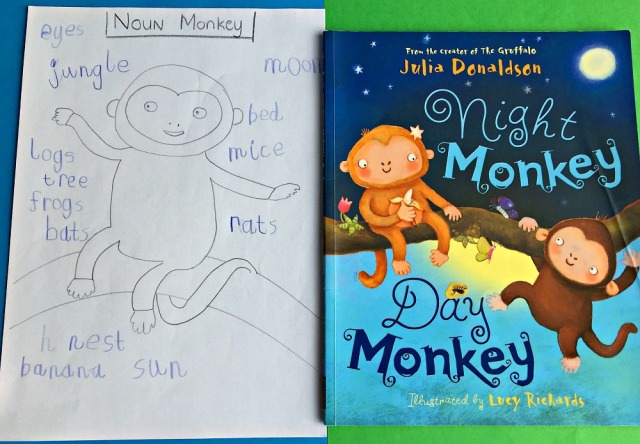
We dug out one of his old favourite story books – Night Monkey Day Monkey and I dug out a simple monkey drawing that I did for my daughter years ago and used the two together.  The idea being that as he reads the book he finds nouns and then writes the words on his page creating a noun monkey.

Night Monkey Day Monket Noun word search. A fun way to reinforce nouns by using a favourite story book

It was a “quick idea” that I had the day before yet it worked out so well.  It ended up being, reading, writing and spelling practice as well as noun identification, verb spotting and we even chatted about Adjectives and Pronouns.

Create a Noun Monkey. Using the story book Night Monkey Day Monkey for a noun search activity

I think it worked really well with the Night Monkey Day Monkey text but you could use a lot of other stories.  For us one of the keys to it working was that my son already knew the story, if it was a brand new story I think he might have been more interested in the story itself as opposed to hunting for the different type of words.  Also Night Monkey Day Monkey has a lot of different animals mentioned in the text so straight away there were some easy nouns for him to spot which boosted his confidence and had him asking me questions about other words.  eg “the word him is a noun but it is not the same as my animal nouns so what would I call that?” – and we chatted about pronouns.

For my son focusing on the Noun search and writing those words out was enough but you could extend it to including some verbs or adjectives.  Possibly have it that they write the nouns around the monkey and maybe the verbs or adjectives inside the monkey.

Night Monkey Day Monkey book activity. Do a Noun search and create a Noun Monkey

Just to mention we are home educating two kids. My youngest likes to be included in activities that his older sibling does, so often if his sister is doing a grammar activity or working on a topic I will try to find something linked to the same topic but more suited for his age – this is just our way of making it all work and it suites the nature of our kids.

Using a favourite story book for a Noun Hunt. Night Monkey Day Monkey by Julia Donaldson

Noun Search.  Use a favourite story book to search for nouns.  Easy activity to do at home with the kidsUse a favourite story book for a noun search.  Night Monkey Day Monkey is a good one to use

Posted in English Ideas | Tagged , , , , , , | 2 Comments

At Home With Punctuation Workbook Review

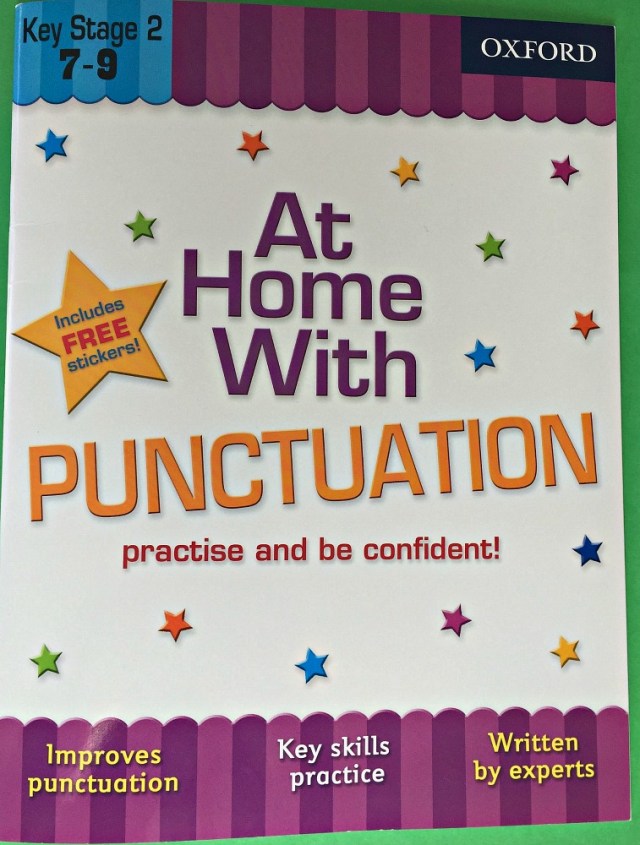
My son has really found the At Home with Spelling book helpful and easy to use (not too much in one go) so when I was wanting to revise some Punctuation I first looked to see if there was something in their At Home With Learning series. And there was an At Home With Punctuation book, so I thought it might be worthwhile giving it a try (it is aimed at ages 7 to 9).

At Home With Punctuation by Oxford University Press. Ages 7 to 9. Good revision book

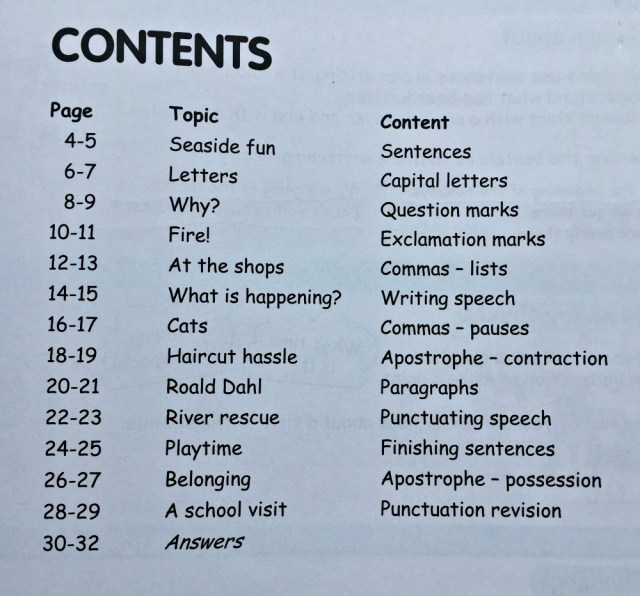
It is not a detailed book, filled with page after page of examples to practice.  It is what I would call a revision book.  The entire workbook is 32 pages long of which 26 pages are actual content for the kids to work through and 3 pages are answers.  So what does it cover?

The contents page of At Home With Punctuation by Oxford University Press

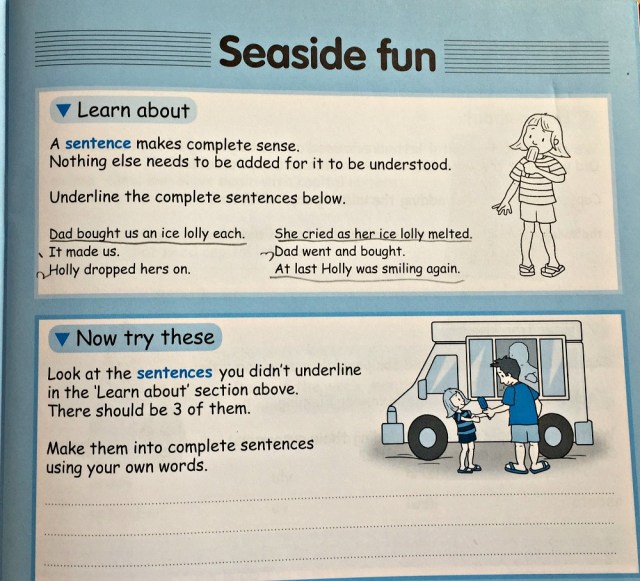
Each topic covered has a Learn about section – explaining what the rules are, followed by a Now try This – 2 or 3 examples and a Challenge section – something slightly harder.

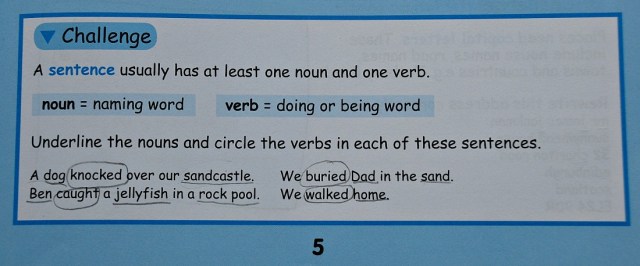
Then the following page normally continues on the topic but expands slightly so example for Sentences the first page spoke about using a Capital letter to start the sentence and a full stop and the second page talked about the sentence needing to make sense eg including a verb and noun.

At Home With Punctuation by Oxford University Press. Sentence page

At Home With Punctuation by Oxford University Press. Sentences include verbs and nouns

We have found this book to be just the right fit for us.  Good, brief explanation of what the rules are, exercises to practice without overdoing the exercises because let’s be honest doing page after page of punctuation practice can be a bit dry.

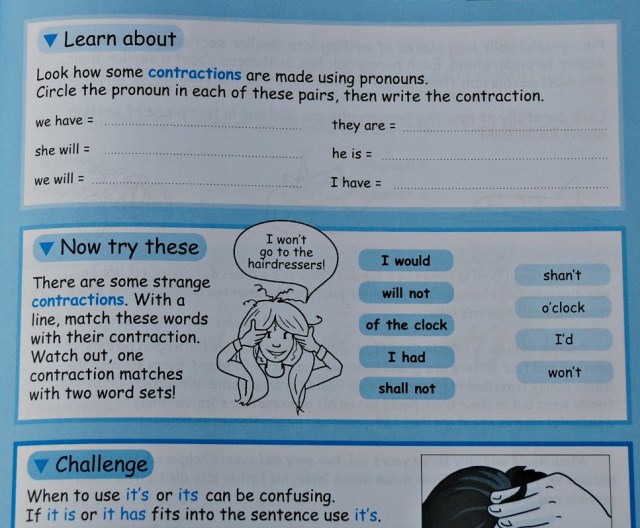
At Home With Punctuation by Oxford University Press. Contractions

The At Home With Learning series style appears to suit my son.  Once he has read a rule, understands it, practiced it one or twice he is set.  He tends to grasp concepts quite quickly and gets bored with repetitive practice.  Normally with my daughter we would choose something with more examples in it (she likes to practice something over and over), but for punctuation revision this really was enough for her.

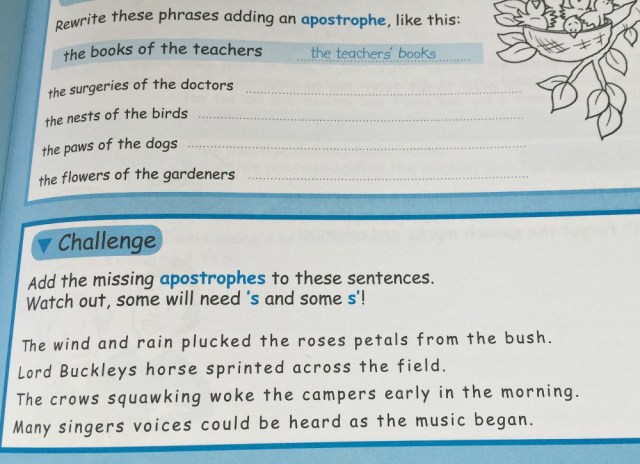
At Home With Punctuation workbook by Oxford University Press.

As far as a punctuation workbook goes we thought it ticked all the right boxes.

For more information about the At Home With Learning Range (including what other books they have in this series) please look here – At Home With Learning

Otherwise the books can also be purchased through Amazon – At Home with Punctuation (7 – 9) and possibly at a local bookstore.

At Home With Punctuation by Oxford University Press. A review of the workbook

The lovely staff at Oxford University Press kindly sent us this book after I mentioned we were interested in trying it out.  All opinions expressed are mine and taht of my two little testers.

I have included an Affiliate link. If you follow an affiliate link and go on to purchase that product, I will be paid a very small commission, however your cost will remain the same. I only include affiliate links for products that we use and love.

Posted in English Ideas | Tagged , , , , , , | Leave a comment