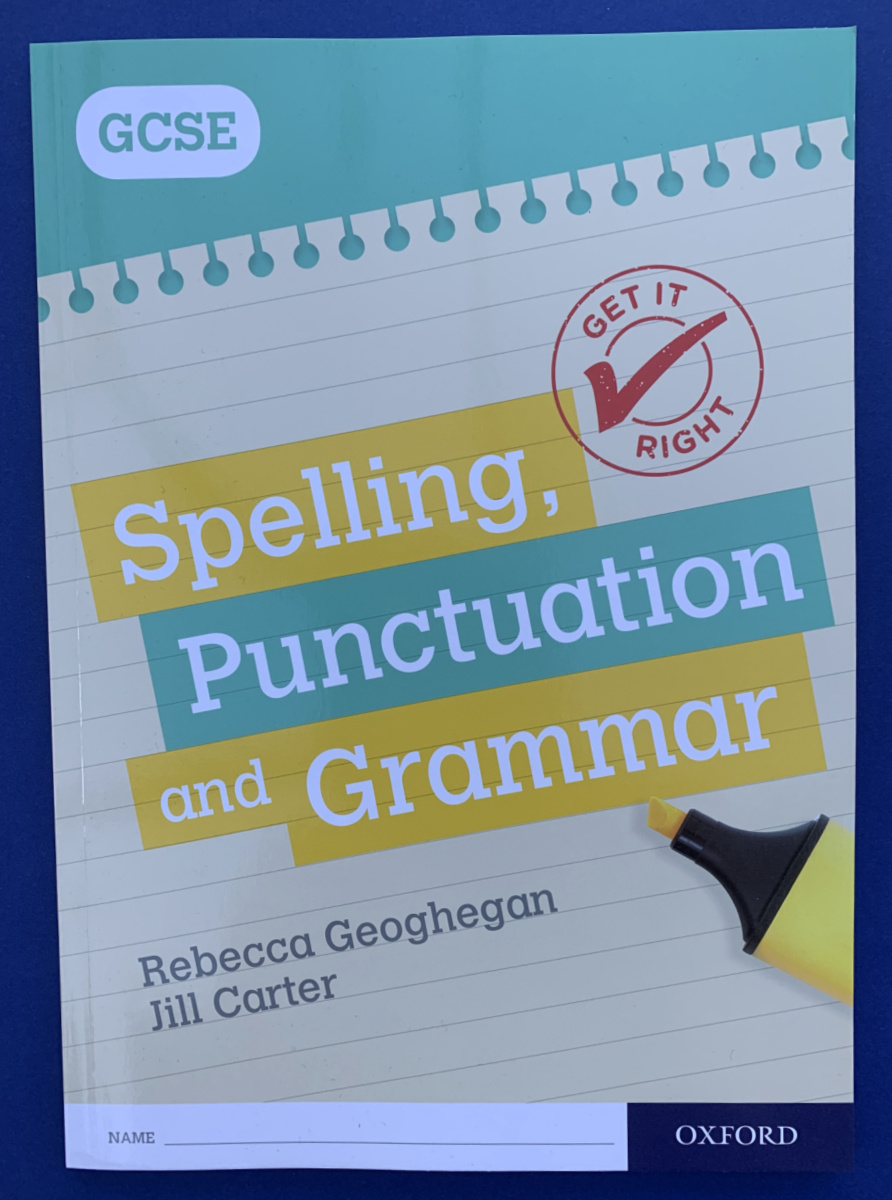
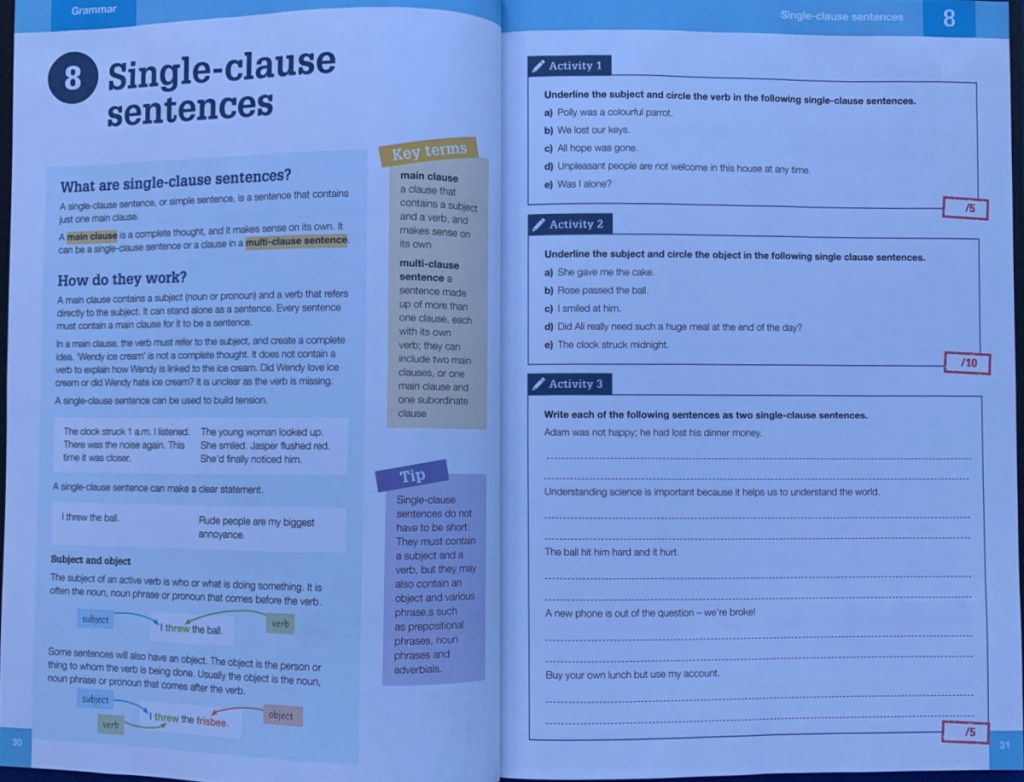
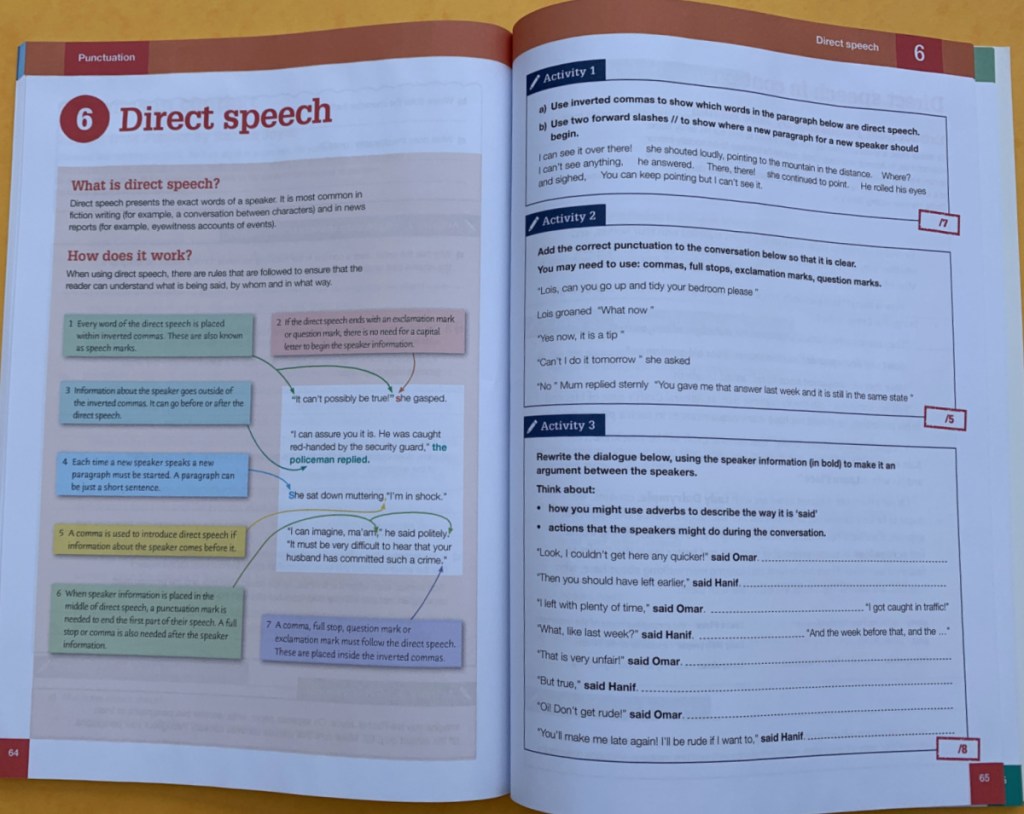
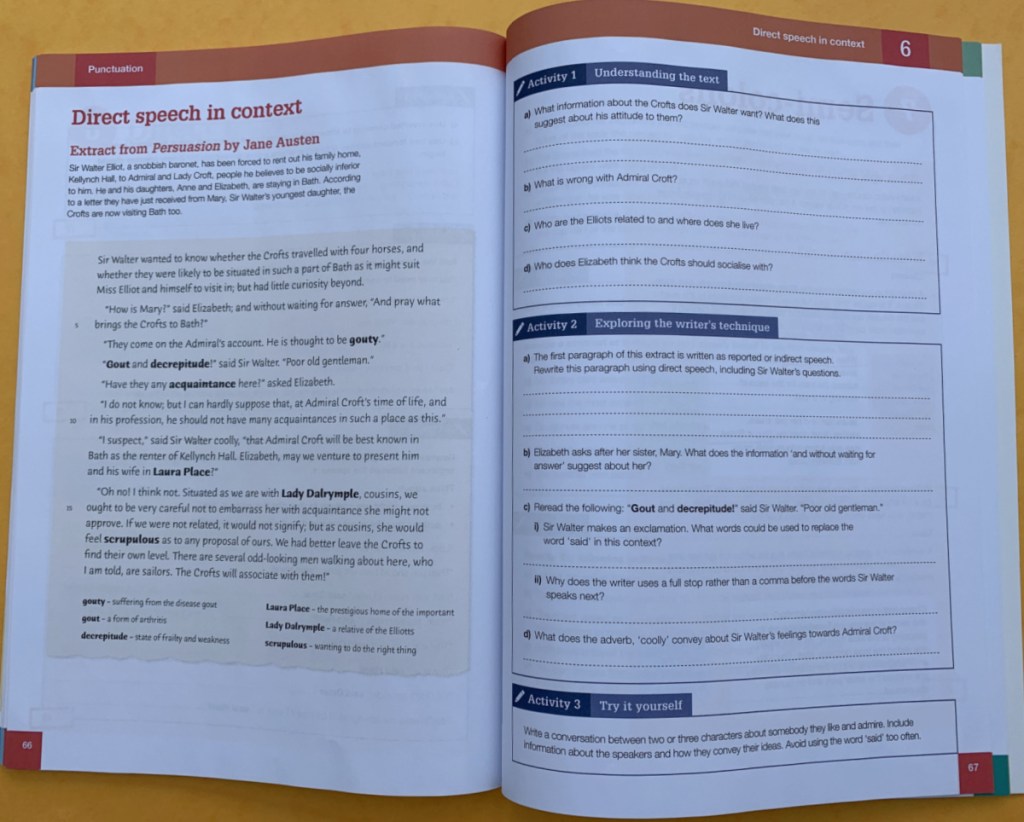
Starting Year 7 History Home Education Books

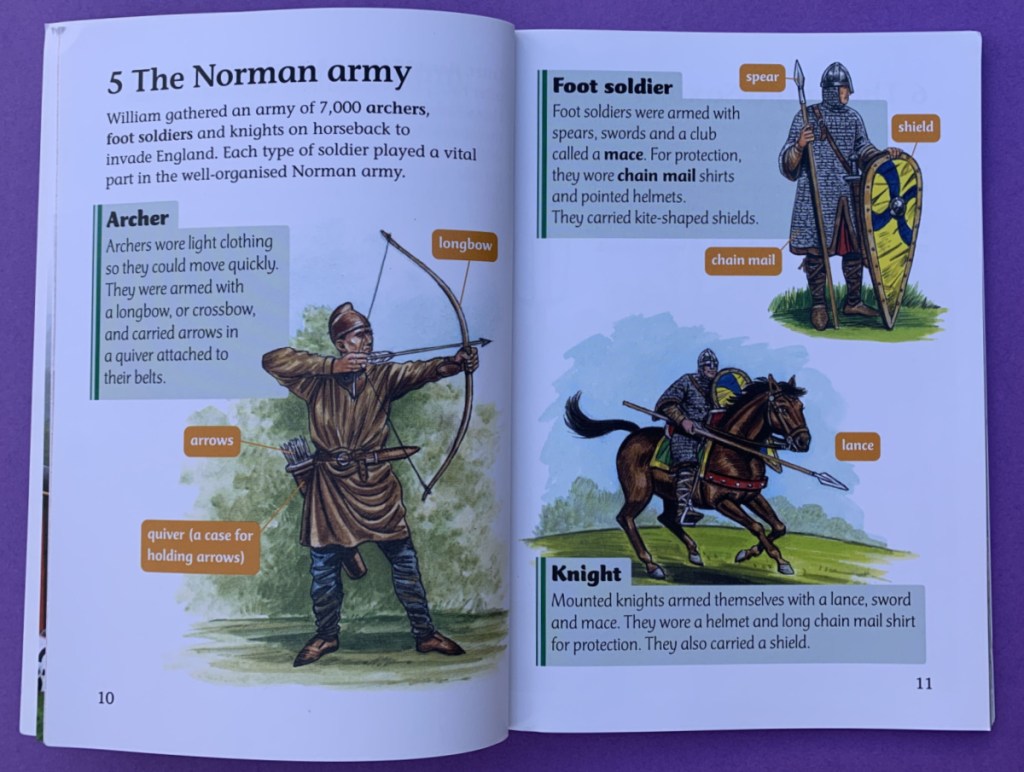
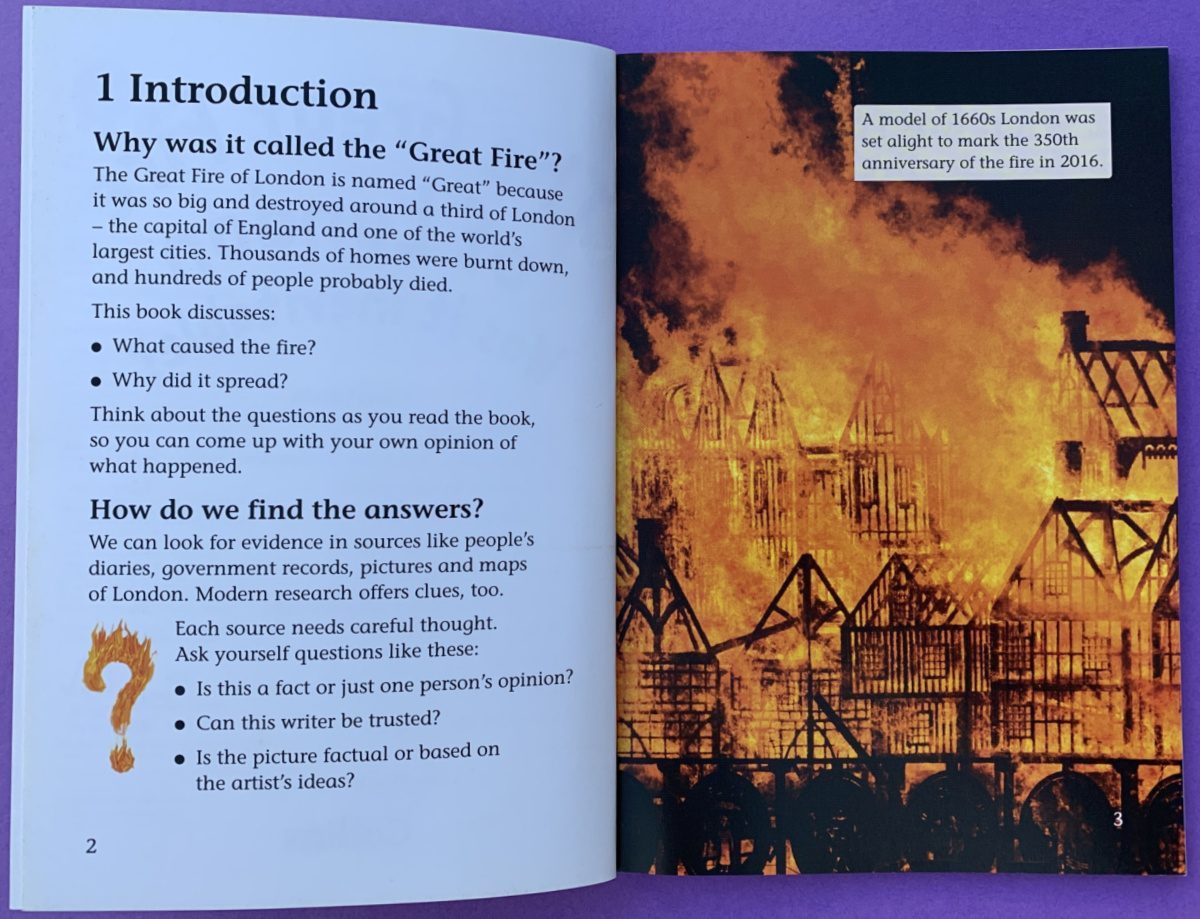
The second of my starting year 7 resource posts for my son is going to be on History resources. It is another easy post because I really have LOVED the series that I used with my oldest for her KS3 History and I am sticking with in. It is the Aaron Wilkes History series from Oxford University Press. The series is split into 3 books and we used one book for each of her KS3 years and we are going to stick with that for my son. So Year 7 History is Invasion, Plague and Murder, Year 8 will be Revolution, Industry and Empire and Year 9 Technology, War and Independence.

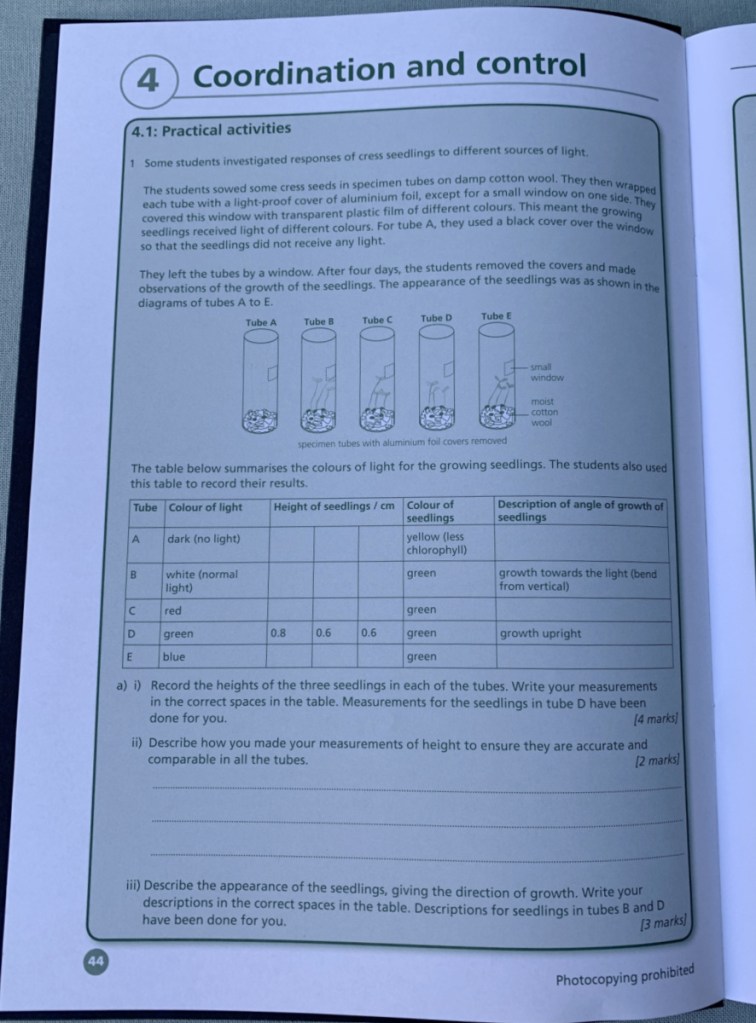
Okay so why do I LOVE this series so much – the book is written in a very logical manner, they include all the facts you need and lots of extra interesting information. They use pictures and diagrams which does bring the topic to life and make it more memorable. So fact wise this book covers everything you need and a bit more. But it is the questions that really elevate this book for me. On every double page they include some quick questions in a box called Over To You – which are basically questions on the text that you have just read. (questions to make sure you have understood what you have read).

Then at the end of each chapter you get a Quick Knowledge Quiz (again testing you understand what you have read throughout the chapter) and Literacy Focus questions (things like note taking, PEEL paragraphs or writing in detail).

And finally you get the History Skill Questions. These are the ones that are worth their weight in gold. These questions are honestly just by themselves enough of a reason to get this book. They are longer writing questions which help to build up the skills required to answer the history questions that you would get later on (GCSE or IGCSE). And they have included step by step guidance on how to structure your answers. When I say these questions are gold I really do mean that because with hindsight after working through all three books with my oldest and now being about to start her IGCSE History course with her I actually feel like we already have a good foundation in place on how to tackle these longer worded questions and I don’t feel that they are as intimidating. I really can not stress it enough how these longer questions and the step by step guidance on answering them are just some of the best stepping stones you will find in terms of helping your kids structure longer answers.

Okay so what topics does it cover.

  • 1066 and William the Conqueror
  • The Normal Conquest
  • Religion in the Middle Ages
  • Life in the Middle Ages (and this is what they call a depth study so it includes lots of fascinating detail)
  • Power in the Middle Ages
  • Health and Medicine
  • England at War (Wales, Scotland, Ireland and France) and the War of the Roses
  • The start of The Tudors (Henry VII and Henry VIII)
  • Medieval Britain what changed

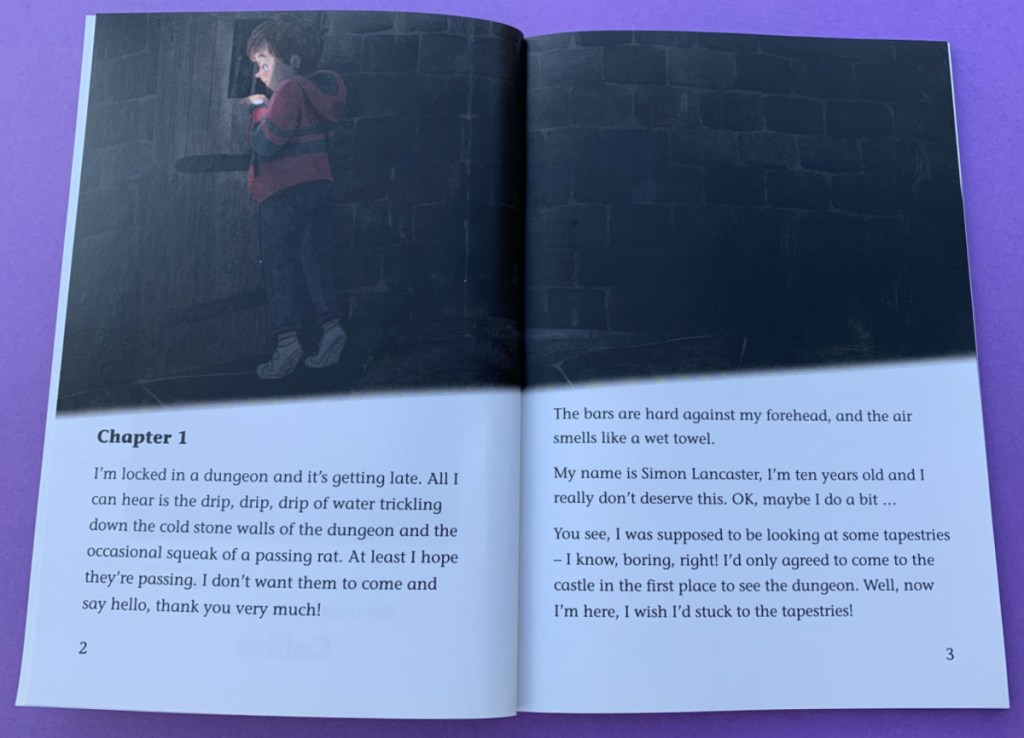
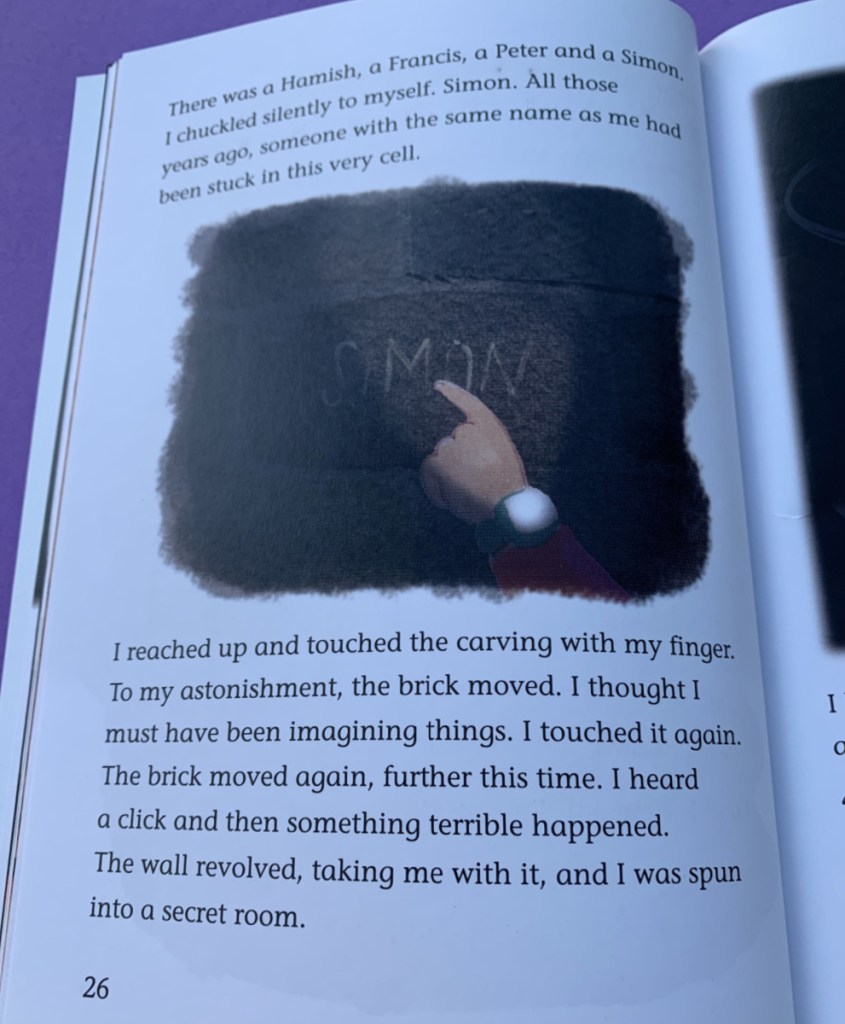
So that is our main History book but we do like to make History come alive, so we tend to watch quite a few documentaries (there is a great 3 part documentary called 1066 A Year to Conquer England), we like visiting places and reading extra books. I often just find these extra bits as we cover the topics but I do already have a few extra books lined up. These are a few of the books that I already have as they are part of the BIG CAT series by Collins (which we love). I use these as a quick read before we start a topic.

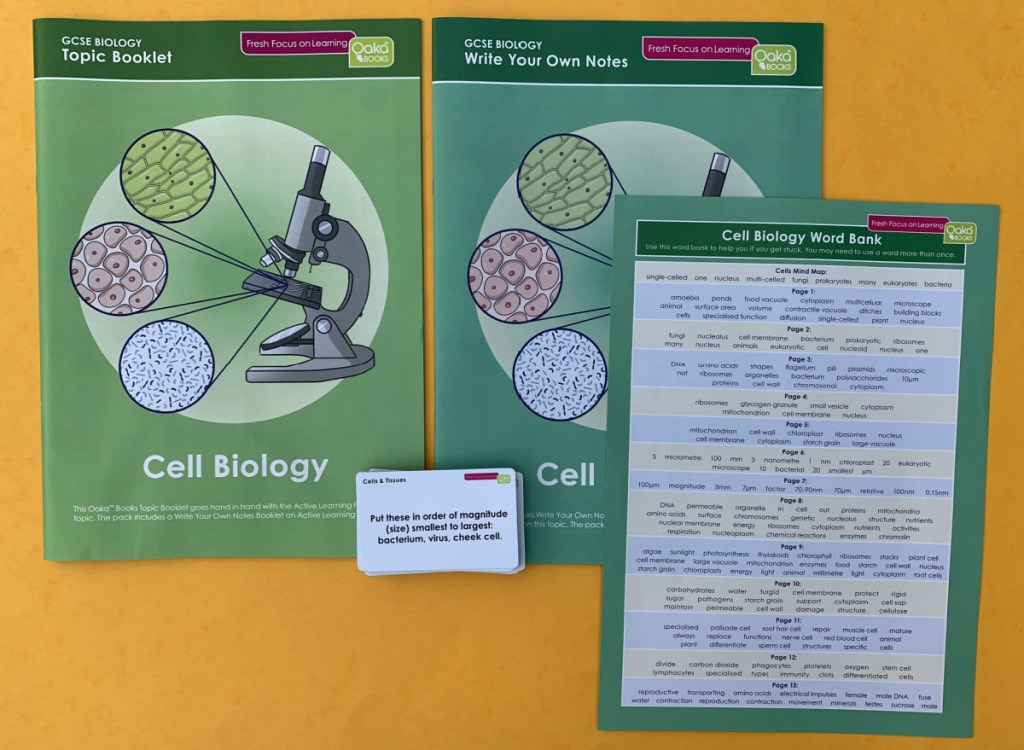
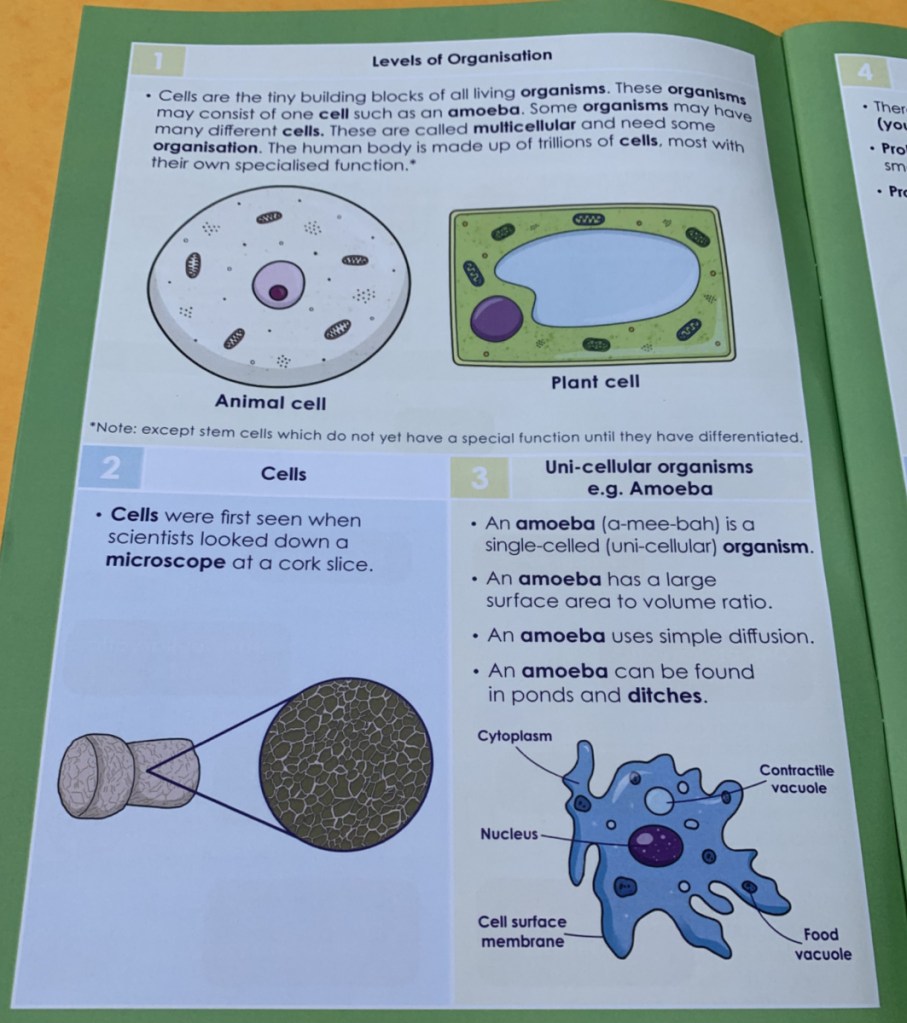
And of course we love the Oaka Books Topic Packs for all of our KS3 subjects. I already have these History Topic Packs lined by for my son. With the history packs I often use these as revision after we we finished our topic.

So that is our History. I really cannot stress enough how much a LOVE the KS3 History series by Aaron Wilkes.

Admin – I do include Affiliate links. If you follow an affiliate link and go on to purchase that product, I will be paid a very small commission, however your cost will remain the same. I only include affiliate links for products that we use and love.

Posted in Homeschooling | Tagged , , , , , , | Leave a comment

When Hitler Stole Pink Rabbit Review

One of the children’s stories about World War Two that I have heard a few people mention was When Hitler Stole Pink Rabbit and as luck would have it our local library had it on their shelves so we decided to have a read and I must admit it is a beautifully written account of the impact of Nazi Germany on a families life.

Anna is nine and loving her life in Germany. Her dad is a famous writer, she has a comfortable life, friends and enjoys her school but her family is Jewish (they are not a practicing Jewish family but they have Jewish blood which is enough it the eyes of the Nazis for them to be targeted). Quite suddenly Anna’s dad disappears (he has to flee to the country after getting a tip that he was on a list) and his family start getting ready to follow him.

The entire experience is written through the eyes of nine-year old Anna, you (the reader) get to experience what it would have been been like to suddenly have to leave your home, relocate to Switzerland, then onto Paris and when even that gets unsafe finally onto London. It is a lot of change for young kids, different countries, different schools, different languages and different ways of doing things. And every time they are forced to move the families finances seem to get tighter and tighter as her dad struggles to find work. It is an eye-opening account and one that does seem to ring true and sincere. So I found it interesting to read that the author wrote this story as a way of explaining to her kids what she went through fleeing Germany and living as a refugee.

Both my daughter and I read Hitler Stole Pink Rabbit and we both thought it was a lovely story about an ordinary family having to cope with becoming refugees. It was moving, interesting had a few moments of adventure and even funny in a few instances. I found it interesting because it deals with a slightly different angle to most of the world war two stories that we had already read – I liked the fact that you got to understand the point of German’s fleeing their home country, coping in different countries and having to adapt to a new life.

After we had finished When Hitler Stole Pink Rabbit we noticed that there were two follow up stories. Bombs on Aunt Dainty and A Small Person Far Away. So we borrowed both of those as well. Now I must say I felt like When Hitler Stole Pink Rabbit would be fine for any kiddo aged 9 and over but the other two I feel are more for older kids / teens. In Bombs on Aunt Dainty Anna and her family are know living in London, surviving the Blitz and coping with everyday life in War time England. And there were lots of great moments that were very interesting to read (like being in a building when it gets bombed) but she does deal with an older relationship. Anna starts going to an evening art class and ends up having a relationship with her 40 year old teacher. There are no explicit sex scenes, and they just kiss but I felt like any kid reading this needs to understand the issues behind a young 17 year old girl having a relationship with a 40 year old teacher, so for that reason I would think it is not suitable for 9 year olds.

In the third Book A Small Person Far Away, Anna is now grown up and married and has to deal with the emotional impact of going back to Germany after her mom tries to commit suicide. The third book in the series is a lot slower, there are none of the more adventurous scenes like in the first two and it is quite emotional as Anna needs to confront her fear of being in Germany and face the fact that maybe her mother just does not want to live. My daughter found this a bit hard to read and we did have to discuss this and talk about why the mother just wanted to give up (the author also starts to deal with the fact that Anna’s relationship with her mother is actually not a healthy relationship but she does not go into too much detail on this – however some kids may pick this up and need to discuss the fact that Anna’s mother has a tendency to manipulate her kids and can be emotionally cruel when she does not get her own way).

I think all three books were well written and interesting but I do think which ones you choose to read depends on your individual kids. The first one is by far the most interesting and I would definitely say include that on your book list but possibly think about your kids age and maturity when you consider including the second and third one.

Posted in Homeschooling | Tagged , , , , | 1 Comment

Starting Year 7 Home Education Maths Books

Over the summer I always write posts about the resources that we are planning on using in the upcoming academic year. This year (starting in September) my son will be starting his Year 7 (well if he was in a traditional school he would be entering Year 7). So I am going to start putting together posts for his different subjects. I am starting with Maths just because for us Maths is the most straight forward. My daughter moved across to using a range of Maths books in her Year 9 that really impressed us so I have known for some time that we were going to use the same range for my son.

Mastering Mathematics is a range aimed at kids in KS3, there are three sets of books, with each set covering an academic year. So Book 1 would be Year 7, Book 2 would be year 8 and Book 3 would be year 9. For each year there are three books – a Student Book (which is your main text book) and then two different practice books (Develop and Secure practice book and the Extend practice book). Oh and ALL the answers for ALL the questions in ALL the books are Free to download from the Hodder Education website.

Okay so why do I like this series? I like the way the books are set out. For every topic you get concise, well worded explanations, a couple of worked examples and then three bands of questions. At the end of each chapter there are review exercises and every 3 chapters there is an addition progress review. Plus every practice book gives you additional questions for every topic covered in the main student book. So all in all you actually end up getting a lot of practice questions to work through. And I like having lots of practice questions at our disposal.

Also the questions are split into bands. Band 1 starts with easy questions which get harder in Band 2 and then more challenging in Band 3. So the kids can start with Band 1 which builds confidence then move onto band 2 and finally challenge themselves with Band 3. I like that the questions progress in this manner.

With my daughter we used all three books together (the student book plus both of the practice books). You don’t need both practice books, you could just choose the one that you think suits your kiddo. I purposely wanted both practice books because I found with my daughter that she excelled in some Maths topics and for those we often ignore the easier questions and focused on the harder questions and in some Maths topics she needed more practice, so I liked having the option of choosing which questions we worked through based on which Maths topic we covered.

Okay so which Maths topics are covered in Maths book 1?

It covers quite a bit but we did find with our Book 3 that it fits in nicely in a year. So I am confident we will get through all of this in one year.

You can get your Mastering Mathematic Book directly from the Hodder Education website or from Amazon – here are the Amazon links.

Mastering Mathematics Book 1

Secure and Develop Practice Book 1

Extend Practice Book 1

As always I will write an update post once my son has used the books, but I have every reason to believe they will be just as good as the ones we used for my daughter’s Year 9.

Admin – I knew that we wanted to use the Mastering Mathematics series with my son so I asked Hodder Education if they would provide us with review copies. I do include Affiliate links. If you follow an affiliate link and go on to purchase that product, I will be paid a very small commission, however your cost will remain the same. I only include affiliate links for products that we use and love.

Posted in Homeschooling | Tagged , , , , , , | 2 Comments

Superpower relations and the Cold War 1941-1991 textbook for GCSE History

History is one of the subjects where I am still figuring out what resources we are going to use. I think I am possibly taking so much longer with History because I know how important it is to my daughter and I want to make sure we get her the best resources possible and we are also still debating some of the topics. However we gave decided on one of the topics – The Cold War and throughout her KS3 years (year 7, year 8 and year 9) she used student books written by Aaron Wilkes which she absolutely loved so when I spotted this Superpower relations and the Cold War 1941 – 1991 edited by Aaron Wilkes I immediately thought it could be our starting point while I find resources for her other History topics.
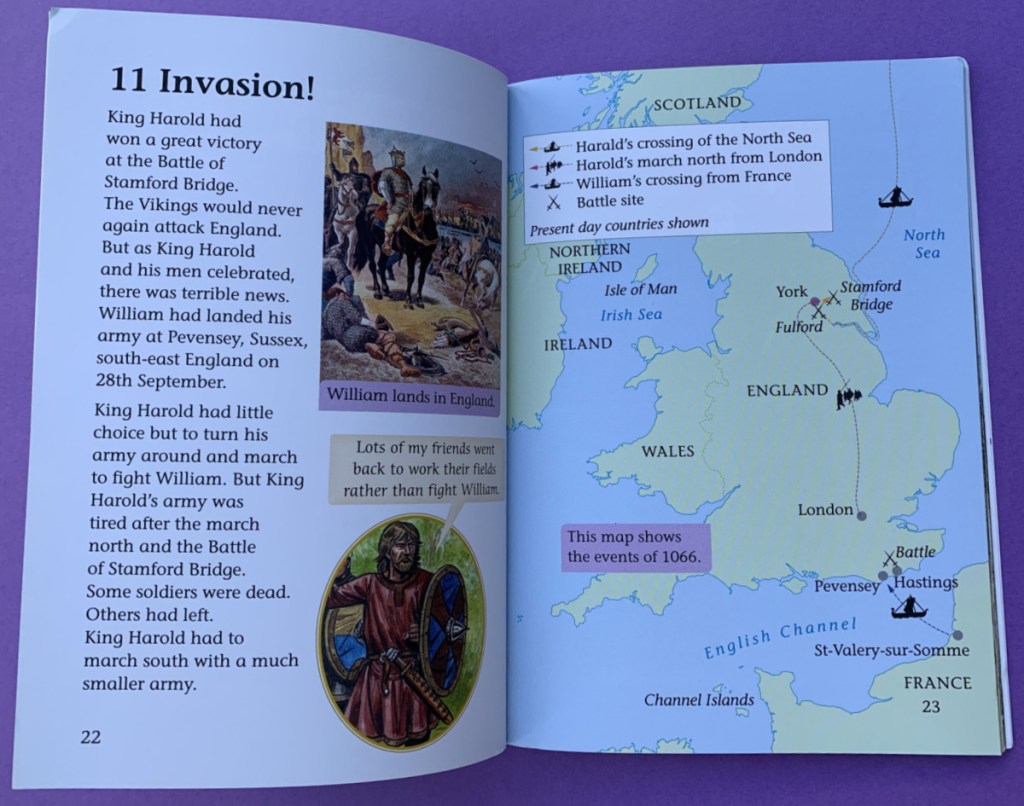
First impressions after just paging through the book when it arrived – I immediately liked the page layout. They have used interesting photographs, diagrams and cartoons, the information is broken down into manageable paragraphs (I never turned to a page and thought wow, that is too much on one page) and they use blocks to direct your attention to key points or questions. Really a great page layout, interesting and inviting and NOT overwhelming for this stage.

Every double page has either a source or an interpretation included on it (this is brilliant as the kids need as much practice as possible learning how to understand and interpret both sources and interpretations). They also include a purple box called Work – these are questions aimed at developing the kids understanding of the topic on the double page. Then depending on what is covered on that double page you may also get extra boxes. The Meanwhile box – links you to what is happening elsewhere in the world, the Later on and Earlier on boxes link it to other years, The Exam style box – are questions created to help you practice your exam skills and the little Nail It box gives you tips and advice on how to answer those questions.

There are also three double pages scattered through the book that deal with specific exam type questions – How to answer a consequence questions, How to write a narrative account and How to deal with those Explain the following Two questions. I think these pages are going to be like gold.

We are only going to start using this in September but I already like the format and it does remind me of her KS3 History book which she loved, so I am optimistic that we are going to enjoy using this one.

You can get the GCSE Edexcel History books directly from Oxford University Press (link – Superpower relations and the Cold War 1941 – 1991) and you can also buy them from Amazon – Superpower relations and the Cold War .

I will write an update post once we have used it and I can give her feedback.

Admin – We asked Oxford University Press for a review copy of this book and they kindly gave us a copy. We were NOT paid for this post. I do include Affiliate links. If you follow an affiliate link and go on to purchase that product, I will be paid a very small commission, however your cost will remain the same. I only include affiliate links for products that we use and love.

Posted in Homeschooling | Tagged , , , , , , | Leave a comment

Sound Topic Pack from Oaka Books

I was doing a quick review of our Science, making sure we had covered everything that we should have for KS3 and also making sure that we have introduced all the topics that my daughter will be covering in more detail in her next two years (Year 10 and Year 11). She has chosen to continue with Biology and Physics so I have been giving those two a bit more attention and the one topic that I felt we needed to revisit was Sound. So when the lovely people at Oaka Books asked if we wanted to look at some of their GCSE content (I of course said YES), I asked if we could also get a Sound pack to use and they very kindly agreed to send us one. (I am going to write about their GCSE content soon).

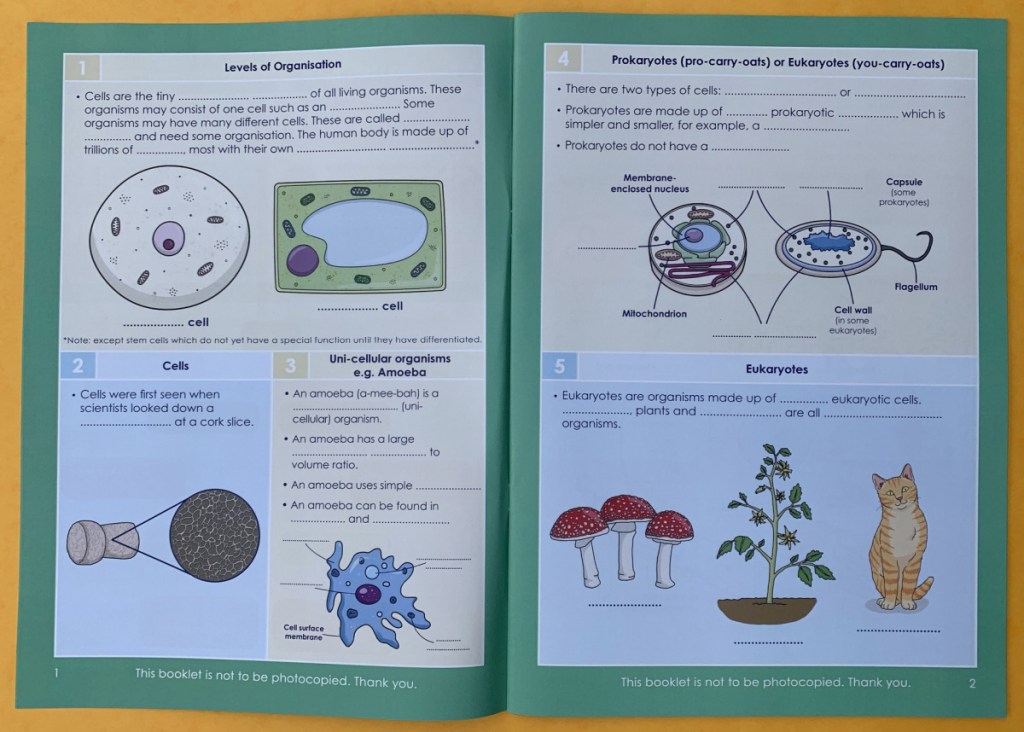
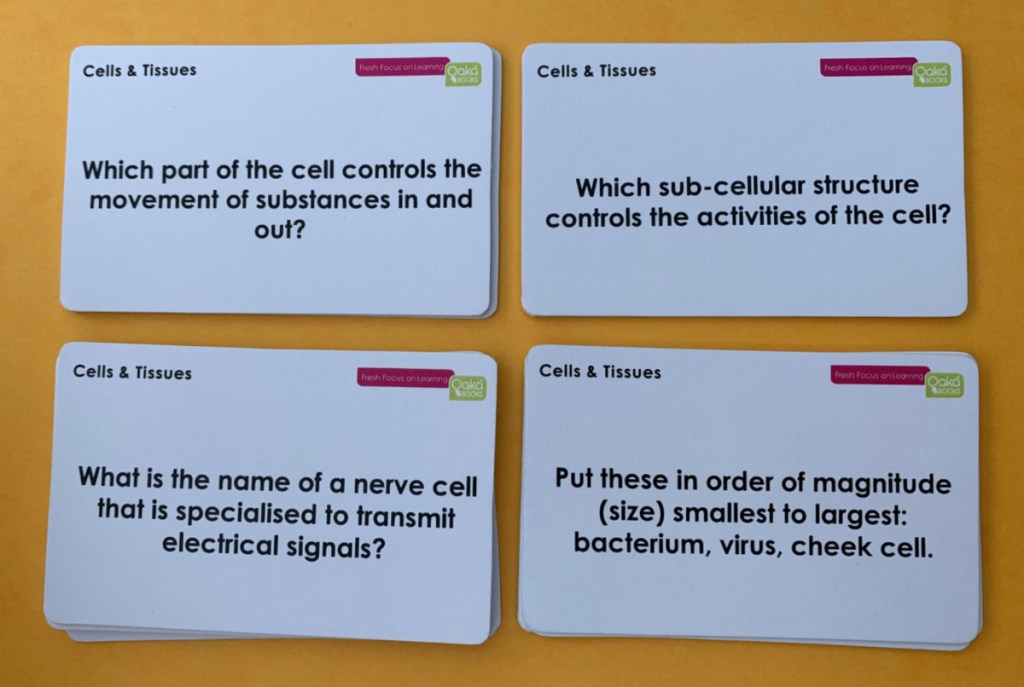
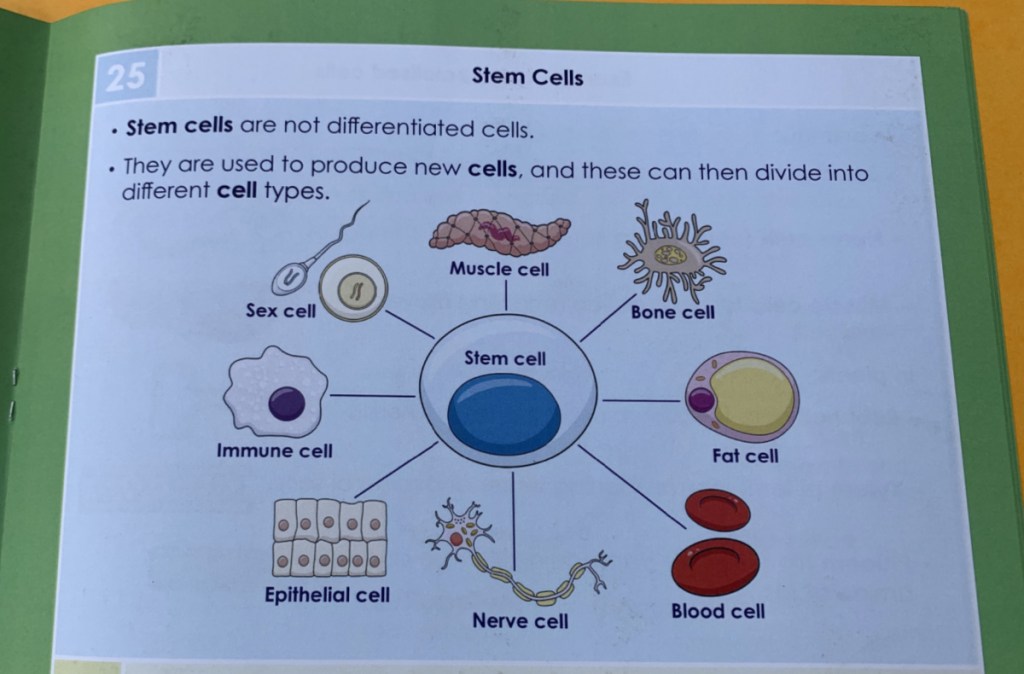
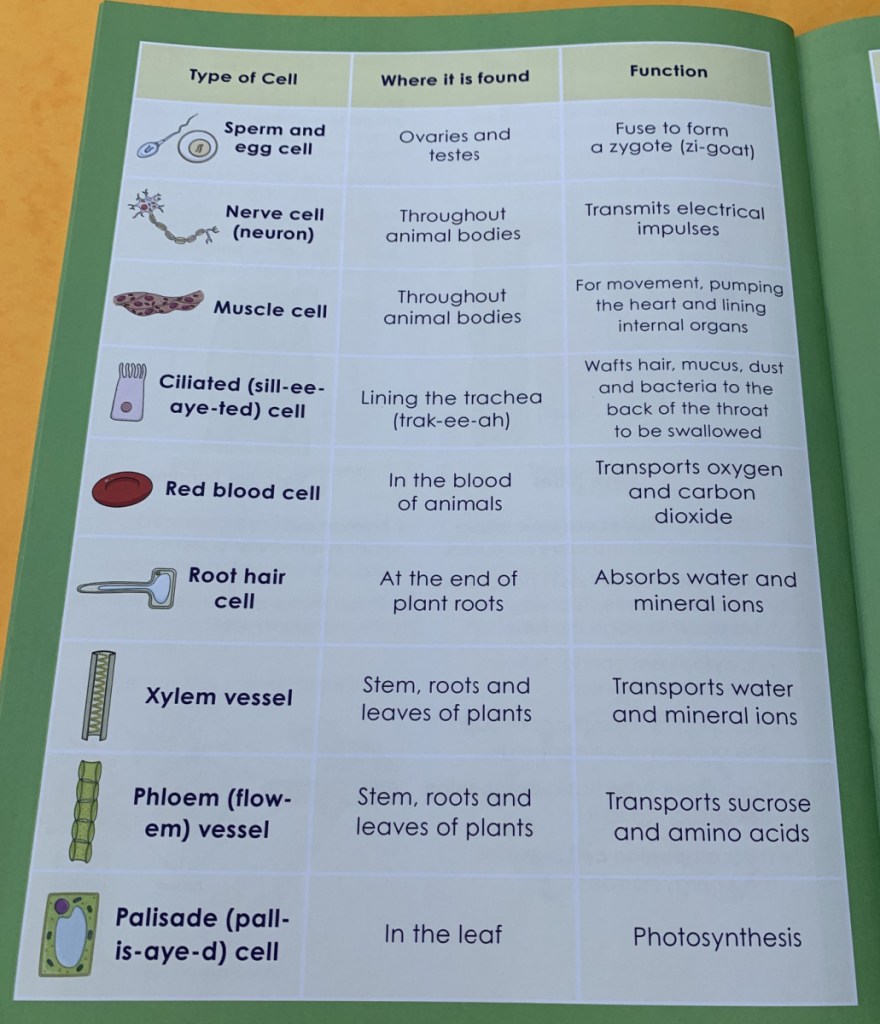
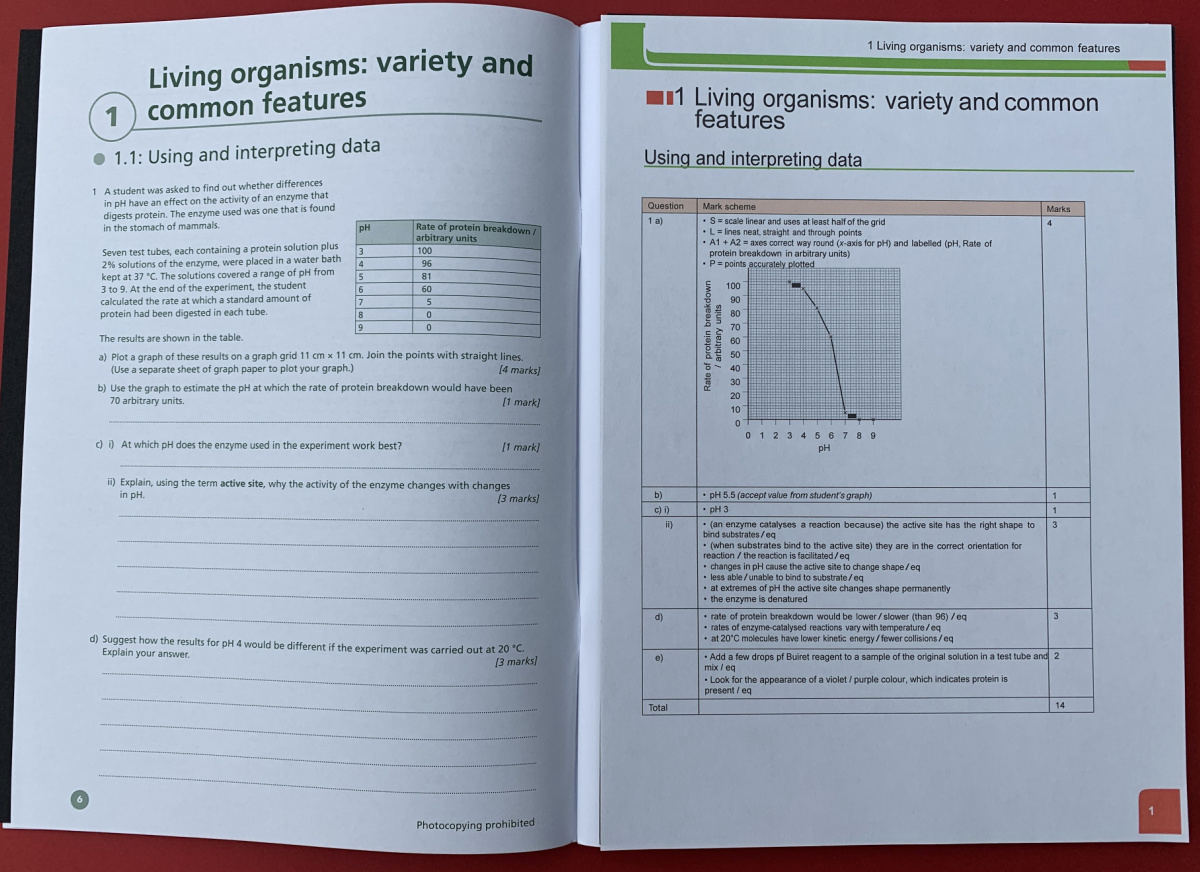
The Vibration, Waves and Sound Topic pack comes with a Topic Booklet, a Write Your Own Notes and a Learning Game (we love this combination).

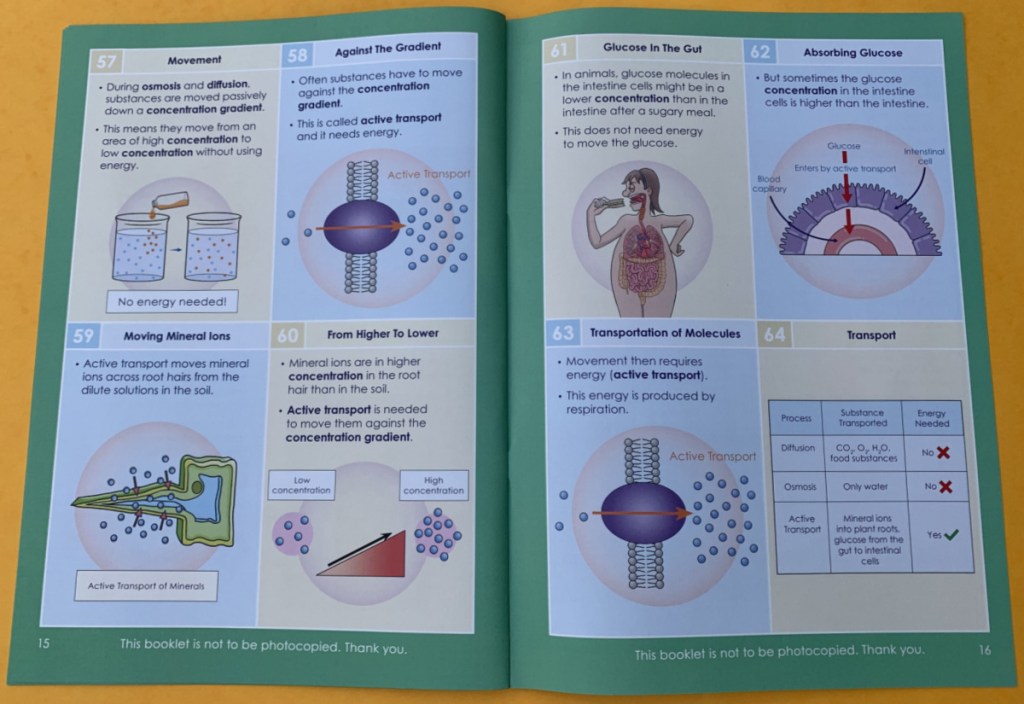
It covers how the ear works (we really loved this diagram), sound energy, the decibel scale, vibrations, the speed of sound, particles in air, sound waves, frequency, changing pitch and echoes. Really a lot more than I was expecting but I loved that it covered all of this.

With this pack I left my daughter to read through the topic booklet on her own (we had already covered a bit on sound a while ago and before we started with the pack we did watch a few sound videos together).

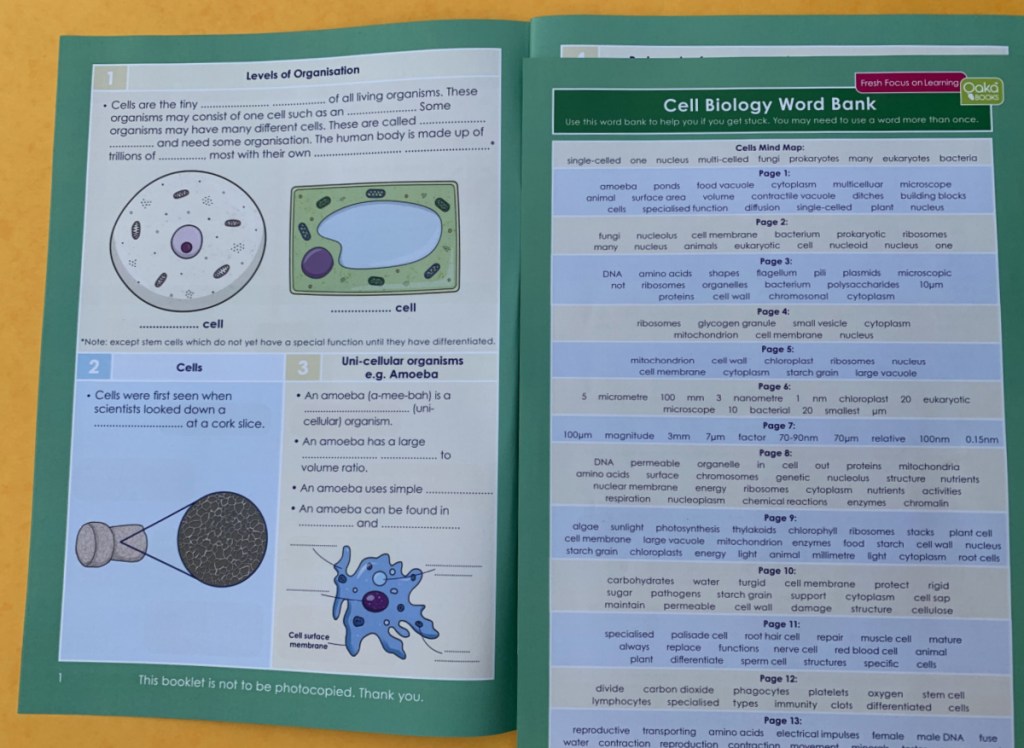
We split it into sections, she would read the pages for a section and then fill out the corresponding pages in the Write Your Own Notes. I do find with these packs that if you split them up into sections, it just gives the kids time to properly digest all the information before they move on and by not rushing through an entire pack in one go they also tend to remember a lot more of it.

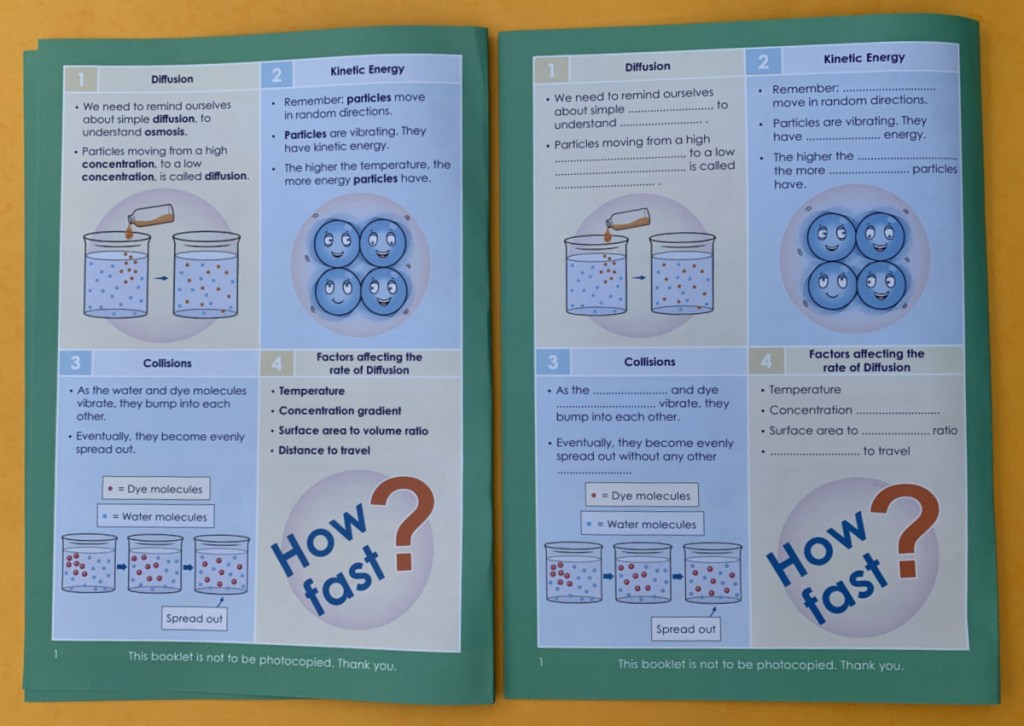
Once we had completed the booklets, we played the learning game. As much as I am a fan of the topic booklet and write your own notes format (I love the little blocks of concise information, which always have excellent illustrations that help the kids remember what they have read), the game at the end of the topic is our highlight. The kids always enjoy playing it and I always feel like it is an excellent indicator of what the kids understand and what we possible need to go over again. Oh and if you do have kids of different ages, I often just sort through the cards and give the “easier” questions to my son just so that we can all play the game together.

We have used these topic booklets in so many different ways over the years – as a way to introduce a topic, as revision of a topic, as a way to explain a topic after a different resource caused confusion, sometimes just as a way of winding down before holidays. However we end up using them we always find them to be an effective and enjoyable learning resource.

Admin – Oaka Books kindly sent me our copy of the Sound Topic Pack after I asked for a review copy because I knew we needed to do a bit of extra work on Sound. This is NOT a paid for post.

Posted in Homeschooling | Tagged , , , , , , | Leave a comment