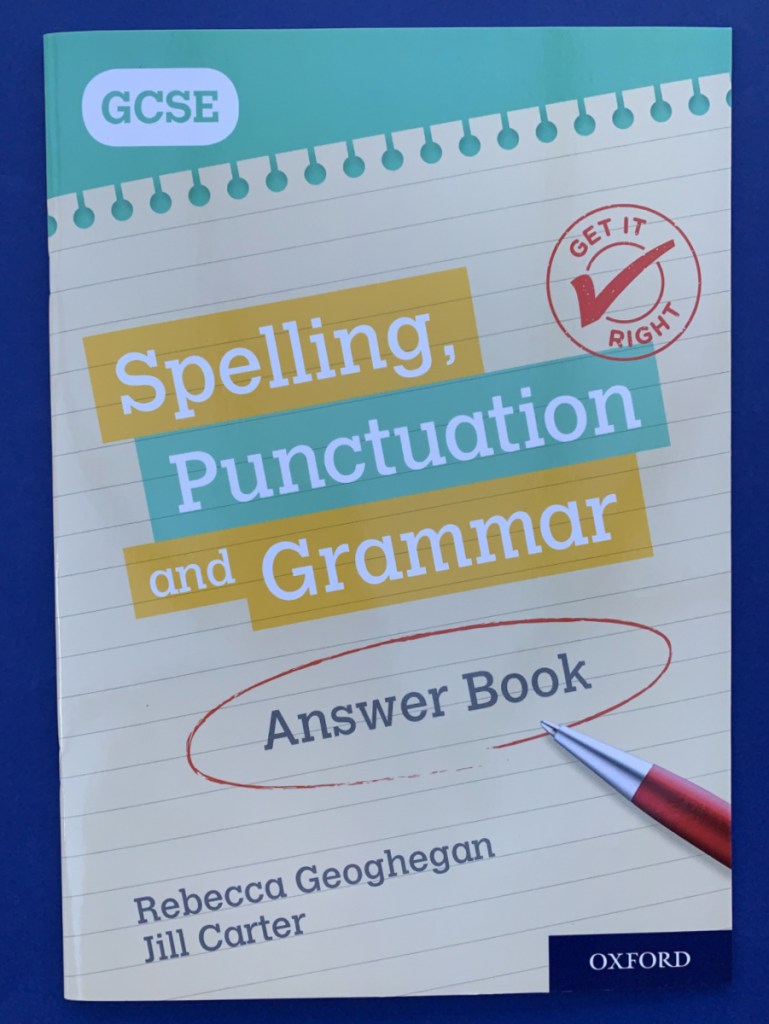
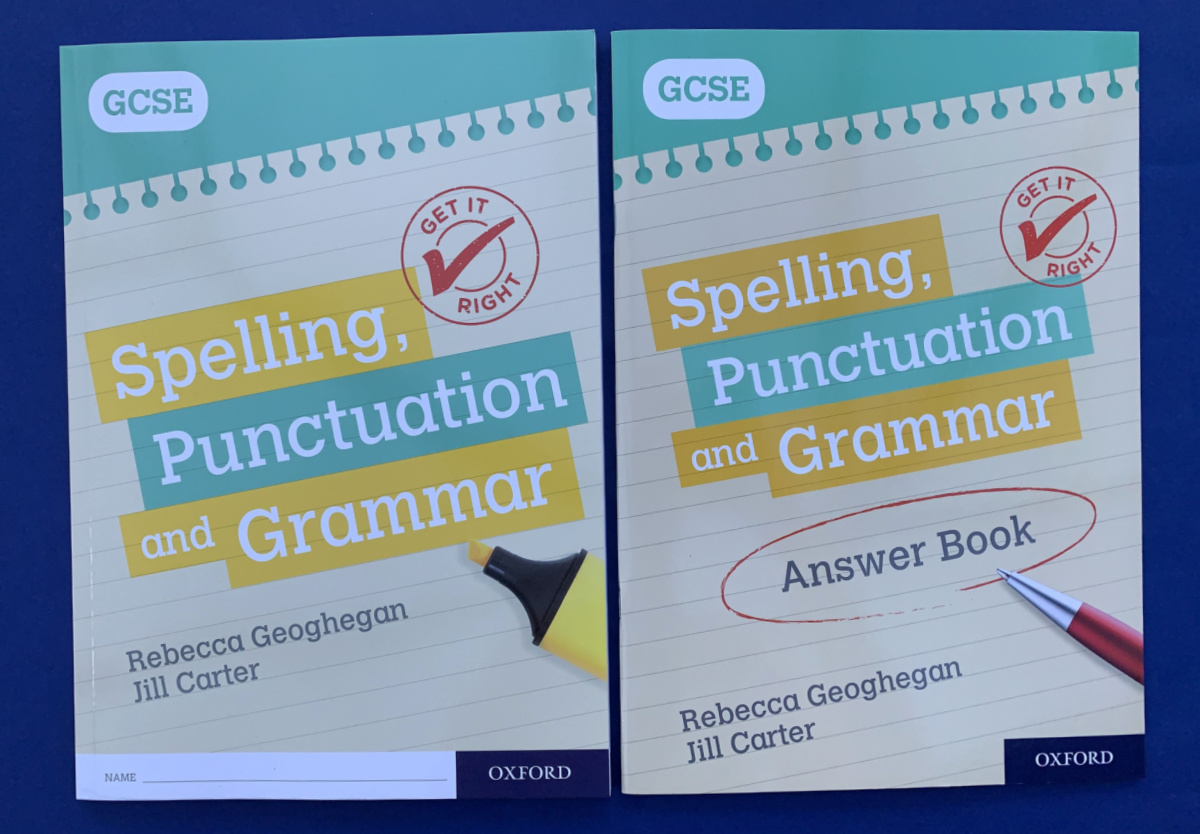
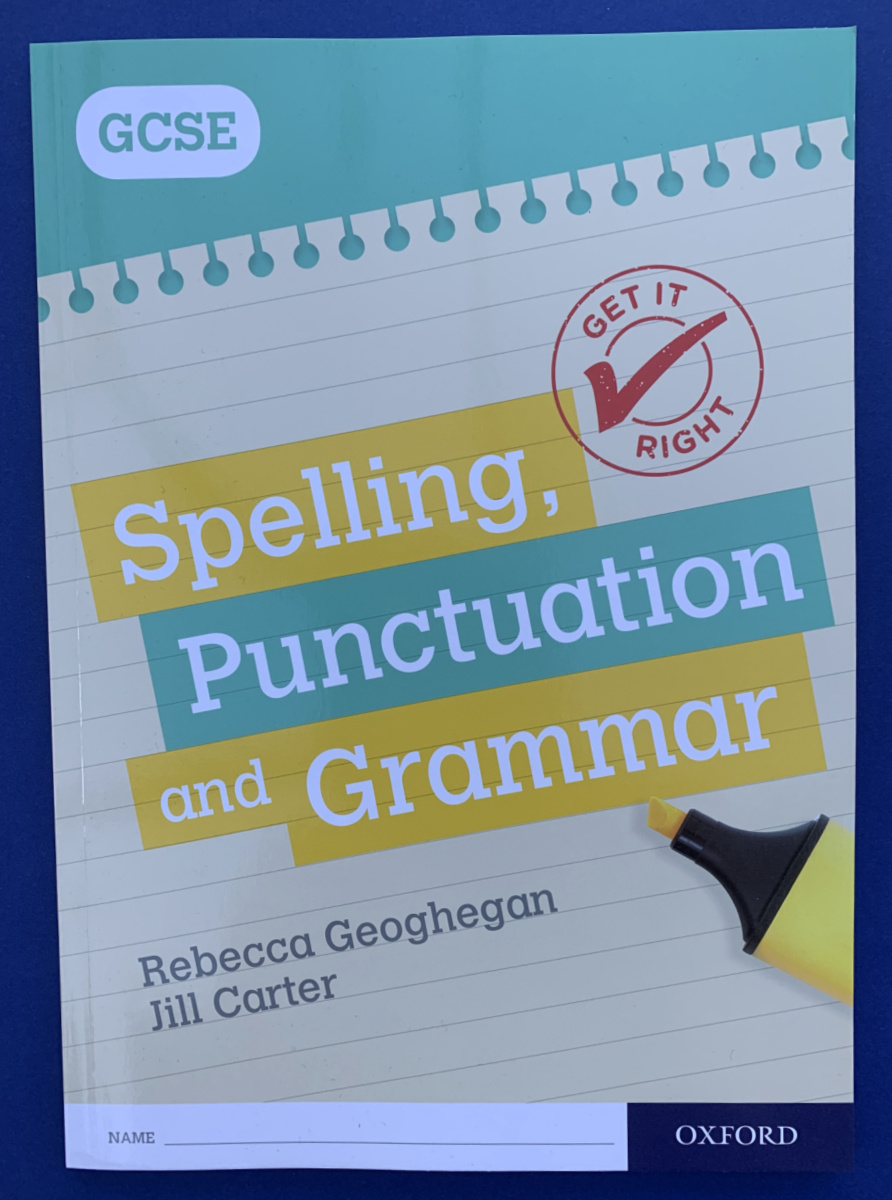
GCSE Spelling, Punctuation and Grammar workbook from Oxford University Press

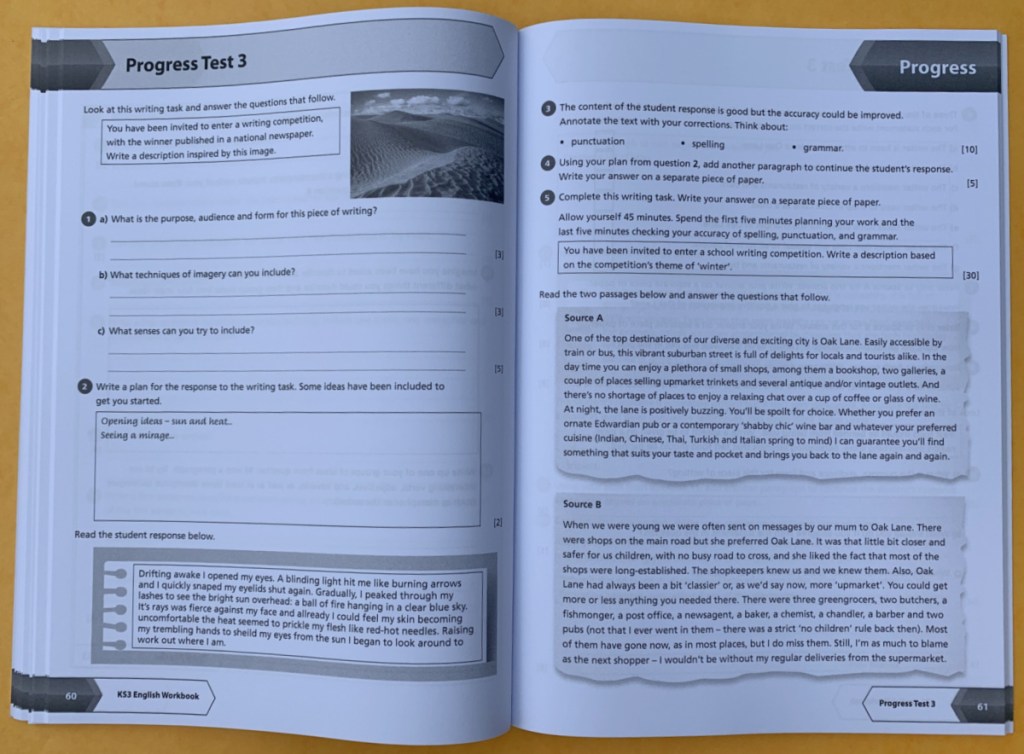
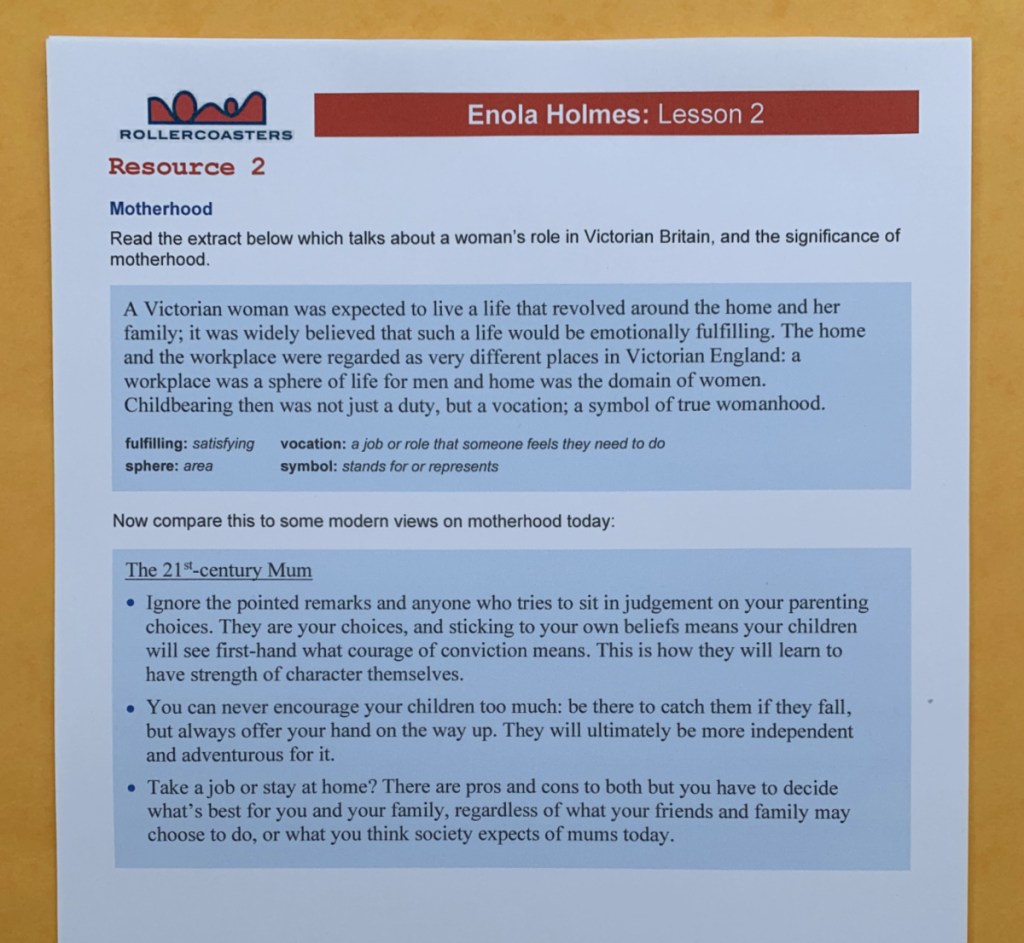
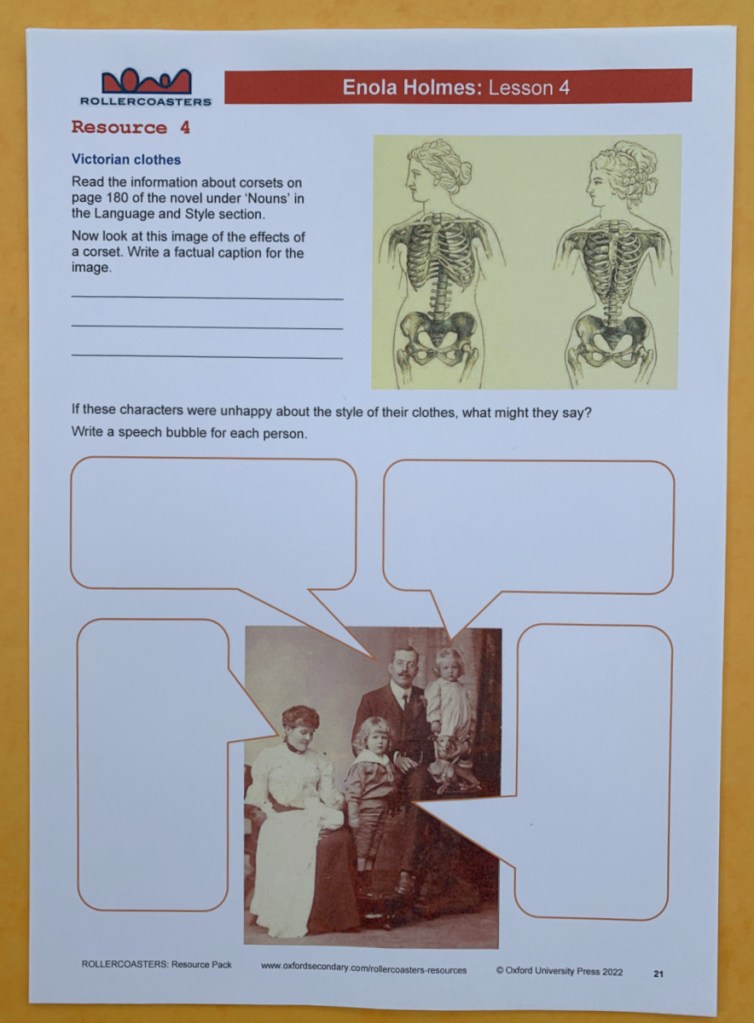
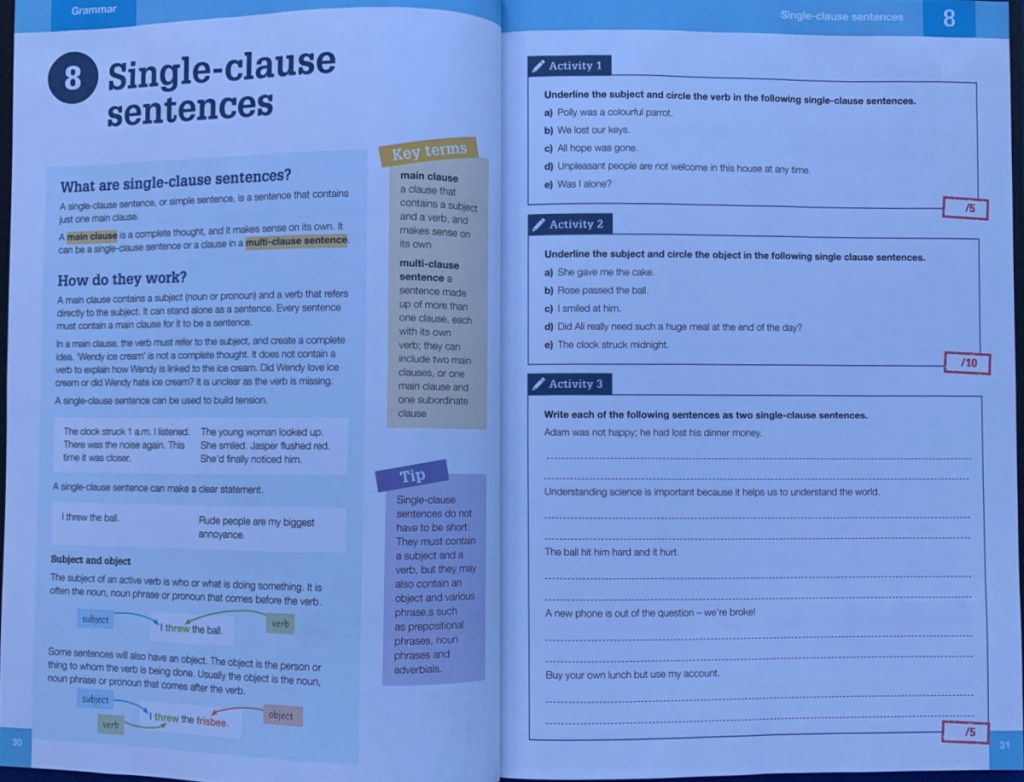
Over the last 3 years we have used the Get It Right Spelling, Punctuation and Grammar workbooks for KS3. (They have 3 workbooks for KS3 so we used 1 workbook per year). My daughter enjoyed the format of these workbooks and worked through them independently, just chatting to me every once in a while about an activity. I liked the way the workbooks revised the basic concepts and then took them a bit further with their “in context” pages so I was very interested to see that they had a GCSE version of this workbook and we decided it would be a good way to help us get started with our IGCSE English Language.

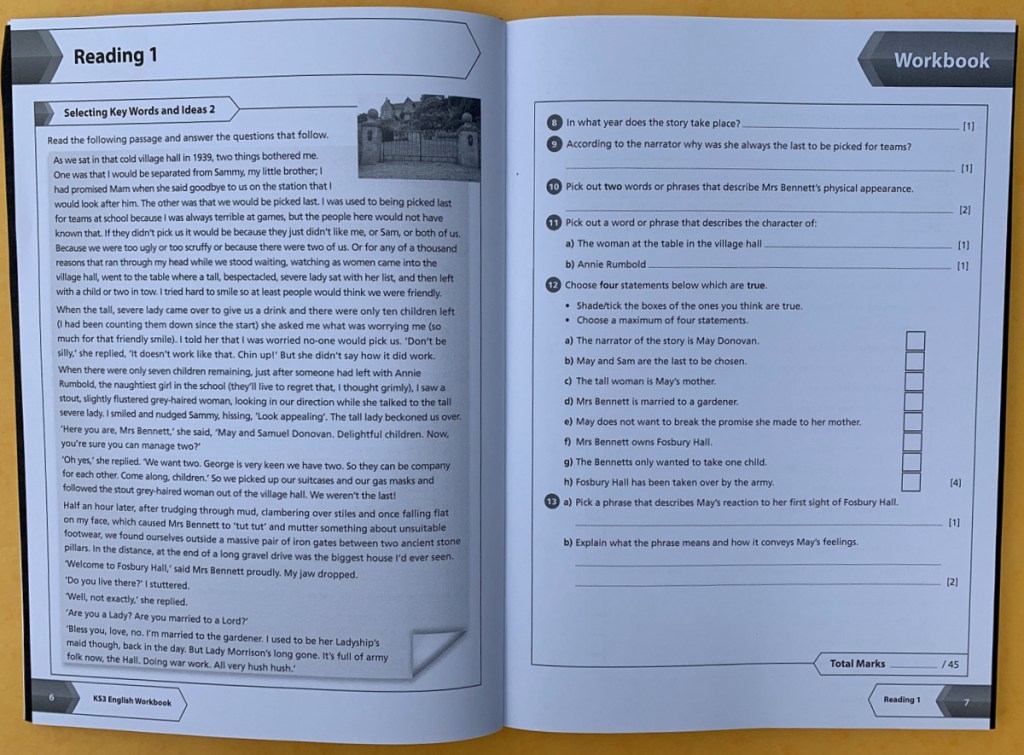
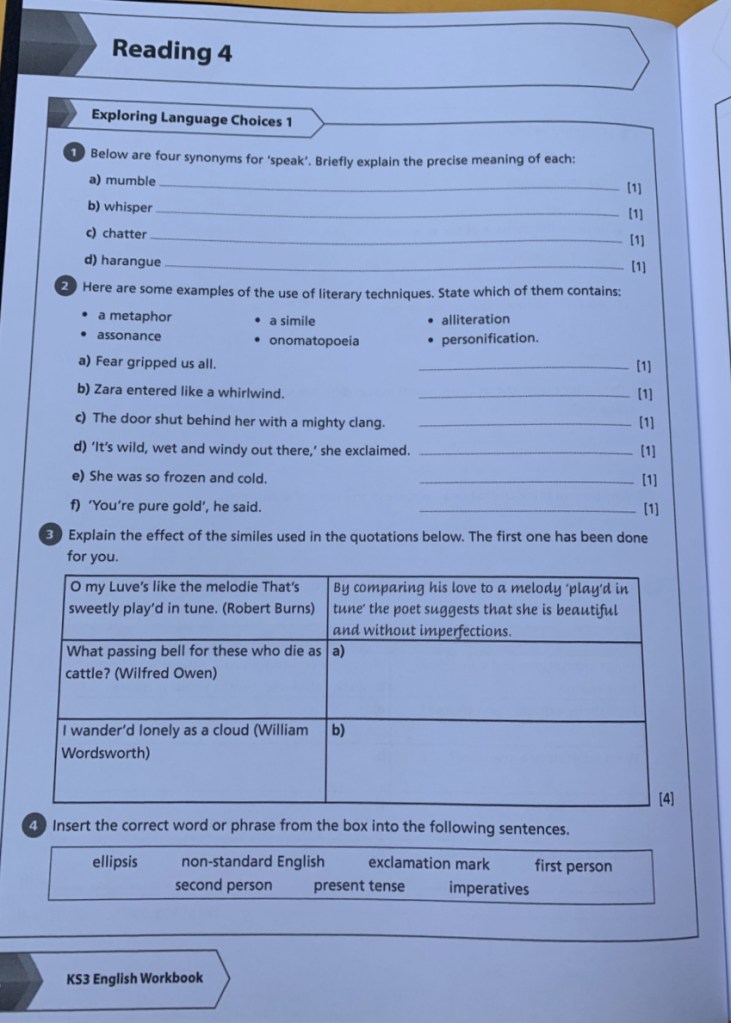
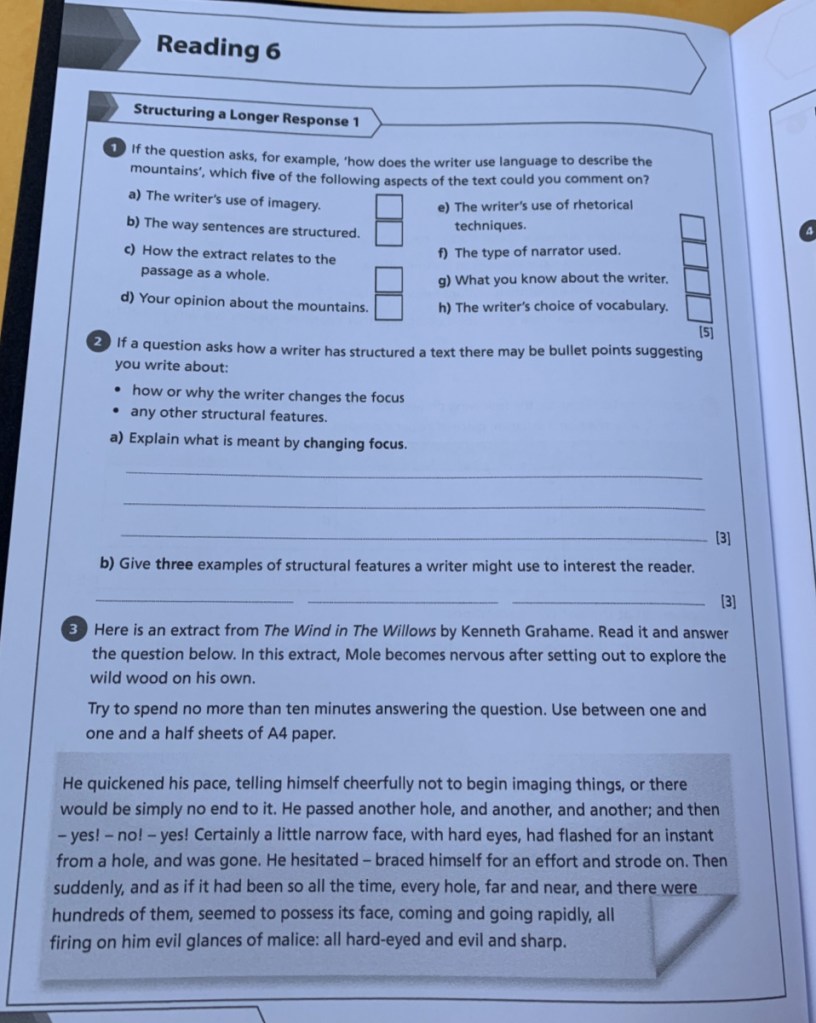
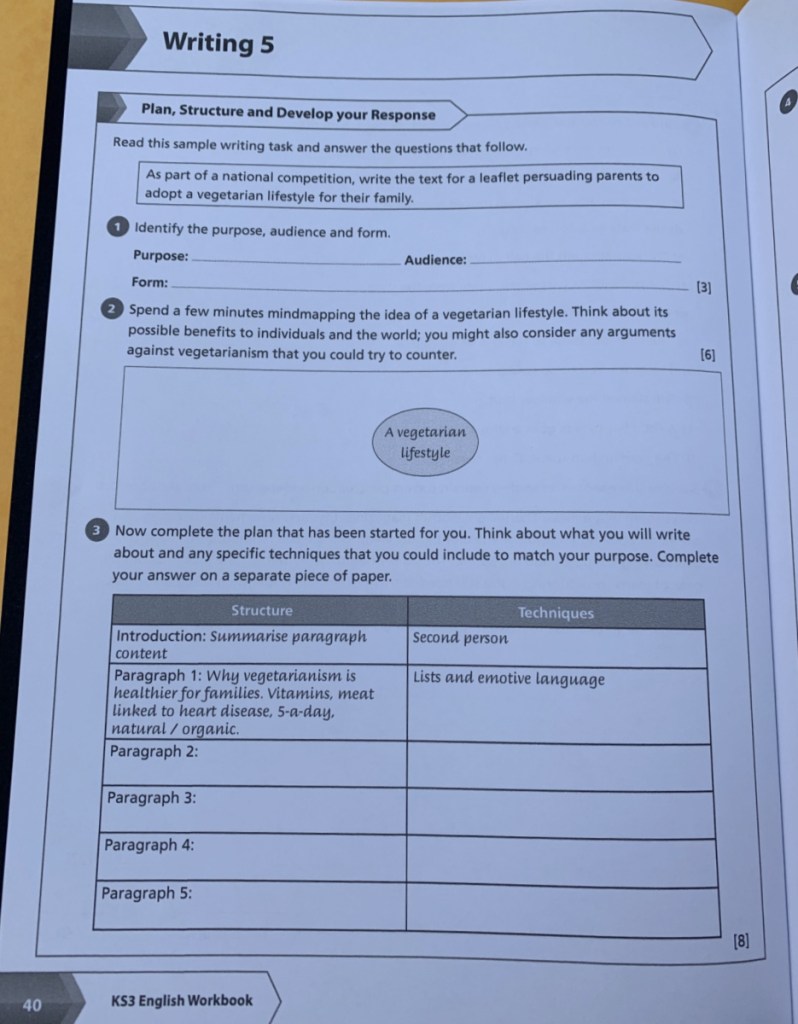
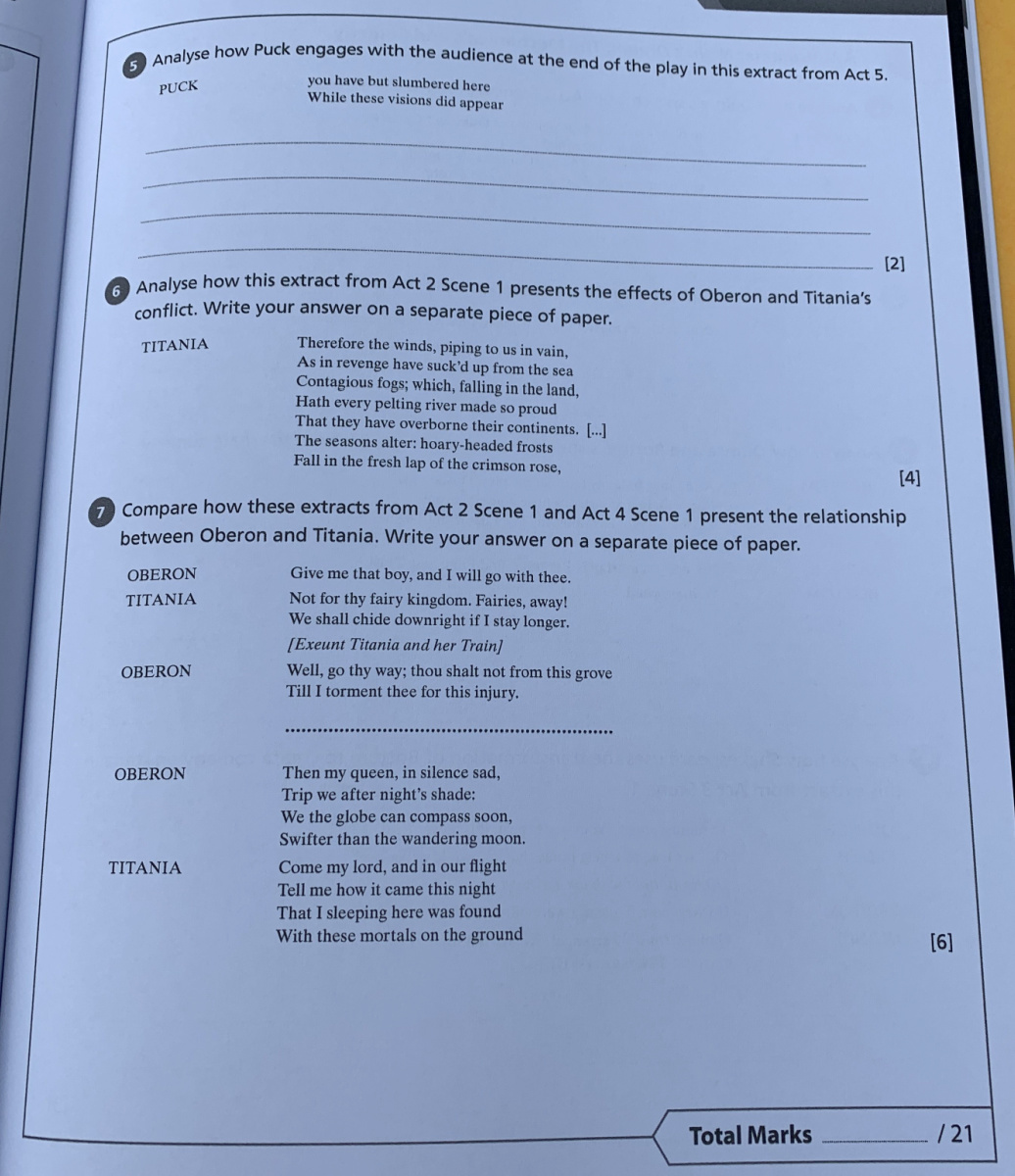
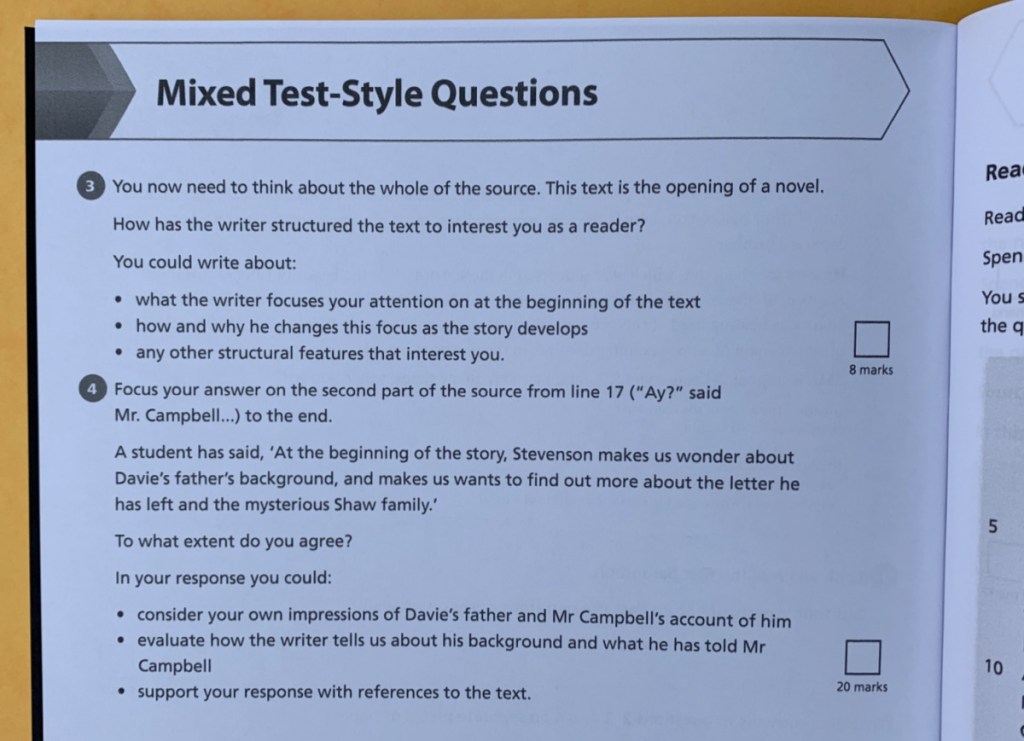
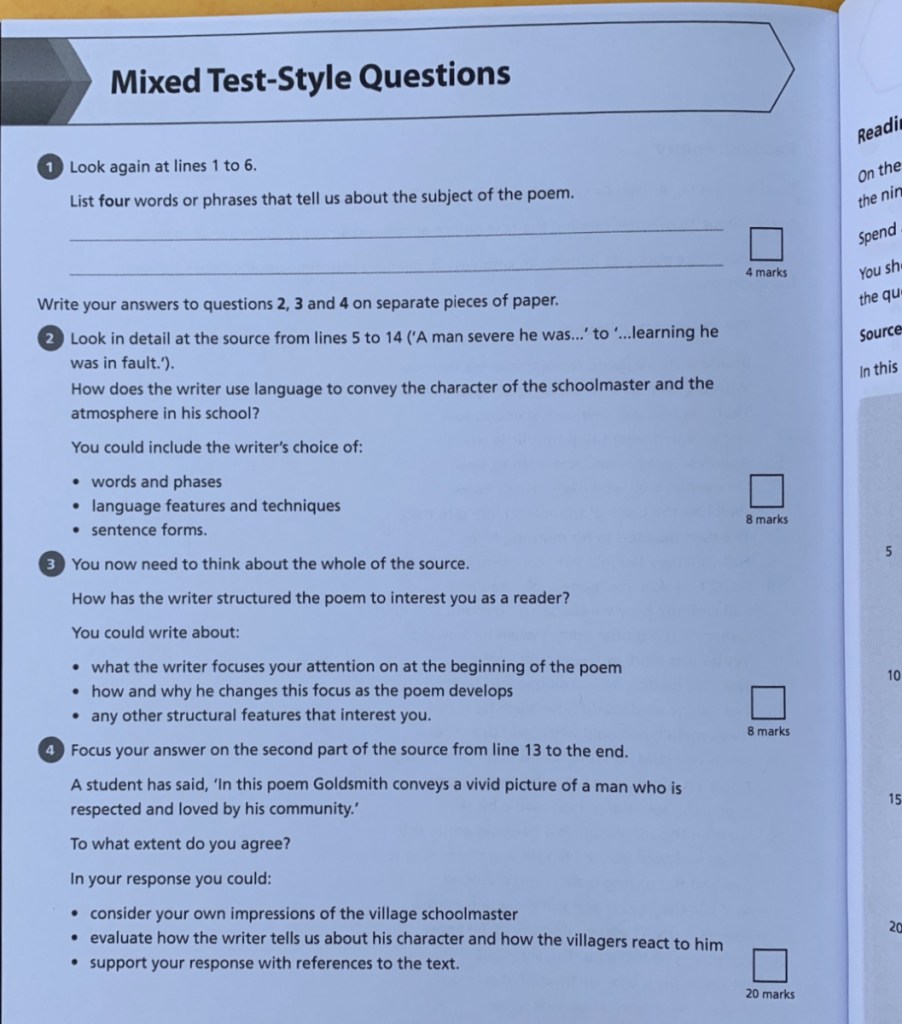
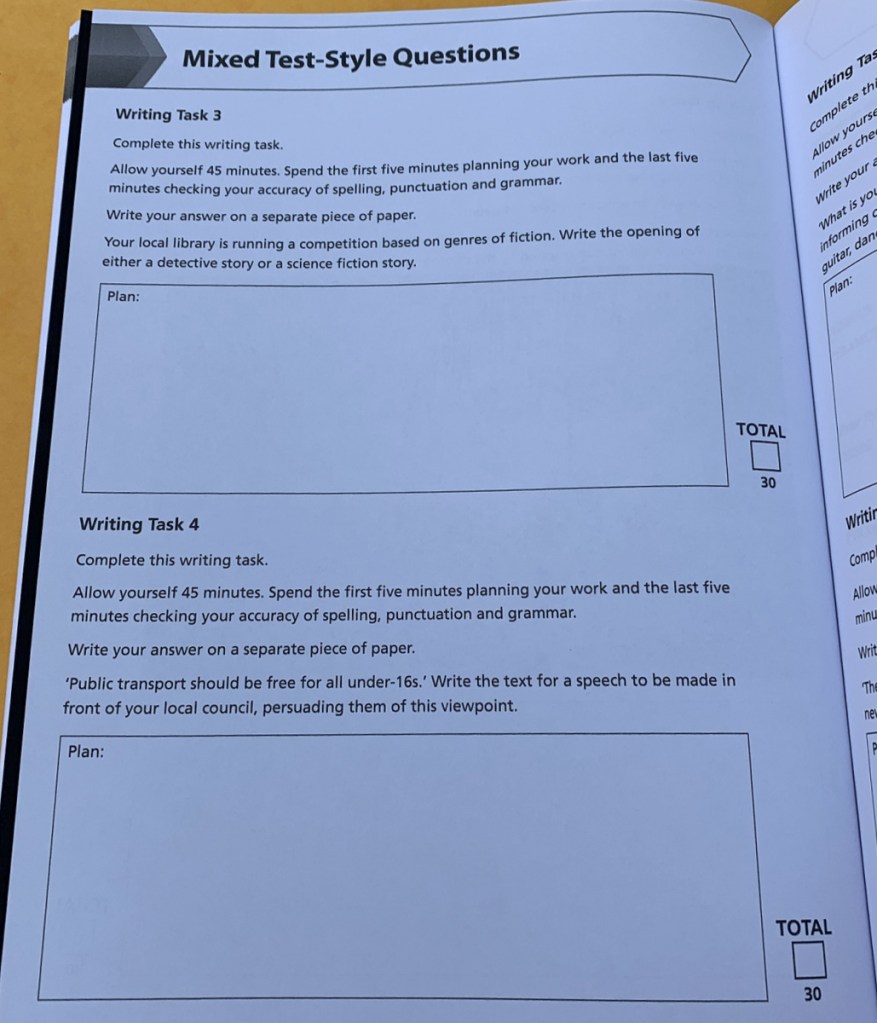
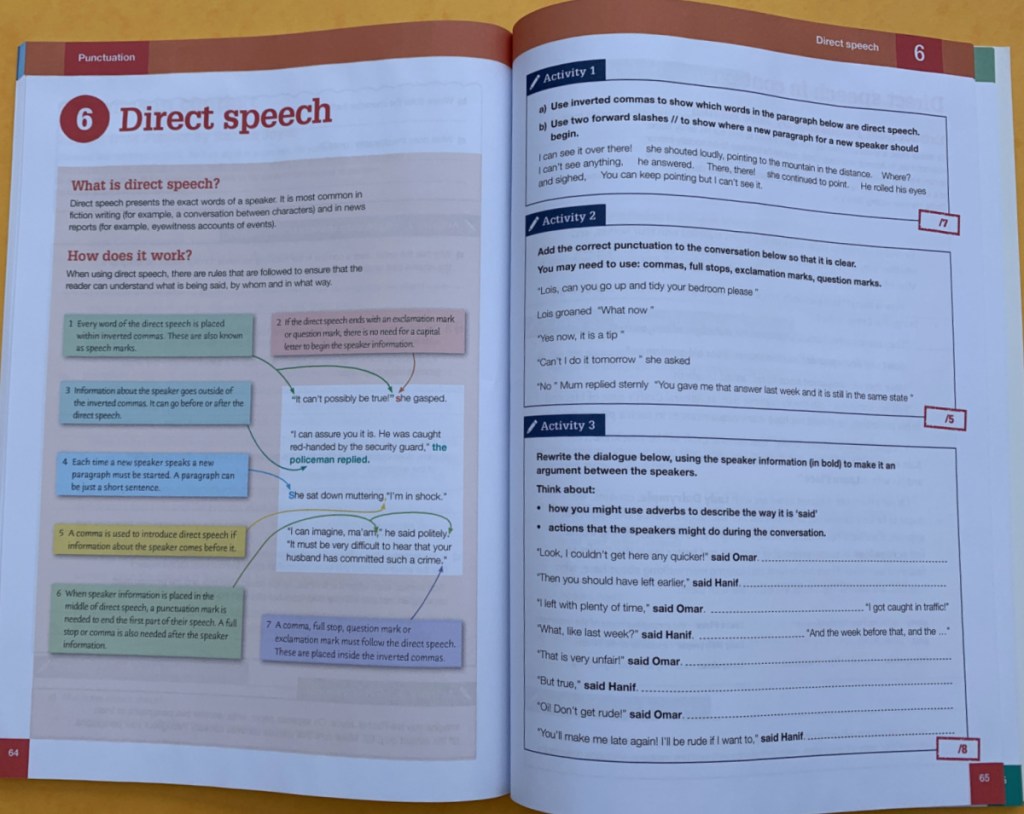
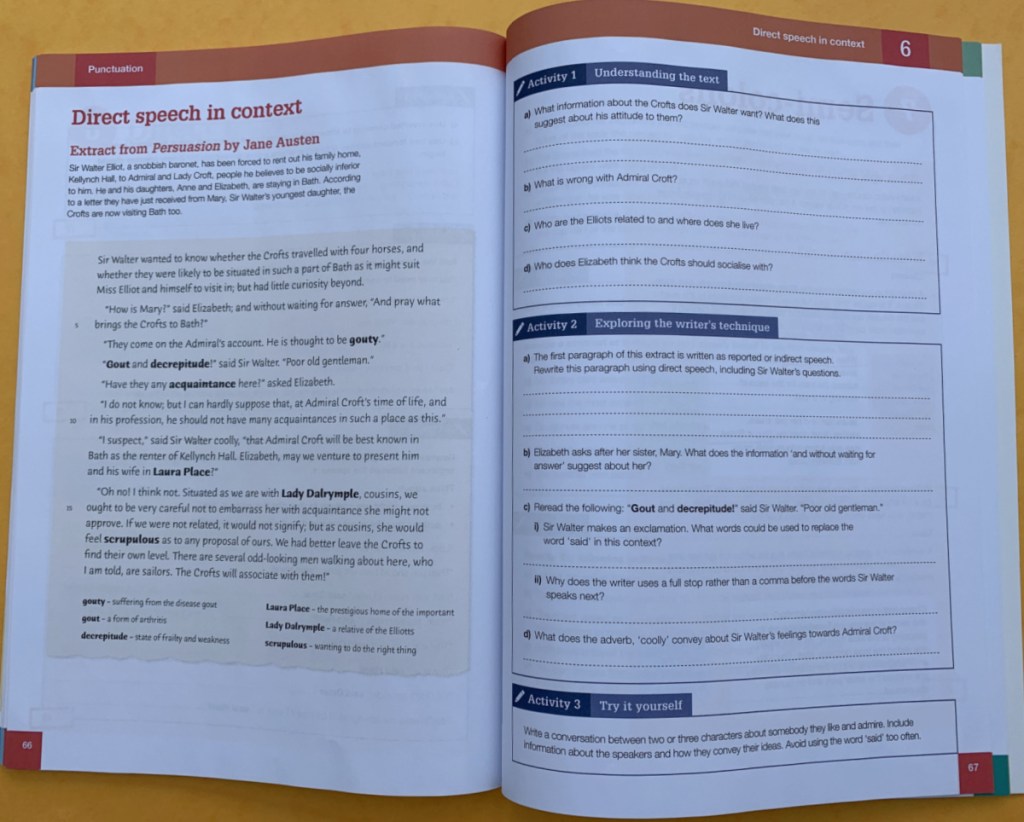
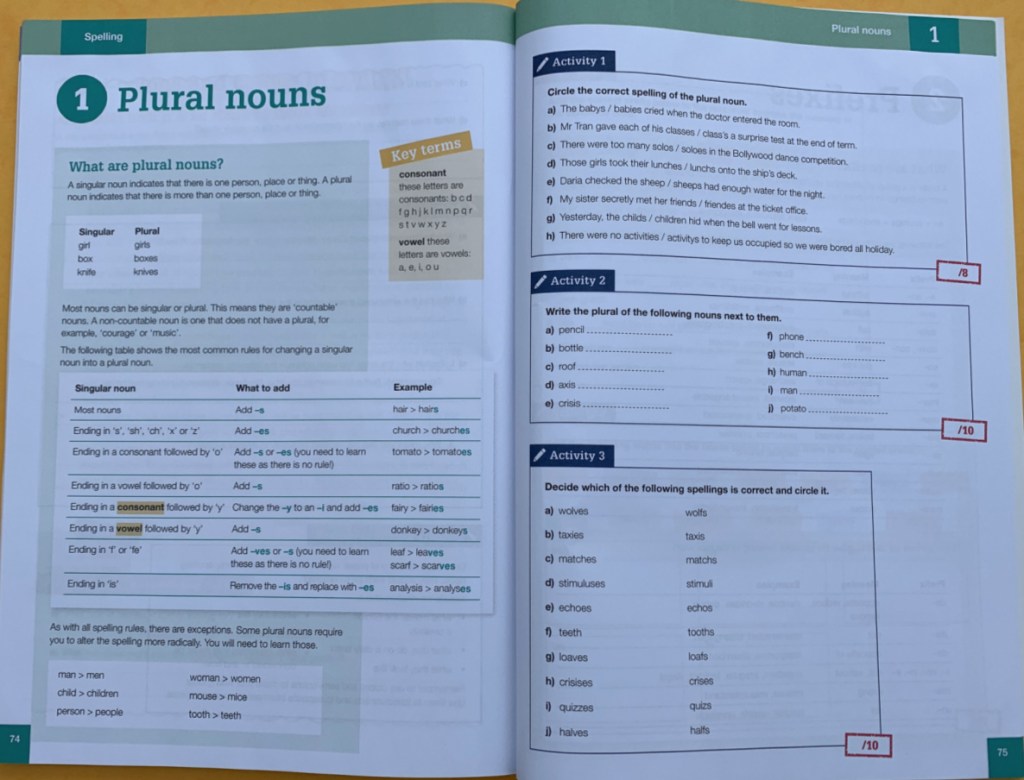
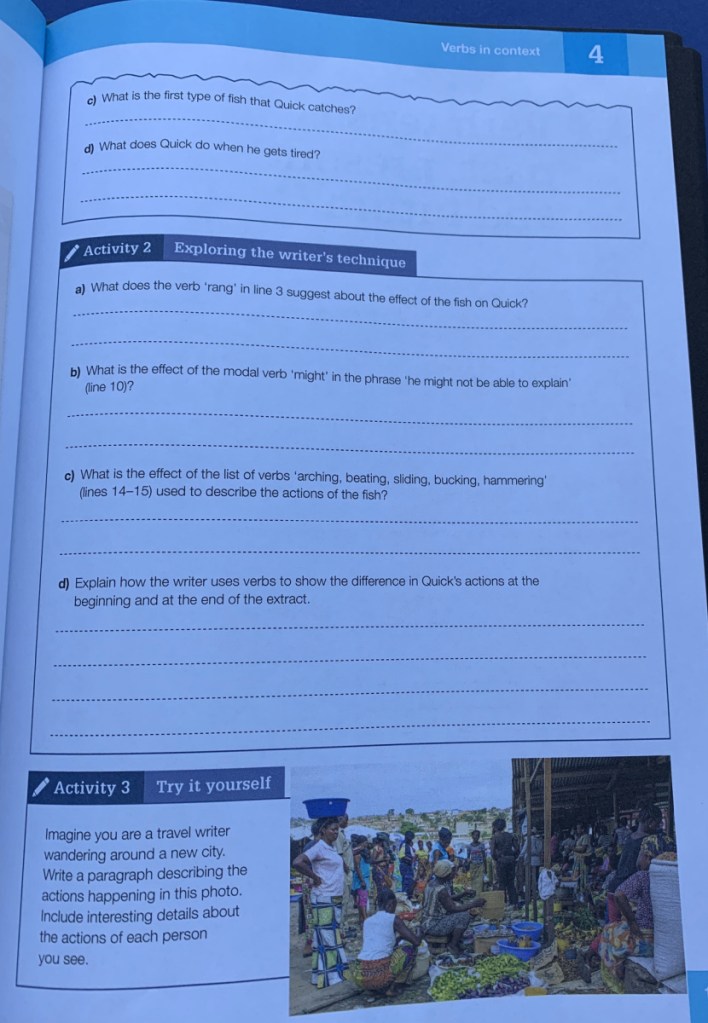
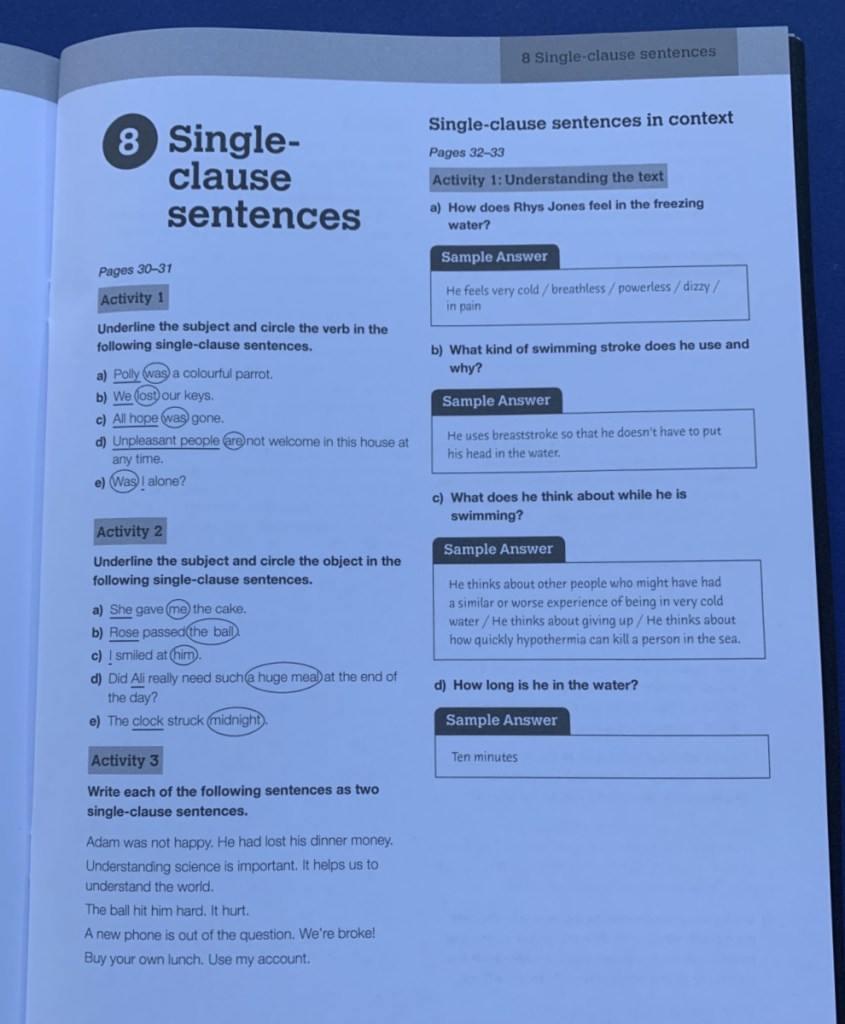
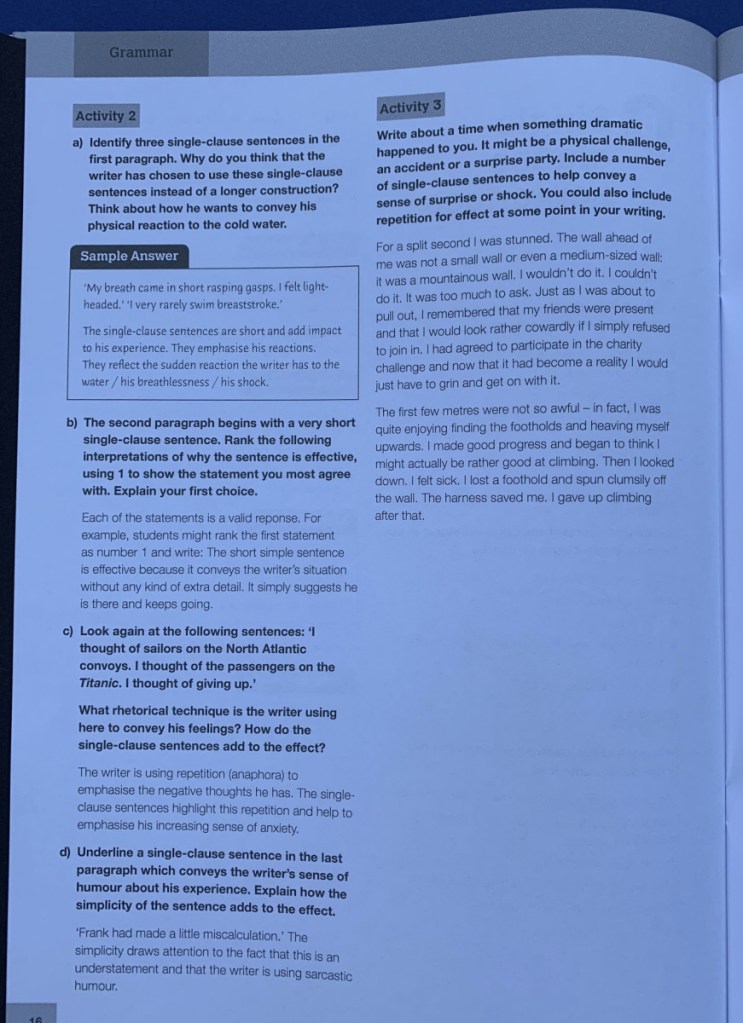
The GCSE workbook is set out in the same format as the KS3 workbooks. There is normally a page with a concise explanation followed by three activities (most topics are covered over a double page) and then with quite a few of the topics they include a double “in context” page. The “in context” pages are really taking the concepts and then getting the kids to apply them to a text. It is the kind of thinking that the kids need to do when they answer GCSE questions, they need to be able to talk about how the author uses adverbs (for example) to show x, or y. This is one of the reasons that I have liked these workbooks – it is revise your basics then take it a step up and apply it to a text.

  • GCSE English Language workbook which cover Spelling, Punctuation and Grammar and has questions where kids need to apply concepts to text
  • GCSE English Language workbook which cover Spelling, Punctuation and Grammar and has questions where kids need to apply concepts to text
  • GCSE English Language workbook which cover Spelling, Punctuation and Grammar and has questions where kids need to apply concepts to text
  • GCSE English Language workbook which cover Spelling, Punctuation and Grammar and has questions where kids need to apply concepts to text
  • GCSE English Language workbook which cover Spelling, Punctuation and Grammar and has questions where kids need to apply concepts to text
  • GCSE English Language workbook which cover Spelling, Punctuation and Grammar and has questions where kids need to apply concepts to text

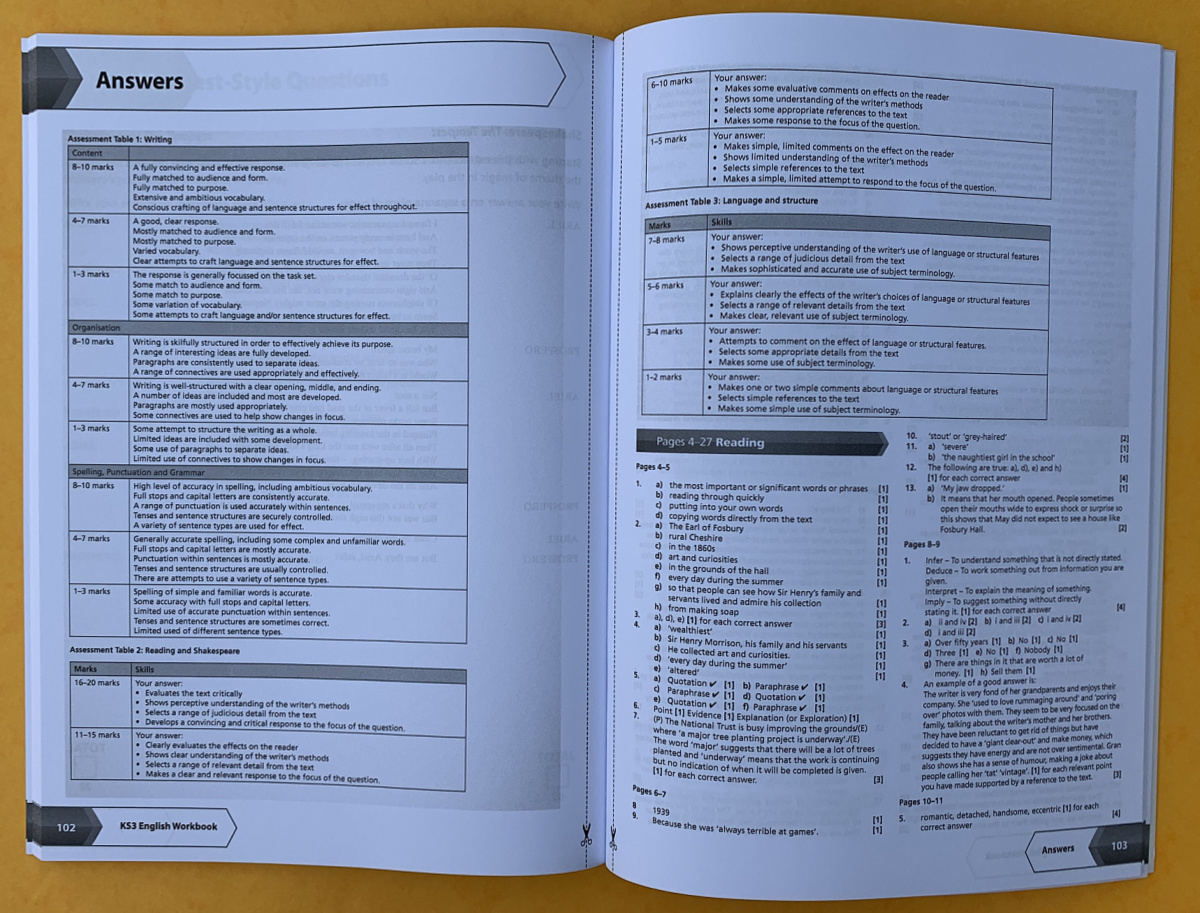
And with all of these workbooks you can buy an answer book (£12.50) which suits us as I really wanted my daughter to have some guidance with the answers and it allows her to work independently.

Okay so what is covered in this workbook?

For me, a good workbook is a workbook that allows you to “bend it” to suit individual kids and their needs. The way I see this workbook is that it can do just that. For some kids the explanation pages are going to be gold – they might still be struggling with some of these concepts and I have found all of the explanations concise and well worded (I have really been impressed with the explanations in all of these workbooks). Some kids are already going to be happy with these concepts and the explanation pages and the 3 activities are going to be revision for them (revision is never a bad thing). But for those kids who view these pages as revision I think the in context pages will be the pages that really get them thinking. (Can I also say if your kiddo is happy just working on the explanation pages you can always just stick to that can come back to the in context pages at a later date).
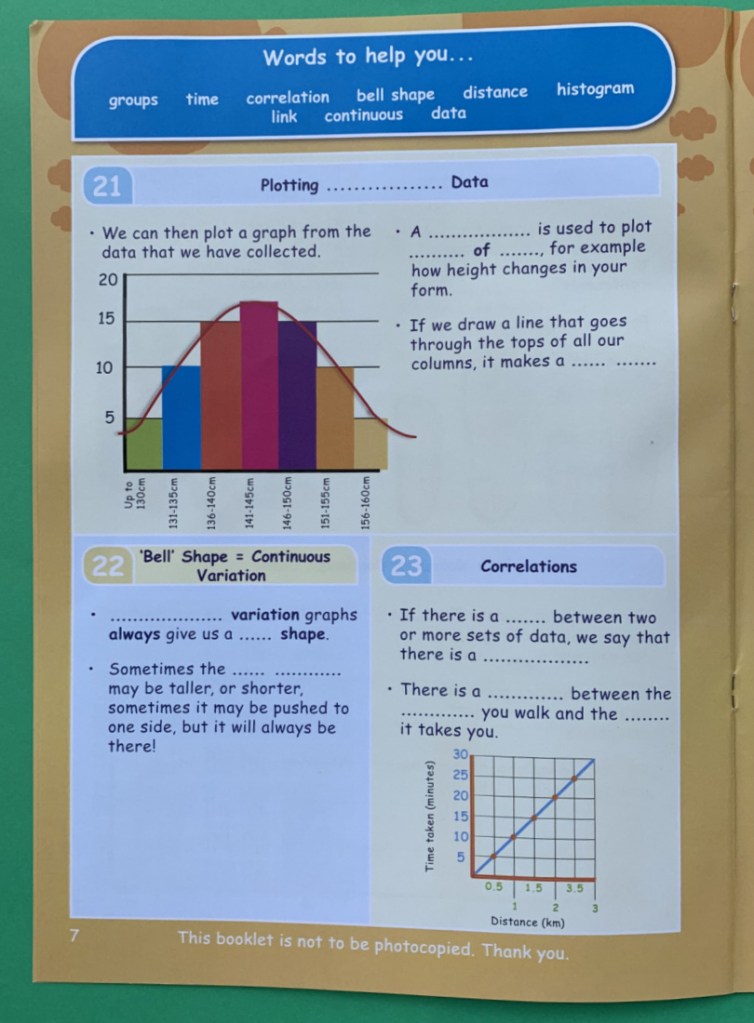
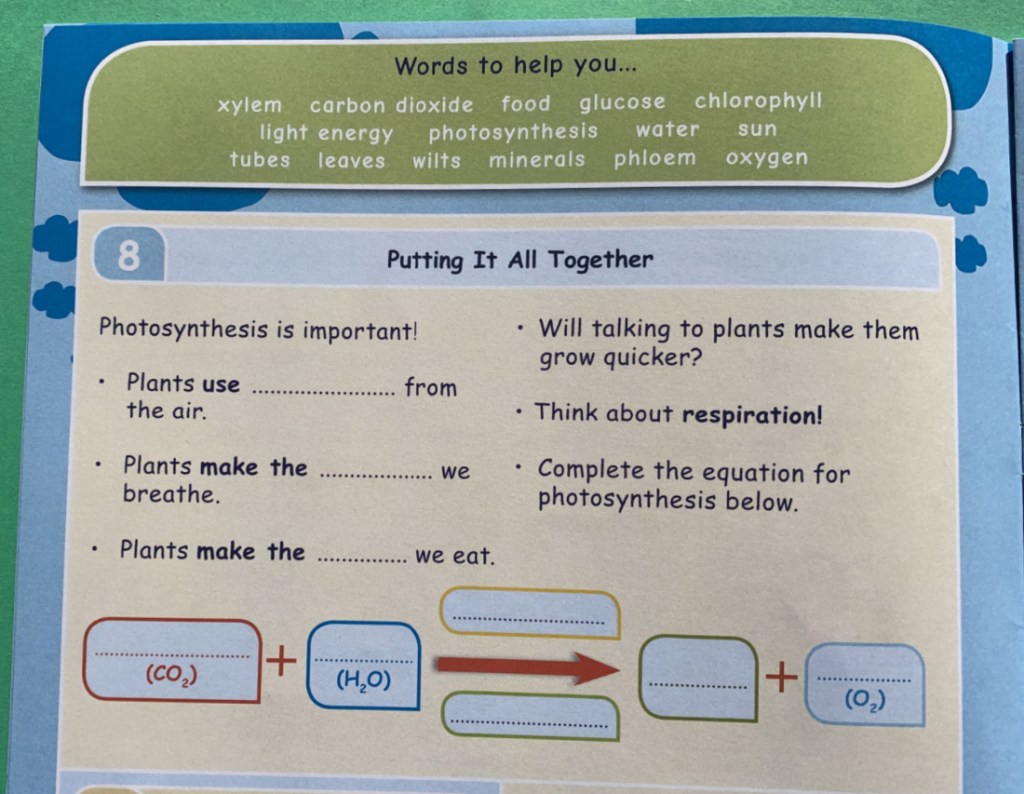
However you choose to use it I think for £6.99 you are getting a workbook which includes well worded explanations of key English concepts, practice of those concepts and then practice applying those concepts to text. That is good for a £6.99.
I am really happy with this as one of our English resources. We enjoyed using the KS3 workbooks and although we have only just started using this one I think it is going to be a great resource to help set us up for the IGCSE English Language content.

You can get the GCSE Get It Right workbook and answer book directly from the OUP site – GCSE Get It Right Spelling, Punctuation and Grammar workbook and the GCSE Answer book.

I have also spotted them in my local Waterstones store

And you can buy them directly from Amazon – GCSE Get It Right Workbook and the GCSE Get It Right Answer book.

Admin – I asked OUP if we could get a copy of the GCSE Get It Right workbook because I really ilked their KS3 workbooks and had a feeling this one was going to be useful. This is NOT a paid for Post. All photos and opinions are mine (or my kids).

I do include Affiliate links. If you follow an affiliate link and go on to purchase that product, I will be paid a very small commission, however your cost will remain the same. I only include affiliate links for products that we use.

Posted in Homeschooling | Tagged , , , , , , | Leave a comment

GCSE Biology Packs from Oaka Books

When I started gathering our IGCSE (which is just the International version of GCSE) resources together my daughter immediately asked if the people at Oaka Books did any GCSE Biology packs and if they did if we could get ALL of them. We have used a LOT of their Science topics packs over her KS3 years as she has become a big fan of their style of learning. She is a visual learner so the way the information is portrayed – small blocks of information with memorable pictures – really suits her style of learning. In fact she has a tendency to read the topic pack, complete the workbooks do the active learning activity and then it seems to be all done and dusted for her (i.e. she manages to retain most of the information).

So I asked and the people at Oaka Books kindly sent us two of their GCSE Biology Packs as a taster so we could see what they were like (and so that I could take some photos and share thoughts with all of you). The Two packs we received were their Cell Biology GCSE Pack and the Osmosis GCSE Pack.

Well, if your kiddo likes the KS3 topic packs – then these are going to be winners and actually after paging through them I think they are well worth the £7.97. They are very much like the standard Topic Packs with a few minor adjustments.

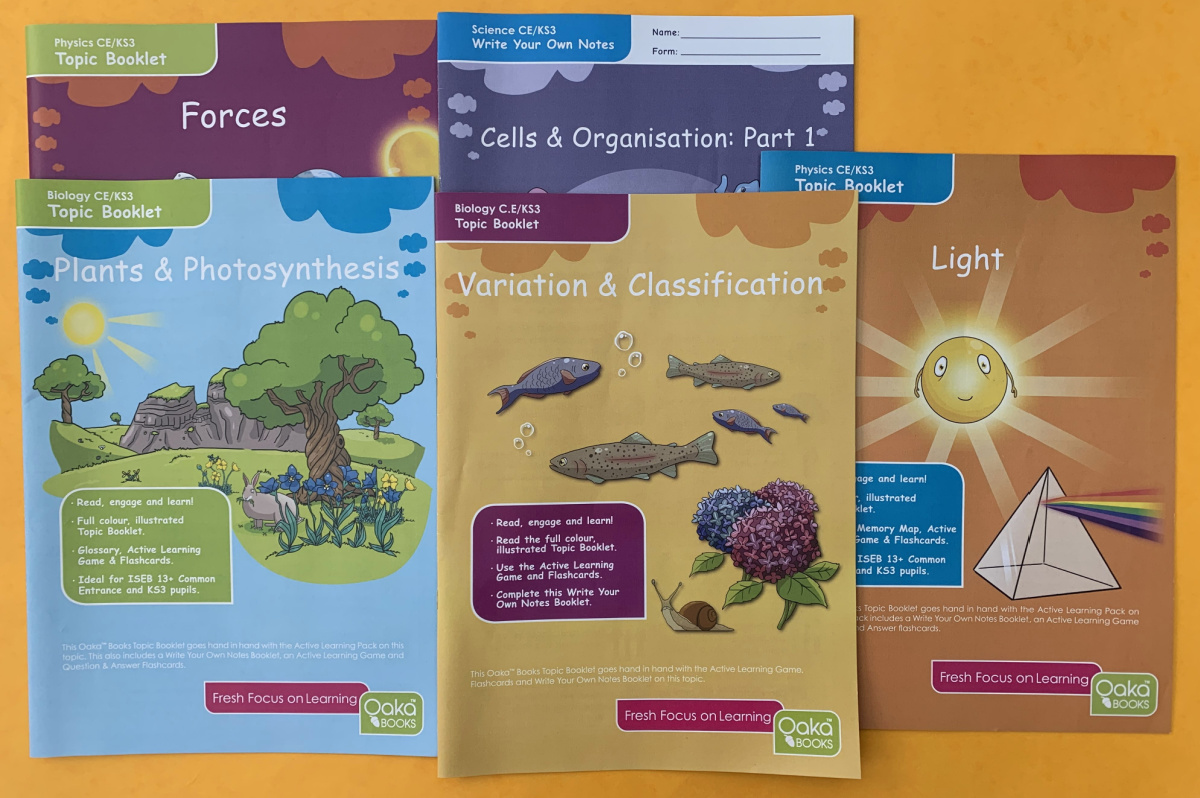
So what do you get in a GCSE Biology Topic Pack – Your Topic Booklet, Write Your Own notes booklet, a separate word bank and then question cards.

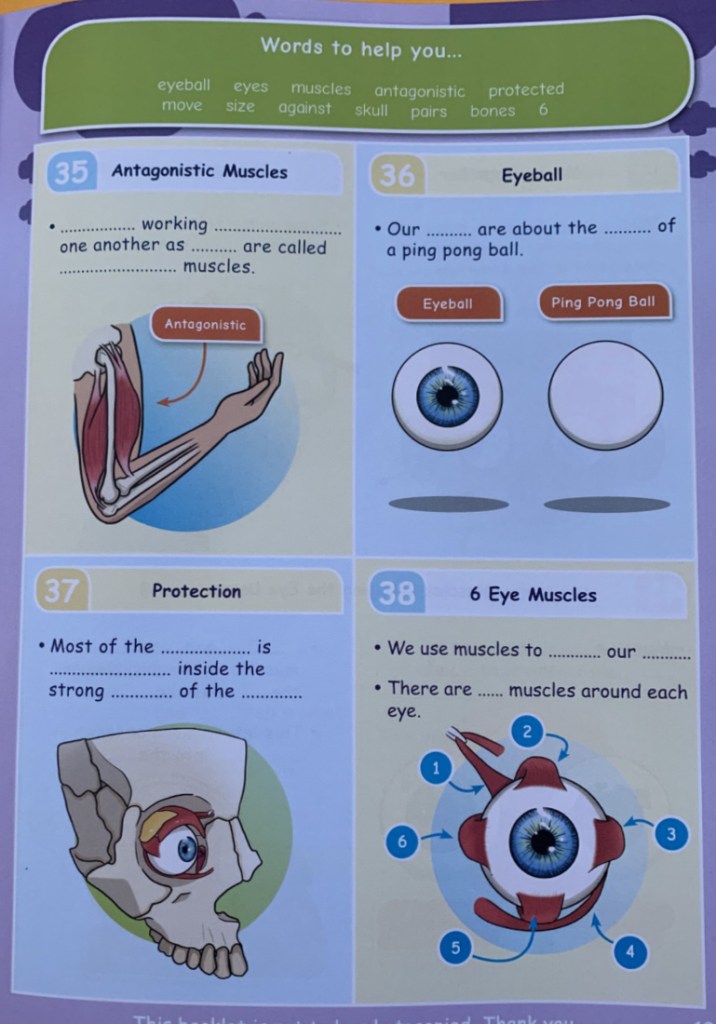
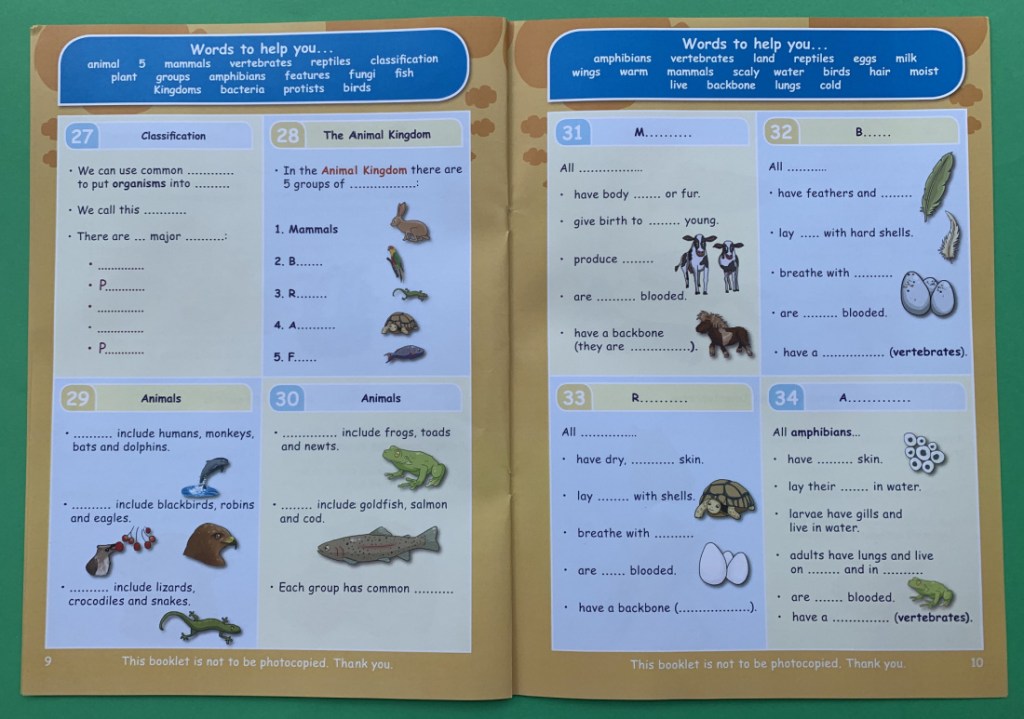
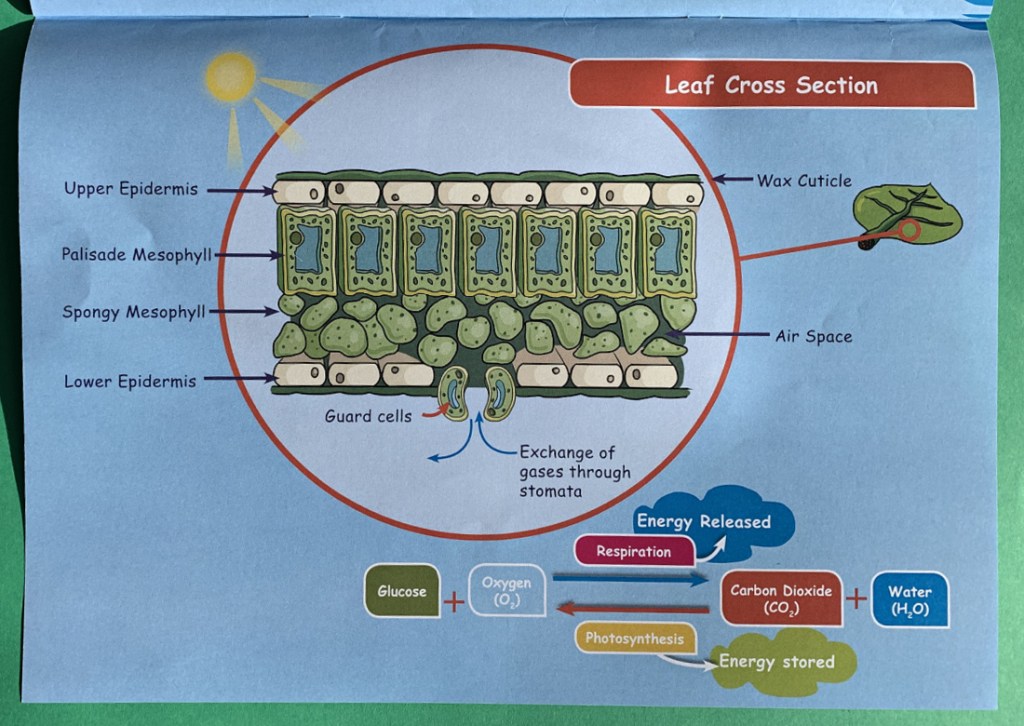
The Topic Booklet is formatted the same way as the other topic booklets. Your A4 page is broken down into normally 4 (sometimes 3) blocks. In each block you get key information (very concise) and you get a picture. For us these pictures are brilliant, they are part of the reason that my kids remember so much after working through the packs. The pictures are a tool which help the kids to remember (well for mine). In the Two GCSE packs that I have looked at the topic booklet is longer than the tradition KS3 Science topic booklets, but it is still a manageable amount. The Cell topic booklet was 26 pages and the Osmosis topic booklet was 16 pages. So yes more content, more to work through, but then this is GCSE content so it is expected.

The Write Your Own Notes is the workbook, which is basically the topic booklet but with gaps which the kids need to complete on their own. With these notes there are NO key words at the top but instead they have supplied a separate key word page (we love this). This means the kids can try and complete the Notes completely on their own or they can opt to have the key word page at hand (totally their choice – we love that they provide this option).

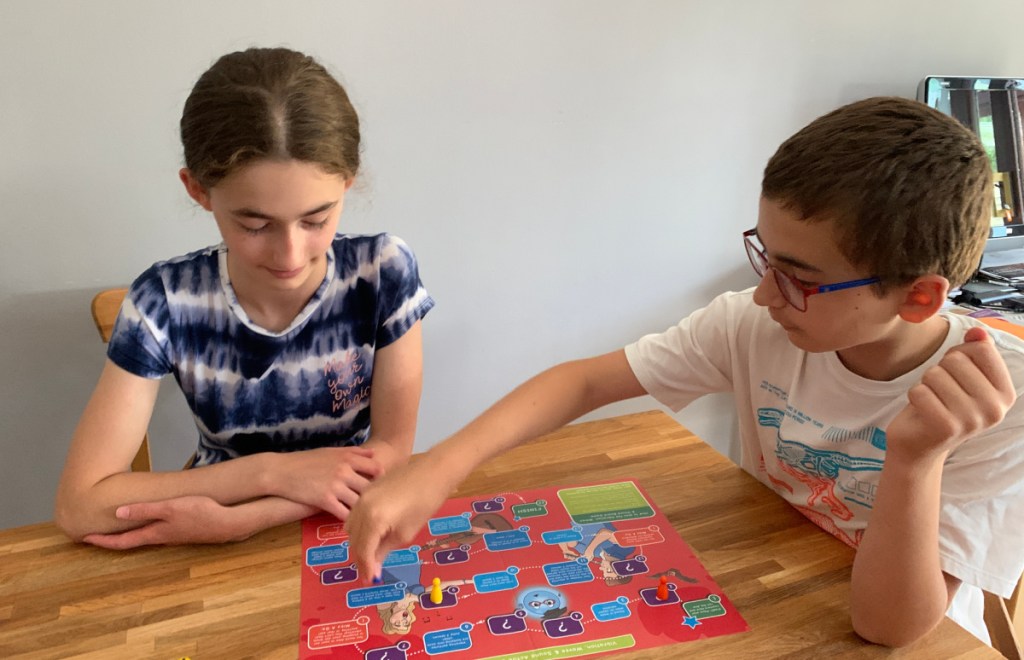
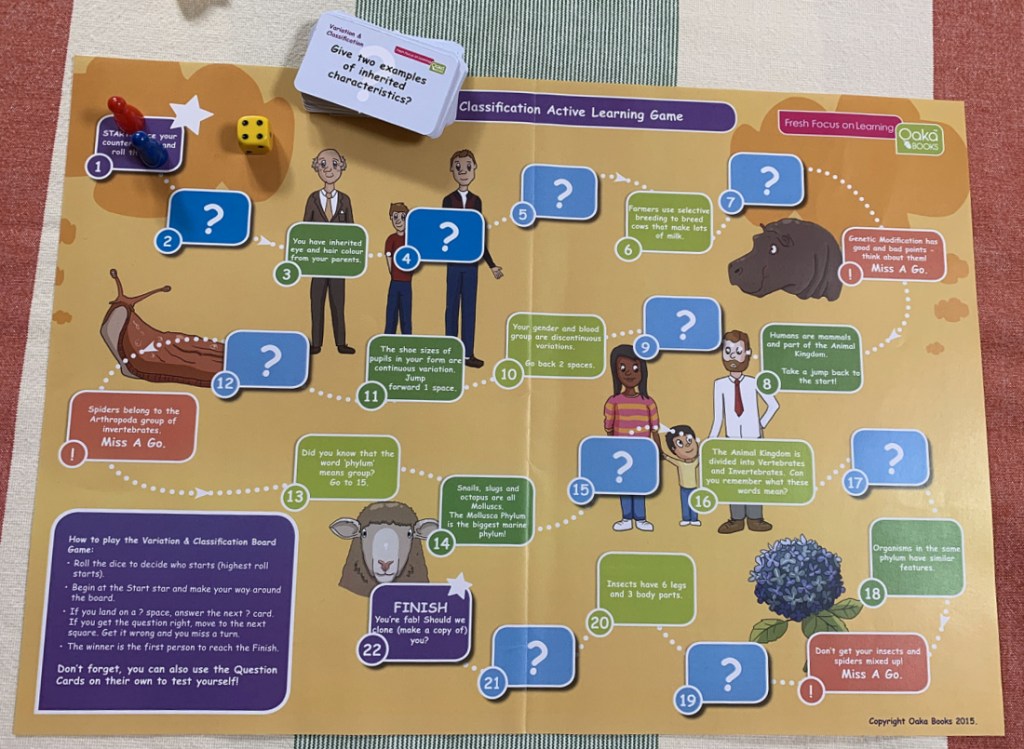
And then both of our GCSE packs had question cards (with the answers on the back). This takes the place of the active learning board game and is a great way for the older kids to test themselves. These cards could be used in pairs (ie someone asks the question and the other person answers) or they could be used by just one person and that person gives an answer and then checks their own answer (love this).

We have been fans of the KS3 Science Topic Packs for ages (and I am planning on using a number of them with my son this year) and I am already convinced that these GCSE Biology Topic packs are going to be just as useful as their younger topic packs.

I will write a post when we use them but I can say my daughter was thrilled when she saw the packs arrived and has already asked when can we start using them (so I think it is safe to say Oaka have a fan of their GCSE Packs already.)

Admin – As I mentioned above Oaka Books kindly gave us these two Topic Packs. This is NOT a paid for post and all opinions expressed are mine and my little tester (daughter).

Posted in Homeschooling | Tagged , , , , , , , | 1 Comment

Starting Year 7 English Language Resource Ideas

My son is moving up to Year 7 in his home education and when it comes to planning for his English I am going to be taking quite a few of the resources that worked well with my daughter and reusing them but I am also modifying it a bit so it suits him more, trying to link it in to topics that he enjoys.

So basics. We are sticking with the Get It Rights series – it just works well and I like the way they develop the English activities over the 3 years. So he will be using the Get It Right Grammar, Punctuation and Spelling book 1 and the Get It Right Vocabulary book 1. Now those are going to be covering our basics. With the Grammar, Spelling and Punctuation workbook I have bought the answer book that goes with it and for the Boost your Vocabulary book the answers are free to download from the Oxford University Press site.

Then we are going to bring in areas that he finds interesting – and that is one of the reasons that I really enjoy the KS3 English section on the Twinkl site. It is massive and they have included a huge range of resources. I think over the last 3 years of covering KS3 work with my oldest this English section was honestly one of my MUST-HAVE resources.

I know that for comprehensions there are going to be a whole bunch that will appeal to him (I already have marked these ones – The History of Lego, Living on Ice, Nelson Mandala, Giant Spider and Sinister Rats, Coral Reef Ecosystems, Seagrass Meadows and Extraordinary Events). I really love this section because they have just include such a wide range of topics that you can always find something interesting. And I really want to start working on how he answers his questions so comprehensions are going to be a big part of that.

We are also going to work through some of the English Units that they have on Twinkl. I have used a lot of those English units with my daughter over the last 3 years and I have to admit I found them so easy to use – everything that you need is already there so you don’t need to do a lot of prep work before hand and they have made them interesting. We are going to work through the Narrative Writing Unit, History of English and the Poetry around the world unit. I did both the Narrative Writing Unit and the History of English unit with my daughter and she found the History of English unit fascinating (they are both learning Latin so I think he will like that link) and the Narrative Writing unit is full of useful ideas. I have never done the Poetry around the world unit before but I have done two other poetry units from the site and for someone who is not a poetry fan I found them brilliant.

I also know that I want to work on his writing skills so we are going to dip into the writing section quite a lot over this coming year, but I am going to link the writing into the topics and themes that he enjoys. The way I use this site is once I have selected a page for us to use I always go to the right hand side and see what the other suggestions are linked to the page – by doing this I often end up finding extra gems that I may have missed otherwise.

Okay so we are going to be using a lot of the Twinkl KS3 pages with him. One last thing some of you may find the Twinkl KS3 English Curriculum map useful – I have never stuck to it but it does give good ideas and often even if you don’t follow the suggestion they give, it just might spark another idea for you. (The photo below is the copy that I printed out – I enlarged it and printed it over multiple pages which is why you can see pages stuck together – but you can just print it out onto 1 sheet of paper).

Then two other books that I started using with my daughter and used a little bit with my son are the English Anthology Mythology book and Detective books. I love this series. Really we are massive fans of how these books have been set up – the fact that they include fiction, non-fiction and poetry all linked together by a theme. Brilliant. And the activities, are so varied and interesting, really massive fans of these already so we are going to continue with both of these this coming year. Plus I know that for a kid, like my son, who finds Mythology fascinating, being able to work through English activities all around Mythology is just the going to be winner.

And lastly reading books. We read a lot and I mean a lot so I am going to talk about the books that we are planning on reading in a separate Year 7 English book post.

Posted in Homeschooling | Tagged , , , , , | Leave a comment

International GCSE Biology Workbook

I recently wrote a post about the IGCSE Biology Student Book which we are planning on using and in the post I briefly mentioned this workbook as something I was wanting to get for extra practice. Well, we now have the workbook so I thought I would give everyone a bit more detail about it.

Okay so why are we using a workbook? Doesn’t the Student Book have questions in it? Yes it does. It actually has quite a few questions and it looks like the questions are a nice variety. But I would rather be in the position of having extra questions than wishing we had more, so yes for us a workbook is a must have. And a workbook that is linked to the student book, has exam styled questions and answers is just the type of workbook that I like using. If we feel like we have covered a topic really thoroughly and my daughter is very confident then we may just work through the questions verbally, discussing them together. But when we want extra practice, when she may have gotten one or two things wrong when she worked through her student book then I want those extra questions as a way of making sure we now “get it”.

This workbook is written as an extra for the student book. So the topics covered really are in the same order. There is no trying to match this question to that chapter. Topic one in the workbook matches topic one in the student book. This just makes it straight forward and easy to use with the student book.

The questions included are a mix of different types of questions. There are multiple choice, label the diagram, one mark questions up to extended writing questions, there are graphs and table questions (maths type questions), and they include a lot of practical activities. There really is a good mix of questions.

I know my daughter is not that keen on the “maths-type” questions so I immediately focused on those and made sure there were extra examples of graphs and calculations. Which there are. I was also struck by the inclusion of the extended writing questions. I thought these were a great addition as I know a lot of kids struggle with the longer questions so these are always going to be good to practice and then I have to say the Practical activities really impressed me. But really whatever it is you think your kiddo needs practice with I am sure they have included them in this workbook.

I have read a few comments from other people about the lack of answers. There are answers, there are answers for all of the questions. They are on the Hodder Education website and are FREE to download. If you look on the workbook page – International GCSE Biology workbook – on the left hand side there are a few links and one of those links says answers – that is where you go to download the answers for this workbook. (In fact for quite a few of the Hodder Books if you look on the left hand side there are normally links added and if the answers are free to download they will be there).

The photo below shows what the answers look like. The page on the left is a page out of the workbook and then on the right is the corresponding answer page.

So this is the workbook that we are going to use with our student book for International GCSE Biology. As always I will write update posts once we have used them for a little bit but I have to say I am actually feeling quite happy about our choices for Biology.

I shared links for the workbook in the post but in case you missed them here is the workbook on the Hodder site – International GCSE Biology workbook

and here is an Amazon link – Edexcel International GCSE Biology Workbook.

Admin – After really liking the way the Biology Student book looked I asked Hodder if we could get a copy of their workbook so I could take some photos and write a post about it. They kindly sent me this workbook. This is not a paid for post and all photos and opinions expressed are mine.

I do sometimes Affiliate links. If you follow an affiliate link and go on to purchase that product, I will be paid a very small commission, however your cost will remain the same. I only include affiliate links for products that we use and enjoy.

Posted in Homeschooling | Tagged , , , , , | 1 Comment

Big Cat readers for more able readers

When my kids were younger one of the things I spent ages searching for were readers. And yes, there are lots of different readers out there but my kids often found the readers a bit dull and boring and they were just not inspiring, that was until we discovered the Big Cat Series. We loved this series. And one of the main reasons why we loved this series so much was because the books were actually interesting and they did not shy away from non-fiction readers. Both of my kids enjoyed reading non-fiction readers.

The Big Cat series has a whole band of readers for different reading levels and they include a wide range of readers within each reading level so you can find something that will interest your reader. My daughter loved that they included condensed versions of the classics (Little Women and Black Beauty are two examples), we loved the fact based ones (Mary Anning, Sister Queens and Wolves and My Journey across the Indian Ocean) and we devoured all of their Shakespeare readers.

I was intrigued where I discovered that they have a band called Lime Plus which is written for more able readers as a way of helping them improve their vocabulary and practice skills like inference, prediction and reading stamina. So I asked if we could get a few copies from this band so I could have read and possibly share about it with fellow home educators. (This is not a paid for post I was just interested in the older readers and wanted to see if they were as good quality and interesting as the ones we had used in the past).

The Lime Plus range includes fiction and non-fiction titles. My instinct is always to go for the non-fiction titles just because my kids enjoy reading non-fiction and also as a home educator I love merging subjects together and working on topics and these non-fiction books always lend themselves to my way of doing that. But having said that I actually enjoyed the stories of The Dungeon of Despair and The Ravens’ Call. They were sweet stories, with an adventure in them but also stories that I could see had the possibility of developing into more than just a story. The Dungeon of Despair is a fun story where an inquisitive young boy gets himself trapped in a dungeon and the Ravens’ Call is about a young girl’s journey in an attempt to stop a battle. They were interesting stories, nothing to scary but they had a clear story arch which is something that I liked to point out to my kids when they were reading so they could try and include a story arch in their own writing. The Characters were also interesting, the boy in The Dungeon of Despair starts off frustrated with his younger sister and family, gets bored on the outing then out of his boredom and frustration he goes off on his own adventure, gets himself into a pickle and manages to get out and then is relieved to see his family again. I can imagine lots of siblings understanding this character. And The Ravens’ Call was a story that my daughter (when she was younger) would have really enjoyed – she likes stories with story female characters, who go off on an adventure and prove themselves.

And then the Non-Fiction books – LOVED these and actually I am already planning on using The Battle of Hastings book with my son when we cover the Battle in our History in September. It is a brilliant summary of the events and characters. It is written in such a easy manner with the events unfolding just like a story that it makes it all seem so natural and dare I say easy to remember the characters and the order of events. We have already used quite a few of the History readers with my son and he always enjoys them, he calls them bite-size History events. Just enough to read in one setting and enough information that it all makes sense but does not get confusing. And I love that they included detail about the armies.

And then they take it a step further and actually get the kids to think about the events. In The Battle of Hastings they challenge the kids to think about what went wrong, what could King Harold have done better that could have changed the outcome.

And with The Great Fire of London they start by explaining to the kids that they need to think about sources and how trustworthy the sources are (which is something that the kids will never to develop in their Secondary History).

I have been a fan of the BIG CAT books for quite a few years and these Lime Plus books that we have read are just as interesting as the others that we have used in this series. I would recommend anyone with kids in primary school to just go onto the website and have a look at this range of books. They have a lovely huge range of topics and all of the books we have read have been interesting, which was always a big factor in getting my kids to read.

Admin – As I mentioned above I asked Collins if we could get some of the Lime Plus readers to review because I used this series with both of my kids and really enjoyed it so I was keen to see what the Lime Plus books were like. This is NOT a paid for post, this is just me sharing about books that I think are good quality and useful for home learning.

Posted in Homeschooling | Tagged , , , , , | Leave a comment