GCSE Animal Farm Revision Guide from Twinkl

We are going to start Animal Farm in a couple of weeks so I have been doing some extra background reading, and one source I found and really enjoyed was the Animal Farm Revision Guide from Twinkl.

Initial Thoughts – Brilliant summary, lots of interesting comments about structure (which made me think) and I loved the questions, they way they gave suggestions on how to structure your answer and then the model answers but I am not a fan of the fact that you cannot print the document out. This document has been written as a digital revision guide with the idea that you view it online and you don’t print it out, if you try (like I did) the pages that print out does not look like the pages that you view in PDF, there are blocks containing definitions which end up hiding the text.

Okay so a bit more detail.

The first 4 days of the guide just talk about the guide and and the exam.

Then it is a section about the author, I found this fascinating and I think it is a brilliant 4 pages for all students to read because once you understand a bit about the background of the author and his intentions you really do start understanding the story. Excellent 4 pages.

The next 4 pages were on Form and Structure and honestly any kid who is studying this work should read these 4 pages but that is also were I started to get a bit frustrated with the fact that you cannot print this out. Honestly if I was a student I would want to print these 4 days out, make some of my own notes long the side margins and then place them with my other notes. However because this guide is meant to be viewed on your computer if you try and print it out you get definitions printed out ontop of the text. Really frustrating. I suppose your kid can read it and then write their own summary notes of what they have read, but that does just seem like a waste to me.

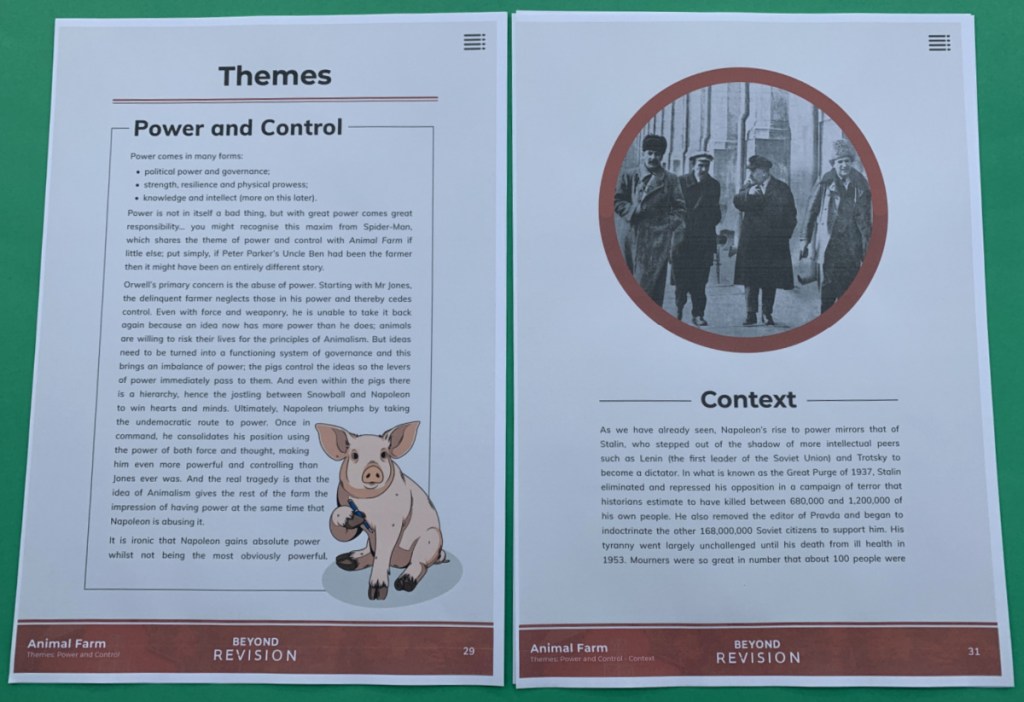
Okay then the Who’s Who – A lovely summary of the characters in this book. Really lovely summary, a liked that each character had it’s own block and an image which helps visual learners. A really good 5 page character summary, although again I did want to print these pages out and actually give them to my kids so they could write in extra bits about the characters in the margins.

Next you have the summary pages, 10 pages in which each chapter is brilliantly summarized. Really a great few pages. Now I know this guide is written for kids studying Animal Farm for their GCSE’s but honestly if you are choosing to read Animal Farm with your kids in KS3 you could always choose to ignore the exam question pages and just focus on these fact pages because the background info, the summary of the characters and the summary on chapters are excellent and incredibly useful. I was really impressed with the way they managed to wrap the whole book up into these 10 pages.

Okay and then next 51 pages deal with the 4 main themes of the book. Yip that is a lot of pages on themes but when you start reading them you understand why they have devoted so much time (or so many pages) to the themes.

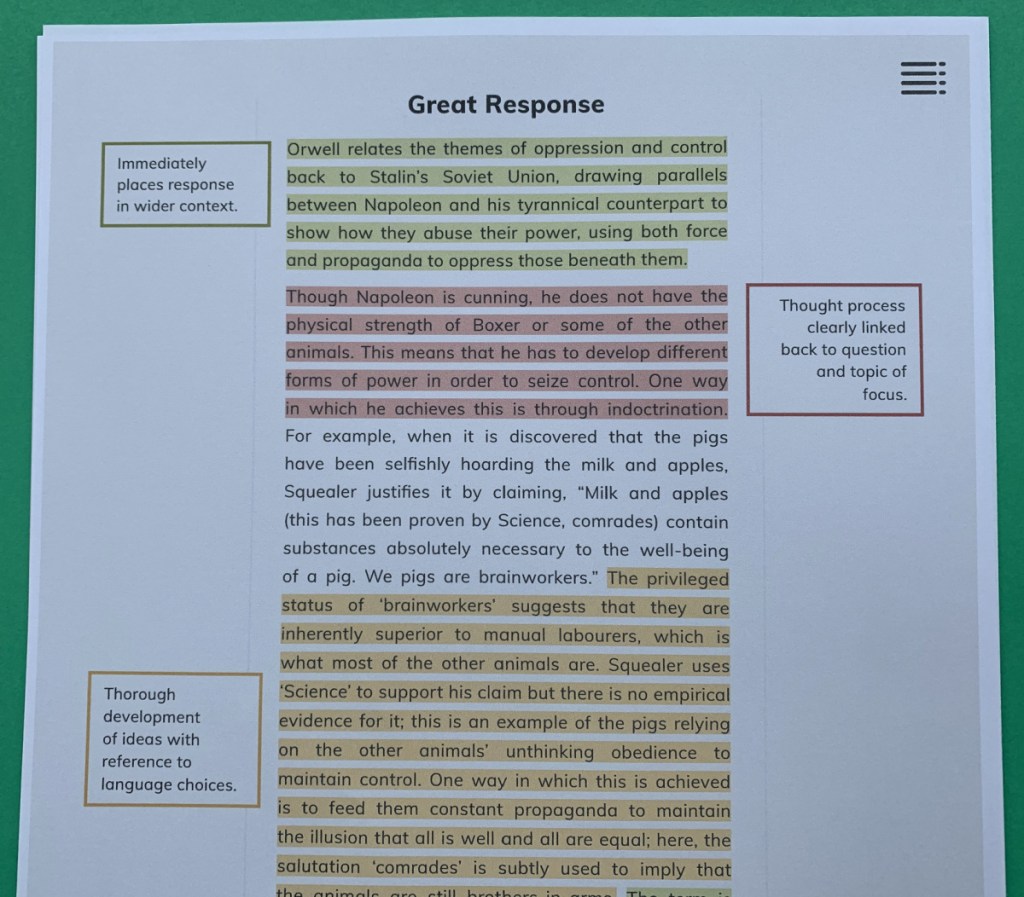
Each theme section is split into 2 pages talking about the theme, then 2 pages putting the theme in context (this is gold) and key quotes that relate to the theme. Again even if your kiddo is not writing an exam on this but just reading the book these pages are excellent. Now you get the exam type questions, followed by a hint on how to structure your answers and some sample answers. If your kiddo is writing an exam on this book then these pages are amazing, I loved the help with how to structure answers and the sample answers were brilliant to read.

I really do think this is an excellent resource. Excellent. If I was a student studying Animal Farm I would want to have this but I would want to be able to print it out and add in my own extra bits along the margin.

For the purposes of this post I did manage to print out a few pages and do some editing so you could see the pages but please don’t download the PDF, view it and them try and print the whole document out, your pages will not print as you view them.

Posted in Homeschooling | Tagged , , , , , , , | Leave a comment

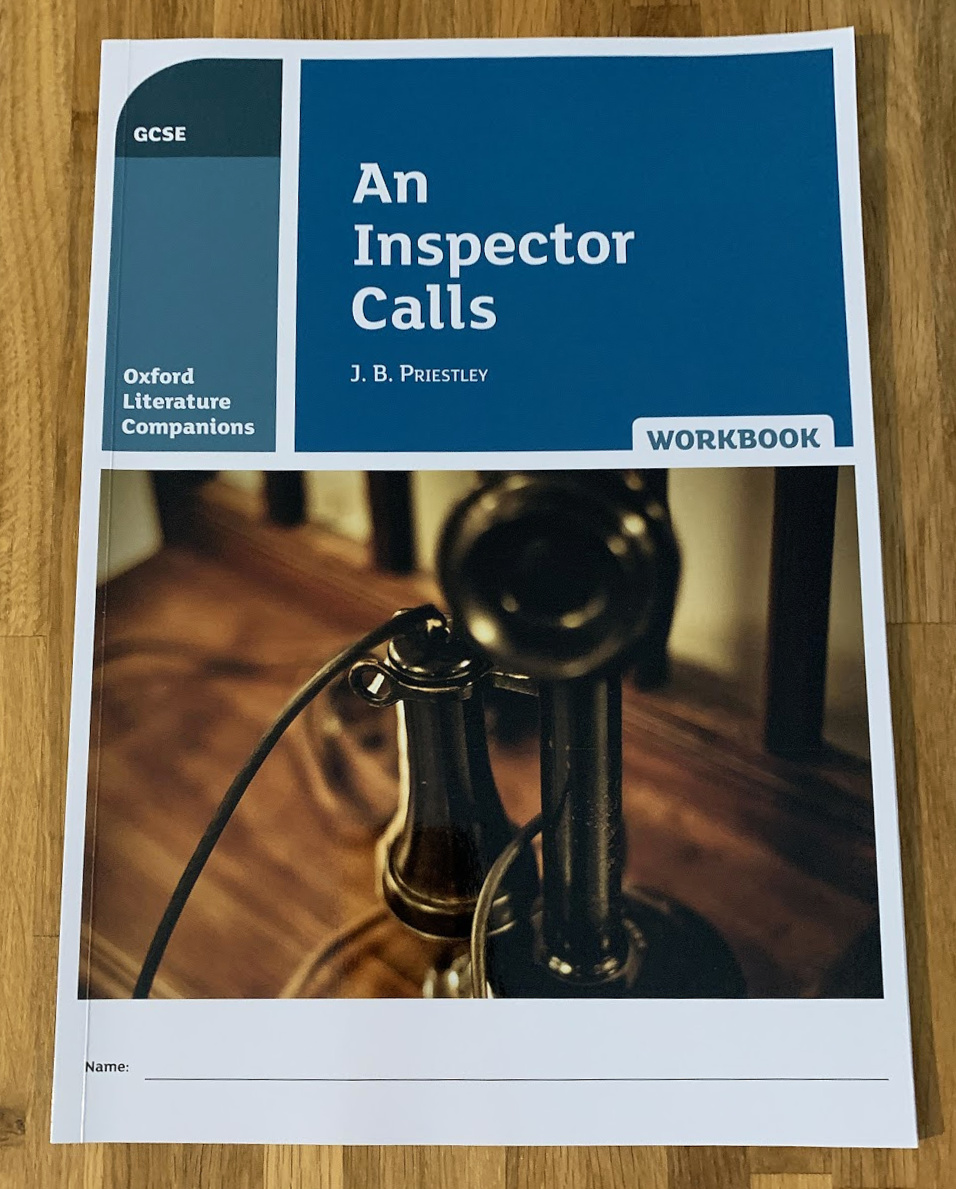
Oxford Literature Companion for An Inspector Calls

One of the Literature pieces that we know we are going to be working through is An Inspector Calls. And even though I am only planning on starting it after Christmas I am already collecting resources so I am going to start sharing photos and thoughts on the resources that we have and then we actually use them I will write update posts.

We got the Oxford Literature Companion and the Oxford Workbook for An Inspector Calls. Now I must admit I knew I wanted to try both of these because my daughter used an Oxford Literature Companion when she read Pride and Prejudice and she really enjoyed having it. She liked the way it helped to break the story done, how it spoke on themes, characters and context so I was hoping that their version of An Inspector Calls would be the same (and I must admit I think it is going to be just as useful). Then I also wanted to try Oxford’s Workbook based on the fact that my daughter used their Workbook for Macbeth and again she really liked that workbook an the way it was structured. In this post I am going to focus on the Literature Companion and next week I will write a post about the Workbook.

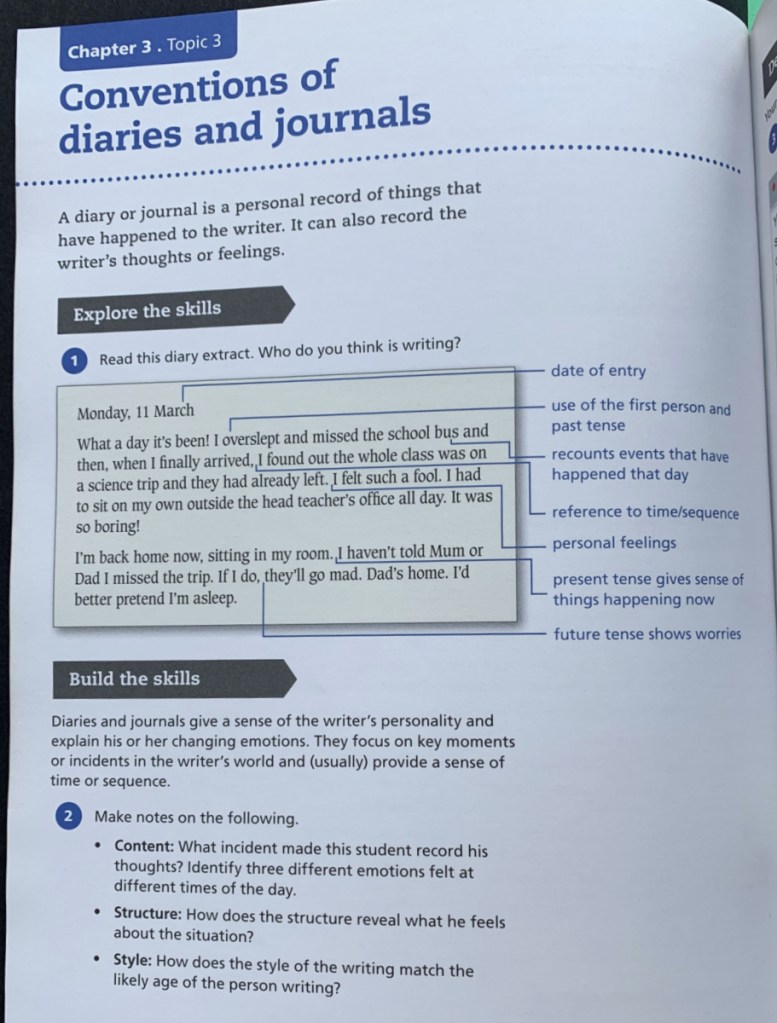
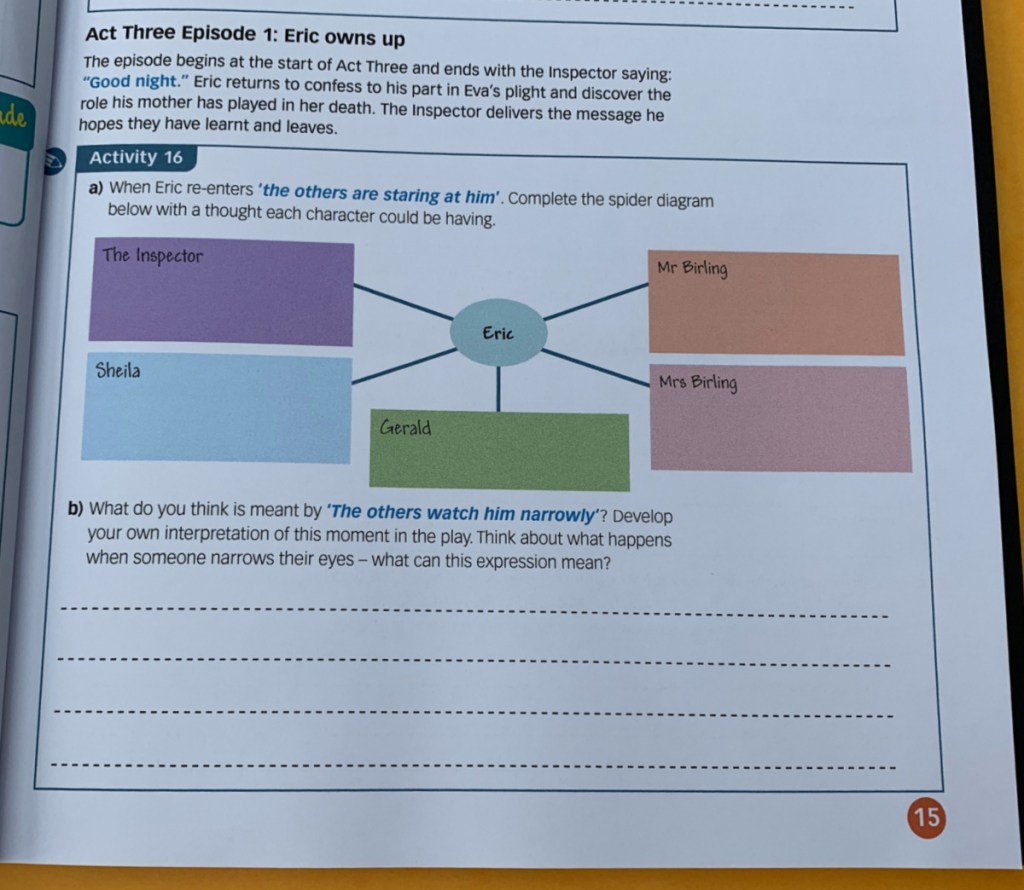
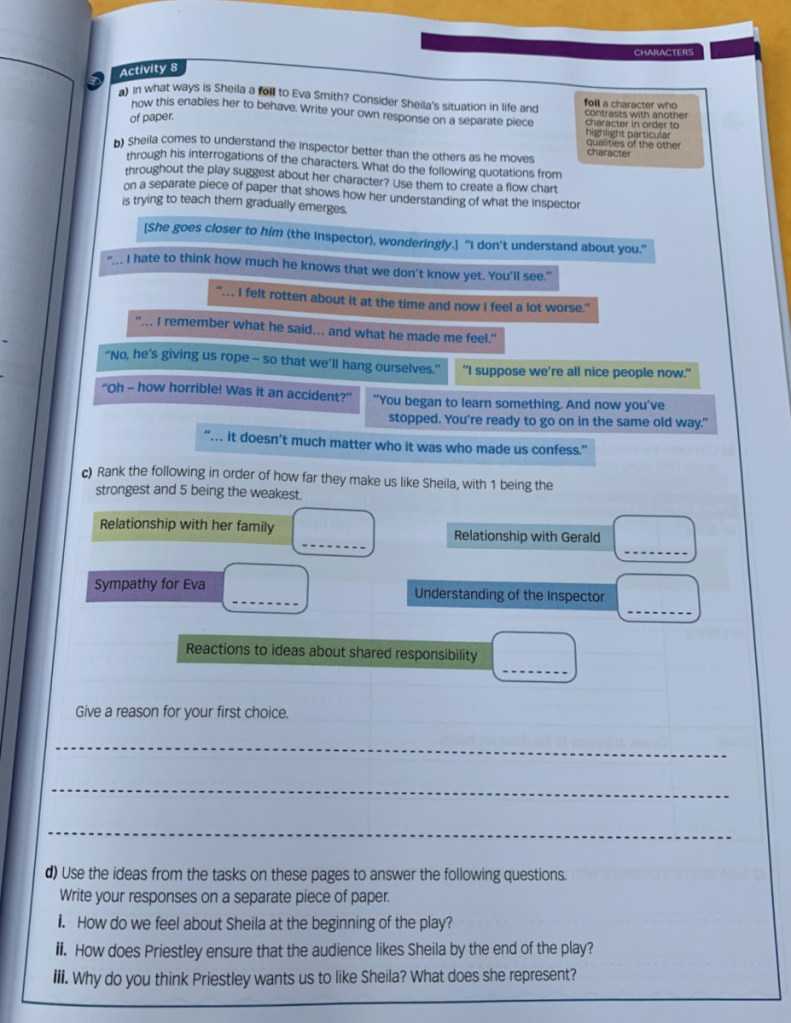
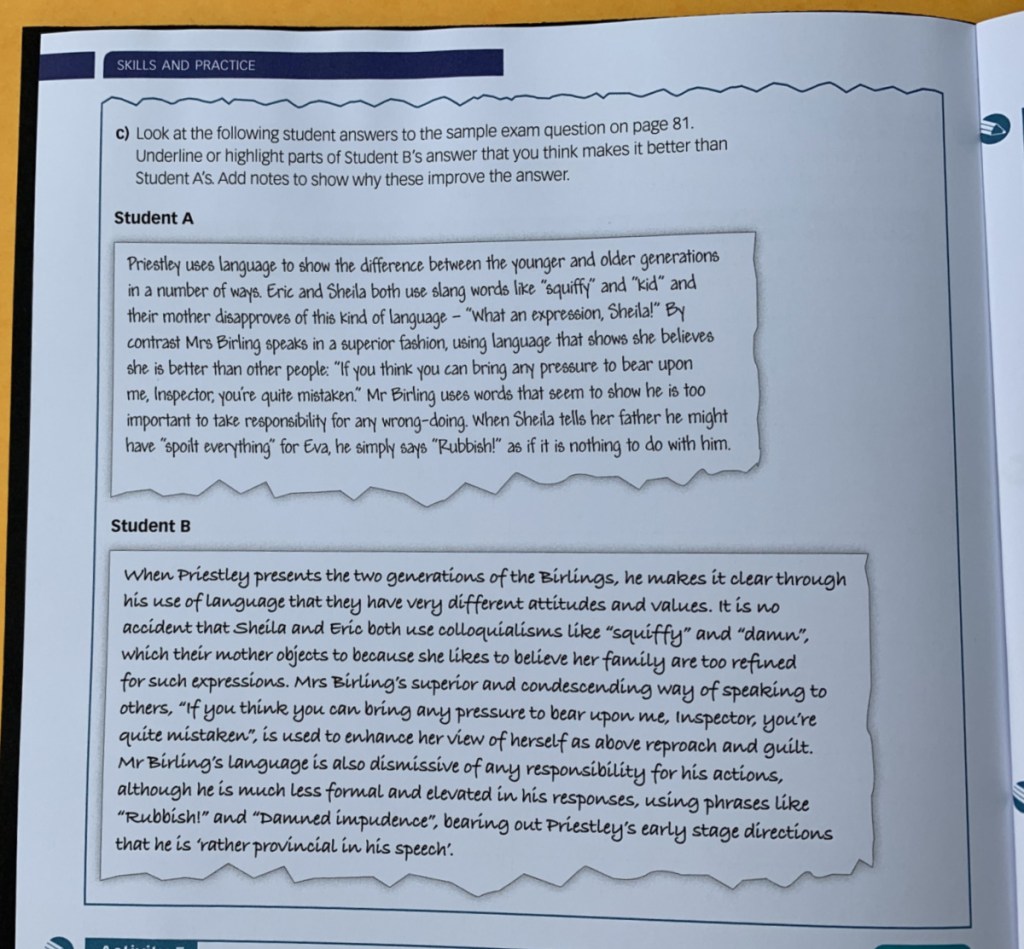
I like these Oxford Literature Companions purely because I think they help the kids (and me) gain a much deeper understanding of the text. They do include sample questions and answers, but for me this is about – did we grasp the detail, did we pick up on the fact that the characters did or said x, did we link something that a character said to the social context of the time. And I view the activities that they include throughout the book as a way of getting us to think about certain themes, events or characters. I also really like the fact that they include photographs of the play being performed, I think this is brilliant for visual learners as it helps them to picture the events or characters being discussed. So for us this is something that we will use as we go through the play. This is not about practicing questions, this is about having a deep understanding and I think once you have a deep understanding then you can focus on the questions.

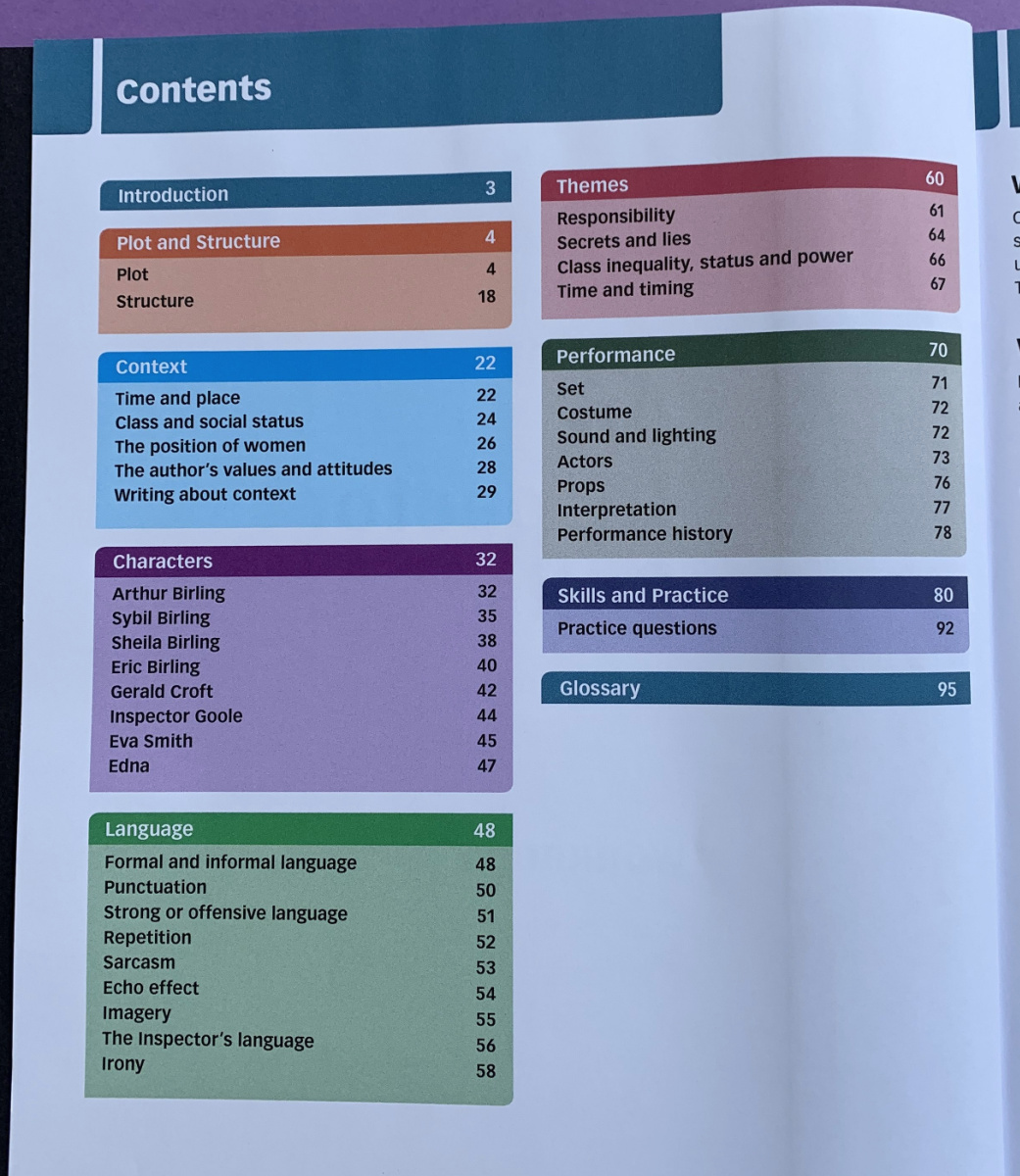
What is included in the Oxford Literature Companion?

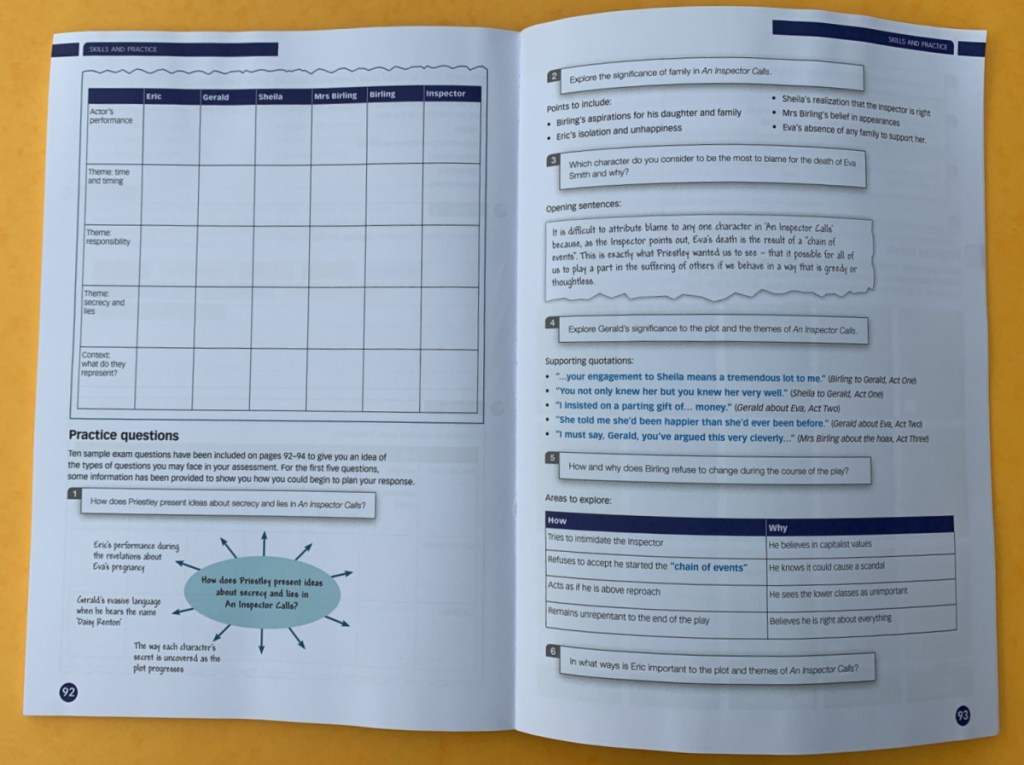
It may seem like a small book and you may think, is only 95 pages long is it enough? They really have included everything in this little book.

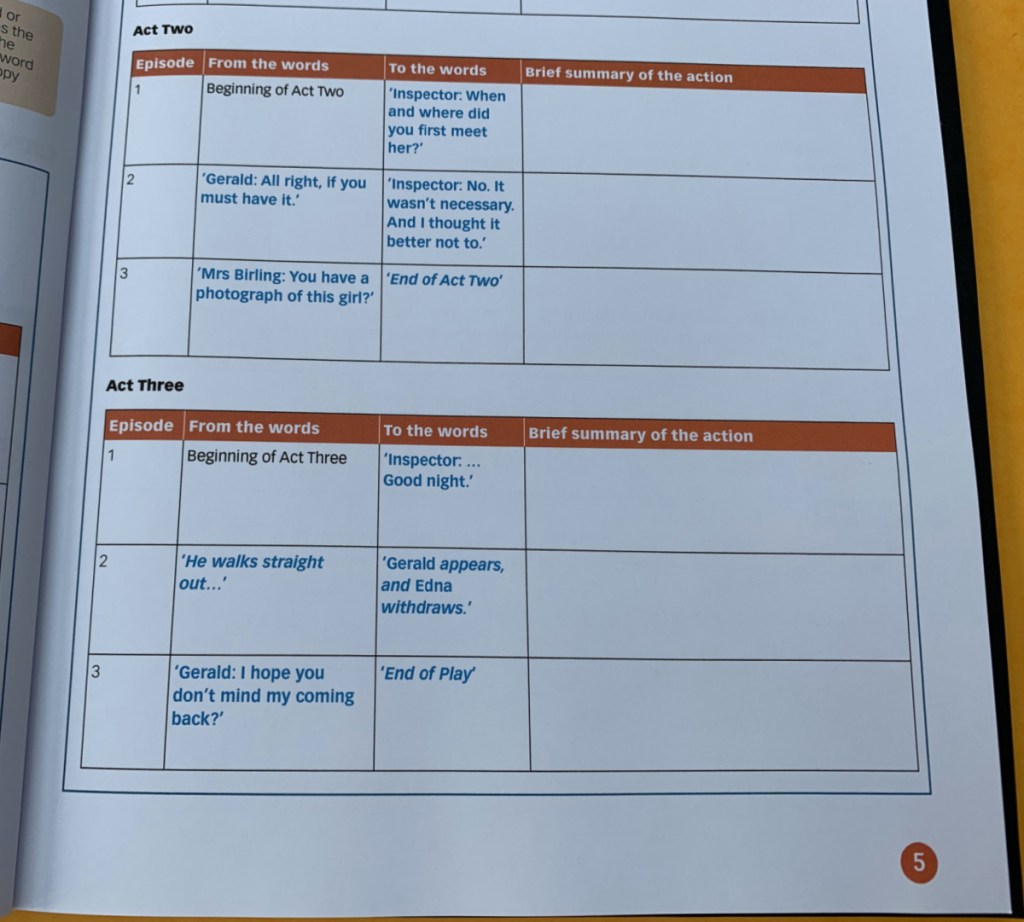
The first section Plot and Structure takes you through the play episode by episode. It looks at what happens and highlights significance points and explains links. When we used our Pride and Prejudice companion we would often discuss the activities together and when we did we often had those “Oh I get it now” moments, because discussing it with someone else, having to back up why you gave a certain answer really does force you to think it all the way through and it makes you consider the alternatives. Once you get through the Plot section you move onto the structure and I must admit I am thrilled this is included because I felt like I needed some guidance on what we needed to focus on in terms of structure and these 6 pages of structure really helped me getting my thinking in order so I know my daughter is going to find them really valuable.

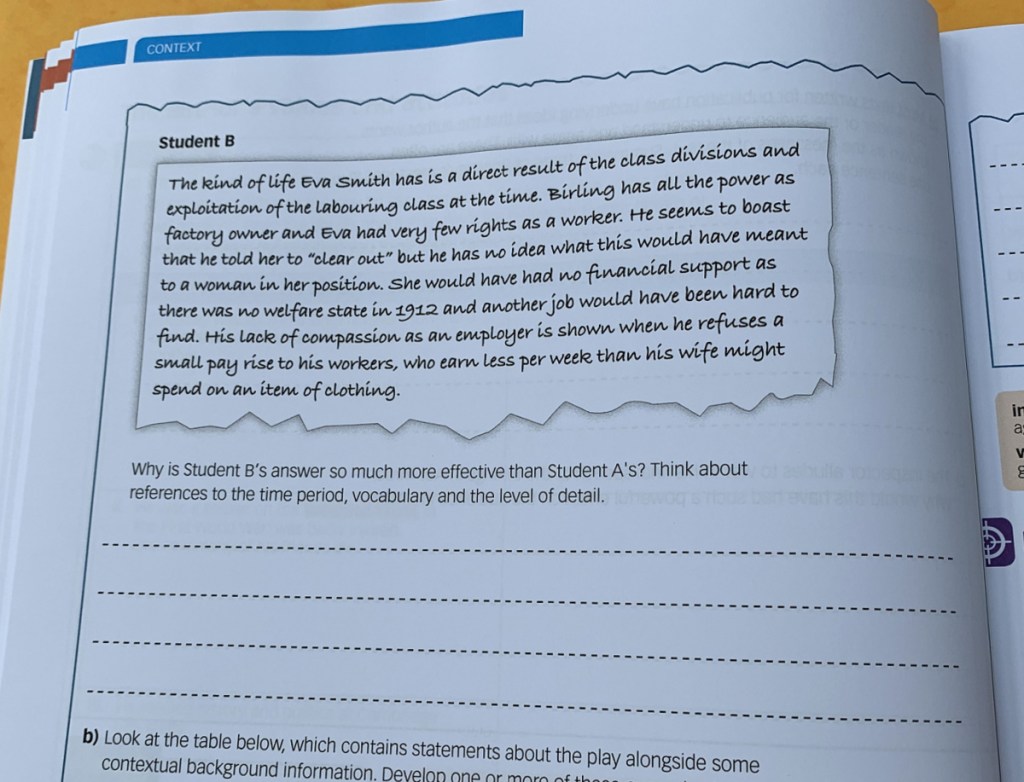
Context. This is an important section as it gives that depth and meaning to both the events and characters in the play. If you don’t understand the social context you will never truly appreciate the play and what the playwriter was trying to do with his words. I thought this was concise, well worded but also enough detail. An excellent section to read and then re-read.

Then the Characters, this is what I was expecting – a great summary on the characters with some good insights and activities that help to stretch your understanding.

The language section is another section that I really needed and I already know my daughter is going to find this invaluable. For me, the language and structure pages are the ones that I am going to consider gold, just because I find discussing the events, characters and themes more natural than I find discussing language and structure. I knew I needed a bit of a starting point to help me with the language and structure and this has given me that springboard.

Themes. As expected – well worded and explained with some great activities, a few comments did make me think, which I liked.

The Performance. I actually did not know I needed this but these pages are brilliant and really got me thinking about how important the staging and and directing is. Actually vital for this play.

Finally the Skills and Practice section at the end is your “how to answer exam questions” section. There are tips, a few exam type questions with sample answers. This is always going to be very useful and I really appreciate the inclusion of sample answers.

I have mentioned that there are activities scattered throughout the book (they have included a lot) and I said that these activities help to get a deeper understanding of the play. There are also boxes called Upgrade scattered throughout the book, these Upgrade boxes are tips/ advise on answering exam questions and even though I don’t look at this book as a practice exam questions book I have to say that the Upgrade blocks give good advise. I have been really impressed with them.

Okay so that is a brief idea of what is included in the Oxford Literature Companion. As a home educating mom I think this is going to be incredibly useful and I am confident that my daughter is going to find it as well-worded and interesting as she found her Pride and Prejudice Companion.

You can get your Oxford Literature Companion directly from the Oxford University Press site – An Inspector Calls Literature Companion and you can get it from Amazon – Literature Companion for An Inspector Calls. I have not spotted it at our local book stores.

Admin – Oxford University Press kindly sent us a number of books for us to use and potentially write reviews on. I did mention that I was interested in this particular book because both my daughter and I had really enjoyed the Pride and Prejudice version. All opinions expressed are mine. This is NOT a paid for post.

I do include Affiliate links. If you follow an affiliate link and go on to purchase that product, I will be paid a very small commission, however your cost will remain the same. I only include affiliate links for products that we use.

Posted in Homeschooling | Tagged , , , , , , , | Leave a comment

Divergent series thoughts from my teen

Over the summer my daughter re-watched the first Divergent movie (she is not that keen of the 2nd and 3rd movie) and she re-read the series. She loves the series but this time when she come out of her Divergent bubble she had an interesting observation.

Her thoughts were – In the Divergent series most people fit into the groups, they fit into what society expects, they act and think the way expected, they are essentially considered normal. The divergents are the people who do not fit into what society expects, they think differently and tackle problems differently. She views the divergents as being neurodiverse or neuro atypical (in other words that would include people on the spectrum). In the beginning of the series nobody wants to be divergent and people actually try and hide the fact that they are divergent but by the end of the series the divergents are what saves the society.

I must confess I read the series and watched the movies and I never thought of it like that. I never linked it the way she did but I LOVE that she sees those parallels and that she sees that just because someone does not fit into what society expects does not mean they have nothing to offer, in fact what they have to offer may just be what they society needs.

Divergent Books. Dystopian Fiction for teens. Highly recommend

This is just a quick post because I thought her observation was brilliant and it really made me rethink about the books and the characters. If you want more details about the books have a read here – Divergent – I would say I think it is a fascinating series, really well written but that it does suit older kiddos / teens.

Posted in Homeschooling | Leave a comment

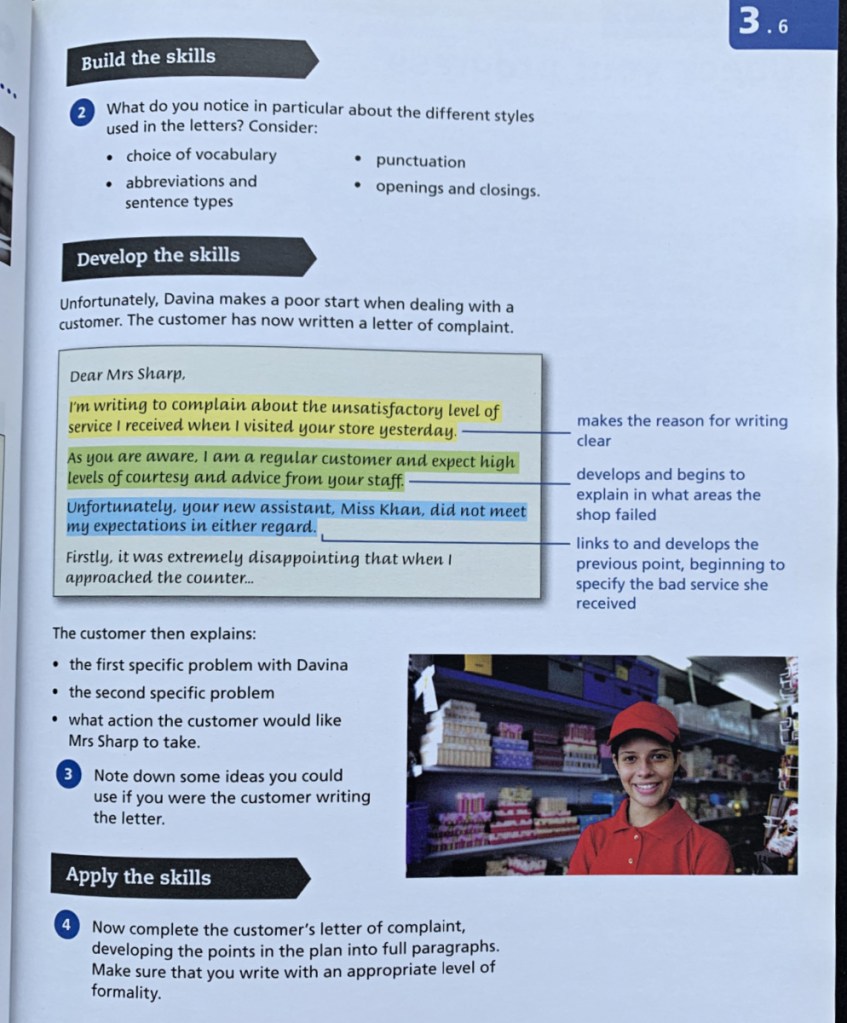
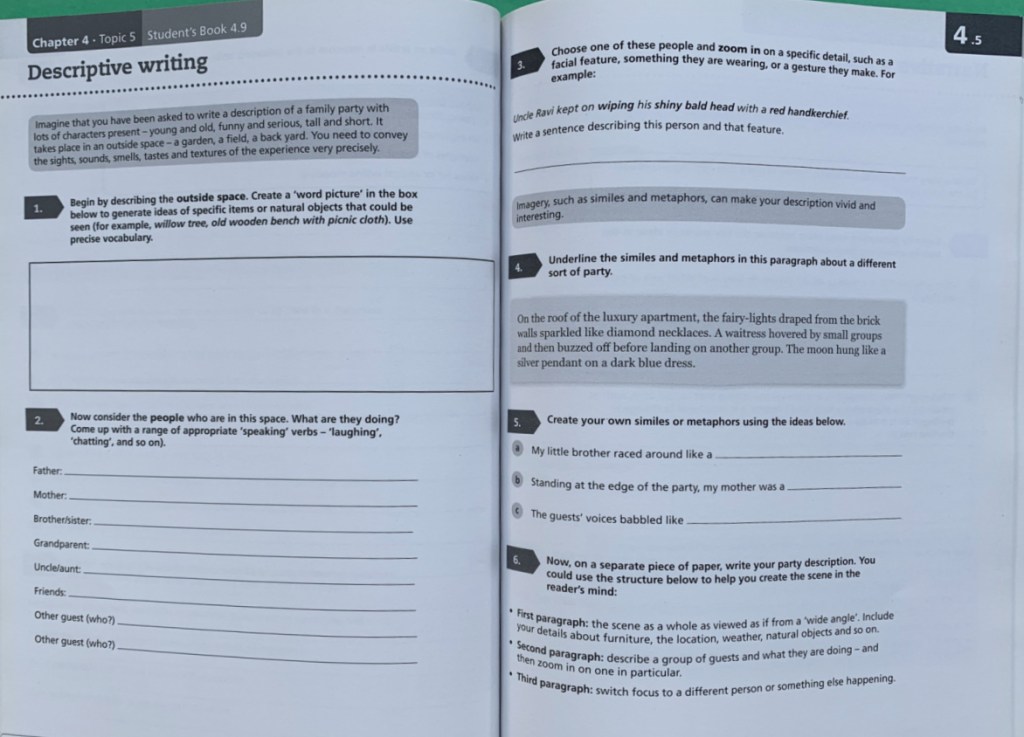
Collins AQA GCSE English Language and Literature Revision and Practice Workbook

We recently received a few different books from Collins and I have to admit this one actually surprised me – AQA GCSE English Language and Literature.

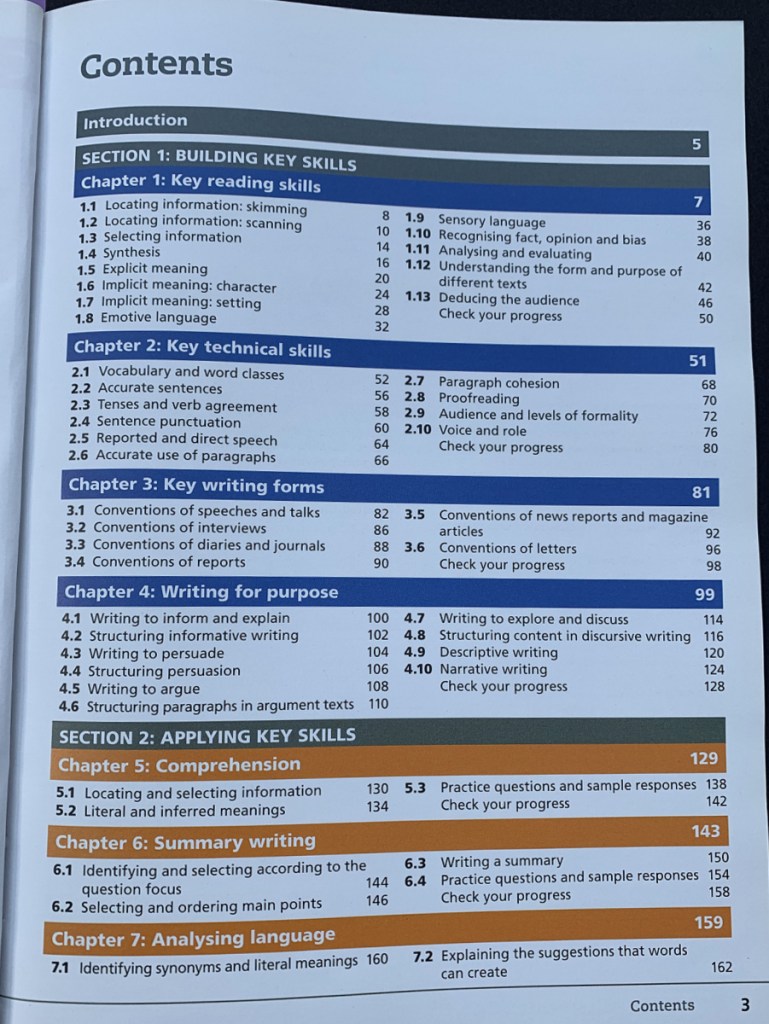
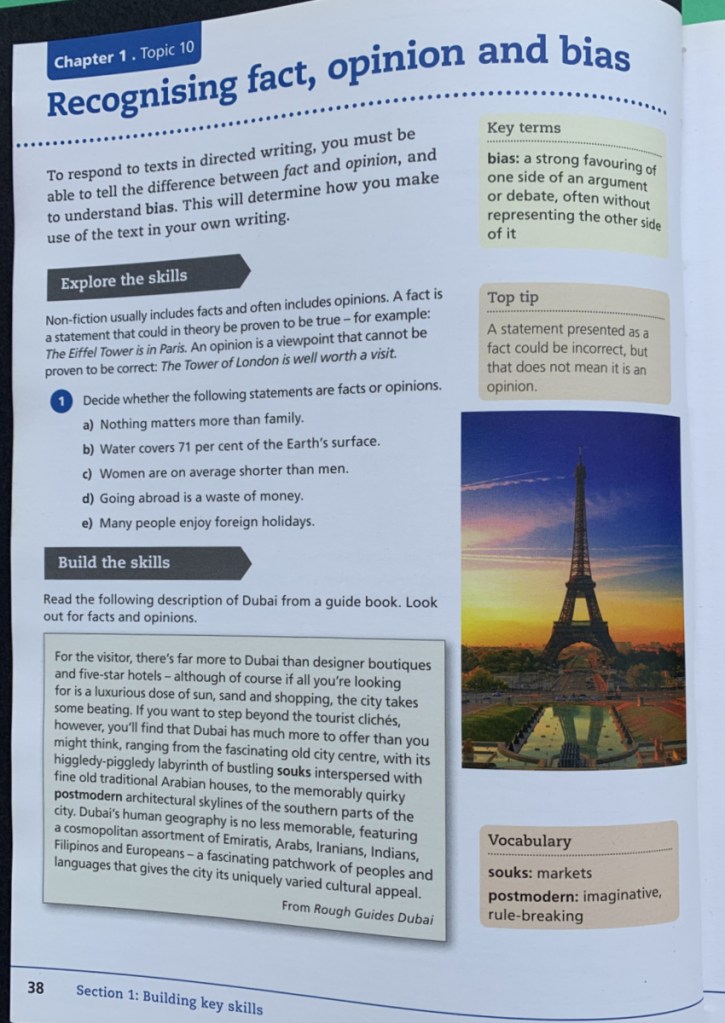
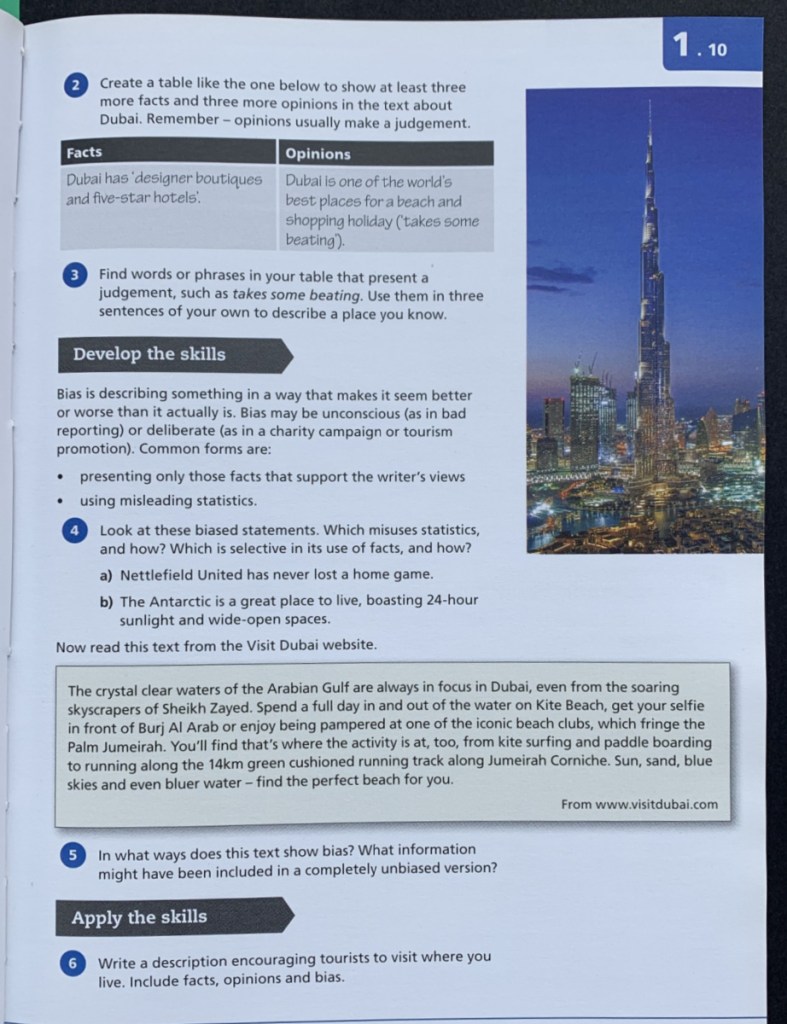
I was a bit sceptical before I started paging through it (not sure why) but as soon as as I started looking I was impressed with the Revision pages where they explain concepts. They were actually just what I wanted. A clear explanation – not too wordy but well explained, with key words and key points highlighted in blocks, which means they stick out. And a quick test at the bottom of each double page. Brilliant. An all-in-one revision book which the kids can read through and then verbally test themselves.

And the revision section is split into small sub-sections, so at the end of each sub-section there are 2 or 4 pages of exercises and at the end of the entire revision section they have included mixed exam style questions. And all of the answers.

I really enjoyed discovering this section, it was a total surprise to see the revision notes explaining concepts and then followed by some practice questions.

After the revision section you get the workbook section and I must admit this is what I thought the entire workbook was going to be like. But having said that even though I was expecting these workbook questions I have actually been impressed with the quality of the questions and the way the questions build and help kids develop their answers.

My daughter has already started using this workbook and what she is doing is reading the section under the revision part and then going and finding corresponding questions under the workbook part. It was entirely her doing but she likes the revision pages, she likes the explanations and she says the questions are great at building her answers.

Then after the workbook section you get a practice exam paper. We have not looked at this yet (and it will be some time before we do) but I think it will be very useful.

And if that was not enough they have included QR codes through the book which either take you to a quick quiz or a video explanation.

I have to admit I probably would not have zoomed in on this book in the bookstore but now that I have had time to page through it and my daughter has read some of the revision notes we actually think it is quite a good book to have.

We are only just starting to use our GCSE books so I will be writing progress / update posts in the upcoming months.

I have spotted this exact book in our local bookstores (both WH Smith and Waterstones), you can order it directly from Collins – AQA GCSE English Language and Literature Workbook or you can also get it direct from Amazon – Collins GCSE English Language and Literature workbook.

Admin – As I mentioned Collins sent us a few different books for us to review. Which books we choose to review and the comments we make is entirely up to us. This is NOT a paid for post.

I do include Affiliate links. If you follow an affiliate link and go on to purchase that product, I will be paid a very small commission, however your cost will remain the same. I only include affiliate links for products that we use.

Posted in Homeschooling | Tagged , , , , , | Leave a comment

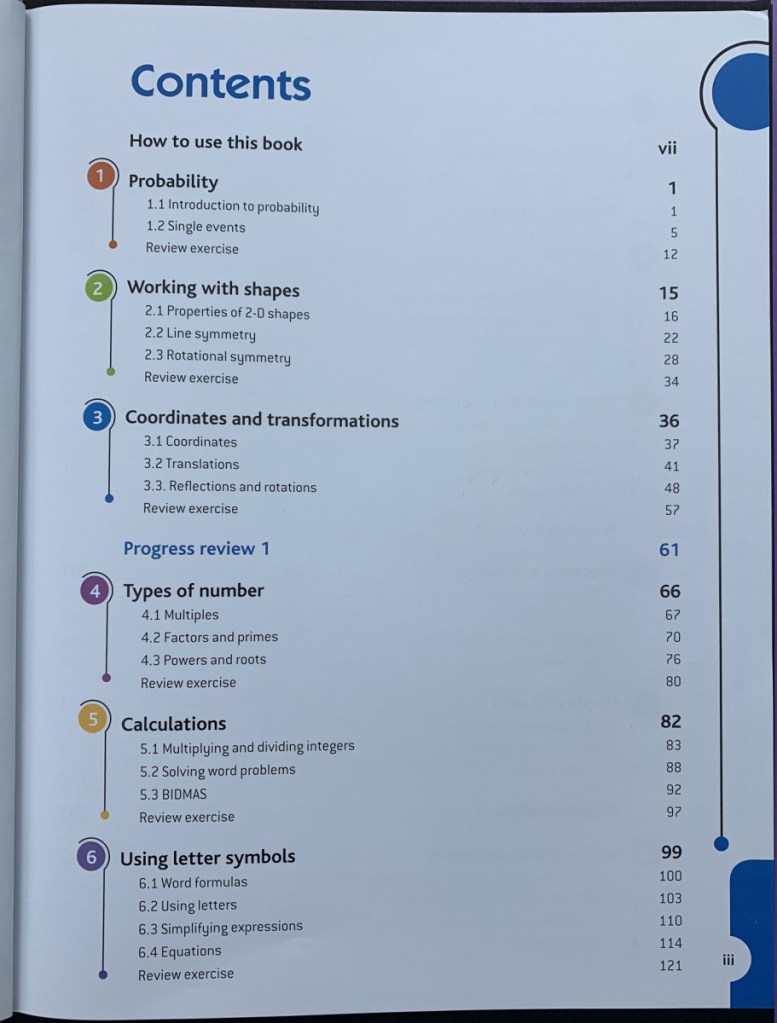
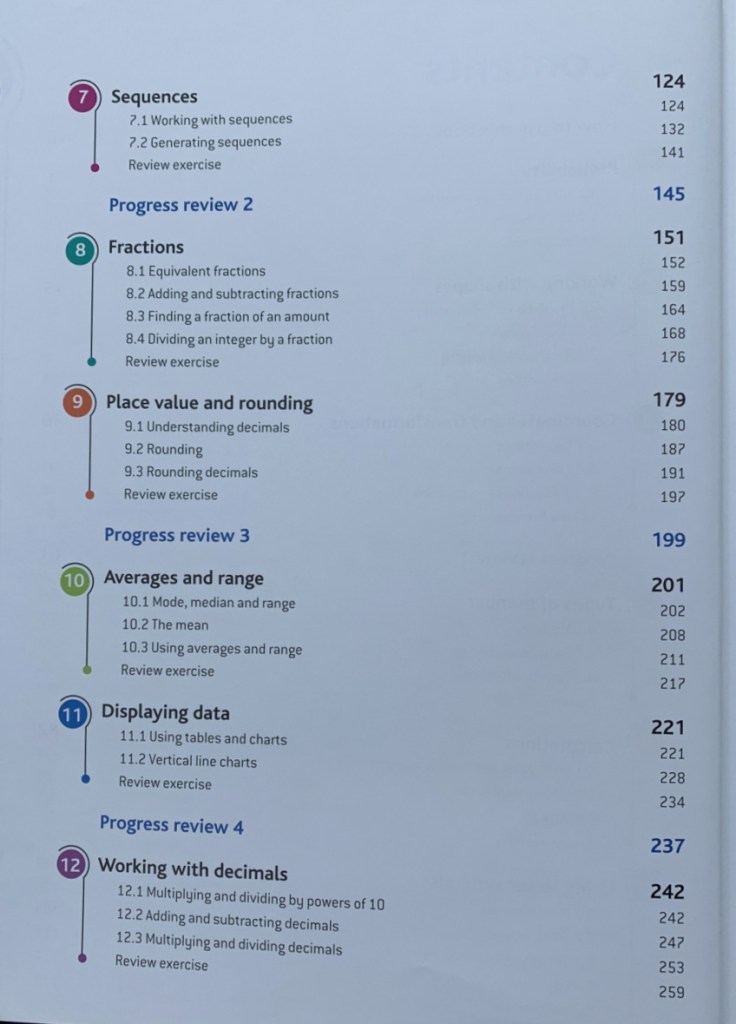
Using Twinkl for GCSE/IGCSE

As a home educator who is helping a kiddo with GCSE/IGCSE content for the first time I wanted to make sure I had good resources and enough resources. For all of her subjects I got her course books linked to the exam board we are using. But we like to have extra reading, extra activities and exercises to add in when we want to. It is the way my daughter has always worked through all of the years of doing home ed, she likes to really get into the topic and read multiple sources on it. So I knew that just one book for each subject was not going to work for her. I also knew that I liked the English and Maths KS3 sections from the Twinkl website (we have used them a lot) and we have already dipped into the GCSE English Literature content (which we loved) so I started looking in a bit more detail at the other sections. And I must admit once again I have been impressed with their English, Maths and the bit of Biology and Physics that I have looked at.

With the English I managed to download units of work for the English Literature works that I know we are going to cover. And I have looked at those units and I really like them (I have to admit the entire English Literature section for both KS3 and KS4 is one of my favourite sections). I also downloaded some interesting practice questions and activities for English Language. I like the way they break down the different type of questions and talk about how to structure your answers.

  • Twinkl's KS4 resources
  • Macbeth Revision Guide for GCSE English Literature from the Twinkl Resources website

With Maths, I have found LOTS of extra practice questions, sample exam questions and even explanations. Which ones we will use I can not say, we are only just starting, but I like the fact that we now have an extra source for practice questions. For me, Maths is about practicing what we learn and then practicing it some more so I was really thrilled to find all the extra questions.

And finally Science. At the moment my daughter has opted to do Biology and Physics. We actually started her Biology a bit early, in August, and I have already used a few of the AQA Biology lessons with her and she really liked the explanations and the activities. And just to clarify, my daughter is doing Edexcel IGCSE Biology and yes I used some lessons out of the AQA GCSE Biology with her, but if you know what topics you need to cover, you can actually use some of the lessons that have been written for different exam boards. The main thing is to find something which explains it well and then has a good practice activity with it. So we will be dipping back into the Biology section as and when she feels like she wants an extra explanation or activity.

Oh and the Physics we just started her Physics 10 days ago and I have already downloaded a few extra questions for her to practice on and she really liked the activities (and for us that is huge because Physics is the one subject she is not sure of).

We are only just starting on our GCSE/IGCSE work but I do really like the resources that I have downloaded from Twinkl for my daughters English, Maths and Biology and Physics. If you are new at doing GCSE/IGCSE subjects with your home edder (like I am) it may be worth going to have a look at Twinkl’s GCSE content, you just might find some interesting resources there.

Posted in Homeschooling | Tagged , , , , , , | Leave a comment