The Battle of Passchendaele – a WW1 book

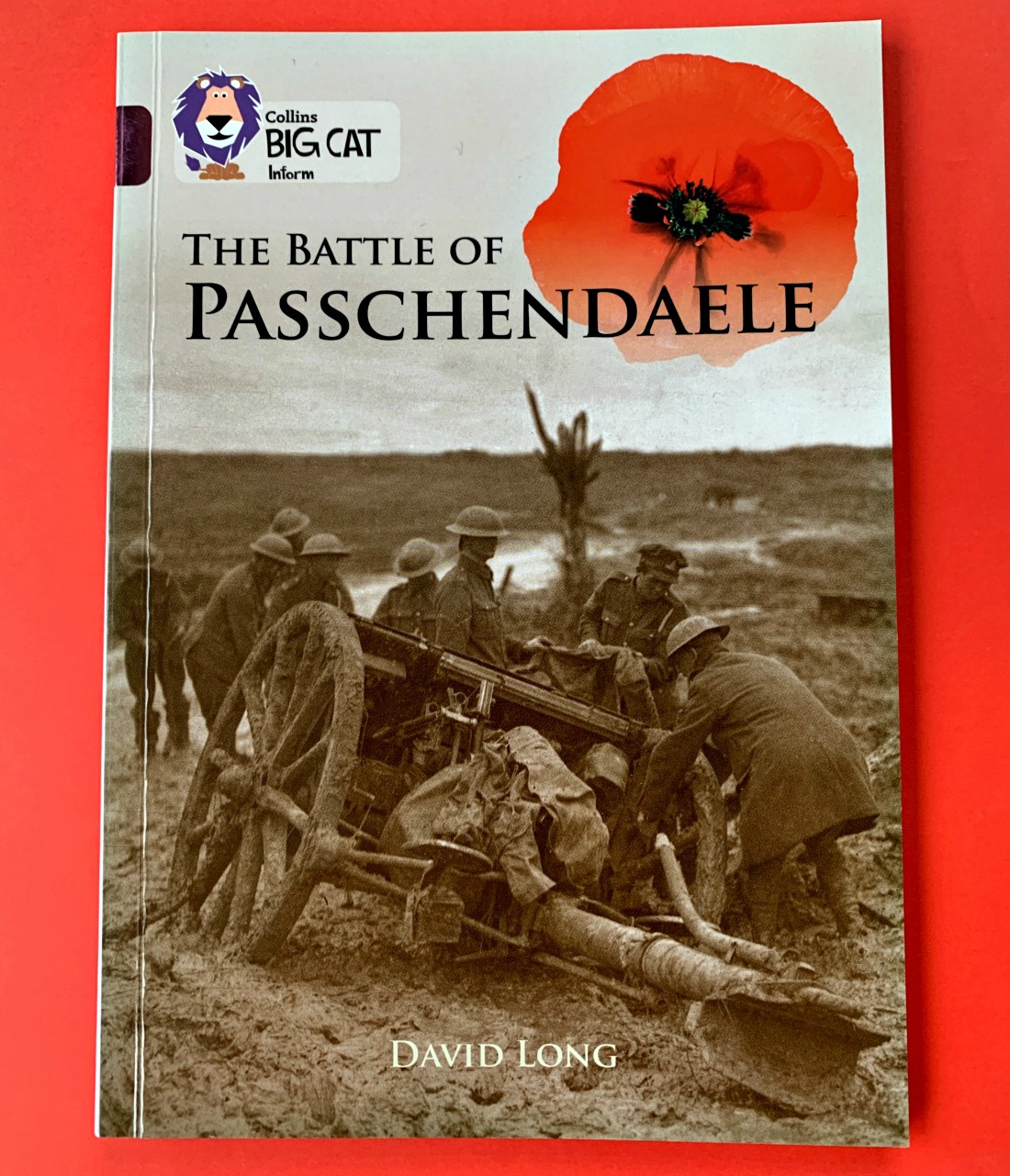
One of our current background topics is World War 1. (I say background topic because the kids read a bit about it, have a break then come back and do something, have a break and so on – it seems to be a slow topic that is constantly being circled back to). And one of the books that we have found really informative and a great springboard is The Battle of Passchendaele: Band 18/Pearl (Collins Big Cat). It is one of their Big Cat readers and has been written for Key Stage 2 ages but I love these books and I still think it is an invaluable resource for my Year 7 daughter to read and reread. The Big Cat books are written in a very easy style, packed with information but not overwhelming detail. And although the book is called the battle of Passchendaele it really is a general World War 1 book which highlights that specific battle.Collins BIG CAT reader The battle of Passchendaele. WW1

It starts with a good explanation of why the world war started, life in the trenches, what a Tommy wore and no man’s land. Then it goes onto Passchendaele and why it was considered so important. While talking about the battle of Passchendaele they cover the whole issue of mud in quite good detail as well as different weapons used (including gas). It covers animals in war (my kids like learning about this), what was meant by a war of attrition and how it was not just the countries in Europe involved but their whole empires. We also really enjoyed the sections about war time medicine – my kids find the advancement of medicine during the wars fascinating.

This slideshow requires JavaScript.

And then in concludes with some facts about how many died and a brilliant visual summary of key facts.
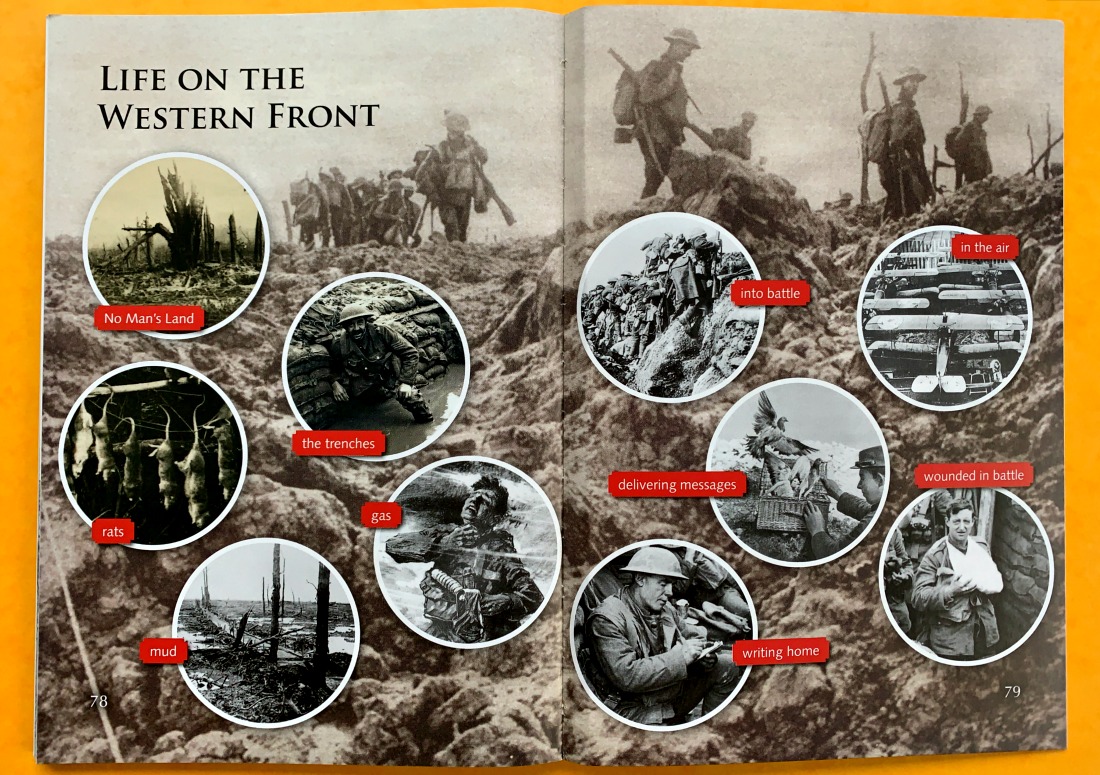
Life on the Western Front in summary pictures

So although it does highlight the battle of  Passchendaele, the book is filled with general information about World War 1. Both my kids really enjoyed reading it (aged 9 and 11) and I think it has been very well written with lots of information but nothing too grim.

After reading the book my son spent some time on the Twinkl website and found the Life in the Trenches hotspot page good (the kids click on the crosses and then a box with more information pops up).

This slideshow requires JavaScript.

He also liked “The beginnings of World War 1″ booklet – a few pages the kids can print out and then create their own booklet.

This slideshow requires JavaScript.

And if you do have Twinkl membership their World War 1 eBook is very handy resource. (My son really liked the way they explained the start of World War in the eBook.)

My daughter actually found some pages on Passchendaele on the Teachit History website. It is a three lesson plan set up around nursing the wounded at Passchendaele. She is still working through it but says it is very informative. – Lesson 1, lesson2, lesson3.

I do include Affiliate links. If you follow an affiliate link and go on to purchase that product, I will be paid a very small commission, however your cost will remain the same. I only include affiliate links for products that we use and love.
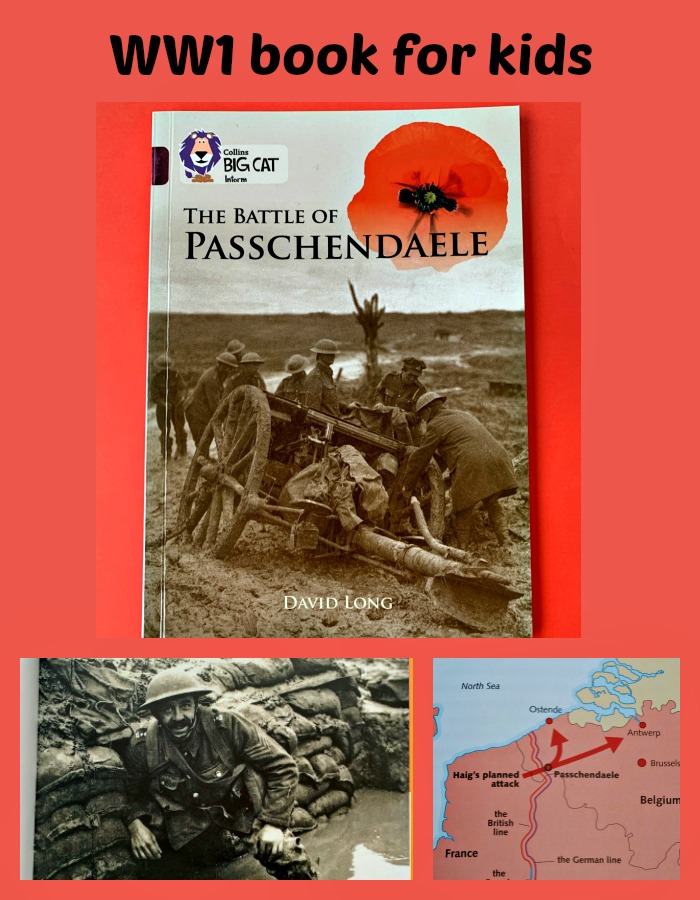
The Battle of Passchendaele. A world war one book for kids. lot of information nothing too grim World War 1 booklet from Twinkl Resources. Perfect for primary aged kids learning about WW1

Posted in Homeschooling | Tagged , , , , , , , | 1 Comment

Activate 1 – Key Stage 3 Science Resource

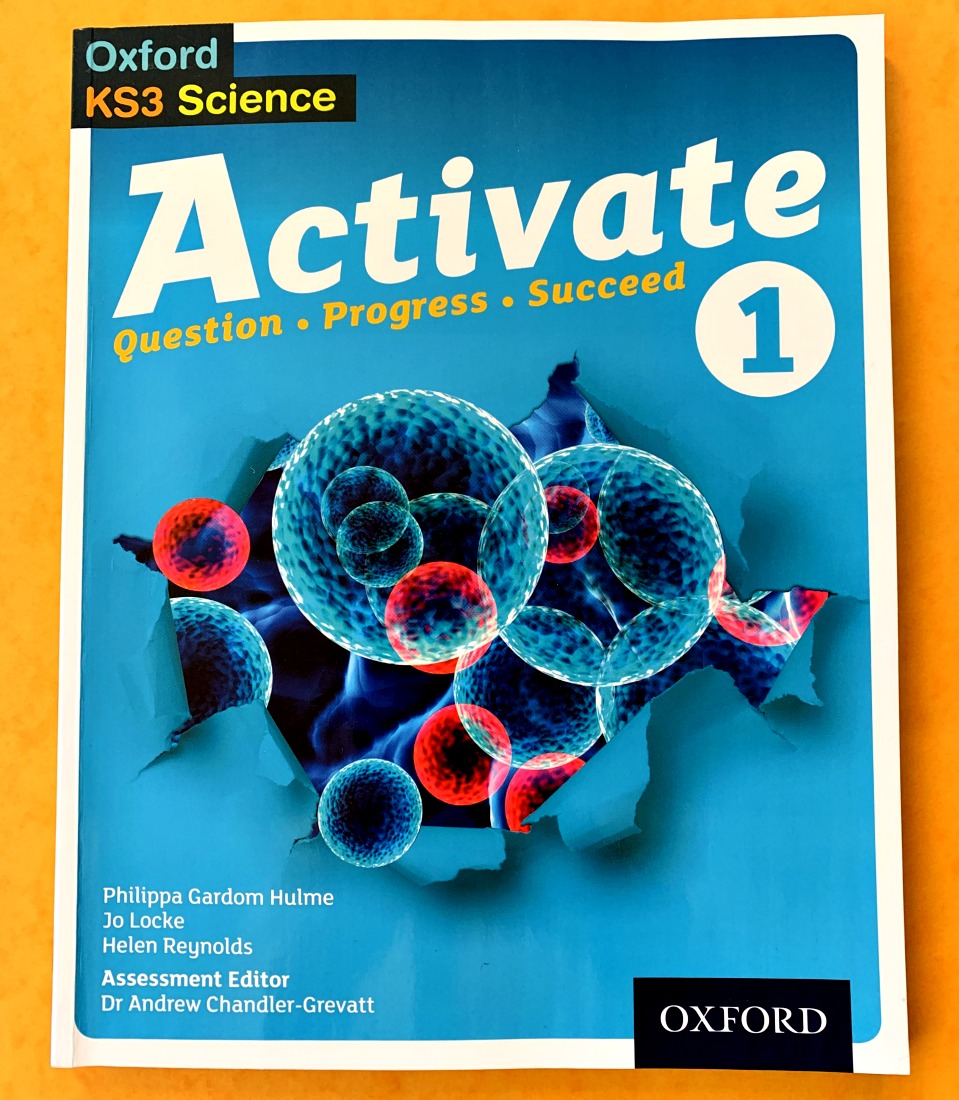
I have not written that much about the Science resources that we are using probably because the Biology side seems to just happen very naturally – the kids are constantly learning about animal biology (they have just looked at the way digestion systems differ in different animals) and then often end up looking for comparisons to human and plant biology – somehow that side just seems to be one of the topics that is always on the go in our house. However I am trying to be a bit more structured with Science specifically when it comes to Chemistry and Physics just because I want to make sure we are covering those. So I have a few books around the house that I am using as my springboard for ideas and also making sure my facts are totally accurate and I am not missing out on explaining certain concepts. And one of the books that I am really enjoying using is the  Activate 1 Student Book.

Oxford University Press Key Stage 3 Science Activate 1

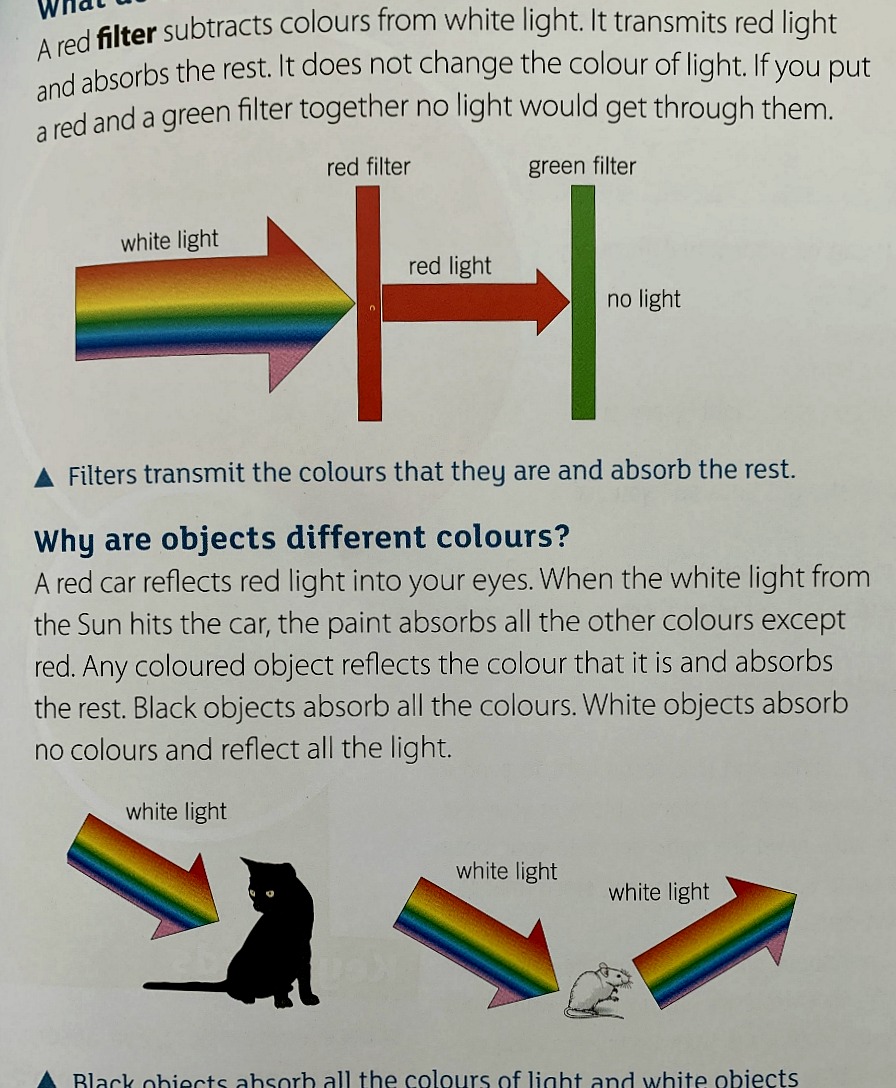
I just like the way it has been written. The book is divided into three sections – Biology, Chemistry and Physics. And each section is well presented in a logical manner with clear graphics (we like graphics that explain concepts). I feel like it covers everything but at the same time does not over complicate things.

Oxford KS3 Science.  Activate 1 student book.  Good descriptive illustrations which highlight points

Each double page ends with 3 summary questions – which is great for making sure everyone understands what was covered (although I must stress there are NO answers in this book – so you either need to be confident that you know what the answers would be or you possibly need the teacher’s guide). And then at the end of each chapter that is a Chapter Summary, a Big Write activity and then End of chapter questions (these end of chapter questions are very much styled on what kids could expect in tests and exams).

This slideshow requires JavaScript.

So what is covered in each of the three sections?

Biology

  • Cells – plant verses animal cells, specialized cells, movement and unicellular organisms
  • Structure and function of the body – Gas exchange, breathing, skeleton, joints and muscles
  • Reproduction – in humans and plants

This slideshow requires JavaScript.

Chemistry

  • Particles – the particle model, stats of matter, melting, freezing and boiling, diffusion and gas pressure
  • Elements, Atoms and Compounds – including some chemical formulae
  • Reactions – chemicals reactions, equations, burning fuels, thermal decomposition, exothermic and endothermic
  • Acids and Alkalis – Indicators and PH, neutralisation and making salts

Physics

  • Forces – squashing and stretching, drag forces and fiction, balanced and unbalanced
  • Sound – Waves, sound transfer, loudness, detecting sound and echoes and ultrasound
  • Light – Reflection, Refraction, the eye and camera and colour
  • Space – The Night sky, the Solar system, Earth and the moon

Oxford KS3 Science.  Activate 1 student book.  covers Biology, chemistry and physics

I am finding this book is the right fit for us – the right amount of info, with good diagrams and just enough questions.  We still work on our “projects” so we do tend to use the book for a while then have a break if we are doing a project and come back to it when we have finished our project and need some new direction. The Activate range does also have workbooks which look like they go with the student books but we have not tried the workbook so I can not comment on those. (Update – since writing this post we bought the Activate 1 Higher workbook and really liked it you can read about it here – Activate 1 Workbook)

I am planning on writing an update on all the Year 7 books we have used at the end of this Academic year but for now this Science book is ticking all the right boxes for us.

You Might also find these science posts interesting – Activate 2 student book, Activate 2 workbooks, biology pairs matching game and the Super Sinple Biology Book

I do include Affiliate links. If you follow an affiliate link and go on to purchase that product, I will be paid a very small commission, however your cost will remain the same. I only include affiliate links for products that we use and love.

Key Stage 3 Science Resource from Oxford University press. Activate 1 student book

Posted in Homeschooling | Tagged , , , , , | 12 Comments

Did you study that subject?

I often get asked “How can you teach a subject if you never studied it?”

Hmm Well, if I am 100% honest most of the time I am NOT teaching the kids. Yip. Most of the time I am just guiding the kids while they learn and discover and I am normally involved in that learning and studying myself, so we often tend to learn together.

A great example is Geography. I never liked Geography at school so as soon as I was given an option I dropped it as a subject. But we are actually doing a lot of Geography at the moment, Geography that I never covered at school and I am learning alongside the kids. We are all learning together. The difference is I actively search out resources about the topics and think of other things that might link in. But really, I never knew about the different Stages of a River, the Rock Cycle or Biomes – all of which we have covered and all of which I have learnt about together with the kids.

I am not concerned about this and I am actually thinking Geography might be one of the subjects that my kids choose to write exams in. And yes if they choose to write a Geography exam I will be the one facilitating everything, guiding them and helping them when they need help. But the thing is everything we need to know can be found in books and on the internet. Everything is out there to be discovered and learnt. The key is having the desire to want to learn it and then actively going out and finding the resources.

My kids know I don’t know everything, in fact when we are discussing dinosaurs or animals I sometimes ask them to fact check me (because my son’s knowledge on both subjects is exceptionally detailed). Likewise I know that my daughter has lots of History dates at her fingertips, dates that I often can’t remember. And the kids LOVE this. They love that there are certain facts that I double check with them and equally they Love it when they ask me a question and I say “I don’t know, lets find out together” or “I don’t know that, do you want to research that and then come and tell me the answer.”

There is nothing better than that look on one of their faces when they have gone off to find something out and then come to explain to me. Such pride.

For me it comes back to my basic desire to create Life Long Learners. I want the kids to enjoy learning and I want them to be confident enough that when a question arises they can research it themselves.

So No I am NOT an expert on all of subjects and Yes there are subjects that I did not study at school and Yes I am actually “teaching” my kids those subjects too.

Posted in Homeschooling | Tagged , , , | 2 Comments

Why I love Comprehensions so much

Comprehensions are one of those activities that I just love. I see them as a big valued added activity for the kids. Working through a comprehension means the kids are reading, practicing their writing, spelling, grammar and punctuation. While also having to apply logic and understanding when figuring out what the questions are asking and then formulating their answer. But as much as the home educator in me loves comprehensions I also remember that when I was a kid they were not one of my favourite activities. So I try and choose comprehensions that are going to interest the kids. For us that has meant mostly non-fiction comprehensions, ones that normally tie into a project or topic that the kids are already working on.

For example my daughter has been learning about Biomes as part of her Year 7 Geography and because we work on topics together my younger son has also been learning about the different Biomes. But he is 2.5 years younger so when she was busy answering some of the worksheets on Rainforest Biomes he had a go at the Rainforest comprehension and for this week I have just printed out a Desert comprehension for him (ooh and I just spotted a Great Barrier Reef one which might tie in with Ocean Biomes).

This slideshow requires JavaScript.

Having resources that I can adapt for two different ages is a big deal for me, my kids like to learn about topics together and it makes it a lot easier for me if we can all work on something as a unit and then just adapt it slightly for their different ages. Which is one of the main reasons I have been using the Twinkl comprehensions for about 6 years now. I love that they include different options for the comprehensions, it allows you to use the same comprehension with kids working at different levels or ages.  Most of the Twinkl comprehensions come with three different texts on the subject and three different sets of questions (I really do appreciate the choice they give).

And we have not only used their comprehensions for Geography topics, we tend to use them for everything.

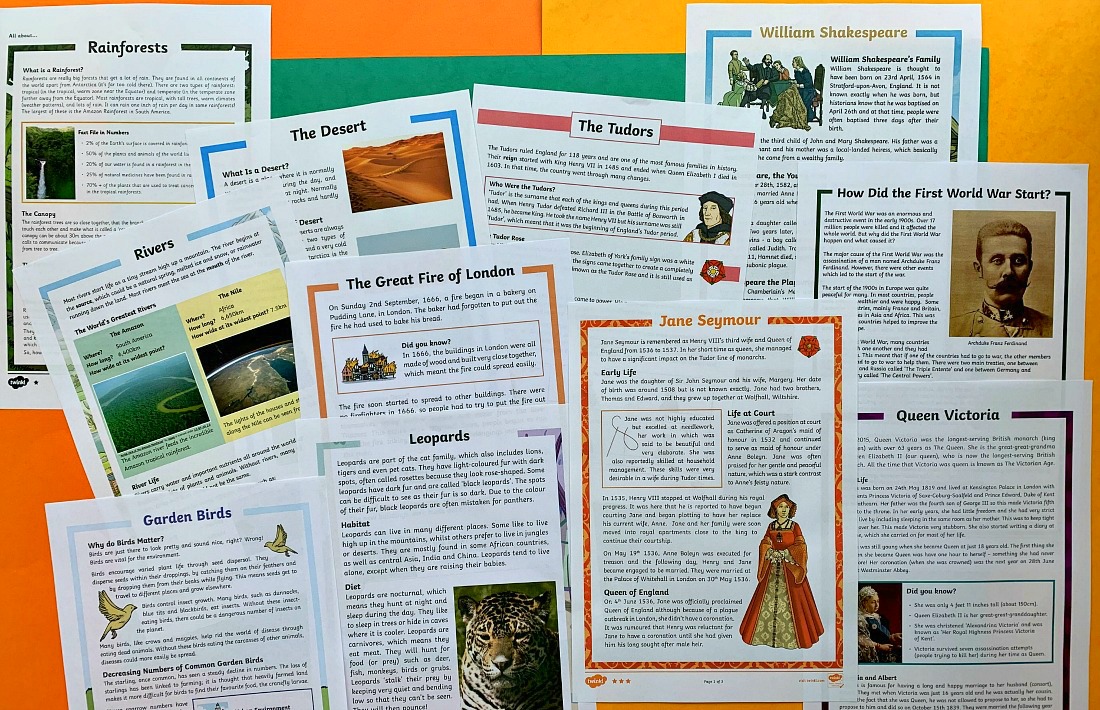
We love the History ones, both the ones about historical events and historical figures (the photos below are from the Shakepeare and Queen Victoria comprehensions).

This slideshow requires JavaScript.

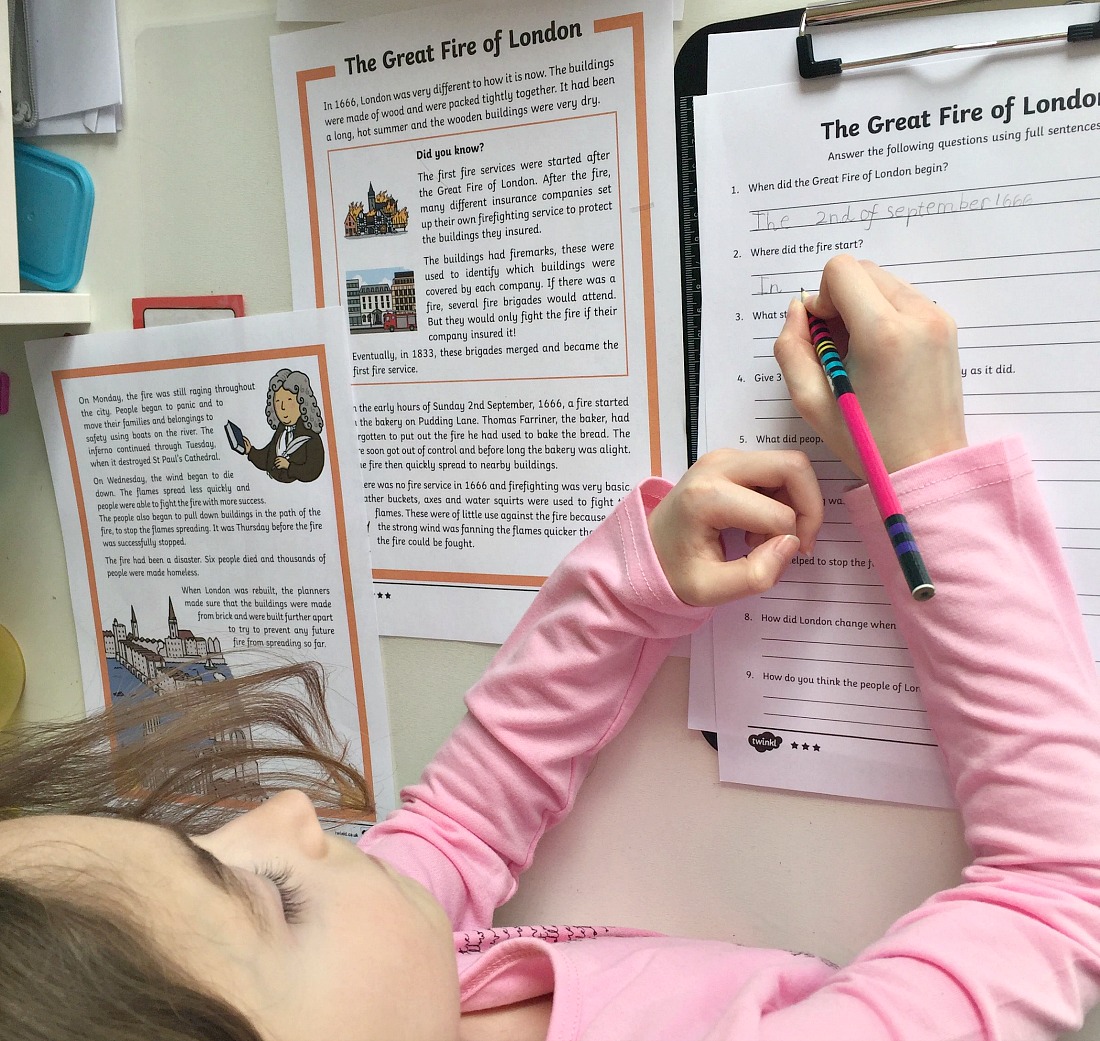
One of the first History themed comprehensions that my daughter ever did was The Great Fire of London, which was years ago, she looks so young in the photo.

The Great Fire of London Comprehension

And we have kept using the History comprehensions. They have served not only as a great revision of a topic we have learnt about but allowed me to get my history obsessed daughter to do a lot of English practice while she works on her favourite subject (although I am not supposed to call anything History related a subject because according to her the word subject sounds boring and History is amazing). We have found some gems for History including Romans, Medieval Castles, Tudors – lots on the Tudors, we loved that they included comprehensions on all of Henry’s wives (eg Jane Seymour) and through  to the World Wars.

This slideshow requires JavaScript.

I could go on and on about the different History ones just because my daughter enjoys doing these comprehensions.

And Science, they have a wide range of Science topics to choose from.  There are lots of animal linked comprehensions on the site – in fact those were the first comprehensions that my son ever tried – he loved the hedgehogs, leopards, snakes, sharks and more recently the humpback whale one oh and of course the British wildlife set – he happily worked through all of those just because he wanted to learn more about the local wildlife.

This slideshow requires JavaScript.

My son has never been a keen writer but the earlier comprehensions they have on their site (look for Key Stage 1), have nice simple questions that do not require long answers.  I often used their Key Stage 1 comprehensions when he was younger as it allowed him to participate without him getting frustrated.

But it is not just animal Science that they cover (although that seems to be where we are always looking).  They also have some interesting Human Biology ones – like the Digestive System one  and space themed ones – like the Moon

Some examples of the comprehension topics on the Twinkl Resources website

I never thought I would say I love comprehensions, but I do.  For me it is a great way of working on English skills while still learning about topics that the kids find interesting and I can often find comprehensions they allow us to work together, even though the kids are 2.5 years apart.

Posted in Homeschooling | Tagged , , , , , , , | 1 Comment

Times Table Test Book = good practice workbook

I know lots of us and our kids get put off when we see the word test. But sometimes tests  just means good practice. Towards the end of last year I was looking for some extra times table practice but I wanted something that had questions that would make them think a bit and were not just the straight forward 6 x 7. I went to a local bookstore that sells school workbooks and paged through a bunch until I found this test book – Times Tables Tests Book 2: KS2, Ages 7-11. And it is perfect. Now I must be honest we don’t use it as tests, I don’t time them or actually give them marks, we use it as practice questions.
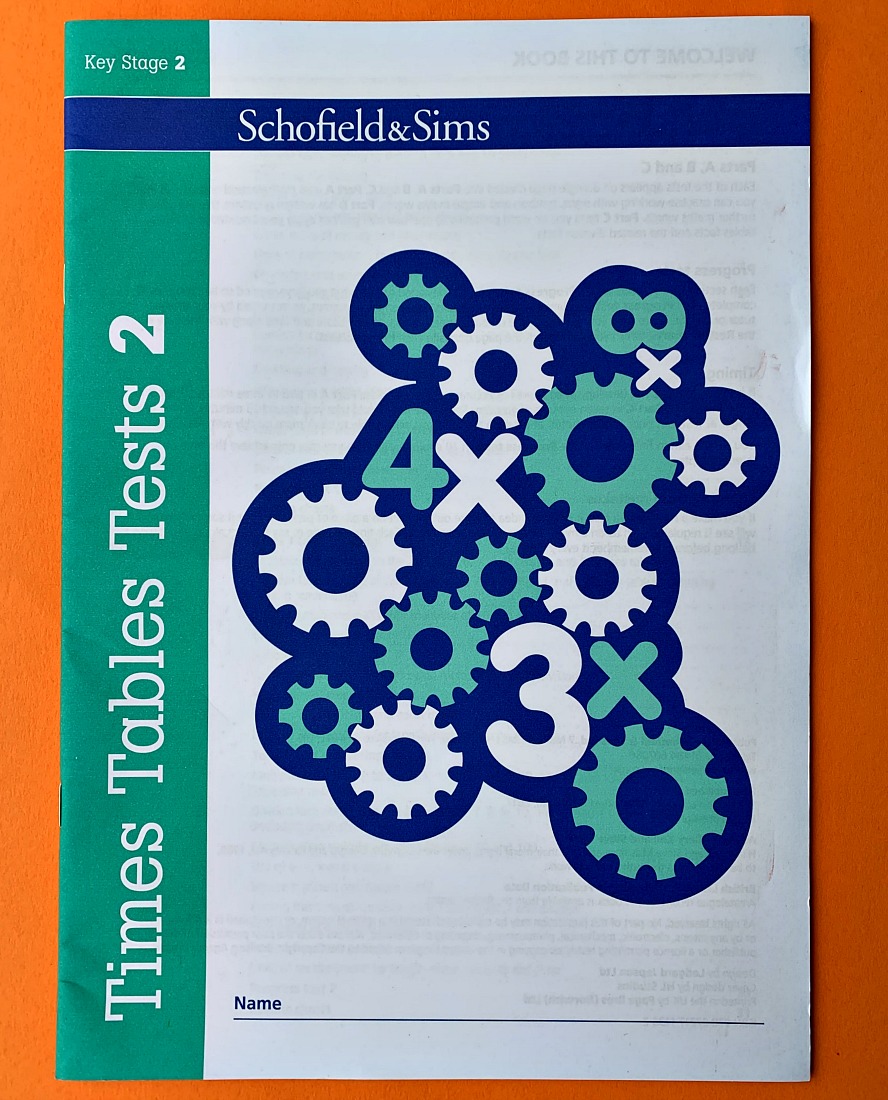
Schofield & Sims Times Tables Tests 2. Key Stage 2 Maths

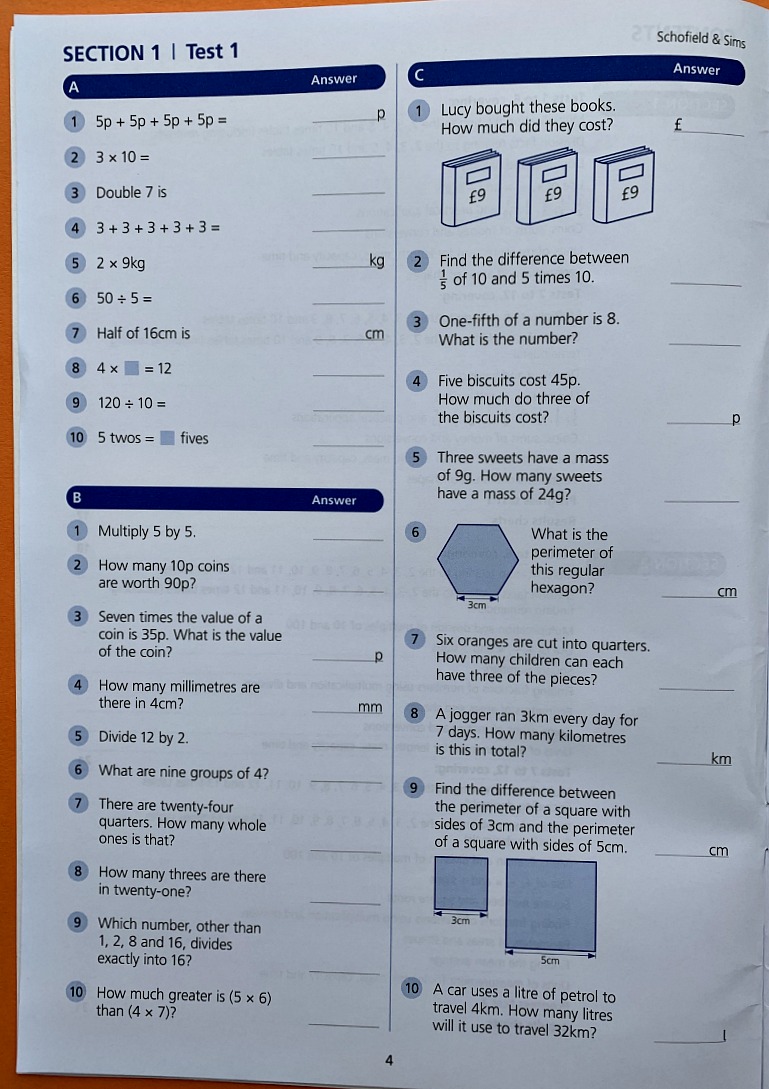
Each page is a test and we tend to do one page at a time.

Schofield & Sims Times Tables Tests 2.  Times table workbook for KS2 Maths

The page is divided into three different sections. Section A are sums written using mathematical notation (eg 8×8=). Section B are sums written in words and Section C are story sums, sums that are sometimes lightly more complicated.

This slideshow requires JavaScript.

I see Section A as a warm up, Section B just makes them think about the different words they can use and then Section C is my favourite. Section C is where they has to apply their knowledge and think about how they would use multiplication and division is real life. There are 24 of these tests / pages in the book.

This slideshow requires JavaScript.

And there are also two progress tests with a results charts (but I must admit we have not used the results chart but it is there and some may find it handy).

This slideshow requires JavaScript.

Oh and just to mention there are no answers in the book.

The tests are also grouped into sections – the first 6 only deal with 2,3,4,5 and 10 times tables then the next 6 tests also include 6, 7, 8, and 9 times tables after which the rest cover all of the times tables.

I really do think this is a handy times table book, with lots of great examples for the kids, just don’t think of them as tests, think of them as practice pages.

Admin – for those of you interested I bought this book.

I do include Affiliate links. If you follow an affiliate link and go on to purchase that product, I will be paid a very small commission, however your cost will remain the same. I only include affiliate links for products that we use and love.

Posted in Homeschooling | Tagged , , , , , | 2 Comments