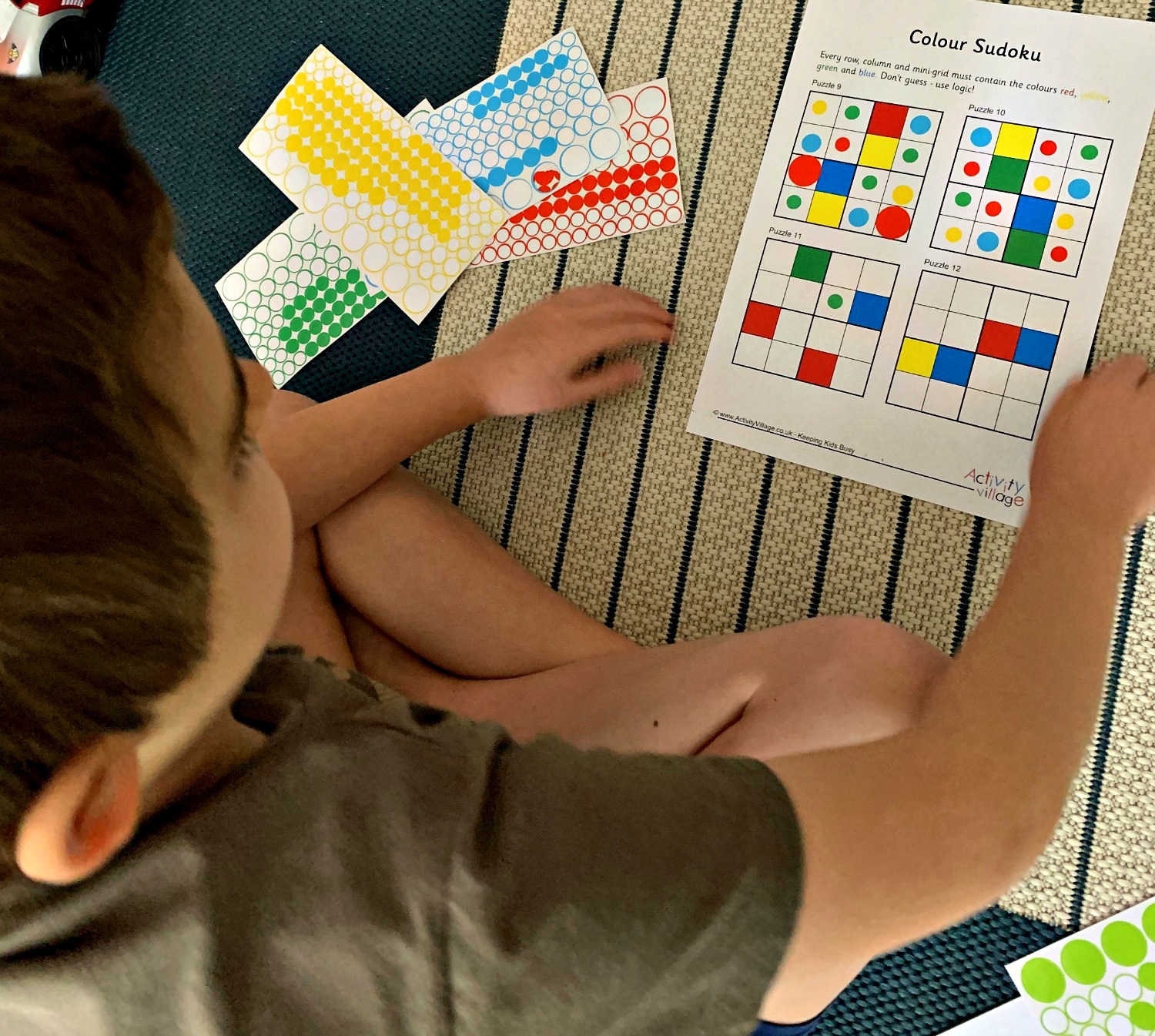
Multiplying and Dividing by 10 and 100 with Dinosaurs

Over the lockdown my son has gone back to his dinosaur fascination (well I say gone back but it has always been there in the background as one of those topics that he finds interesting). This time it is a lot more fact based. And one of things I have noticed he is very interested in is the different measurements. He is becoming a lot more accurate with what he wants to know.

So when we started looking at decimals and dividing by 10 and 100 to get decimals I immediately thought we could do some dinosaur maths.

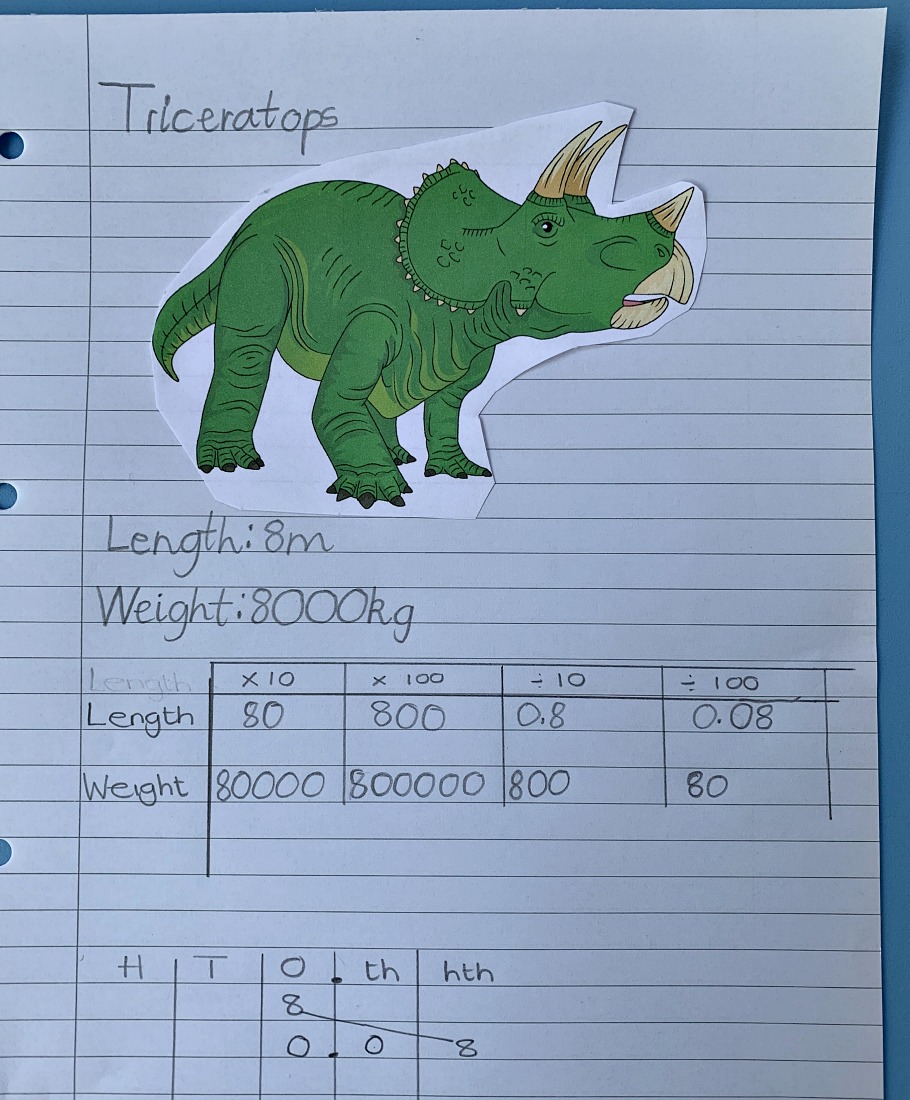
He had to start by finding the different dinosaur measurements for a selection of dinosaurs. He started with the dinosaurs included in the dinosaur image file from Activity Village (we had printed out these images for another activity so he knew about them and asked to use them for this). For each image he found the weight and length.

This slideshow requires JavaScript.

Then he had to multiply each measurement by 10 and 100 and also divide it by 10 and 100.

creating dinosaur fact pages to use for his dinosaur maths activity

Now I know lots of people just think of this as moving the decimal point (which I totally understand) but I want the kids to understand what we are doing. So we have explained it using place value. If you multiply by 10 you move one column to the left and multiply by 100 (which is 10×10) you move 2 columns to the left. Then dividing by 10 is moving one column to the right and dividing by 100 is moving two columns to the left. I find if the kids get this they can apply it to all kinds of numbers and they can use the same logic with multiplying or dividing by much larger numbers.

multiplying by 10, 100 with dinosaurs

And the bonus.  Because we used a subject he is interested in not only did he do the 10 dinosaurs I asked for but he has continued creating his own versions of these.

This slideshow requires JavaScript.

Posted in Homeschooling | Tagged , , , , , , | Leave a comment

The Man who bought a Mountain – Twinkl eBook

The kids and I going through a bit of a Twinkl eBook craze at the moment. My youngest loves them and I must admit I find them so easy (in other words little prep work on my side).

The man who bought a mountain Twinkl eBook

Last week my son requested the Man Who Bought a Mountain and while I was going through looking at the activities I notice a bunch of links to videos on YouTube. So I had a quick look and was wonderfully surprised to see what they called Daily Reading Activity Packs – 5 separate packs on the Twinkl site each with a link to a video. So a video a day idea. (The link to the videos are in the paragraphs underneath each activity pack but you can also just search on YouTube).

This slideshow requires JavaScript.

And the video –  as soon as the link opened there was a lovely Twinkl teacher who read the story (they display the story on the screen so the kids can follow along) and they pause and ask the kids questions and get them to think about certain things in the text. We have never tried this with the other eBooks (we always read them together) but I thought why not? Lets just give the first lesson a go. So we tried and my son asked if we could stick with the video lessons for the whole week. We did. And they were all brilliant. My son loved it and happily did all the questions and tasks the Twinkl teacher asked and I must admit I enjoyed sitting and drinking a cup of tea while I listened to the Twinkl teacher take control. (Each video clip is rough 17 – 20 minutes long but the kids do pause to answer questions so it took my son about half an hour each time). And his sister even came and listened to the lessons just for fun (because it is always great to listen to a good story).

I have had a quick look and seen they have done these type of video lessons for a number of their eBooks (have no idea which ones they have done them for and which ones they have not). And I must admit we will try them again. I actually think it is nice to mix it up a bit and do some of the eBooks our old way of reading together and some with these videos.

And as always this eBook comes with activities that you can print out from the Twinkl site.  For each daily reading they have a questions (really comprehension type questions about the story) and then normally an extra activity page. Day 4 actually covered Fronted Adverbials (something which my son had not yet done so I was thrilled when I heard the Twinkl teacher explain it and he totally understood it after the lesson and activity).

There are also extra comprehension pages and activity sheets linked to the eBook on the site (just type in The Man who Bought a Mountain and a whole bunch of related pages come up).  They have pages like – the label a mountain, the mountain ranges in the world a lovely non-fiction comprehension about a man you actually moved a mountain and a lot more.  In the eBook Yash actually mentions how his mountain was created so it could always be a great introduction in how different mountains are created (we have already looked at that).

This slideshow requires JavaScript.

As always we enjoyed the story and my son really enjoyed having the video lessons. 

Using Twinkl eBooks as part of our home education. Fun, little prep work involved and the kids learn lots

Posted in Homeschooling | Tagged , , , , , , | 1 Comment

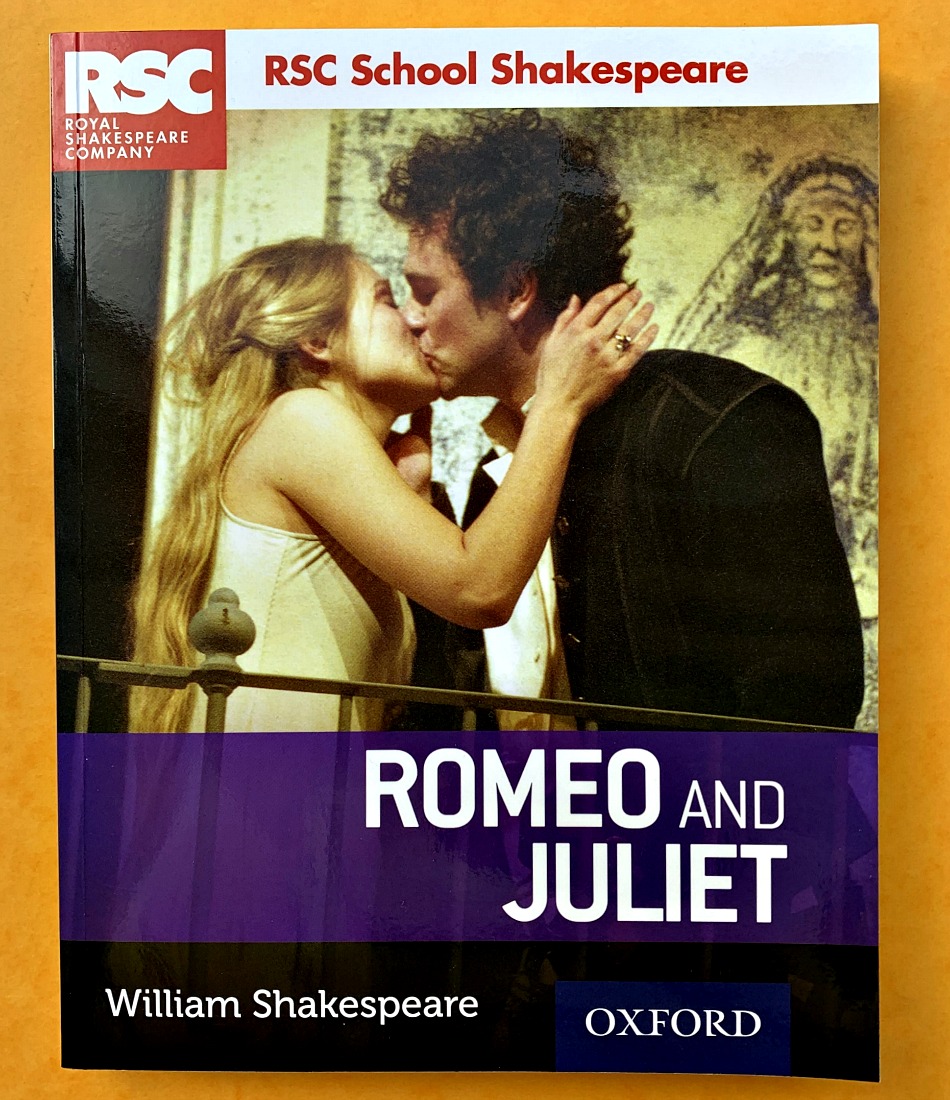
RSC School Shakespeare – Romeo and Juliet

My daughter loves reading and actually enjoys Shakespeare. She has read a number of his works (in a slightly condensed version) and thought they were amazing. And I must admit I also enjoyed Shakespeare at school but when it came to working through the work, slowly and carefully, making sure we picked up on the different themes I felt like I needed a bit of extra guidance. (I like feeling like I have covered topics thoroughly.)

So I was thrilled when we discovered this series – RSC School Shakespeare.

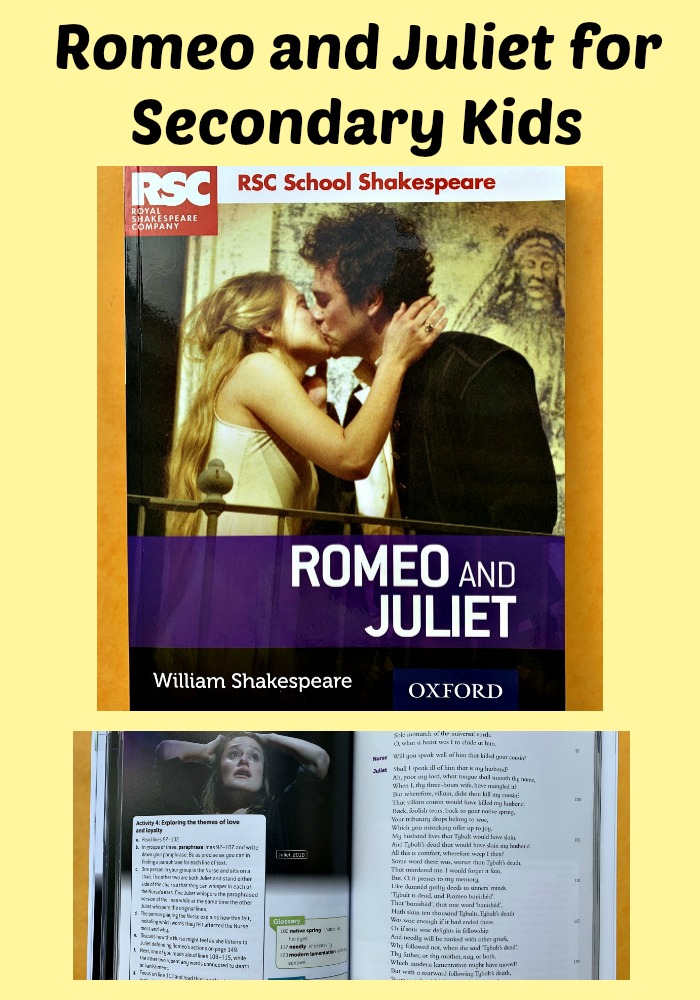
RSC School Shakespeare Romeo and Juliet

This series has been created in partnership with the Royal Shakespeare Company and their contribution really brings the play to life. 

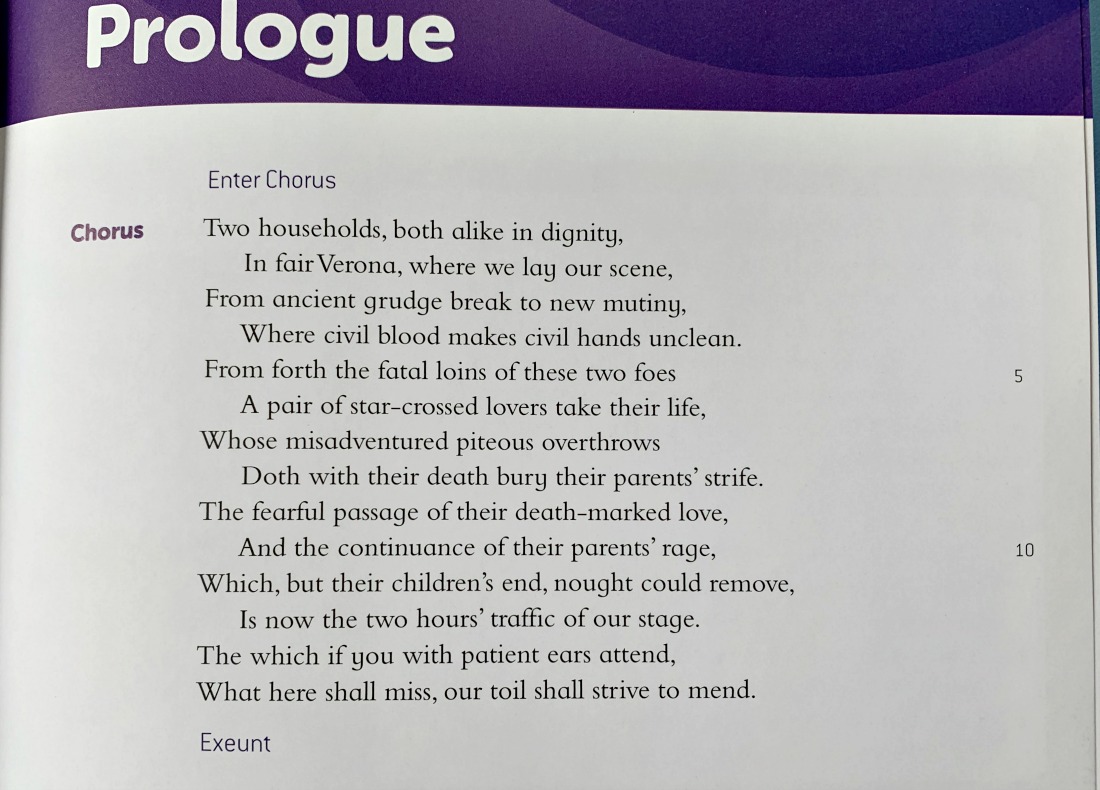
RSC School Shakespeare Romeo and Juliet prologue

It is Shakespeare’s words (his proper words not a condensed version) combined with lots of extras. Each double page consist of 1 page of actual play text and then 1 page of “extras”.

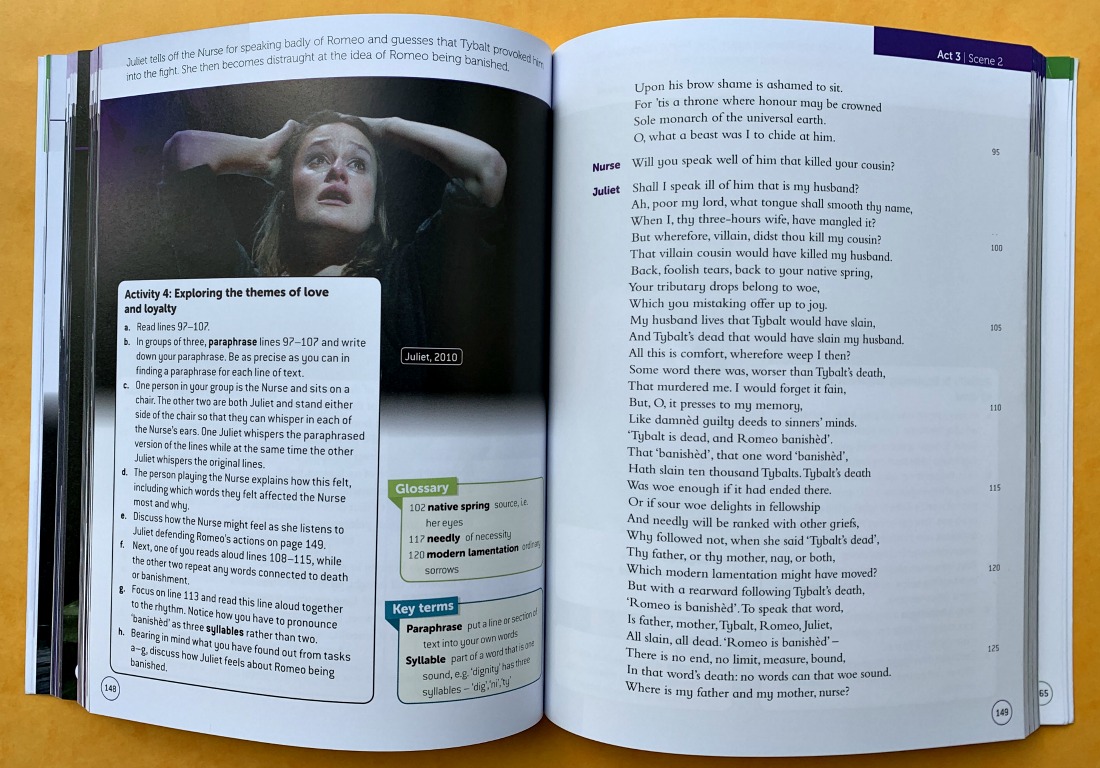
RSC School Shakespeare Romeo and Juliet Act 3 scene 2 text

The extras include performance photographs (brilliant idea to include these images of the actors in costume in the various scenes), suggested activities, glossary and sometimes things like – “did you know” or “at the time”.

This slideshow requires JavaScript.

Firstly I LOVE that every page of text comes with its own mini glossary – LOVE this.  I think every version of Shakespeare for school aged kids should have these mini glossaries because the fact that it is right there on that page means the kids automatically look the words up so they understand what they are reading.

Then the suggested activities – they just make you stop, breathe, think about what you have read, act it out, imagine, talk – just brilliant. And yes it does slow it down. But really if you are studying a Shakespeare work for the first time (well for the first few times) you actually need to take it slow so that you can not only understand but appreciate the characters and the themes that are woven in.

At the end of each Act there is an extra double page of activities. And at the end of the book they have included an extra “William Shakespeare and his World” section – which are facts about life in Shakespeare’s time. An absolute must read for anyone reading Shakespeare because understanding the time, the traditions and environment is really fundamental to understanding the plays.

This slideshow requires JavaScript.

I think this is an excellent resource perfect for use when you want to work through any one of his works.

As for my daughter she says it is really helpful if you are wanting to read Shakespeare independently.  She found the glossary on each page very useful and she loved reading the activity ideas and had a go at acting out a few of the scenes.  She has already requested that I buy her this version for her next Shakespeare play  – she is just trying to decide between Much Ado About Nothing and A Midsummer Night’s Dream (and I agree with her we will keep buying these versions of Shakespeare’s works for the kids to read and use).

You can buy the RSC Shakespeare books directly from the Oxford University Press site or from Amazon – RSC School Shakespeare: Romeo and Juliet

Admin – I do include Affiliate links. If you follow an affiliate link and go on to purchase that product, I will be paid a very small commission, however your cost will remain the same. I only include affiliate links for products that we use and love.

Romeo and Juliet resource for kids to use in Secondary studies. Text and explanation side by side

Posted in Homeschooling | Tagged , , , , , , , | 6 Comments

Lockdown Learning

I know some people are loving lockdown learning but I must admit we have struggled. And yes I know some people find that hard to imagine because we are full time home educators (we home educated before lockdown started and will continue home educating once it is over). But this lockdown style of learning is NOT normal home education for us and the kids and I have struggled with this new lifestyle. We have missed our usual outings, activities and friends. And I have found that lockdown living has affected our learning. So I have been trying really hard to mix up the learning and keep it as fresh and interesting as I can (but boy do we miss going on and learning at museums etc).

So I thought I would share some of the lockdown learning wins that we have had (some are resources that we were using before lockdown and some are new resources).

BBC Bitesize Daily Lessons.

Now I have used BBC Bitesize before and we have always thought it good but these daily lessons are brilliant.  The kids love the little video clips that they include.  The site is set up by academic year but we don’t stick to that.  We jump around and look at the topic that we want regardless of which year it has been allocated too.  We have used these lessons for all subjects but we don’t use them every day nor do we use every lesson (there is a lot on the site).

Mathletics. 

A completely new one for us.  A few weeks ago I spotted a post on Facebook saying you could download some of their maths booklets for free and I thought – why not.  So I set up a free account and downloaded a few for both my daughter and my son.  And I must admit we like them A LOT.  I like the way they set them out with the explanations and the exercises and the way it slowly builds up from easy to more difficult.

Twinkl

We have used Twinkl for years but the one resource on their site which has really become popular with us during lockdown has been the Twinkl Original eBooks.  We have read a number of them and all have been excellent.  Current favourites would be – Wrymstooth Crown, Pack of Pompeii, Jazz Harper the Space Explorer and Rainforest Calling.  With all their eBooks they create activities to go along with the stories.  You normally get guided reading questions which they kids can answer as they read, comprehensions, some sort of grammar activity and then lots of pages linked to the topic.  So for Pack of Pompeii you could go look at Volcanoes, with Jazz the Space Explorer we then did a bunch of their Space pages.  There is always a lot you can link in.  For us these eBooks have been one of the big winners.
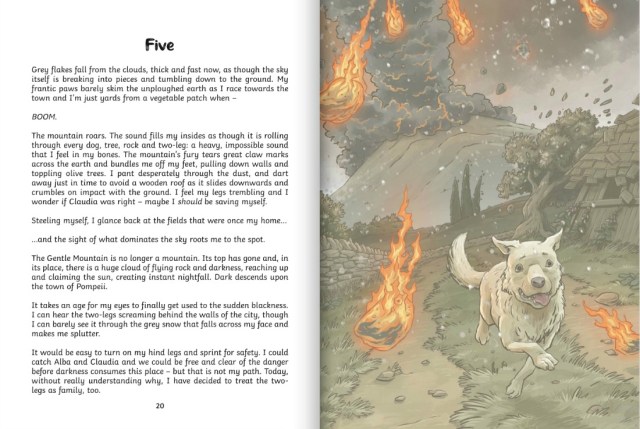
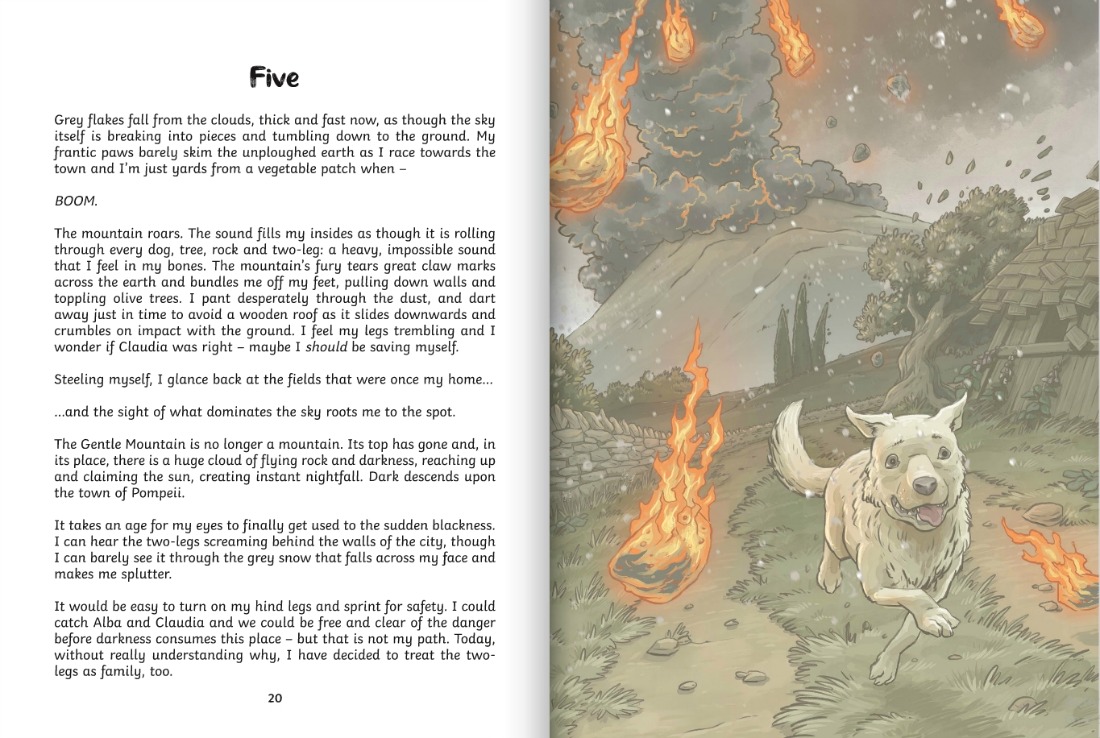
Pack of pompeii a Twinkl Original eBook chapter 5 image

Activity Village.

Activity Village is one of our favourite sites and during lockdown it has been their puzzly pages that we have really been enjoying.  Their Sudoku pages have been very popular with both the kids and myself. (Their word searches, word scrambles and crosswords are old favourites which are very handy for English activities).
Activity Village colour Sudoku

And my son has really enjoyed their realistic Dinosaur pages – they have some images which you can print out for your own projects and some excellent dinosaur scene pages which we have used as story starter pages (My son writes stories about what he thinks is happening – although to be totally honest when you read his stories you sometimes wonder how it is linked to the colouring page that he started with).

Books

My daughter has been reading a lot during the lockdown and she is really enjoying the Oxford Children’s Classic books that we have at home (I have managed to buy a few extra ones online which also helped).  Her favourite subject is History so we have really just let her go History crazy a bit during the lockdown.  She has reread a number of History books that we have and has revisited old History topics (she liked looking at the BBC Bitesize History lessons even if they are History topics that she already knows).  She has also read her next year’s History book cover to cover which is spurring her to do some of her own research into some of the events. (Can not say enough about this History series it is amazing).

This slideshow requires JavaScript.

My son has been sticking to his favourite topics of dinosaur and animal fact books for his reading.  But I was also chuffed to see he branched out and tried The Return of the Railway Children (his sister recommended it) and really enjoyed it. 

Letter Writing

One of the new activities that both my kids have started and are loving is letter writing.  Yip Good old fashioned write a letter on some paper, address the envelope and post it to your friend.  They have a few friends they are writing to and they love it.  They enjoying thinking of what to write about and are thrilled whenever a reply gets popped in our letter box.  I must admit the idea of letter writing was completely theirs but I am loving it for two reasons.  Firstly it is helping my son practice his spelling in a fun relaxed way (spelling is a bit of a struggle with him) and secondly it is giving them something to look forward to (receiving their reply).  One of the things they have struggled with is the feeling that the days and weeks are just the same and nothing exciting tends to happen.  And as small as receiving a letter may seem it definitely cheers everyone up.

And lastly two “other” items which have been especially popular with my kids during the lockdown have been Kids Butterfly Fishing Net Childrens Insect Catch Mesh Fish Extendable Pole Sea (ours never seem to last long but the kids love going pond dipping with them) and our K’Nex.

This slideshow requires JavaScript.

Admin – I do include Affiliate links. If you follow an affiliate link and go on to purchase that product, I will be paid a very small commission, however your cost will remain the same. I only include affiliate links for products that we use and love.

Posted in Homeschooling | Tagged , , , , , | 1 Comment

Cells

We started looking at cells earlier this year and the kids created a visual representation of an animal cell and a plant cell using kitchen items like a plastic container, frozen peas and frozen corn. It was a great activity. (We used this idea from BBC and just made a few adjustments).

making our plant cell

We have been building on our cell knowledge ever since then, slowly and with a lot of repetition because I consider this section of biology as being one of those foundation stones of the subject. I wanted to make sure my daughter really understands it. And I must admit I searched quite a bit online for cell related pages to use with her but I was never totally happy, so I turned to one of our favourite secondary resources – Oaka Books.  They actually have two topic packs for this section a part 1 and a part 2 (but for this post we are focusing on Part 1).

Oaka Books Cells and Organisation Topic Packs

So what does the Cells & Organisation Part 1 Topic Pack cover?

  • Cell Structure (my daughter REALLY likes the way this has been set out and explained she says some of the other resources that she has read did not explain the different parts as clearly).
  • Different features of cells and how they have adapted and specialised
  • Diffusion in the cells
  • Unicellular and Multicellular
  • Fertilisation of Cells
  • Examining cells (I really liked that they included this)

This slideshow requires JavaScript.

After we started using this topic pack my kids had another go at creating both plant and animal cells – this time using playdough. And my youngest even used the playdough to explain the different parts of a cell and its functions to me. (He is also a huge fan of the Oaka topic packs – in fact he often reads the KS3 topic booklets I get for his sister.)

This slideshow requires JavaScript.

All Topic Booklets include a Glossary page but I am finding with the KS3 Science packs  that I really appreciate the Glossary page.  It is proving handy for both myself and my daughter. My daughter actually commented that she would like to stick the Glossary page up on her notice board (like a poster) so we can refer to it whenever she needs to.

Glossary page included in both topic booklet and write your own notes

As with all Topic packs they include a Topic Booklet, a Write Your Own Notes and a Learning Game.  This is standard for all Topic packs.  The Write Your Own Notes are created to look like the Topic Booklets but with spaces for the kids to fill in key words. And I must admit we find the Write Your Own Notes really comes into its own with the KS3 Science packs.  We are finding it more and more useful. 

This slideshow requires JavaScript.

And finally as always the game is perfect.  Just what you need to remind the kids about what they have learnt. (We always come back and play these games multiple times).

This slideshow requires JavaScript.

We are massive fans of the Oaka Books Topic Packs and this Cell pack does NOT disappoint.


Posted in Homeschooling | Tagged , , , , , , | Leave a comment