Days Out at English Heritage sites

We recently visited 5 different English Heritage sites (we split them over 3 different days) and I must admit I was so impressed with everything about the venues. We actually become members before the lockdown started and never got a chance to use our membership until they started reopening the sites. So I was not 100% sure what to expect.

At all of the sites we visited you needed to pre-book your visit (which is really quite straight forward on their website) and then you just show the tickets when you arrive. They were clearly limiting the number of people entering and I never felt like they were admitting too many people. We could walk around with total confidence and spend time reading the signs without feeling pressure to move on. The sites had cafes open (although they were take-away only) and they had toilets open (lovely and clean and no queques to use them).

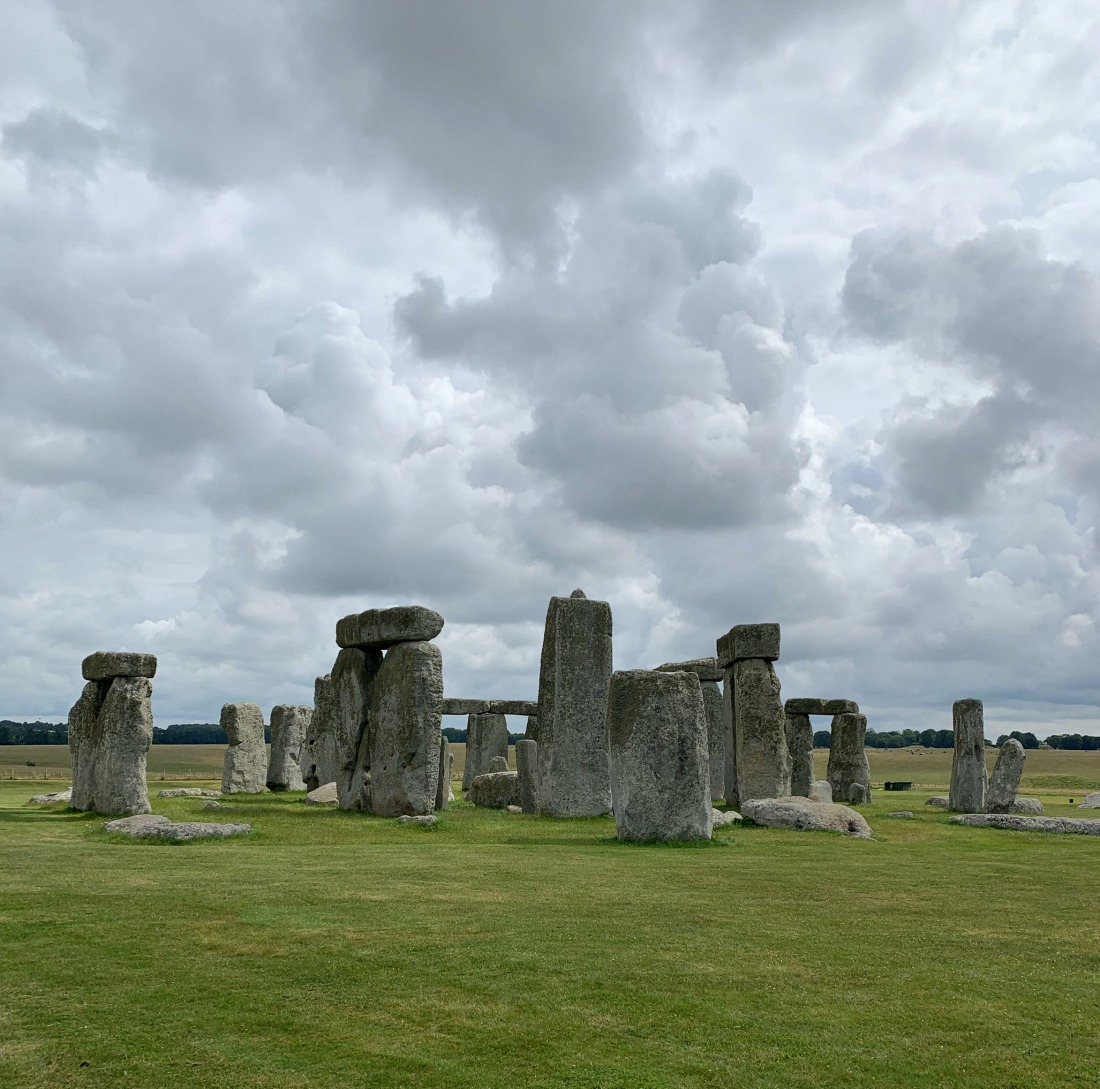
And one of the biggest bonuses about visiting when they are restricting the numbers is the staff have more time to chat.  At Battle Abbey we got to listen to a lovely talk about the events surrounding the battle of Hastings – everyone sat outside and there was plenty of space.  At Stonehenge the kids spent ages chatting to two of the staff members about all sorts of things from Stone Age tools through to Medieval weapons.  The staff at all of sites we visited were really happy to engage and chat with the kids even when the kids went off topic and spoke about different time periods.  This is one of the reason why I always prefer to visit sites and museums when they are not as busy because that is when you really get the benefit of talking to the people who work there, who have incredible knowledge and who actually love to chat about their area of interest (as long as they are not swamped with huge crowds).

The venues we visited were

Day 1 – Battle Abbey (the site of the Battle of Hastings) and Pevensey Castle

This slideshow requires JavaScript.

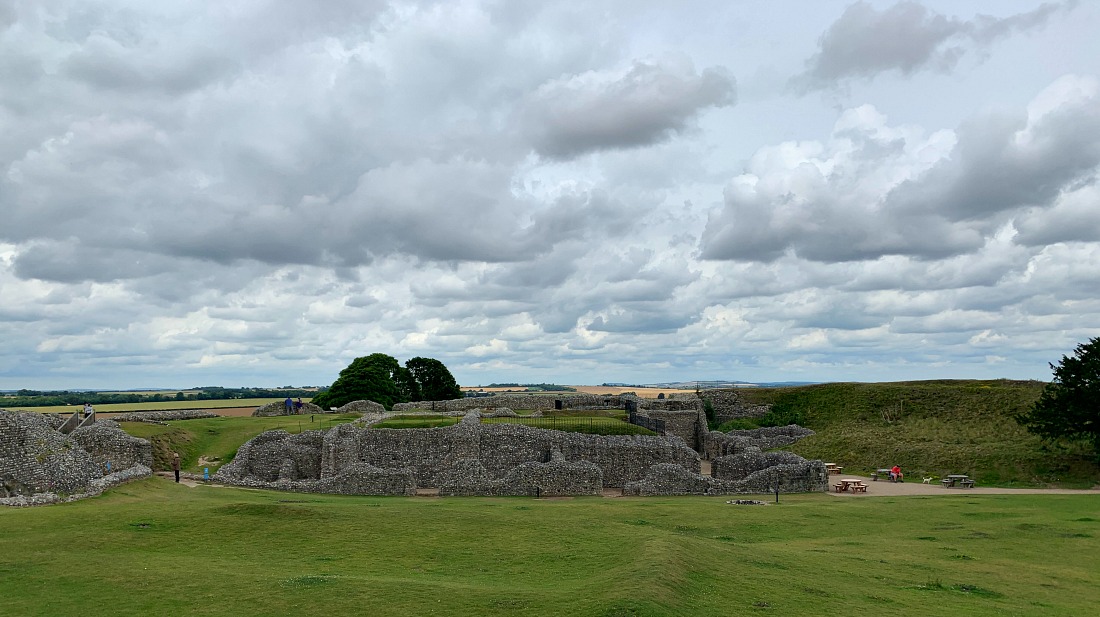
Day 2 – Stonehenge and Old Sarum

Stonehenge ofamily learning together

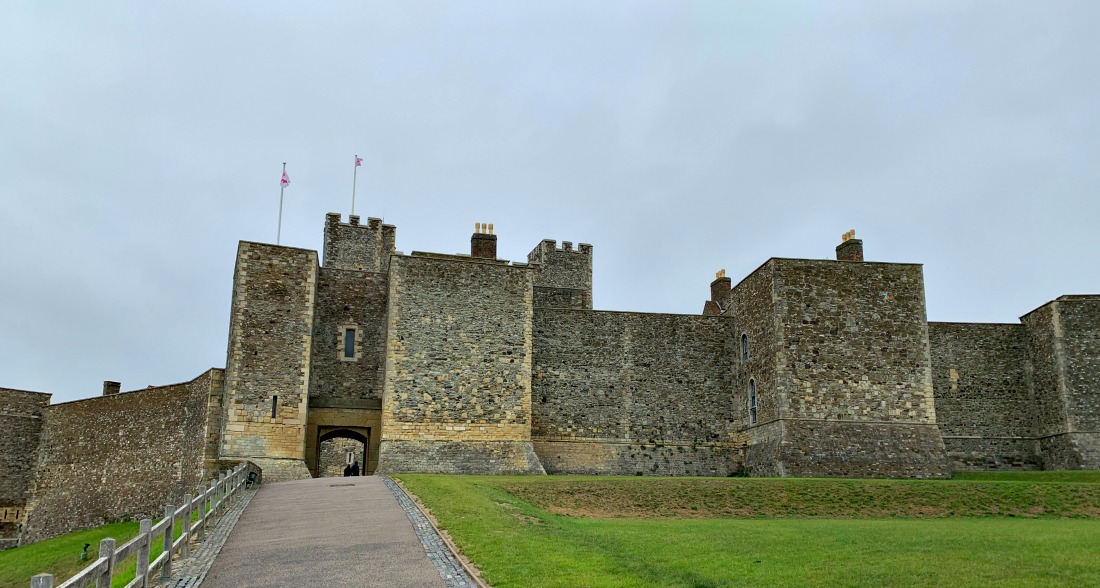
Day 3 – Dover Castle (the tunnels were not open).

Dover Castle the medieval Tower

Our day trips were brilliant and enjoyed by everyone. We all got a much needed change of scenery (which is great for boosting everyone’s mood), we got to walk around outdoors and the kids learnt something in a relaxed enjoyable manner.

If you are in England and the kids are feeling a bit frustrated with the current situation and need to get out we highly recommend trying one of the English Heritage sites. We are definitely going to be going to a few more over the next couple of months.

Admin – This post is not linked to English Heritage.  It is just me writing about something that we all enjoyed doing even with the current restrictions in place.

Old Sarum

Old Sarum

Posted in Homeschooling | Tagged , , , , , , | 1 Comment

Starting Year 8 – English Literature Ideas

I am starting to slowly gather together the different resources that we are planning on using with our daughter for her Year 8 academic year. And as I did last year I am going to put together a post for each subject outlining which resources we are planning on using. The First one is English Literature (it’s just happens to be the first one because we already know what we want to use and have most of the resources).

I must start by saying my daughter is a bit of a bookworm and she does read a lot. She loves classical stories and Historical fiction. I am not including the books that she reads independently in this post. This post is about the books we are planning on reading / working through together. Books that we are going to discuss in detail and yes she will end up doing activities/ worksheets based on these books.

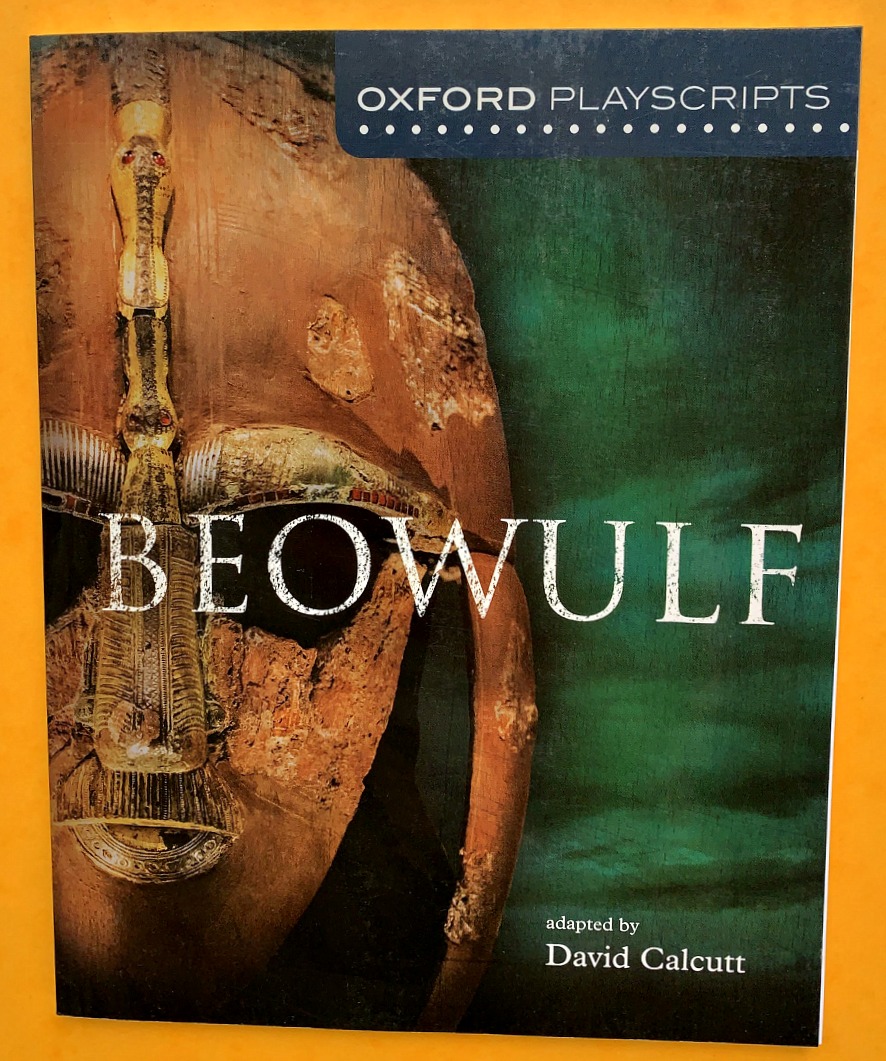
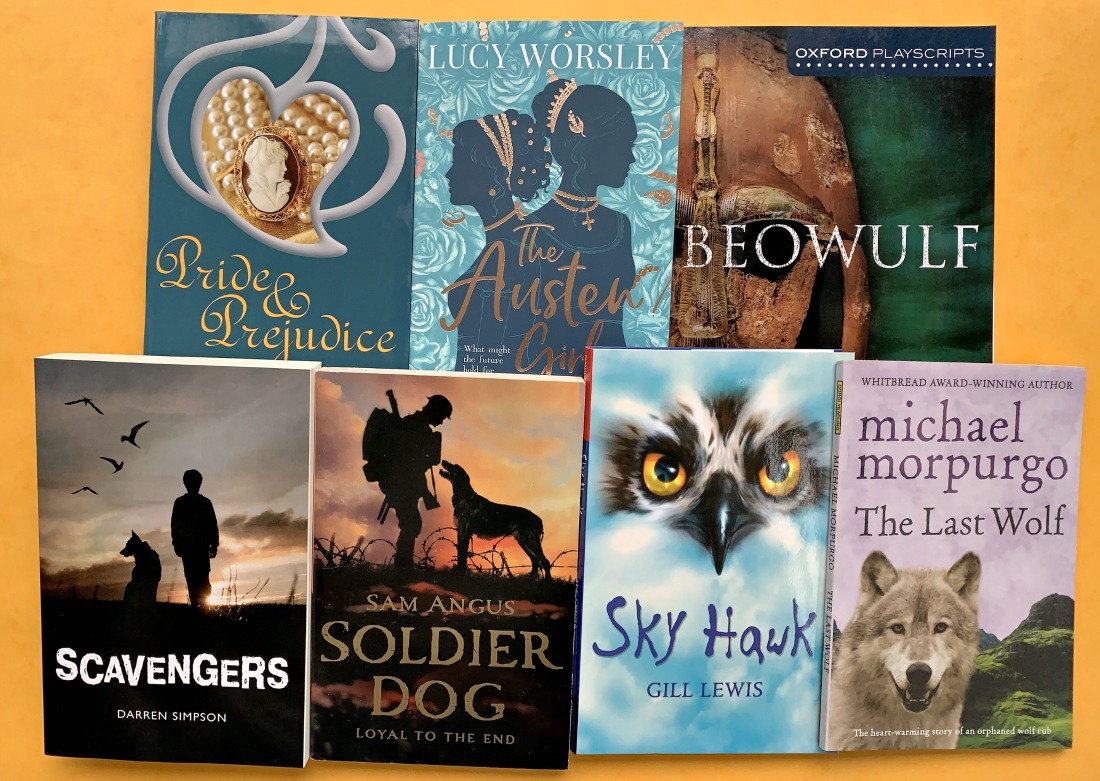
To start with we are trying something new a “playscript”. We thought it might be fun, to act out sections and just have a bit of fun with the text. We have spoken about Beowulf before when we studied the Anglo-Saxons in History so she knows the basic story and she thought studying it in a bit more detail would be interesting. We are using an Oxford Playscript for this which includes a version of Beowulf written as a play and then a section afterwards where they discuss the play and give some ideas on activities that the kids can do. It is our first time trying one of these playscripts but I have skimmed through already and I think it is going to be a really fun activity (and in our house fun=remembering).

Beowulf an Oxford Playscript perfect for kids in KS 3 years

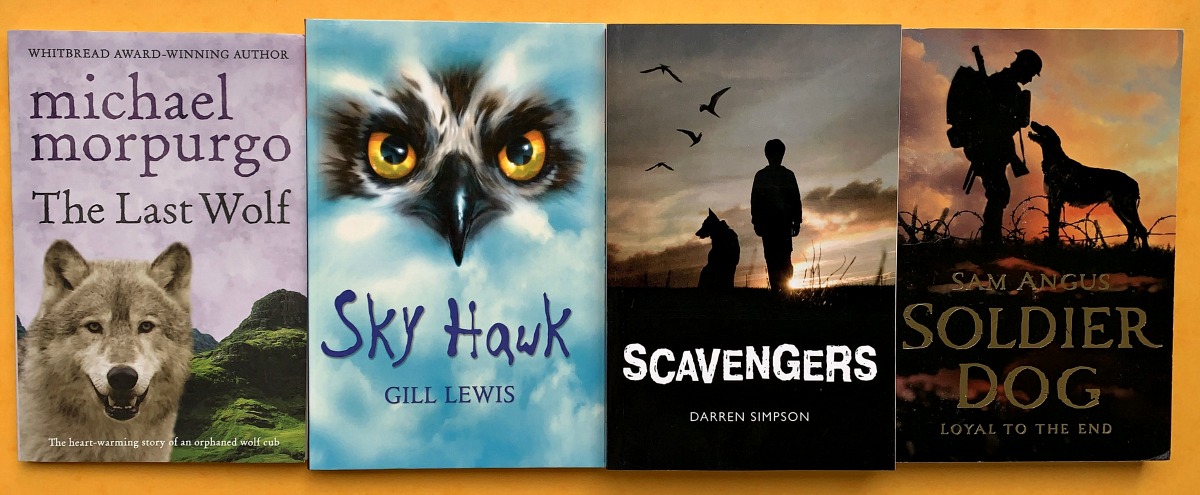
Then something else which we recently discovered – the Rollercoaster series.

English Literature books for Year 8 UK

These books are aimed at the Key Stage 3 years and they include free to download teachers notes and activities. Let me expand on that. The newer books in this series (like Scavenger) actually have the teachers notes included in the book. And with the older stories the teacher’s notes and activities are FREE to download from the OUP website here – FREE to download Rollercoaster Resources. (Really worth going and having a look).

Like I said we only recently discovered this series and the fact that they come with these free resources. But I have started looking at two sets of resources and I must say I very happy we found them. They are geared for schools, so you do get the terminology linked with schools like “learning objectives” and “learning outcomes”  but I am quite used to using resources used for schools and I just ignore what does not apply to us and focus on the sections that we find useful.

This slideshow requires JavaScript.

The packs that I have started looking at include summary notes on the actual stories, lesson plans and the actual worksheets which you can use in the lessons (very useful). I really wish I had discovered this last year.

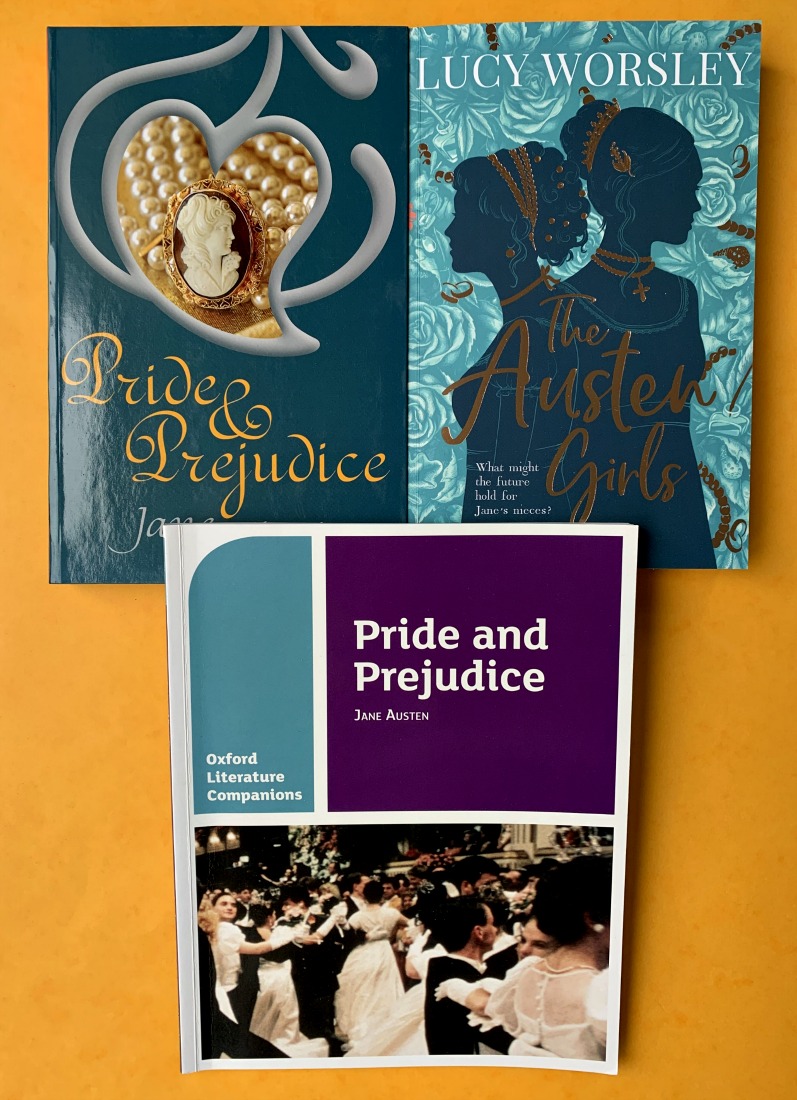
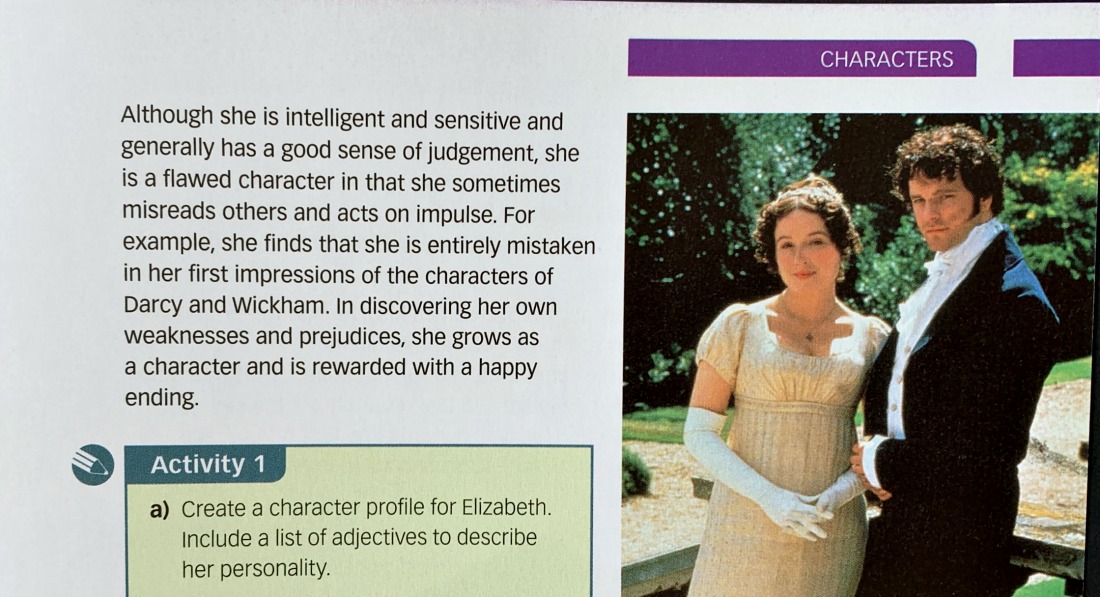
Then finally my daughter is desperate to study Pride and Prejudice which is normally looked at a bit later on in KS4 years but we are going to have a bash this year. I have a copy of the story and this brilliant literature companion (which I am thrilled about) and just to add a bit extra we have also got the Lucy Worsley book – The Austen Girls (which is a bit of a historical fiction story about the Austen family but it looks like it is going to be very entertaining read and also great for explaining a lot about what it was like to live in that time period).

English literature jane Austen books

Oh and I have not forgotten about Shakespeare but we have not chosen a work yet so when we do I will update the post to include it.

For those of you interested this is our Starting Year 7 English Literature Post.

Amazon links for those who want them-

Soldier Dog

Sky Hawk

The Last Wolf

Oxford Literature Companions: Pride and Prejudice

The Austen Girls

Ideas for Year 8 Engilsh Literature

Admin – the books included are a mixture of Free press copies that I have received and books that I have bought. All items included are works that my daughter and I have chosen together.

I do include Affiliate links. If you follow an affiliate link and go on to purchase that product, I will be paid a very small commission, however your cost will remain the same.

Posted in Homeschooling | Tagged , , , , , , , | 1 Comment

Mental Arithmetic Workbooks

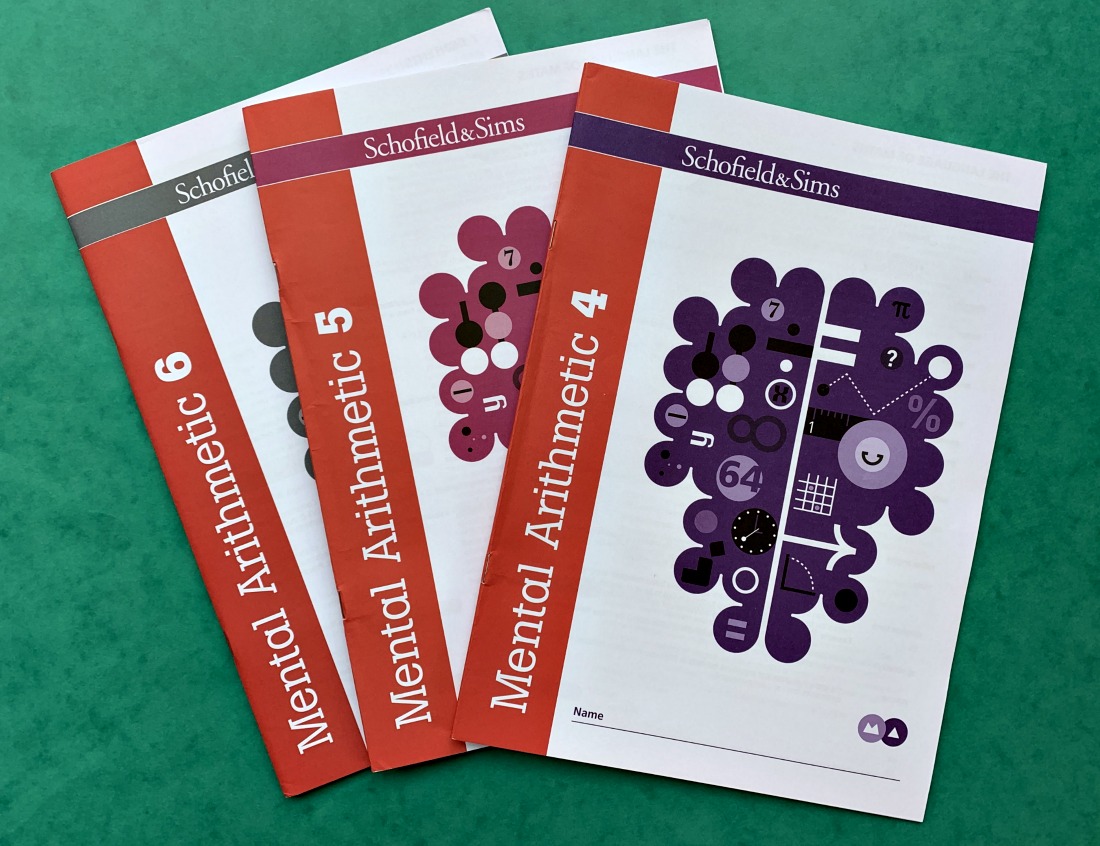
I have shared before how much I like the Times Table test workbooks – I like the way each page is set out and how they give a wide range of questions, some are just numeracy questions and some word problems. I really wanted to find something like that but one that covered the whole range of Maths skills (not just times tables) and I think I have found it – the Mental Arithmetic Workbooks from Schofield and Sims. (I only have the Versions 4 to 6 because I wanted to use them with my son but there are others in the set).

Schofield & Sims Mental Arithmetic Books

Straight away a few basics – they use the word Test – every page is considered a separate test but please don’t be put off by that. If you are wanting good practice questions this is it, just ignore the word test, even cross it out if you want to. Also these books do not include the answers, if you want the answers you can buy them separately but I actually like the fact that I need to sit and check the answers myself so we have never used an answer book. Also you don’t have to stick to the suggested year, use the year as a guide but go based on your kids ability if they need to step back and work through a younger version first, just go for it, it will help.

Each books consist of the same format. 12 Tests then a revision test, another 12 tests followed by revision test and then finally a last set of 12 tests followed by the last revision test. I suppose the logic is it can fit in with the school calendar and you could use it as your kid progress through their school year. Our plan is to use it as a revision book. A way for my son to practice what he has learnt and to highlight any areas we may need to go over again. (I am a huge fan of Maths Practice / Maths revision activities).

Each Test is 1 page long and is split into 3 sections.

Section A is just numeracy questions so equations and the kids need to write the answer.

Section B is slightly longer questions using some number vocabulary.

Section C is one and two step word problems (I really love section C because it gives lots of examples of how Maths can be applied).

To give you a better idea there are examples from the three books that we have – Mental Arithmetic Book 4: Year 5, Ages 9-10

This slideshow requires JavaScript.

from Mental Arithmetic Book 5: KS2 Maths, Year 6, Ages 10-11

This slideshow requires JavaScript.

and Mental Arithmetic Book 6: Years 6-7, Ages 11-12

This slideshow requires JavaScript.

I found our Times Table test Book incredibly useful in fact I would go as far as saying it was the best Times Table book that I bought and by far the most useful. So I have no doubt that these Arithmetic Books are going to be just as good and just as useful.

Admin – I do include Affiliate links. If you follow an affiliate link and go on to purchase that product, I will be paid a very small commission, however your cost will remain the same. I only include affiliate links for products that we use and love.


Posted in Homeschooling | Tagged , , , , , | 1 Comment

The Summer Holiday Question

It is that time of the year again when the same old question arises – what do you do about Summer Holidays? And this year with the whole lockdown and distance learning everyone has been doing more and more people want to know. So here goes.

Firstly we do what suits our family (that is the beauty of home education). So that being said you might read this and think we are totally mad (which is okay).

No, we do not stick to school holidays. School holidays do not work in our house. There are 2 main reasons why we don’t. Firstly we take breaks during school term when it is quieter to go and do everything and there are less queues (Why struggle with the summer holiday crowds when you don’t need too – we have actually just had a lovely 2 week break with their dad off work and did a number of fun days out.)

And secondly my kids actually thrive on a routine and 6 weeks off is just too big a break. And yes I know this is not going to be popular but when we totally stop my kids struggle. They takes weeks and weeks to adust to the new routine of stopping and then just when they are starting to adjust it is time to start again and once again they need to spend weeks readjusting. We have tried this before and it just leads to lots of tears and frustration and 2 very unhappy kids.

My kids were never going to fit the school model so I don’t try and recreate it at home. The idea that I stand in front of them and teach them subjects based on a timetable is just not something we have ever done in our home education. We don’t stick to school timetables, school hours or school term time. Home education allows you to adjust the way your kids learn to suit them and that includes things like holiday schedules.

Over the summer we tend to spend a lot of time outside enjoying the good weather (fingers crossed there is good weather) but we still do a bit of Maths every day and we work on projects.

What do I mean by projects? My son wants to go back to his Space topic and explore that further with his dad and he is currently do a lot of writing about dinosaurs so that will continue (plus he has a long book list that he wants to read). My daughter wants to start her new Art Award, work on some sewing skills, start with one of her Year 8 English Literature Books and work on a History project plus she wants to keep her Science sessions with her dad going.  It is really – just continue with the normal but enjoy the good weather as much as we can.

I get that our way does not suit a lot of people.  I do get that.  But it is what suites our kids.

ofamily learning together


Posted in Homeschooling | Tagged , , , , | Leave a comment

Pride and Prejudice Literature Companion

My daughter and I have started putting together book/ resource lists for her Year 8 academic year. And number 1 on her English Literature book list was Pride and Prejudice. Pride and Prejudice is normally covered as part of GCSE’s and my daughter is only going into year 8 but she loves classic stories and she had her heart set on using Pride and Prejudice as one of our set books this year so we are just going to give it a go. (By set book I mean a book that we read together, discuss themes and characters and then she does some activities, writes up summaries, answers questions on it).

When I mentioned that she was wanting to read Pride and Prejudice to the lovely people at Oxford University Press they kindly included one of their Literature Companions in their latest box of goodies. And I must admit I think it is so good that I am writing a post about even before we have started to use it. (I wanted to share about these Literacy Companions in case any of you are looking for English Literature resources to assist your kids – and I will write another post once we have actually used it).
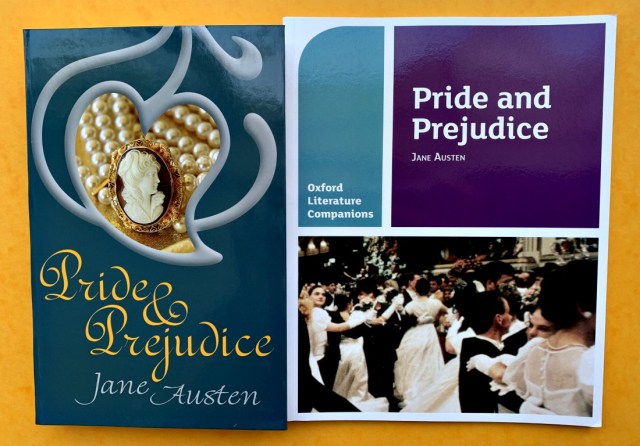
Pride and Prejudice books from Oxford University Press

First Impressions on opening the Literacy Companion book – clear layout, easy to read, informative, lots of ideas for activities for the kids, but mostly I really just found it so easy to get into (as soon as I opened it I actually ended up reading the first 3 chapters even though I was supposed to be working on something else).

To begin with I want to stress the Literature Companion is NOT the actual story. It is a book which you can use together with the story. You could choose to use it as you read the actual story or you could use it after you have finished reading the whole story.

It is broken down into 6 main sections

  • Plot and Structure
  • Context
  • Characters
  • Language
  • Themes
  • Skills and Practice

The Plot and Structure Chapter deals with the entire story and explains all key events as they happen.  As with all the chapters they highlight key quotations (loved this) and have suggested activities scattered throughout the chapter.  My daughter and I are planning on using the Plot and Structure pages as we read the actual story. So once we have read chapter 1 to 5 we will come back to the Companion book and read what they say about it and do the suggested activity.

This slideshow requires JavaScript.

Context.  I consider this chapter essential to really understanding the story. You need to have an understanding about the Georgian times to actually appreciate things like women’s role in society and how it was different then compared to now, how marriage and social class was different even things like letters as a form of communication which is quite different compared to today’s world.

This slideshow requires JavaScript.

Characters.  A good breakdown of the key characters in the story. With stories like this one the kids need to get to grips with the different characters, how they differ, their strengths and weaknesses and what certain quotes tell us about the individual characters.  And this sections really helps with that individual character understanding.
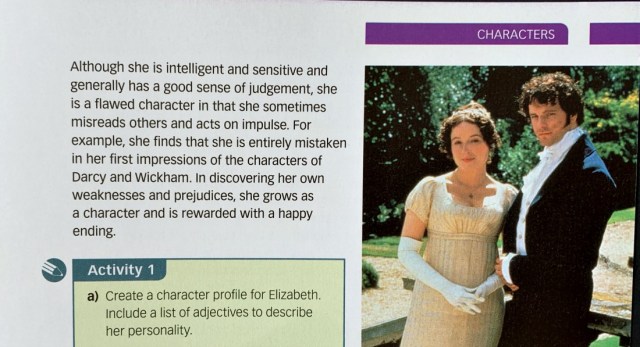
Pride and Prejudice Oxford Literature Companion

Language.  I must admit I am really glad this has been included because I am sure it is going to highlight some language concepts that I would never have thought about pointing out to my daughter.
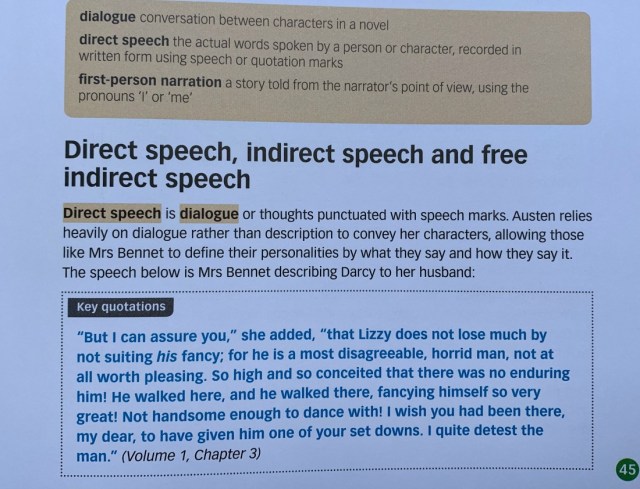
Pride and Prejudice Oxford Literature Companion

Themes. A great way to wrap up the story is to work though this chapter because the different themes just bind it altogether. (After reading through the book I would recommend that you first look at the other chapters before you look at the themes chapter – for me the theme chapter makes more sense after reading through the other chapters.)

Skills and Practice.  Lots of help and guidance with how the kids would tackle exam questions on this book.  And examples of the types of questions you can expect. Even though she is not using this as prep work for her GCSE’s we are actually still going to go through the Skills and Practice section and attempt some of the questions together just because I think it is good practice and she actually really enjoys working on English Literature activities like this.

This slideshow requires JavaScript.

Although we have not started using this yet I must admit I am really glad to have found this range.  I think having a resource like this when the kids are studying literature is invaluable.  I can read it before to make sure I fully understand all the different nuances and then I can work though it step by step with my daughter. It just helps to focus our thoughts and by using this book I can ensure we cover all key points and don’t miss anything out.

For £8.99 I think getting a Literature Companion for the set books that we read just makes sense and I will get more of these in future. (For the Full range of the different literature companions look here – Oxford Literature Companions).

You can also buy the Oxford Literature Companions directly from Amazon – Oxford Literature Companions: Pride and Prejudice

Admin – As I mentioned above we were sent some books from Oxford University Press – it is entirely up to us which ones we use, how we use them and which ones I choose to include in any posts.  All opinions expressed are mine.

I do include Affiliate links. If you follow an affiliate link and go on to purchase that product, I will be paid a very small commission, however your cost will remain the same. I only include affiliate links for products that we use and love.

 

Posted in Homeschooling | Tagged , , , , , , | 9 Comments