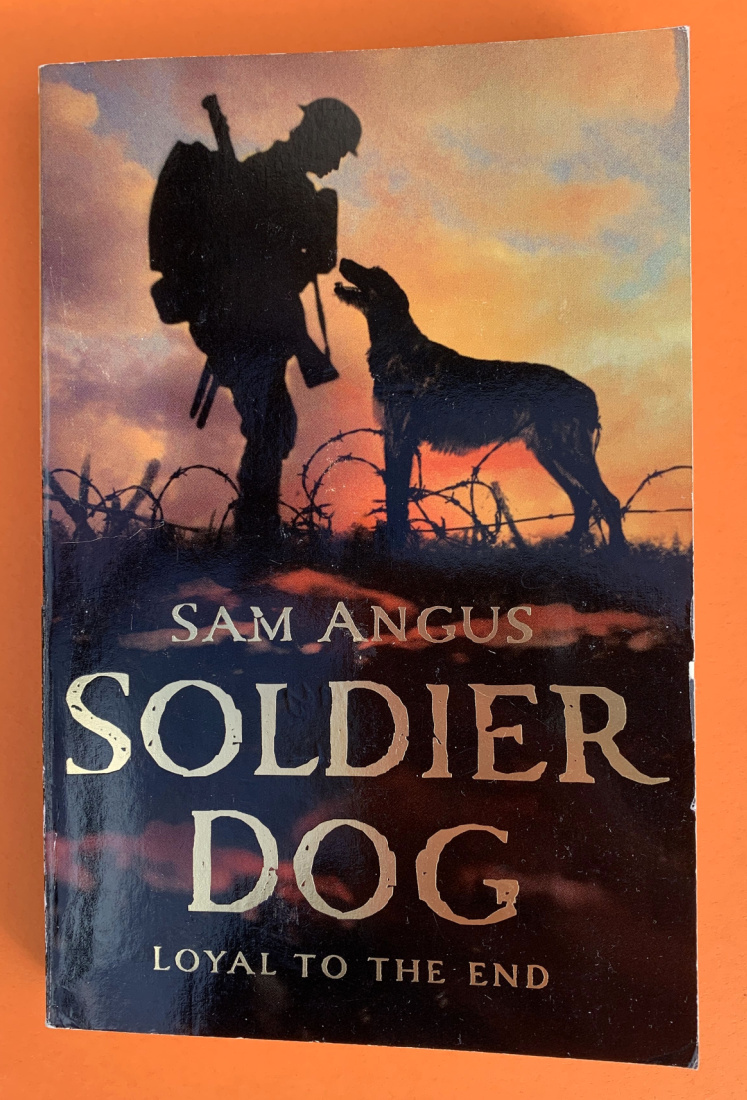
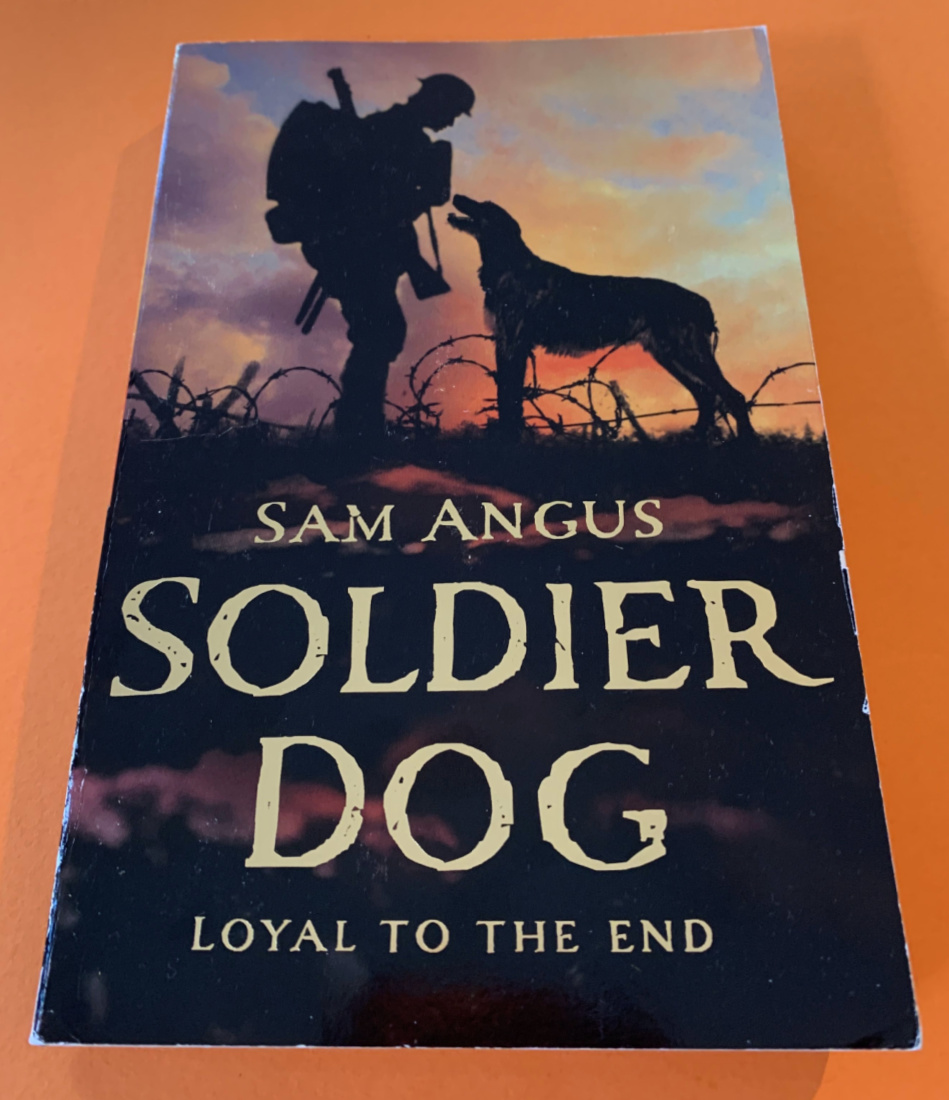
Soldier Dog – a World War I story for older kids.

We have been covering World War One in our history and as I always like to do, I have linked our History with our English. The book I chose to start our World War One reading is probably not one that most people would think of but it has been one that has truly taken us on a journey. A journey that has changed my kids understanding of life during World War One and made it seem more personal and real.
My initial interest was based on the fact that we had learnt about how dogs where used during the First World War and it was something that both of my kids found fascinating. So when I saw a fictional story about a war dog I thought it might be good story for us to do. And it really was. The book covers the dogs in war topic brilliantly, but I was not expecting the human characters to grip us and really leads us into life during World War I the way they did. And it was not just the main human character (although we really loved him), a number of the smaller characters really came to life and became “real people”, people that we cared about and desperately wanted to know if they survived the war.

The story centers around a fourteen year old boy who lives on a farm and loves looking after his dad’s dogs. But after his dad supposedly kills one of the puppies the boy leaves and joins the army, with the quest to go and find his older brother who is somewhere on the Western Front. You get to walk with the main character through basic training and then through dog training (he manages to get assigned as a dog handler) and finally travel with him as they are shipped out to the Western Front. Although this part seems like it is a long introduction because he is not yet “fighting on the Western Front” it sets a really good image of everything that needed to happen behind the scenes of the Western Front, something which we all thought was actually really interesting.

Once he gets to the Western Front you almost feels like the descriptive writing explodes. I was constantly aware of how noisy and overwhelming it must have been. Both of my kids found the descriptions about no-mans land incredibly powerful and at one part my son lifted his hands to his nose as if to stop the bad smell from the trenches (the descriptions really are powerful). And although it is not a story about suffering from Shell Shock or soldiers deserting it is something that we ended up discussing multiple times because you can not help but understand how living in those conditions must have left so many people emotionally and mentally destroyed.

Even though it is an incredibly descriptive story about how awful trench warfare was the author managed to weave in a number of moments of human goodness and kindness, which helps to keep a balance so the kids are not left feeling depressed or miserable. I was really impressed with this balance as my kids are sensitive kids and I was worried about war literature being hard for them but the author really strikes the right balance here (Spoiler alert – it also helps that the main character and his immediate family survive).

And just to prove how much they enjoyed this book both kids have now requested that we try another war book written by Sam Angus – A Horse Called Hero

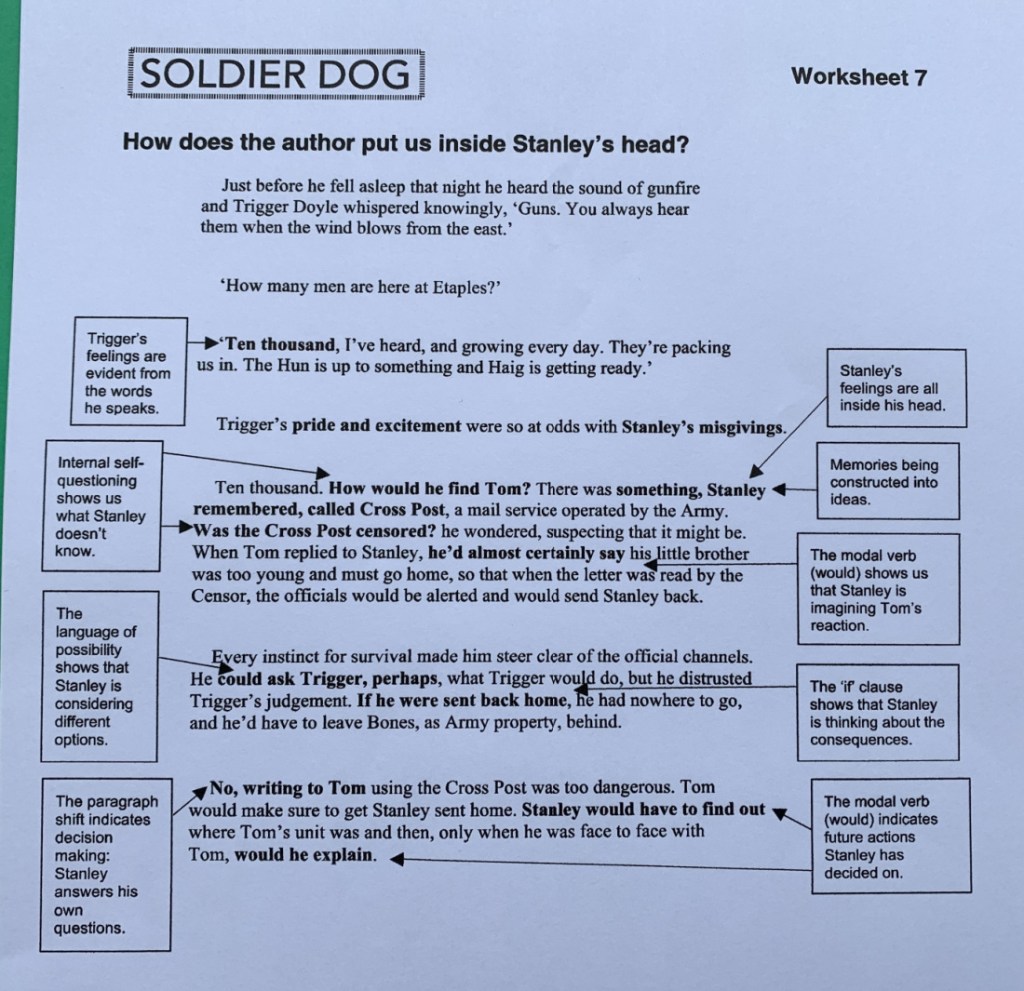
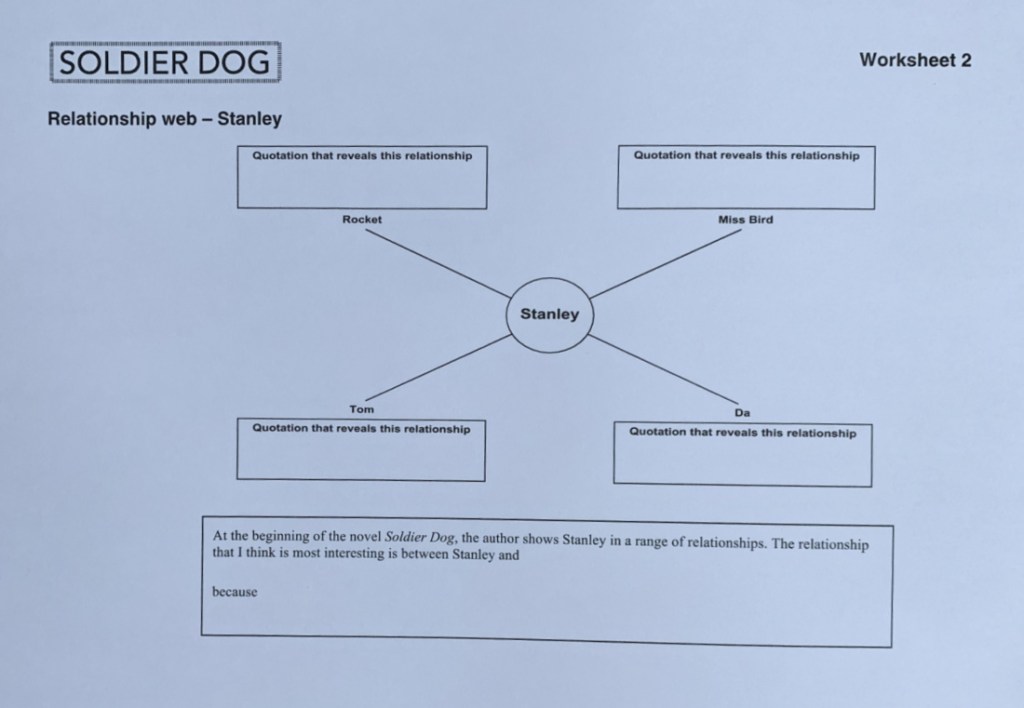
For those of you home educating you can actually download a Free set of lesson plans and activities for Soldier Dog from the Oxford University Press site. We did a few of the activities in the beginning but actually the kids and I really got into the story and we did not want to break for activities so we ending up just reading and discussing everything from the middle until the end.

We bought our copy of soldier Dog from Amazon – Soldier Dog

Admin – I do include Affiliate links. If you follow an affiliate link and go on to purchase that product, I will be paid a very small commission, however your cost will remain the same. I only include affiliate links for products that we use and love.

Posted in Homeschooling | Tagged , , , , , | 3 Comments

AQA KS3 Science Practice Books

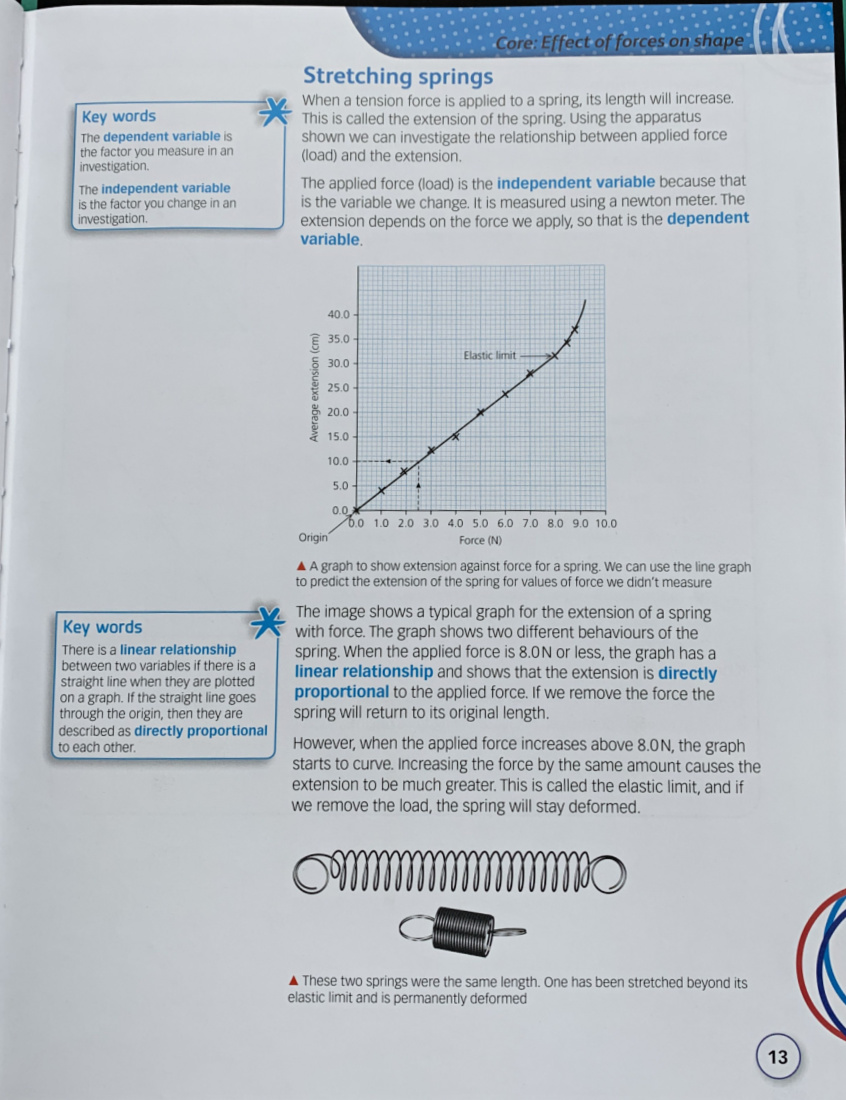
As I mentioned in earlier posts we are using the Hodder AQA KS3 Science Book 2 this year for my daughter’s Science. And that means both a Student Book and Practice Book (there are two practice books to chose from so this post is about the two practice books). But before we go further, so there is no confusion – the Student Book – is the book with the explanations in it and a few questions. The Practice Books do not contain explanations, they are books filled with questions on the topics that are covered in the Student Book (all answers are Free to download from the Hodder website).

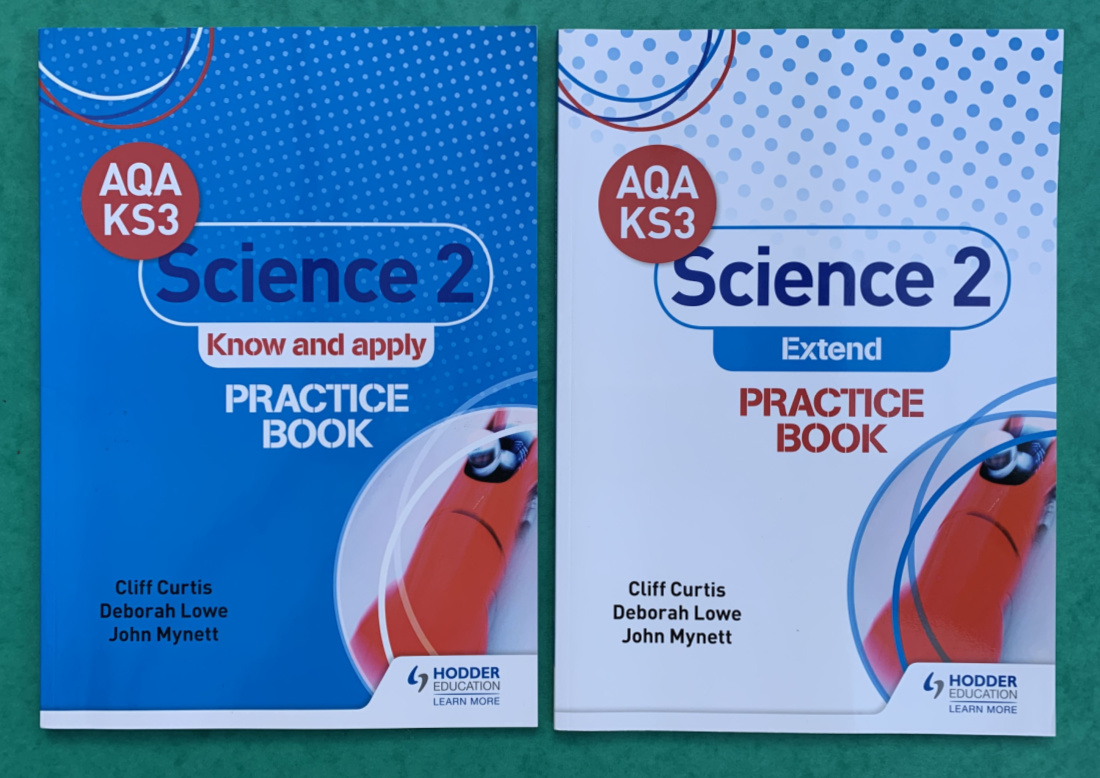
The two Practice Books are called – Know and Apply and Extend. This can be a bit confusing because the questions inside each practice book are split up into sections called Know, Apply and Extend (I find this a bit confusing). I was given the Extend practice book a few months ago (to use in a different post) but I was curious to see how the questions in the two Practice Books would differ and I was wanting to figure out if it would help to buy both practice books, so I bought the Know and Apply Practice book myself so I could compare. (Just to clarify I am the type of home educator who likes to have lots of questions, I am of the opinion that it is better to lots of questions and you choose which ones to work through.)

So as the name suggests the Know and Apply Practice Book is the easier one and the Extend Practice Book is the harder one. But they actually have a LOT of identical questions in them.

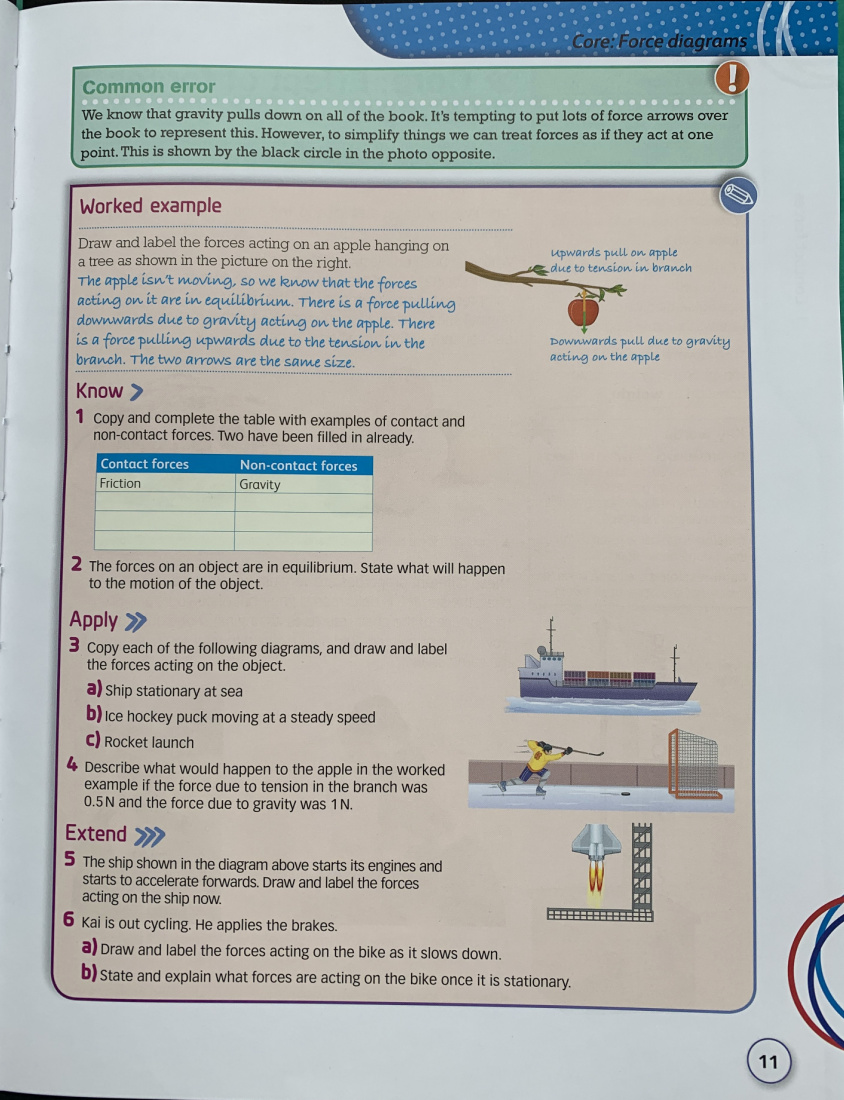
Each topic is broken down into 3 sets of questions – Know, Apply and Extend. The first practice book (Now and Apply) does NOT have any extend questions in it whereas the Extend practice book has the Know questions, the Apply questions and the Extend questions.

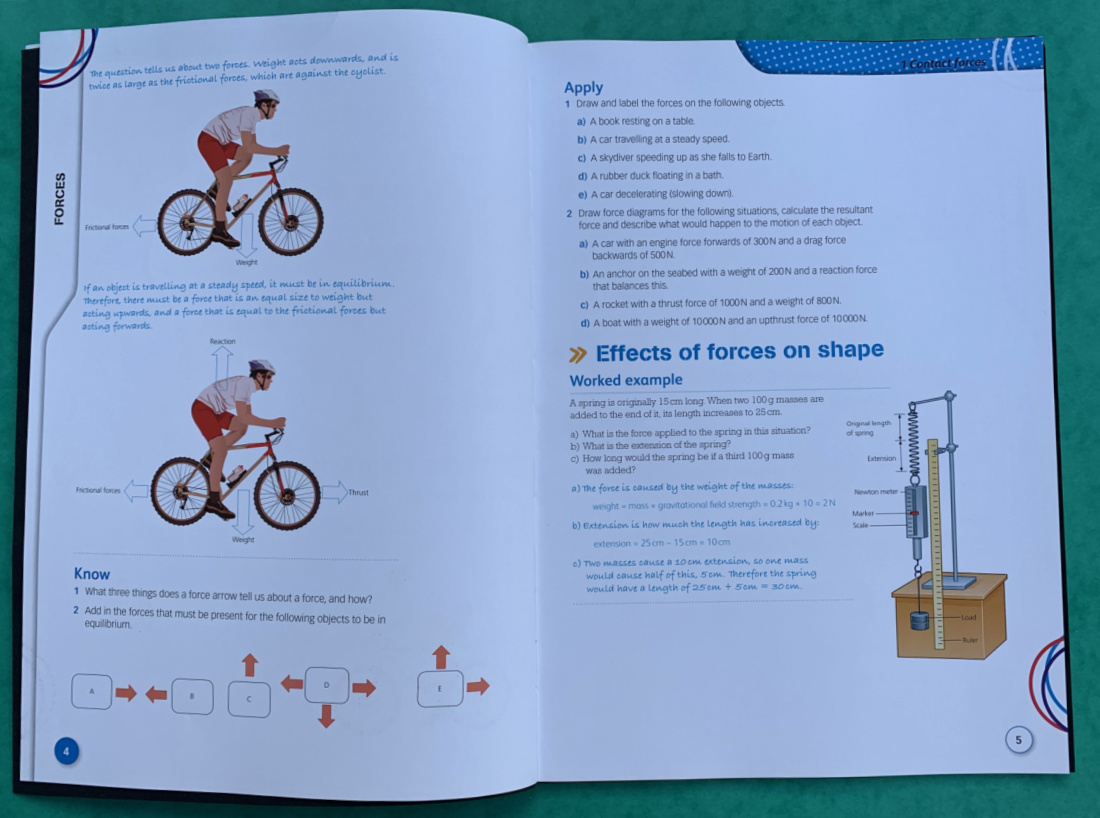
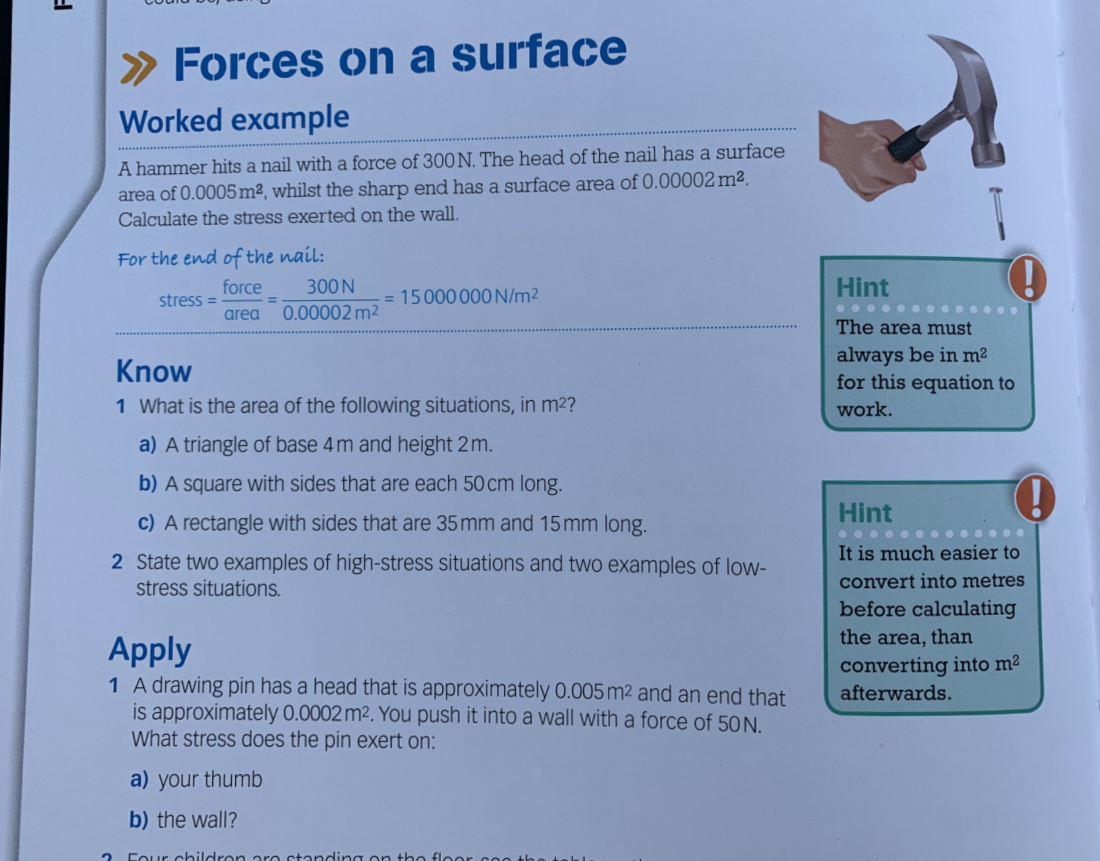
This photo shows some of the Forces questions in the Know and Apply Practice Book.

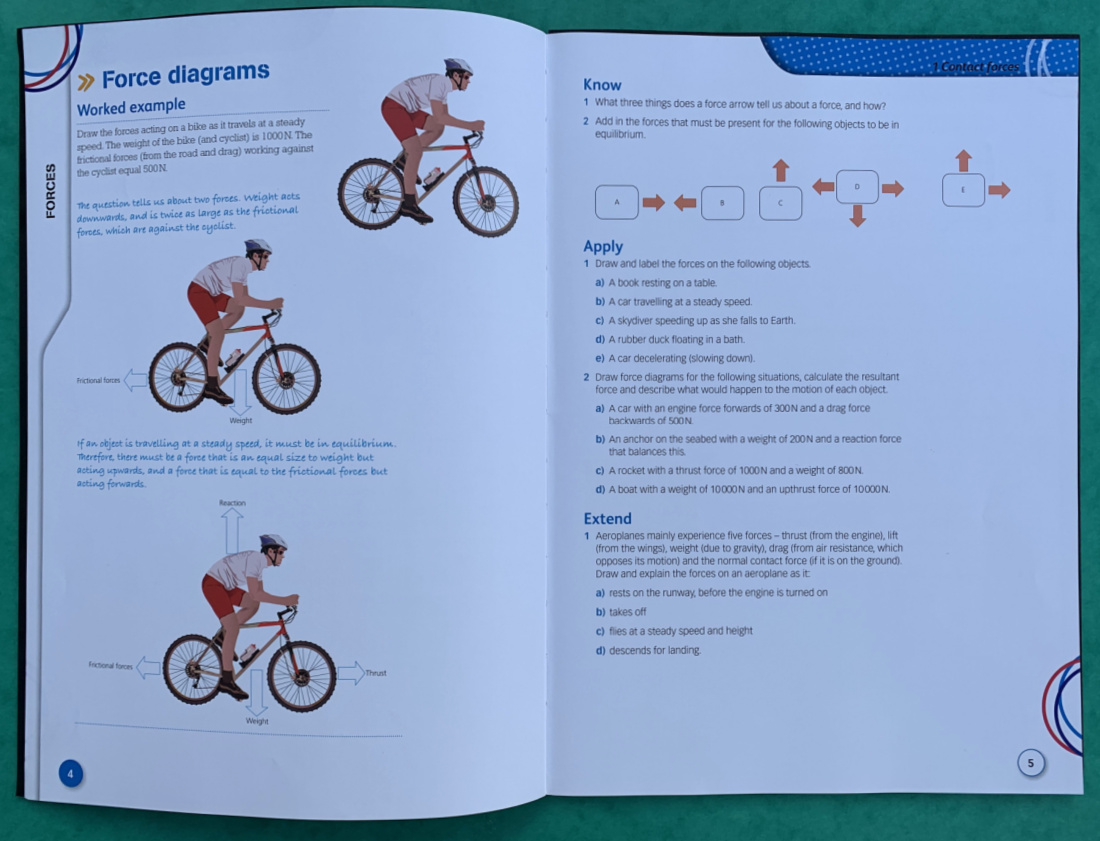
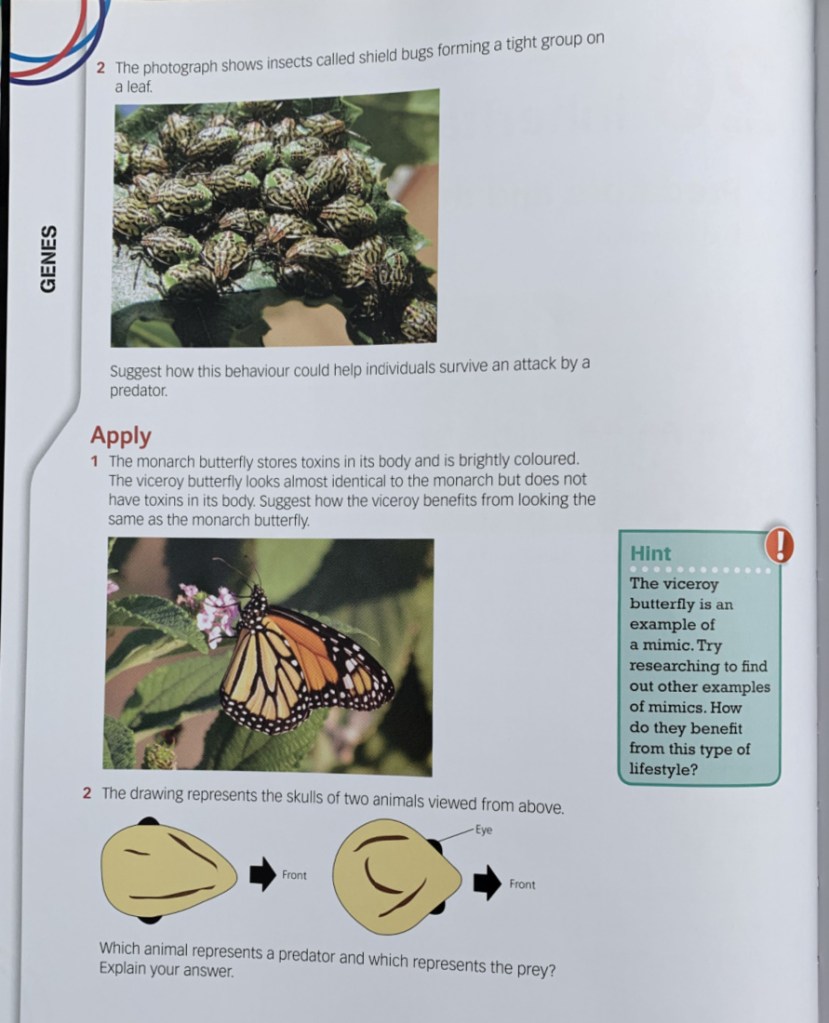
This photo show some of the Forces questions in the Extend Practice Book. You can see the Know and Apply sections are the same but they have also included an Extend set of questions.

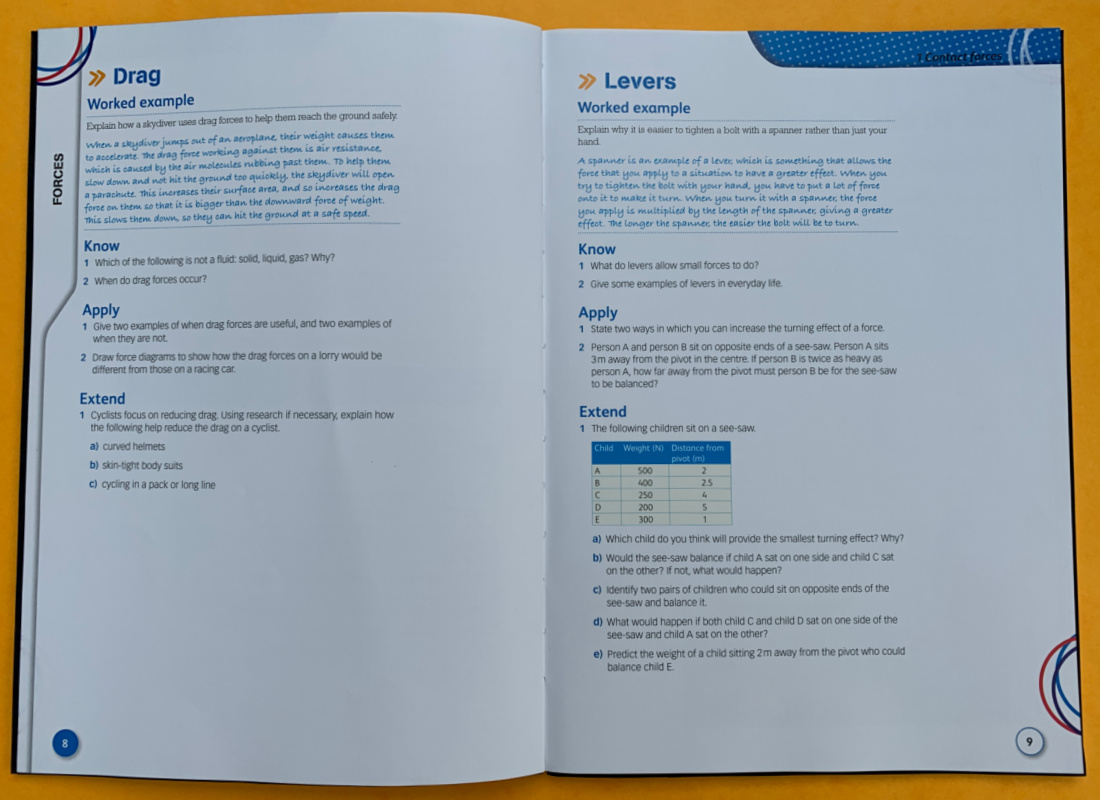
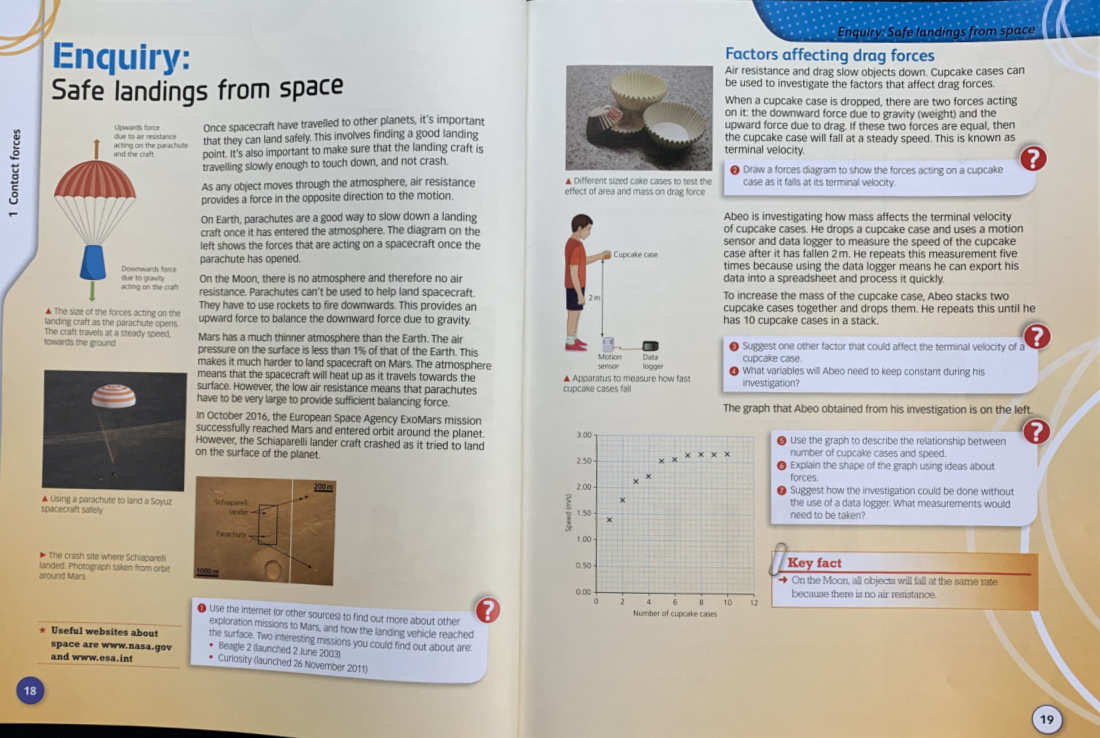
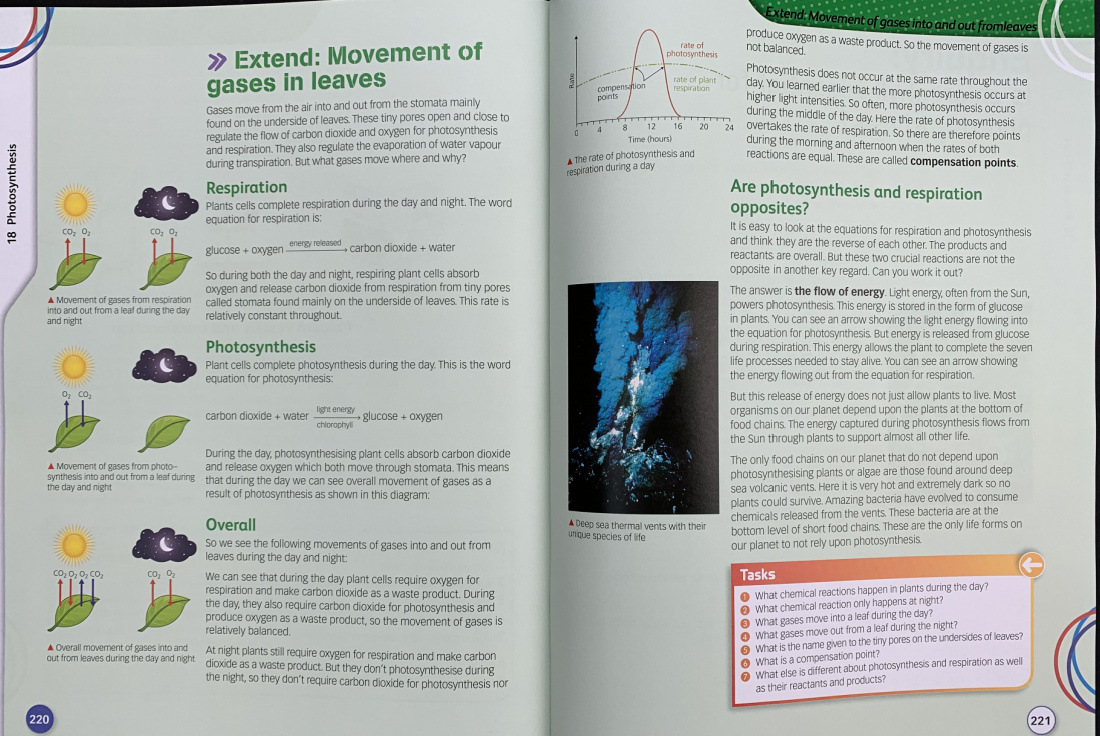
Also in the student book at the end of each Topic there are pages called Extend. The Now and Apply practice book does not cover any of this content. But the Extend practice book has questions for all of the Extend pages that are in the Student book. (In the photo below – Drag and Levers where included under an Extend section in the Student Book so only the Extend Practice Book had questions on Drag and Levers. There were NO questions on Drag and Levers in the Know and Apply Practice Book.)

So straight away the Extend book has a MORE questions in it that the Know And Apply Book.

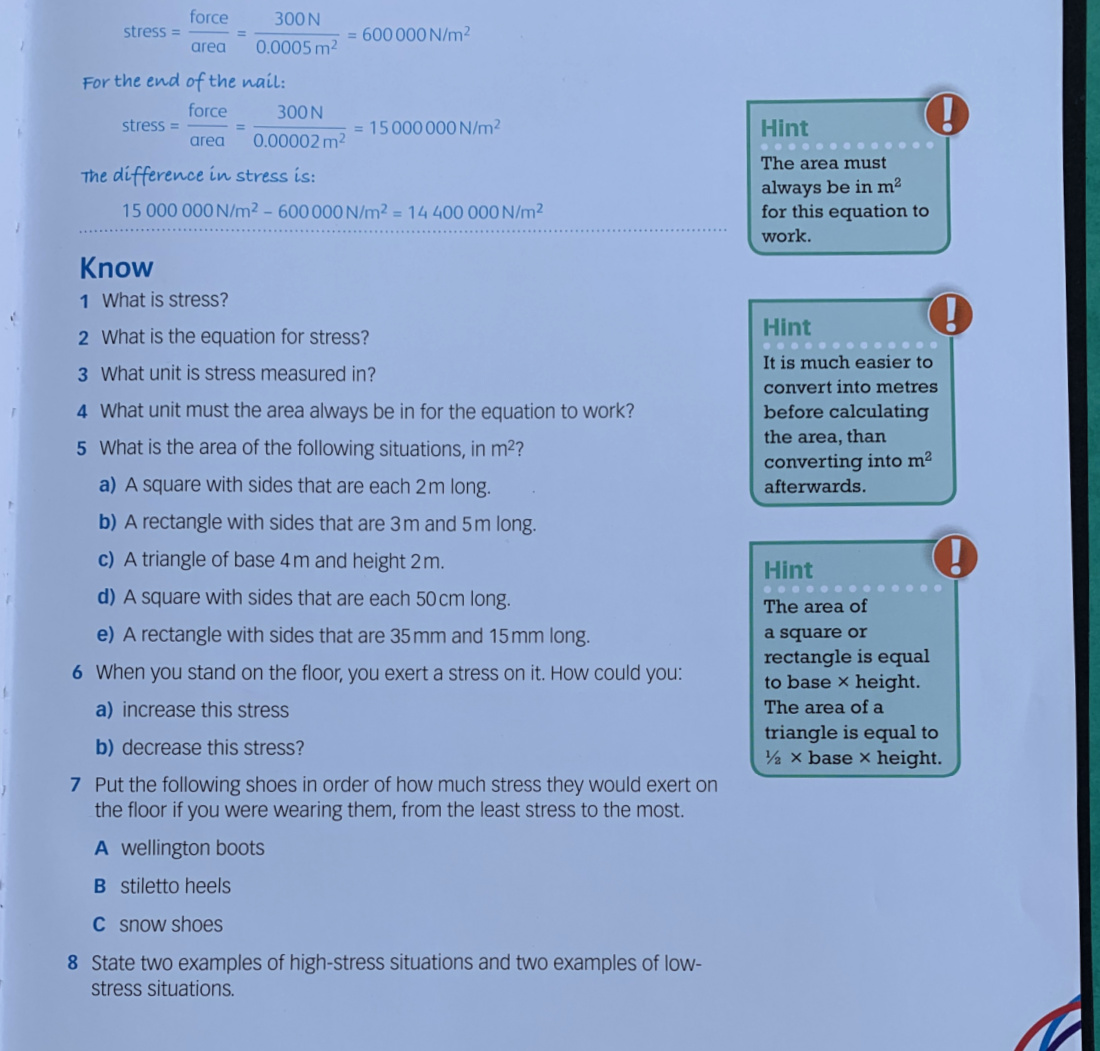
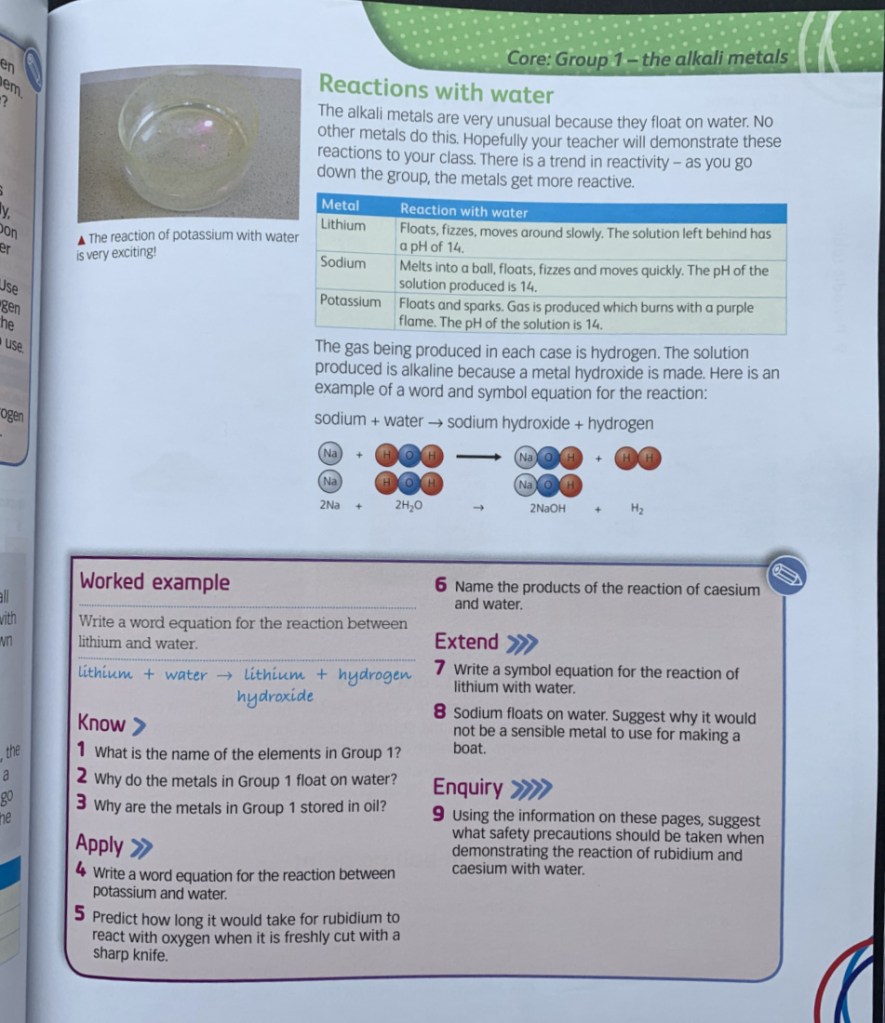
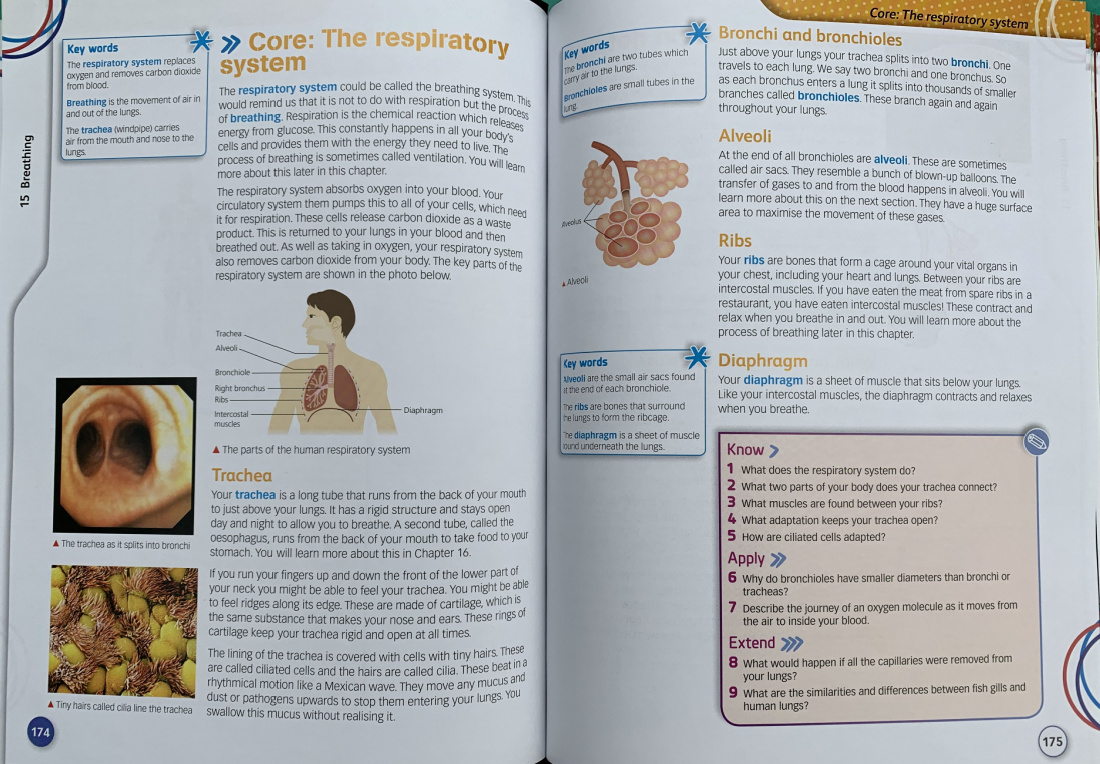
Now because both practice books contain questions for the Know and Apply sections you might be wondering are the questions under Know and Apply sections always the same in both practice books? That is a tough one, in a lot of the sections the questions under the Know and Apply sections are identical in the two books. But in some sections they have included extra questions in the Know and Apply Workbook. The first photo shows some Know questions from the Know and Apply Practice Book dealing with Stress, in this case they have included extra questions.

And the same Know section in the Extend Practice Book.

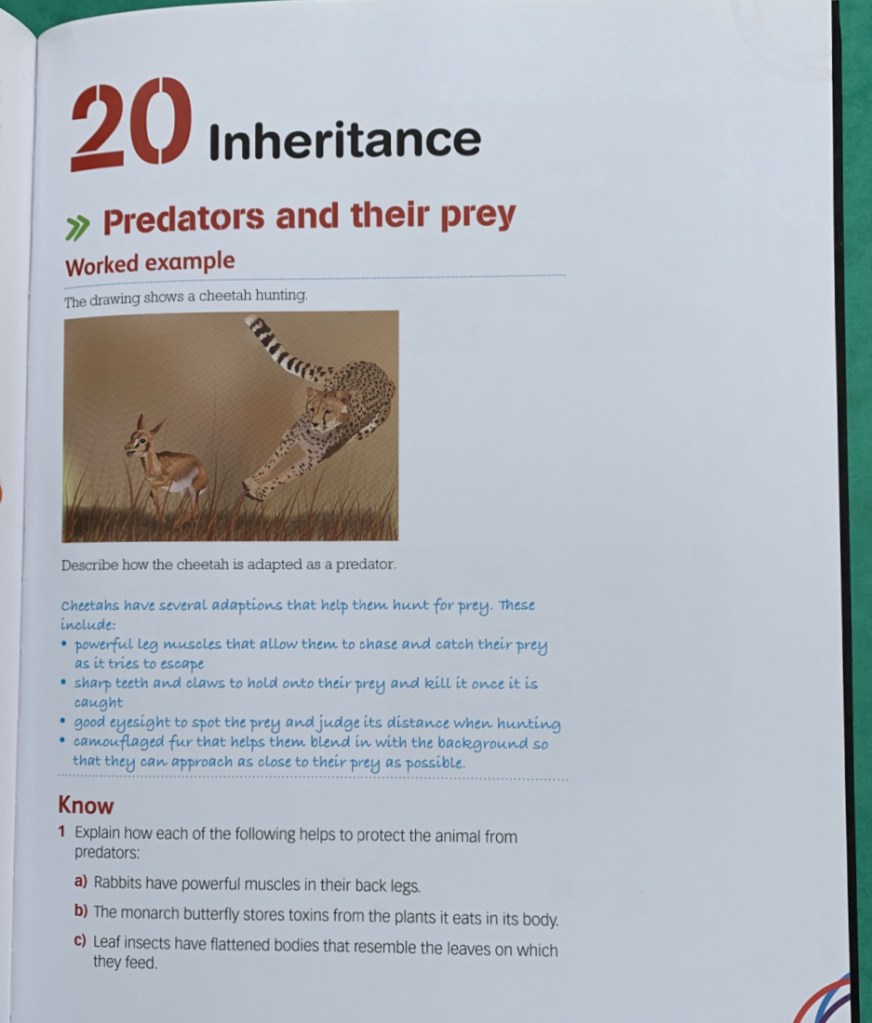
And in a few cases they have included a whole page or so at the beginning of the topic in the Know and Apply workbook which is NOT in the Extend practice book.

We have worked through the Physics in both books and although they did include a Few questions in the Know and Apply book that were not in the Extend book for the most part the Extend book had by far the larger range of questions and it really did include most of the questions that were in the Know and Apply practice book. We have only just started using this range and I will probably have a more informed opinion at the end of the year once we have worked through all the sections but currently my thinking is go for the Extend practice book (don’t buy both) and rather just leave out questions that you think may be too hard or why not just talk through the harder questions with the kids and do them together.

You can buy these directly from Hodder Education or you can buy them from Amazon –

AQA Key Stage 3 Science 2 ‘Know and Apply’ Practice Book

AQA Key Stage 3 Science 2 ‘Extend’ Practice Book

Admin – I do include Affiliate links. If you follow an affiliate link and go on to purchase that product, I will be paid a very small commission, however your cost will remain the same. I only include affiliate links for products that we use.

Posted in Homeschooling | Tagged , , , , , | Leave a comment

KS3 Science

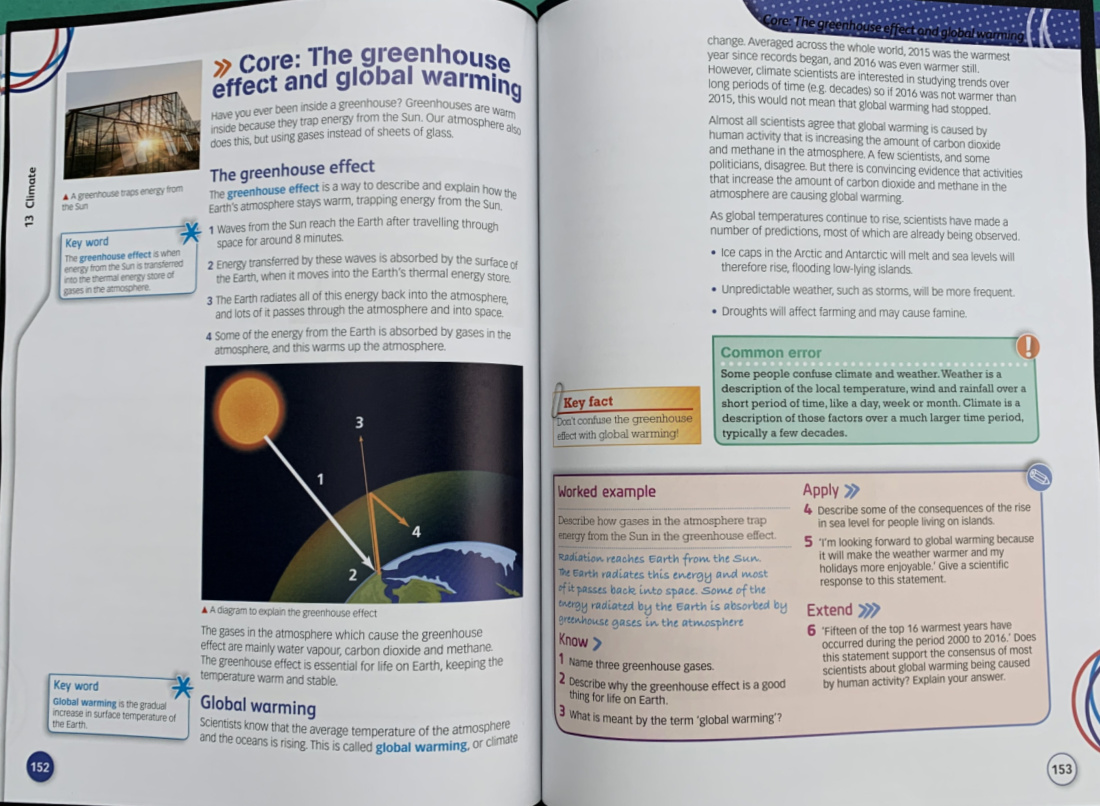
It has been chaotic here. I had hoped to move house over the summer while we were all taking a break but that never happened and instead moving slotted in right while we were busy with out home educating. And yes if the kids had been younger I probably would have just stopped everything for 3 weeks but my oldest is now in Year 9 and she has quite a bit of work to get through (she has actually opted to include 2 extra subjects this year). So I really did not want a complete shutdown for 3 whole weeks. Luckily our Maths that we started has just been working so effortlessly that she easily continued with that, then her History and her Ancient History, well that is something she loves so she kept those going, her Latin mostly continued but Science was something that I was concerned about. Science is not her area, so she often needs a bit of extra guidance. In September we actually switched to a new set of Science Books – the AQA KS3 set from Hodder Education. It was new so I was still not sure how it would go with the whole upheaval of moving, me being distracted and not as available as I normally would be. But really I had nothing to worry about. The Science just like her Maths is user-friendly and she kept her books in a backpack (so she always knew were they were) and really just kept at it, no extra asking or extra guidance from me was needed (well – I did answer a few questions that she had but that was it).

My daughter tends to read one double page from the student book at a time, if there are examples in the student book to work through she tends to do them orally. Then she flips over to the Practice book and works through the questions. Tthe practice books are not write-on workbooks, so the kids do need somewhere to write their answers. She has the Extend practice book which she is using, so it includes a range of questions from quite easy to fairly challenging (I am going to publish a post later this week where I talk about the different in the two practice books in more detail). I have printed out the answers for her (they are free to download from the site), so she checks her answers herself and if she has any queries she then comes to me. Doing it this way has really suited us.
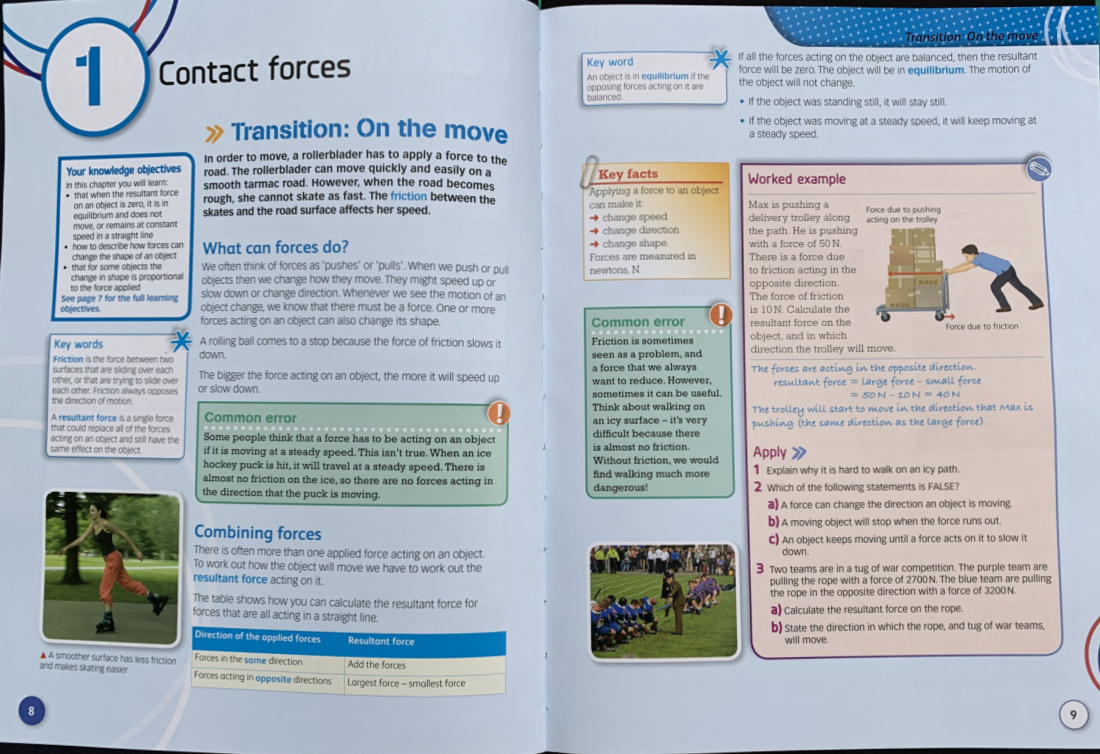
A bit about how the student book is set out. There are 10 Topics covered in the book. Each Topic starts with a “Transition” page which is an introduction of sorts.

Then they have the “Core” pages. All the Core pages have worked examples and activities for the kids to try (answers for all activities are Free to download from the Hodder website). They also highlight Common Errors made by the kids in boxes on the page (my daughter liked this) and key facts and key words are also boxed in along the side of the page.

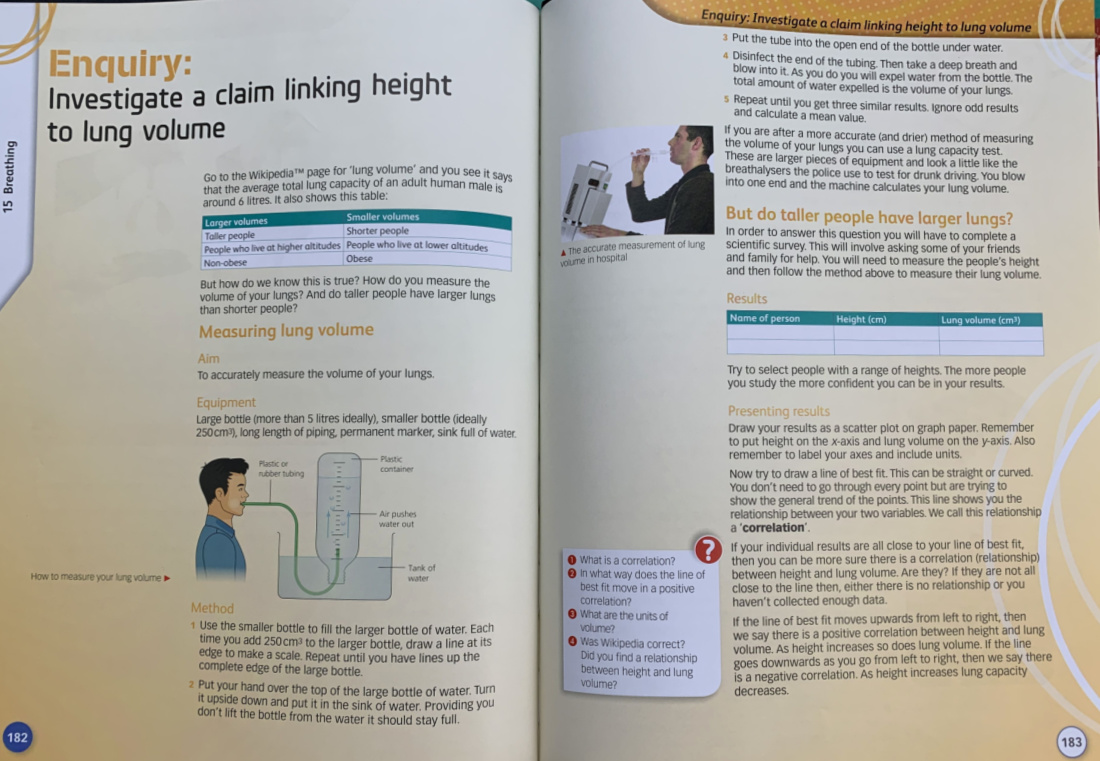
After the Core pages you get the “Extend” page (if your kids struggle with Science you could focus of the core pages and leave the Extend pages). And the “Enquiry” page, which my daughter calls Extend.2

My daughter has been working through Physics section of the Student and Practice Books. And I have to admit Physics is the Science that she HATES, she does not want to do Combined Science just because Physics is included she would rather just do Biology and Chemistry. Physics is NEVER popular with her and then to combine it with moving house, which was chaotic and overwhelming, yet she managed, she more than managed, there was no problem at all, she finished 2 topics. She is understanding what she is reading, she is answering the questions and getting most of them correct and yes she has a few questions but honestly she has a lot fewer questions than I expected. So just based on how well she is managing with her Least Favourite Science section I am impressed and I have high hopes for the Biology and Chemistry sections.

Posted in Homeschooling | Tagged , , , , , | 2 Comments

Abridged Shakespeare

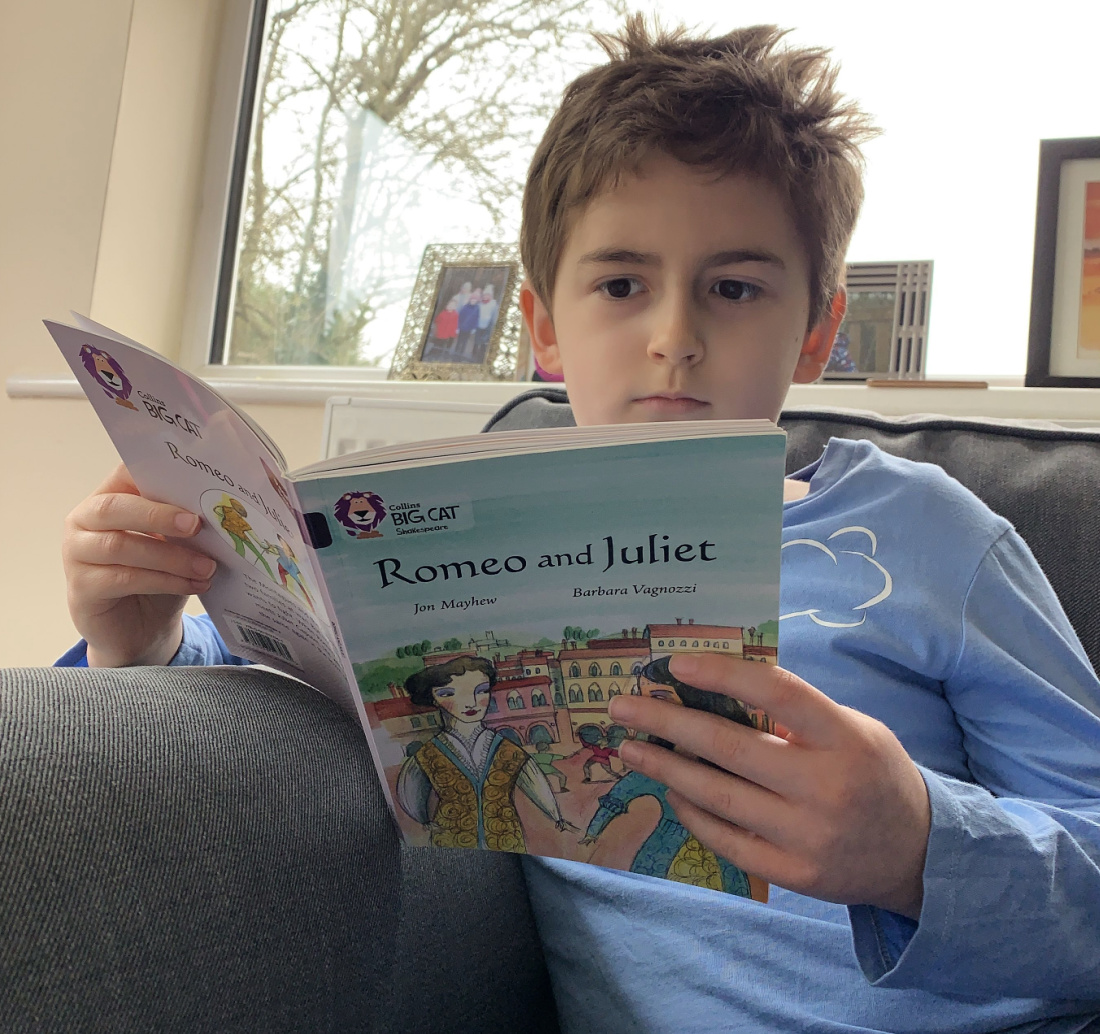
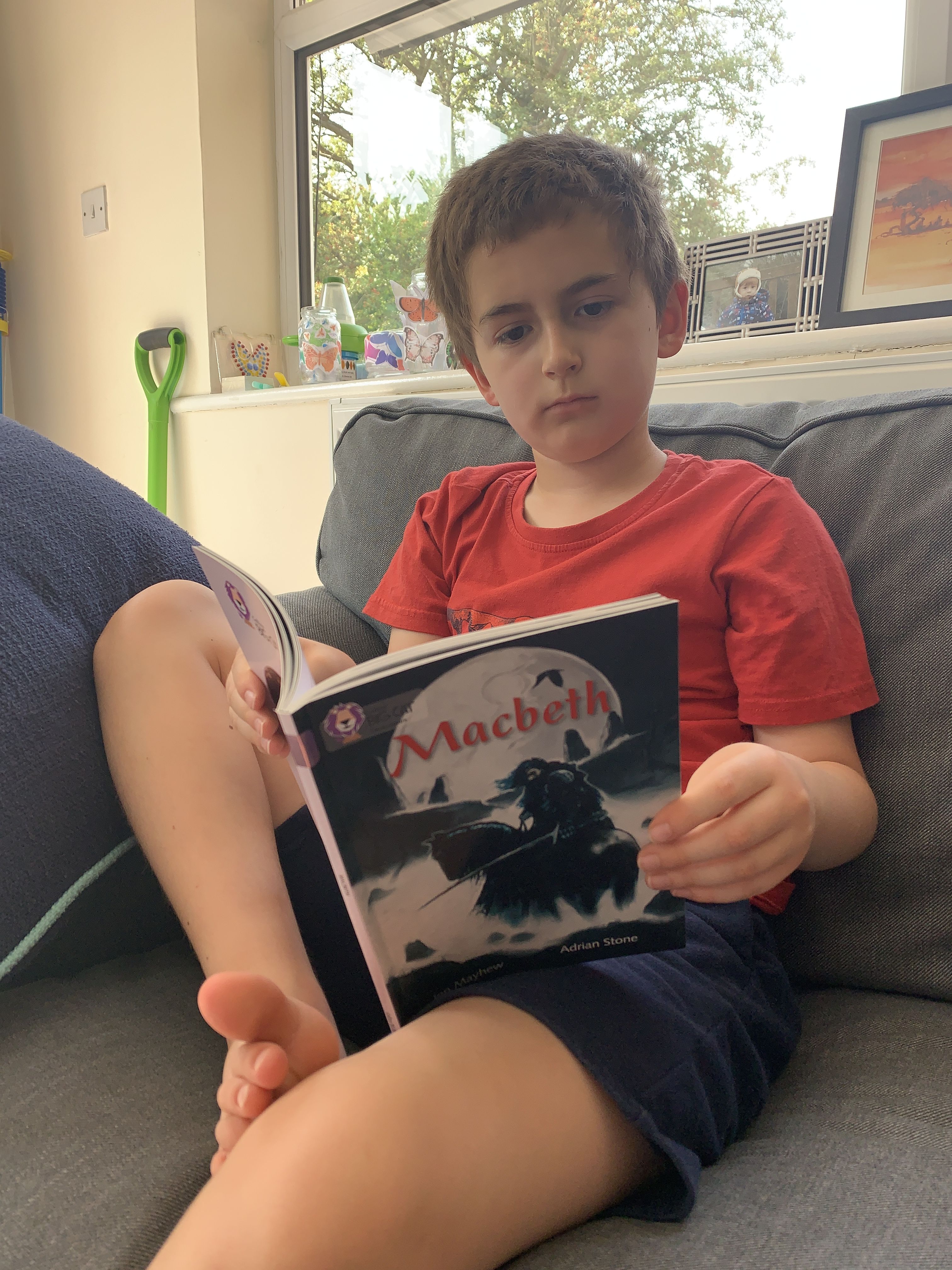
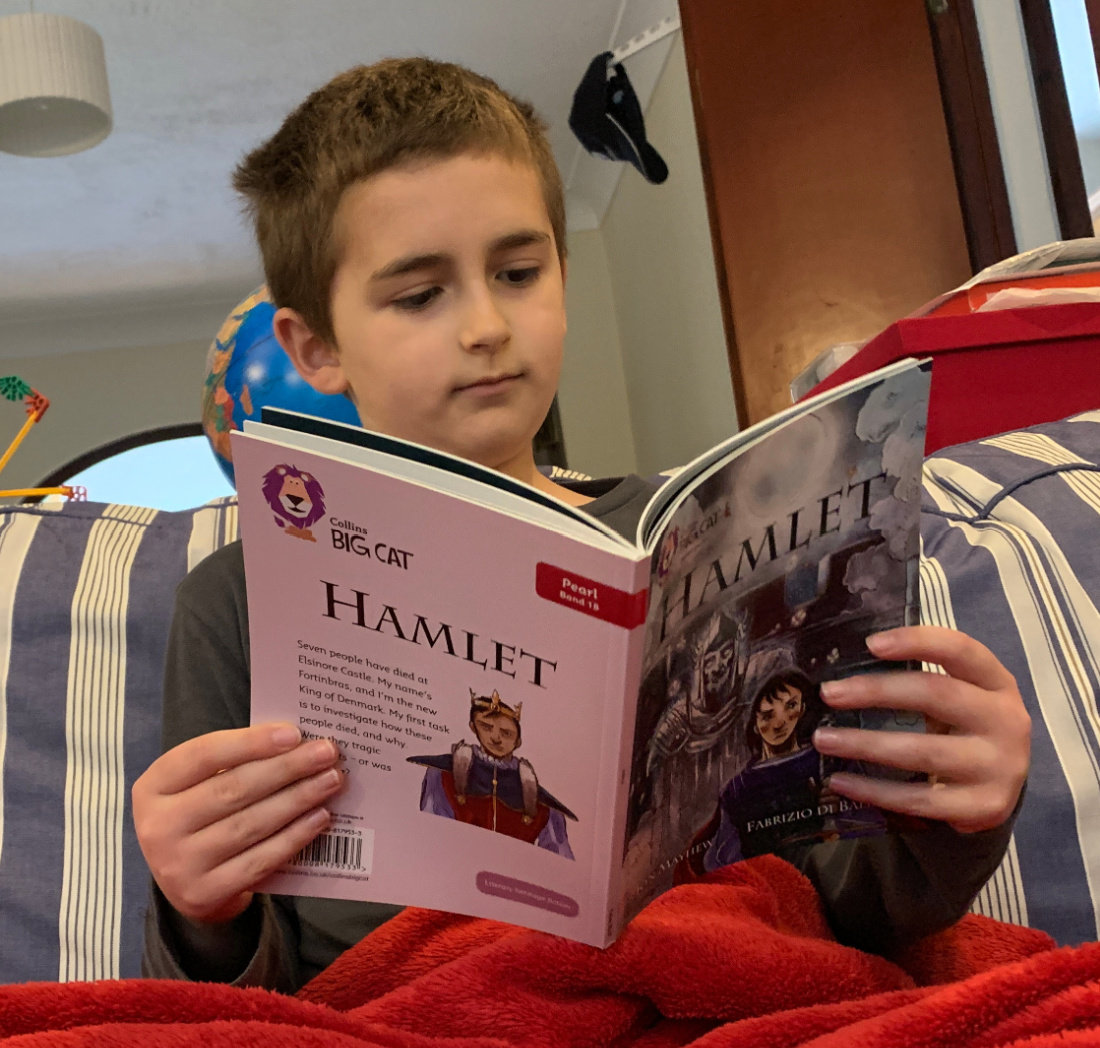
We are a bit book obsessed in our house. As much as I love using our library (we often have the maximum number of books out on each on our library cards) I do still like having a selection of books that are permanent. Books that the kids can read multiple times over a number of years but I do try really hard to make sure that our permanent books are quality books, books on topics that you actually want the kids to read, multiple times over a number of different years. So a lot of our permanent books are non-fiction but we also have a permanent set of Classic stories (including Shakespeare). My oldest has actually started reading the proper unabridged versions of Shakespeare but we started collecting abridged retellings of his works quite a few years ago and I love these little gems.

I think we first stumbled onto the BIG CAT series around 4 or 5 years ago. It was quite by accident, I was looking for interesting readers and I found a few books in the series that looked interesting and then I noticed their Shakespeare collection and our own set of Shakespeare’s works started growing.

My aim was simple – I wanted my kids to discover Shakespeare at a young age so they would not be intimidated by the name Shakespeare. I wanted them to get a basic understanding of the plays – the characters and story lines so when they did start reading his original works they would already have a basic understanding.

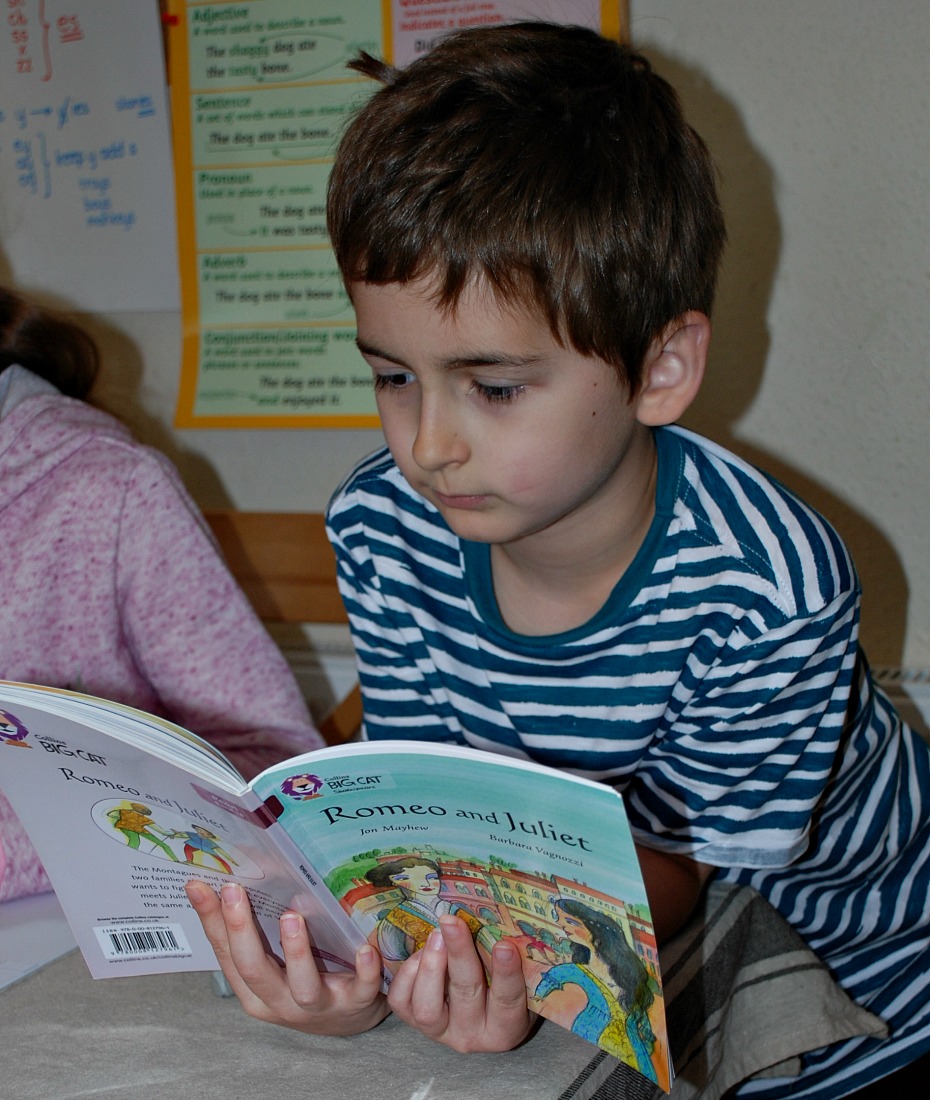
And these abridged retellings have not failed. Both of my kids have read and reread them over the years. Both, now have an understanding of the basic plots and characters and when we do read Shakespeare together no-one is intimidated by the unusual words.

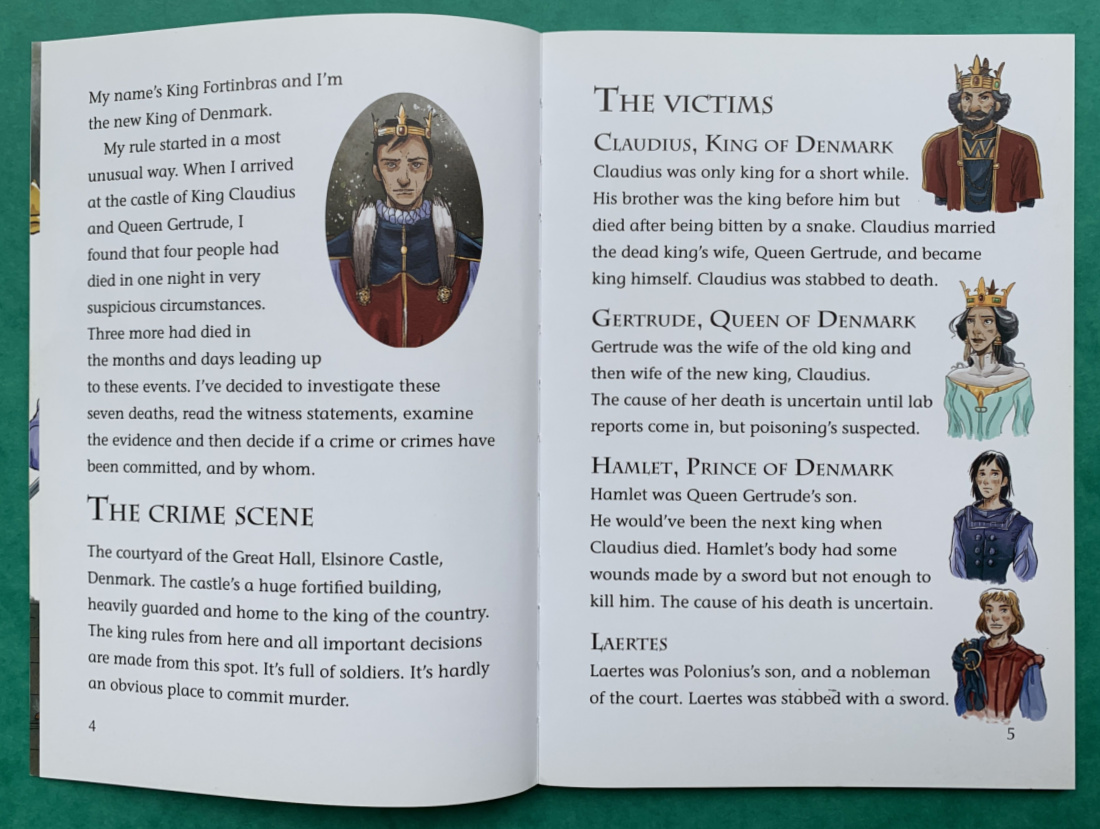
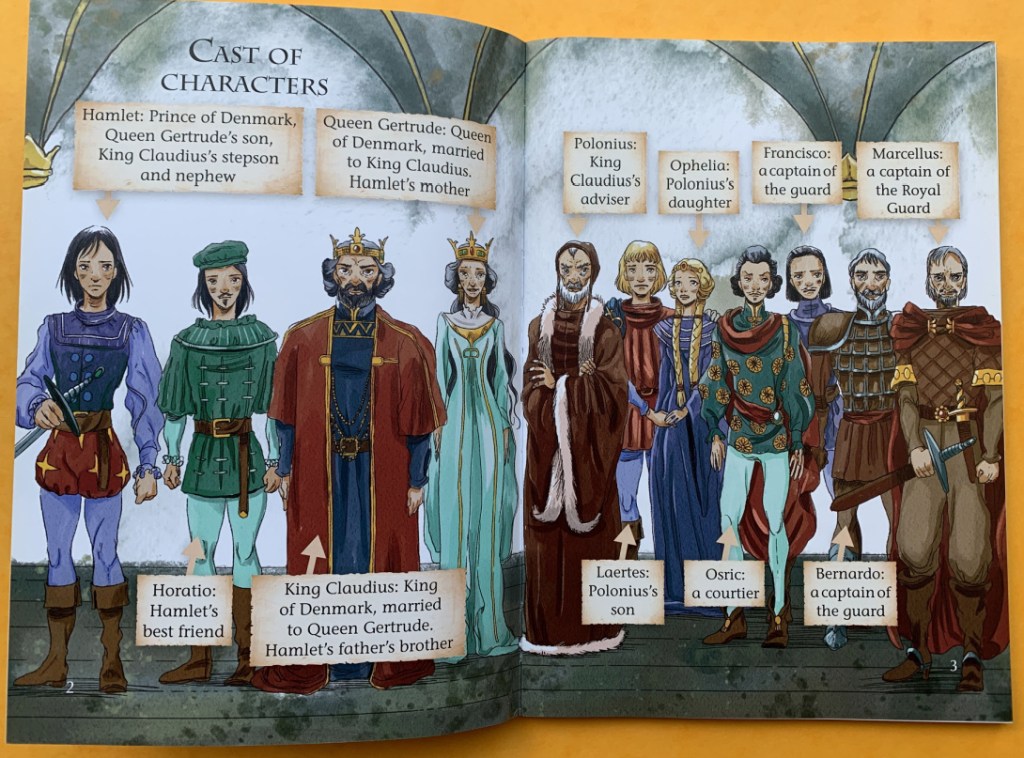
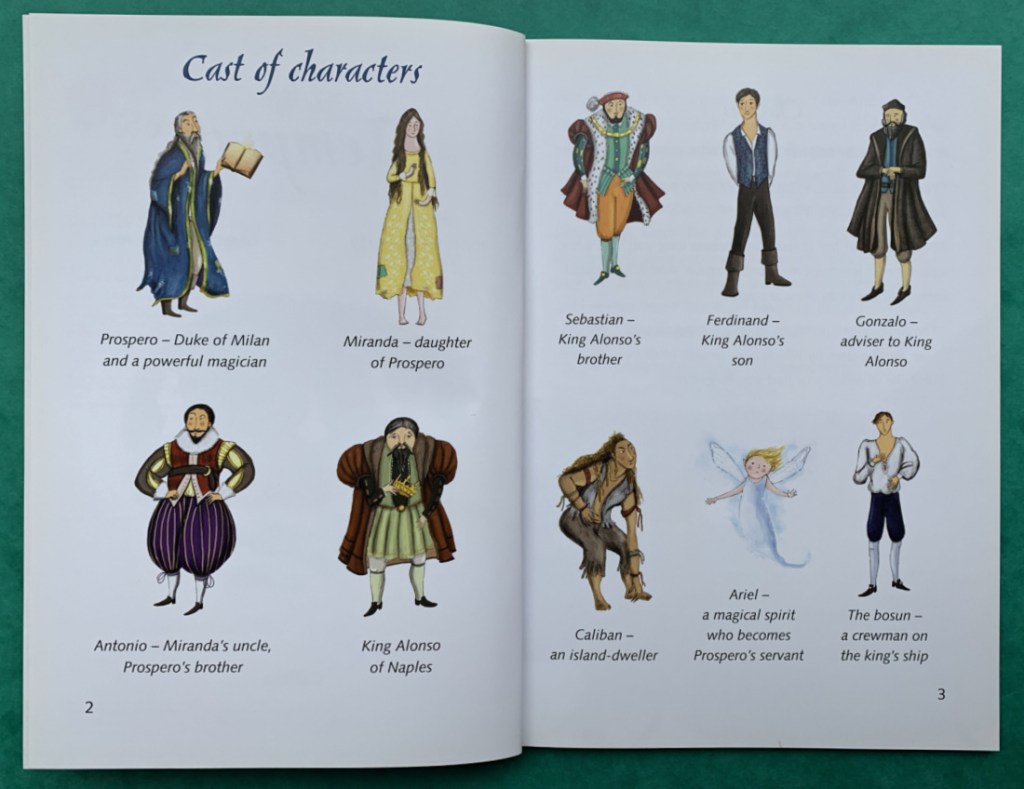
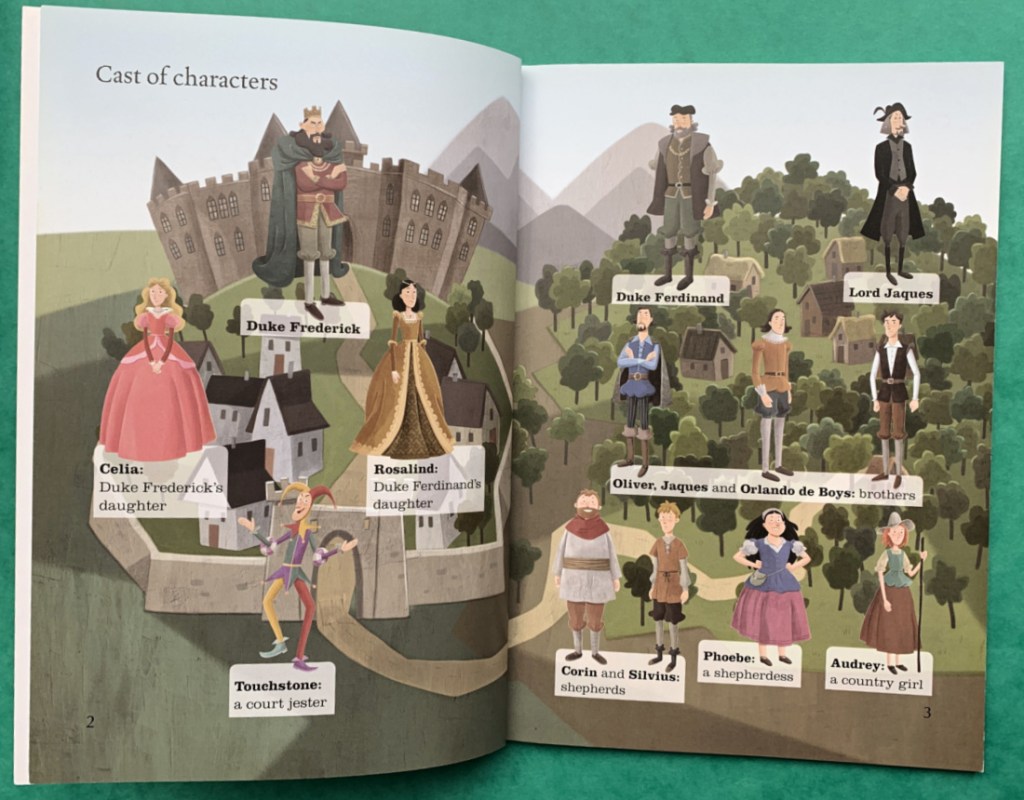
Each book is slightly different but they often include a summary of the main characters

and sometimes a summary of the story.

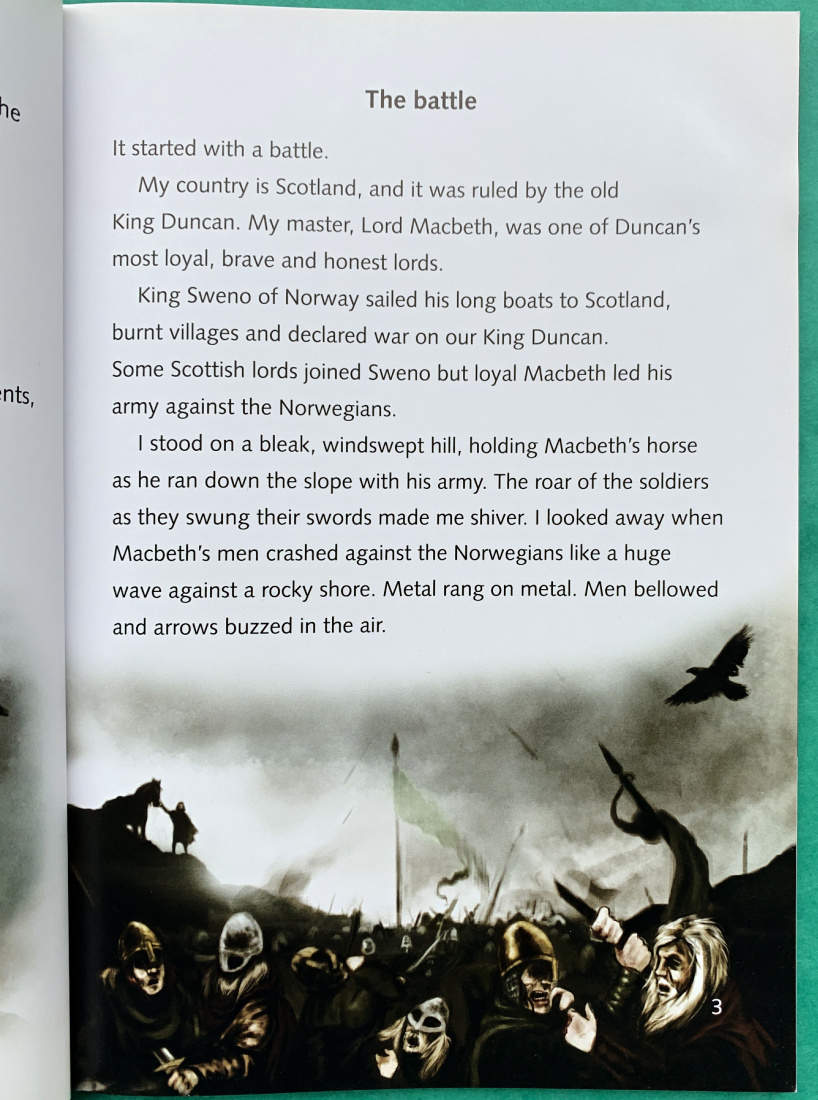
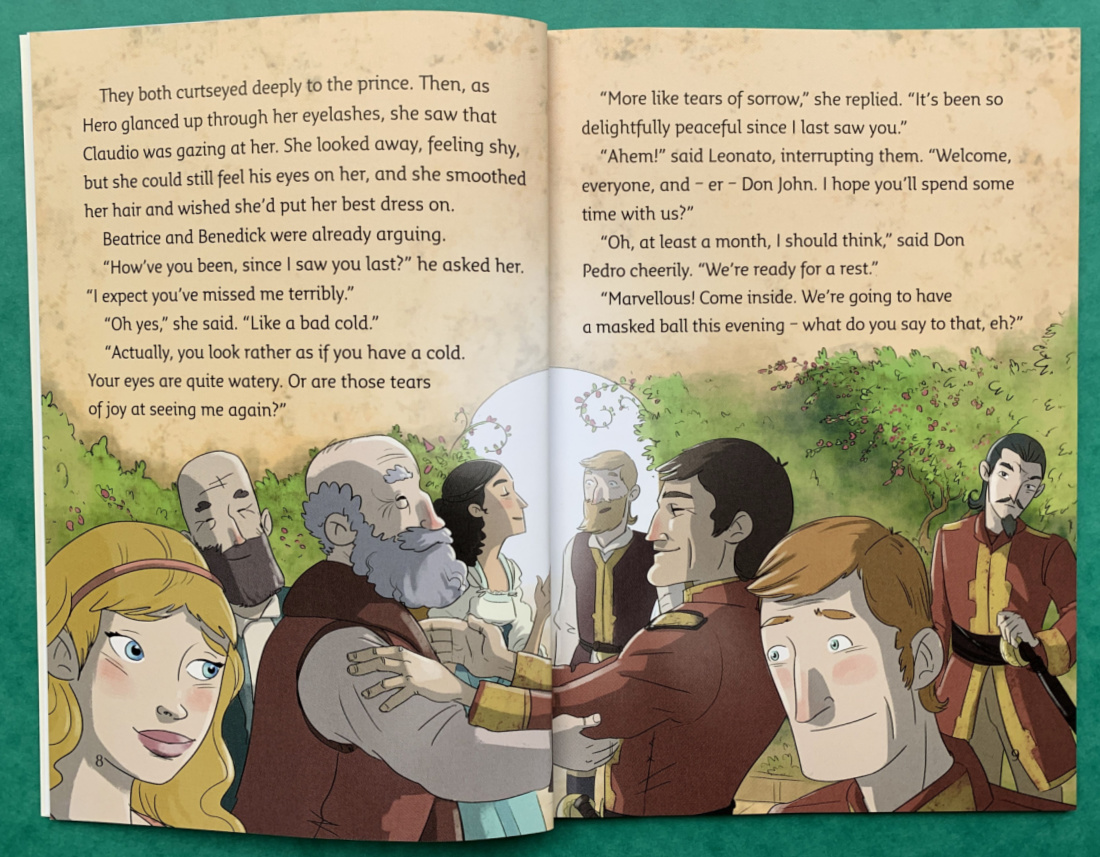
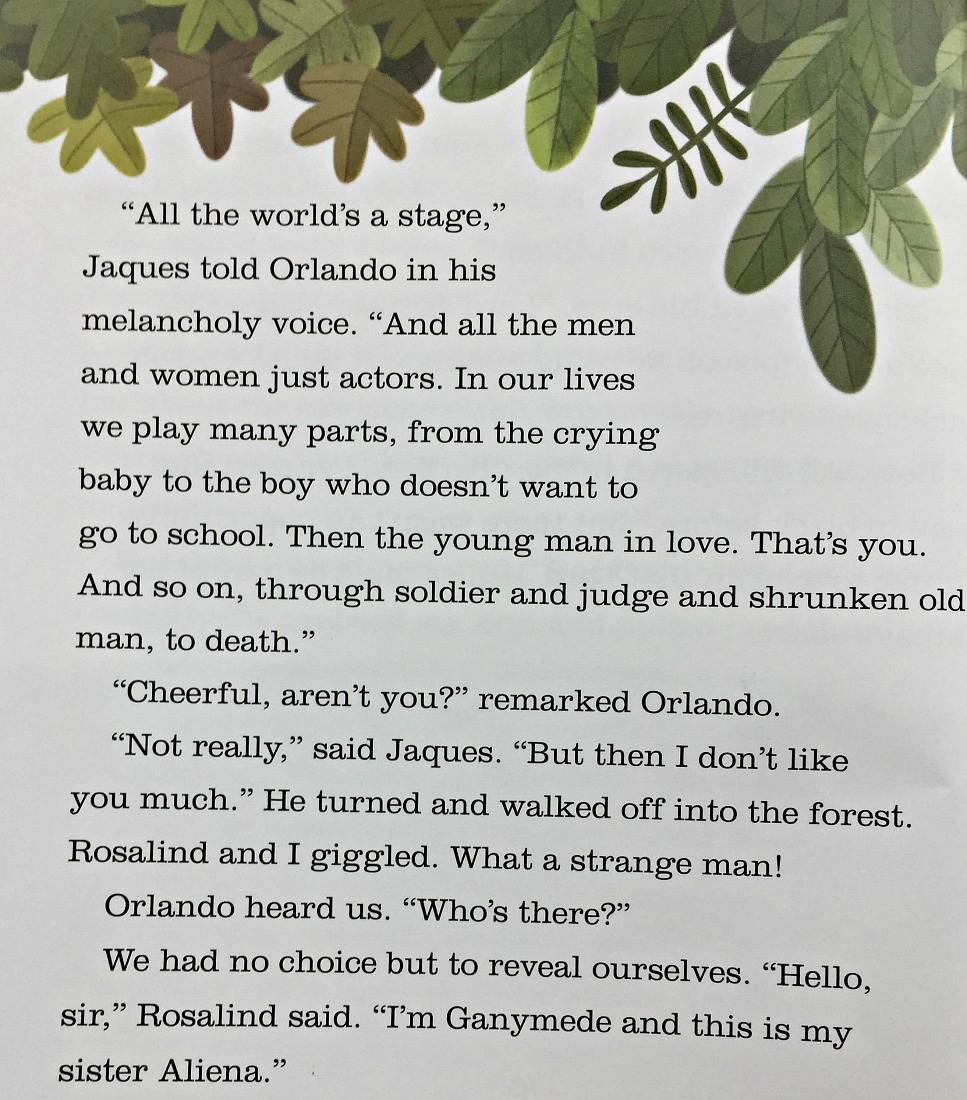
They also have interesting illustrations of the characters and events which always help to bring the story to life.

I am really glad we choose to introduce Shakespeare’s works in this format and even now, now that my oldest is reading the proper works she still dips backs and has a quick read of the abridged versions.

Posted in Homeschooling | Tagged , , , , , , | 1 Comment

Help Your Kids with Geography – Book Review

I am a big believer in giving kids access to books, and by books I don’t just mean fictional stories to read I also been factual books, books that inform and build a solid foundation of knowledge. I have always been able to find interesting History books and last year I managed to get two good Science books for my daughter but Geography was a tough one. I have picked up a few books but nothing that seemed comprehensive. That was until I spotted this Gem – Help Your Kids With Geography by DK. Now straight away on the cover it says the book is aimed at KS3 and KS4 but I actually think if you have a kid in Upper KS2 who is interested in Geography then this book would also be great for them and parents (Yip I am finding this book both fascinating and VERY helpful).

  • Help Your Kids with Geography. KS3 resource from DK
  • Help Your Kids with Geography. KS3 resource from DK

It is styled in what I view as the typical DK format – lots of quality images (both illustrated and photographed) with facts around the images.

We like this format. My kids find it engaging and interesting without being overwhelmed by massive amounts of endless writing (really suits visual learners).

Each topic tends to cover a double page and the information is separated into blocks. They have also included a really useful block at the top called See Also – and this directs you to other linked pages (I love this little block).

They have broken the book down into 3 sections – Physical Geography, Human Geography and Practical Geography. And in terms of what they cover under each section it is A LOT – too much for me to try and list out so instead I am going to include two photographs of the contents to show you.

I am not a Geography whizz but that looks very comprehensive to me and everything that I know we need to cover in our Geography is included. We naturally prefer the Physical Geography side and I have read the pages on tectonic plates, rivers, glaciers, erosion and all of those pages reinforced what we knew and added in extra information and understanding. I tend to get a bit nervous about the Human Geography side (I just find it easier to explain the earth geography) and already the Human Geography pages have helped to settle my nervousness about it. Practical Geography is something I know we need to work on this year so I had a look at the pages that I need and already I found a number of diagrams that explained the concept far better than I ever would have.

So how do we use this book? The main reason why I like books like this is for further reading. So if we are covering Volcanoes in our student book I will ask my daughter to go and read the linked pages in this book.

Why do we do that? Simply put it helps to cement the understanding of a topic if we read about it in another source, using different words and pictures to explain. Just seeing something more than once in a different wording helps to REALLY understand the topic. And often reading something a second time answers small lingering questions or uncertainties.

We would recommend this book for anyone doing Geography in KS3 and KS4 (and possibly younger kids – my son who is in Year 6 will find this book just as useful as his older sister who is Year 9). And I would also recommend this book for parents and home educators, who like me may need to do a bit of “reading-up”.

For those you want it here is an Amazon link for the book Help Your Kids with Geography, Ages 10-16 (Key Stages 3-4): A Unique Step-by-Step Visual Guide, Revision and Reference

Admin – I do include Affiliate links. If you follow an affiliate link and go on to purchase that product, I will be paid a very small commission, however your cost will remain the same. I only include affiliate links for products that we use and love.

Help Your Kids with Geography. KS3 resource from DK
Posted in Homeschooling | Tagged , , , , , , | Leave a comment