Code-Cracking for Beginners a Twinkl story

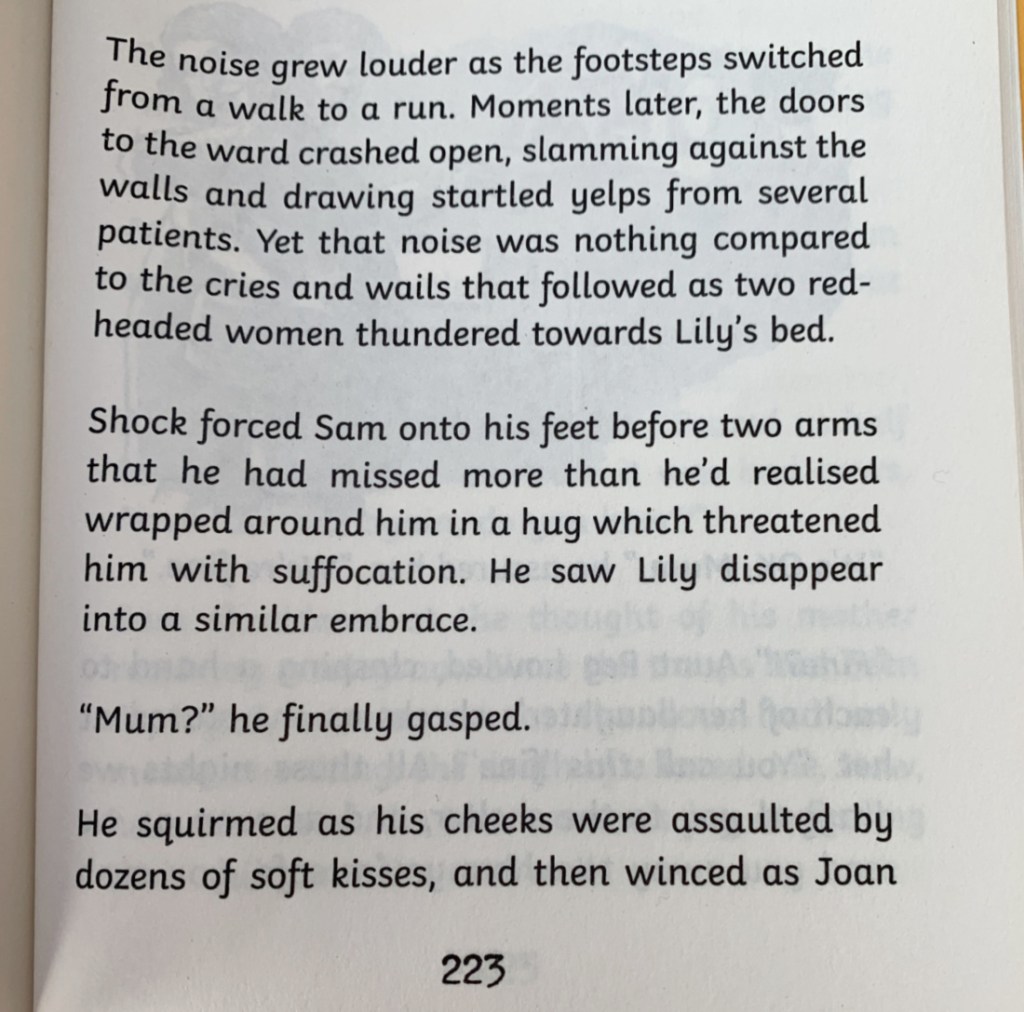
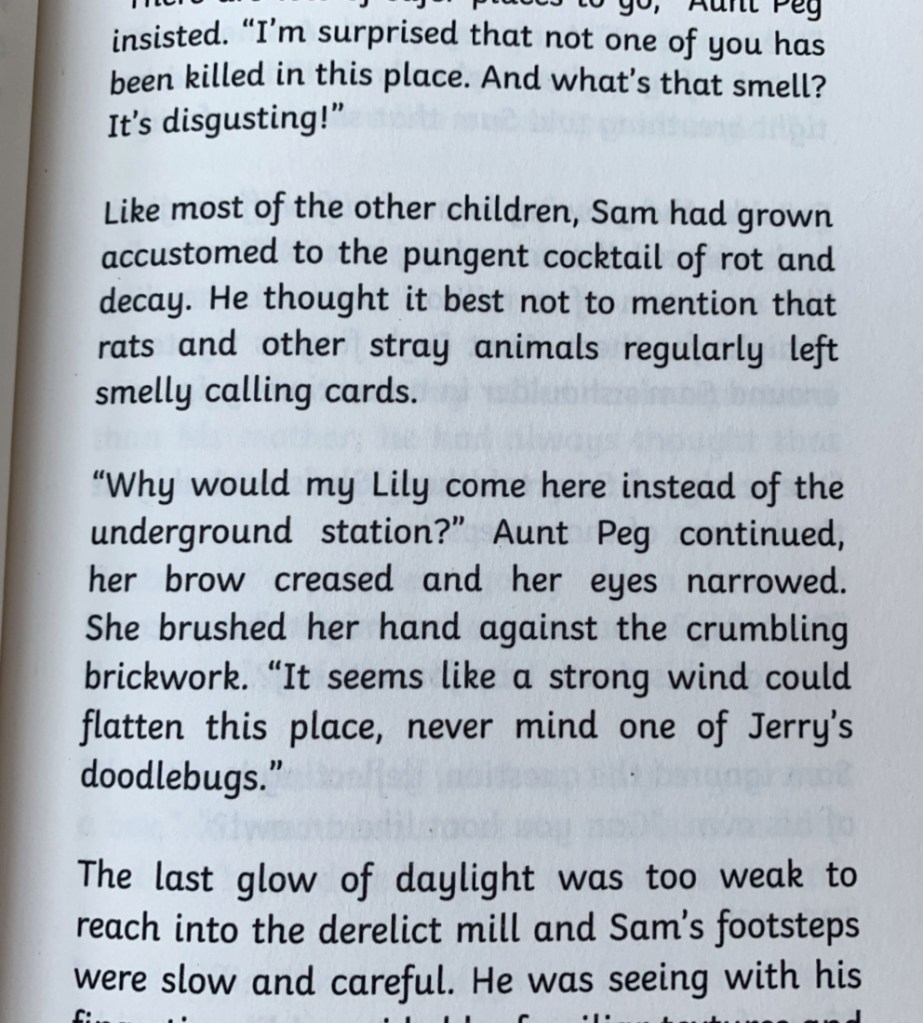
I am spending more one-on-one time with my oldest (we working through some poetry activities) so I wanted to find a learning unit that my son could complete by himself. And as the Twinkl book activities have always been a hit with him I decided to try their World War Two story (which happens to tie in nicely with our World War Two history topic) Code-Cracking for Beginners. We happened to have the actual book (it was sent to us last year sometime as part of the Twinkl book club but if you don’t have the book you can download the story in eBook format) and I went a bit crazy printing off all kinds of related worksheets and activities for him to do.

Then whenever my oldest and I were working on her English he would either read some more of the story or work through some of the activities. It worked out perfectly. He really enjoyed the story and he powered through the activities. I have to admit English is probably the subject that we need to work on with him – he just tends to enjoy Science and History and Maths comes easily to him but English is just a bit more challenging for him. But in the past whenever he have worked through one of the Twinkl eBooks and done the related activities he has always enjoyed it and he never seems to complain if the English activities are linked to an interesting story. So for me it really is a win all the way around.

My son read the book completely independently but I did notice that on days when he only needed to read 2 chapters (because the linked activities dealt with those 2 chapters) he would often actually read 5 just because he was enjoying the story. So I decided to read the story myself just to see if it was as good as he seemed to think and I must admit I thought it was a really enjoyable World War Two story. The characters were lovely and interesting (both the good and the bad characters), there was some suspense and adventure and there was even a plot twist at the end which I was not expecting. I love the fact that the Twinkl stories have linked activities but even if you are NOT planning on doing any of the linked activities this is still a sweet World War Two story for the kids to read. And I REALLY liked the descriptive words and phrases that were used – I feel like the whole book was a good example to my son on how to write an interesting account of events and people.

And there are lots of activities. As always there are guided reading questions and a comprehension, which we always tend to do just because I like getting my son to practice reading a piece of text and then being able to answer questions on it (really a good skill to develop).

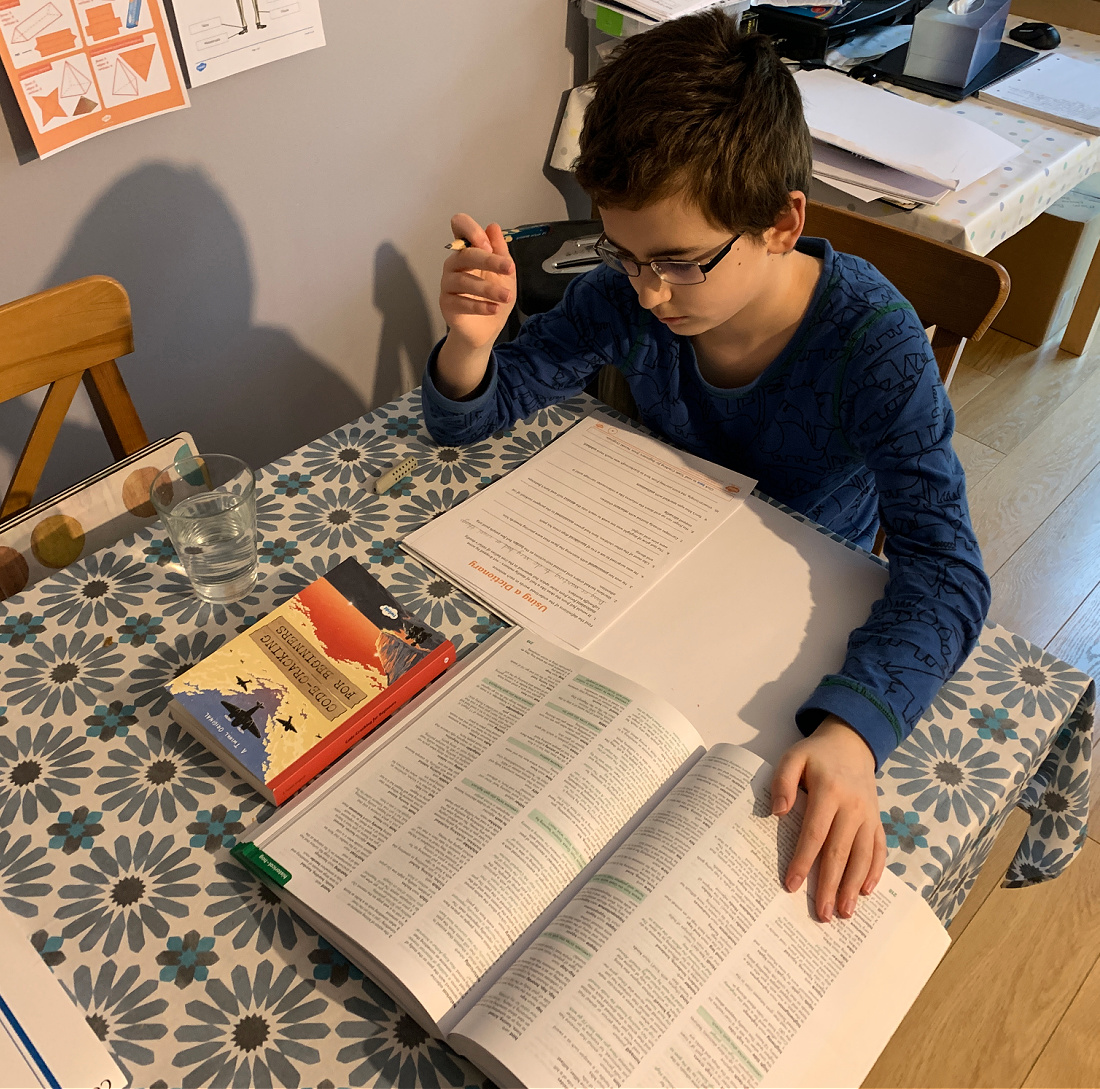
But they also included a wide range of Grammar and Punctuation activities which I really appreciated because these are the activities that my son often finds a bit dry but which he does need to practice a bit. And he even found the Dictionary activity interesting (which is a first), he thought the words that they used were interesting.

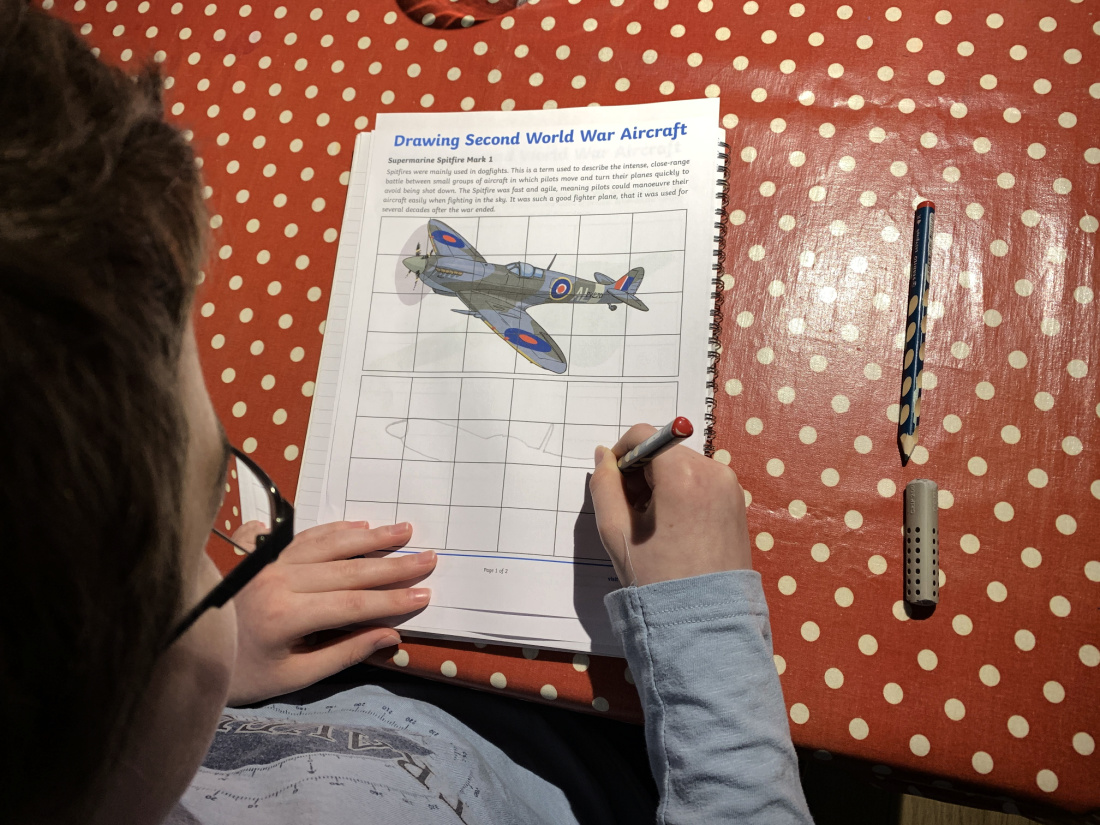
Linked to this story we found a great drawing World War Two planes activity which my son loved (in fact he did comment that he wished they had included a wider range of ALL the world war two planes to draw – but they he really likes learning about weapons).

And he also really liked the Morse Code Activity (and yes we have tried to use a torch to flash our own messages like they did in the book and yes he is wearing a home-made cape while he does his work).

I am a huge fan of the Twinkl orginal books and their activities. We have read and worked through the activities for a number of them and really enjoyed almost all of them. But I have to admit this one is possibly one of our favourites, although it is hard to decide which is our absolute favourite as we have enjoyed so many. (But for anyone wanting some other suggestions we can also recommend – The Pack of Pompeii, The Birds of Flanders Field, Victorian History hackers and Wyrmstooth Crown).

Posted in Homeschooling | Tagged , , , , , , | Leave a comment

Year 9 English Language Book

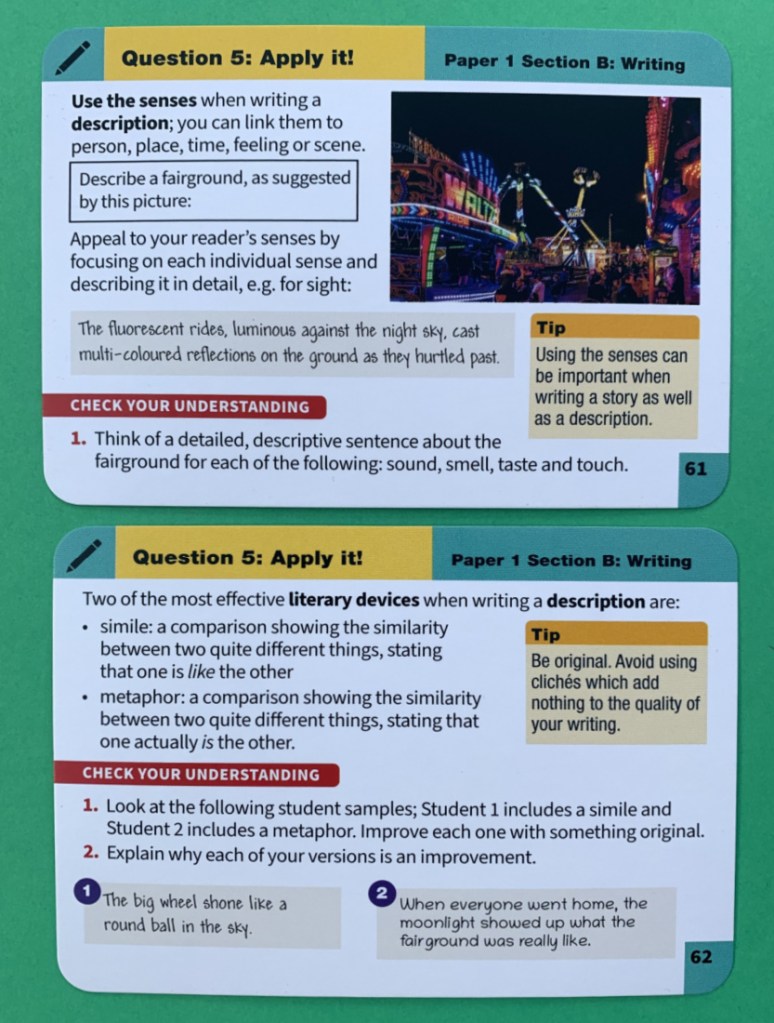
I have started looking at the content for different GCSE/IGCSE subjects and one thing I was very aware of is the way in which the questions are structured especially when it came to the English Language questions. So I started looking around for resources that could help us lay a foundation for how we go about answering these types of questions. One of the resources that I found was the AQA KS3 English Language Year 9 workbook (Preparing for Paper 1 and paper 2) so I asked the OUP publishing department if we could get a copy to review. Okay straight away, please don’t see AQA and then say we are not doing the AQA exam so this does not apply to us or see on the first page of the book that it states “the main aim of this workbook is to prepare you for the AQA Year 9 English Language test” and think we are not writing Year 9 test this is not apply. My daughter is NOT writing a Year 9 English Language test and she is NOT writing the AQA English Language GCSE but she is going to be writing an English Language exam and we do need to start laying some ground work on how we interpret the questions and how we go about answering them effectively. (In the past I have often used excellent resources and just ignored the fact that they say test or SAT’s – same concept here.)

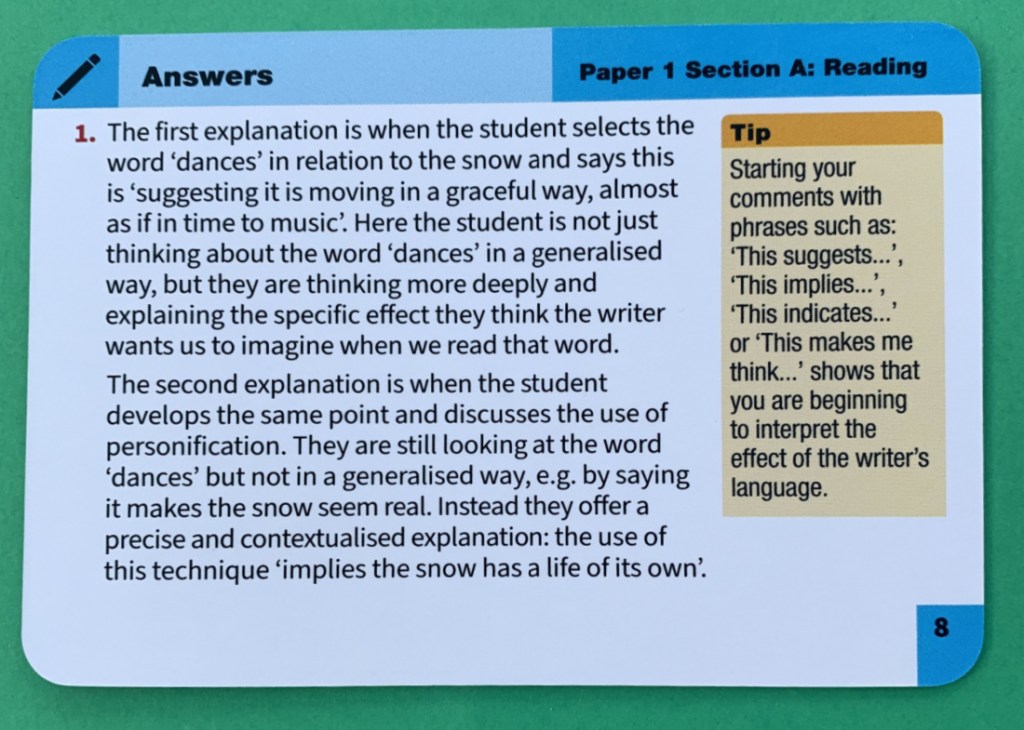
First impressions on just quickly paging through – I immediately liked the layout and how a question is broken down into smaller sections but there were no answers. I was not sure about the lack of answers. But then we (my daughter and I) started working through it and actually there are no answers because honestly there would be so many ways to answer these questions that you would need to include a whole bunch of answers for just one question. What the book does, is it breaks the question down into stages, it guides you through the stage and then at the end you put it together to craft an answer. Thinking about it, if I wrote an answer for a question and my daughter wrote an answer for the exact question it would be different, so if you included one answer most kids would have in theory written the wrong answer just because they chose a different phrase of a different section to focus on. So I do understand why there are no answers included. And after completing just the second question my daughter did not even want a model answer. She was happy with how she had built up her answer. Her thoughts were “this makes sense, I totally understand what they want, where to look in the text, what to pull out and how to expand.”

She also really enjoyed the fact they give examples of student answers and then ask the user to extend the answer or to decide if Student A or Student B wrote the better answer and then potentially use those ideas to write their own. She really loved this aspect.

The workbook itself covers both Paper 1 and Paper 2 and it works through each question in each paper. And they work through questions on writing about language and structure (which were two things we were specifically looking for) and I must also point out that I really liked the points and tips under the Writing Questions. You might look at it and think 47 pages that is not long but they have included a lot of important points in those 47 pages.

It really is a systematic approach to answering questions, which I think is incredibly useful for kids needing to lay some ground work for future Exams. I think ignoring all references to the fact that it is aimed at kids writing Year 9 test, it is a brilliant book for home educated kids to work through. We (my daughter and I) highly recommend this book.

Admin – As I mentioned above this was a review copy, but I requested it as I thought it would be a useful English resource

Posted in Homeschooling | Tagged , , , , , | Leave a comment

The Boy in the Striped Pyjamas

This was NOT one of the World War Two stories that I had planned on reading with the kids but we happened to stumble upon it in our local library and after just skimming the first few pages I knew my kids would enjoy the writing style. So we borrowed the book, I once again tweaked my planning (I do sometimes wonder why I bother planning as we are always moving things around and changing) and we dove in.

Okay so basic plot outline.The story is set in the Second World War and it deals with life at Auschwitz. The main character is Bruno a nine-year old German boy whose father becomes the Commandant at Auschwitz which means the whole family has to move from their house in Berlin to a house at Auschwitz. Bruno is an incredibly entertaining character and the manner is which he is written is enduring, he is really honest and sweet and tends to see the good in people (well for most people except for his sister who he calls a “hopeless Case”). The story centers around Bruno adjusting to life at Auschwitz and his finding a friend – Shmuel – who is a Jewish boy living in the camp. The friendship between these two is interesting and sweet but it does highlight the vast difference between the two. Bruno is clearly still quite innocent and protected but Shmuel has had his life and childhood innocence ripped apart. Plot spolier – the ending is sad, I was expecting that Schmuel would be killed but it ends up that both Bruno and Schmuel go to the gas chamber together.

This book does not claim to be a factual historical book, it is considered a fable and the author has adjusted a few facts to better suit the story. That being said reading this story you truly are transported back to life in Germany and then life at Auschwitz. It really is a powerful story that brings that whole time period to life for the kids reading it.

The book deals with sensitive issues around the treatment of the Jews during the Second World War so there are things discussed that might be upsetting to younger kids. But I also have to stress that the author has written about this topic in an incredibly sensitive style, one that is kid-friendly and he scatters humour in the book to lighten the mood (my kids loved the fact that Bruno calls Hitler the Fury). The kids will read about Schmuel being black and blue after being beaten, how he keeps getting thinner and more sickly looking (clearly slowly starving), they will read about how the guards round up groups of Jews and take them on a march and then those people are never seen again, they will also read a bit about life in the ghetto and how they were transported to the camps. So there is a lot that does get woven into the fictional story. But really the writing style does seem to just strike the right balance for kids and I do think most kids would be fine with the content. I will however add that my eleven-year-old son had a very strong reaction to the ending (when both boys end up in the gas chamber). He was so invested with the characters and he could not get over that Bruno ends up dying.

I really can not recommend this book enough. If you are covering the Second World War then this really is a book to read, we will not be disappointed (I would probably suggest it is suitable for ages 10+ just because of the sensitive nature of life at Auschwitz.) They do also include facts about Auchwitz and an interview with the author at the back of the book – which we thought was very informative.

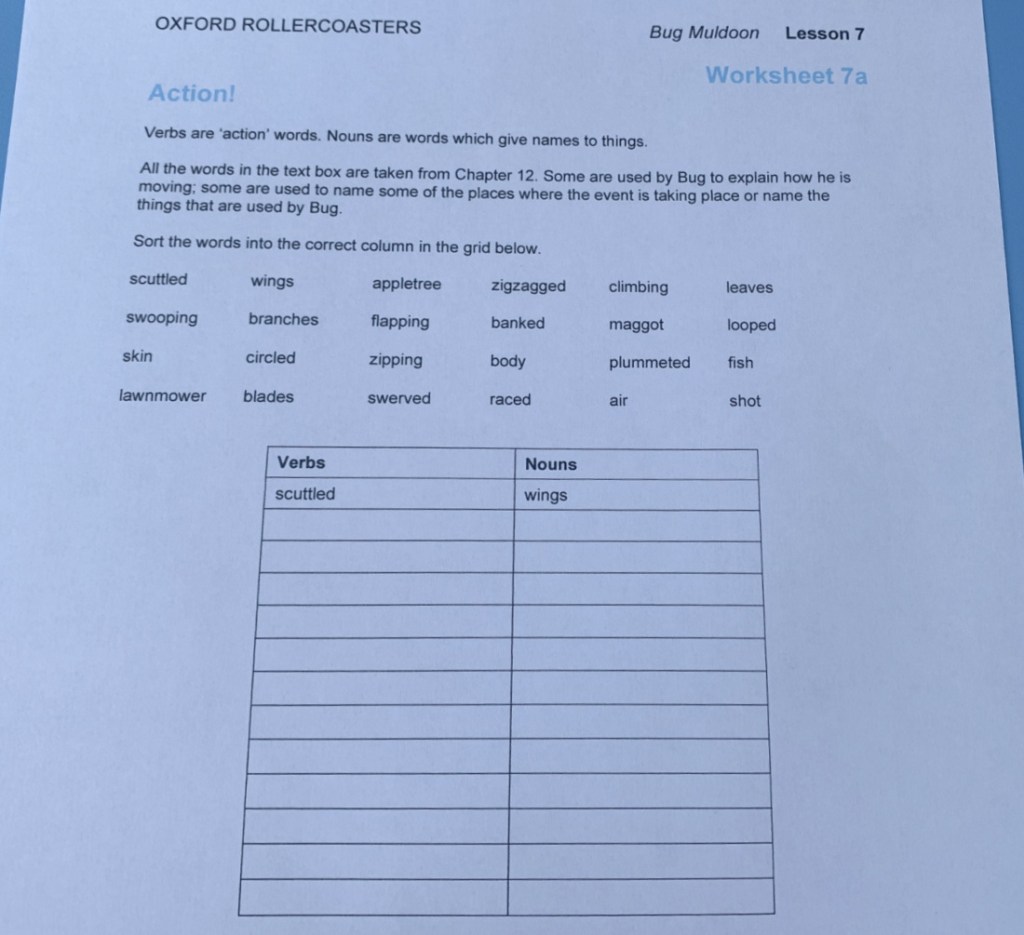
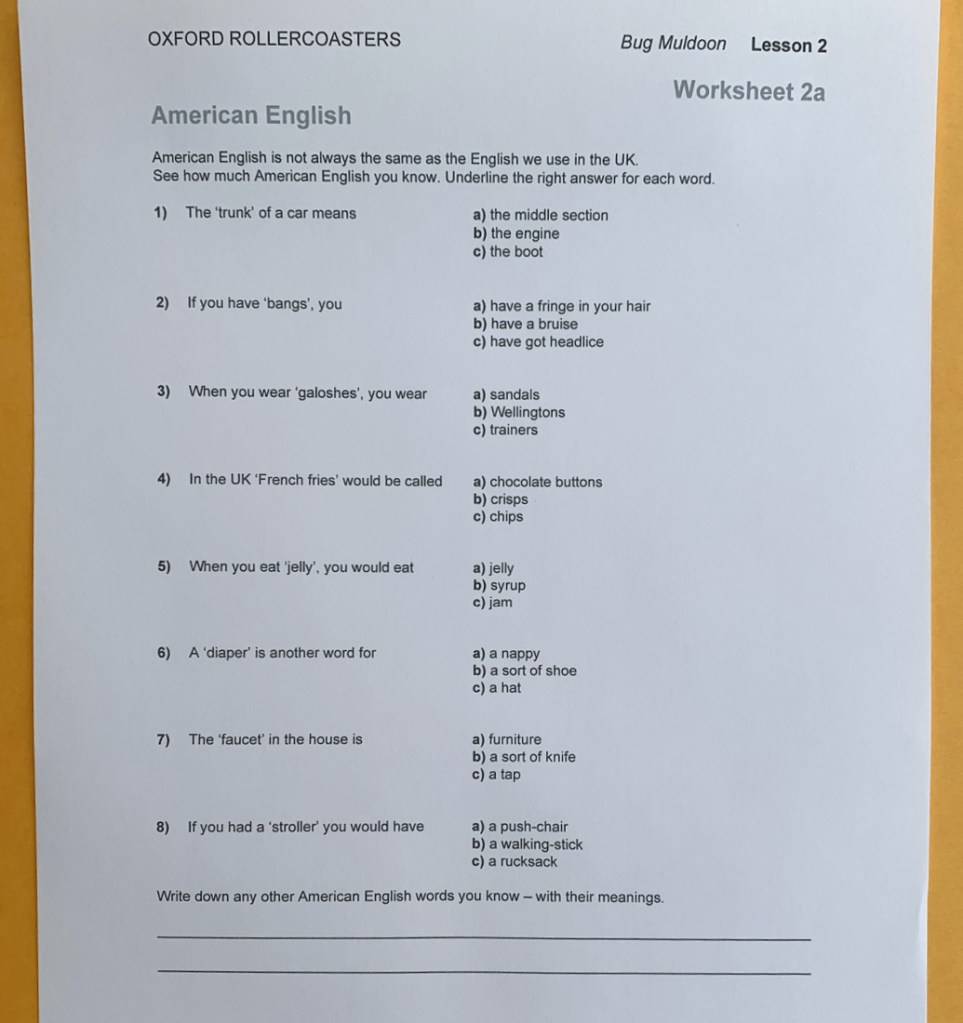
And then for us home educators, I found FREE to download lesson ideas and worksheets to go with the book on the Oxford University Press site. With this book we actually did not do that many activities, I think I just picked about 4. But I do like having that resource, being able to read what they suggest and it gave me ideas on things to highlight and link to.

This book was an unexpected addition to our War theme but it truly has been a wonderful book to dive into. I really have enjoyed the writing style, the characters and how by just reading a fictional story my kids now have a better understanding of what it meant to be Jewish during the Second World War.

Posted in Homeschooling | Tagged , , , , , , | Leave a comment

Divergent

Divergent is the first book in a gripping series of Dystopian fiction that has been expertly crafted for teens (they will not want to put in down) and even some of us who are ever so slightly older (I tore through the book in just over a day as I really did not want to do anything else but read and find out what is going to happen to Tris).

Divergent Books. Dystopian Fiction for teens. Highly recommend

But first some background – I am NOT someone who normally reads Dystopian fiction and my daughter has always avoided this genre but I knew that it would be good to introduce her to the genre so that we could discuss it and understand it better. I realized that the best way to make Dystopian fiction enjoyable for my daughter was to find something that had really well developed characters, real characters, characters she would enjoy and then the actual dystopian setting would be more palatable for her. And as luck would have it another home-education mother who enjoys this genre but who also values character books suggested we try the series (and in the past her recommendations have always gone down well with both myself and my daughter). So after Christmas I watched the movies and then started reading the books. Yes I pre-watched and pre-read everything first to make sure I was okay with the content and also so that I would be able to actually discuss the characters and events in detail with my daughter.

Okay so my thoughts. I enjoyed the movies (especially the first movie) and boy did I LOVE the books. Yes the movies are good but the books just take everything to whole other level and the detail included in the books makes everyone come alive. So I knew straight away that I would get my daughter to read the books first and then we could watch the movies together (okay I also want to stress that we will be watching the movies together as there are a few sections which I want to be present for so we can discuss). The author has thought in detail about how this world will function and when you read her words you really are able to create your own mental image of this world, the factions and people living in it that you actually don’t need to watch the movie to make it real. The words in her books bring this world to life all by themselves and in some instances I thought her words painted a far more vivid picture that then movie showed us. So please do your kids a favour and read the books first.

My daughter (she is 13), she has already finished the first book and has started the second book (she has not watched the movies yet). She LOVED the first one, LOVED it. Which I am thrilled about because it has opened up a whole other genre of books for her to discover (once she have finished reading this series she is going to read The Hunger Games – just to mention I have pre-read all the Hunger Games Books and they are better than the movies – even though I did really enjoy the movies).

Okay so what is the story concept?

This is a Dystopian future. The city of Chicago becomes a city living behind a massive wall and it’s population are all divided up into 5 factions. You belong to a faction based on your character. The factions are – Abnegation (selfless), Dauntless (courageous), Candor (honesty), Erudite (intelligence) and Amity (peaceful). When you turn 16 you choose which faction you want to join, if you choose a different faction from your family you are basically get cut-off from your family. They say “faction before blood.” The book is written in the first person from Tris’s perspective. She was born into the Abnegation faction but at the choosing ceremony she chooses to join Dauntless and so starts a journey of self-discovery. (Tris is actually classified as a Divergent which means someone who does not fit into the faction system and who is considered dangerous by all the other factions).

When she enters Dauntless she meets Four who ends up becoming another main character. Four also moved from Abnegation to Dauntless and from the very beginning he seems to want to protect Tris and later confesses to be in love with her. I really liked this aspect of the book, the way the author deals with their relationship unfolding and the way Four respects Tris and never pushes her into a sexual relationship. I thought it was a positive model of a young relationship.

During her training in Dauntless we also get to meet some rather unpleasant characters (Eric and Peter) which actually provides a powerful contrast to our main characters (Tris and Four). I enjoyed the way the author writes her characters, they are whole characters who are flawed who makes mistakes, who doubt themselves but who also try hard. I appreciate the fact that the main characters are not perfect fairy tale, unrealistic people, these are people who we can relate to and understand. She creates powerful characters and interesting relationship dynamics.

The book (and the series) follows Tris as she comes to terms with what it means to be Divergent and what the Faction system actually stands for. It is a powerful example of a young girl choosing her own path, going against the norm but doing what she believes is right for herself. It is also a powerful example of people in power how they can abuse that power and become self-obsessed and power hungry. I should also probably add that quite a few characters do die in this book but we never found the death scenes to horrific or too graphic. And just in case it is a trigger for anyone, Four comes from an abusive family (his father beat him), it is spoken about throughout the series but I did feel it was done in a positive light. They show how Four picks himself up and becomes a far better man than his father ever was, they show how Four is strong but also kind. I really felt like it is a very powerful aspect of this series but I did want to mention it in case it might be an issue for young readers.

Both my daughter and I Highly recommend this as a gripping example of Dystopian Fiction but we do suggest it is really only suitable for 13+ages.

Posted in Homeschooling | Tagged , , , , | 1 Comment

English Literary Heritage Unit from Twinkl

I mentioned at the beginning of my daughter’s Year 9 that we have chosen a few KS3 English units off the Twinkl website which we were planning on working through. We have just completed their English Literary Heritage unit which I must admit was a bit longer than the other English units that we have worked through but it was really interesting and I felt like it laid down some good groundwork for next year. So I thought it would be a good unit to write a post on.

The aim of the unit is to give learners a foundation on pre-1914 authors and some of their famous works. Clearly this is a massive task (there are so many incredible authors and works from this time) but I feel like they did a good job in selecting 8 incredible authors and they highlighted one of their works and found an interesting angle to focus on. The writers they selected were – Sir Author Conan Doyle, Lewis Carroll, Mary Shelley, Johnathan Swift, Percy Bysshe Shelley, William Shakespeare, Walter de la Mare and Emily Bronte.

Straight away let me say this was one unit that I did only with my daughter. Some units I do with both kids but I did feel like this one was a bit more challenging and would have been out of my youngest current range (he is Year 6). The unit is split into 20 lessons and at the very beginning I decided that one lesson at a time was sufficient (with some units I feel like you can combine some of the lessons together and make them a bit shorter but with this unit I felt like every lesson had something valuable to look at and spend time working through). So I roughly planned on doing 3 or 4 lessons each week – just because we always have other activities and subjects on in our weeks so I know that planning on doing 5 lessons a week would just not be practical.

The lessons are all a bit different as every lesson focuses on something unique. But in each lesson you get a basic lesson plan, a PowerPoint which sets out the lesson, an activity sheet of some sort and if needed the extract from the famous work that is being discussed. So really you do not need to do extra prep work. And the whole unit is accompanied by an independent home work project. We liked the idea of the homework assignment so we also completed this – you select one author and then over 6 weeks you do one assignment on that author each week. I must admit I thought this was a great way of really getting to know a famous author and we might actually continue with this even though we have finished the unit (what I mean is we are probably going to select another famous author and then my daughter will work through the assignments over another 6 weeks as a way of really getting to understand another author).

I felt like the unit highlighted the fact that if you understand the context of when a work is created you have a better understanding of why the author is creating the characters and events in their work (This came through very clearly when we looked at Frankenstein and at Gulliver’s Travels). It is something I have talked about before but I felt like when my daughter read about the scientific thoughts of the time and then read about how Frankenstein created his monster is just clicked. There was a Scientist at the time who was passing electric current through dead animals to bring them back to life and that is how Frankenstein created his monster and brought him to life. Likewise with Gulliver’s Travels a story my daughter already knew, her opinions changed once she started reading about the social and historical context. It added an extra layer to the story and a much deeper understanding of the characters and events. I actually feel if that was the only take-away from this unit it would have been worth it.

The inclusion of poetry, I really LOVED the way these lessons were structured. I can not stress how helpful I found these lessons. Taking a poem which the kids have not worked through before, something that can be intimidating and then helping the kids to break it down and formulate a way to read and understand the “scary” poem. And I loved the idea that the kids should try and rewrite the poem in modern English – that really is such a simple concept but it does help. It helps because the kids realize they don’t need to understand every single word and they can understand the basic concept of a poem without getting it word for word.

Even though this unit is long and covers a lot I honestly wish there were more examples of old English Poetry and how to analysis and understand it like they did in these lessons (possibly another whole unit?). Because old poems are something that can be very intimidating to read and try and understand but learning how to break it down, how to to think about the context, what the authors intentions are and then to try and reread it, just makes it less intimidating. So please if you look at this unit and see lots of Poetry included and are put off by that, please don’t be, that is reason to try the unit and work through it with the kids, it will help. In fact my daughter and I are going to tackle the Poisonous Poetry unit next just because we feel like we are finally starting to get to grips with Poetry and how to face it and we want to keep that momentum going.

I know I am missing out a whole lot but if I try and write about everything in this unit it will be a really LONG post. The unit is about learning a bit about famous authors, it is learning to take some time to understand the context of what was happening when the authors wrote their famous works, it is about not getting bogged down panicking about every small thing you don’t understand but trying to get a broad view on a work and then try and figure out the detail. It takes famous works that might seem intimidating and makes then normal and understandable.

It is a harder unit than some of the others that we have worked through and I did sit and go through it with my daughter and we discussed each work together. I don’t think I could have given her the entire unit to complete without my input. I feel like it is a good one to do together so you can really discuss why you think words were chosen or authors wrote certain things. I think it does open up a door of insight into pre-1914 works.

I was really impressed with this unit and I am really glad that we took our time and worked through each lesson together.

Posted in Homeschooling | Tagged , , , , , | Leave a comment