Year 7 the second time around

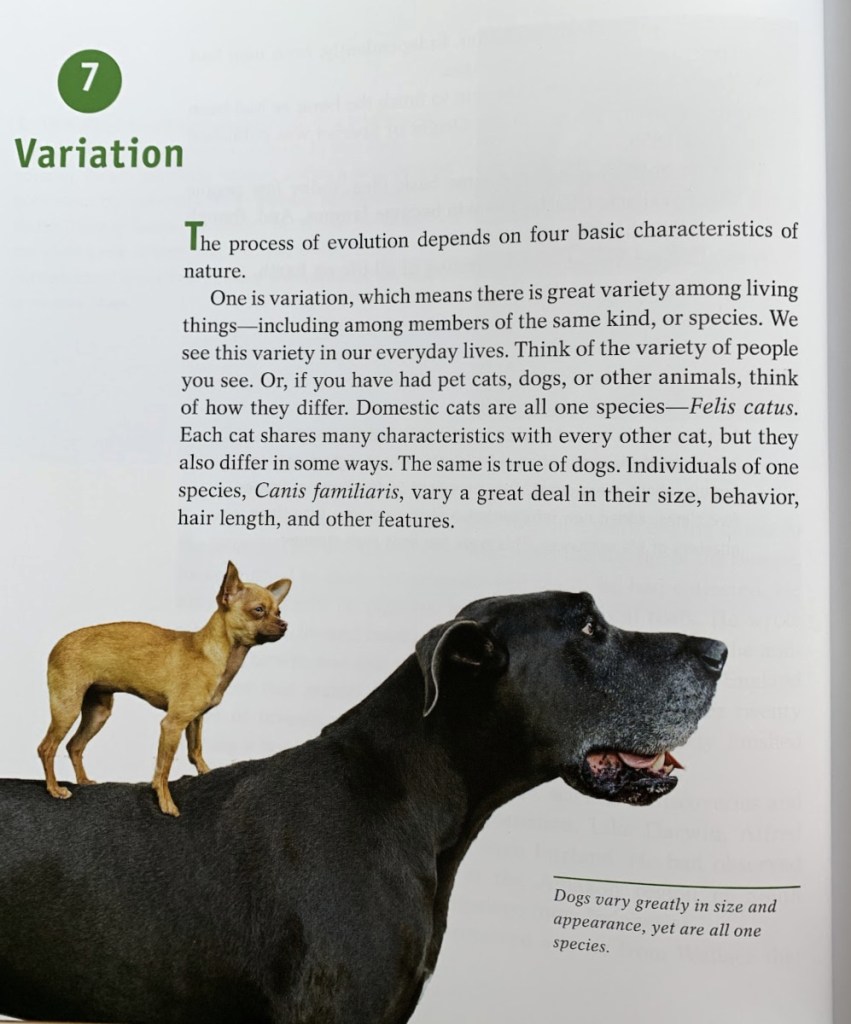
Before I got into home education I was under the mistaken impression that once I did a year with one kiddo I would cruise through repeating the same thing with the youngest (in the days when I did not really understand home education). The truth is nothing like that. My son (my youngest) has never repeated the exact same activities that his sister (my oldest) did in that academic year. Why? Well simply put they are two different kiddos, their strengths are different, their learning styles are different and if your youngest is in the house when you are home educating your oldest you will be amazed as how much they pick up and understand. Plus as the kids get older the dynamic of your home education, your rhythm naturally changes.

This academic year my oldest has started her year 10 work and my youngest has technically started his year 7 work. But his year 7 is actually looking quite different to what his sister’s year 7 looked like. So I thought I would explain a bit about how we have changed it for him and why.

Firstly one of the best things that I did differently this time around has been the Maths. With my oldest we did Maths topic by topic, using lots of resources from the internet (including Twinkl). It worked really well for her and I feel like it allowed us to build up her Maths confidence but I will admit it was very intensive for me. My youngest is more confident in his Maths (in fact he loves arguing about Maths with me), so I knew he would be able to work through it quite independently and I also knew that with his sister starting Year 10 my time was going to be even more in demand. As luck would happen in his sisters year 9 I switched her to a Maths series, one which I was really happy with so I decided to try that Maths series for my son’s year 7 – Mastering Mathematics. And I have to admit I am thrilled that I changed the Maths for him. The series is so easy to use, the explanations are good and there are a lot of practice questions and he can work it is own pace (in other words I am not slowing him down because I have not had time to find resources etc). It has been a very good change for us.

Then English. I knew that we were going to have to work on English with my son. He is very creative when it comes to writing stories, really his stories are brilliant but actually writing it down, the grammar, spelling and even basic structure is not as “easy / natural” for him as it is for his sister. So English has become the subject that we are really working on this year. We have taken a step back with spelling and are working on fulling some gaps and insecurities that I think he has. We are doing more Grammar (really with him it is a case of just more practice when it comes to Grammar). We are doing lots of Comprehensions (I think Comprehension are great as the cover a range of skills) and he is writing a lot of short stories. It really is a lot more than I did with his sister but it is what my youngest needs. His Maths is cruising along fine, Science ad History he has breezed through so we actually have the time to really try and build on his English skills and try and really improve them.

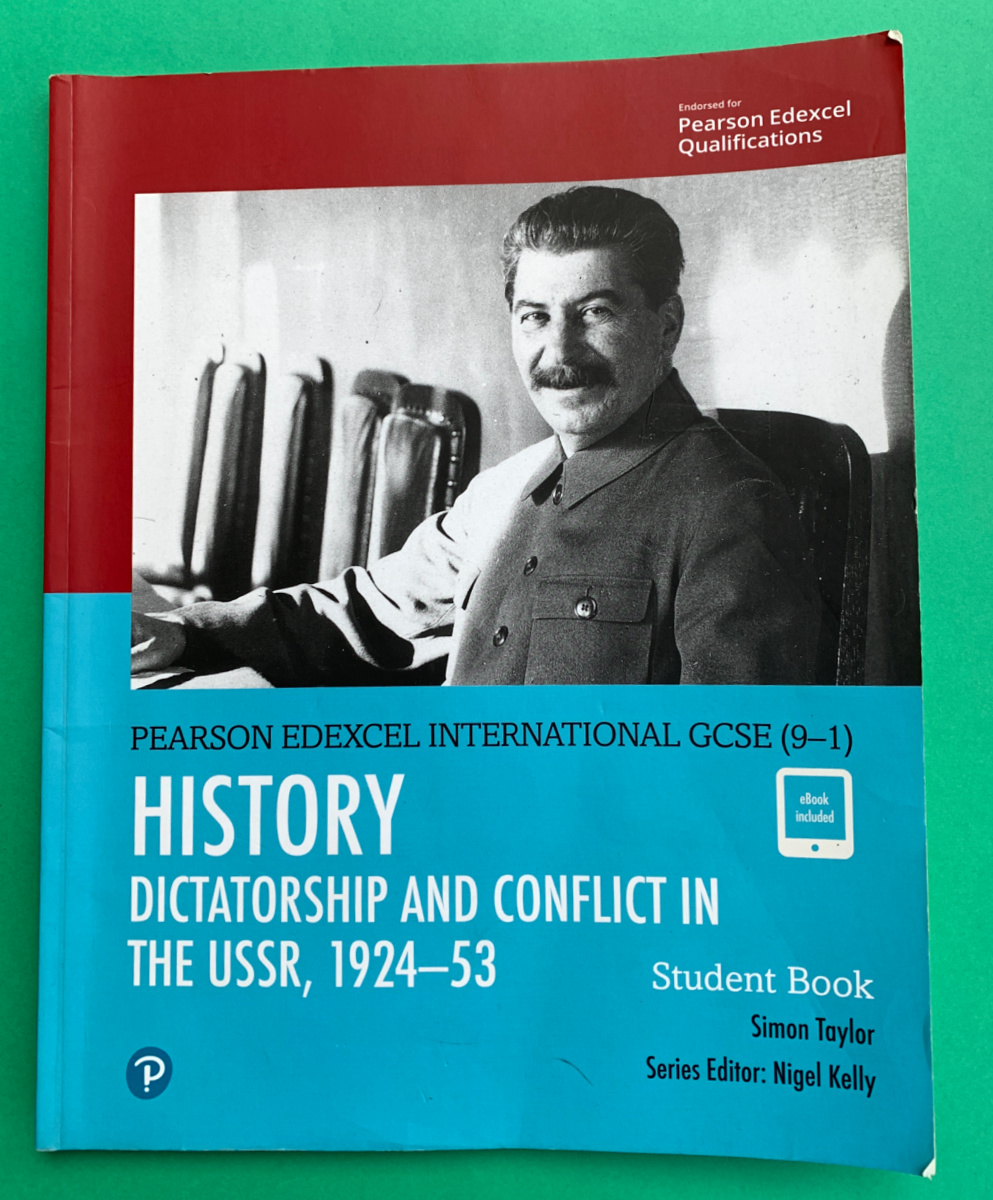
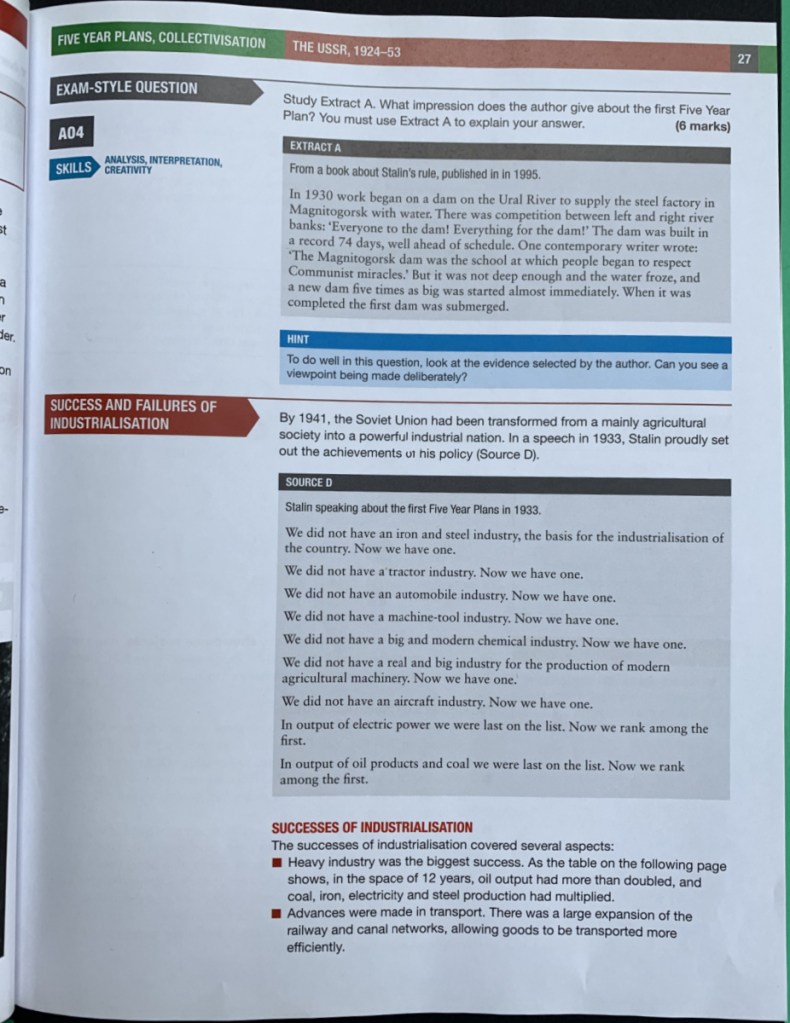
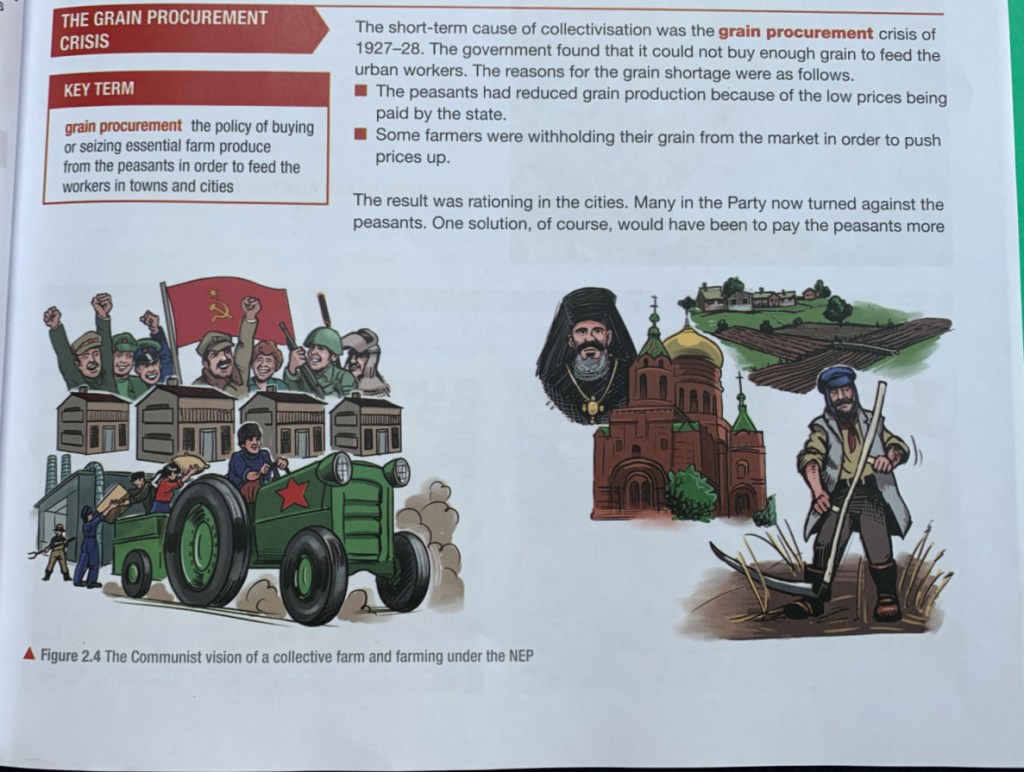
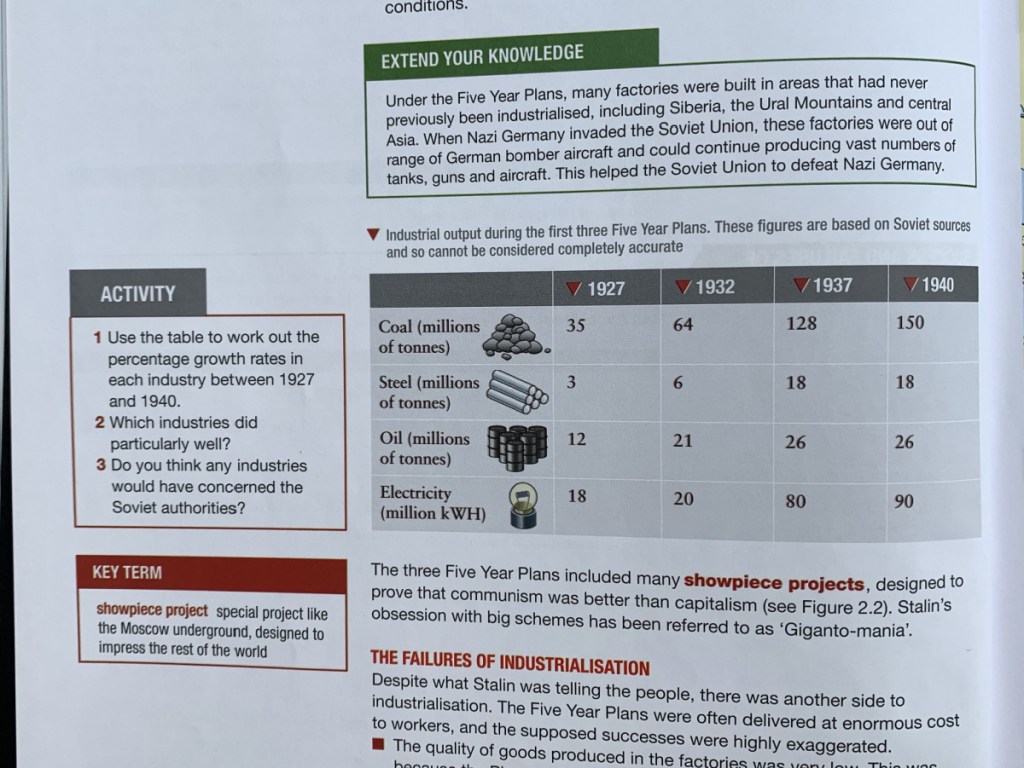
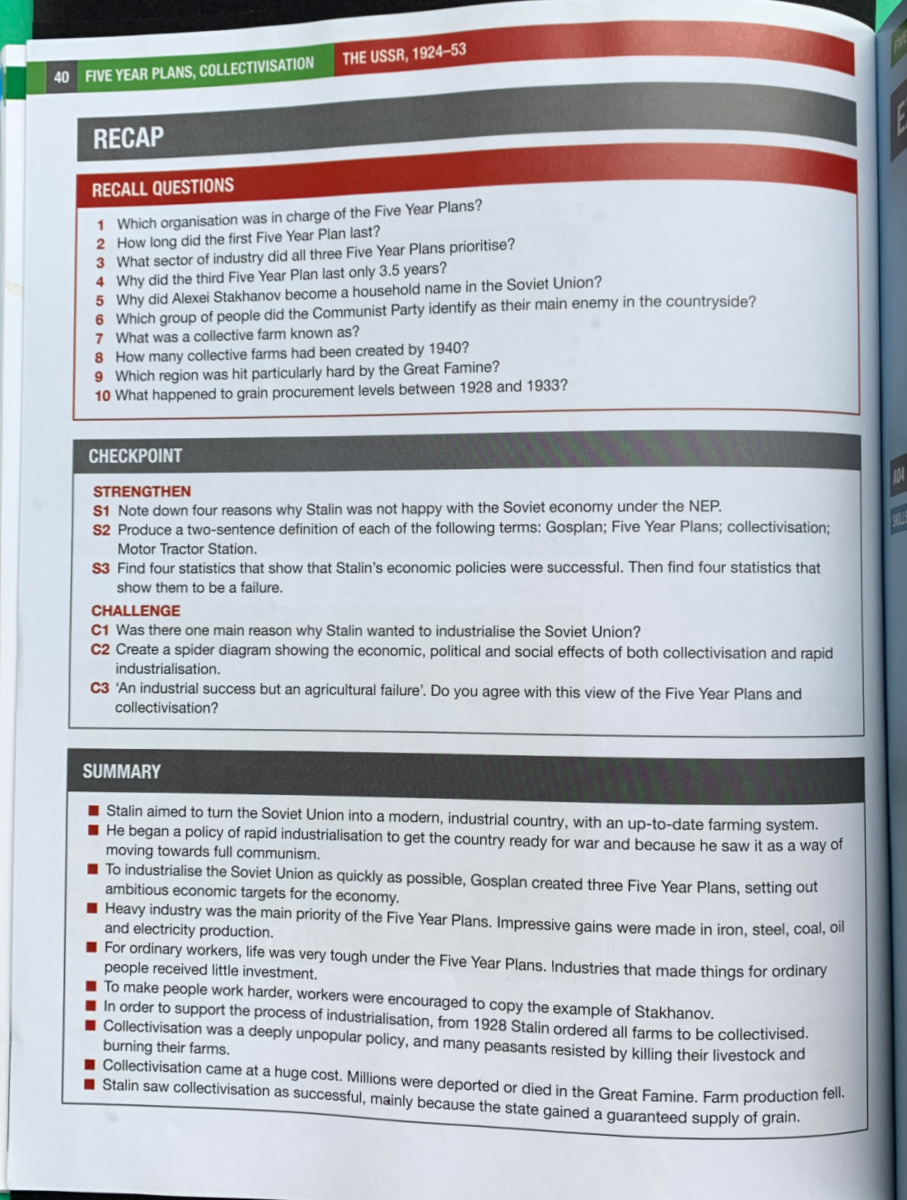
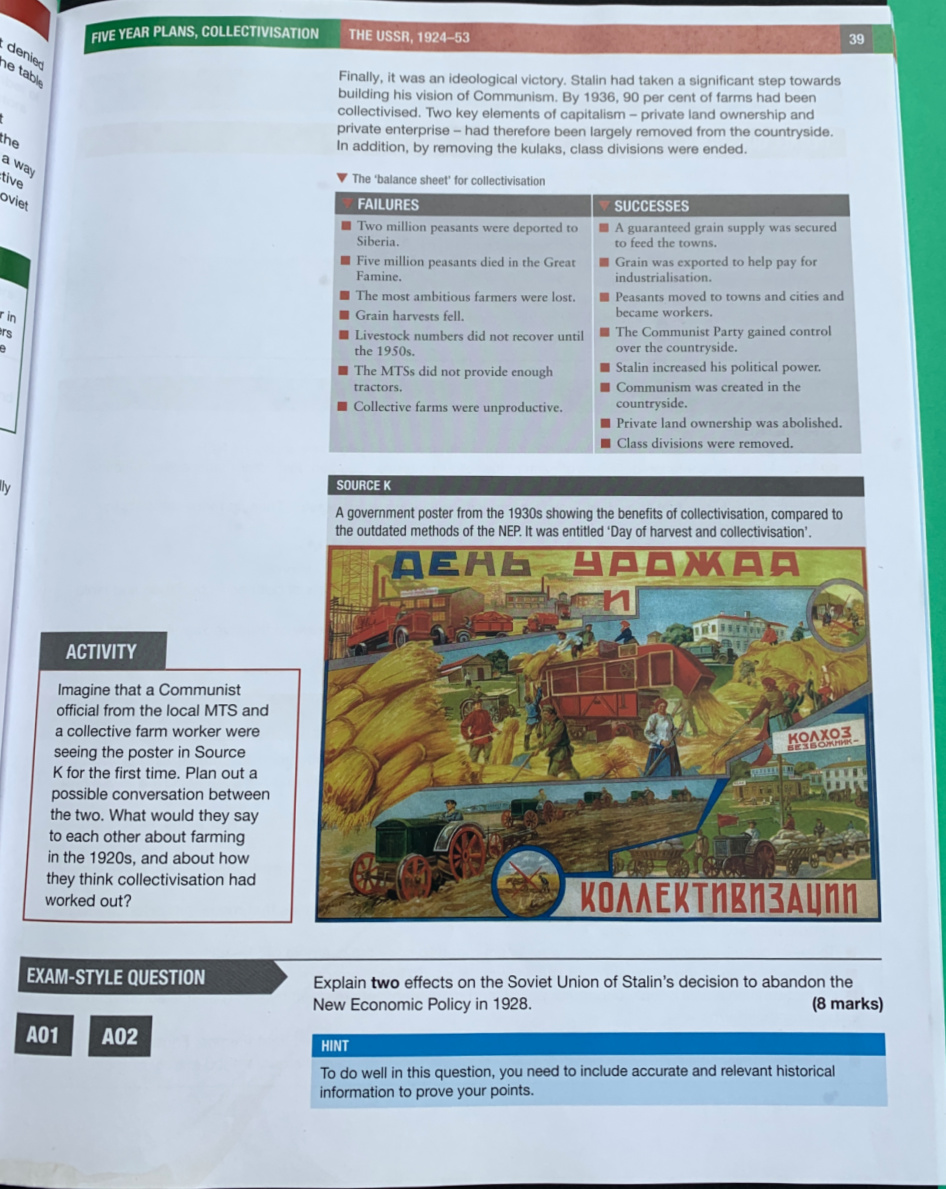
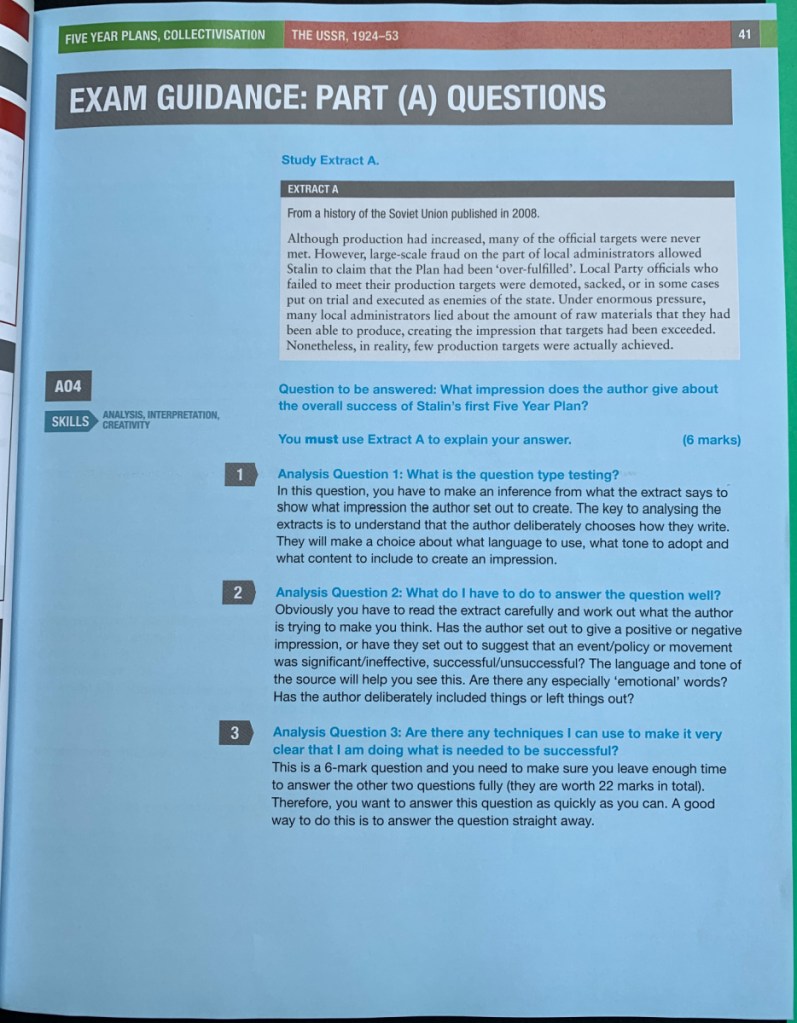
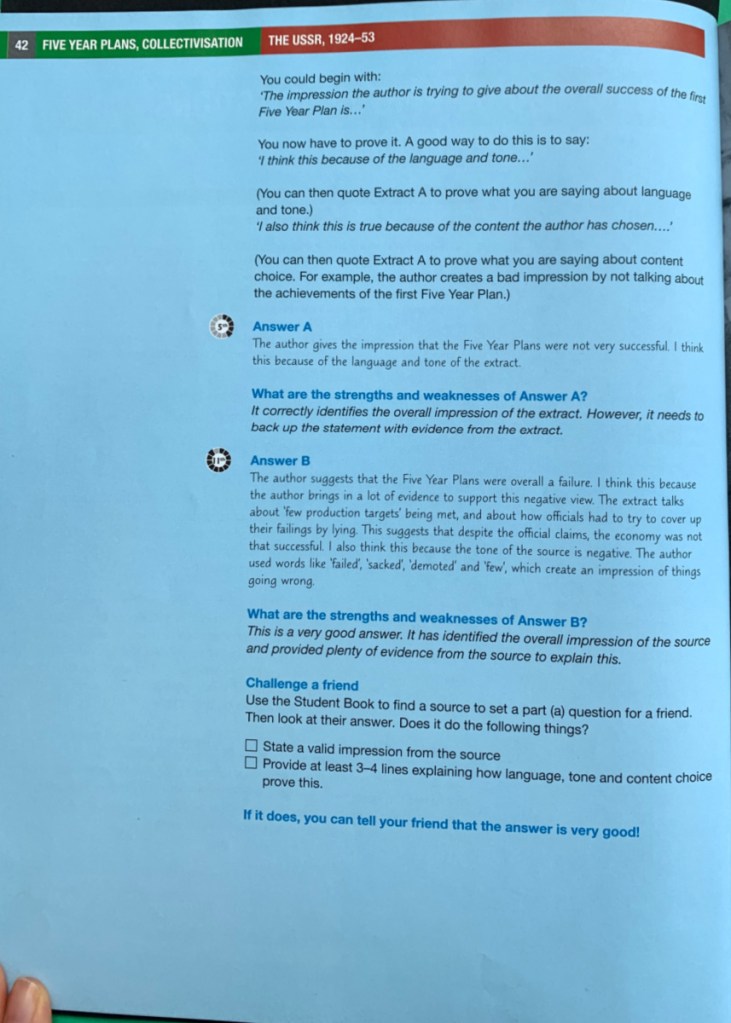
History. We are rereading the History series that I used with my oldest but again we are doing it very differently. My youngest has already heard all of the content before so this time around he reads the pages by himself and we go through them quite quickly but then we focus on the longer written questions. We are doing this for two reasons. He has already mentioned that he would like to do History as one of his GCSE subjects so I know working on the skills used for the longer written questions is going to be something that will benefit us later and it also ties in really nicely with our focus on our English writing. If you think your kiddo might want to do History as an exam subject that I really recommend this Oxford History series that we discovered, the longer written questions are just such good practice.

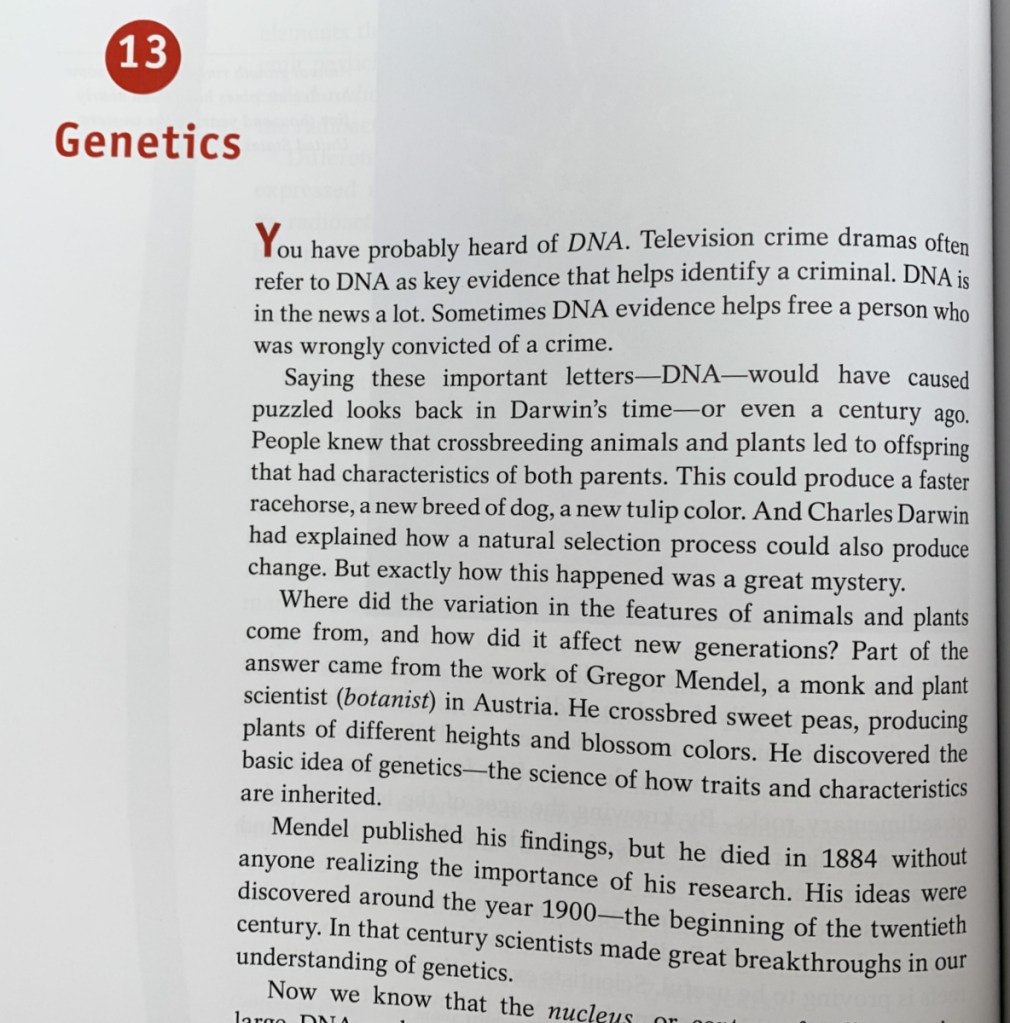
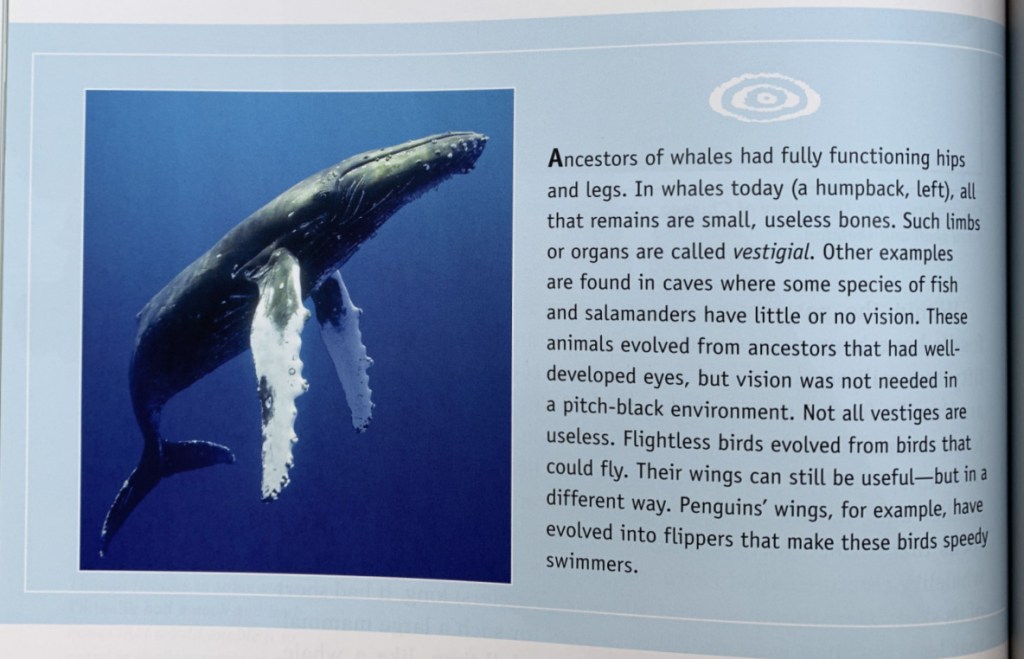
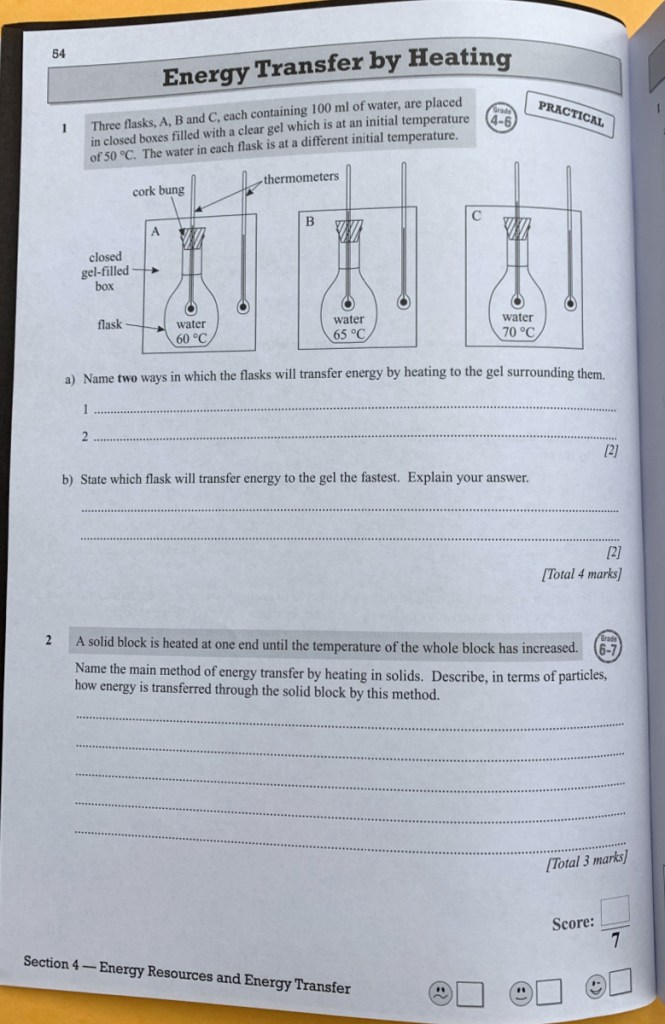
Science. He has actually already covered and understood most of the KS3 Science. So I have put his year 7 aside for us to fill in gaps and go over sections that I think we need to redo (Chemistry) but we really are dipping in and out of all of the Science books that I used for my daughters Year 7, Year 8 and Year 9. He is also doing the Theater of Science lessons which he loves. My thoughts are lets cement a few things this year and then when he starts year 8 we are actually going to start prepping him for his first GCSE Science subject. Yes it is early but honestly I think if we don’t start he will just end up bored.

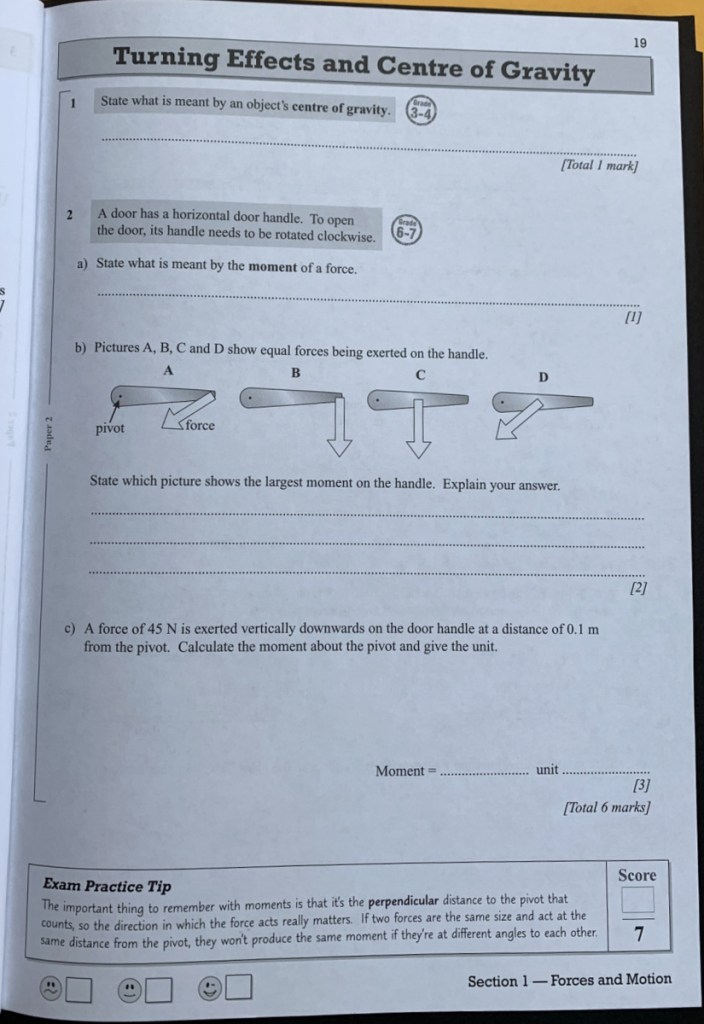
Geography. In all honestly Geography has never really taken off in our house, both my kids do not seem that keen on it. But that being said my son has already covered quite a bit of the Secondary Geography with his sister so we are doing something similar to Science are we are going back and filling in the gaps using all the Geography books so – Geog.1, Geog.2 and Geog.3.

Those are our main subjects.

He is also learning Latin with his dad and sister. It is something that the three of them do together and I must admit I am really thrilled that are doing it because he is starting to link some of the Latin to his English.

And his dad has also started doing some computer programming with him, but honestly I am leaving that it to them to figure out.

And then the fun stuff like art, cooking and baking. Well I really am not involved in that he tends to do all of it just for fun and without anyone really having to ask or suggest.

Posted in Homeschooling | Tagged , , , , , | Leave a comment

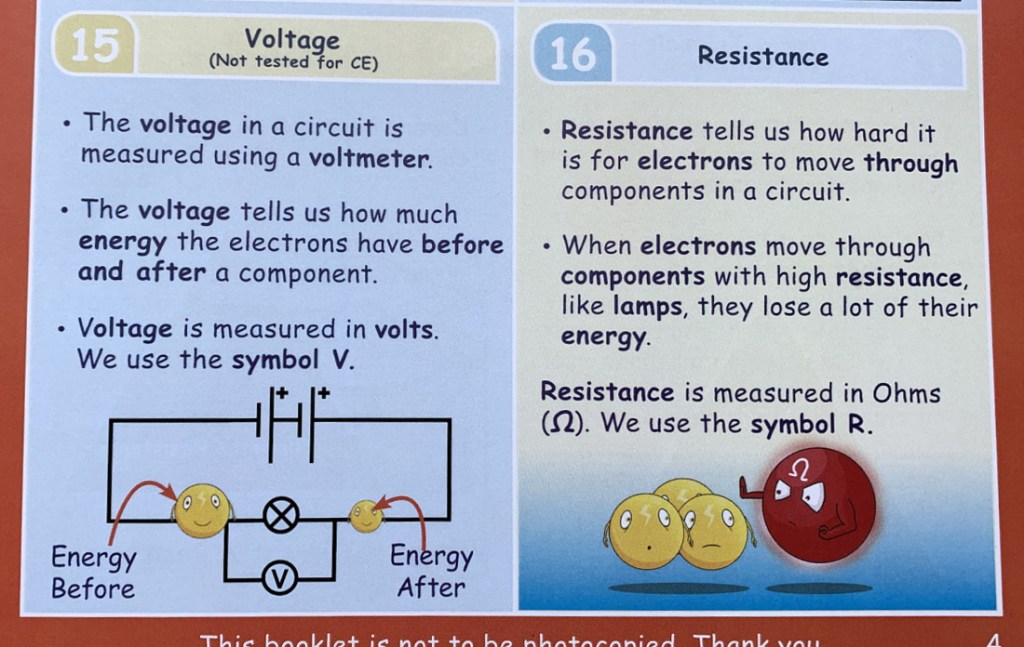
Oxford Revise – GCSE Combined Science Trilogy

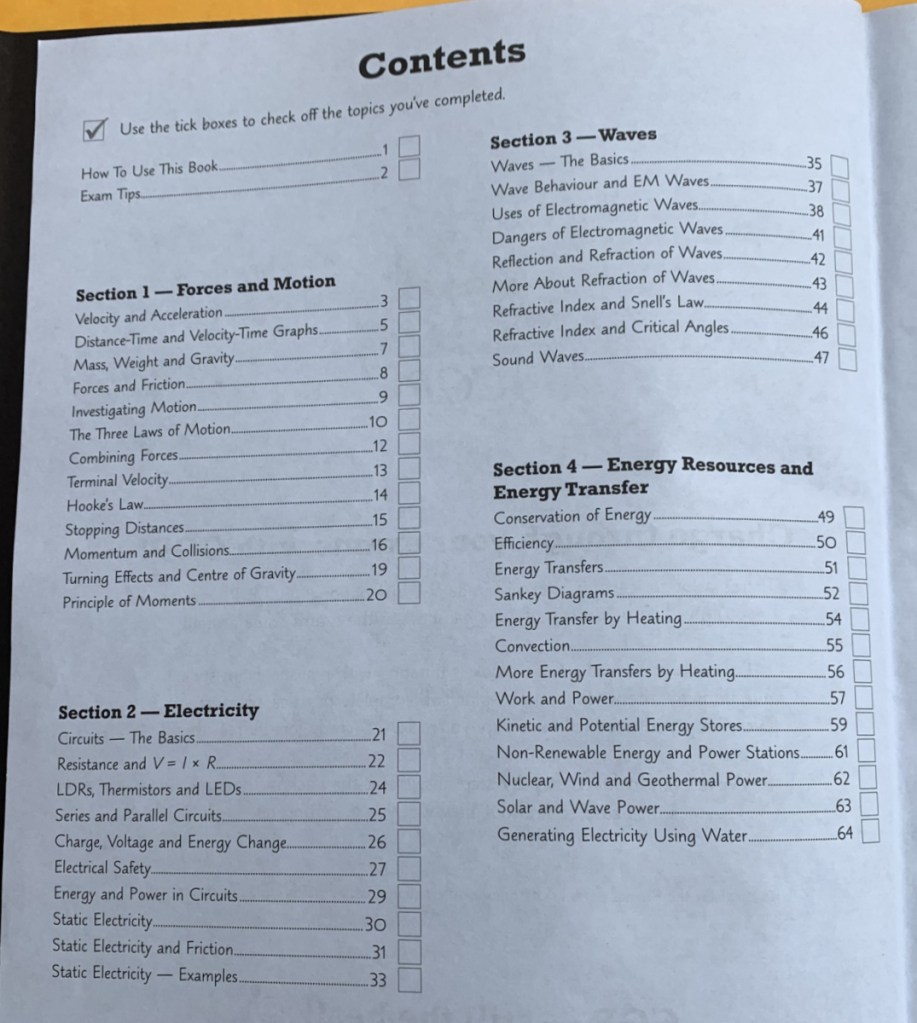
Just before Christmas I stumbled upon a GCSE Revise series published by Oxford University Press. They had Revise books for the Separate Sciences (so separate books for Biology, Physics and Chemistry) and they also had two combined Science books (one for Foundation and one for Higher). I saw a few photos of the layout and heard that the basic structure was first some knowledge revision, then a retrieval exercise followed by lots of practice questions. So naturally I started getting a bit curious and asked if we could review one of the books. Kindly they agreed and they sent us a copy of their AQA GCSE 9-1 Combined Science Trilogy Higher book.

Now first impressions – it is quite a thick book, my husband actually commented on that fact when it arrived. But then if you think about it, it is covering three sciences in one. On a very quick first look I immediately liked the knowledge pages – these are summary pages of all the key facts (but I want to stress summary) and I really appreciated the number of questions that they have included (the more we go down our GCSSE journey the more I am aware of how important it is for the kids to have lots of different practice questions). And the very important point answers – all answers are free to download from their website, and yes I have logged on and already downloaded all the answers for Biology and Physics and even printed out quite a few of them and I have had no issue.

All three science sections are set out in the exact same manner.

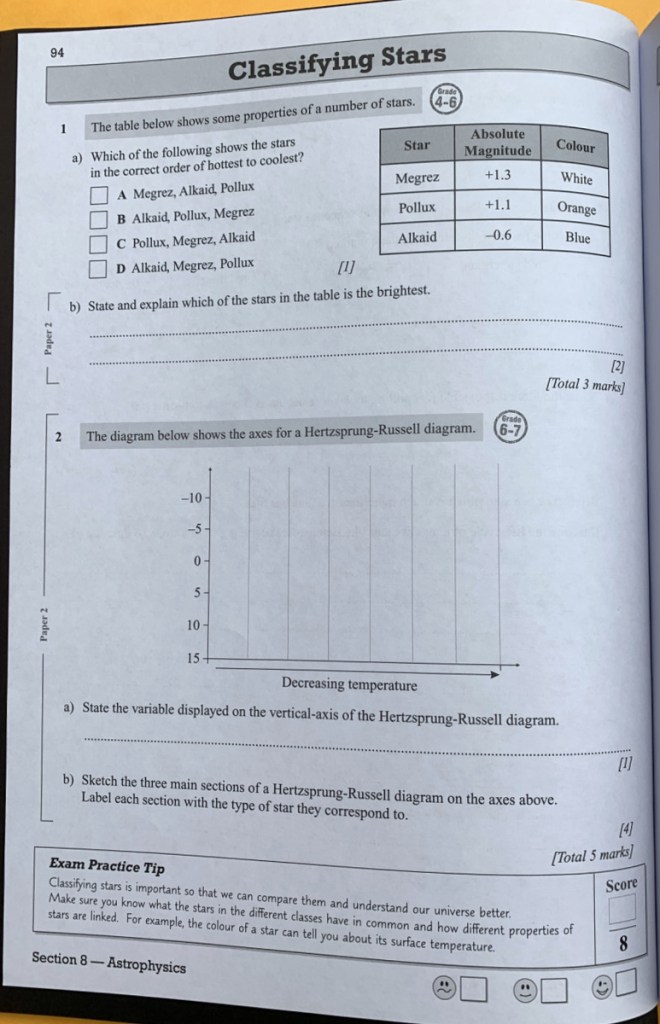
Easy to read Knowledge page (normally 2 pages for each topic). They have set it out in blocks so it is not an overwhelming page and they include diagrams and tables which help explain the information. But please this is a SUMMARY page, an excellent summary page but a summary page.

Second you get the Retrieval questions. The idea here is that the kids cover up the answers with a sheet of paper and test themselves. I was initially not sure about this but actually I love it as it is a quick test of key info.

Then you come onto a page which deals with Maths Skills and Practical skills that may be needed for the topic. Something which is vital for Science so I thought it was very useful that they have included this.

And finally for each topic they have included a lot of exam-styled questions. And I mean a lot. 6 pages of questions for each topic. The questions they have included are varied in terms of the type of questions and the level. On the side of the question page they have also included small blocks called exam tips (some of these blocks will seem a bit basic but others will included some really useful tips).

Okay so ease of use. My daughter has already used some of the Biology topics from this book. She found it easy to use, she worked though it independently and then marked her answers herself. Her favourite feature was the summary notes and I must confess as a home educator my favourite feature were all the practice questions (I know I go one about practice questions but as a home educator finding good questions, at the right level that come with answers for this level is not as easy as I thought).

My thoughts on future use? Yes we are going to use it. My idea is once we have completed a topic we can use this as our wrap-up activity. My daughter can read through the summary sections, make sure she knows the key facts and then test her knowledge with the questions.

I think it is going to be a very useful addition to our Science book collection and I am thrilled we have been able to add it to our bookshelf.

You can get this Revise book directly from the OUP site – AQA GCSE 9-1 Combined Science Trilogy Higher and you can also get it from Amazon – OUP Revise Science Book. I have not yet spotted it at my local bookstores.

Admin Bits – As mentioned above I asked for a review copy and OUP kindly sent us this book. We were NOT paid for this post and we were under no obligation in terms of what we wrote.

I do include Affiliate links. If you follow an affiliate link and go on to purchase that product, I will be paid a very small commission, however your cost will remain the same. I only include affiliate links for products that we use and recommend.
Posted in Homeschooling | Tagged , , , , , , | Leave a comment

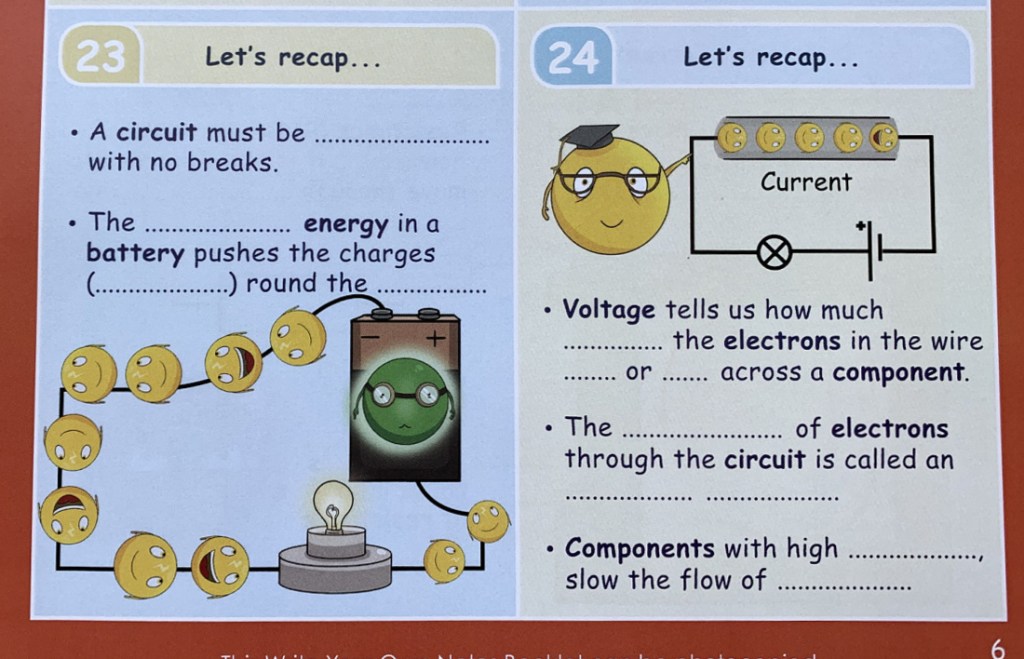
GCSE Osmosis Topic Pack

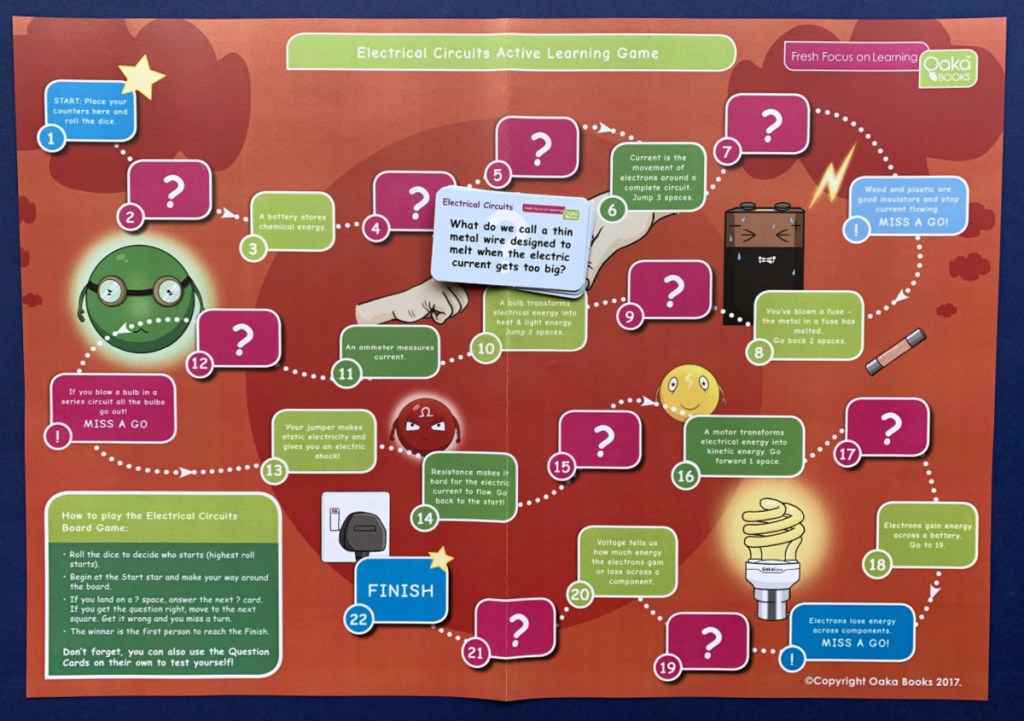
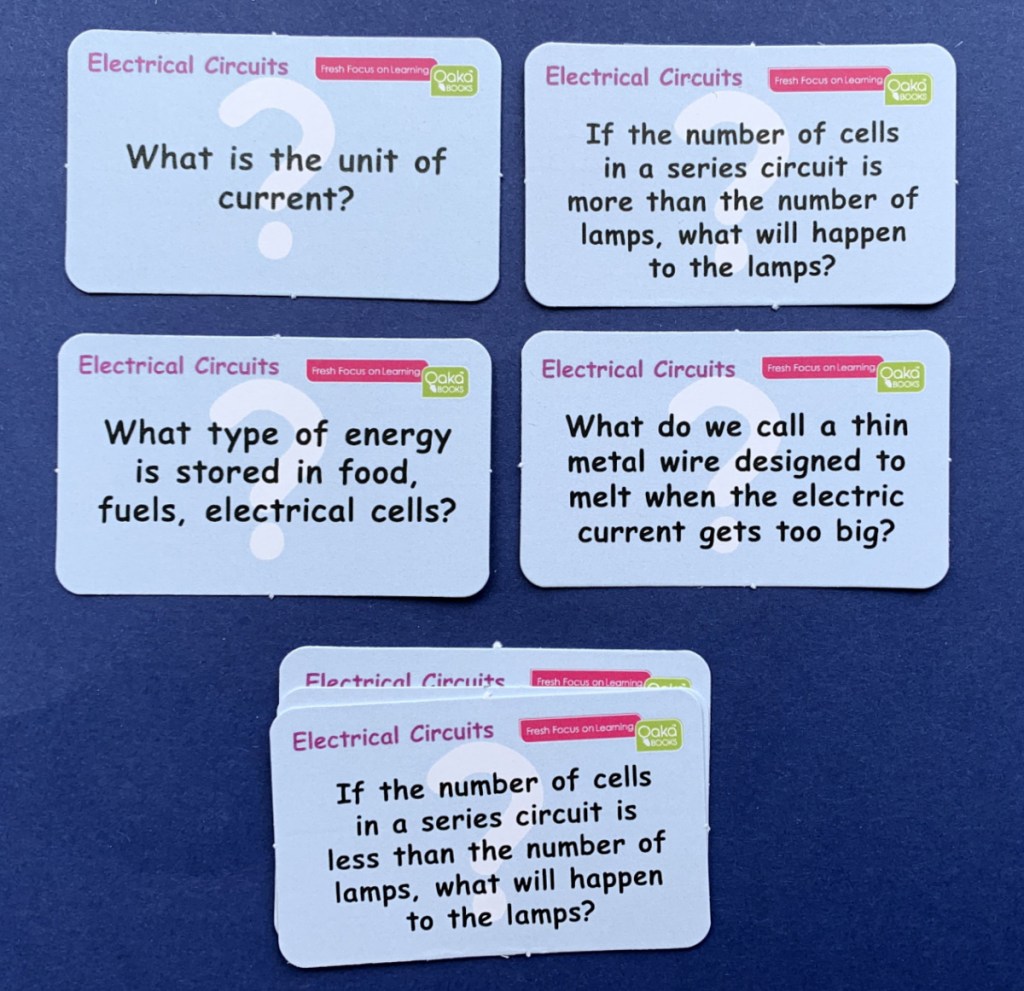
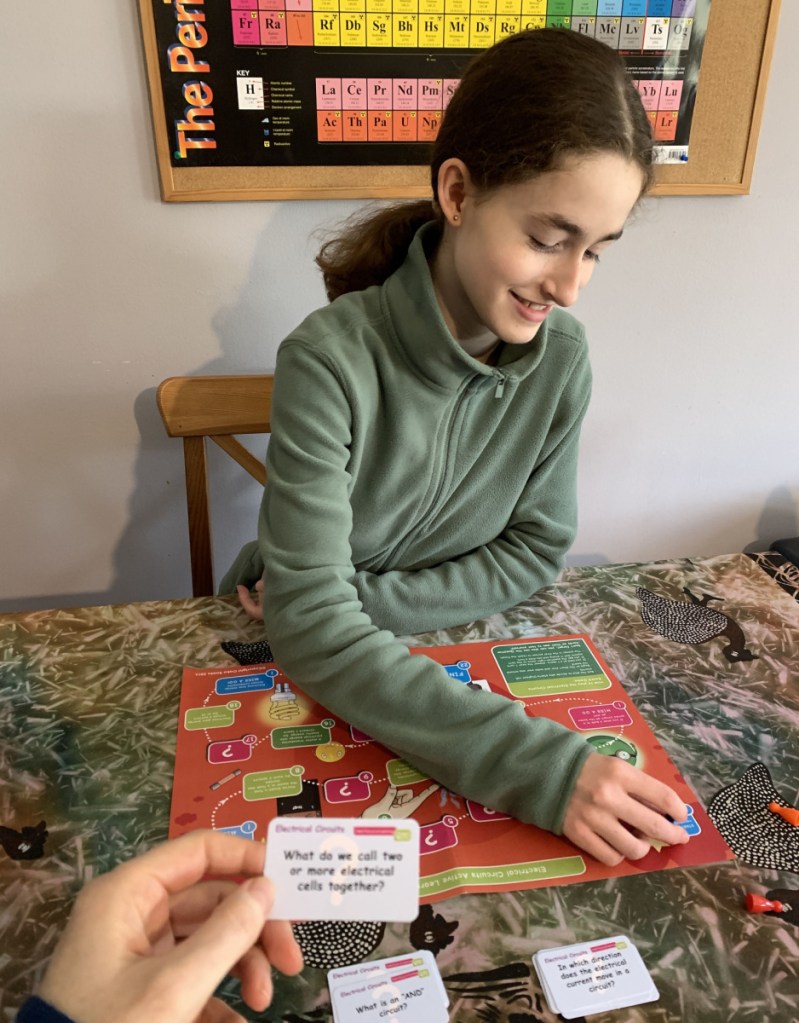
Over the years we have used a number of the Oaka Books topic packs for both primary and secondary (KS3) subjects. My daughter really enjoys them, and I have become a massive fan of the way they sum everything up and present the information in such an easy to remember style. So it was not a massive surprise when my daughter asked if I could get her some of the GCSE Topic Packs from Oaka Books (Yes she actually asked if I could get all of the Oaka Topic packs that relate to her IGCSE subjects).

And after using the Osmosis GCSE Topic Pack I have to say it is just as good as the other Topic Packs (the ones for KS3). The explanations are concise, the diagrams help to both explain and remember and we loved the fact that they included some question cards.

Okay so first of all – it is what you expect from an Oaka Books Topic Pack – you get a Topic note booklet, you get a Write your own Notes booklet (this is where the kids need to fill in key words and phrases) and then instead of an active learning game you get some question cards. If your kids enjoyed the KS3 Topic Pack style of learning they are going to enjoy this.

I will however say please be realistic – this is GCSE / IGCSE content, so there are going to be some more challenging concepts in these compared to the KS3 booklets. But that is what you expect at this level. And having said that even though the content is more challenging they still present it in a very easy to digest manner. Also with these packs there are no key words at the top of the page (In the Write Your Own Notes booklet), instead there is a separate key word sheet. This means the kids can choose to try and complete the write your own booklets without the key word help (their choice). It is a small change but one that I really like.

Okay so what exactly is covered in the Osmosis Pack?

  • There is a glossary of terms used
  • Explanation of what Diffusion is and what Osmosis is and concentration gradients
  • They also talk about water concentration and changing levels, net movement
  • They include detail about turgid, vacuole, cell walls
  • They discuss the plan experiment which kids are expected to know (loved that this was included)
  • Percentage change, plotting a graph and calculating water uptake (again I really liked that they included these sections)
  • Active transport and a few other bits and pieces.

It is everything that we needed.

Okay so how did we use this pack and why did we include it? We covered our Diffusion, Osmosis, Active transport section from our main student book that we are using, we watched a few youtube clips about it and my daughter did some questions. And it was fine but I felt like we were missing a nice summary / wrap-up activity. And I felt like even though she understood it she was just not 100% confident with everything. Which has happened before and in the past that is exactly when we have used one of these packs. So that is what we did. We worked through the pack as our “summary activity” but also as our “lets just make 100% we understand all of this” before we move on activity. And it was prefect. It did all of that and afterwards we both felt like we had really covered the topic well and were happy to move on.

I know Oaka’s GCSE content is newish and they are still adding to it but I think their GCSE Topic Packs are going to be very popular in our house.

Posted in Homeschooling | Tagged , , , , , , | Leave a comment

It can’t be all about school work

I have always thought that home education can not just be about getting “school work done”, rather it is about the learning journey and nurturing a love of learning. But I will admit it is a lot easier to adhere to that when the kids are younger. As they progress and as they start thinking about writing exams (if that is the path they chose) so the pressure gets bigger, there is more work to get through and it can be hard to maintain a good balance. But balance is vital.

We are now at the stage where my oldest is already working on some subjects with the intention of writing some exams next year. My youngest is in the secondary stage and we are already thinking about the possibility of him writing exams earlier (still thinking). So the quantity of more formal learning has naturally increased but I have also been forced to remind myself that we still need to squeeze in the other stuff.

Both of my kids actually enjoy learning. We have always tried to make learning fun and the result has been that they actually get excited to discover new things. So I am trying to make sure that we keep including the more relaxed /fun learning that we have always done. Learning and discovering things that are not going to be in exams but things that they find fascinating. And yes time is a factor, but I am trying to ensure we squeeze one or two of these “fun learning” activities in a week (and I am not implying that it is an entire day, it is often just the case of us investigating something interesting for 45 minutes). But the point is it is not learning for an exam. It is not learning because it is required. It is learning because something is interesting, so it is fun, relaxed and it keeps that spark of learning is fun (which believe me when you are having to do GCSE Maths can sometimes be a thing that you forget).

And exercise. Okay so we are not the competitive sports type. In my experience competitive sport and sensory processing do not work well together. But I do know 100% that exercise helps my kids cope with their sensory processing disorder. I have seen time and time again when we let the exercise slip they struggle and when I get them out for a good long walk I see their bodies start to relax. So we make a point that every day (even when the weather sucks) we get out, sometimes it is to go for a swim, sometimes we just take a local 45 minute walk along the river, sometimes we quickly slip out to a local Natural Trust site for just 2 hours, it varies, but the point is we are getting our bodies moving and we are taking a break from our books and computers.

It is more challenging to keep the home education lifestyle that we have loved alive as the kids get older. Priorities change, time management becomes more of an issue but one of my goals has always been that at the end of it all I want them to have enjoyed learning. Exams come and go but that natural desire to learn more things, that not been afraid to discover something new, turning to a good book instead of spending hours on social media, not been scared to write your own story, all of that is more important (in the long term) than if they can answer a question the way some exam board thinks is correct.

Posted in Homeschooling | Tagged , , , , | Leave a comment

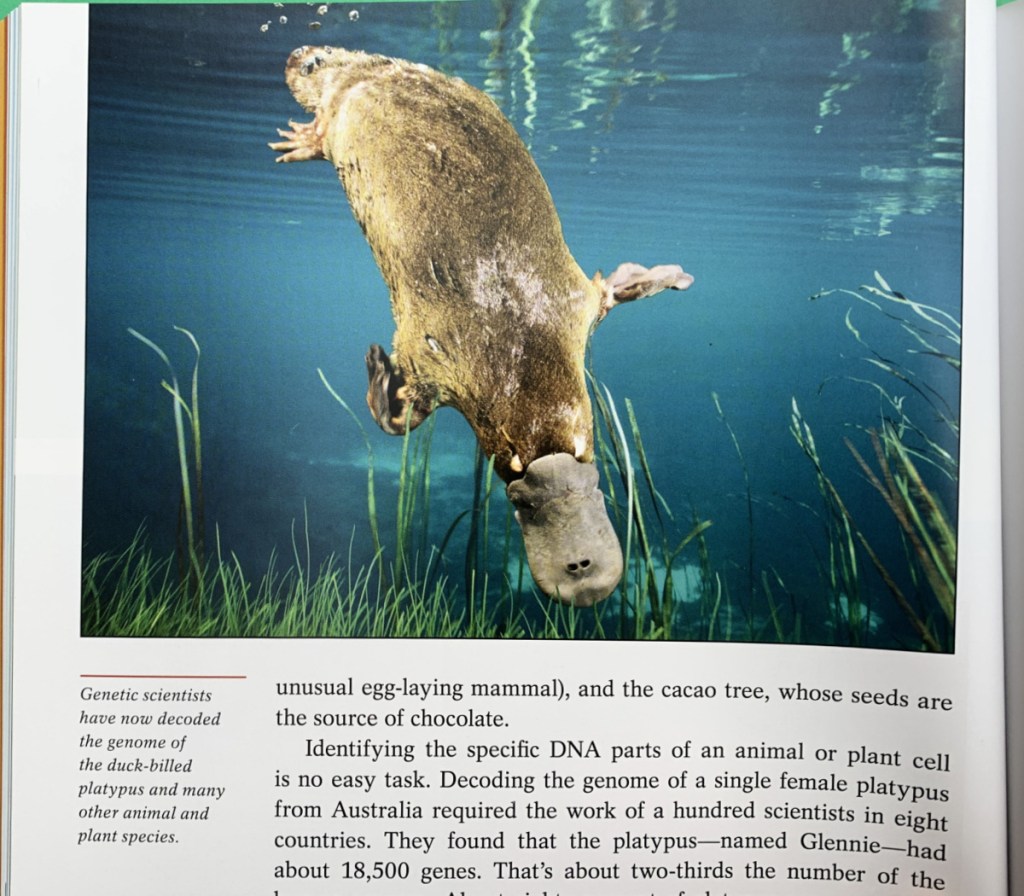
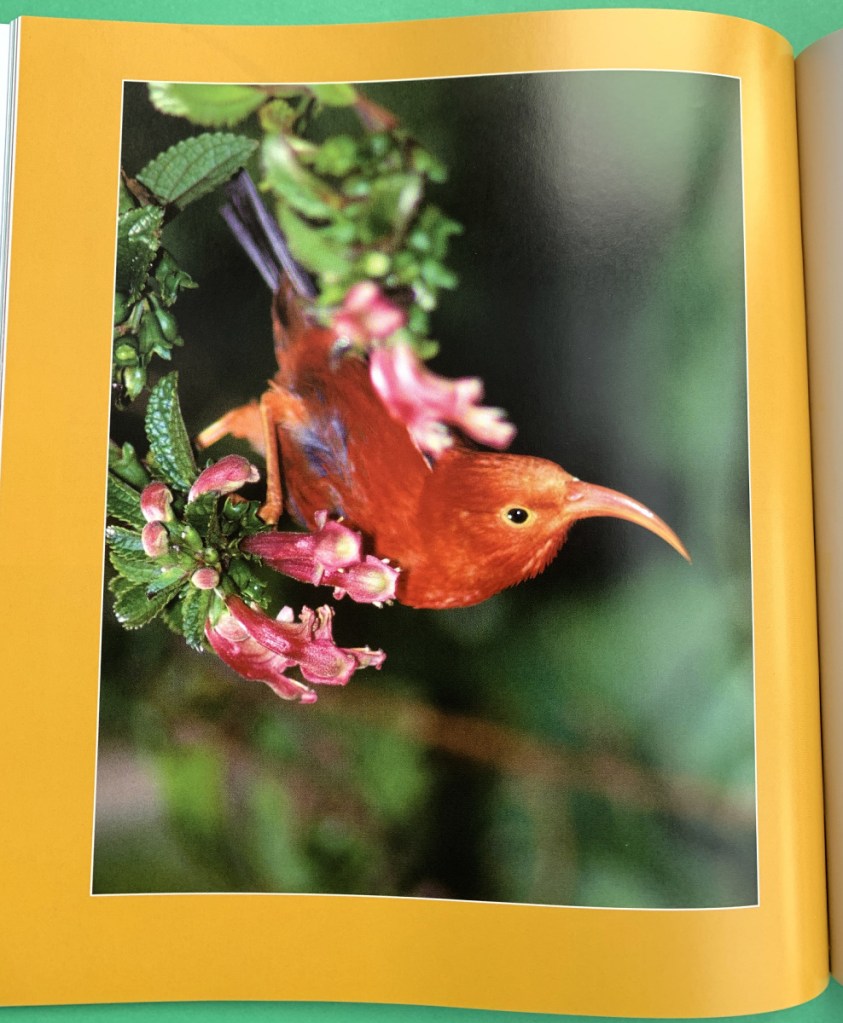
Animals Lost and Found

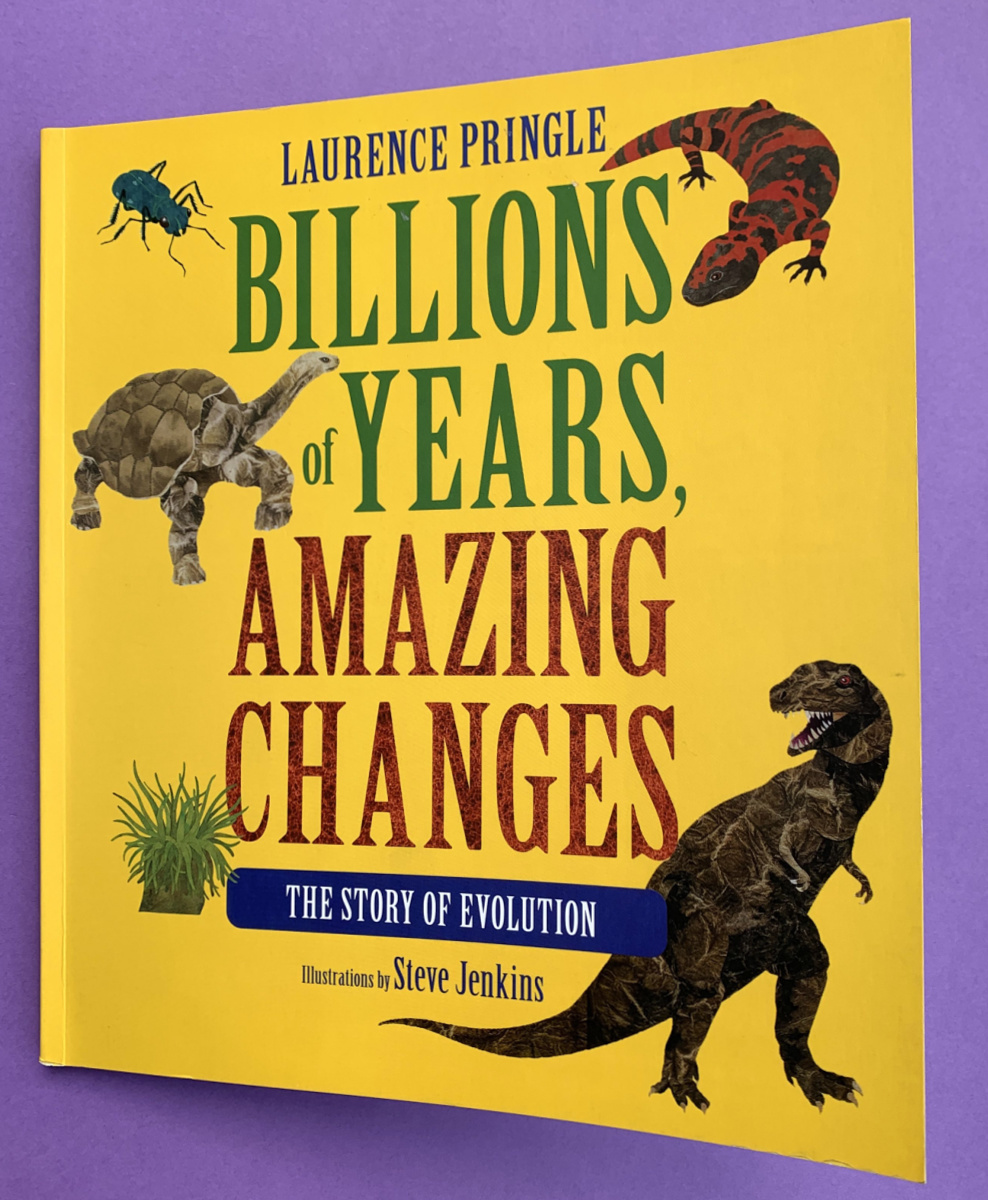
My son recently found this book in the local library and we both thought it was a fascinating find so I thought I would write a quick post about it.

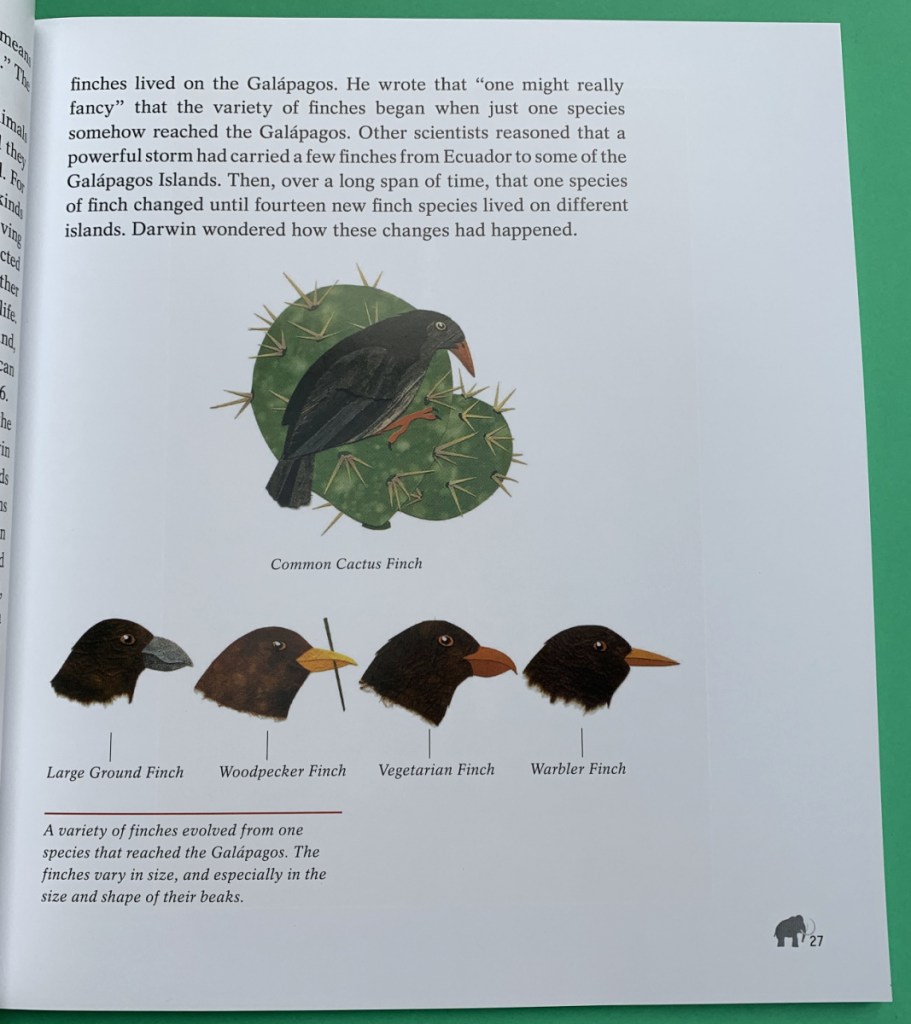
This stunning book shines a spotlight on the amazing animals that are extinct, rediscovered, endangered and recovering. It is a great read for all kiddos who are interested in these exquisite creatures.

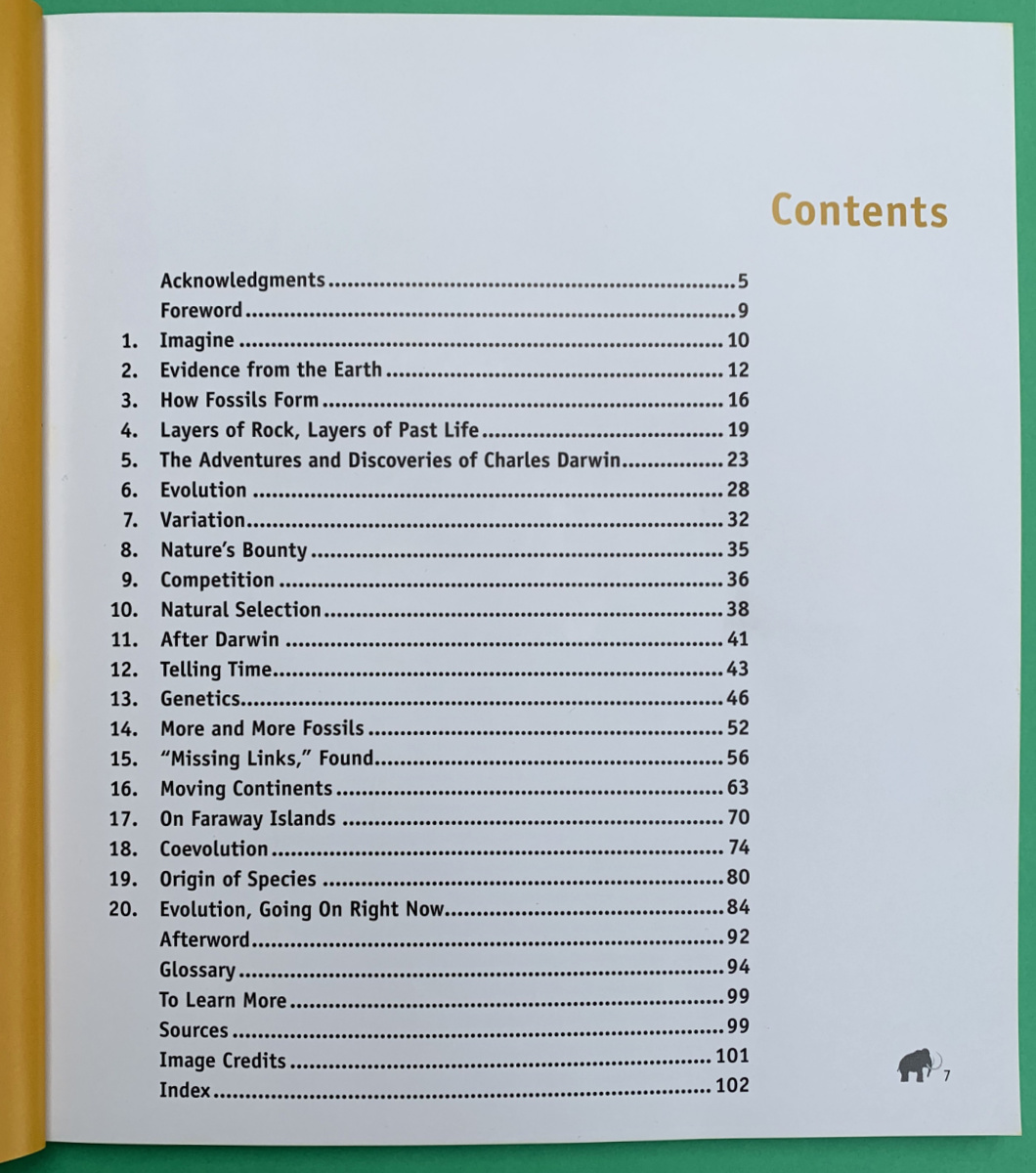
The book starts with a interesting 10 page introduction before it goes into the four categories in more detail. The introduction pages deal with the 6 main mass extinction events, the causes of extinction, classification, conservation and ecosystems (high level pages but great for just setting the scene).

But while the introduction pages are interesting it is the next section where the book deals with the different creatures that fall into the four categories of – extinct, rediscovered, endangered and recovering that really interested my son.

These four sections are split into double pages which feature amazing creatures. The double page includes a stunning illustration and facts about the different creatures.

I think lots of kids will be interested in the creatures included in the extinct section, and I must admit is interesting to learn about creatures that no longer walk this earth.

But my favourite section was the rediscovered creatures. I find this amazing, learning about creatures that were once thought it be extinct but have now been rediscovered. This just amazes me and it gives me hope.

After the rediscover section you also get animals that are endangered and animals that are now recovering, both of which is well worth reading.

I have to say that some of the books on conservation and animals that have gone extinct can be a bit negative and in the past my kids have read them and then come away feeling a bit depressed about the state of animals on our planet. But this one, this book had a positive feel to it, I think the fact that they included the sections called rediscovered and recovering really helps the kids to understand that not all is lost and that things can be turned around and improved.

Honestly, this book, that we very randomly discovered at the library is full of interesting creatures for kids to discover and learn about. Every member of our family has read it and found something new and interesting in these pages. We highly recommend keeping an eye out for this book.

Posted in Homeschooling | Tagged , , , , , | Leave a comment