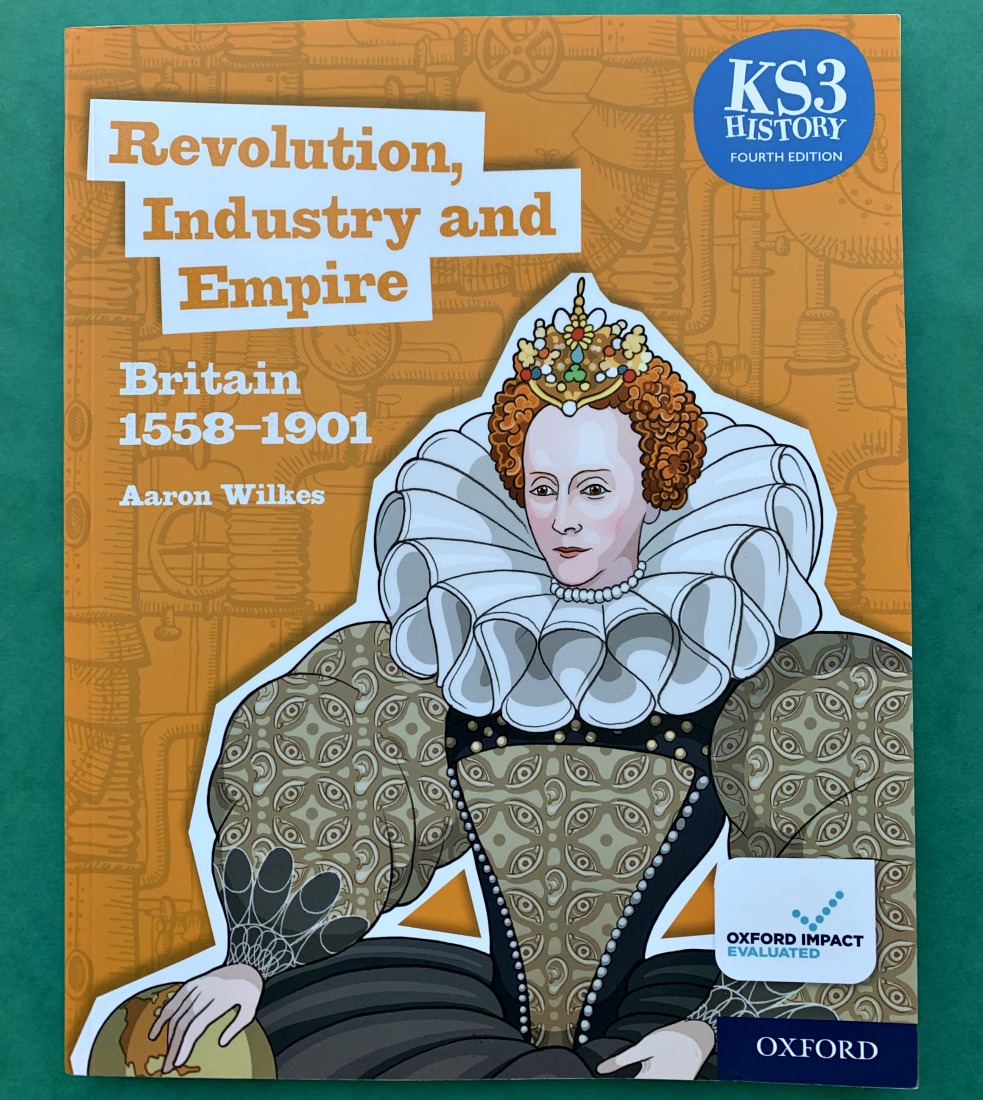
Revolution, Industry and Empire – Year 8 History Book

My daughter does not technically start year 8 until September but with the whole lockdown going on she wanted more history resources to read and actually kept asking me for the next History book by Aaron Wilkes (we have been using the first book in a three book series written by Aaron Wilkes for KS3 ages and she LOVES it). The Second book in this series is KS3 History 4th Edition: Revolution, Industry and Empire: Britain 1558-1901 Student Book.

Revolution, Industry and Empire. KS3 History book by Aaron Wilkes

Quick background – last year I was not sure which books to use with my daughter (secondary resources were all new to me at that stage) so we started with some Collins History Books – which were good but they were just not detailed enough for her so after about a month we switched to the Oxford book (KS3 History 4th Edition: Invasion, Plague and Murder: Britain 1066-1558 Student Book) – which was a total win – it had more detail, lots of questions, lots of using source material and thinking about events for yourself – just a complete win all around. So there was no doubt that we would continue with the Oxford Books again for Year 8. Which means, for us, getting the Year 8 History book a bit early just seemed like a logical step.

So why is it that we LOVE this book so much (and I do mean LOVE because out of all the Year 7 resources we have used over the past 9 months this History series has been the one that was really stood out).

The detail – they include lots of information but it is the way they present the information that I think is key. It is not written in long boring paragraphs. The page is broken up into smaller sections and they use illustrations (sometimes cartoon like strips), they used boxes for key points, pictures, small bits of source documents – a wide variery of ways to explain what happened – which actually keeps it’s really interesting and helps to engage the kids.  My youngest who is nine-years old (would be Year 4 if he attended school) does not actually like History like his older sister but he actually sits and goes through these books with us because he even says the way they present the information is interesting. 

This slideshow requires JavaScript.

At the end of each double page they include some questions which the kids can go through to check they understand what they have read. Which is really handy and is a quick way of reinforcing key points. Then at the end of each chapter they include longer questions – these questions are broken down into three sections – a basic set of summary questions about the chapter, literacy focus questions and then History skills questions. 

Knowledge Quiz part of Revolution, Industry and Empire KS3 History book

And I must admit these end of chapters questions are amazing.  I love these sections.  Love It.  The type of questions they ask and the way they help the kid’s breakdown the answers and help them structure it.  The entire end of chapter question section is just spot on. It really builds the kids answering and writing ability up, step-by-step.  For me, as a home-educator, these end of the chapter questions and the way they set them out is the best part about these books.

This slideshow requires JavaScript.

So what does this 2nd Book cover?  It is Britain between 1558 and 1901.

The chapter topics are as follows

  1. Queen Elizabeth – an in-depth study – we loved the in-depth study included in the first book so I love that they have included another in this book and that it is about Queen Elizabeth.
  2. Life in Tudor Times – includes things like Tudor schools and crime and punishment.
  3. Exit of the Tudors and enter the Stuarts.
  4. Civil War to Commonwealth
  5. Restoration of the Merry Monarch
  6. Exit the Stuarts enter the Georgrians
  7. Industrial Revolutions
  8. Terrible Towns
  9. Slave Trade
  10. Britain vs France
  11. India – a British Empire case study – another in-depth study – again thrilled to see this included.
  12. From Tudor to Victorian Britain what changed?

We have only just received this book but both my daughter and I have already paged through it and read sections and already we are confident that it is going to be as much a success as the first one.

With both of these books my daughter actually reads them cover to cover herself (well she is about half way through this one).  And then we also go through it slowly, page by page together chatting about concepts and often trying to link in documentaries and other things when possible.  We like including things like documentaries and other books because she enjoys History and finds it fascinating but I honestly believe you could also just use this book by itself without adding in the extra stuff because they do cover everything in so much detail.

Also I want to mention that the answers to the questions are no included in these books.  Oxford produces Teacher books for each student book which contains extra ideas and the answers to all the questions.  We did not use the teacher book with her Year 7 book and we managed fine.  No problem.  But I am going to buy the teachers book for this one.  Why the change?  Really it is personal thing.  More and more my daughter is indicating that she might want to end up working in a History field of some sort (she is not sure what area yet) so I do think getting the teacher’s guide will help me guide her more.  But it is a personal preference.  If this was my son, I am not so sure I would buy the Teachers guide. 

Admin Bit

Oxford University Press have given us our copy of this book so we could use it as part of our home education.  I actually asked if we could review it because my daughter and I were so impressed with the first book.

I do include Affiliate links. If you follow an affiliate link and go on to purchase that product, I will be paid a very small commission, however your cost will remain the same. I only include affiliate links for products that we use and love.

For those of you interested the three History books in this series are

KS3 History 4th Edition: Invasion, Plague and Murder: Britain 1066-1558 Student Book

KS3 History 4th Edition: Revolution, Industry and Empire: Britain 1558-1901 Student Book
KS3 History 4th Edition: Technology, War and Independence 1901-Present Day Student Book

Posted in Homeschooling | Tagged , , , , , , | 6 Comments

STABILO Woody Pencils perfect for younger hands

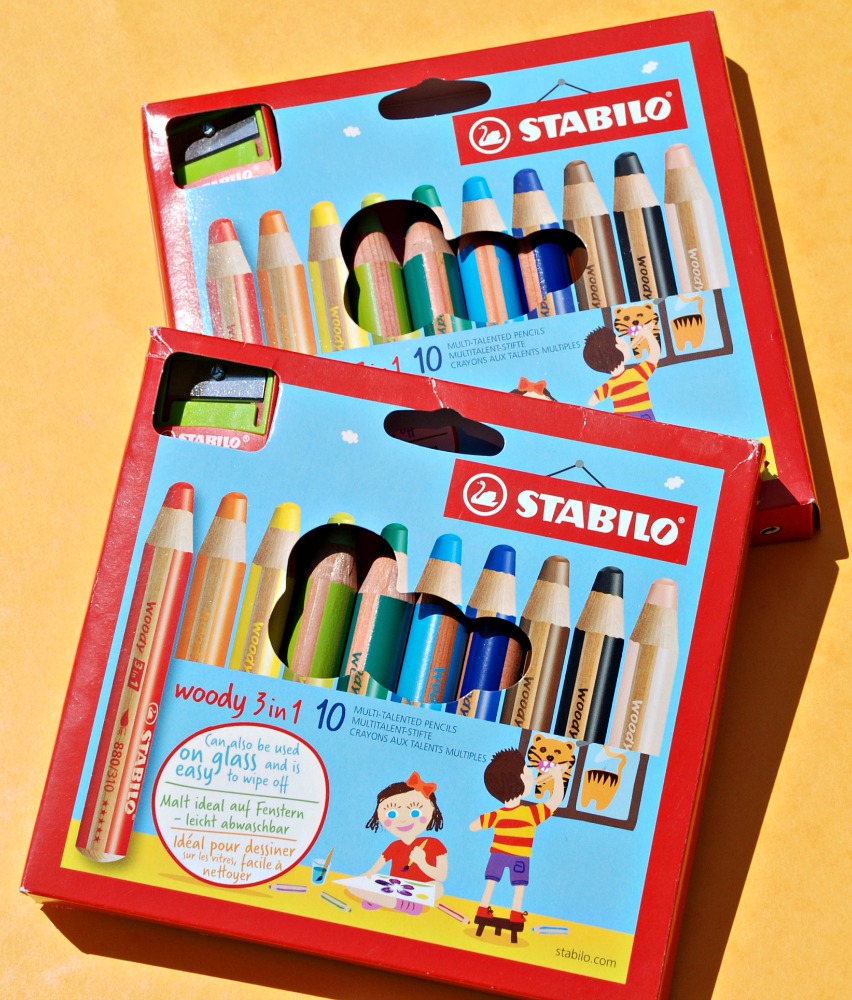
With lots of kids at home at the moment I have been asked a number of times about resources that we used when the kids were younger.  And I always end up recommending these pencils to everyone with younger kids.  They are brilliant and there are so many fun ways that the kids can use them that they really became one of my favourite items for younger kids – it’s the Multi Talented Pencil – STABILO Woody 3 In 1 Wallet of 10 Assorted Colours + Sharpener, EO880/10-1-20

We first started using them when my daughter was around 4 and was really struggling with colouring in and was just not wanting to do any at all.  She struggled with pencil pressure and found other pencils and crayons uncomfortable.  As soon as she tried the Woody 3 in 1 pencils she loved them.  She found the pencils easy to hold, the right size for her hands and for the first time she did not struggle with pencil pressure and was able to get colourful pictures.  She used them for years and she even learnt how to write her letters using these pencils.  In fact both my kids used these pencils as their first writing pencils.

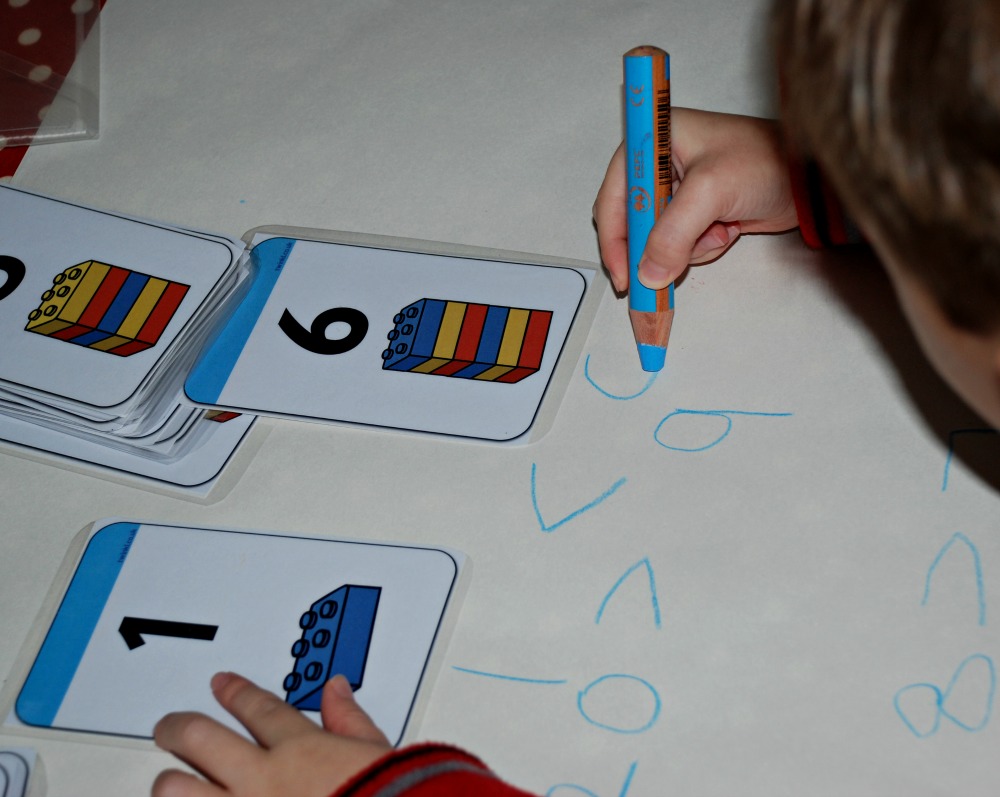
using the Twinkl building block number cards to work out greater than and less than

The Woody 3-in-1 pencils are thick pencils (perfect for smaller hands) with a soft lead and like the name suggests the kids can use them for a multiple of activities.

STABILO 3-in-1 pencils

Just add some water and they become watercolour pencils. The kids can play around and they can create pictures where sections are coloured in normally and where sections have the watercolour effect.

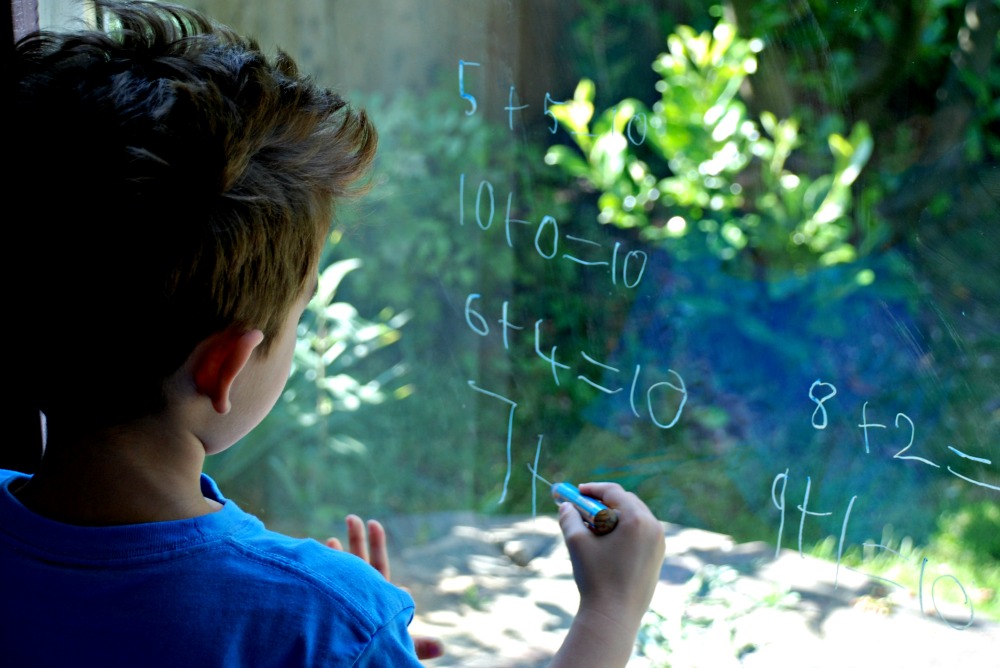
You can use them to draw on glass – yip that is right – they just wipe off. We have used ours to create all kinds of art work on our windows and sliding doors.

This slideshow requires JavaScript.

And my kids have even used them to practice some Maths (because writing Maths on the sliding doors is just a LOT more fun than using a workbook).

Maths on our sliding doors using our STABILO 3-in-1 pencils. A fun way for the kids to practice maths at home

And they work on laminated pages (or Write and Wipe pockets). We used ours to turn play dough mats into drawing mats and they were perfect for tracing letters and practicing Maths.

This slideshow requires JavaScript.

I LOVE these pencils! Really one of the best items I bought my kiddies.

STABILO Woody 3-in-1 pencils

For those of you interested the links for the different worksheets shown in the photos above are as follows:

Maths building block cards (from Twinkl)

Scarecrow colouring page (Activity Village)

The Arithmagon maths page (Activity Village)

Playdough mat (Twinkl)

Number Tracing page (Twinkl)

The Write and Wipe pockets are ones that we used for many years they are these ones – Learning Resources Wipe Clean Pockets

I do include Affiliate links. If you follow an affiliate link and go on to purchase that product, I will be paid a very small commission, however your cost will remain the same. I only include affiliate links for products that we use and love.

Posted in Homeschooling | Tagged , , , , , | Leave a comment

Making Pasta

Home educating during the lockdown has been tough – and yes we do normally home educate but we actually get out a lot, see friends, go on outings, take part in sessions and workshops, we are never house bound like this.

Before the lockdown was announced I started thinking of ways to try and help my youngest cope – I knew he was going to struggle being cooped up so much – so I ordered a few extra nets to go pond dipping in the pond just around the corner from our house and I ordered a pasta roller – yip a pasta roller (Marcato Atlas 150 pasta machine Chrome, Silver Wellness). Sounds strange I know. But my son is very tactile and making your own pasta is actually quite a tactile activity so I hoped it would be something extra that we could do (plus he did once make pasta with his Godmother when he was younger and loved it).

Our first batch did not turn out the best – mainly because I cooked it for too long. But we have kept making our own pasta week after week and every time I suggest it my youngest is happy to do it. He really enjoys it (I always sit with him so it is quite a social time as he likes to chat while he is working in the kitchen).

And I must admit I was a bit surprised because when you roll out the pasta you need to keep changing the settings and keep rolling it so it thins out nicely. I did worry in the beginning that he might get a bit bored.

This slideshow requires JavaScript.

But he sticks with it, he starts creating the small lumps of pasta dough and then he rolls out each one, making sure he sprinkles the flour on so they don’t stick and eventually when they are thin enough he puts them through the cutter section and we have our pasta.

Using a pasta roller to make our own pasta

Our pasta roller has actually turned out to be a really good addition to our lockdown life.  This lockdown has been hard and it is still going to be tough on the kids until life gets more normal again so it has been helpful to find a few new activities that we can do at home to break the monotony of lockdown life

Admin – this is NOT an add.  We bought the pasta roller.

I do include Affiliate links. If you follow an affiliate link and go on to purchase that product, I will be paid a very small commission, however your cost will remain the same. I only include affiliate links for products that we use and love.

Posted in Homeschooling | Tagged , , , , , | 2 Comments

Soldier Silhouette Painting

With VE Day coming up I have been thinking about what we could do and I remembered seeing some soldier silhouette painting ideas last year so I thought we would have a go. I had a quick search and found a soldier template on the Activity Village site. So I printed some out and then we started cutting. Whenever we use templates I always get the kids to trace around the template and not just paint or colour in the actual template. Why? Well years ago I remember an Occupational Therapist telling me all these benefits from getting kids to trace and it just stuck with me, so we always trace around our templates but that is our personal preference.

Activity Village soldier template

We painted a few different soldiers and played around with possible colours but we all agreed the black was the most effective.

soldier template painted black

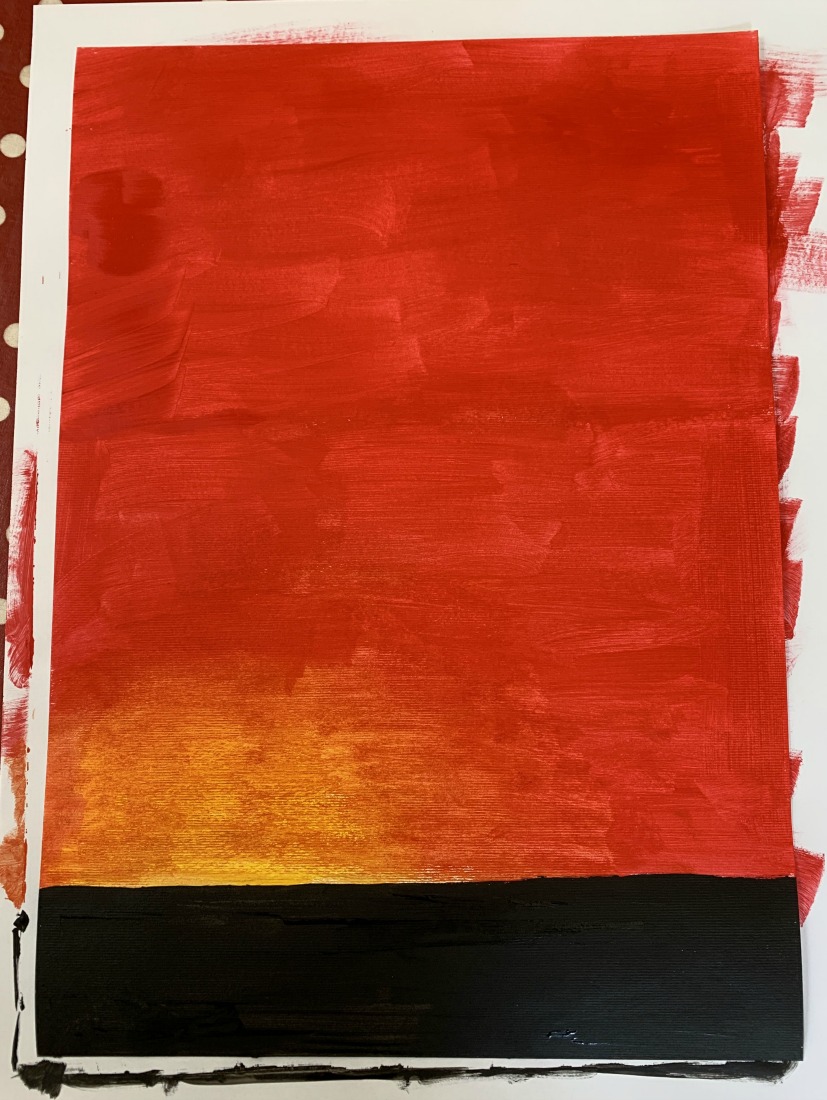
And for our standard black soldier silhouettes we went for a red/ yellow background and used a bit of black to create a surface on which the soldier was standing.

creating a backgound for the soldier silhouette painting

And our favourite final piece.

Final soldier silhouette painting using Activity Village template

While we were playing around with different colours one of my kids did also try a purple background (my one kiddo just thinks purple looks dramatic) and we thought it looked quite effective with a white silhouette (showing you both options below).

This slideshow requires JavaScript.


It is a very easy art activity to do with the kids and what I really liked about it is – it is also a great opener to discuss why we remember days like VE day, and what the World Wars meant.

(Also any silhouette art activity is a great activity to discuss how using contrasting colours makes an image stand out.)

Posted in Homeschooling | Tagged , , , , , | 2 Comments

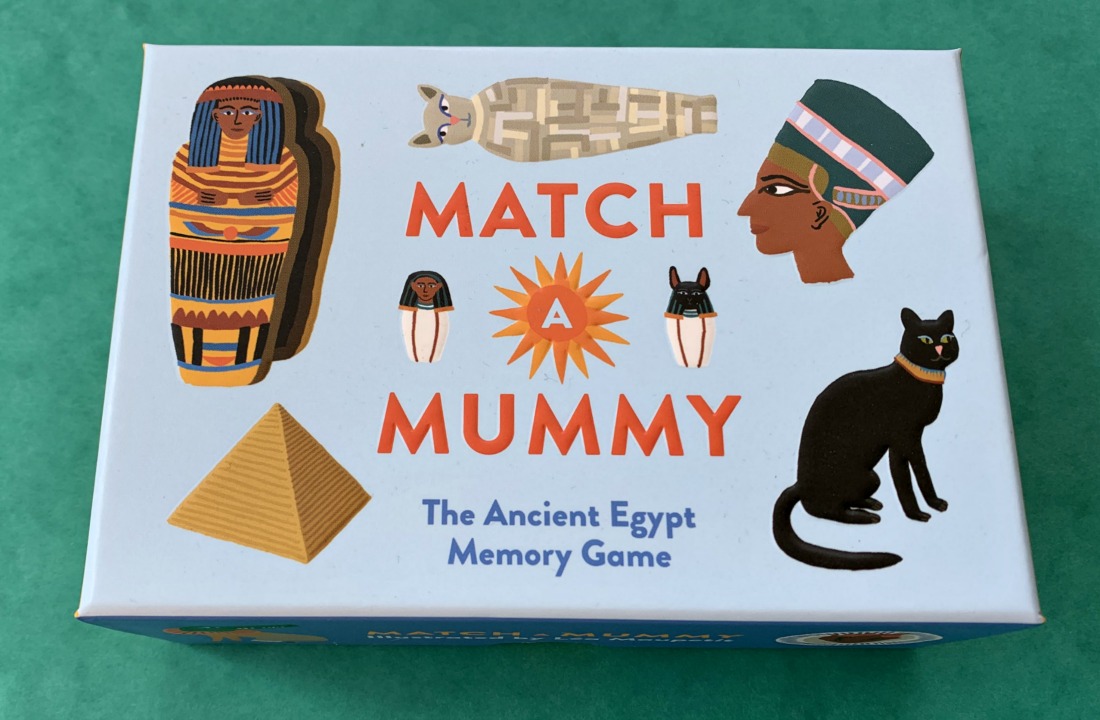
Match Mummy Egyptian Game

My kids always enjoying using their hands when they are learning – even just being able to pick cards up and move them about is more interactive that staring at a worksheet. So I was interested when I heard about a new Egyptian game created in association with the British Museum (which has a lovely Egyptian collection that my kids found fascinating – my kids are not fussed by things like mummies).

Match Mummy game. Great for Ancient Egyptian learning

It is quite a simple game. There are 40 cards with interesting Egyptian images on them and the kids need to match them up – but it is not straight forward match the exact same image – nope, this is match two images that are different but that deal with the same Egyptian concept. I liked this fact, it means the kids need to think a bit more – so the picture of the brain is linked to the hook that the Egyptians used to pull the brain out with, the body organs are linked to Canopic jars, the sun is linked to images of Ra – yip, not straight forward – a bit of thinking is required.

This slideshow requires JavaScript.

But they do give you a helping hand. The matching cards come with a little booklet which shows which two images go together and they include a lovely explanation why the two images go together. Love this booklet. Really Love it. So much information is actually inside this little booklet. It is great.  My son actually really enjoyed reading the booklet – he likes short bursts of History and for him reading the booklet and just looking at the cards was just the right amount for a Good History session.

This slideshow requires JavaScript.

I think little games like this are perfect for when you are learning about any History topic, it breaks up the boring string of worksheets and makes the learning more engaging which normally means the kids actually remember it.

I was given our Match Mummy game but I have checked and you can buy it from Amazon – Match a Mummy: The Ancient Egypt Memory Game.

Admin Bit – I do include Affiliate links. If you follow an affiliate link and go on to purchase that product, I will be paid a very small commission, however your cost will remain the same. I only include affiliate links for products that we use and love.

Match A Mummy game. Great for when kids are learning about the Ancient Egyptians


Posted in History | Tagged , , , , , , | Leave a comment