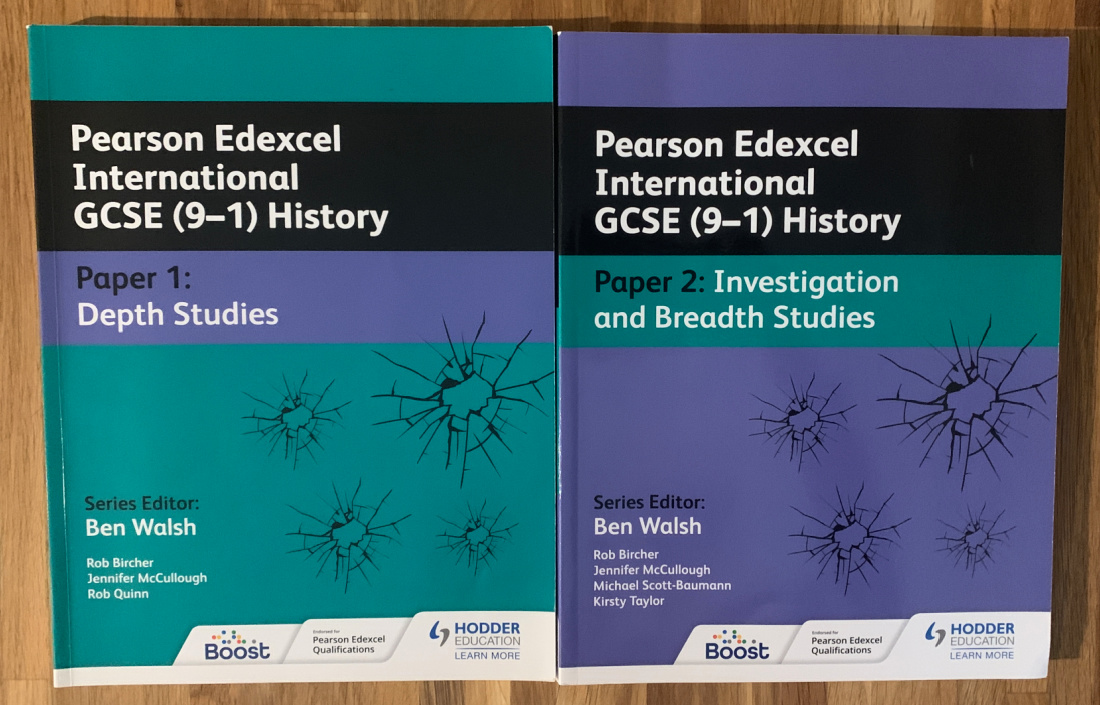
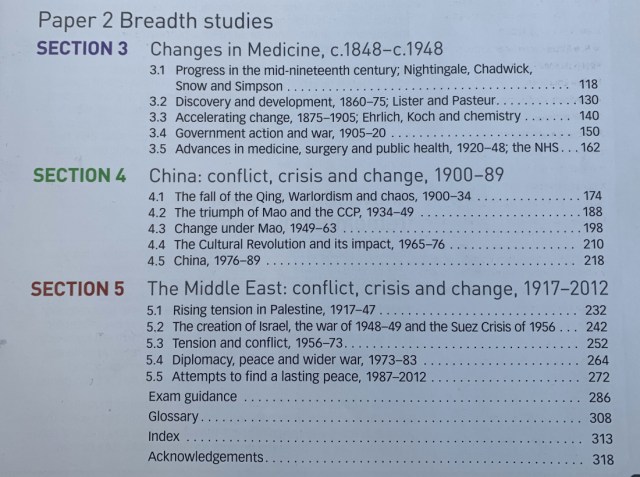
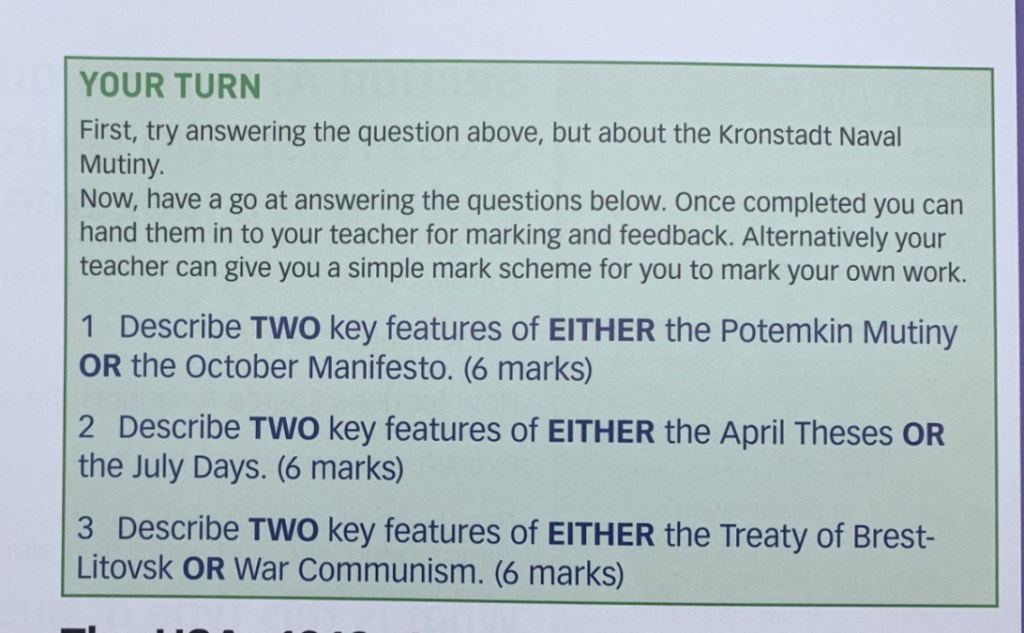
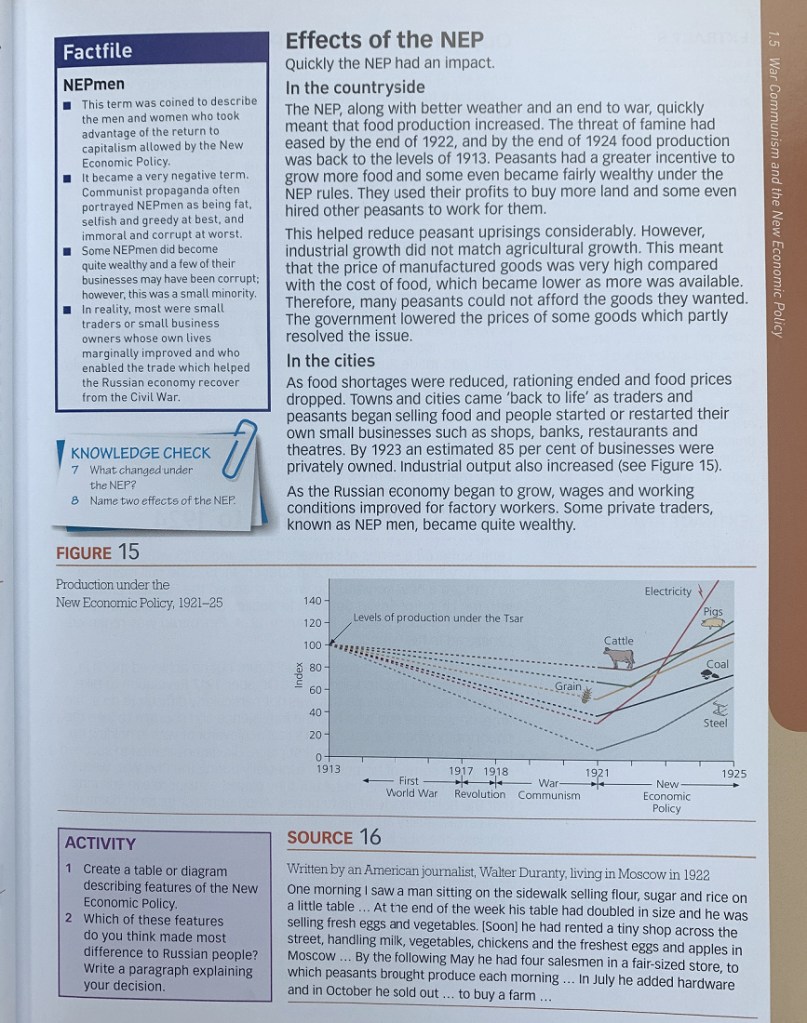
Using Oaka Digital for KS3 Chemistry

I have mentioned a few times that my youngest has finished his KS3 Biology and Physics and has started working on IGCSE content for these subjects. I think part of the reason that we got through it all so quickly was because my oldest did these as her IGCSE subjects so I knew where we were going and what we needed to do, I was confident. However my oldest did not do IGCSE Chemistry so KS3 Chemistry is the one Science where I have been doubting myself and wondering if we have done enough and if we are really ready to start IGCSE Chemistry. And while I was doubting myself I remembered that Oaka Books had a number of their packs on the Oaka Digital platform so I went to have a look to see if that could be something we could use as a revision.

When I went to have a look (it has been a while since I went onto their digital platform) I was actually really impressed with how much it has grown and developed.

Firstly they have split it into the Key Stage sections so you can easily to get to where you want (I love simple menus that send you to the correct place, I have been known to quit a few educational websites because I could just not find the items I was searching for).

Once you select your Key Stage you then go and and select your subject (Now quick qualification if you buy a subscription for Key Stage 3 you get access to ALL the subjects in KS3 – which is quite a LOT of content). For KS3 they have Biology, Chemistry, Physics, History, Geography and French.

So We selected KS3 Chemistry – they have included these 5 packs (the ones in the pics below).

At this stage you select which topic you want to work on e.g Simple Chemical Reactions.

The first thing you are presented with is the Oaka Topic book, which you read online (in other words you can not print the topic book out, you read it while you are logged onto their site).

Once you have read the topic booklet (you click on a little button saying mark complete) you now move onto Complete the Workbook. At This stage you download and print out the booklet so the kids can complete it themselves.

Okay I thought that would be it, but noooooo. Next there is a wordsearch followed by 6 3D models (the number of 3D models does vary based on which topic you are looking at). But I have to just say I love the idea of these 3D models because it is a great way for the kids to really see what they have been learning about and the kids can play around a bit and click on some of the numbers to get pop up boxes of information. We loved these.

And then there are still a few quizzes (Big plus on adding these quizzes!!) because it was a quick and easy way to check what was understood and what we possibly needed to revise.

And then you have completed one of your topics and it is time to select another.

We have always enjoyed the Oaka packs and have used them for years but I have to say I really enjoyed the digital platform because they have what you expect (the topic book and the workbook) but they have also added in the 3D models and the quizzes which are really useful.

I think it is a great resource for us to sharpen up our Chemistry and I am really enjoying using it.

Admin – This is NOT a paid for post. But Oaka did kindly give us a subscription for Free (after I mentioned I was keen to use it) so that we could test it out for ourselves and then write about it if we liked it.

Posted in Homeschooling | Tagged , , , , | Leave a comment

An Elephant in My Kitchen, an amazing book.

A little while ago I wrote a post about the incredible book The Elephant Whisperer, which I thought was one of the best reads we have ever read. Based on how much I loved that book I got myself the “follow up” book, the one written after Lawrence died which is called – An Elephant in My Kitchen.

Some quick context – The Elephant Whisperer was written by Lawrence Anthony and was all about how he founded Thula Thula, rescued a herd of elephants (who were about to be killed) and formed an incredible bond with these elephants (the reason why I wanted to read The Elephant Whisperer was because I had heard about a herd of elephants who, every year, go and mourn the death of the man who rescued them and I wanted to know the story behind it). This book – An Elephant in my Kitchen was written by his wife, Francoise after Lawrence passed away and deals with her trying to take over Thula Thula, keep their conservation work going and her attempt at opening an animal orphanage. And yes the elephant herd that they rescued still plays an important role in this book.

Okay so the book itself is written in a slightly different style because it is Francoise telling her stories, so it does read a bit differently but the stories are as heart warming and sometimes sad as they were in the Elephant Whisperer. In the beginning of the book she does deal quite a bit with trying to cope with running Thula Thula by herself (which is quite something considering she grew up in Paris). I enjoyed the entire book. I loved that the herd kept being their amazing self, that she mentions them coming to mourn Lawrence, that they still came to visit her and seemed to give her strength when she needed it. These elephants are just incredible.

But the highlights for me were definitely around the animal orphanage. I loved reading about how these little creature were rescued and how the staff cared and tried so hard to keep them alive, how the bonds between scared animal and human were formed and even how they used a dog to help one of the animals. But as much as their successes filled me with hope I must admit the saddest part for me (and most shocking) was when the orphanage was attacked. Even as someone who was born and raised in South Africa and has heard countless stories along these lines I still struggled with the fact that people were so desperate for rhino horns that they attacked baby animals, killed 2, chopping one horn off a young rhino was was still alive and then also assaulted that people caring for these animals. It was sad to read but I also think it was important to read as it showed just how desperate these poachers are and how vital the conservation work of these incredibly brave people is.

For those of you wondering about the title of the book – this amazing lady has had 2 different baba elephants cause chaos in her kitchen (yip – sounds strange until you read the book and realize how these people will do anything for these creatures).

The book is filled with amazing stories of animals overcoming shocking acts, people doing amazing acts to help these creatures, stories of the herd acting in ways which seem unimaginable and makes you question how these animals communicate and just know things. It is for me a book of hope and a book which reminds us that we share this earth with creatures who are still able to teach us a lot.

I really do highly recommend this book. I read it cover to cover and really enjoyed all the stories, I cheered for them and I was close to tears in places. It was well written and it is a story that needs to be told and needs to be read by our young people so they are aware of what is going on with these amazing animals.

If your older kiddo enjoys animal conservation that this is a must read for them. My fourteen year old son has just started reading this one (both my kids read and loved The Elephant Whisperer) so I am sure he will also enjoy this read.

Admin – this is just me writing about a book that I enjoyed. I do include Affiliate links. If you follow an affiliate link and go on to purchase that product, I will be paid a very small commission, however your cost will remain the same. I only include affiliate links for products that we use and recommend.

Posted in Homeschooling | Tagged , , , , | Leave a comment

The January home ed slump

In all my years of home educating, I always struggle in January. I think it is largely down to the UK weather and the fact that our usual places are just not as inviting in the cold and wet, we often end up sick in January and its post Christmas. January always hits this home educator hard.

We have always been a home educating family that likes to get out and about, we like going for walks, exploring places or just going to our usual parks (and of course cafes). But the past week I have just really struggled to get that motivation to get us out. And now that both kids are teens they really are not scared to voice their thoughts on going out in crappy weather.

When the kids were younger I would always try and fill January with exciting projects and try even harder to make their learning activities more engaging but now with one revising for her last two IGCSE subjects and the other starting his IGCSE subjects it really is book work and more book work, the fun learning activities seem to be few.

My oldest never complains, she just gets on and completes her work and if I am totally honest she will gladly go out in the worst weather you could imagine especially if it includes a hot chocolate break somewhere.

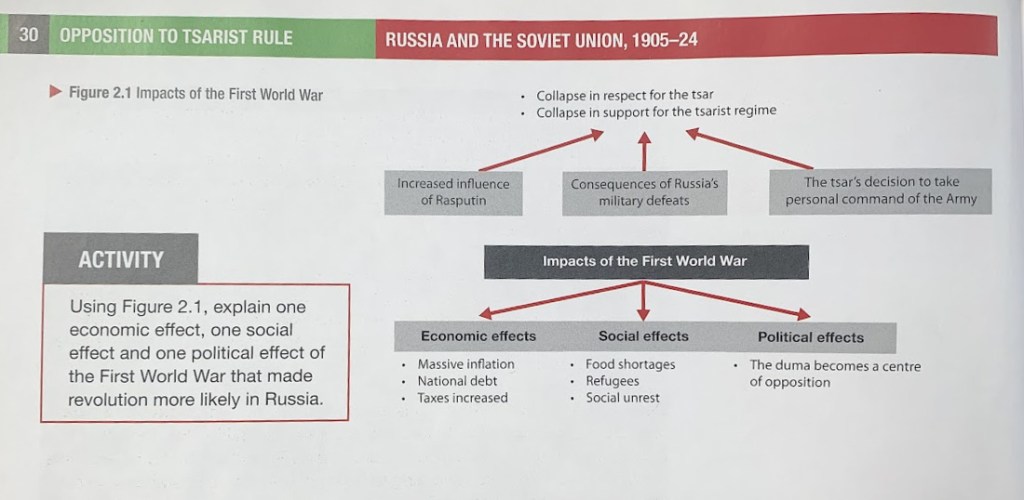
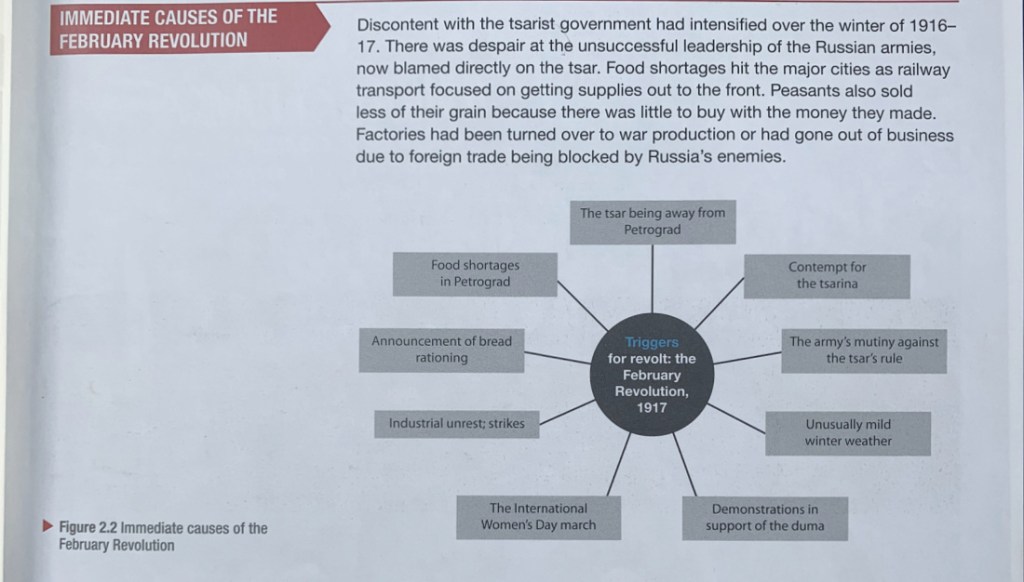
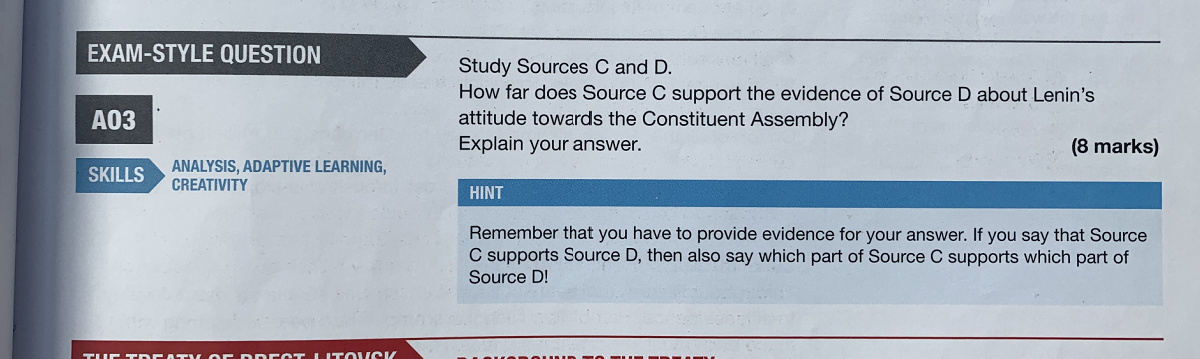
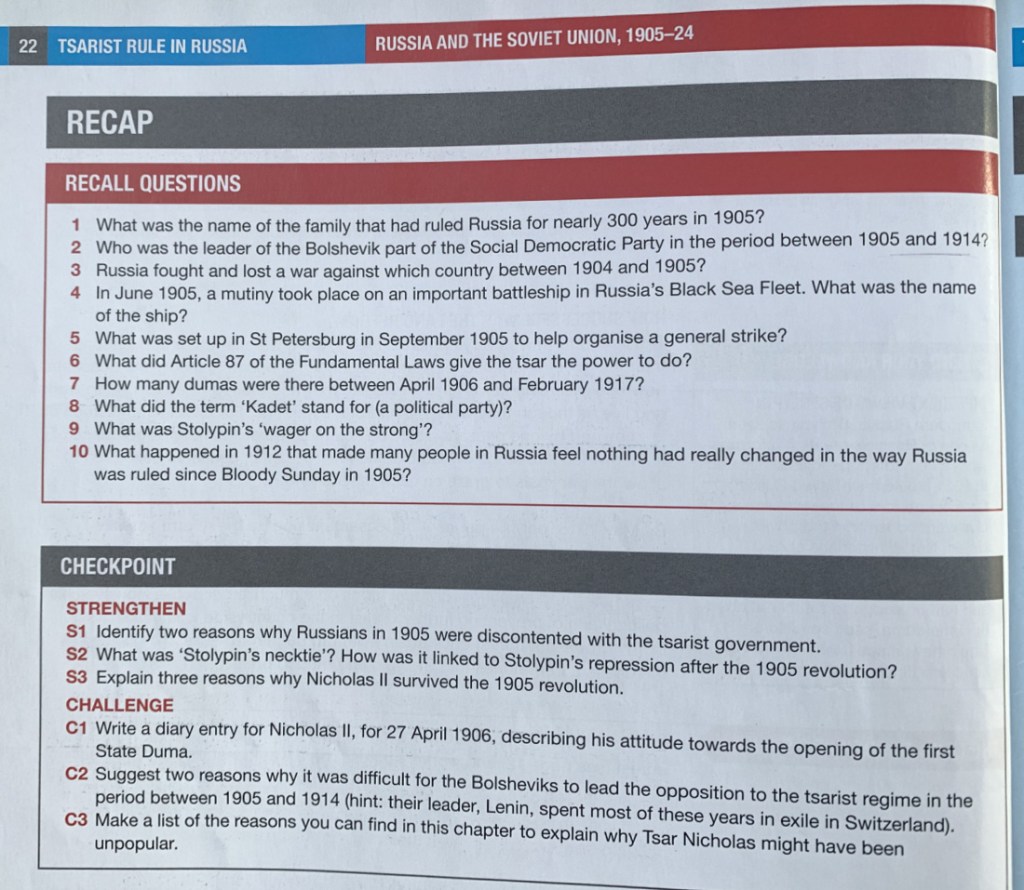
My son, however is full on teenager, he can not be persuaded with a hot chocolate and is more than happy to stay home out of the miserable weather. He is currently finishing his Year 9 but because he has finished his Science and History we have actually already started him on IGCSE Biology and IGCSE Physics. Part of me feels a bit worried that he is moving so fast through his work but the other part of me is more worried that he will get bored if we don’t. Luckily just before Christmas he decided to start writing his own book and I must admit when he started reading it to me I was blown away. So I decided that his English for January will just be his book, I am leaving him to write it, edit it and work on it as much as he wants. But I also thought it would be fun to add something new to his Science learning so I decided to add the Oaka Books digital platform, just to change things up a bit.

I have no magic answer on how to beat the home educator January slump, I wish I did. All I can say is go easy on yourself, this is not a race, try and get out when possible and if you can add something new and fun to the learning then go for it. Often even a small change can help.

For us I definitely need to just layer up, and drag my kids out. Because often (not always) once we get out we enjoy ourselves. Often sitting at home looking at the grey sky, seeing the cold weather forecast is far worse than actually going to that park or fun place. That being said if you get out and it really is miserable, I have found hot chocolate often helps to save the outing.

Posted in Homeschooling | Tagged , , , | Leave a comment

PMT Website – great for Biology and Physics IGCSE revision

I am sure a lot of you have already discovered this great website but for those of you who may not know about it this is a website which we used A LOT for our IGCSE Biology revision and we are currently using it for our IGCSE Physics revision – the Physics and Maths Tutor website.

Now this website is quite massive and I have NOT gone through all of it. I have only used it for what we have needed and I am only going to talk about the way we have used it, so this is really just going to cover a small section of what is on the website. (So far I have only really looked at the IGCSE Biology, IGCSE Physics and IGCSE Chemistry content)

I first discovered this when I was looking for Biology IGCSE (Edexcel) revision resources. The content is broken down into the different Biology topics

under each topic it is then further split between Paper 1 and Paper 2 questions.

As you can see for each set of questions and you also get a Mark Scheme (answers). The way we used it for Biology and are now using it exactly the same for Physics is really quite simple but very effective. I would go onto the site and downloaded the questions and answers per topic then as we revised each topic my daughter would work through all of the questions (I printed them out) and she would mark them herself using the Mark Scheme. (The photos below shows you how they set our the answers for each question – photo 1 is a typical forces question and then photo 2 is the attached Mark Scheme for the question). This was very important for us. My daughter found with her Biology that the more she practiced the questions and marked them herself the more she understood what the examiners were after, which key words were important and also how to structure certain types of questions.

The number of questions included in one Question Paper varies and can be anything for 2 pages to 16 pages of questions. And honestly they have included a lot of questions here. And we worked through all of them for her Biology and I am sure we will work through all of the Physics as well. (the photos below are just a few examples of the different forces questions).

Okay why do I like these question paper sets so much?

Well it is a chance for her to practice answering questions, which is important. But for us, by working through these question sets we were able to highlight which sections we needed to revise again and which type of questions we need to practice answering (so it helped us to focus our revision).

We found at the beginning of our revision that practicing a group of questions per topic was more effective than blindly going through entire past papers. We got to the past papers later on. But at the beginning of our revision it was more effective to take a topic and really do a bunch of questions, figure out what we needed to focus on, fix that and then move onto the next topic. Once we had done this for all the topics we then started practicing entire past papers, and at that stage she was confident and it was really a matter of practicing the paper within the time.

The site itself is very easy to navigate around (which is always a bit plus for me) and I like the way it is set out. The fact that they have grouped the questions together and split them between paper 1 and paper 2 questions, is exactly what you need.

The site does also have a lot of past papers on it. Now I must admit by the time I discovered this site and I had already downloaded all the past papers that I could off the exam board site but there were a few extra past papers that I found here, and the more past papers who have the better.

I found this a very useful site and I am sure any of you doing any of the IGCSE Science subjects will also find it useful.

Posted in Homeschooling | Tagged , , , , | Leave a comment

Geog.3 book, perfect for Year 9 Geography

If my son was in school he would be Year 9 but he is home educated and because he is a bit ahead with some of his subjects his Year 9 is not really looking like a typical Year 9 in terms of school work. For some subjects we are doing Year 9 work, for some we have already started his IGCSE content and for some we are doing a bit of a mix between finishing off KS3 work and starting IGCSE. When it comes to Geography we are spending some time finishing up KS3 content before we launch into starting his IGCSE content a bit early. The reason why we are still working on some KS3 Geography with him is because I wanted to make sure we have a solid foundation before we start looking at the IGCSE content. And I am going to be brutally honest, Geography is not a comfort subject for me (give me Maths, History, Biology even Physics but Geography, I have never really gotten along well with Geography). So knowing I am not the strongest in Geography I wanted to make sure we both have a solid foundation of knowledge and understanding before we progressed.

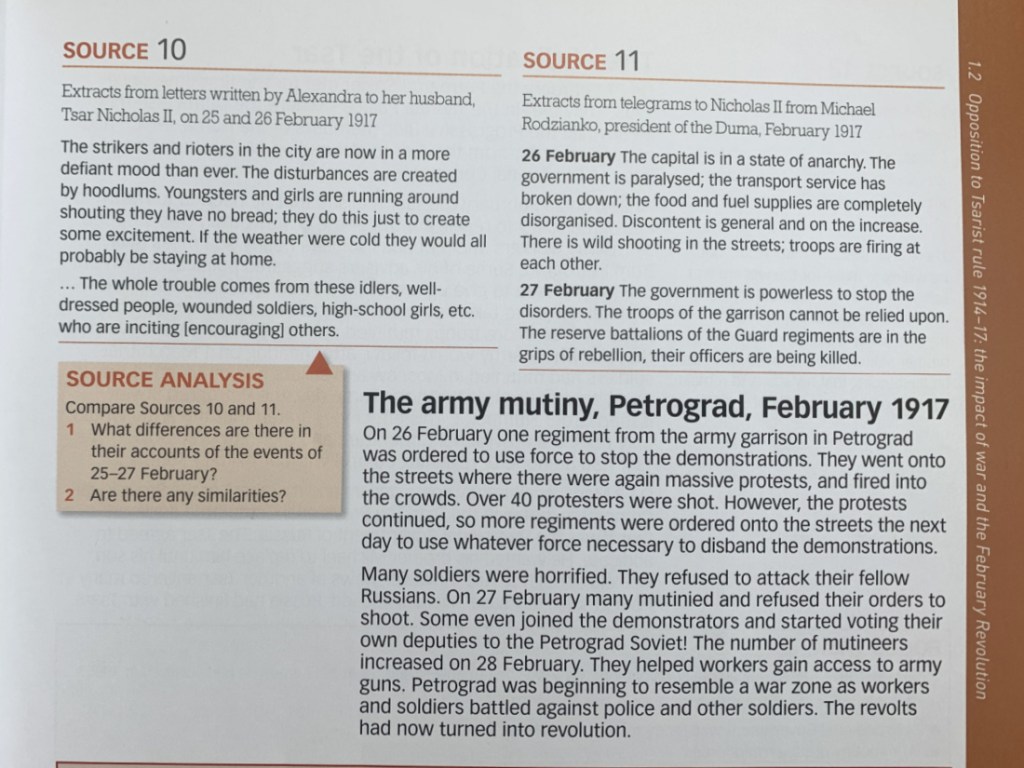
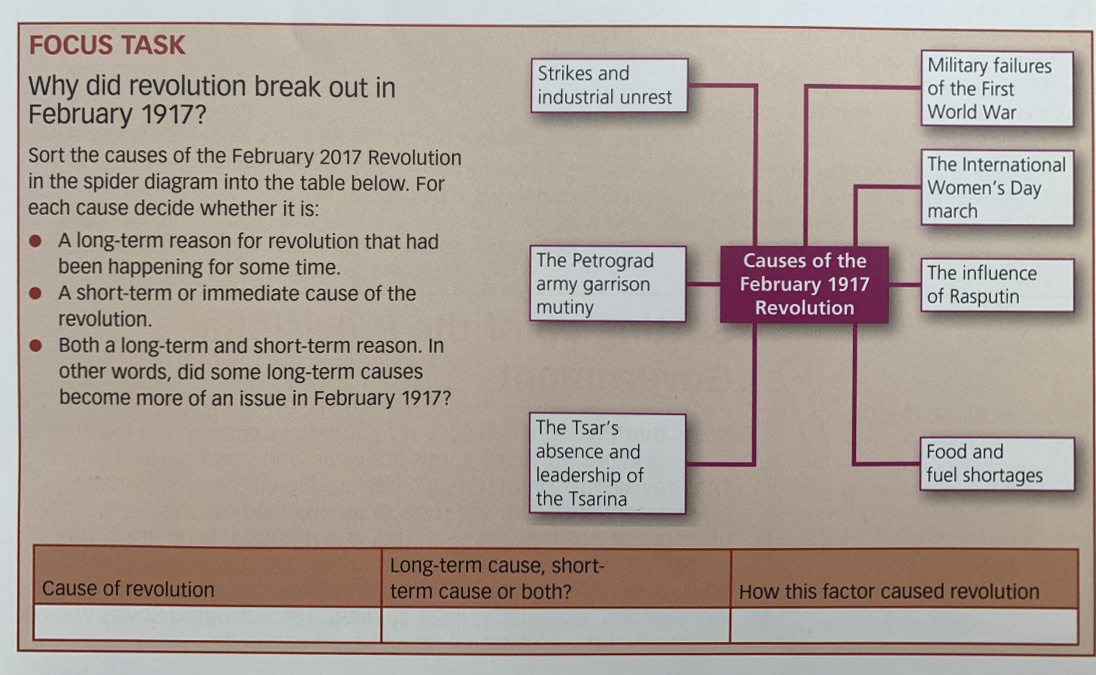
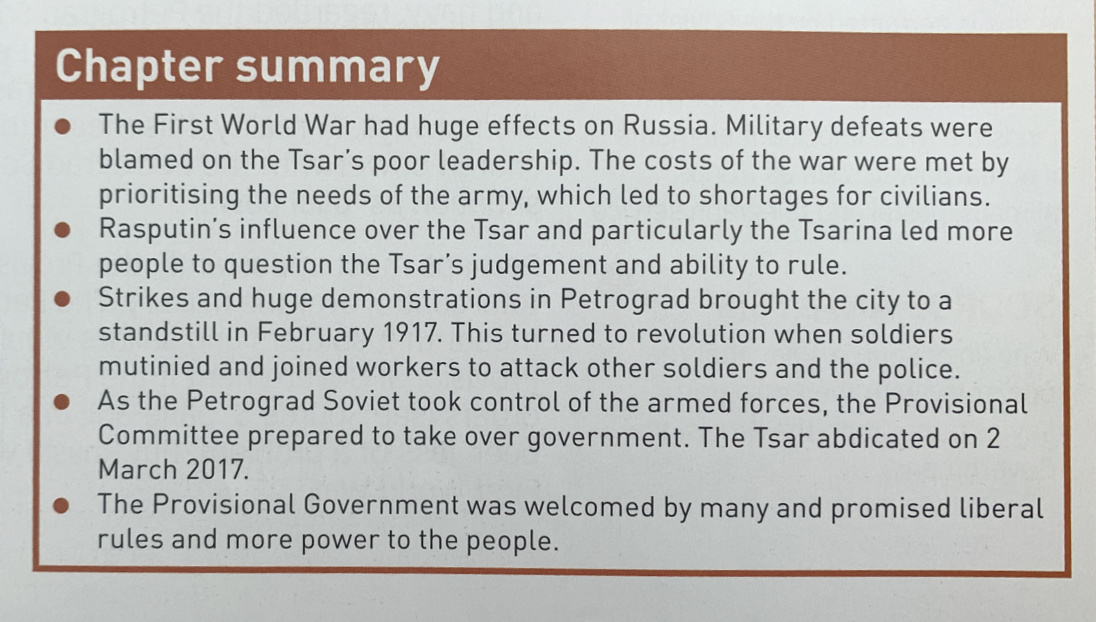
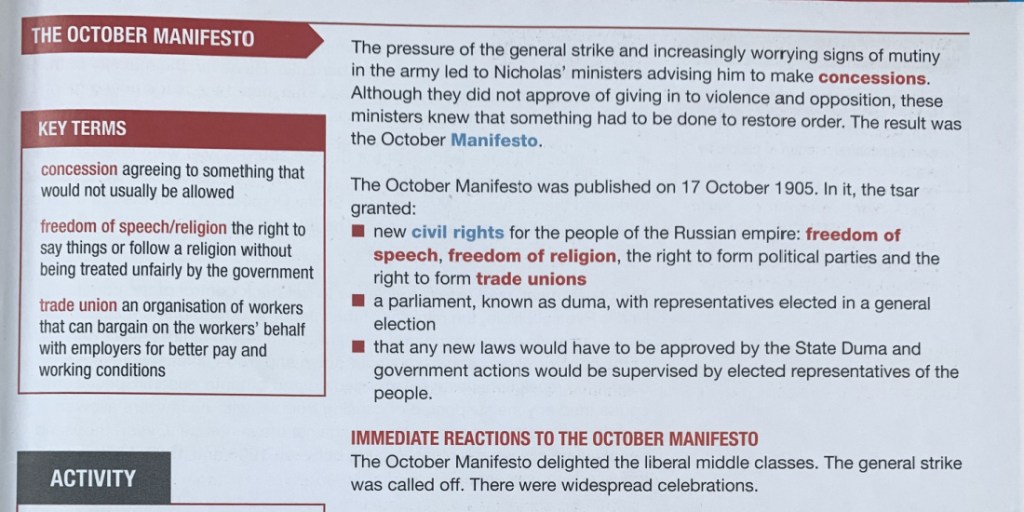
That being said the way that we are finishing up on KS3 Geography is with the Geog range of books from Oxford University Press (we have already used Geog.1 and Geog.2). We have the Geog.3 student book, the workbook and the answer book. (There is also a teachers guide but I am not using that, if there is something we do not understanding or feel we need more information on we tend to search for YouTube clips).

The way we use this is quite straight forward – we choose a chapter to work through (you can jump around with the order of the chapters in this book, which is what we have done as we have linked the chapters to events that may be happening around us or chapters that are linked to other subjects i.e. looking at Russia in Geography when we did some Russian history). Anyway we do 1 or 2 double pages in the student book at a time and then we complete the corresponding workbook page. Once my son has answered the workbook page he then marks it himself by using the answer book. If he has any questions he comes to ask but most of the time the answer book gives him what he needs and he works independently.

Okay the Student book – the pages are easy to read and they have included lots of colourful pictures and diagrams which makes it engaging. I feel like they have managed to keep the content at the right level – they have not oversimplified anything and at the same time they have explained all the ideas well so I never feel like it is beyond our level of understanding.

The workbook is in black and white and is essentially one page of activities/questions for every double page of the student book. For us, the two work well together. I think if you only had the student book and did not get the workbook you would be doing your kid a disservice. Once the kids have read the pages in the student book it really does help to then follow it up with some questions and activities. And they have included a nice variety of questions. When my oldest first used Geog.1 I did try and use it without the workbook and I tried to find activities on the internet instead. It was very time consuming and I honestly did not always find good quality activities to go with the student book (I ended up getting the workbook). So I think including the workbook is a must and well worth the money that it costs.

The answer book. I am not going to sugar coat it the answer book is a bit pricey when you compare it to the cost of the workbook. But for me it is worth it because it means the kids can work independently and they are not waiting for me to try and mark it.

What topics does Geog.3 cover?

  • From rock to soil (types of rocks, weathering, rock cycle)
  • Using the Earth’s resources (water, food and energy)
  • Earning a living (pattern of employment, globalisation)
  • International development (what is development, how is it measured, development gap, poverty)
  • Our restless planet (plates, earthquake, tsunami, volcanoes)
  • Russia
  • The Middle East

Typically speaking you would work through all of this in one academic year but we are doing things a bit differently and we are going to finish this well within 6 months. Now that is just because we have already finished our Year 9 History and we have a bit of time available so we are working through it really quickly. But really it would work well of one academic year.

For us this ticks all our boxes and it suits us. We like the combination of the 3 books together because it means he gets to reinforce what he reads with some questions and then he marks it himself.

You can buy the Geog/3 books directly from the OUP website here is the link – Geog range of books

And for those of you interested here are Amazon links for the books that I mentioned in the post

Geog.3 student book

Geog.3 workbook

Geog.3 answer book

Admin – We were given the Geog.3 workbook and answer book from OUP, but that was only after I choose to use the Geog.3 range of books. I would have chosen to use these books even if we had been given the workbook and answer book.

I do include Affiliate links. If you follow an affiliate link and go on to purchase that product, I will be paid a very small commission, however your cost will remain the same. I only include affiliate links for products that we use and recommend.

Posted in Homeschooling | Tagged , , , , , | Leave a comment