Maths Books Year 9. Update.

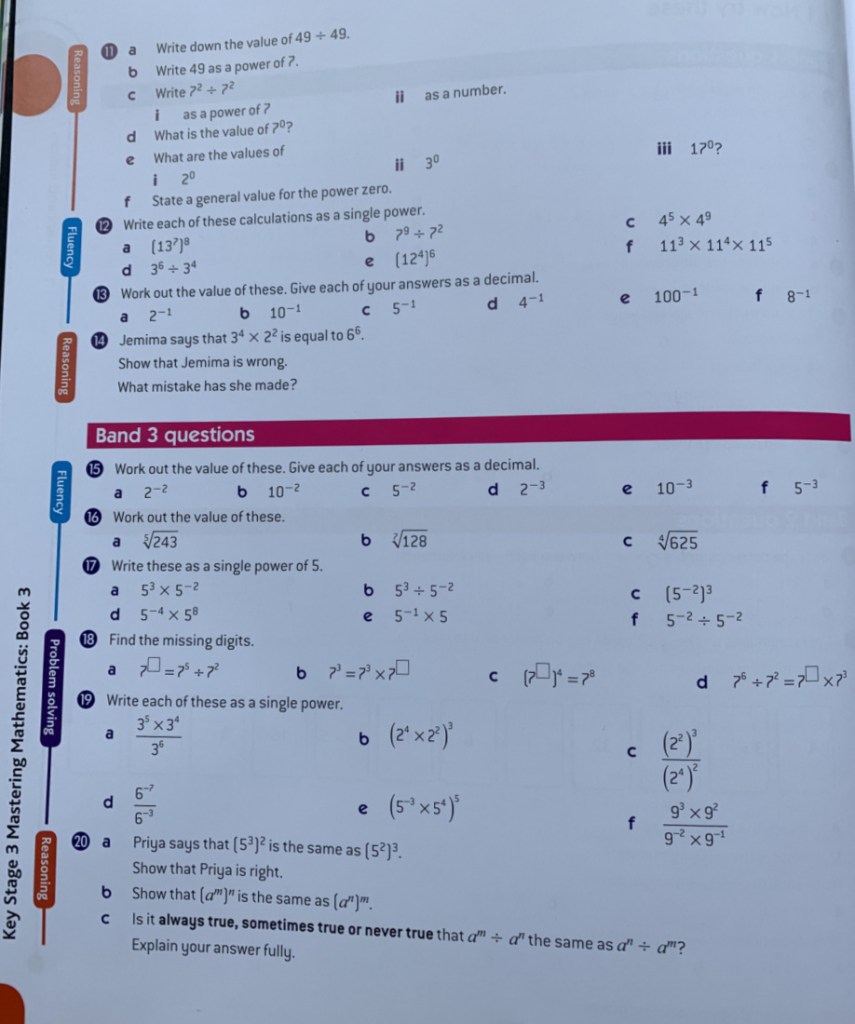
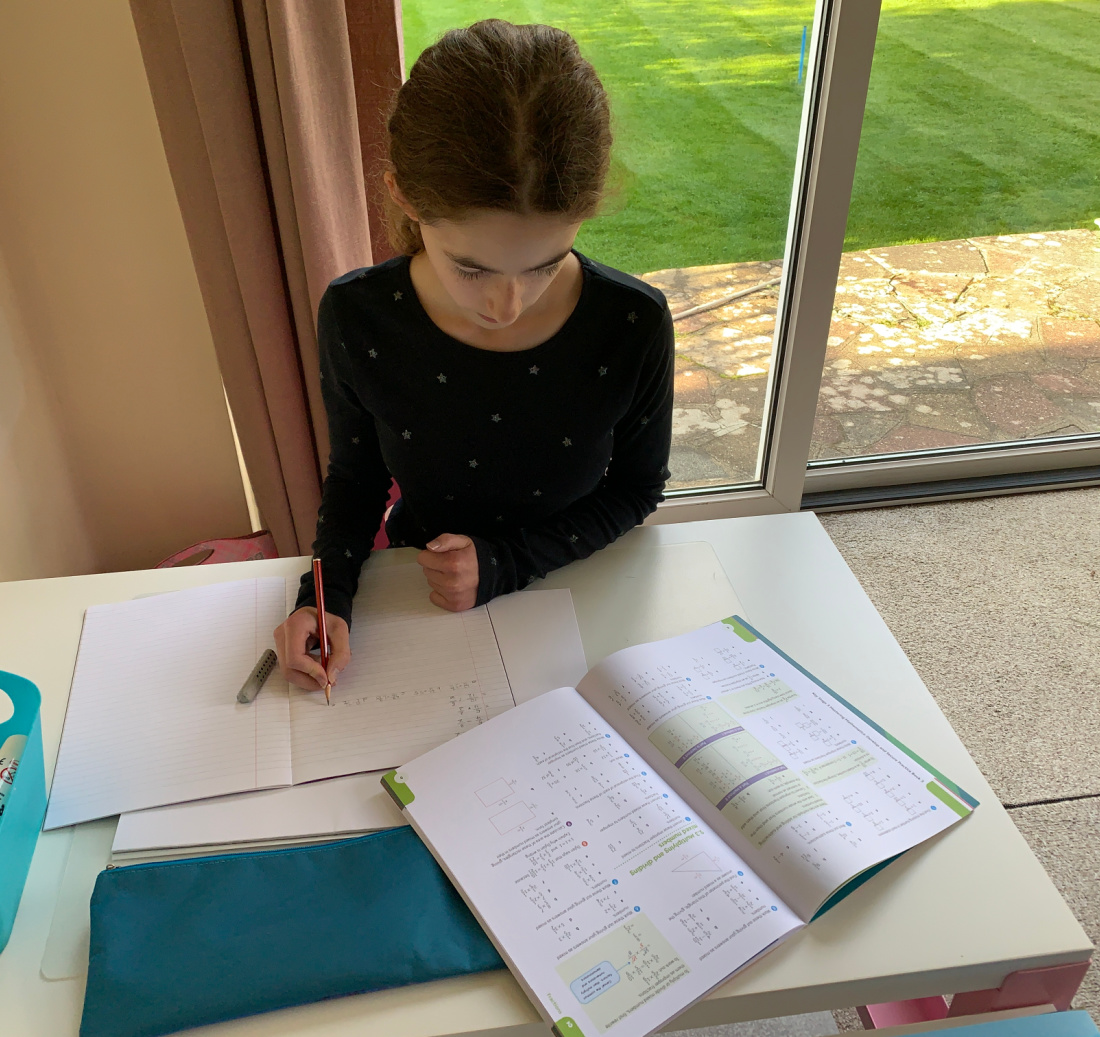
Three weeks in and I can already say I am loving our new Maths Books. They just make Year 9 Maths easy (by easy I mean easy to understand). We have had a crazy first 3 weeks and the next 3 weeks are going to be just as crazy (I hurt my knee and we are moving house) but my daughter’s Maths is the one thing that is not stressing me (and her) out. No prep work required (okay I do read ahead the week before just to make sure I am happy with any explaining or help that I may need to give but that is it). I tell her which pages she needs to work through, she does the work, checks her answers (I have already printed out the FREE to download answers for her) and then if there are any questions she asks and we work through that together. No fuss at all. No me, spending ages on the internet searching for resources. It is all there, in our two books, nothing extra required. Just what we needed. (admission – I wish we had switched to this last year).

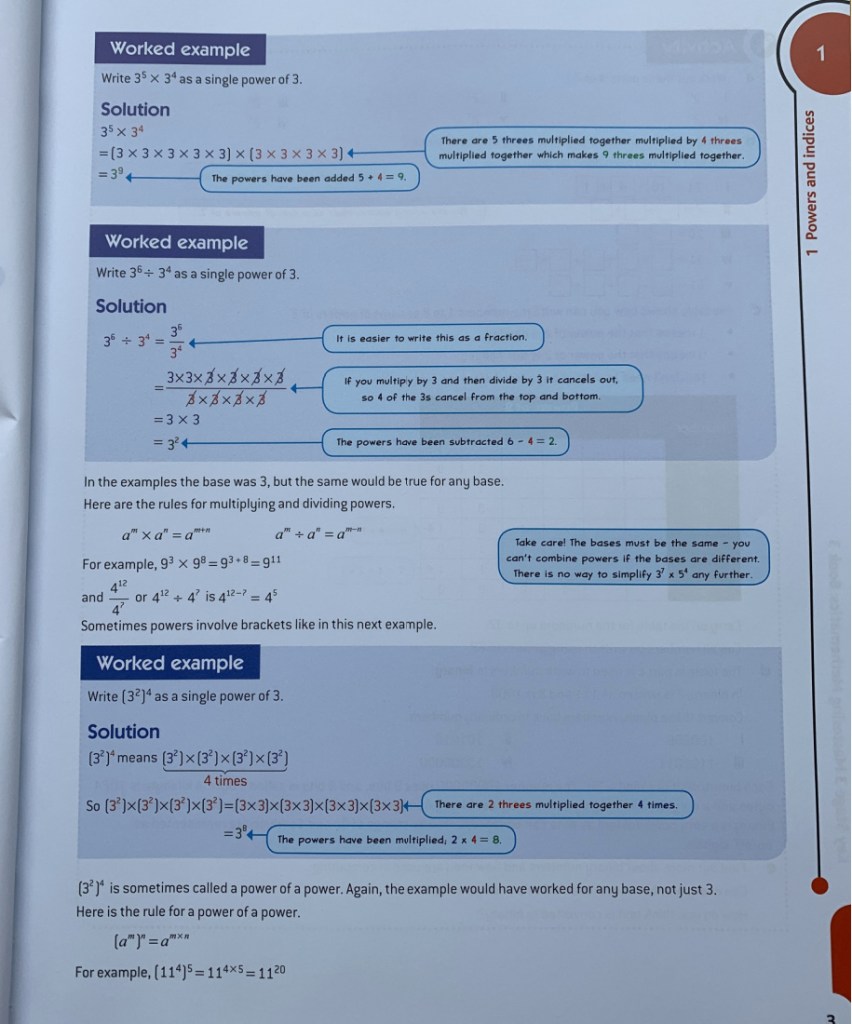
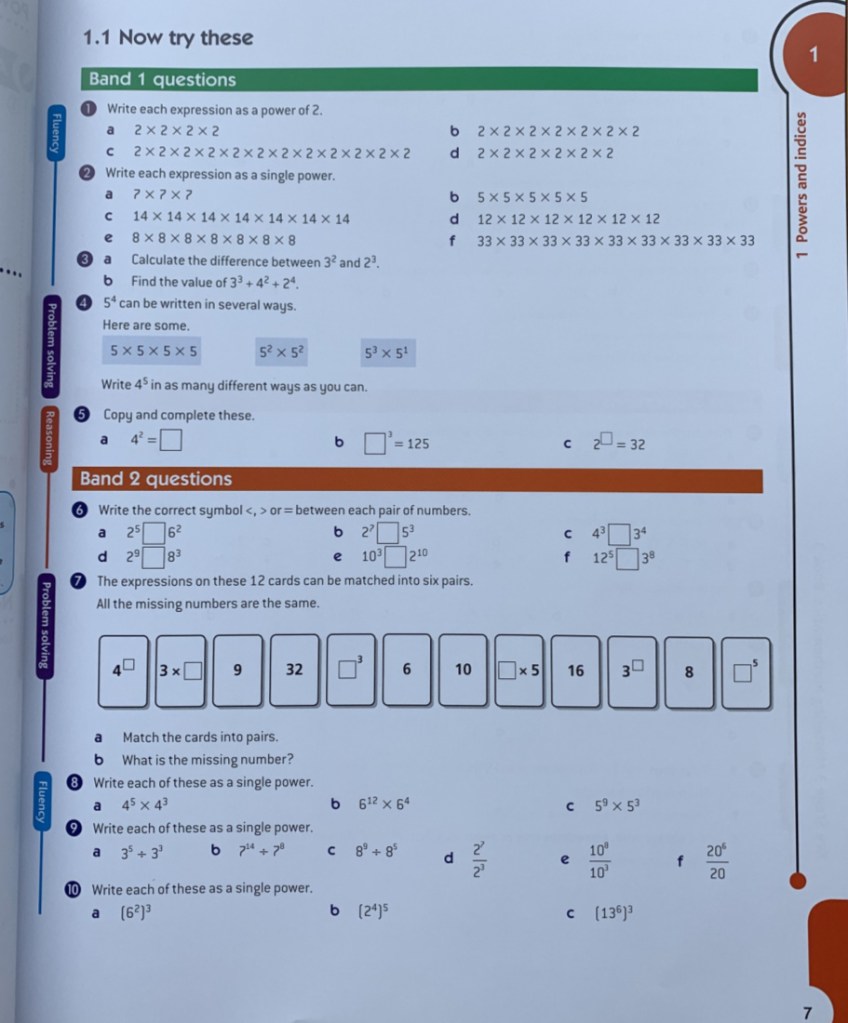
And my daughter after three weeks what are her thoughts – she likes all the worked examples that they include in the book and she likes that the questions are in bands which gradually get harder.

She also likes being able to mark her own work and see if she can figure out any errors that she made.

The only thing I think we are going to change/ add is the Practice Book that we are using. We currently have the Develop and Secure Practice Book 3 and she is breezing through it so I think we are going to get her the Extend Practice Book 3 to use.

In terms of content and what they cover. At the moment we are working through the first two chapters (Chp 1 – Powers and Indices, Chp 2 – Fractions) and then we are going to go onto Chapter 3 (Accuracy). For us the first few chapters just seemed like the logical place to start so we are following the books order. But after that I am not sure if I still stick with their order or jump around a bit, just because it makes sense to cover certain Maths sections as they link into our Science. But looking at the content you can do that, you can follow their suggested order or you can change and do chapters in a slightly different order if that suits you better.

In terms of examples given – so far I have NOT felt the need to print off extra examples for us to use. I have also NOT felt the need to find different explanations (which is something I have had to do it the past). However I personally think that using the Practice Book together with the Main student Book is a must. I am a big believer in Maths practice so I like having the extra questions in the practice book (I think it is really worth the £6.99 for all the questions you get).

It is still early days and there is still a lot of content which we need to work through, so I will write update posts during the year. But so far this is a Massive winner, my daughter is happy working through it and I am not having to spend extra time looking for worksheets for her or trying to find well-worded explanations (so for me it is a great time saving set).

  • Mastering Mathematics Book 3. Maths for Year 9 students

For those of you looking for links for the Maths books we are using here they are.

Direct from the Hodder site – Mastering Mathematics Book 3

Develop and Secure Practice Book 3

Extend Practice Book 3

From Amazon

Key Stage 3 Mastering Mathematics Book 3

Key Stage 3 Mastering Mathematics Develop and Secure Practice Book 3

Key Stage 3 Mastering Mathematics Extend Practice Book 3

Admin – I do include Affiliate links. If you follow an affiliate link and go on to purchase that product, I will be paid a very small commission, however your cost will remain the same. I only include affiliate links for products that we use and love.
Posted in Homeschooling | Tagged , , , , , | 7 Comments

Twinkl Book Club

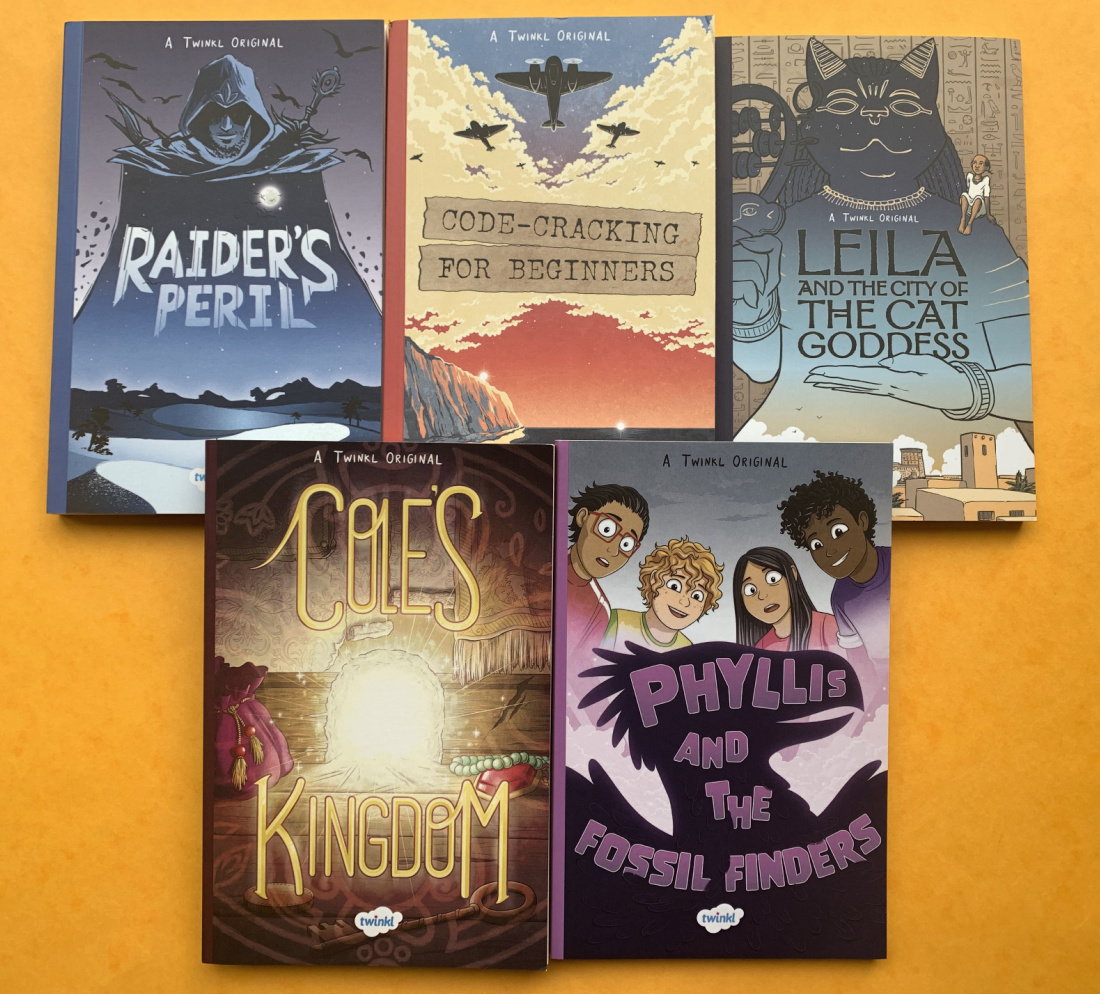
I have had a Twinkl membership for years, and over the years they have added a lot more content and ranges to the site and although some of it was too young for our kids so we never tested it out, some of it has been spot on, as if it was “taylor-made” for us. One of their newer “ranges” is the book club (which is included with the Ultimate membership). You actually get 6 books delivered to your door during the course of 12 months. And I have to be totally honest and admit at first I was not too sure about these Twinkl Original Books. I mean anyone can write a story but the question is being able to write a good, engaging story, one which the kids enjoy reading but one which I can also use as a springboard for learning. Now that is not easy. But these Twinkl Original stories are just that (for the purpose of this post I am going to be talking about the KS2 Stories because I have not been following the Twinkl original stories written for KS1 purely because my kids are older).

Now all the Twinkl original books that we have received are actually in an eBook format on their website. But here is the thing, my kids still enjoy reading good old-fashioned books, something that you can hold and turn the page. Yes we use devices in our house but we do limit devices and encourage books for the simple reason that we have seen our kids relax when reading a book. So having a hard-copy of these stories is actually perfect for us.

The stories are always well-written, lots of descriptive language and the topics are varied but always something that you can extend. Sometimes it’s a History topic, sometimes a Science topic and sometimes it is just a great example of creative writing. And for every book there is always a big range of resources which you can download from the site. In fact it is actually one of my son’s favourite English activities – reading a Twinkl original story and then working through the linked resources. But you don’t have to use the resources, you can just read the book and enjoy a good story.

I am a massive fan of the entire concept behind the Twinkl original stories, the linked resources and yes the physical books that arrive on your doorstep as part of the Book Club. Good quality stories are always a win. (And just in case anyone was wondering, this is Not a paid for post, I was not asked to write this, I just happen to enjoy the fact that as part of my Twinkl membership we get 6 books delivered to our doorstep each year).

Posted in Homeschooling | Tagged , , , | Leave a comment

2 weeks back at home education

The kids and I had a break over the Summer (we normally don’t stick to school holidays but it just so happened that the school summer break came when the kids and I really needed a good break). We have now been back at our structured side of learning for 2 weeks but things have not gone as planned. In the first week I did something to my knee, not sure what exactly but I can no longer sit comfortably at my desk for more than a few minutes. And normally I am at my desk for hours each day – printing off and preparing stuff for our home ed and doing some part-time work. My desk is actually really massive so it also tends to be the place where I sit with one of the kids and do any one-to-one explaining and assisting that they need.

So what now? Well we have still continued with our more structured learning activities but the bulk of our one-on-one time is now on the couch with me sitting with my one leg elevated. And here is the thing, it works. It really does. For our home education to be effective I don’t need to have a desk. Yes I know when you look on Pinterest everyone sees all those amazing homeschooling rooms that the American-based homeschoolers tend to have and you think, Wow I NEED that. How am I going to create that space in my small UK home? hmm.

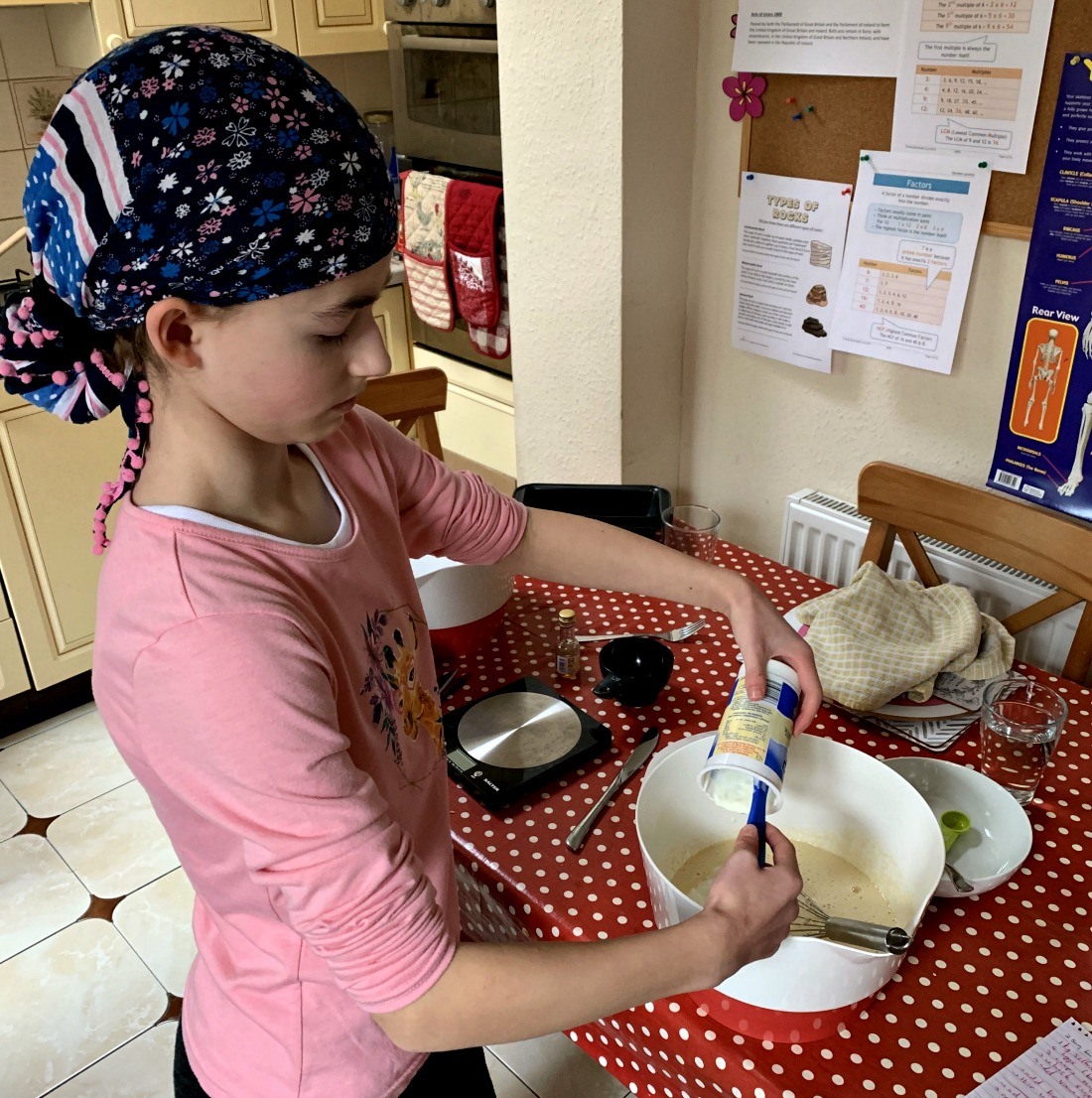
In a perfect world I would love to have one of those spaces. LOVE. But I don’t live in a perfect world, I live in a world where I am just trying to do what is best for my two kids and for us that means creating spaces for learning in our home, spaces that are used for more that one activity. Yes I have a desk, a desk that I use for home ed prep work (when my knee allows it) but it is also a desk that I work from, a desk which my daughter uses when she wants to log onto my computer to do some of her writing, a desk that my son sometimes sits at and draws. We have a kitchen table that we eat at, that also happens to be where my daughter bakes, where we do arts and crafts and often where one of the kids will escape to if they need to concentrate in silence (because they can close the kitchen door) oh and board games also happen at the kitchen table. They kids have desks which they sit at and do there structured learning, they also use the desks for there own activities (my son’s desk is normally covered in drawings and cut out pieces of paper from this creations and my daughter’s desk is normally hidden by all her books). These are our “learning spaces”, they are not exclusive to home education but it works.

So why this rambling post? It is just to say please don’t be put off if you do not have space for a perfect home educating room, you don’t have to recreate what you see on Pinterest you just have to figure out what works for you and your family. And even then things may happen and who knows you just may end up educating from your couch with your leg elevated.

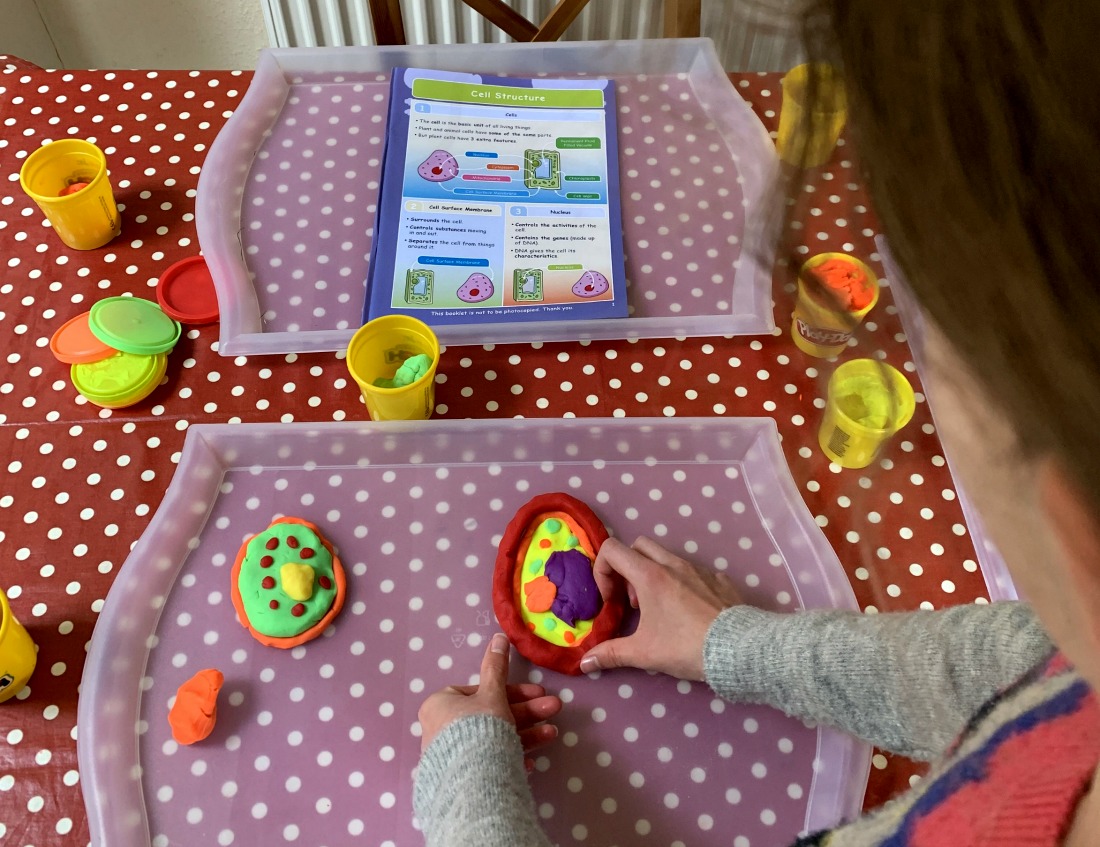
  • creating her own playdough version of a plant and animal cell
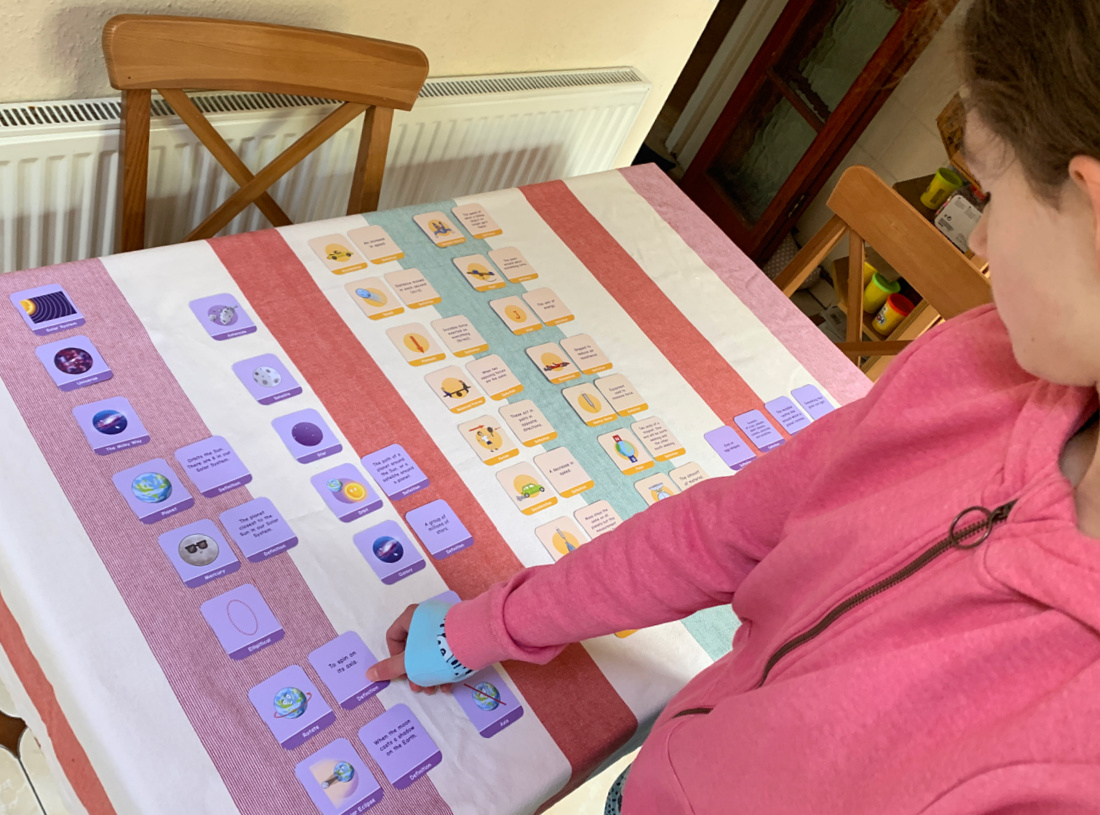
  • Oaka Books Physics Pairs Game
  • THe Night Zookeeper website
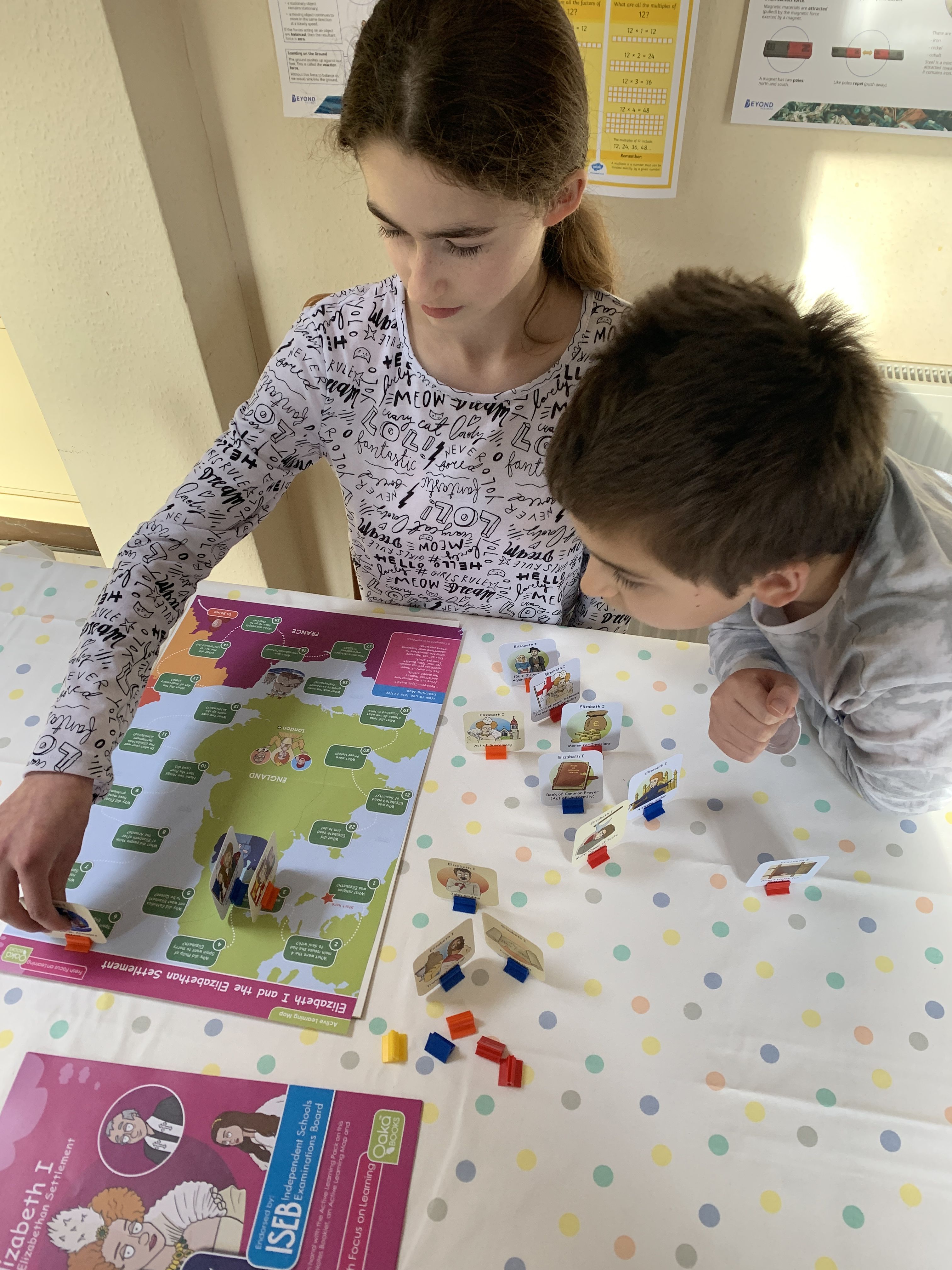
  • Elizabeth 1 Topic Pack from Oaka Books
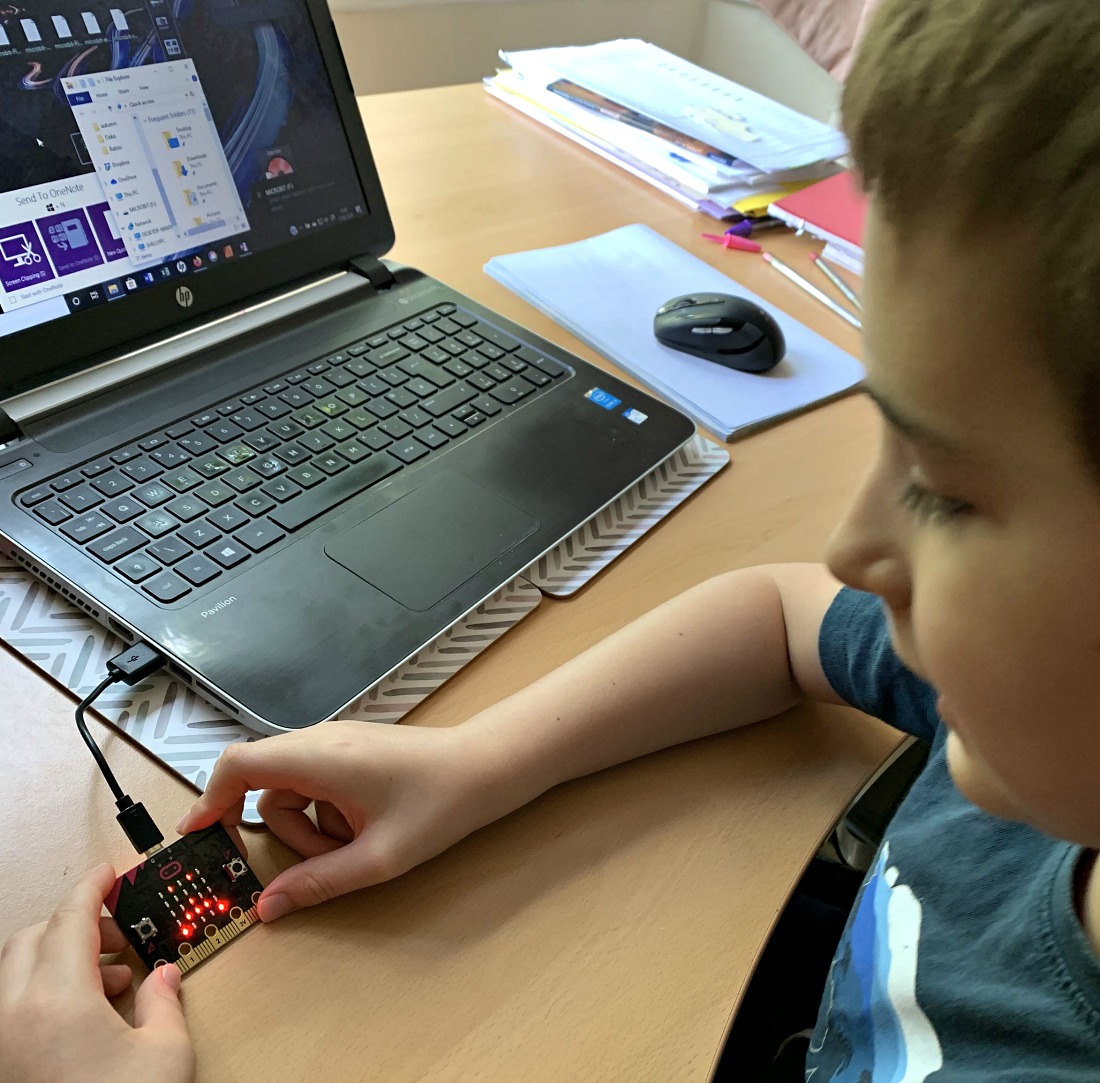
  • using the Micro:bit. ofamily learning together
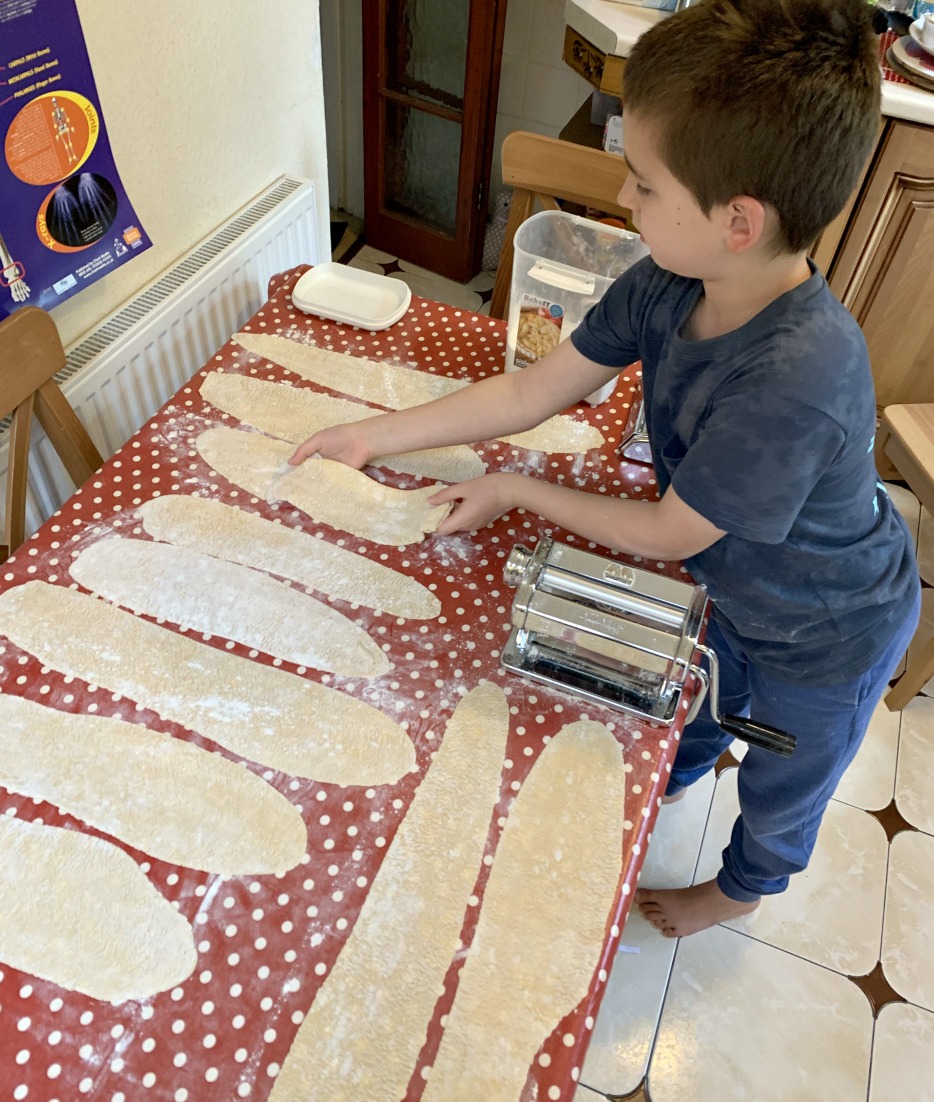
  • buttermilk rusks ofamily learning together

I don’t have a new photo of the kids at their desks so this is an old one – we still use these desks (from IKEA) because they have extendable legs so as the kids have grown we have been able to adjust the height of the desks.

Posted in Homeschooling | Tagged , , , , | Leave a comment

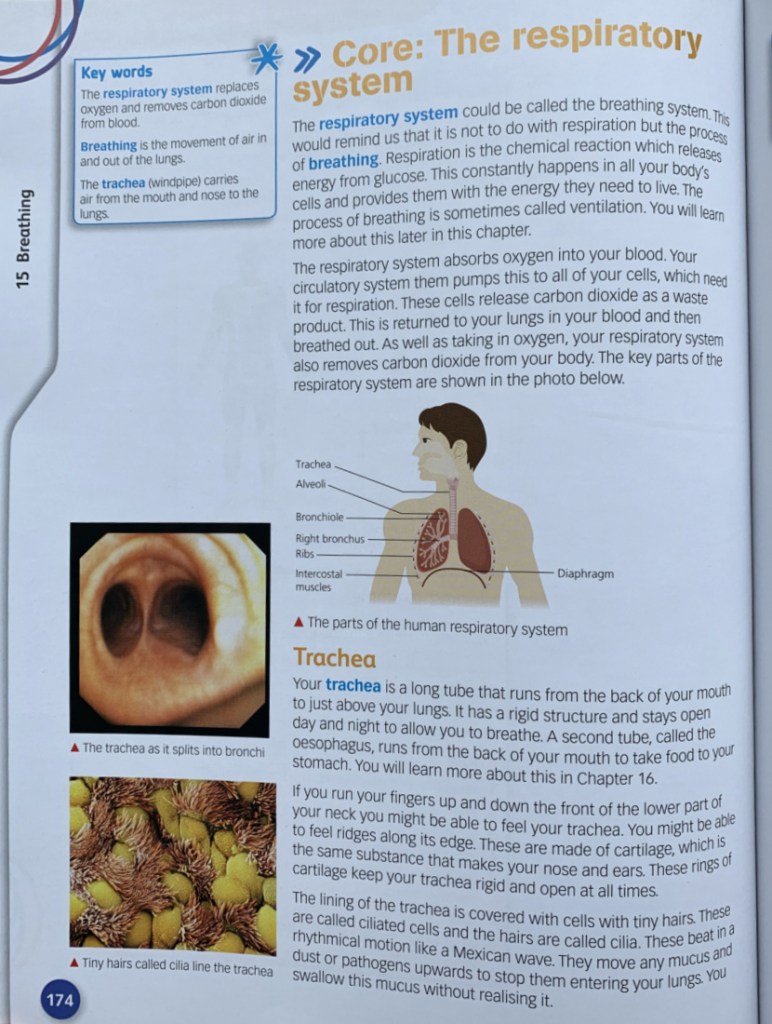
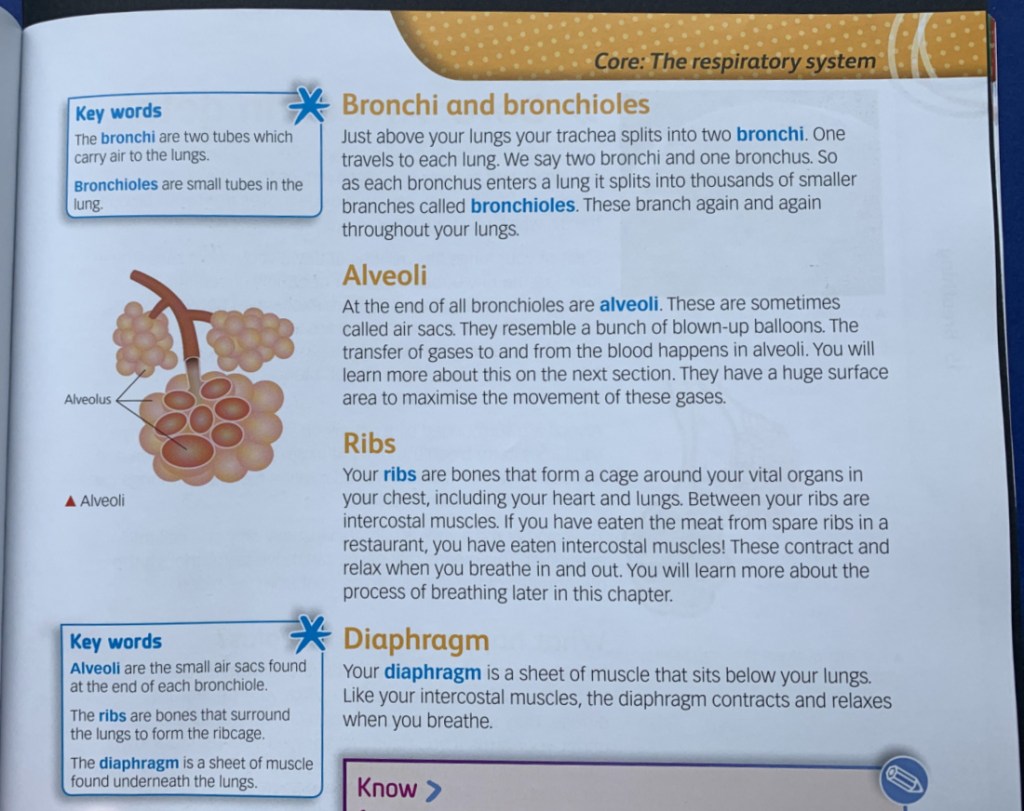
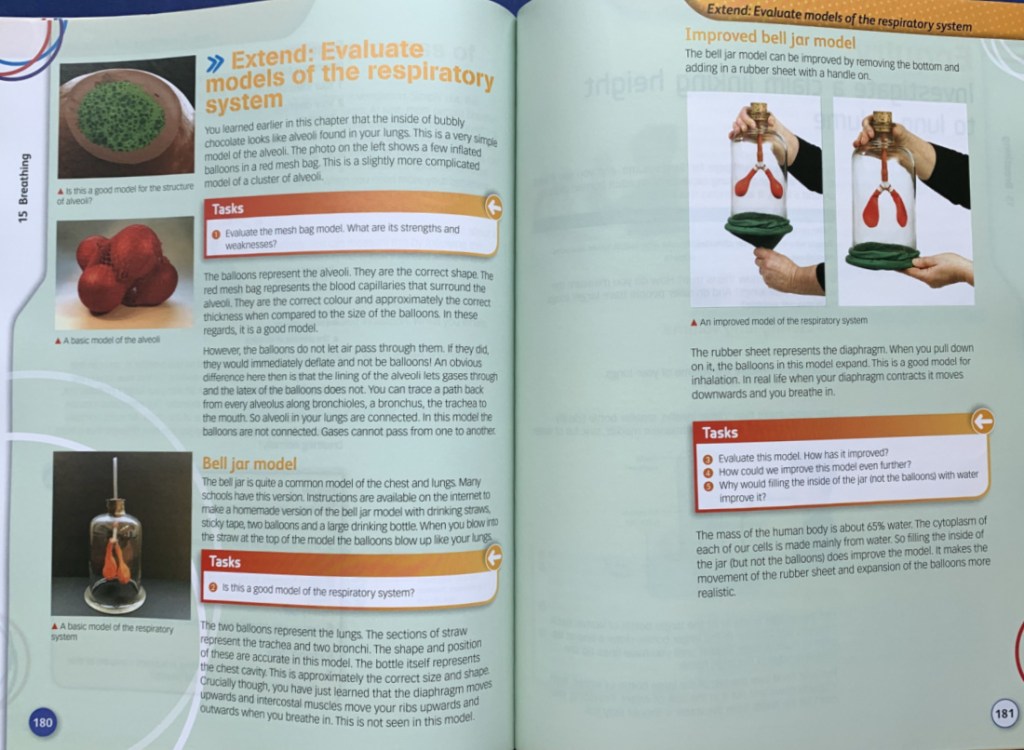
Starting Year 9 Science Resource Ideas

This year is going to be the year we try and decide what Science route my daughter is going to do for her GCSE exams. She is not keen on the idea of Combined Science mainly because she really does not like Physics (although part of me wonders if that is just because we need to redo a few sections of Physics with her) but she Loves Biology and is sort of okay with Chemistry. So current thinking is she will do a Biology exam and possibly Chemistry. But we are going to use this year to try and finalize our thinking and make sure we are not eliminating Physics too soon.

For for Year 7 and Year 8 Science we used the Activate range which included Student Books and workbooks. And I will admit I liked the range, but for Year 9 they only have a Student Book and I really wanted a combination of a student book and workbook to use together (the main reason is it saves me a lot of time in having to search for activities linked to the student book and it is nice to have all the activities already created and waiting). So I started searching for other Science Resources. My main criteria was I wanted a good Student Book (a nice inviting but logical layout) with a linked workbook and I wanted to have access to the answers for ALL the questions without having to buy another expensive book just to get the answers.

I found 2 options from the Hodder Education site that interested me – their KS3 AQA books and their own KS3 Science books. So I asked a few questions and I ended up going with the KS3 AQA range. Now this range is a 2 Year KS3 Science range so I am going to use the Year 2 books with my daughter. And yes some of the items covered in the Year 2 books are going to be topics we have already covered but some are new (plus I think a bit of revising, going back through a few topics again this year might actually be good for us).

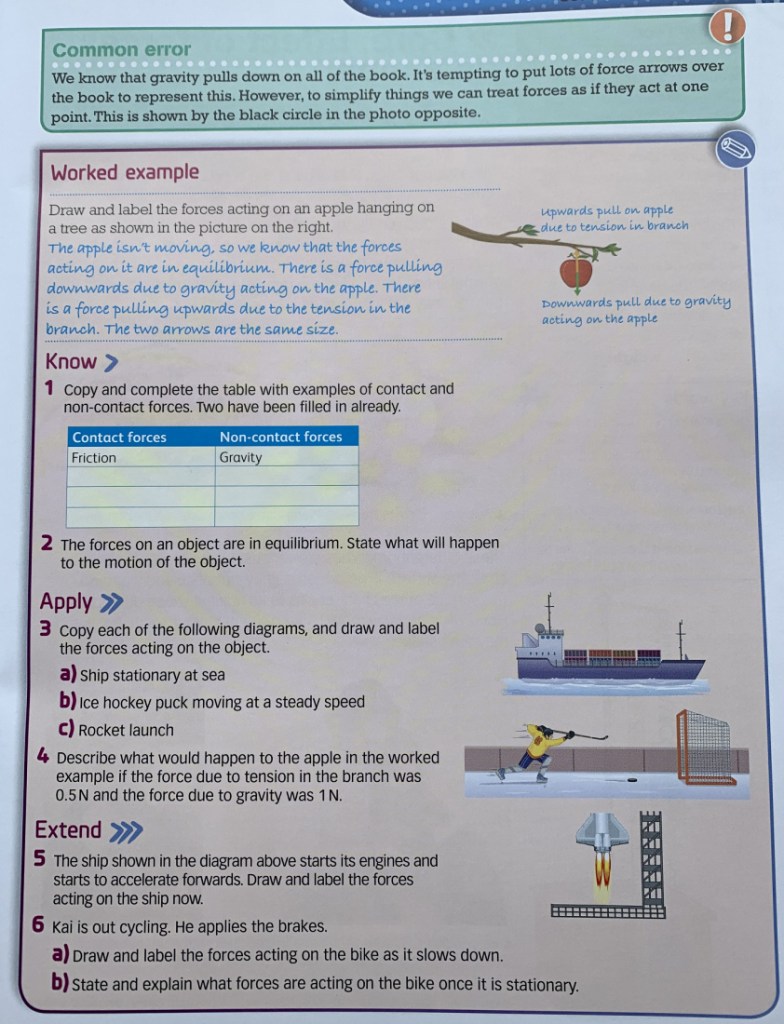
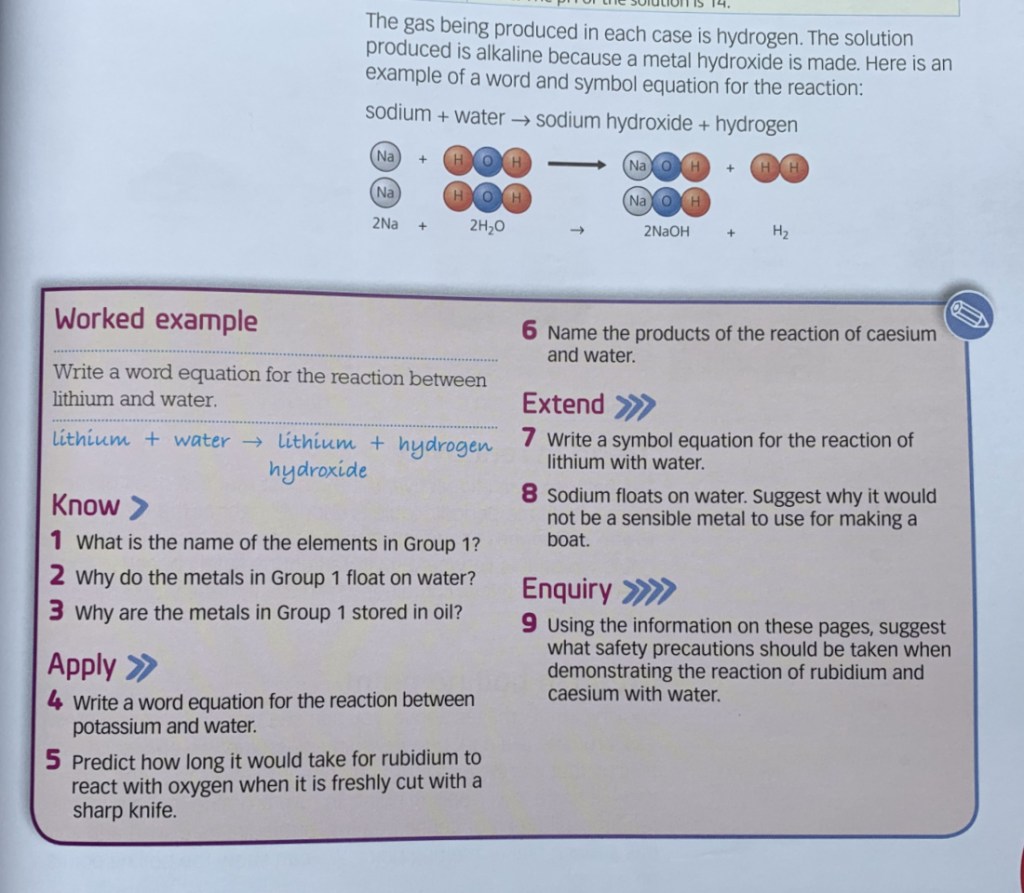
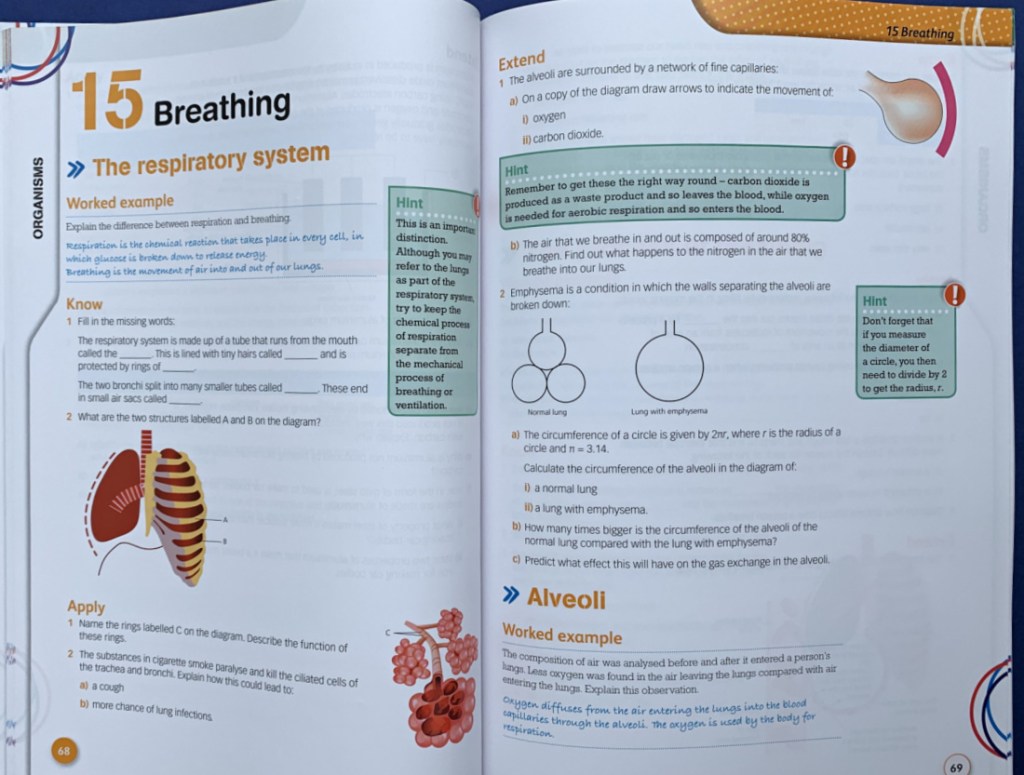
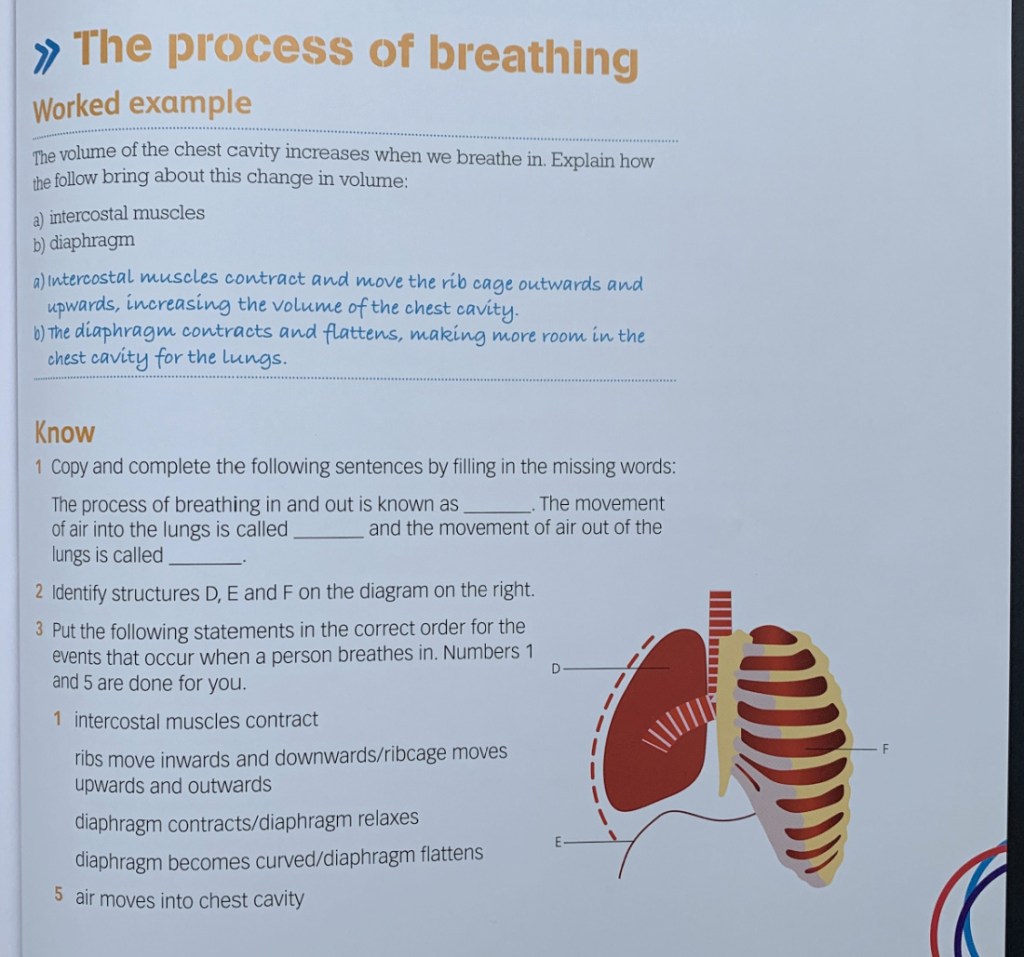
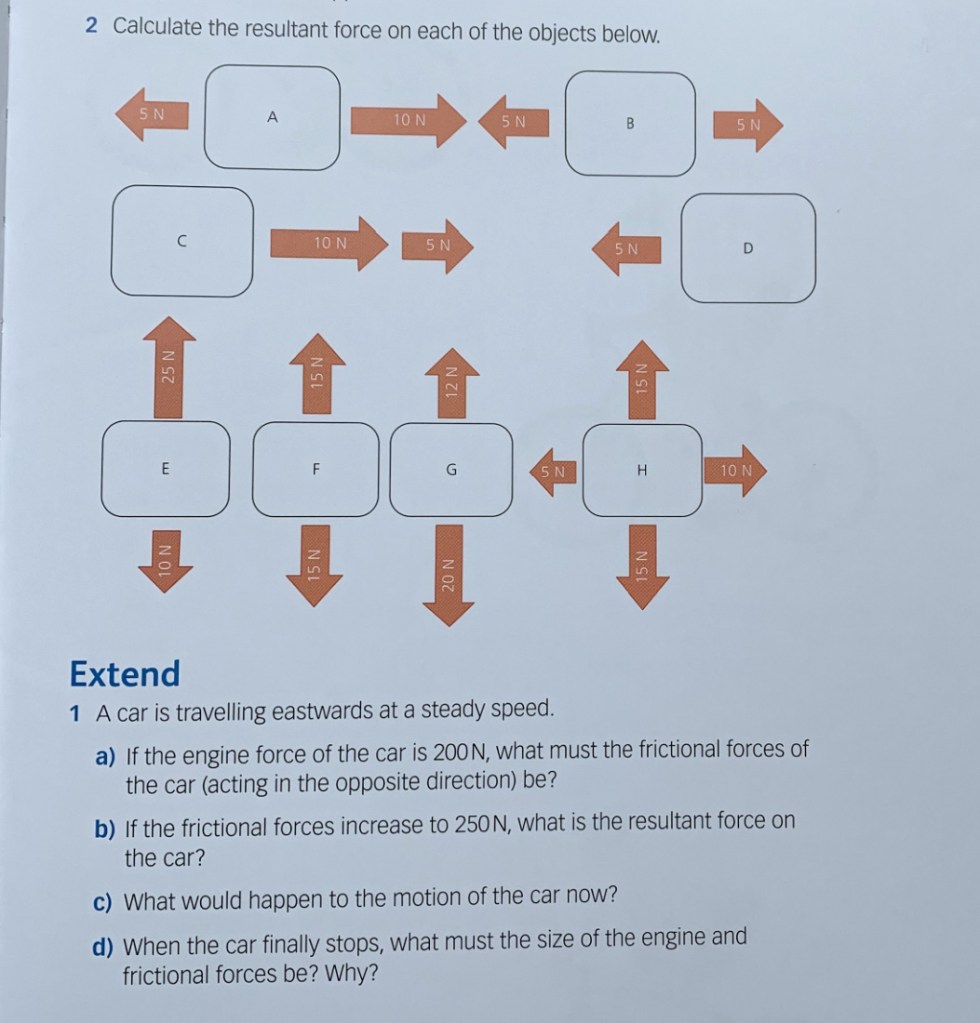
On first look we both like the layout of the practice book – blocks of information with illustrations, worked examples and lots of questions plus a clear distinction between what is core knowledge and what is extended knowledge.

Each chapter (topic) follows the same pattern. They are split into 4 sections. Transition (the introduction, setting the scene), Core (the important parts that you need to know), Extend (taking the core to the next level, getting that deeper understanding) and Enquiry (in depth). I like this I like that they are splitting it up into Core and Extend – so you know what to focus on.

I also really like that throughout the chapters they include lots of blocks which contain worked examples followed by questions for the kids to do of (and I do mean a lot of these blocks).

Then you also get two practice books which goes perfectly with the student book and contain a lot of extra questions (there are two workbooks the Know and Apply Practice Book and The Extend Practice Book – we have the extend one).

And answers for all questions in both the student book and the practice books are FREE to download from the Hodder Site (I really like this). Once we have used these books and gotten to grips with how they work I will write a proper review but for now Book 2 in this range covers the following topics

  • Forces
  • Electromagnets
  • Energy
  • Waves
  • Matter
  • Reactions
  • Earth
  • Organisms
  • Ecosystems
  • Genes

Okay then a few other items we are using for Year 9 Science.

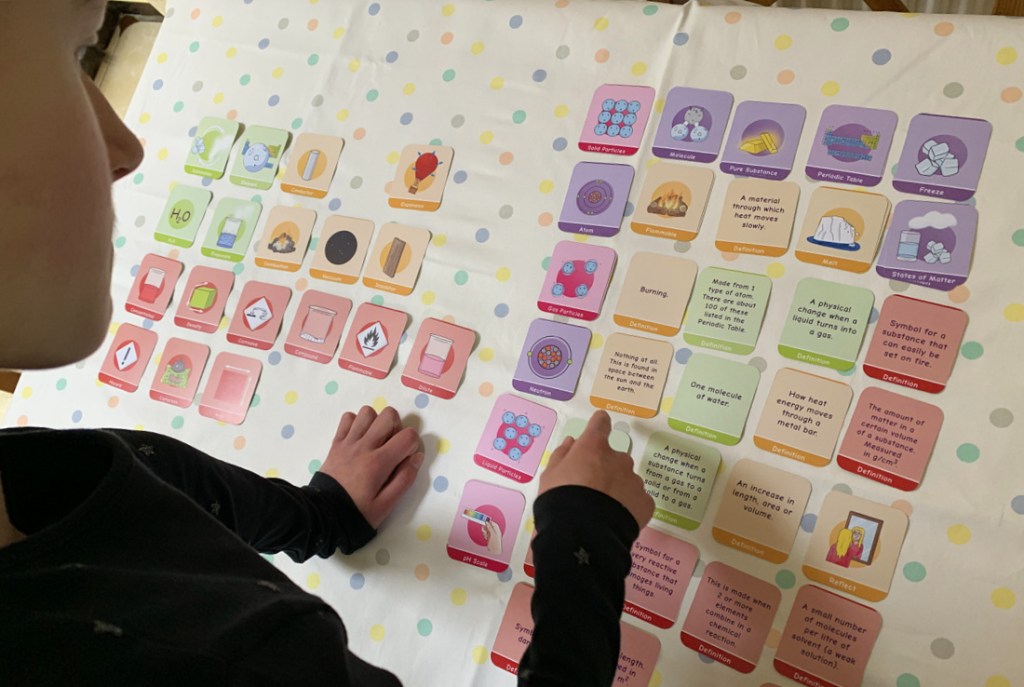
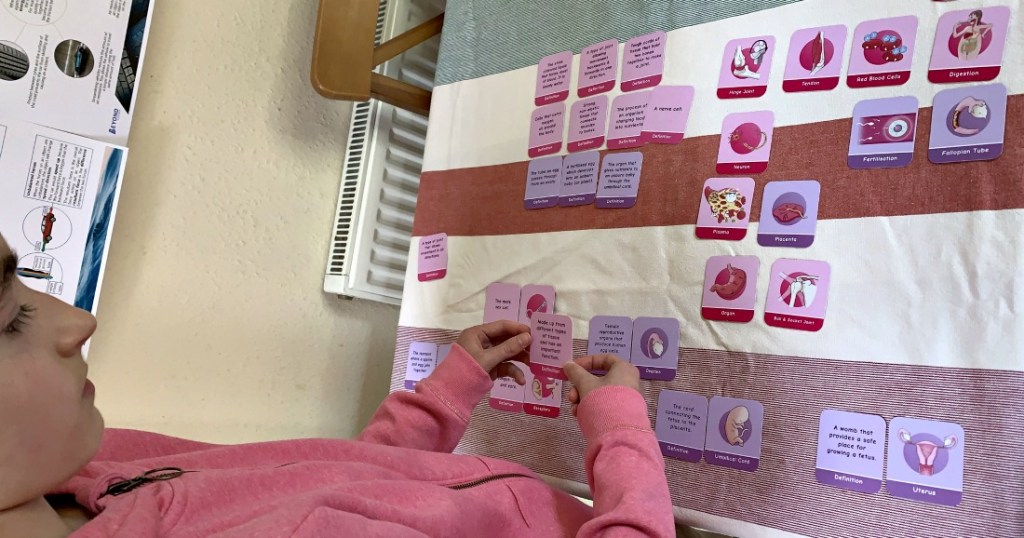
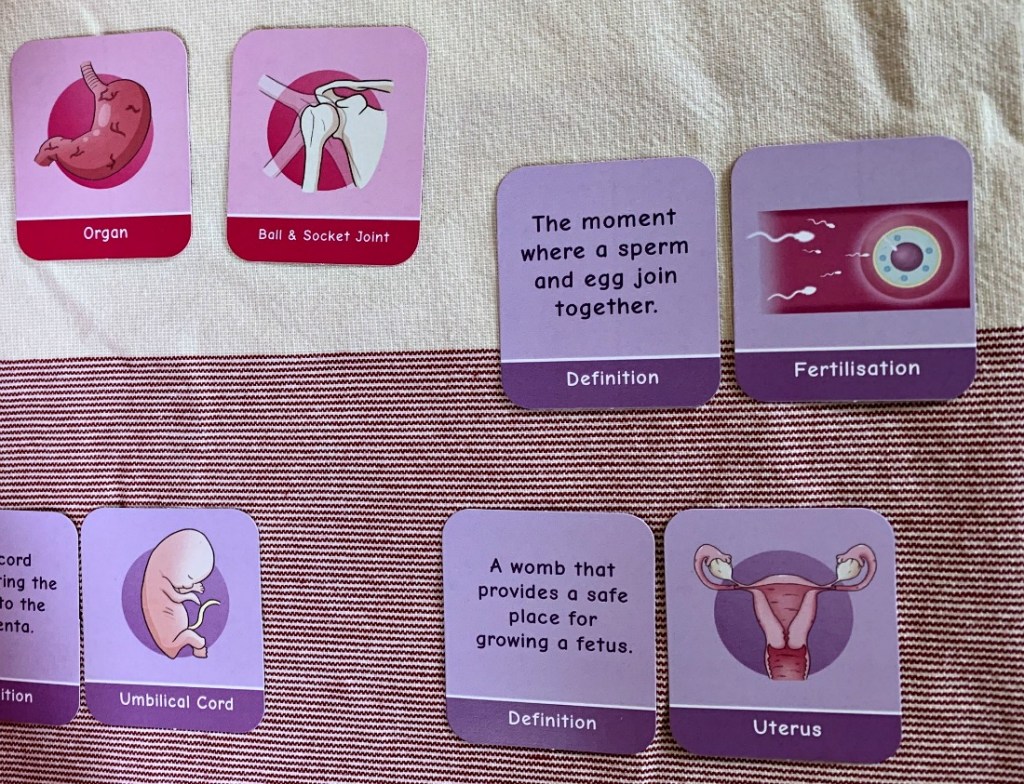
I love our matching cards from Oaka Books. We have all three sets – Biology, Chemistry and Physics and we are going to keep using them this year (I just think they are great for reinforcing and reminding us of names and definitions). We tend to focus on one Science at a time – we will do 2 or 3 months on Biology and then move onto Chemistry. So while we are focusing on Biology I will get my daughter to remind herself about Chemistry and Physics by going through these matching cards. Its just something that works for us.

  • Oaka Books Chemistry Pairs Fame. Matching cards for KS3 Science
  • Biology matching pairs game From Oaka Books
  • Biology Pairs Game from Oaka Books. KS3 science resource

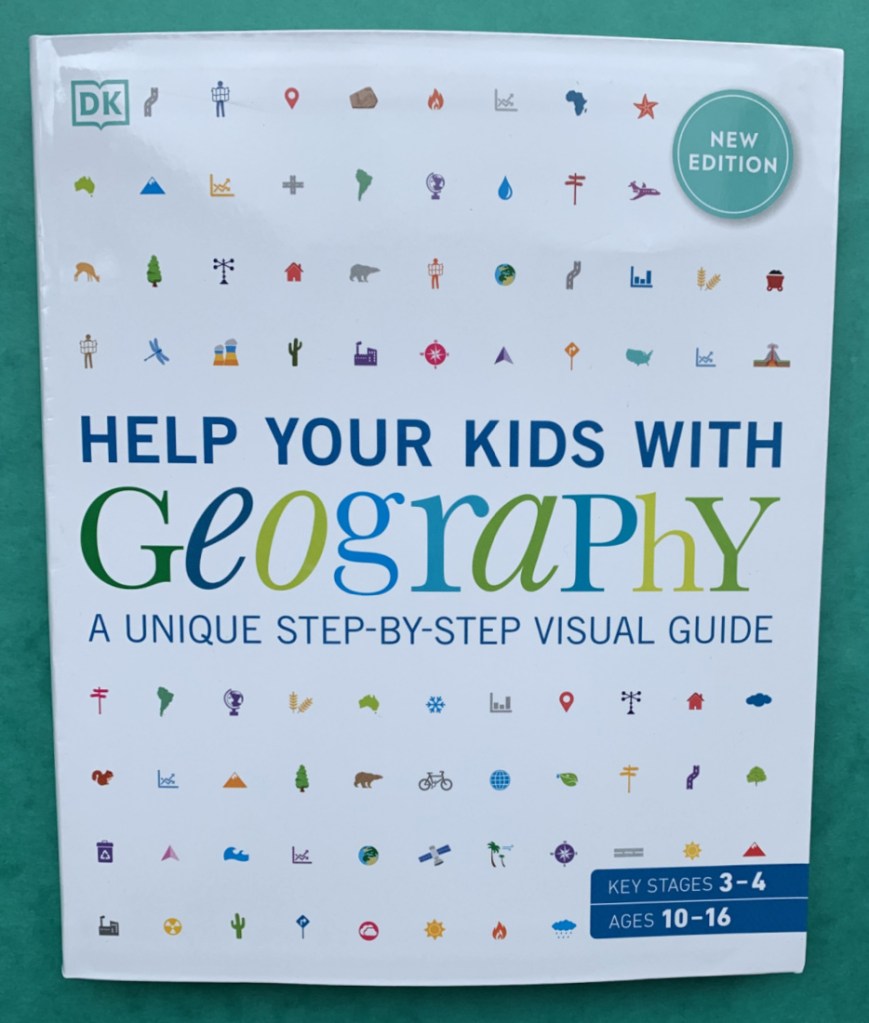
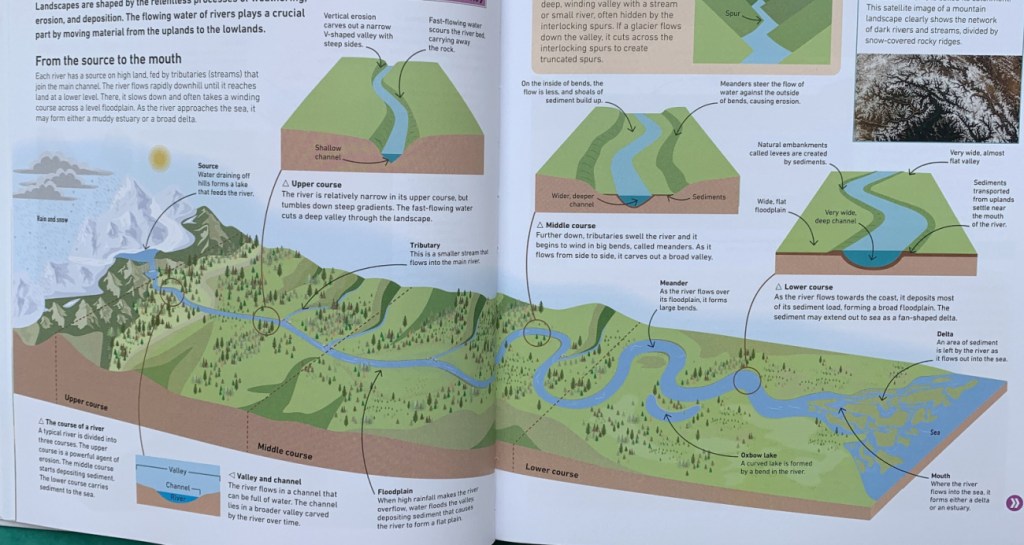
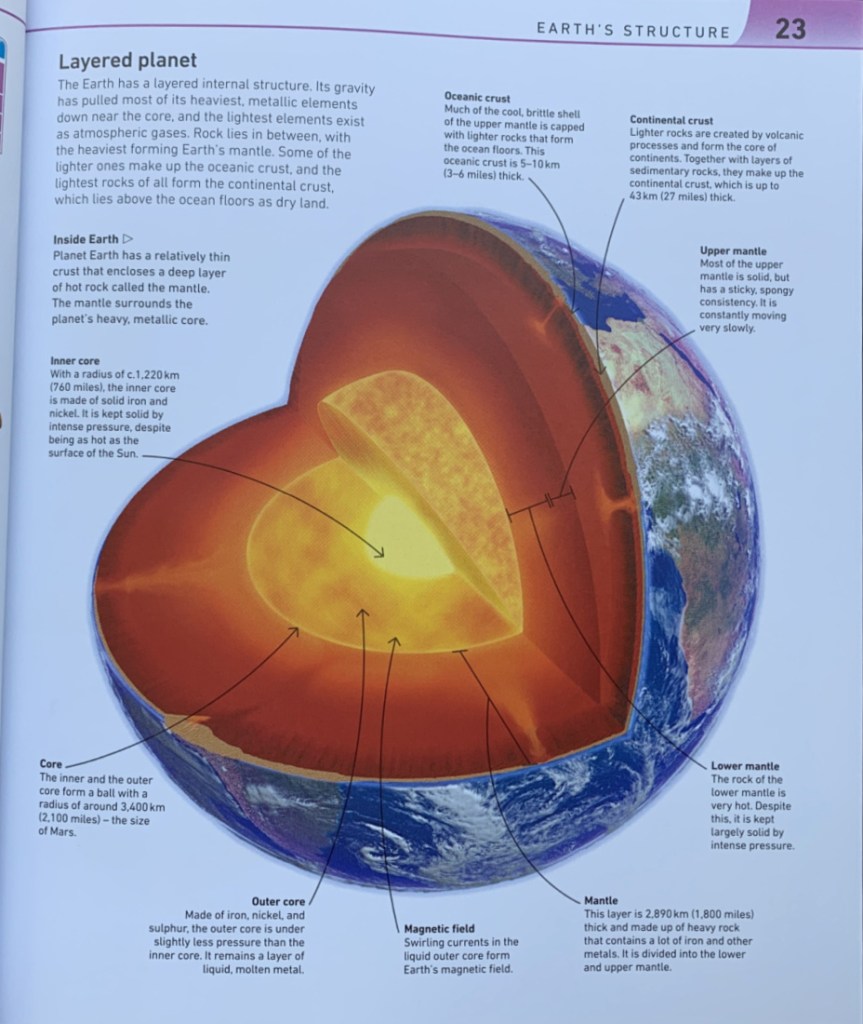
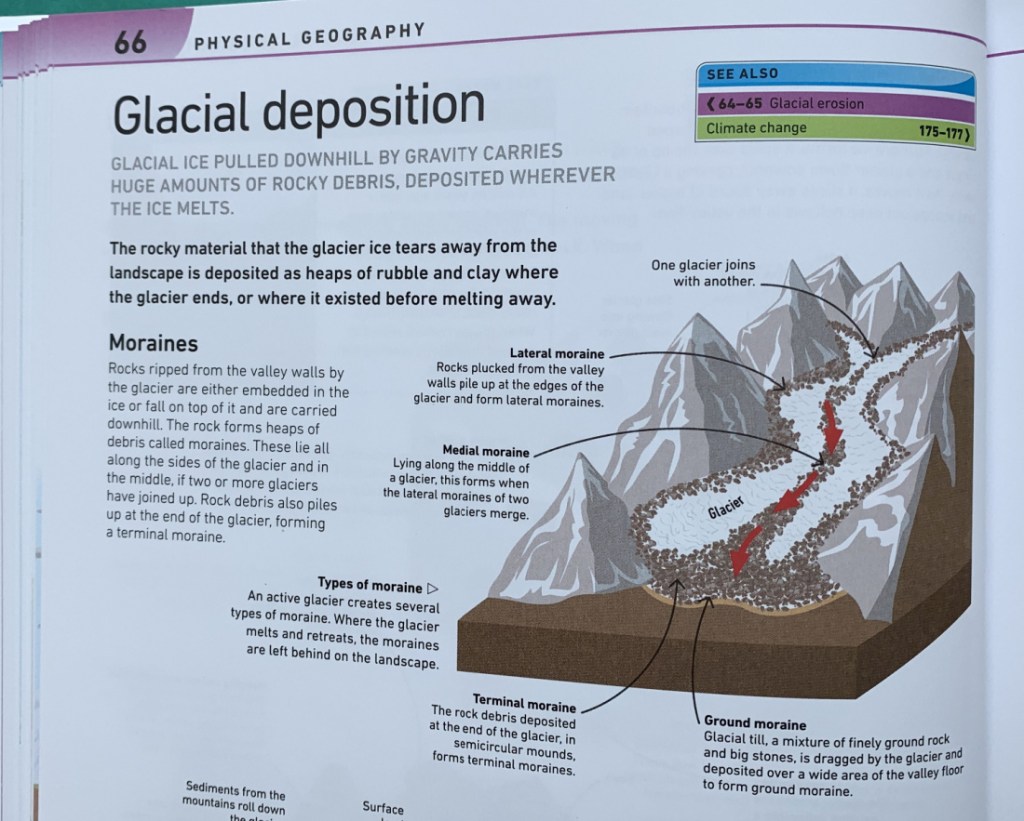
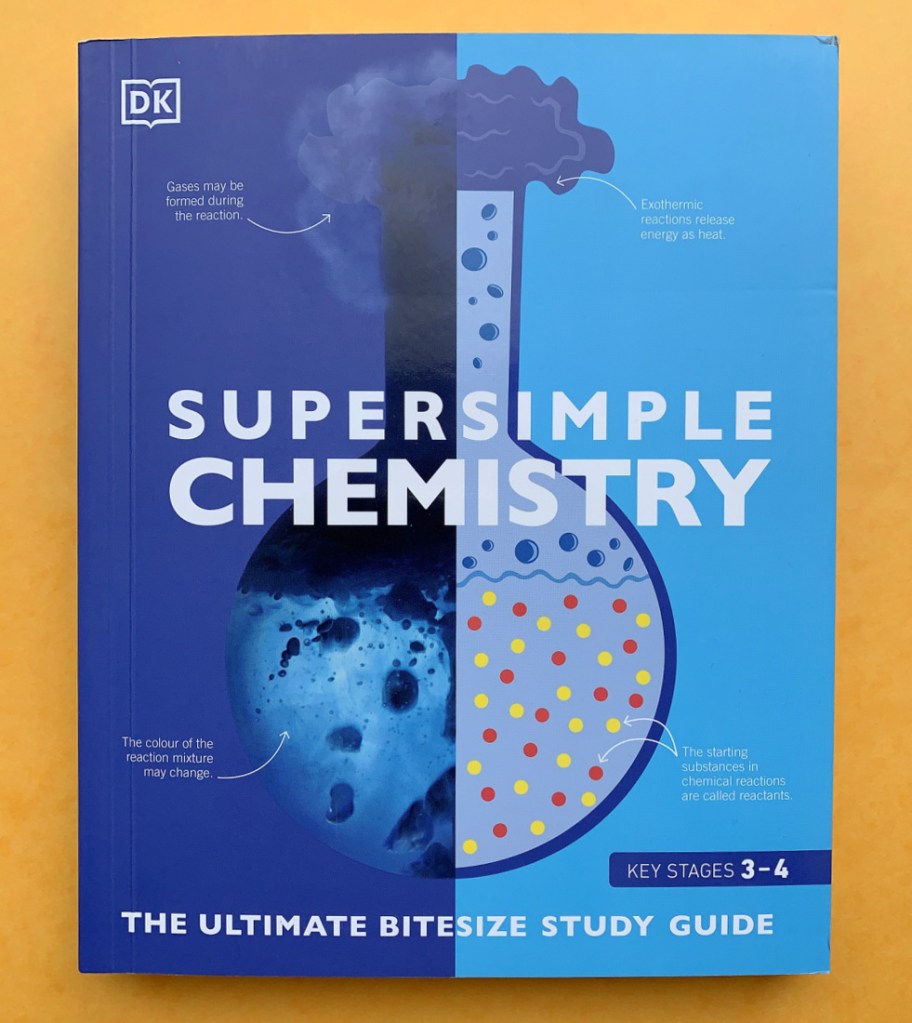
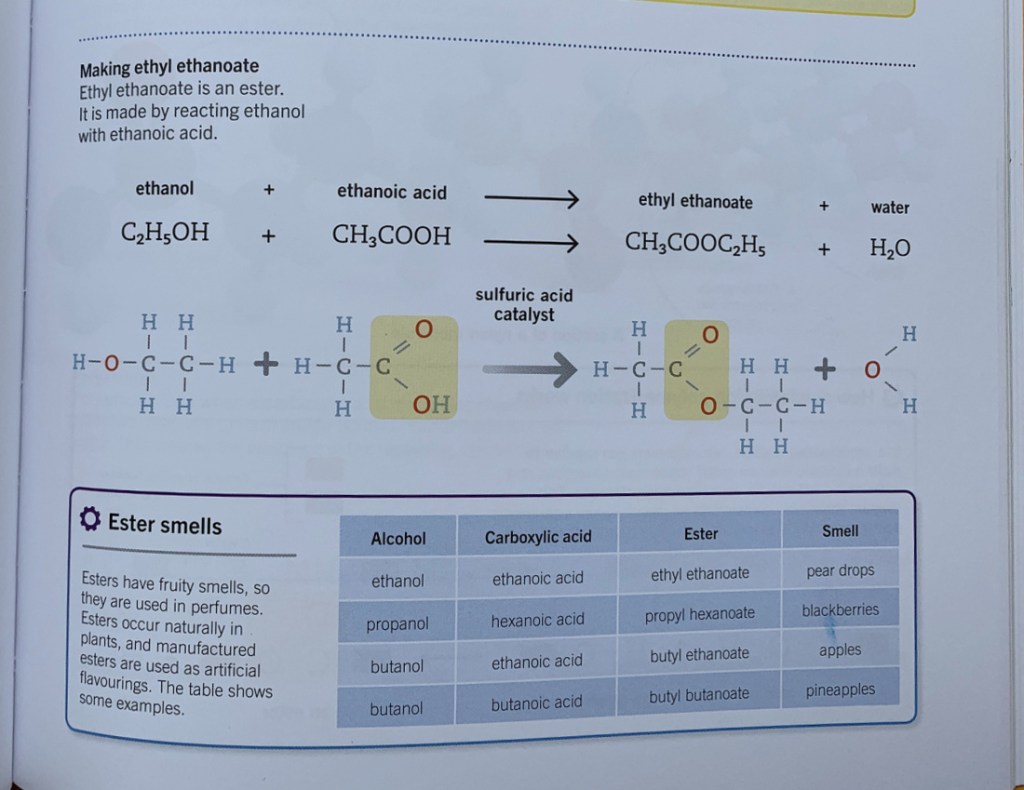
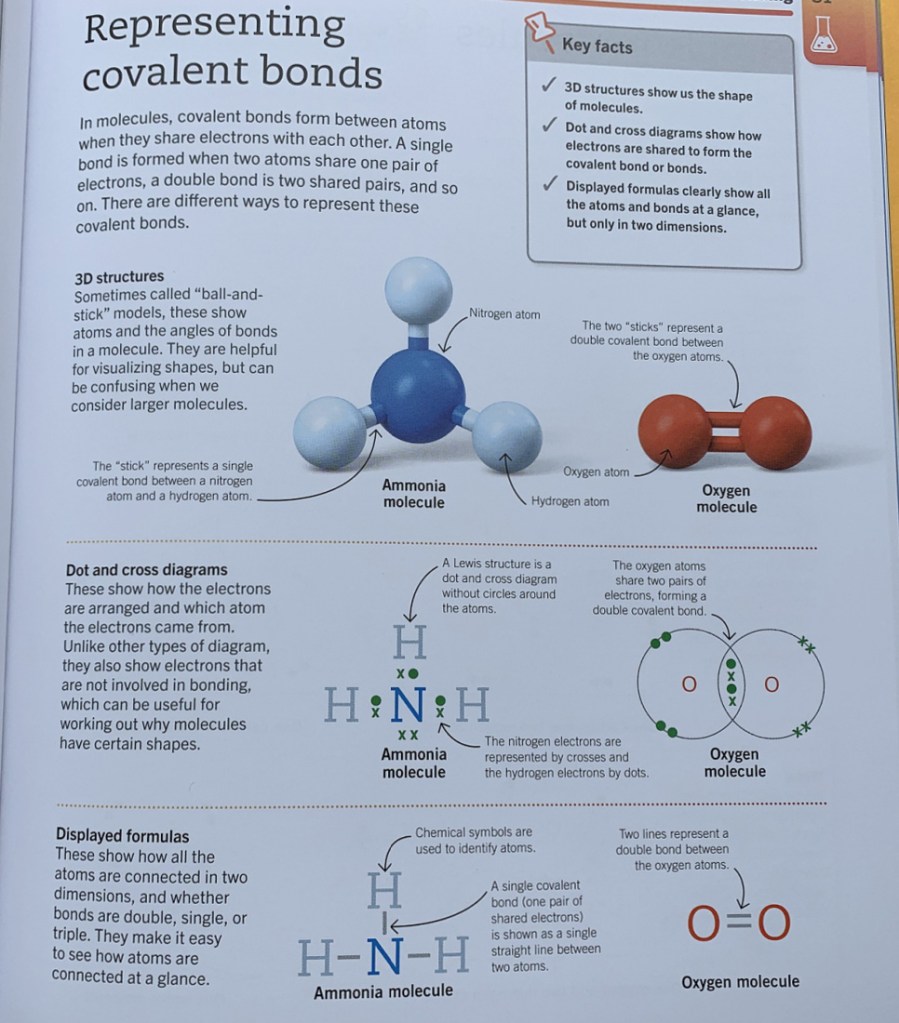
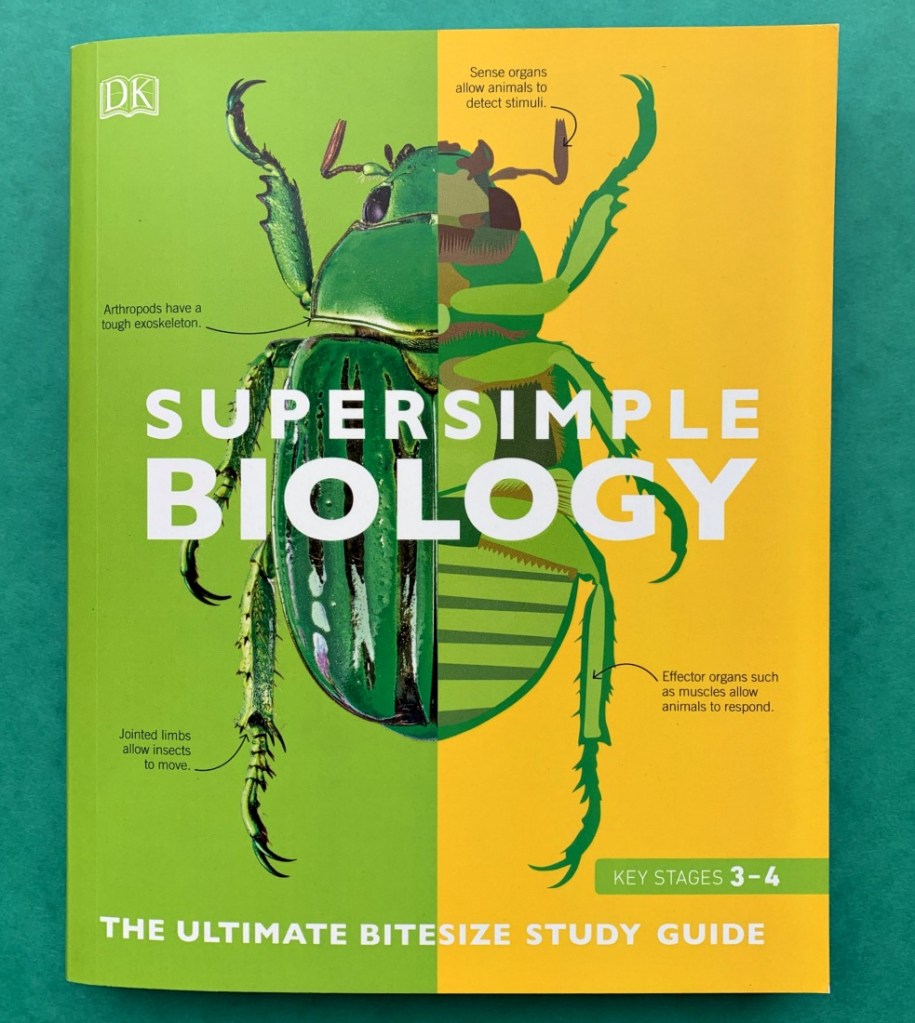
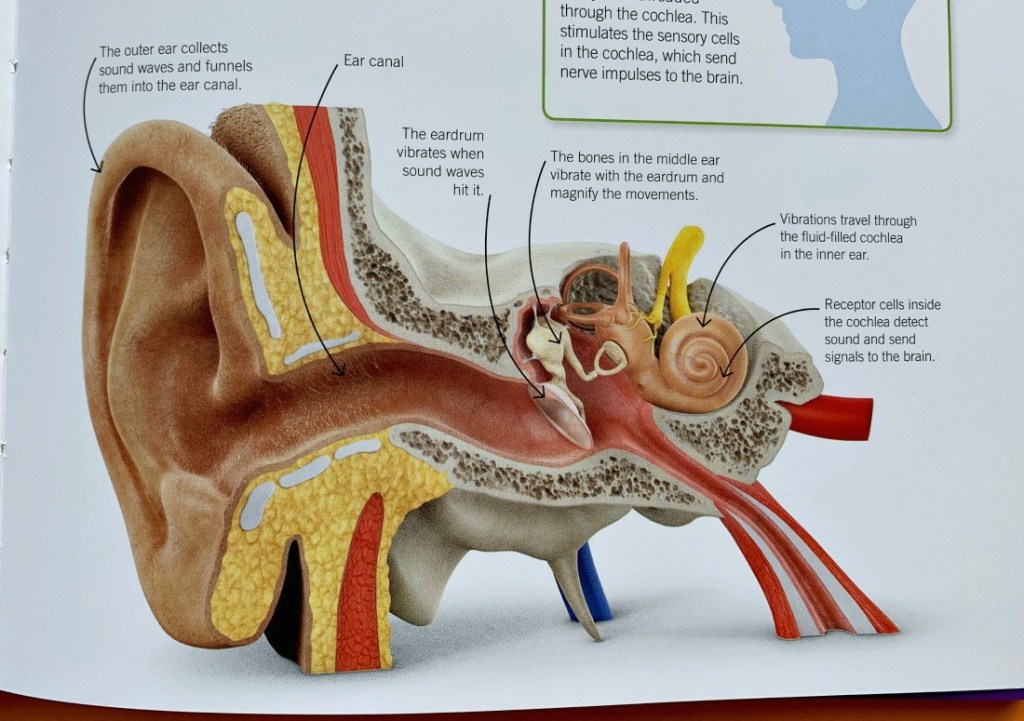
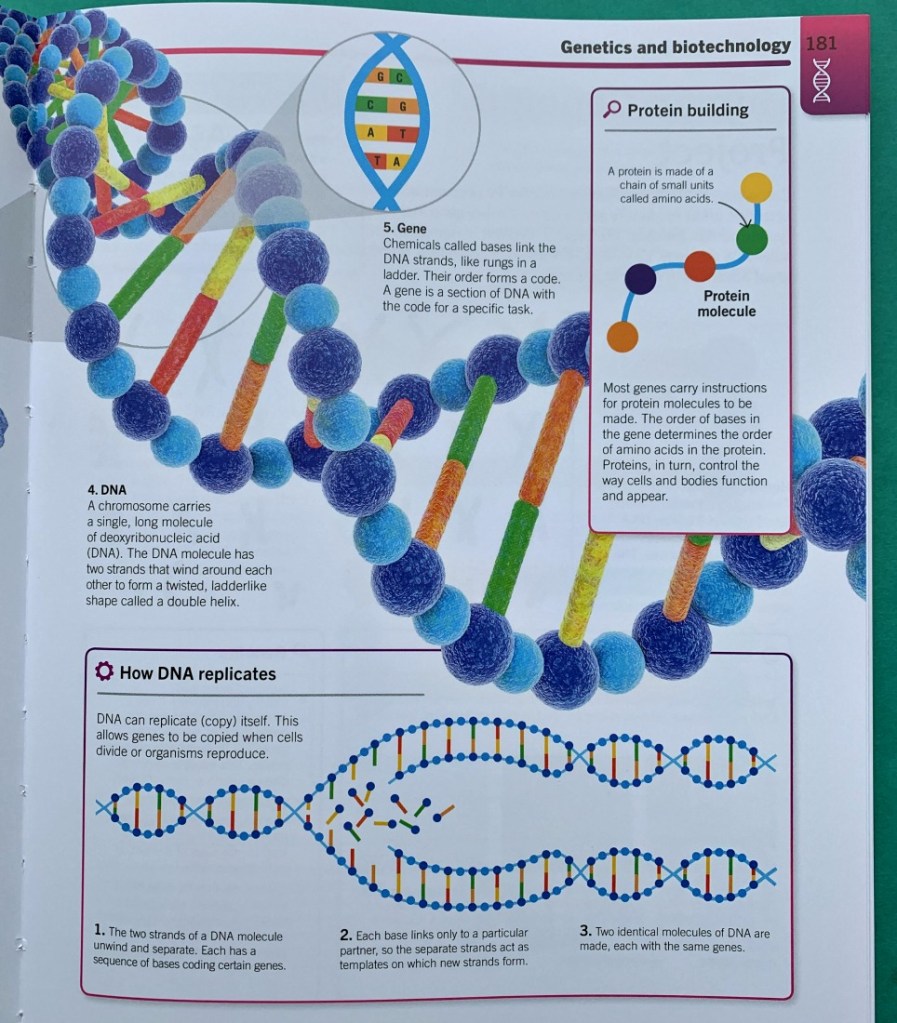
I also really like our Super Simple Chemistry and Super Simple Biology books that we got last year. I like being able to direct my daughter to a book where she can read a slightly different explanation. And these books are really visual gems, lots of brilliant photographs and amazing illustrations which really suits us.

  • Super Simple Chemistry from DK
  • Super Simple Chemistry from DK
  • Super Simple Chemistry from DK
  • KS3 and KS4 Science Book. Super Simple Biology from DK
  • DK Super Simple Biology Book. Stunning Science resource for older kids
  • DK Super Simple Biology Book. Stunning Science resource for older kids

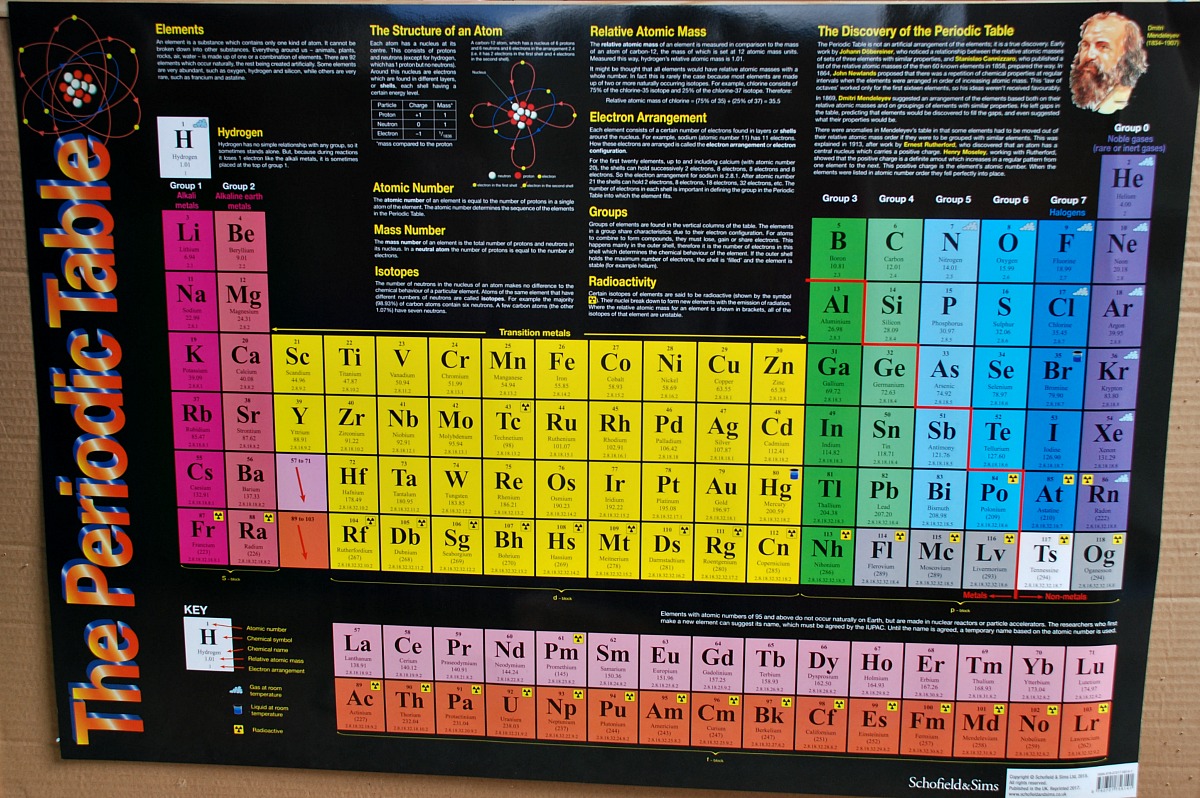
Our Periodic Table Poster (The Periodic Table (Wall Chart)) is now permanently up in our house and it is going to stay. It is really useful to have a nice big version of the Periodic table that we can refer to and honestly, my daughter really has used it a lot so that is staying up.

And then something new, we are subscribing to Mel Science. Which is a monthly science box. We have never used them before so I am really just going on what I have heard and once we have tried them for a few months I will write a review. But it looks interesting and I am hoping that it will help us cement some of our Science theory with fun hands on activities.

So that is our Year 9 Science plan.

For those who are interested these are the Amazon links for the books mentioned.

AQA Key Stage 3 Science Pupil Book 2

AQA Key Stage 3 Science 2 ‘Extend’ Practice Book

AQA Key Stage 3 Science 2 ‘Know and Apply’ Practice Book

Super Simple Chemistry: The Ultimate Bitesize Study Guide

Super Simple Biology: The Ultimate Bitesize Study Guide

Admin – I do include Affiliate links. If you follow an affiliate link and go on to purchase that product, I will be paid a very small commission, however your cost will remain the same. I only include affiliate links for products that we use and love.
Posted in Homeschooling | Tagged , , , , , | 1 Comment

Starting Year 6 Resource ideas

I must confess I do not put as much research into planning for my youngest just because I have done this year before with his sister and I already have quite a good idea about which resources worked well and which ones we are going to avoid.

With my son he tends to do his Maths and English separately from his sister (although he often joins in and reads her English Literature books) and then with his Geography, Science and History we link up. I have found that when it comes to educating two kids it helps if everyone is looking at the same topic even if the activities they end up doing are a bit different. So for example we all read and watch documentaries about World War One together and then the kids work though activities based on their ages. So what is our basic plan for his Year 6?

Maths.

I have become quite a big fan of Twinkl’s Planit section for his Maths. I tend to download a whole section – eg Fractions and then I sort through which lessons and activities we are going to do. In some cases we work through lesson by lesson but in other cases we just select certain lessons. Anyway, which ever way we do it I find the PowerPoint Explanations handy and the fact that most of the Activity sheets have different levels really useful (plus they always include the answers which means the kids can check their work themselves). They also include a general plan which suggests what you need to cover for year 6 and they give you an idea of how long you could spend on each topic (like I said it is an idea – one that is handy to look at but we do not stick to it 100%).

I also have the full set of Schofield & Sims Understanding Maths range which I really like. Each page has a nice brief explanation at the top and then you get a few exercises. I find them handy as I like to make sure we get a wide range of questions with our Maths.

And a new one that I discovered last Year was the CGP Times Table book. Now my son is actually quite good at Maths but remembering the times tables was just not his thing. So last year I bought him both the Year 4 and Year 5 Times Tables book and he worked through them (a double page at a time – which is not long) and I have to admit his ability to remember the times tables greatly improved. So This year just to keep that going I have bought him the KS2 Maths: Times Tables 10-Minute Weekly Workouts – Year 6: ideal for catch-up and learning at home (CGP KS2 Maths)

English

Last year we used the CGP Grammar, punctuation and Spelling workbook and it actually worked really well so I am going to get the Year 6 version for him – KS2 English Targeted Question Book: Grammar, Punctuation & Spelling – Year 6 Foundation: ideal for catch-up and learning at home (CGP KS2 English).

Then because we like tying our English in with our other themes and because he really likes working through the Twinkl original eBooks we are going to cover a few this year. I have already selected – Code Cracking for Beginners and Percy’s Peculiar Plants. But Twinkl are always adding more to this range so I have no doubt we will find some new ones that interest us and do a few more during the year (the worksheets that link up to the eBook always include lots of Grammar practice and often some really good writing activities).

We are also going to make a point of reading some more of the condensed Classics. I want the kids to have a basic understanding of the classics in terms of the plot and the main characters and for this we really like the BIG CAT Books.

Then something a bit different but fun – we subscribe to the Night Zookeeper website. I love this site, it really is English but with a fun spin on it and my son ends up doing a lot more “work” on the site than he ever would if he was working through workbooks or worksheets.

History

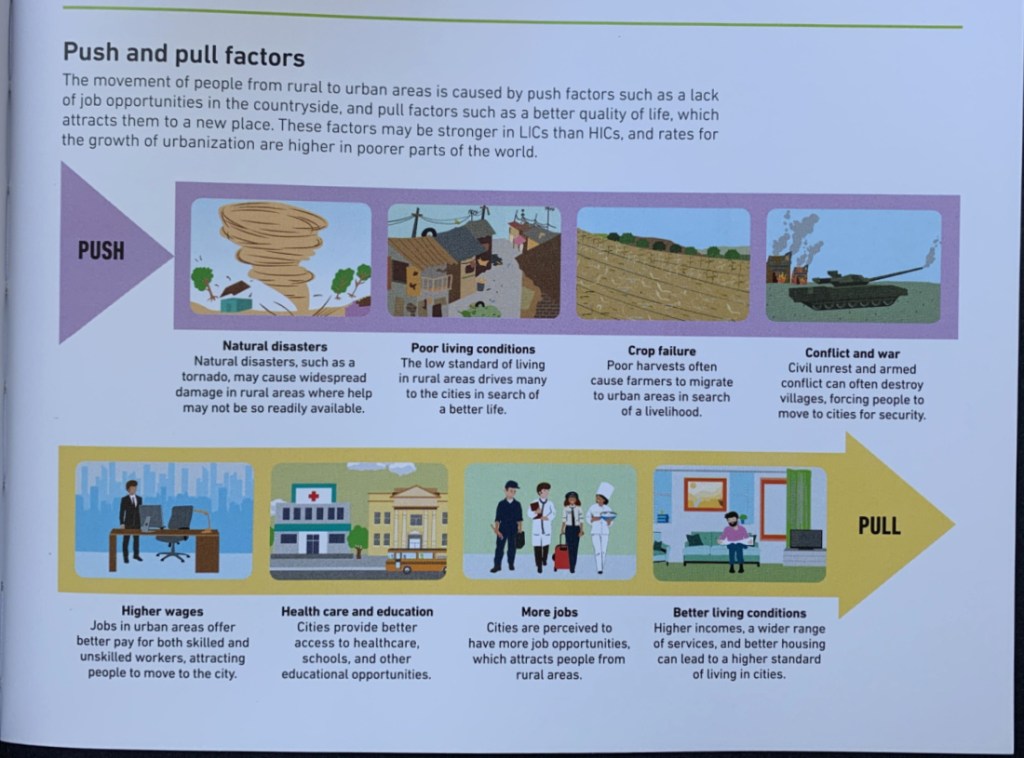
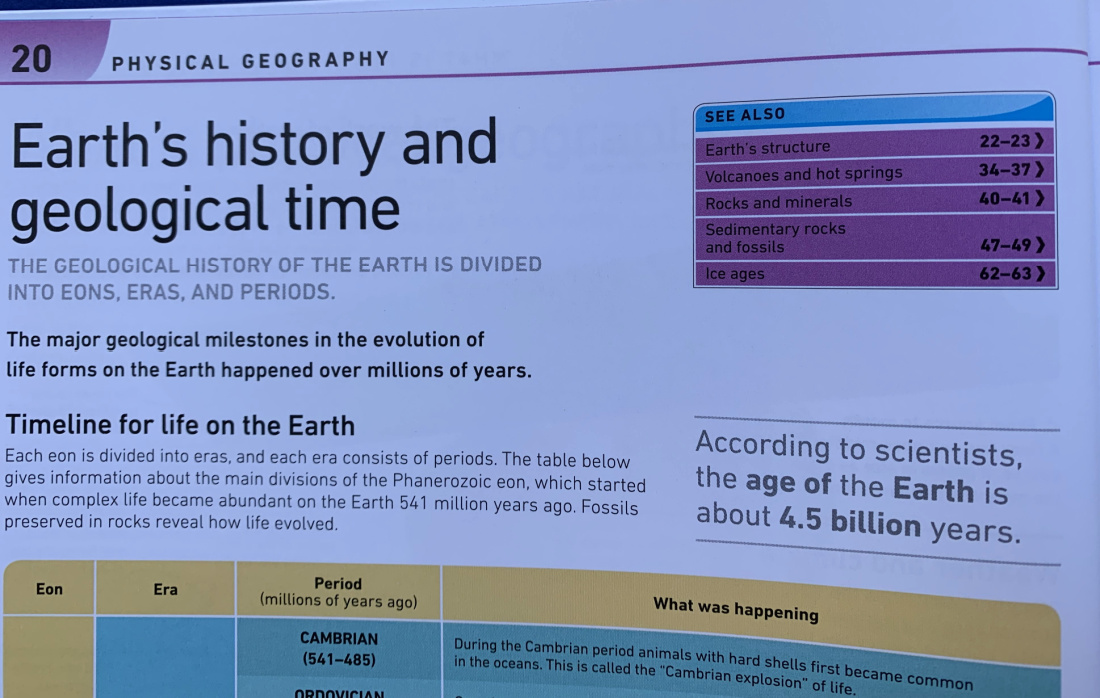
This year the plan is it cover World War I and World War II. I will use his older sister’s History book with both of them (Technology, War and Independence) and we will use other books like these ones – The Story of the First Wold War for Children and The Story of the Second World War for children.

We are also going to cover Ancient Greece this year. Last year he used a few CGP Student book and workbooks for his Geography and he really enjoyed them so we are going to give their Ancient Greece books a go ( KS2 Discover & Learn: History – Ancient Greeks Study Book: superb for catching up at home (CGP KS2 History) and KS2 Discover & Learn: History – Ancient Greeks Activity Book: ideal for catching up at home (CGP KS2 History)).

Science

We often link his Science in with his sisters and actually he manages really well. This year I want to do a big section on Electrical circuits – he has a set that he loves using so he already has a good understanding on how it all works. We are also going to work through the Electrical Circuits topic pack from Oaka. Now this set is for KS3 ages and my son is still KS2 but he did some pages out of KS3 packs last year and he was fine (he does seem to “get” Science so I am also purposely going to challenge him a bit with Science this year).

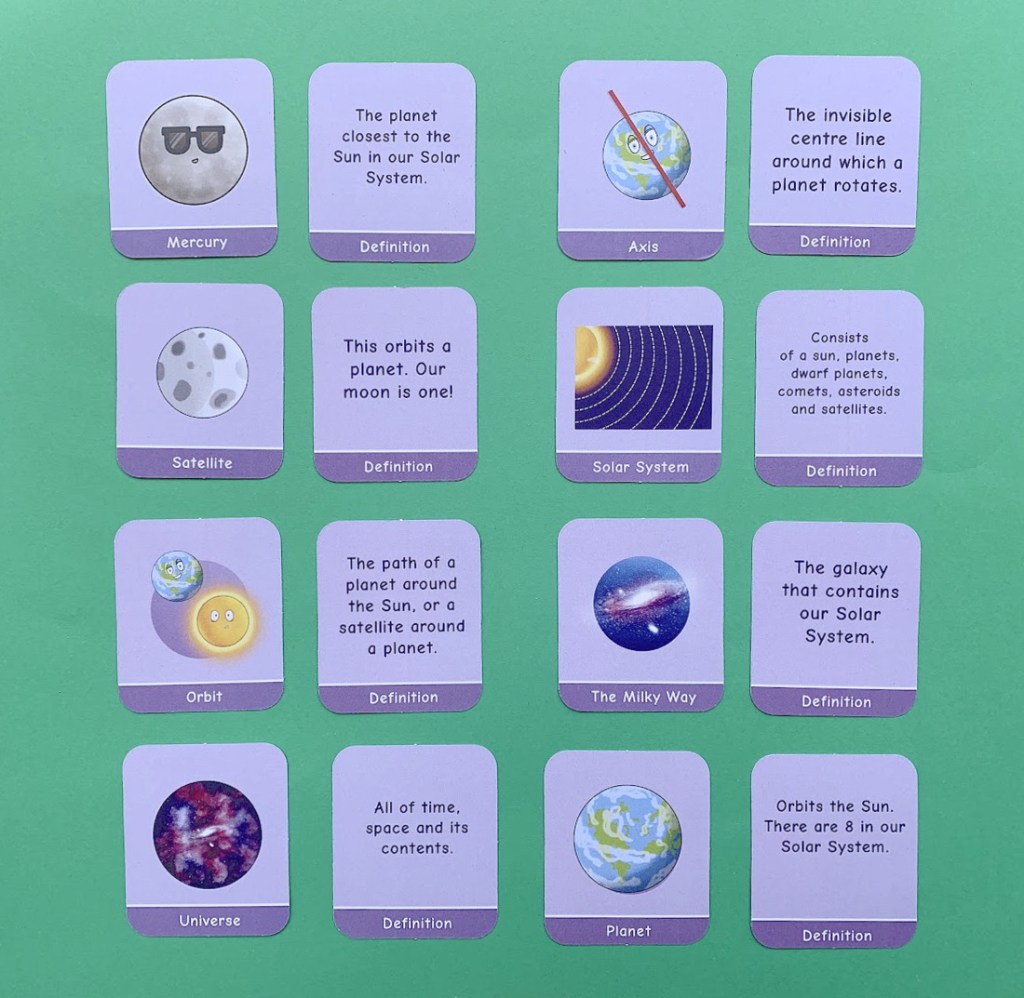
And we also want to work through the Skeletons and Muscles pack and possibly the Solar System pack.

We also have all three of the KS2 Science board games from Oaka Books which I really like using and I know we will continue to play and learn with these games this year.

Space Race Game by Oaka Books

Geography

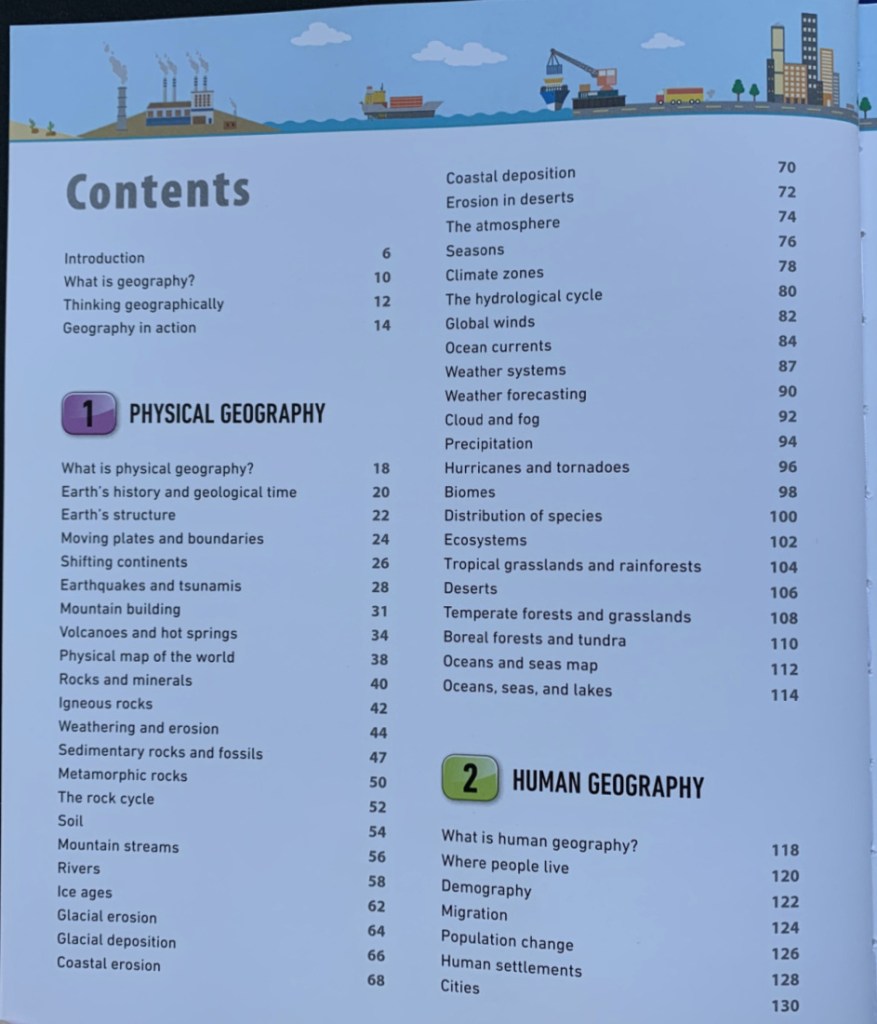
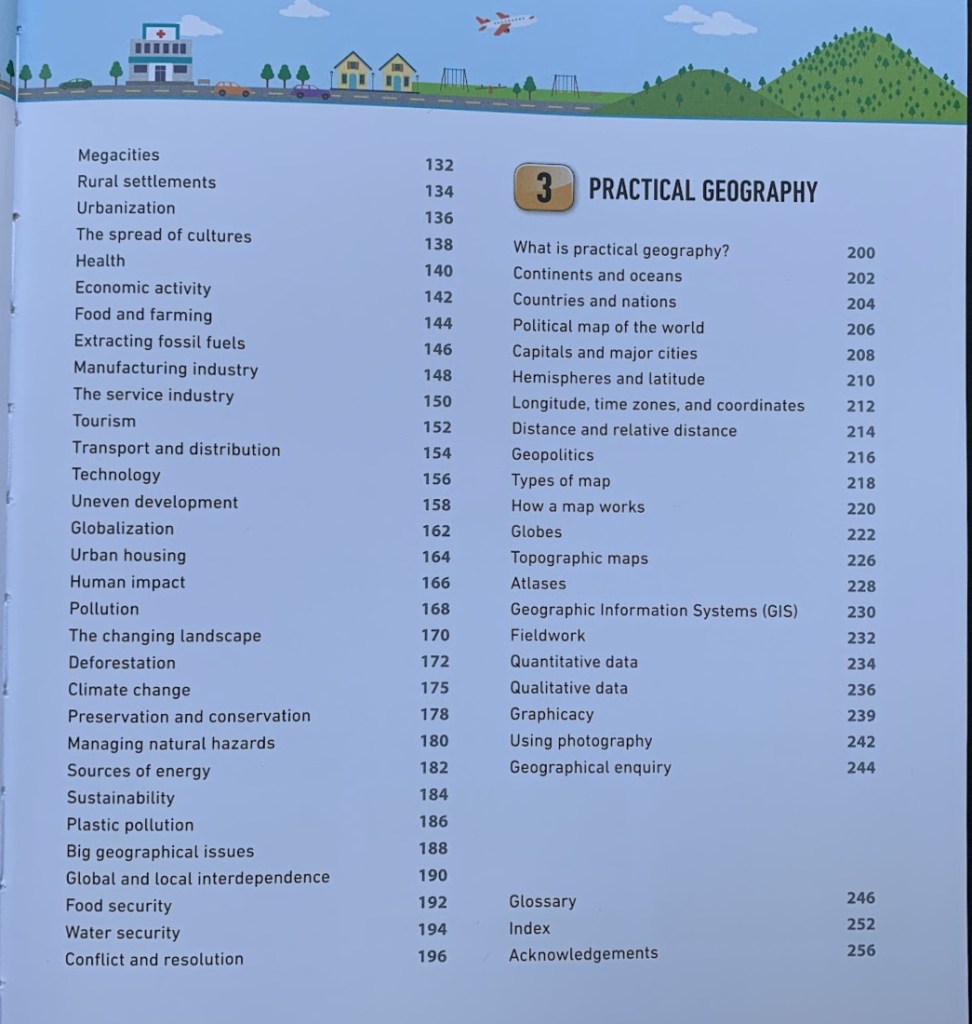
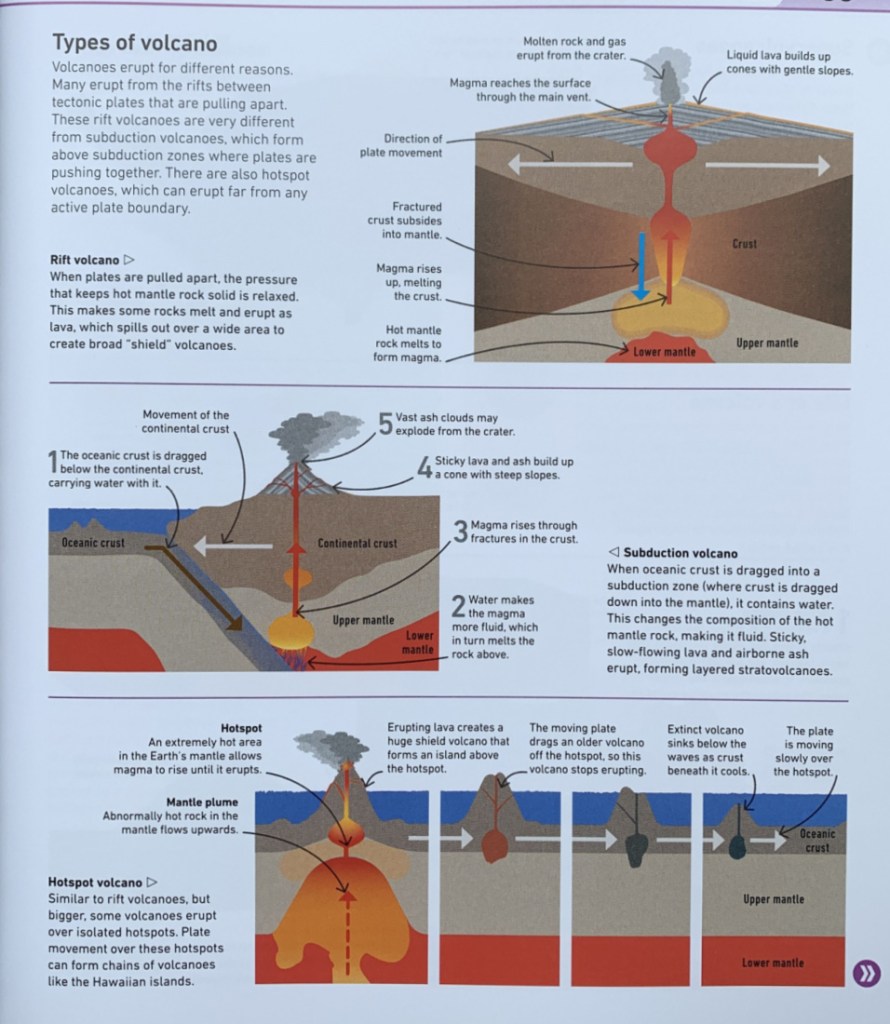
Again we will link most of his Geography with his sister in terms of topics. I know we are going to revisit Volcanoes, earthquakes and the Rock cycle (so I will probably get the CGP set for this KS2 Discover & Learn: Geography – Volcanoes and Earthquakes Study Book: superb for catching up at home (CGP KS2 Geography) and KS2 Discover & Learn: Geography – Volcanoes and Earthquakes Activity Book: ideal for catching up at home (CGP KS2 Geography)). And we are going to do some country studies. He really enjoyed working through the UK and Europe CGP Books last year so I think I am going to get him the American set ( KS2 Discover & Learn: Geography – North and South America Study Book: superb for catching up at home (CGP KS2 Geography) and KS2 Discover & Learn: Geography – North and South America Activity Book: ideal for catching up at home (CGP KS2 Geography)).

Art

My son is actually teaching himself how to draw and I am leaving it to him to do his own way. I actually did Art and I love drawing and painting but he does not want to be “taught” he just wants to be left to experiment and discover drawing by himself. And in all honesty he is doing an amazing job, he is always drawing and creating pictures and they are really good so I am leaving him to continue in this way and when he asks for help or advice I help him.

So that is our starting point. We always make changes and add in stuff during the year but I think it is a good point from which to start for his Year 6.

Admin – I do include Affiliate links. If you follow an affiliate link and go on to purchase that product, I will be paid a very small commission, however your cost will remain the same. I only include affiliate links for products that we use and love.
Posted in Homeschooling | Tagged , , , , , | Leave a comment