The London Eye Mystery

I had seen this book – The London Eye Mystery mentioned on a few different book lists for kids in the 10 years and over range, but for some reason I had never looked at it for my kids and then on one of my library trips I spotted in on the shelf and had a quick read of the blurb at the back.

And I was immediately interested (just shows how important those blurbs are). I was drawn to it because of the lines – “Had he spontaneously combusted (Ted’s theory)” and “It’s up to Ted, whose brain runs on its own unique operating system”. Those two lines made me think this may be about a character (Ted) who is possibly neurodiverse and I want stories (positive stories) that feature characters who are different to the norm, characters who may possibly be on the spectrum, characters who have to face some extra challenges. So just based on that I borrowed the book and I pre-read it. And the reason why I pre-read it was I wanted to make sure that if the character was neurodiverse like I suspected, he was written in a positive light (we have recently read something about a child with autism and the piece left my daughter and myself upset because it was actually very negative). And let me stress that I understand that some of the challenges facing neurodiverse people can be difficult, I truly do understand that but I want my kids to read stories with characters who face those challenges in a positive light, so they can see that being on the spectrum may have its challenges but it is not all doom and gloom, that there are lots of people out there who are finding a path for themselves even with the extra challenges.

Okay so that is why I was interested in reading this story. And it did not disappoint. It is a fun detective story and the main character Ted is Autistic (he is high functioning) and he does have challenges and the author does not shy away from those. In fact there are scenes where his family get frustrated with him because of his differences but the family are not cruel about it, it is more an honest account of what living with autism is like. And in the story you read of how Ted finds ways to help himself cope and how he is also able to use his unique way of thinking to help solve problems. That is what I really appreciated about this story, it is honest, but it points out how differences can be positives if we just accept the person as they are and help them find ways of coping and fitting in that suits them.

And for those of you with sensitive readers – yes a kid does go missing and they do mention that they find a dead body, but it is not the kid who is missing. He is eventually found and he is unharmed.

My daughter who is what I consider a sensitive reader enjoyed this story, she did not find anything upsetting in it. She liked the mystery and she appreciated the happy ending. She also really enjoyed reading about Ted, about how he was able to use his different way of thinking for something really positive. And I found after she had read it we actually had a great discussion where we were able to compare Ted to another autistic character from a different book. I really think this is powerful when authors are able to create characters that spark conversations, conversations that help us, the readers understand other people and the way they react to situations better. I actually wish I could find more books like this. Really it is one to read just for the simple fact that Ted is so well written.

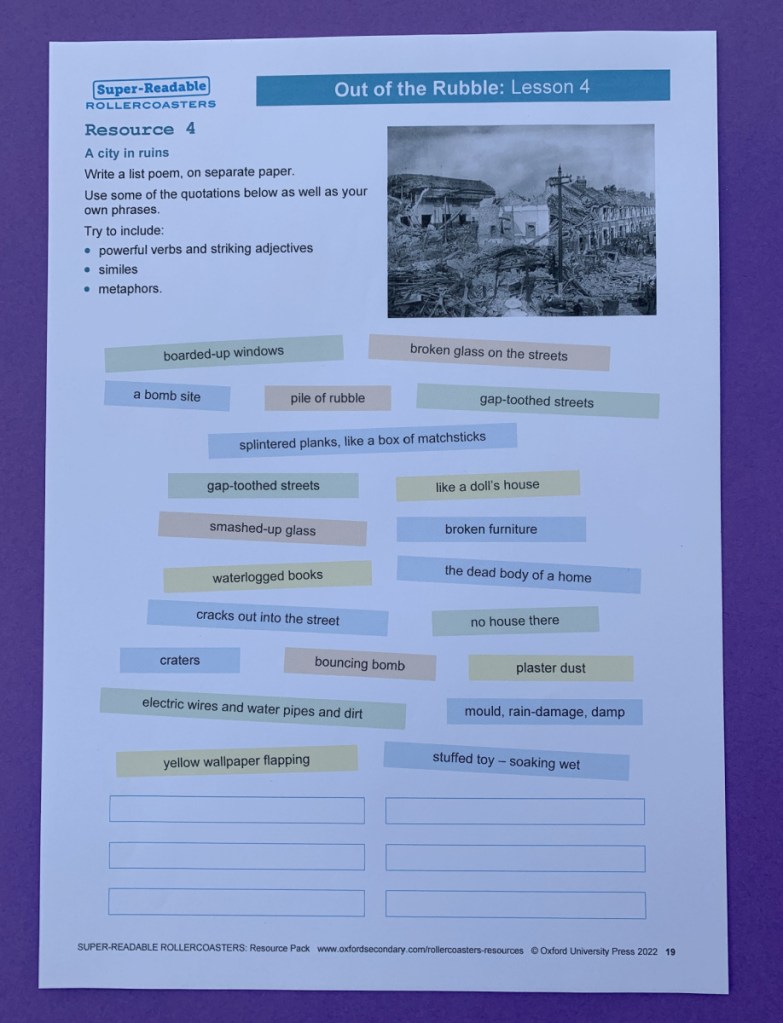
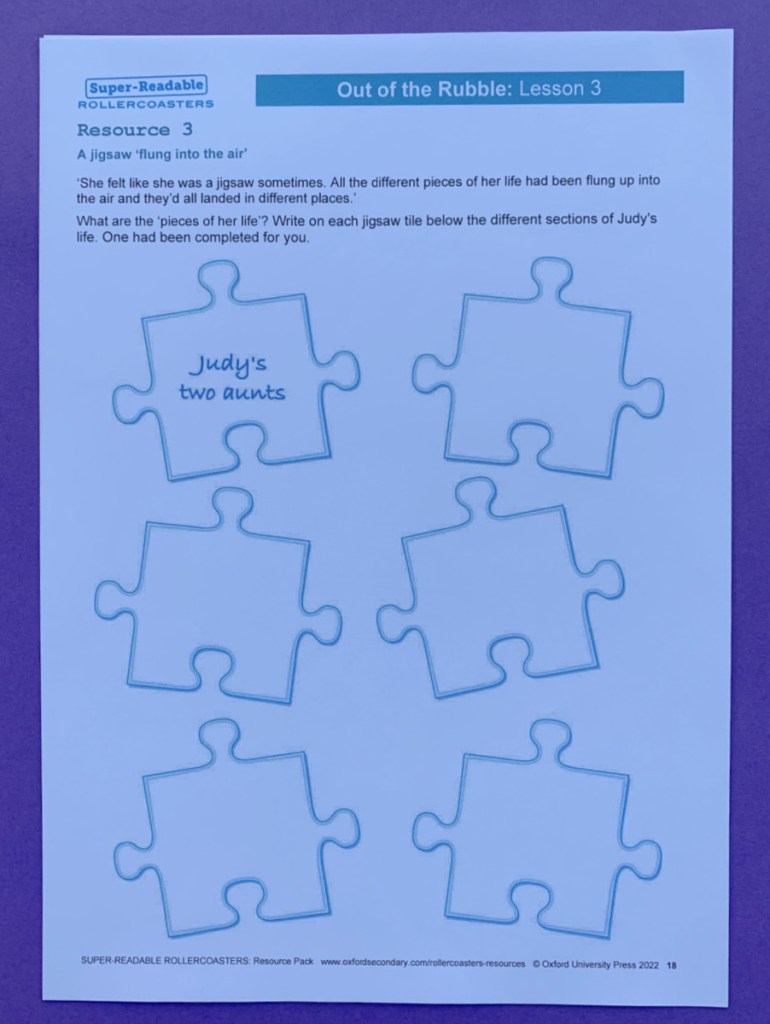
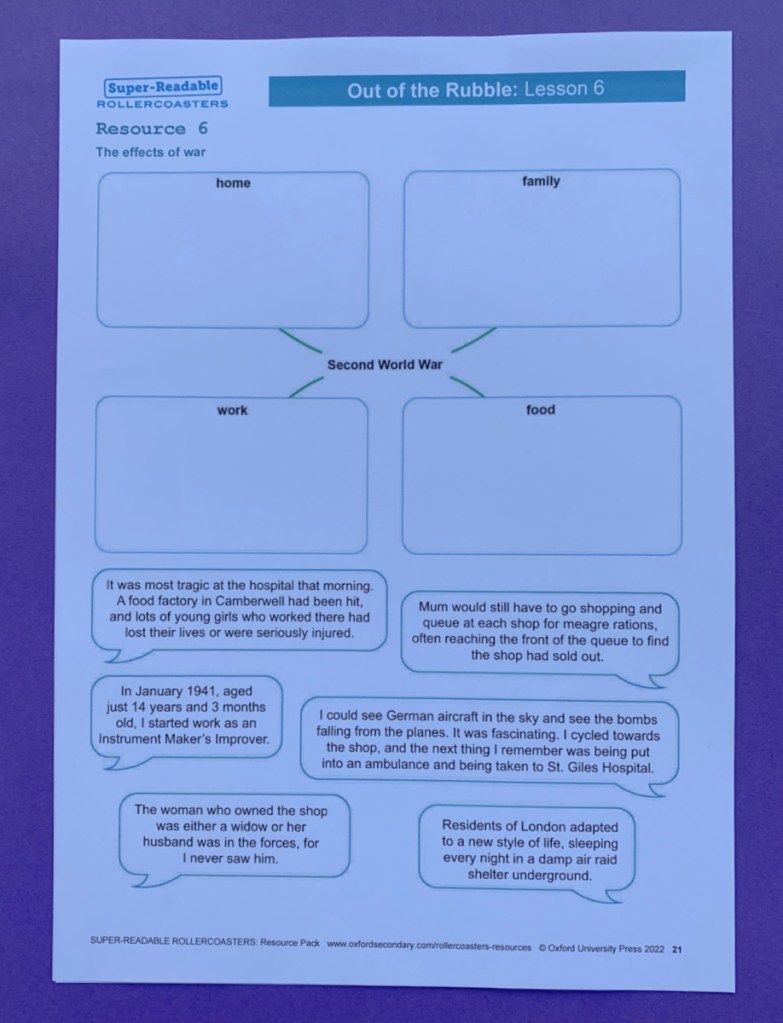
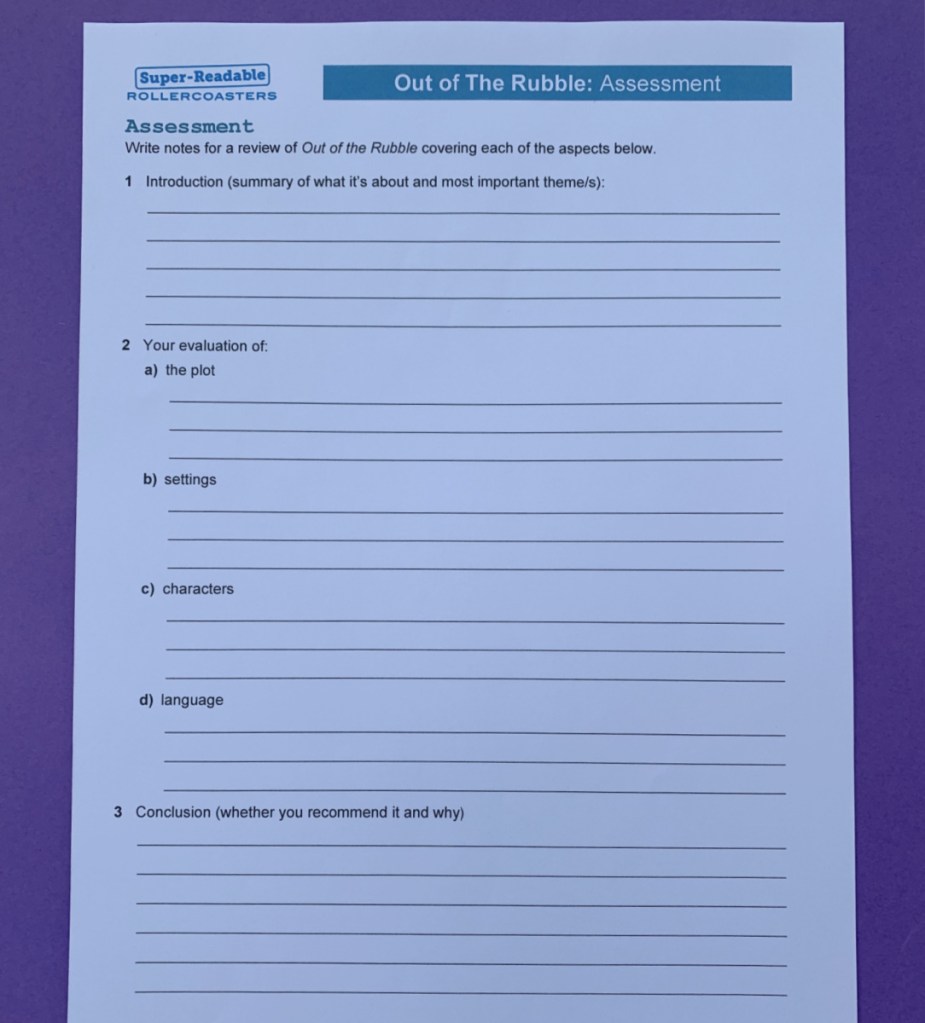
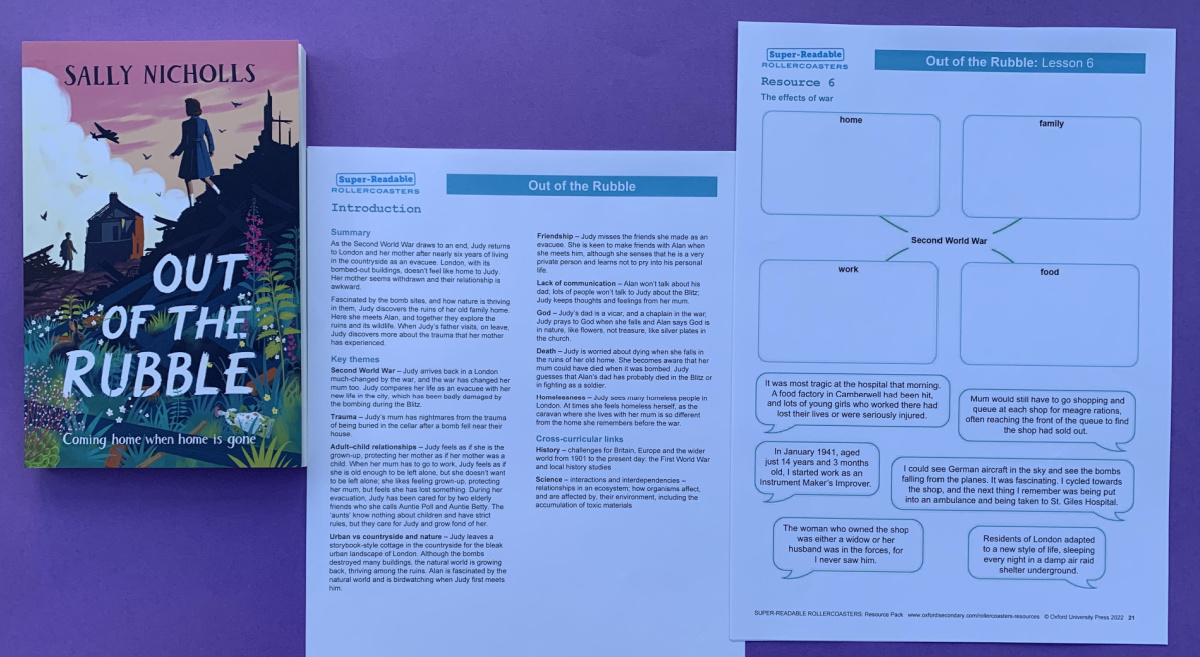
Okay so one of the other things about this book is you can use it as a English unit. In fact I am thinking of using it with my youngest as one of his Year 7 books. You can download a FREE pack of resources from the Oxford University Press site which link in with this story – Resources for The London Eye Mystery. We have used these Rollercoaster resources with quite a few of their books and I have found them very useful (plus I love that they are FREE to download)

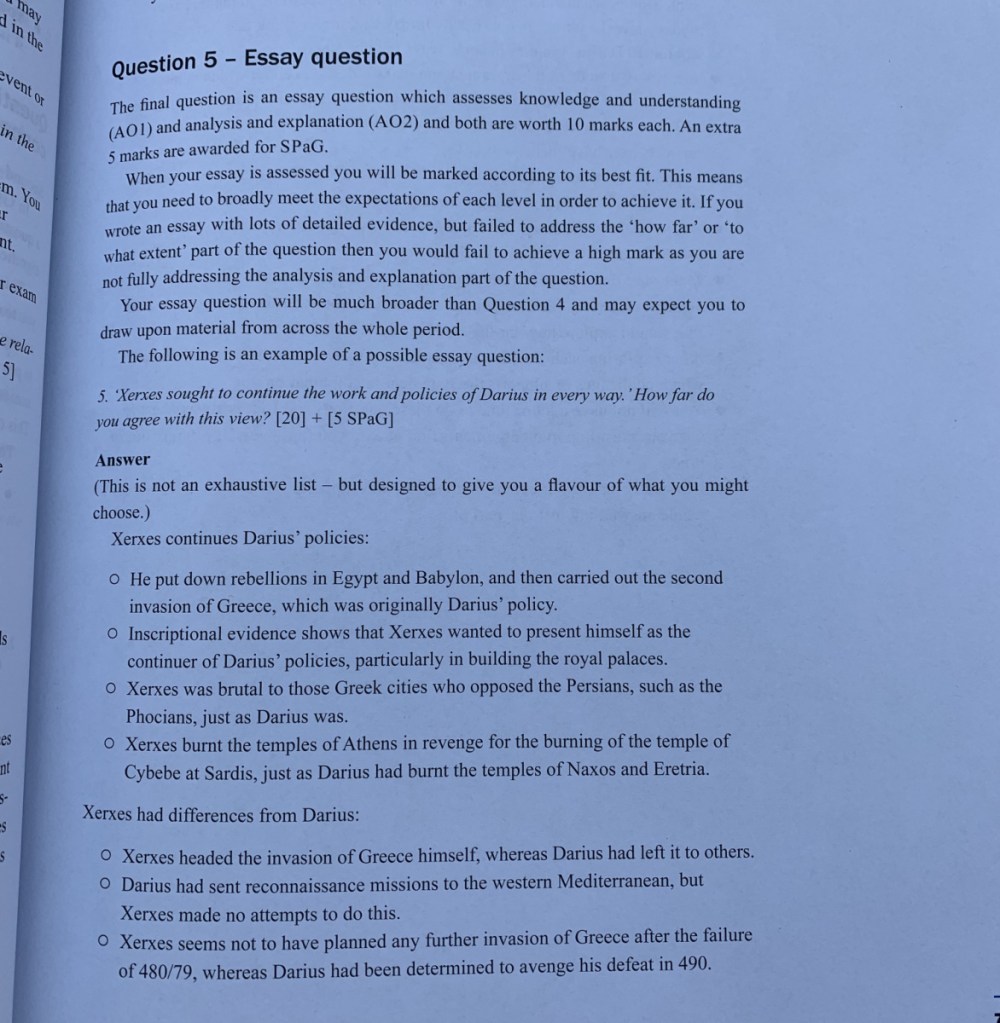
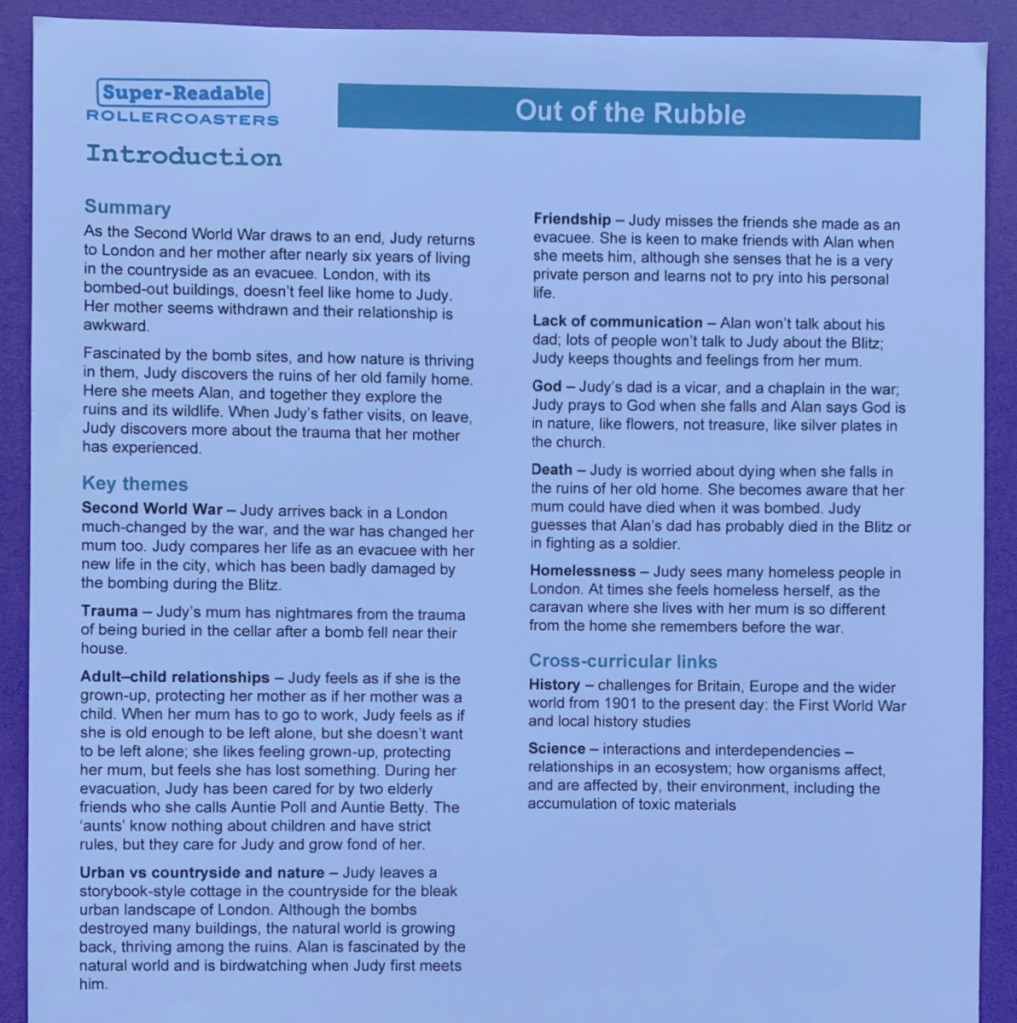
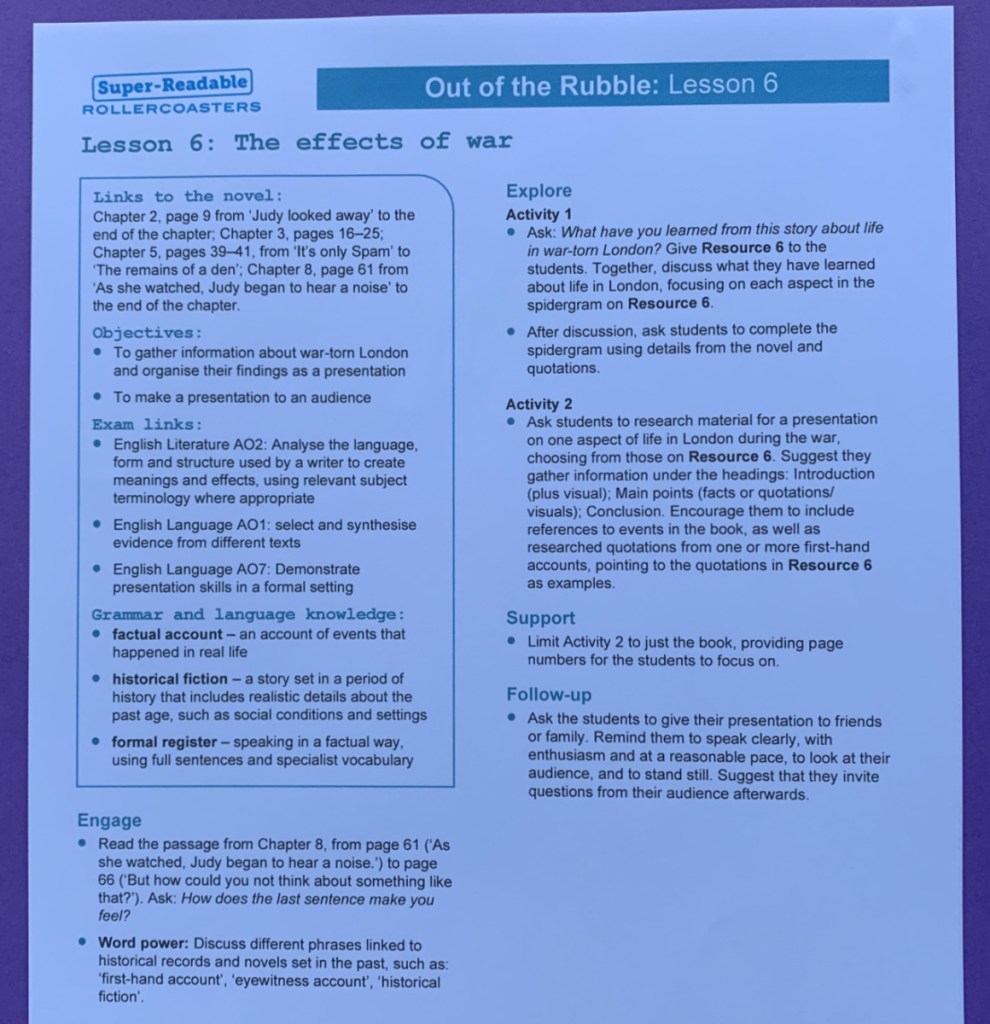
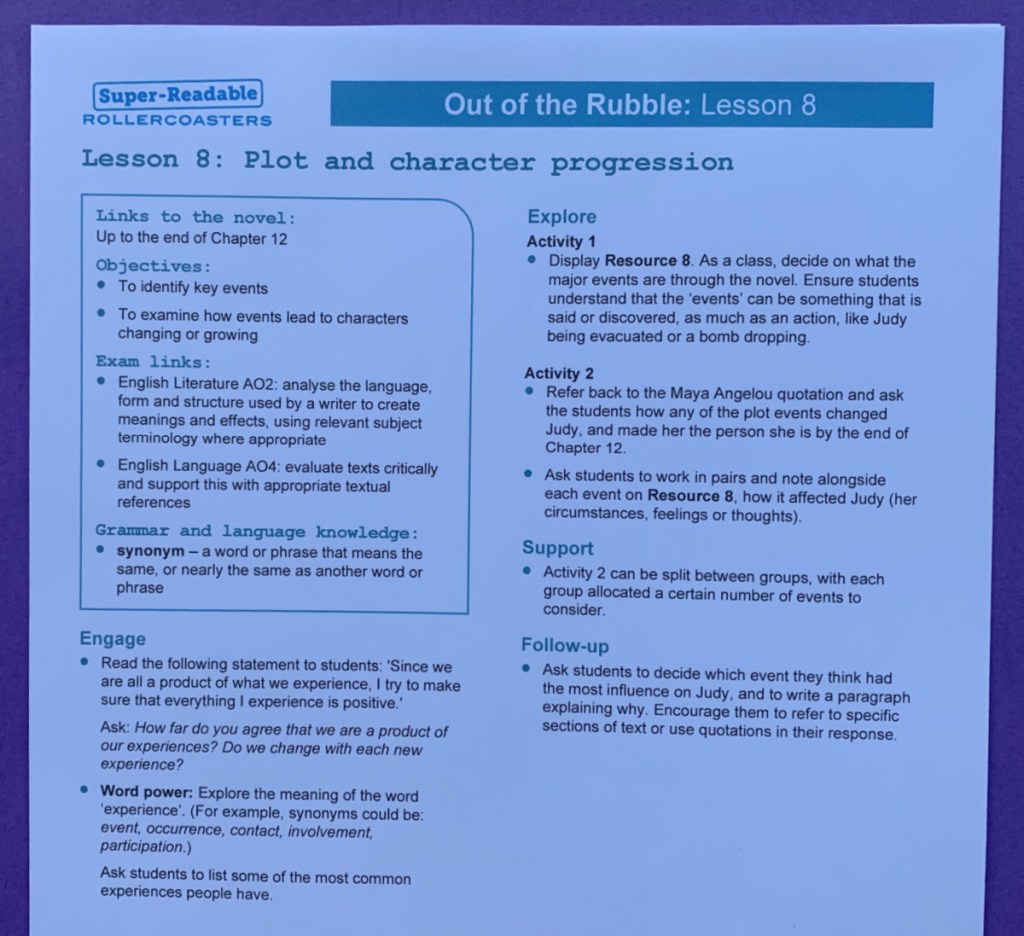
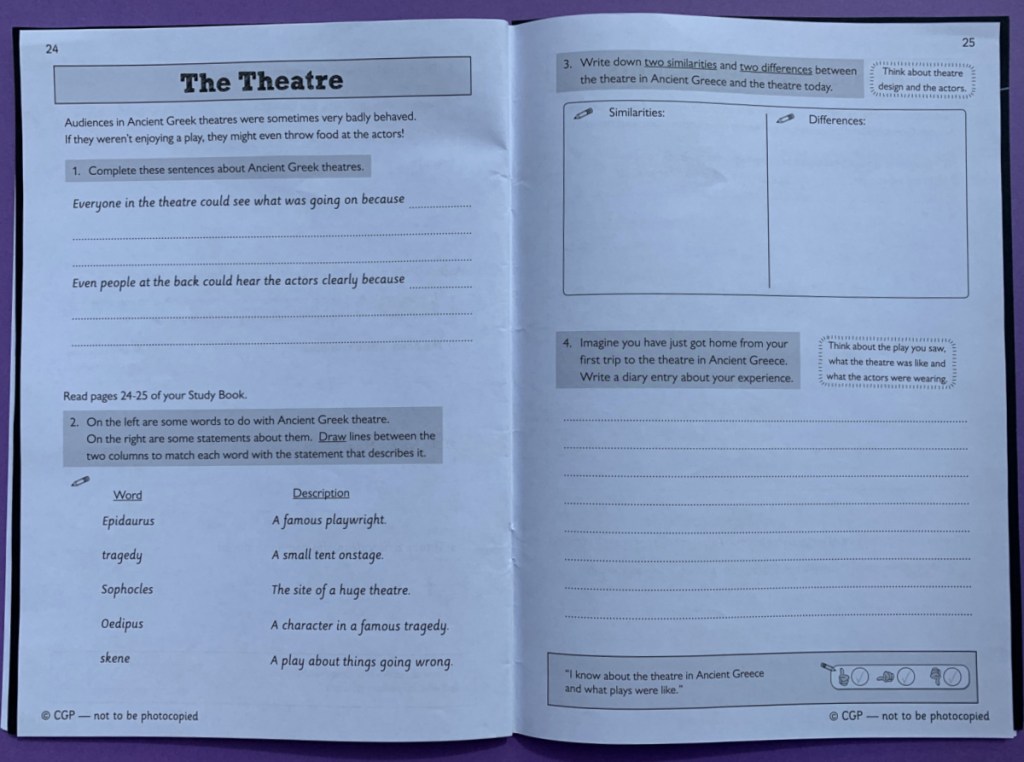
The pack starts with an Overview scheme of work. This basically is a summary of what the lessons are going to cover and how they link into each chapter. (sorry not the best pictures, my printer was not printing out the pages nicely).

There is a plot summary (if you have not had the chance to read the book before you start using it with your kids I would recommend that you read this summary so you know what to expect.)

Then you get a suggested lesson plans and linked activities. Now, one of the reasons why I like these packs is because the linked activities are always varied and interesting. In this pack they have included things like idioms, writing a police incident report, an advertising campaign, figurative language, tension tracker and an infer and deduce activity (as well as others). Really a nice variety.

My daughter and I both highly recommend this book. And if you are a home educator it is worth having a look at the resource pack, you just might find some useful activities to link in.

We got our copy of The London Eye Mystery from our library but you can also get a copy directly from amazon – The London Eye Mystery

Admin – I do include Affiliate links. If you follow an affiliate link and go on to purchase that product, I will be paid a very small commission, however your cost will remain the same. I only include affiliate links for products that we use and love.

Posted in Homeschooling | 4 Comments

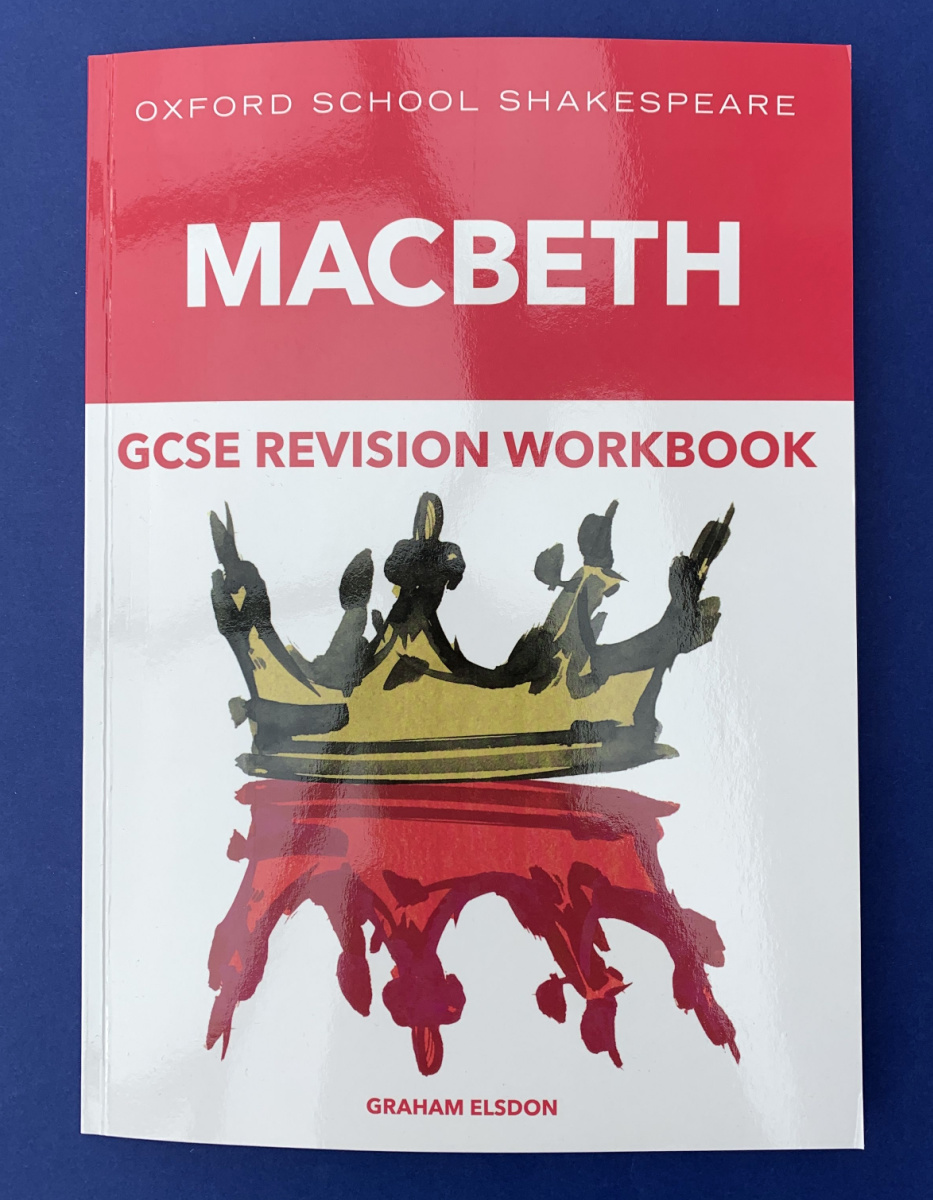
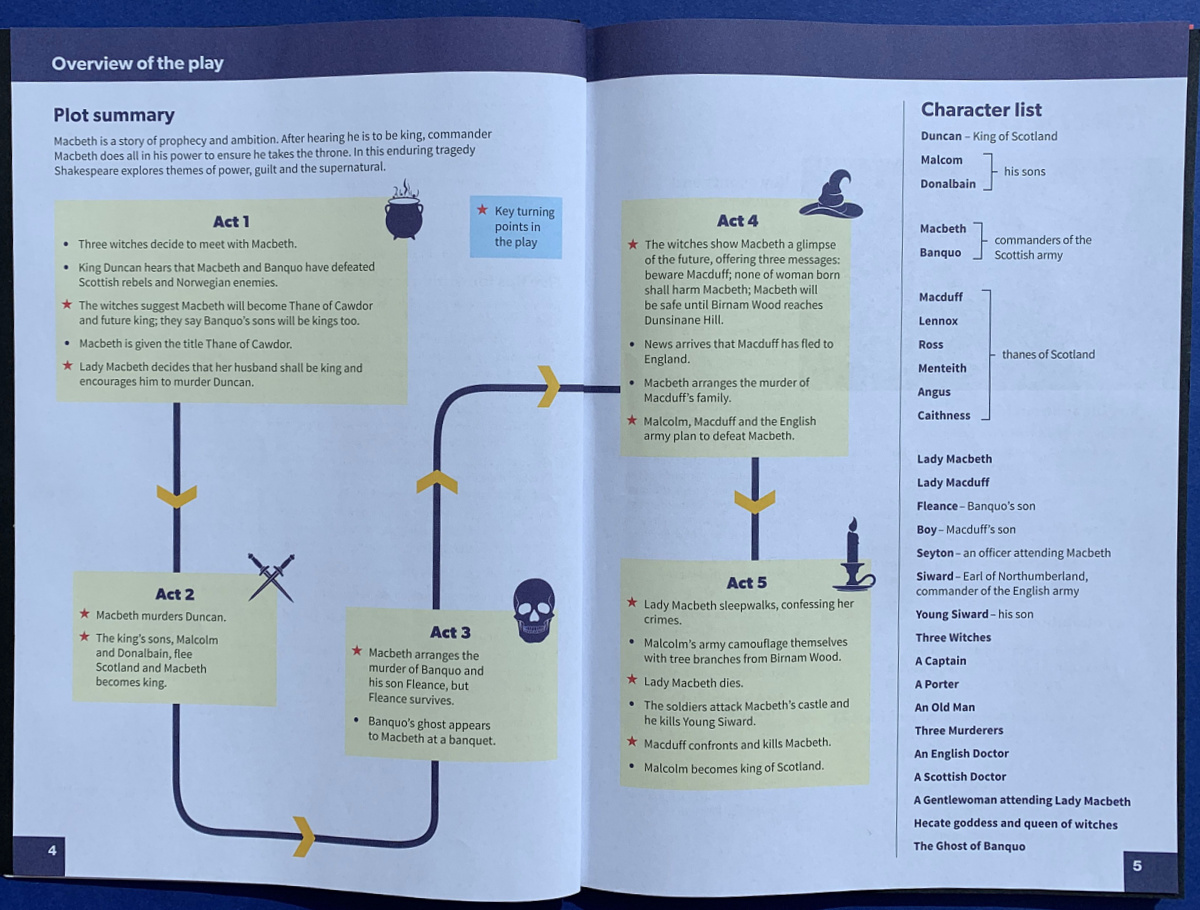
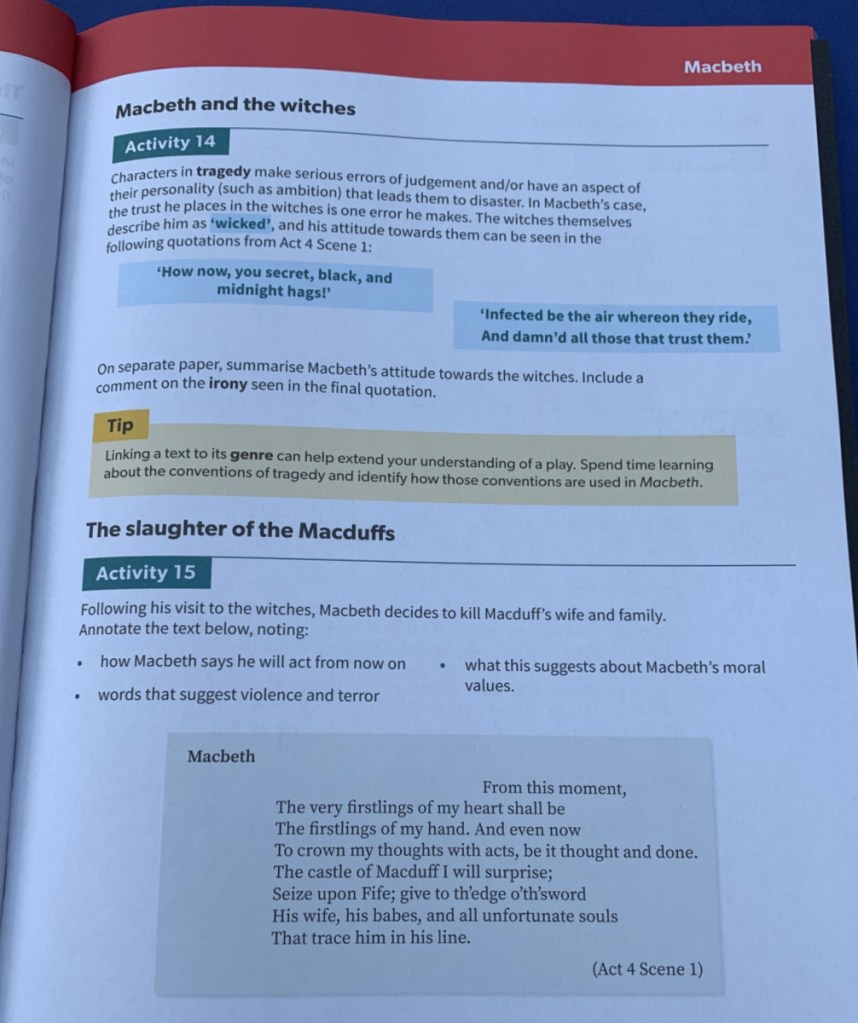
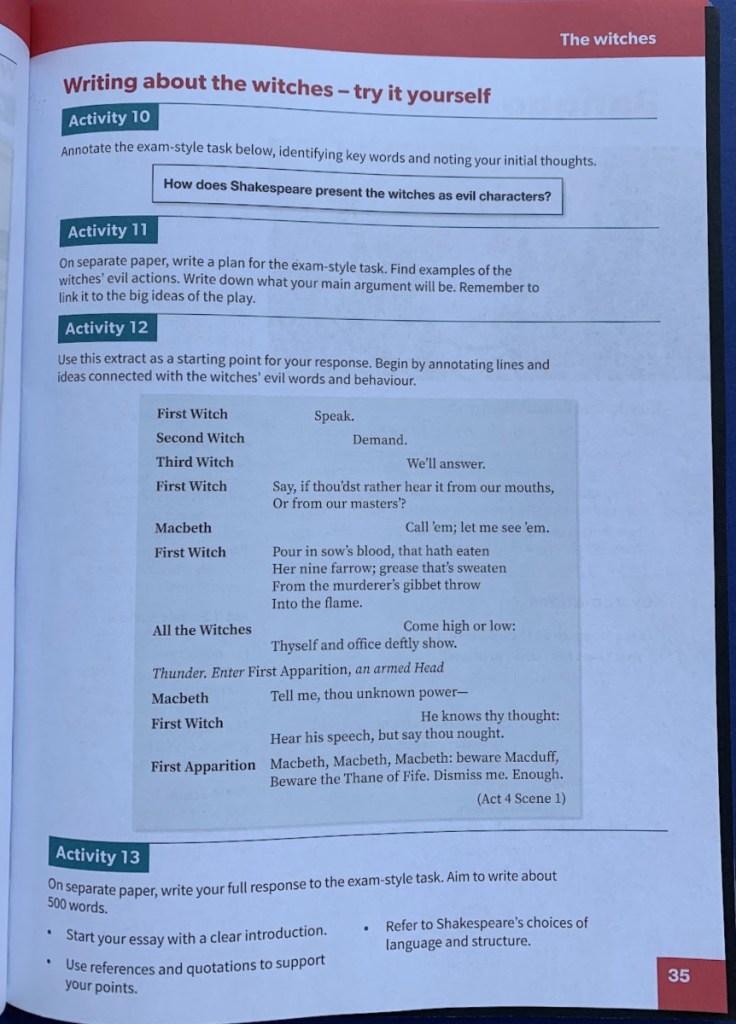
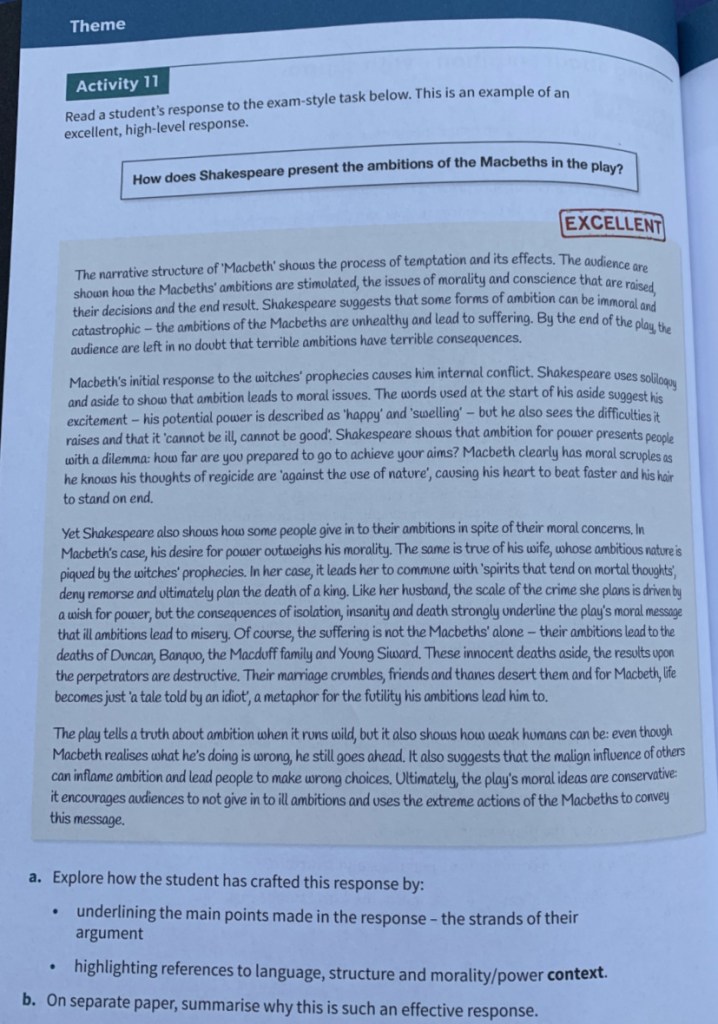
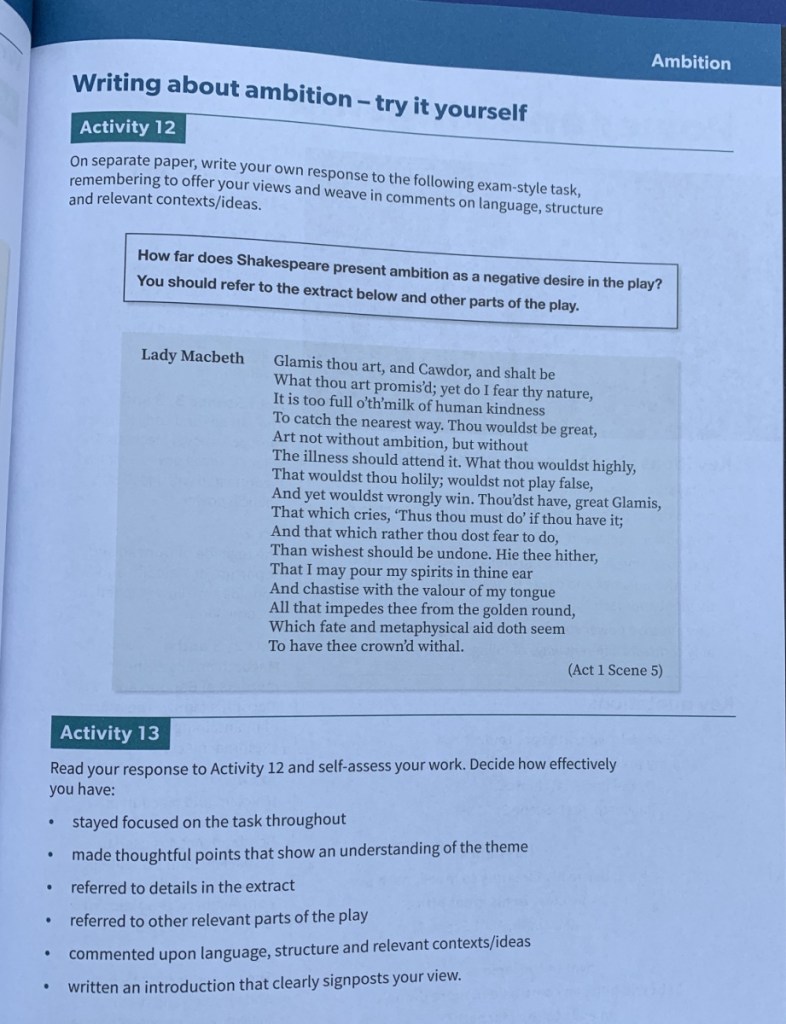
Macbeth GCSE Lesson Unit from Twinkl

For part of my daughter’s Year 9 Literature she choose to read Macbeth and as we are so close to her starting to work on her GCSE’s I decided we would have a go at using some of the GCSE Macbeth resources with her.

We have used a number of the English Literature units from Twinkl’s Beyond section before and we have enjoyed using them so I thought we would give their GCSE Macbeth Unit a try. The entire unit consists of 20 lessons, the lessons start with the first scene of the play and continue right the way through (some lessons only cover 1 scene others may cover 3 scenes in a lesson, it just depends how significant the scenes are). In each lesson you get a lesson plan, a Powerpoint presentation, some activities and extracts of key text. Now I must point out although they do include extracts of key sections of the text which you can print out it is not the entire text so you do need to have a copy of the play to read along as you work through the lessons.

We worked through every lesson (in order) and in every lesson we went through the Powerpoint presentation as we read the allocated section of the play. The Powerpoint presentation, walks the kids through the selected section, explains things like context or terms and then also guides them through the activities provided. I loved these Powerpoint docs, they were just what I needed to guide us through the play in a logical step by step manner.

I have to admit we did not print out or use the text extracts that are included because we just used our RSC Macbeth book but I do think some users may find these useful. We did love the idea of the Summary doc – where the kids had to write a sentence or two explaining what happened in each scene and we liked the activities included.

We probably did 95% of all the activities included and we thought they included a nice variety in the types of activities. It was not just straight forward boring worksheet but they had things like the scene ladders (loved this idea), true and false documents and converting text into modern language. The variety in terms of the type of activity that they included does help to keep the sessions interesting.

For some of the activities they do include answers but they are a few where no answers where included (the questions where there could be a wide range of answers). My daughter did say that just having a basic exemplar of what a suggested answer could look like, just a rough guide (even if it is a case of there being lots of possible answers) would have been nice.

We worked through the whole unit in roughly five weeks. And I do feel that by working through each lesson we have covered the main characters, how their characters developed, the key events and the themes that run through the play. I was happy with the scope of these lessons.

Both my daughter and I enjoyed working through this unit and we would recommend it for anyone reading Macbeth.

Posted in Homeschooling | Tagged , , , , , , , , | Leave a comment

Raven Boy – historical fiction set in 1666 London

When I first spotted this book and saw the blurb on the back I was immediately intrigued – a story about a young boy living through the Great Plague of 1666 and the fire of London, who also befriends a Raven. The Great Plague and the Fire of London are two significant events in the History of London and the Tower of London,a significant building. That just sounded like a great setting to me, plus the added Raven angle (my kids enjoy it whenever animals are included) so naturally I had to give it a read and I must admit I really enjoyed it and so did my daughter.

They story centers around a young boy – Nick who is living in London with his mother and younger sister (his father died fighting for the King), right from the start you can see Nick is a hard working young boy who is trying to keep his family together in very tough circumstances (money is in very short supply). Nick’s mother catches the plague so Nick takes his sister away so she does not also catch it. He drops his sister off with a caring couple and he disappears with the intent to somehow kill the King (he blames the King for his father’s death). And then a lovely little twist, he meets a raven and ends up “following” the raven into the Tower (well he has to bluff his way in). I really enjoyed the way the author managed to include a raven in the story the way she did, it was so natural, Nick meeting the raven but it also just tied it all together. Ravens are one of the symbols that you think of when you talk about the Tower, they are intertwined with the Tower’s stories so I thought bringing one in and building up this friendship between the bird and Nick was perfect for this story.

The story unfolds as Nick comes to grip with life as a servant in the Tower, he friendship with the Raven develops (we enjoyed this angle), he even meets the King but then the fire starts and Nick once again finds himself in the thick of things.

It is a sweet story about a young boy struggling to make a life for himself in a very harsh time. And yes the character of Nick is fictional but the events are true and the way the author writes about life in 1666 you do end up thinking how there must have been lots of boys like Nick, with no parents, no money and no real hope. For a fictional story it does just ring with truth about that time period.

The whole story itself was 158 pages long, followed by a few pages of notes from the author about the characters and events (I always love it when the author includes this) so it is a shorter read but it is an interesting read. My daughter read it as an independent book (is she read it to herself) but if you are a family who does family reads (when you all read a book together) then I do think this would be an interesting one to read together especially if you are covering that period in history.

Posted in Homeschooling | Tagged , , , , | Leave a comment

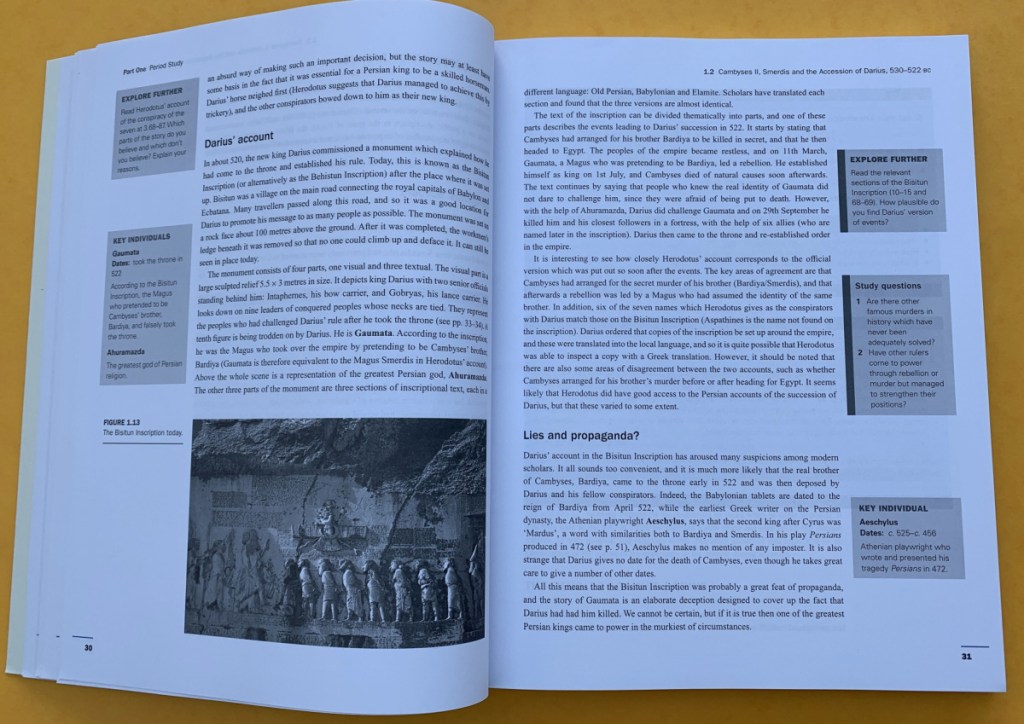
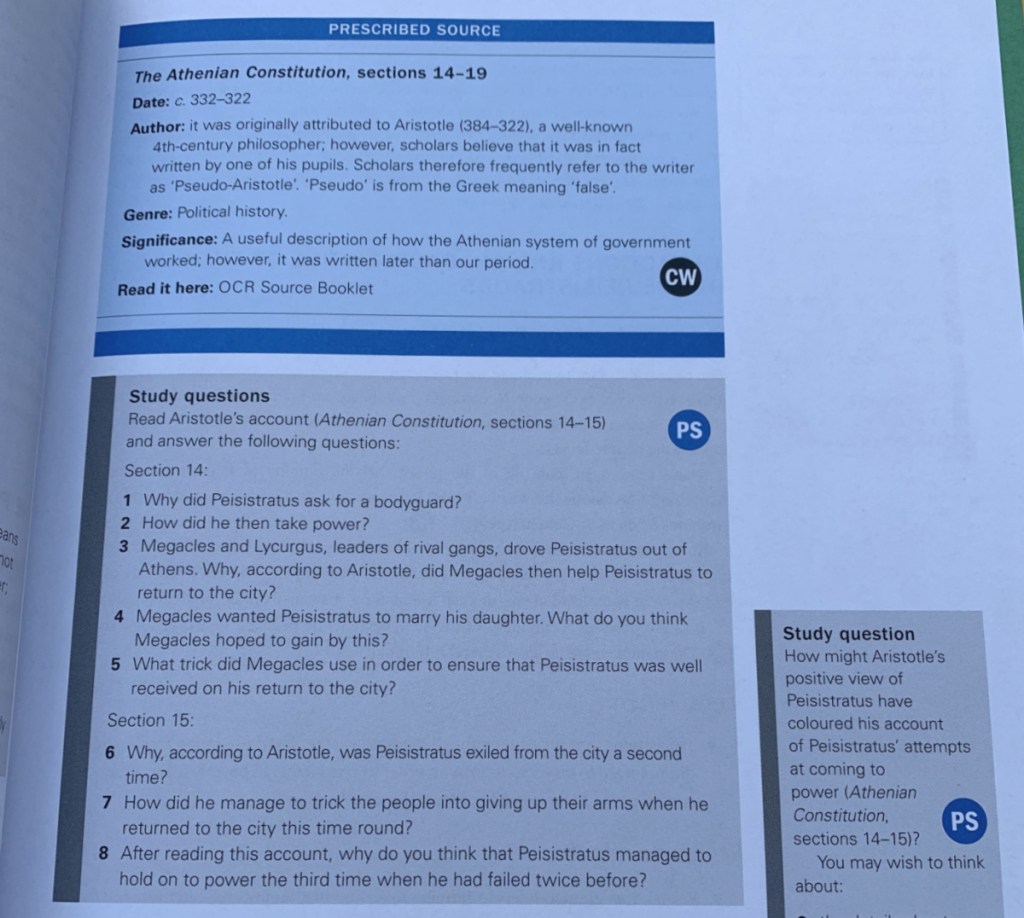
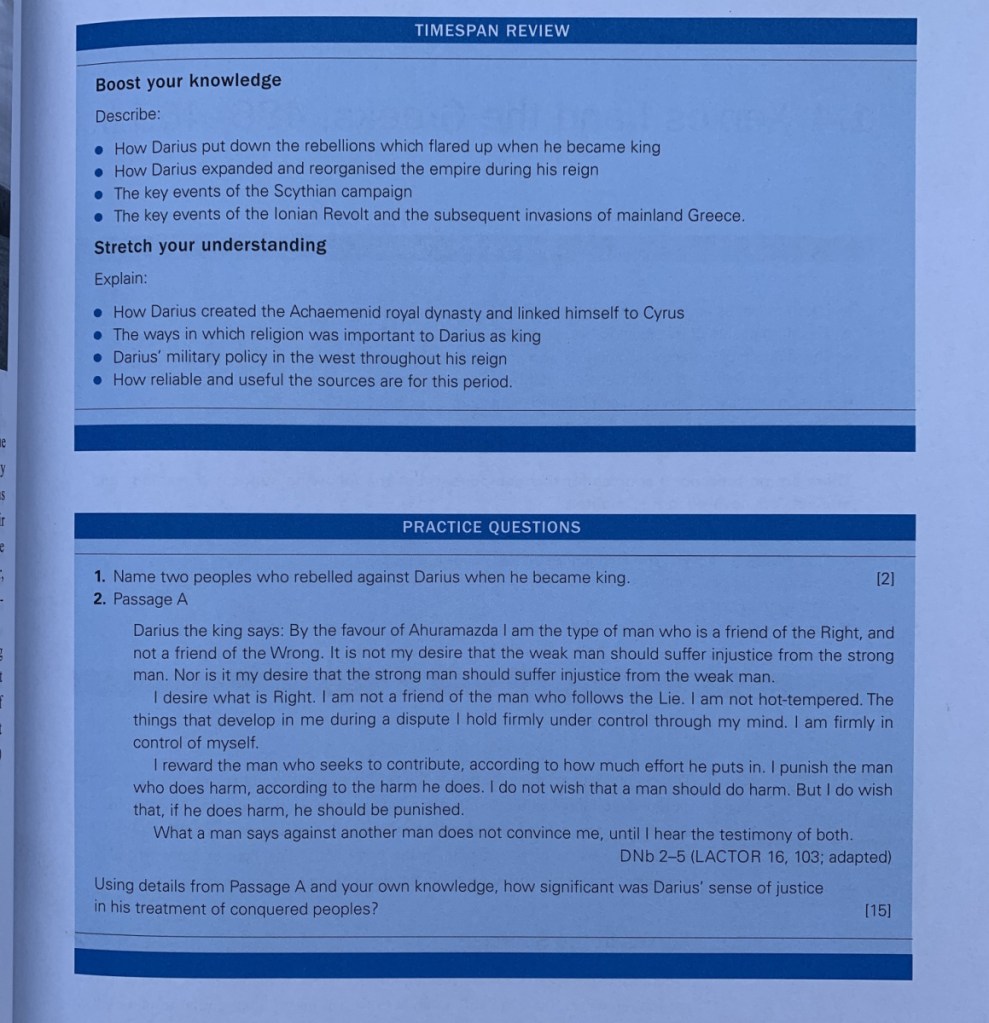
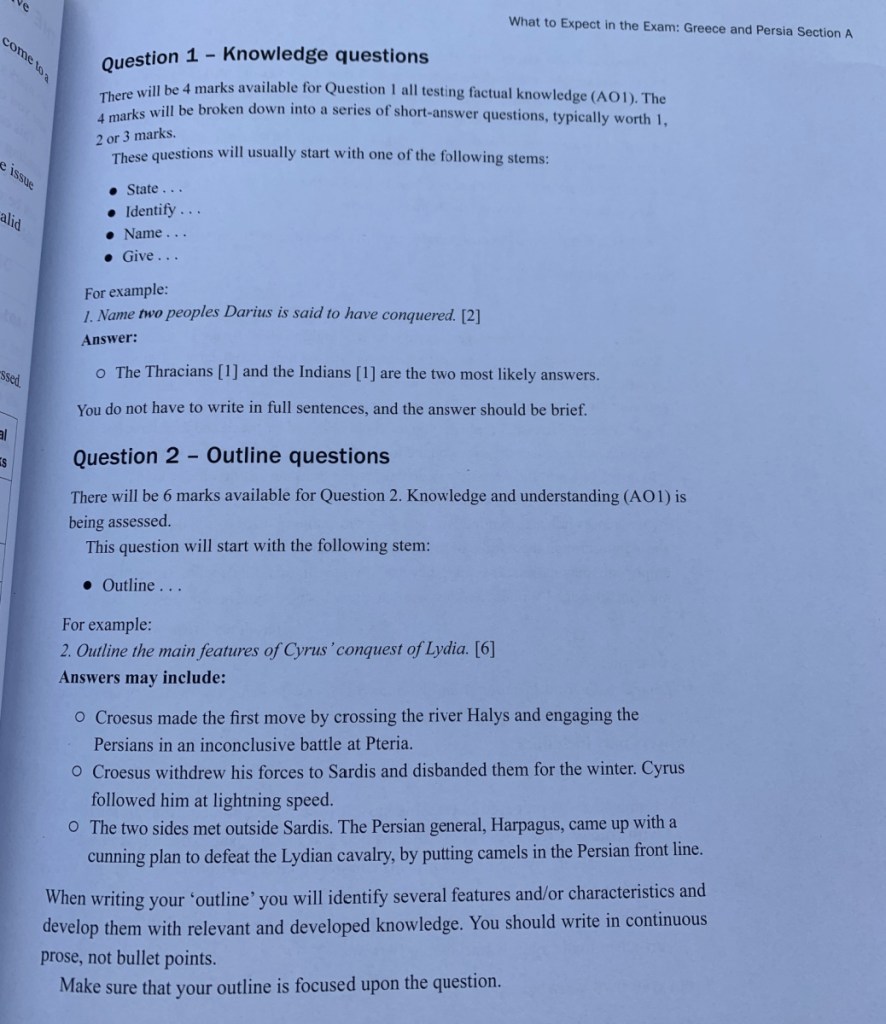
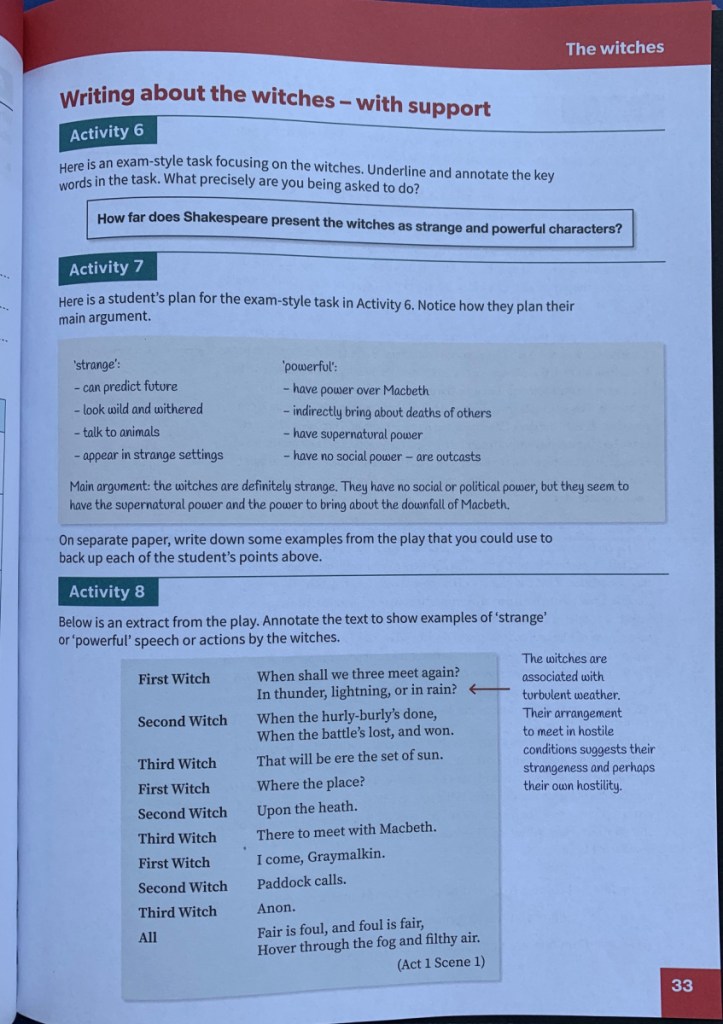
IGCSE Biology student book from Hodder Education

I am slowly looking at different options and selecting books for us to use in preparation for my daughter to write her IGCSE’s (for those of you wondering IGCSE’s is just International GCSE’s). We know the subjects she wants to do, in most cases we know which exam boards we are going with so now it is a case of deciding which books and resources.

The student book which we have selected for her Biology is this one – Biology Edexcel International GCSE published by Hodder Education.

And straight away one of the things that impressed me about this book is that all the answers for the questions included in the student book are FREE to download from their website. Okay this may sound like a crazy thing to be impressed with, having access to answers, but I have been spending quite a bit of time looking at different books for a number of subjects and I have been amazed at how many do not come with answers or the answers are included in another book which costs you an additional £100 to buy. So yes the fact that we can download model answers for all the questions is a BIG DEAL and it is a MASSIVE plus as far as I am concerned.

I also like the way they have set-up this book. For Edexcel IGCSE Biology you have 7 topics which the kids need to cover. In this book the 7 topics are the 7 sections in the book. The 7 sections are then broken down into chapters. And within each chapter they use subheadings as a way of breaking it down even further into manageable chunks (I think these sub-heading will also be useful when it comes to making summary notes). Now there is a lot of information on these pages (to be expected at this level) but I feel like the use of sub headings helps to stop it being one huge amount of information overload all at once.

Hodder Education Edexcel International GCSE Biology Student Book

And on each page they also include helpful things like – Study tips or Maths tips which directs you to a place where there is more information or remind you about something.

At the end of each chapter you get study questions. Which is great way to see if the kids have understood what they have just read – I really like that they include these study questions at the end of every chapter and do not leave them until the end of the sections as some sections are really long so I think it is good to check the understanding as you are progressing through the sections.

Once you have gotten to the end of the Section who get a Summary page (again brilliant for helping to focus on the important bits and make sure everyone understand those concepts). Then after the summary page there is a Maths Skills page, which I actually never knew I wanted in a biology book until I started going through this book and I love that they are reminding the kids about Maths skills needed.

Then you get the example of student responses with examiners comments. LOVE THIS. As a home educator who is just starting down this path of helping my first child with her Year 10/11 work this is what I have spending a lot of time reading up about – how do the examiners want the answers structured, things like key words etc. So I really like that they have included something like this at the end of each section. And as much as I think it is important for me to read and understand so I can guide my daughter it is also vitally important for her to start reading these comments.

  • Hodder Education Edexcel International GCSE Biology Student Book
  • Hodder Education Edexcel International GCSE Biology Student Book
  • Hodder Education Edexcel International GCSE Biology Student Book
  • Hodder Education Edexcel International GCSE Biology Student Book

And then at the end of each section you get exam style questions on the whole section (and again let me stress model answers for these are free to download). They tend to include a range of questions – some multiple choice, some explanation type questions, some where you need to understand results of an experiment and some applying maths skills – there is a nice range of questions.

And they are still not finished after the exam-style questions they have also included 2 pages called Extend and Challenge. I like that they include this as kids who are really enjoying the topic have something to help them take it a step further.

I am really happy with the way this book has been structured, I feel like it makes sense and it will be easy for us to navigate around. Once we have used it for a few months and I can get some feedback from my daughter I will write an update post where I discuss what her thought are.

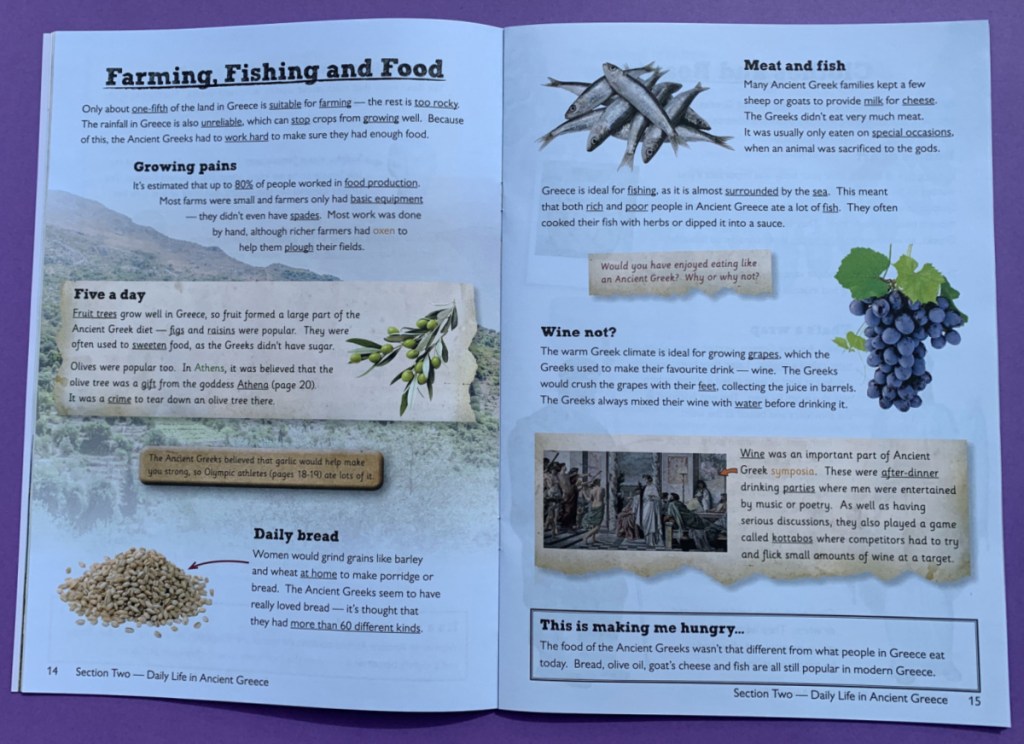
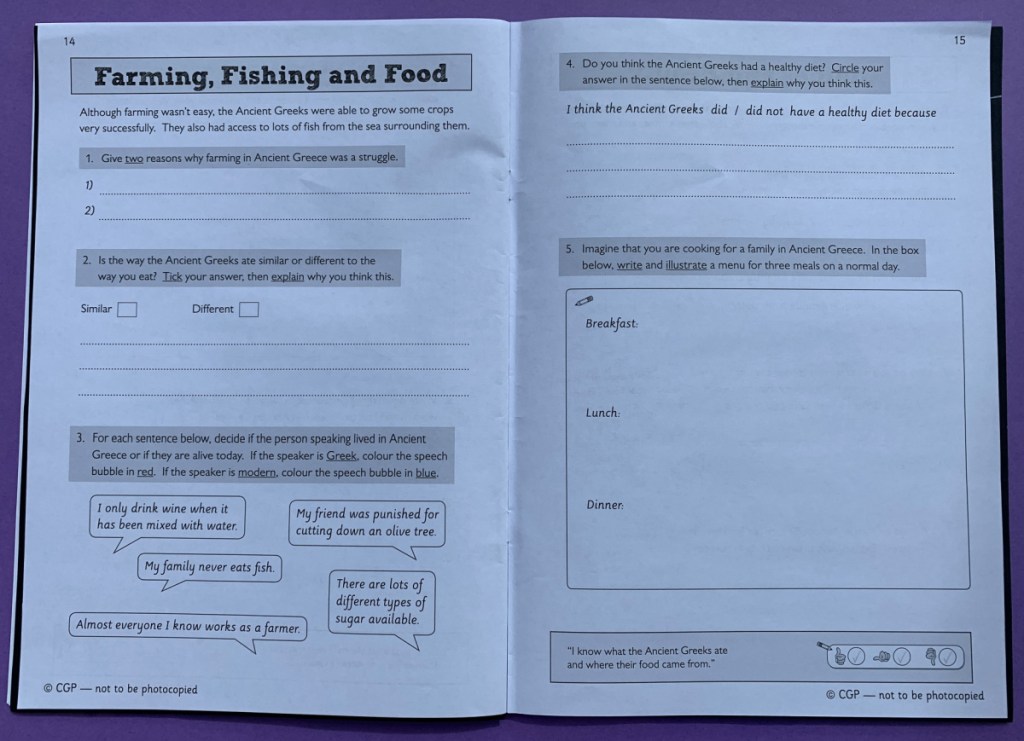
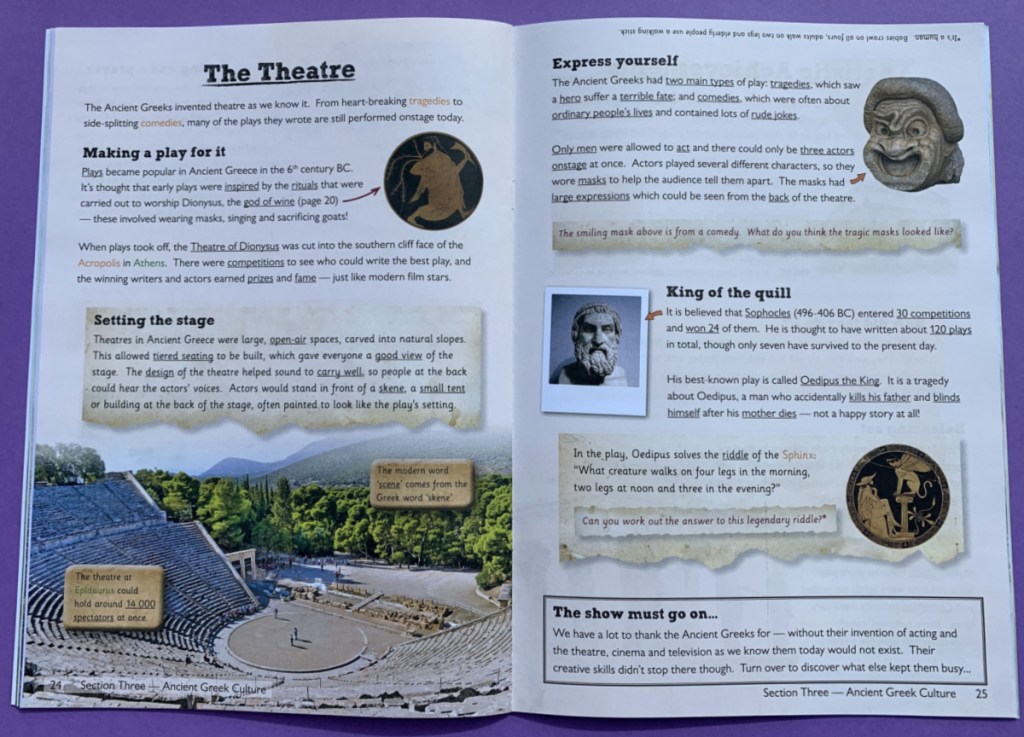
The next step will be a workbook so we can have extra practice (I am a big believer in practice and more practice at answering questions), I have been doing some research and there appears to be two options – a CGP workbook or the Hodder workbook. From what I have read the CGP workbook is considered a bit easy so I asked Hodder for a few press photographs of their workbook so I could show you (I think we will probably be going with this workbook). The Hodder workbook is only £6.99 and again all answers are free to download.

And my daughter loves revision guides. She likes being able to read the summaries both before we start a topic and again afterwards. I found this revision guide from Hodder which I thought looked interesting and I got these press photos – I must admit I like the look of it so we will probably be adding one of these to our bookshelves at some stage (think it costs £12.99).

Because we are doing Biology without using tutors or external help I feel like I need to be on top of it, know what we need to cover, have practice examples, have model answers, guidance on exam type questions. I feel like combining these three books is going to do that for us. I think we have a good starting point and actually I am no longer feeling overwhelmed or worried about Biology at all.

As always I will write up date posts on how we are getting along once we have had time to use our books.

Admin – Hodder kindly sent us some press photographs for the workbook and revision book so I could include some images in this post to show you examples of what the pages look like. The images of the student book are mine.

Posted in Homeschooling | Tagged , , , , , , | 2 Comments

Idiom Cards – Free to download

The kids and I have been talking about idioms, how they are often used in writing and what the different idioms mean. There are lots of idioms, actually a crazy amount. But I am trying to work through the common ones with my kids to make sure they know them (ie would understand what they meant if they were included in some text that they were reading) and also so that they could possibly add idioms into their own creative writing.

So as part of the “lets learn idioms” phase that we are going through I thought it would be good to create some cards (I love using a set of cards instead of a worksheet whenever I can). In my typical style they are nothing fancy – just cards where you match a well known idiom to it’s meaning.

In this batch there are 48 idioms (there are 4 sets on a page). So there are a few to practice with and I have also included a blank page at the end of the set for anyone wanting to include some of their own in.

These cards are Free to download and for anyone to use as part of their home education but please don’t repost these cards as your own, you are welcome to share a link to this post.

I hope someone else gets some use out of this set.

Posted in Homeschooling | Tagged , , , , , | 2 Comments