Boy, Everywhere, a refugee story for kids

Boy, Everywhere is a story about Sami, a young Syrian boy, who loves his life and enjoys living in Damascus. Then out of the blue his mother and sister go to a shopping mall to pick up Sami’s new football boots and a bomb goes off. His mother and sister survive but his sister stops talking (from the shock) and all of a sudden Sami’s perfect life is turned upside down. His father (a successful surgeon) gives up everything to get his family out of the country. They sell what they can and start the terrifying journey of trying to get to the UK.

It is a story which shows the sharp contrast of their once comfortable life to the life of misery as they try to get into the UK and then a life of being dirt poor once they get the UK. It is a story which shows that the people leaving the country are often professional, well educated people but once they get here they can often not use their qualifications and end up working as cleaners. It shows how living through something like bombs being dropped can emotional damage kids, how being torn from their home and extended family can be terrifying and then when they get to somewhere safe they often don’t feel safe. It is eye-opening and it is in parts scary and sad because the author does not shy away from the realities of what being a refugee means. The book deals with being stuck in a small room and then the back of a lorry with complete strangers, of climbing into an unstable boat to cross the channel, of tent city, of living all cramped together in one room where people don’t want you around and of trying to fit in at a new school and in a new country. The author deals with all of that and deals with it in a very real manner but at the same time there is hope woven in.

I liked the fact that the author wrote the story from Sami’s perspective, I think it makes it more realistic and believable for kids reading it. It is a book that I will be including on my son’s reading list but I probably will include it more towards the end of his Year 7 or beginning of his Year 8. I will not be suggesting this book to my daughter because she is highly sensitive to stories, where families are endangered in some way and I think she would struggle with this.

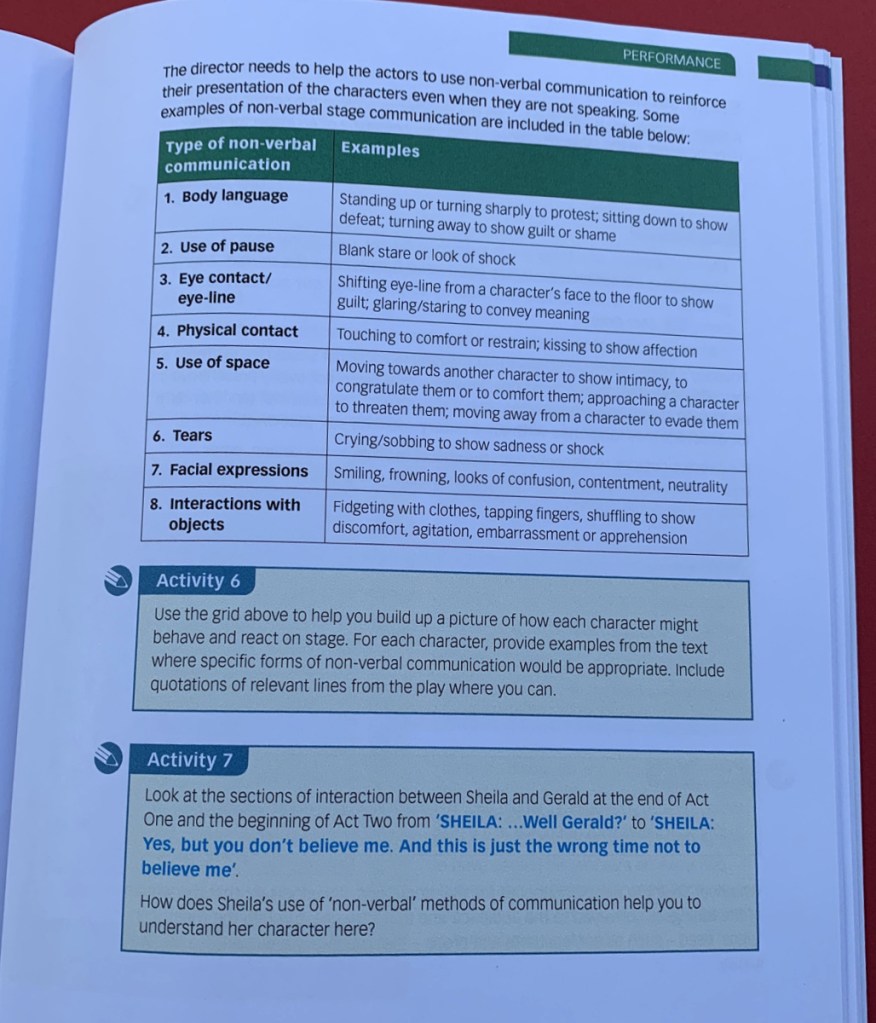
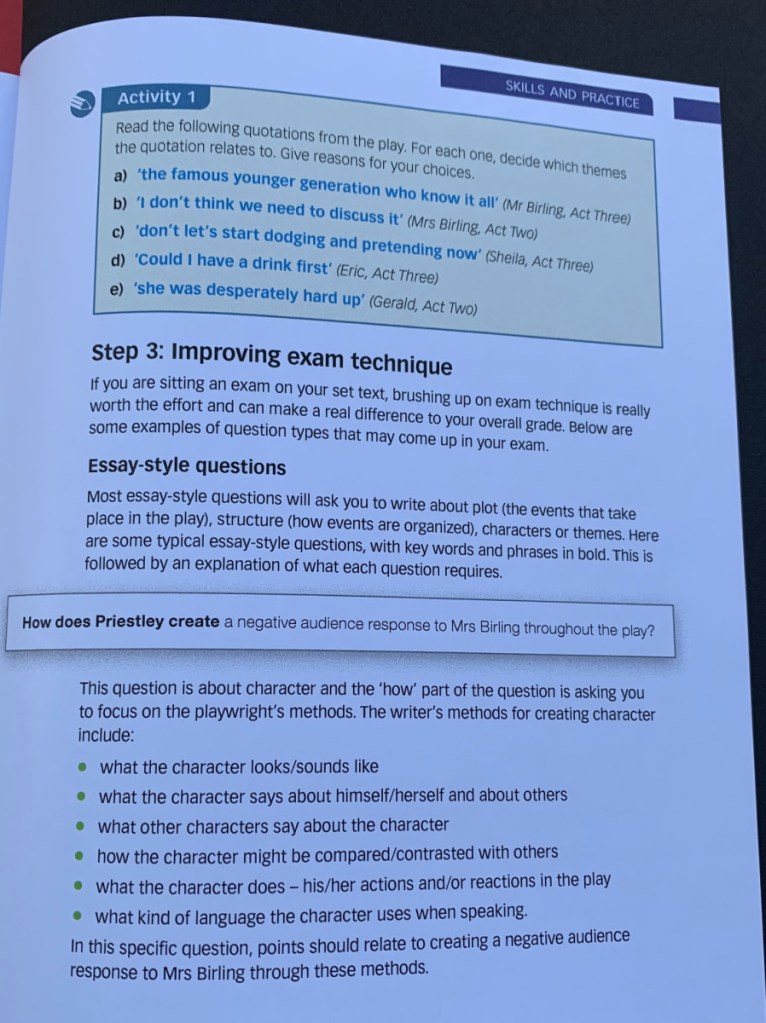
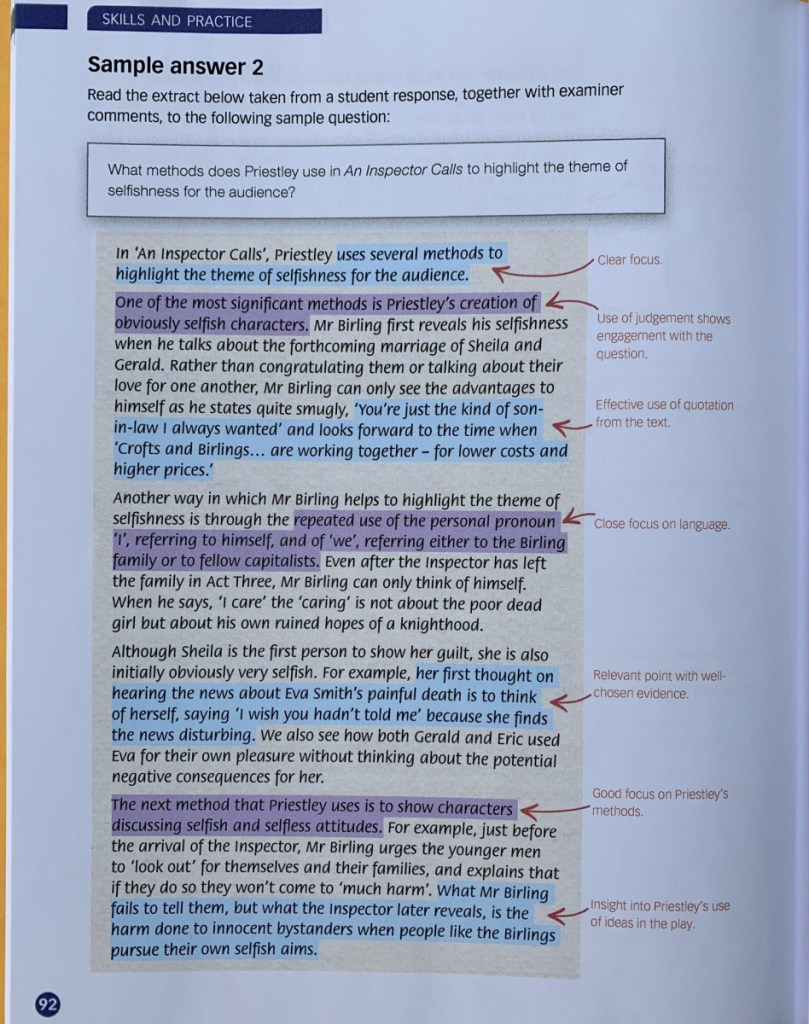
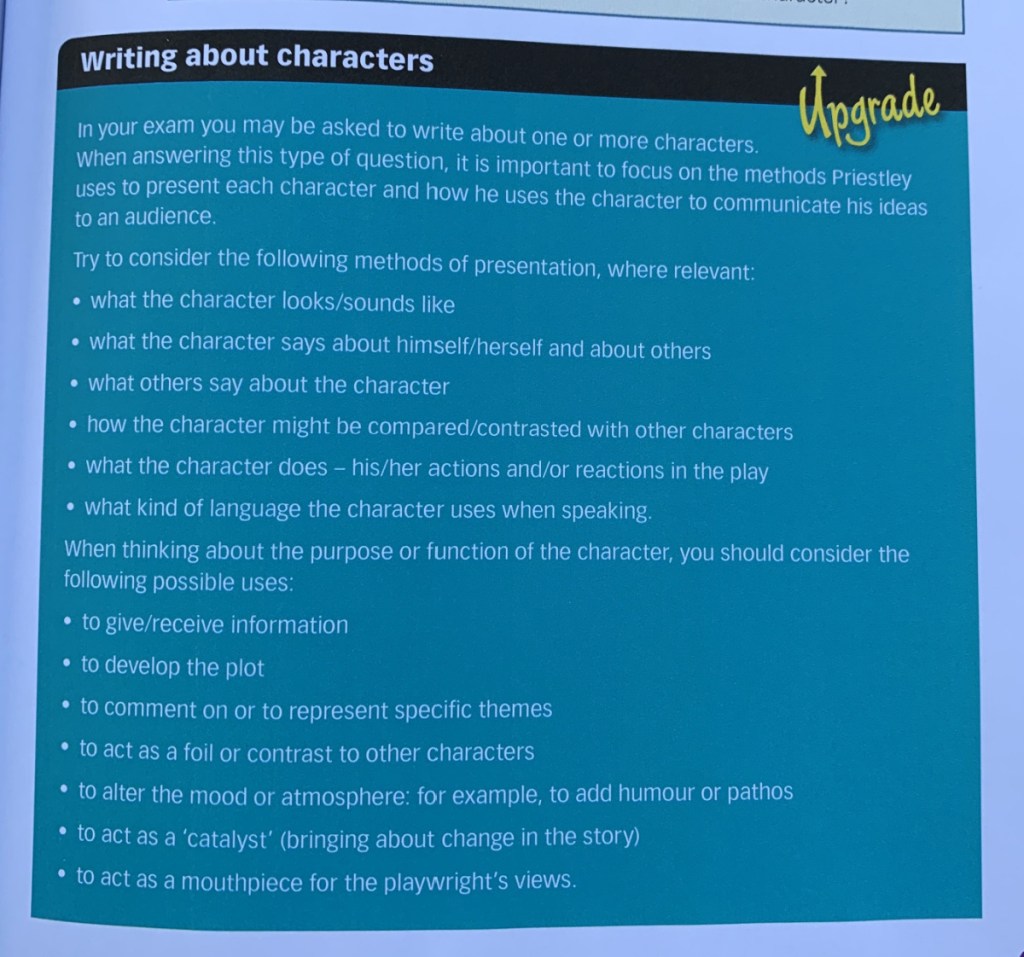
Boy, Everywhere is part of the Rollercoaster series published by Oxford University Press aimed at kids in KS3. This means it comes with a free resources pack which you can download from their website. We have used a number of these packs in the past and I have always found them very useful when we do a book unit. Included in the pack you get a scheme of work and a summary of each chapter (this is incredible useful if you do not pre-read the book as you can pre-read these pages and get a good understanding of the story).

Then there are lesson plans. I don’t always follow the suggested lesson plans but I do have a look at them because they do include some great ideas on English activities which you can link to the story and often a suggestion in a lesson plans ends up being a starting point for a mini-project.

Then for each lesson there is normally an attached resource, and these resources vary. One of the reasons that I like these packs is that the resources are always different, it is never a case of the exact same resource for every book, they always make sure the resources suit the themes of the book.

And there are also suggested answers.

Boy, Everywhere is an excellent story for slightly older kids to read but it is an emotional story. I would recommend it for most kids but I would suggest parents of highly sensitive kids give it a read first.

Admin – About a month ago Oxford University Press sent us a few books for us to read and possibly write reviews on. This book was one of the ones that really struck me, the story is one which needs to be told and one which our kids need to read about and this story has done it with sensitivity that allows kids to really get involved and learn about a scary topic. All opinions expressed about the book are mine. I was NOT paid for this post

Posted in Homeschooling | Tagged , , , , , , | Leave a comment

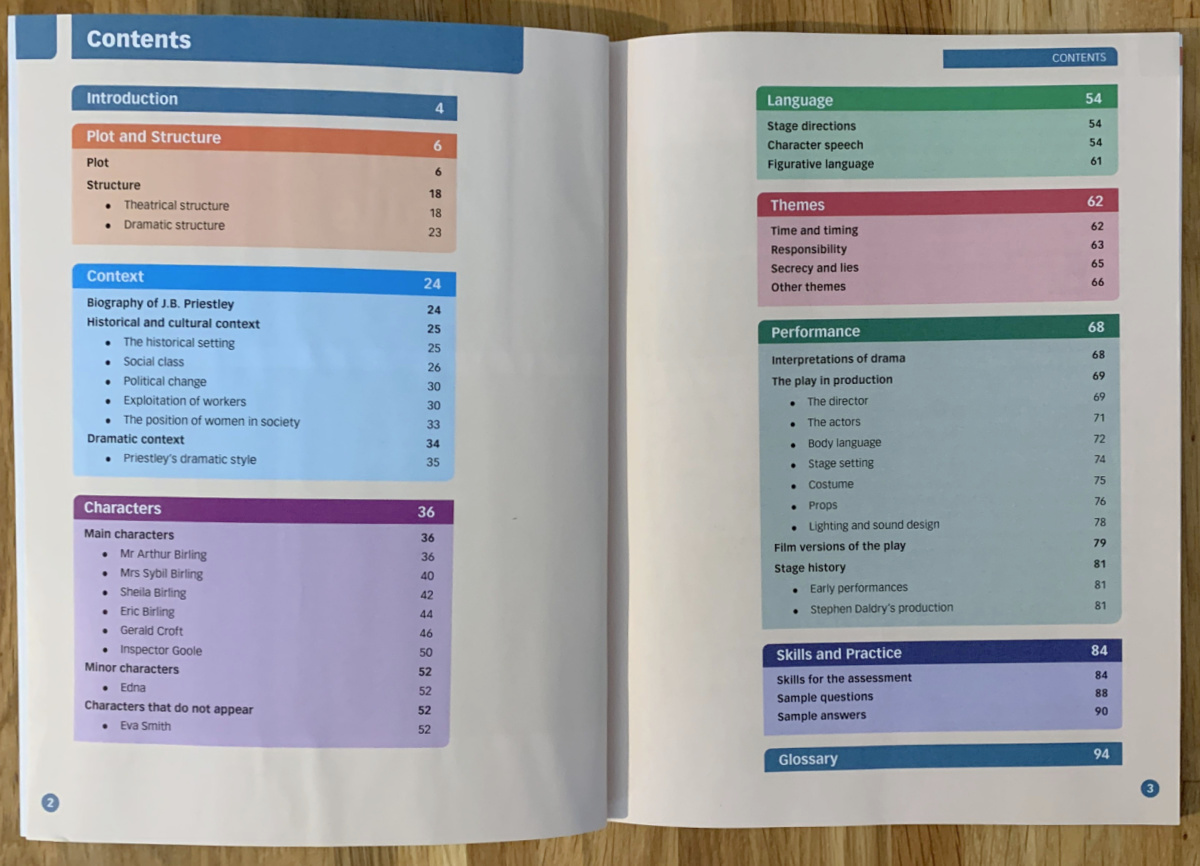
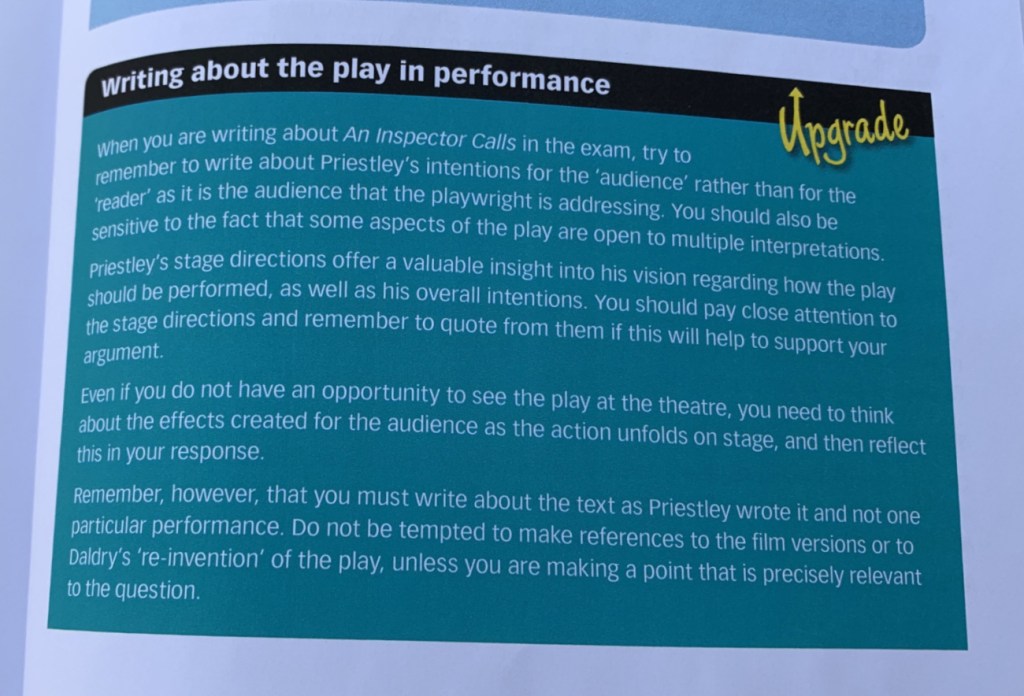
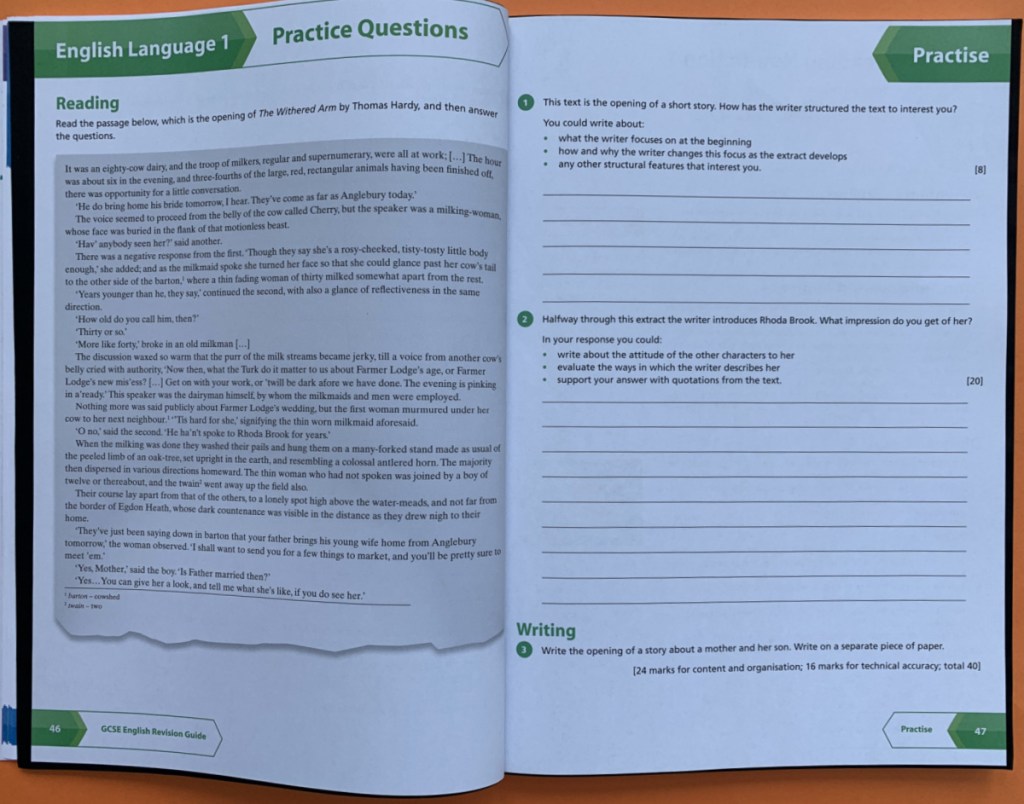
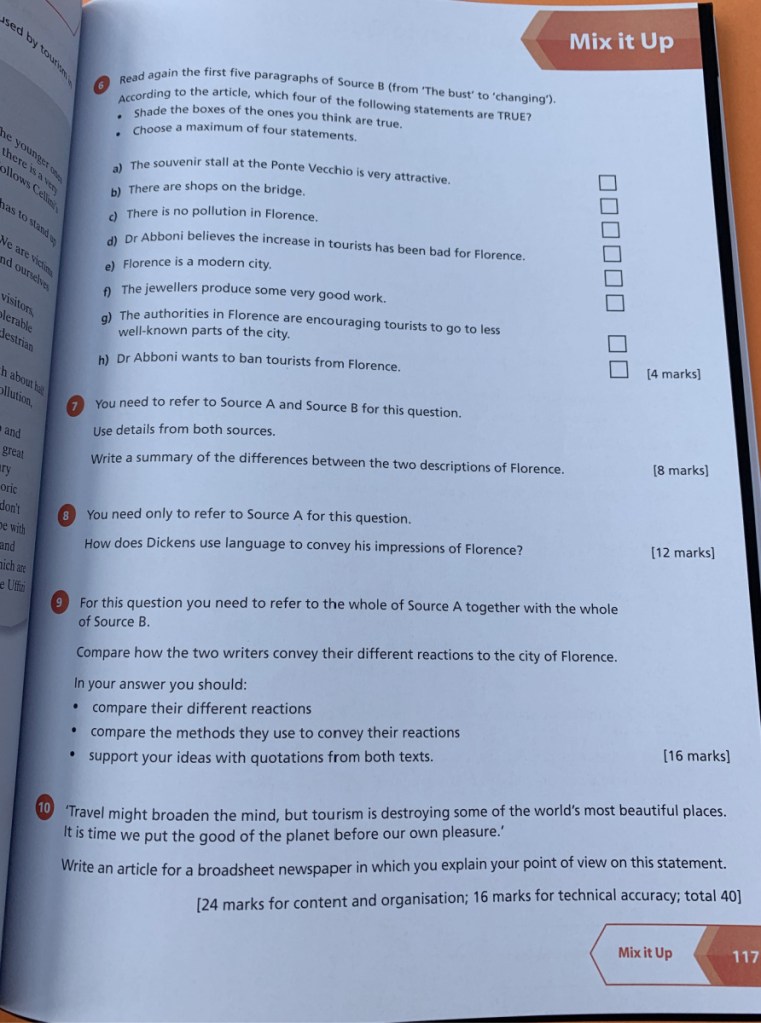
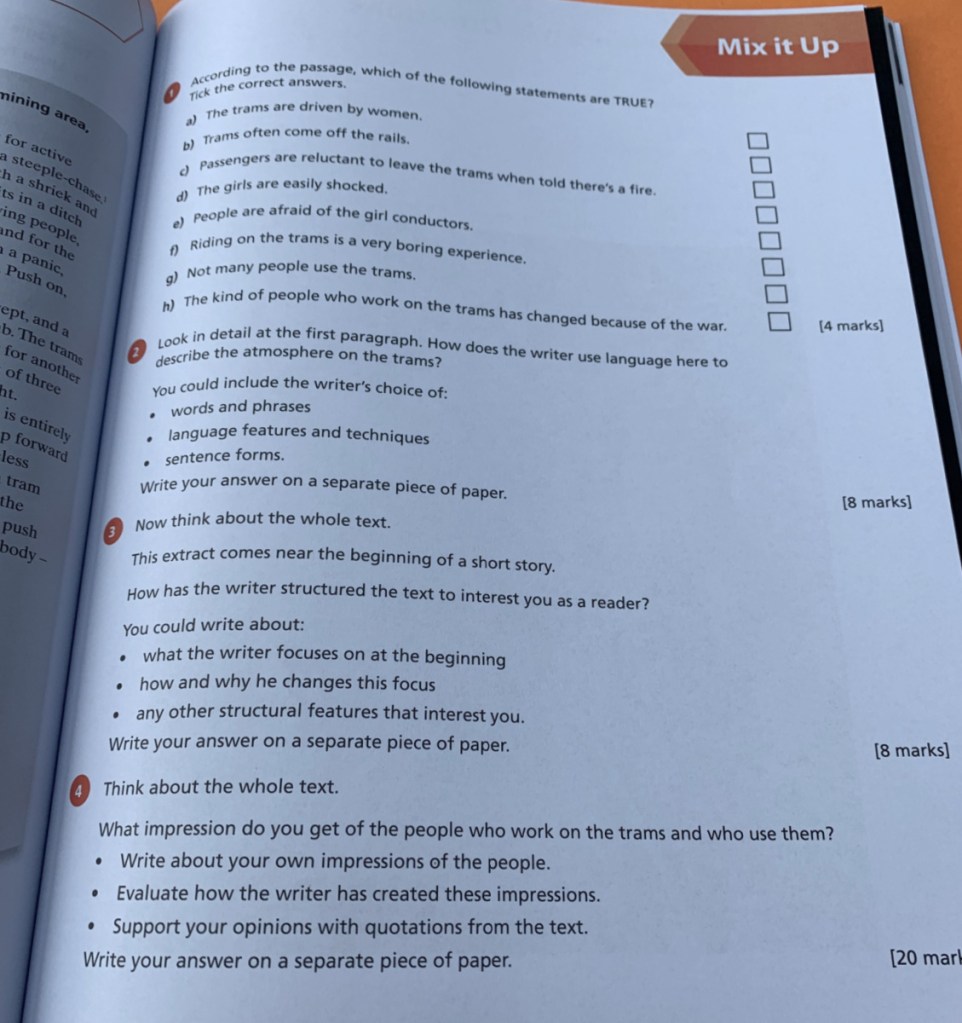
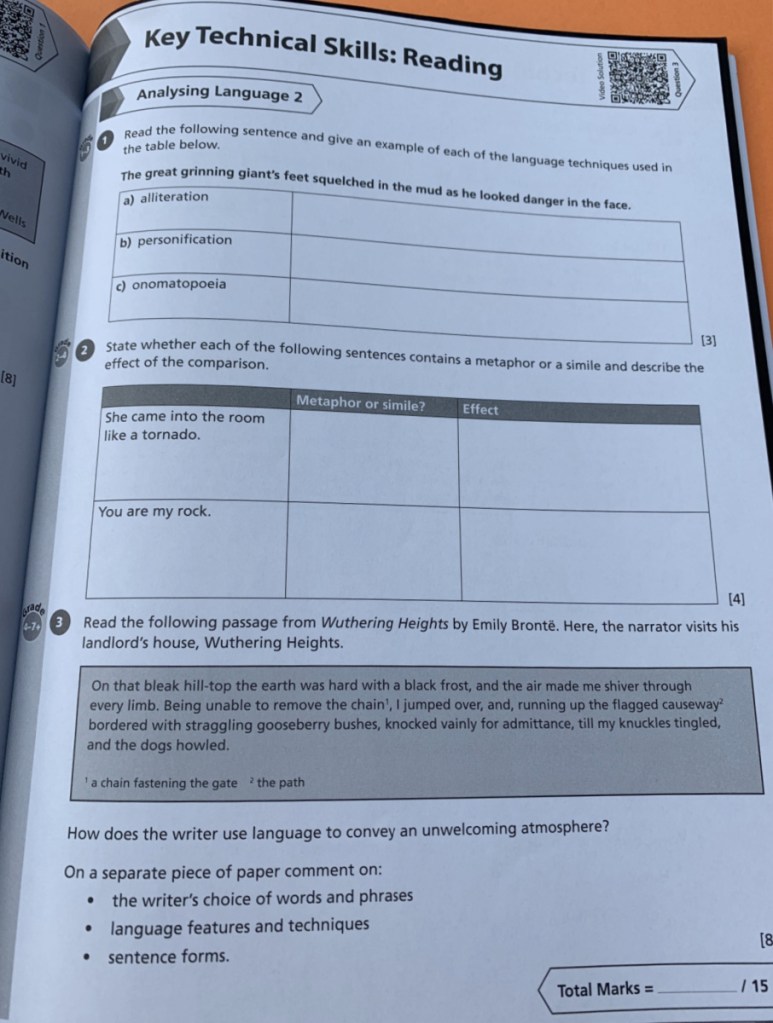
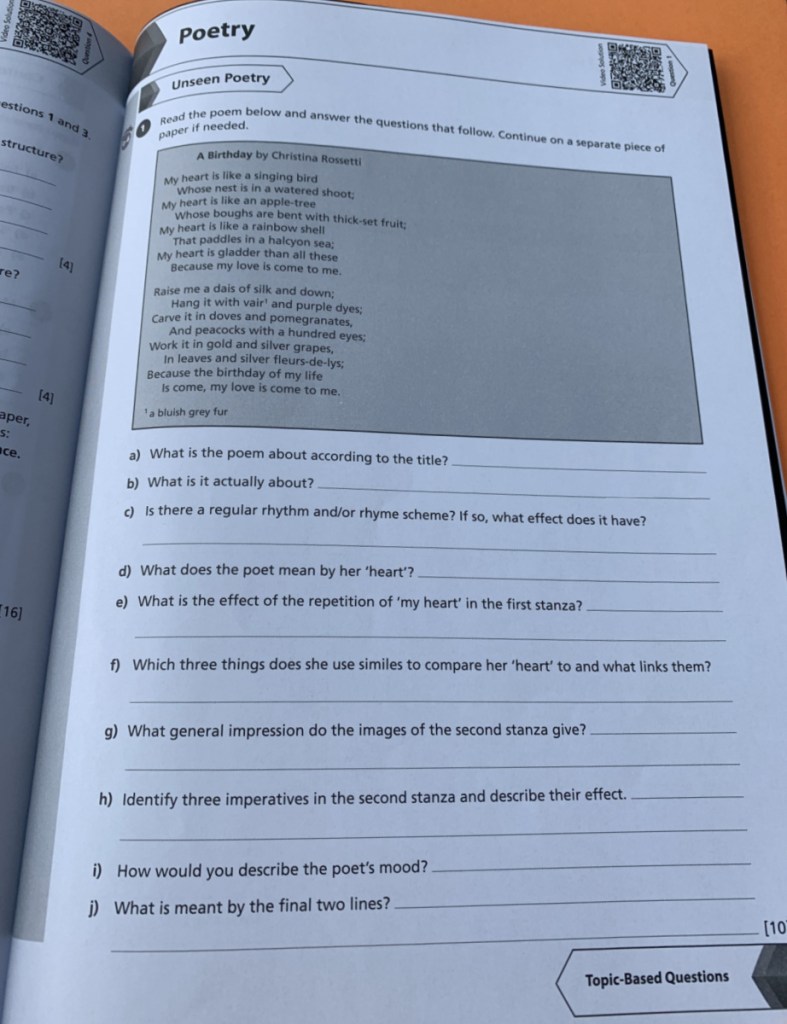
KS3 English workbook from Collins

A few weeks ago I emailed Collins and asked if we could get a few of their GCSE books to review (I am wanting to build up a page of reviews on GCSE/IGCSE resources), while we were discussing GCSE books they asked if I would be interested in looking at their KS3 English workbook. Now I never used an English Collins workbook with my oldest but my son is just starting his Year 7 so I was interested to see if it was something we could use with him. And the fact that the workbook only costs £5.99 and comes with all the answers in the back made me think that other home educators might find it useful.

We received the KS3 English workbook and I have to admit I am impressed, in fact I really like their pages on structuring a longer responses and wish I had used it with my oldest.

First things first, this is a workbook, it is NOT a course book, think of it as practice questions. What I mean by that is this is not going to be the ONLY book you will use, these are targeted practice questions that you will use alongside other resources. But as a home educator who has already done KS3 with one kiddo I can tell you that English is a subject where you are going to use multiple books. It just is. And you are going to want to have practice questions, questions that you kids can try and answer because they just need practice on how to answer English questions.

This workbook is written for KS3, they have not made it year specific so you can dip in and out as you think it suits your kid. It is split into four main sections.

  • Reading
  • Writing
  • Shakespeare (it covers A Midsummer Night’s Dream and The Tempest)
  • Mixed Style Questions

Reading. This section is aimed at building the basic skills that your kids will need to prepare them for the reading questions they will face in GCSE (or IGCSE) English Language. So it is things like selecting key words, inference, how ideas are organised, language choices, explaining viewpoints and then structuring your longer responses. The reading section is 28 pages long. So yes it is not the only questions you will need to work through with your kiddo but they are good questions. I have been impressed with how this section has been structured and now that we have started working on my oldest IGCSE English language I can see why they have included these questions and how they do create some good stepping stones for later.

Writing. This section is 32 pages long and although this is a write-in workbook some of these longer writing questions will need to be written on another sheet of paper. This starts with some basics like paragraphs and grammar but then it goes onto how to plan and structure your answer. And then writing to persuade, writing to argue, writing to advise, writing to inform, writing to describe. I like that they have broken it down like this and I can already see that these pages are going to be useful.

Shakespeare. Okay this section is only going to be useful if you are planning on covering these plays. And I am not sure which plays we are doing yet but having said that it is a nice few pages of summary questions for the plays.

Then the Mixed Style Questions which is 16 pages of extra questions. You could use this as a way of assessing your kids to see how they have done or you could use it as just extra practice. Either way they are extra questions which give you more practice.

And at the very end of the book you get the answers.

Okay so my thoughts. For £5.99 it is a workbook which contains some really well structured practice questions and answers. It is not something you can use in isolation, it will be something that you will use with other resources. But I do like the way they have structured it, I like the questions, and I can see how they are using the questions to guide the kids towards the GCSE/IGCSE style questions that they will face later. For £5.99 I think it is a worthwhile addition and I will be using it with my son.

You can get your these workbooks at local bookstores (I have seen it in both WHSmith and Waterstones), they can get them directly from the Collins site and you can get them from Amazon – KS3 English Workbook

Admin – I did receive a few review copy of this book. This is NOT a paid for post, all opinions expressed are my own.

I do include Affiliate links. If you follow an affiliate link and go on to purchase that product, I will be paid a very small commission, however your cost will remain the same. I only include affiliate links for products that we use (or are planning on using).

Posted in Homeschooling | Tagged , , , , | Leave a comment

Starting Year 7 home education English Literature

I have found choosing books for my son to read (and by that I mean when we read and “study” a book) difficult because he actually worked through most of the books that his older sister did as part of her year 7, year 8 and even year 9 English literature. If I could I would start with Sky Hawk followed by The Last Wolf – but he already worked through both of those with his sister.

So new books it must be, and I will confess some books I know I want to do with him and others I am still considering (after all you don’t need to have every book planned out when you start in September and in all honesty I normally change my mind as we progress through the year anyway).

Okay the first two books which we are definitely going to be doing are Animal Farm and The London Eye Mystery.

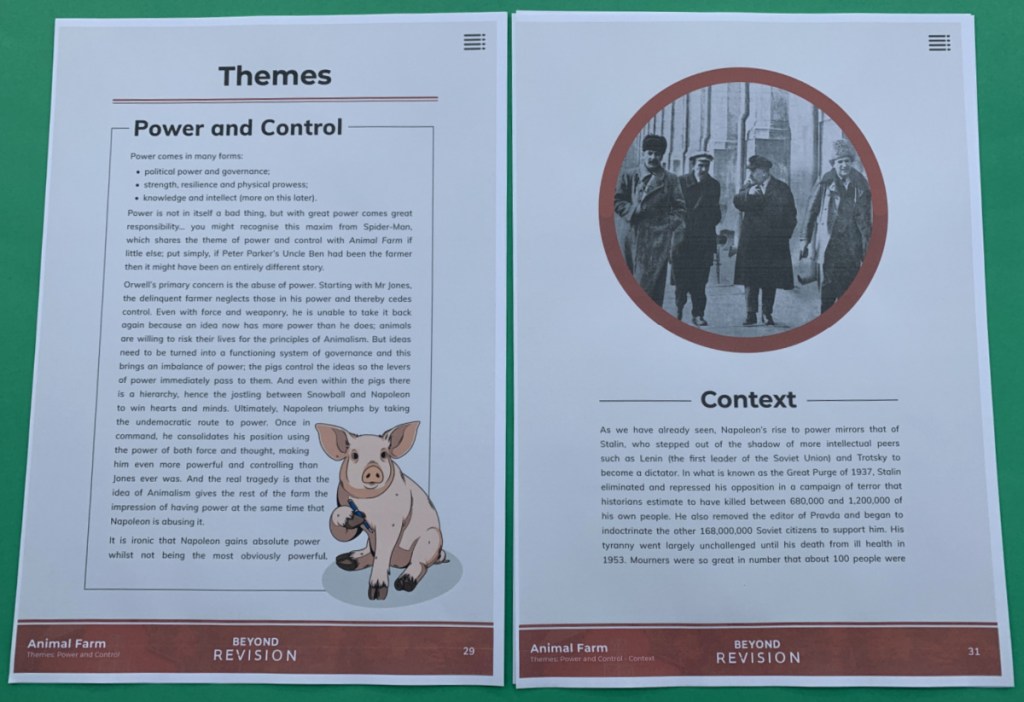
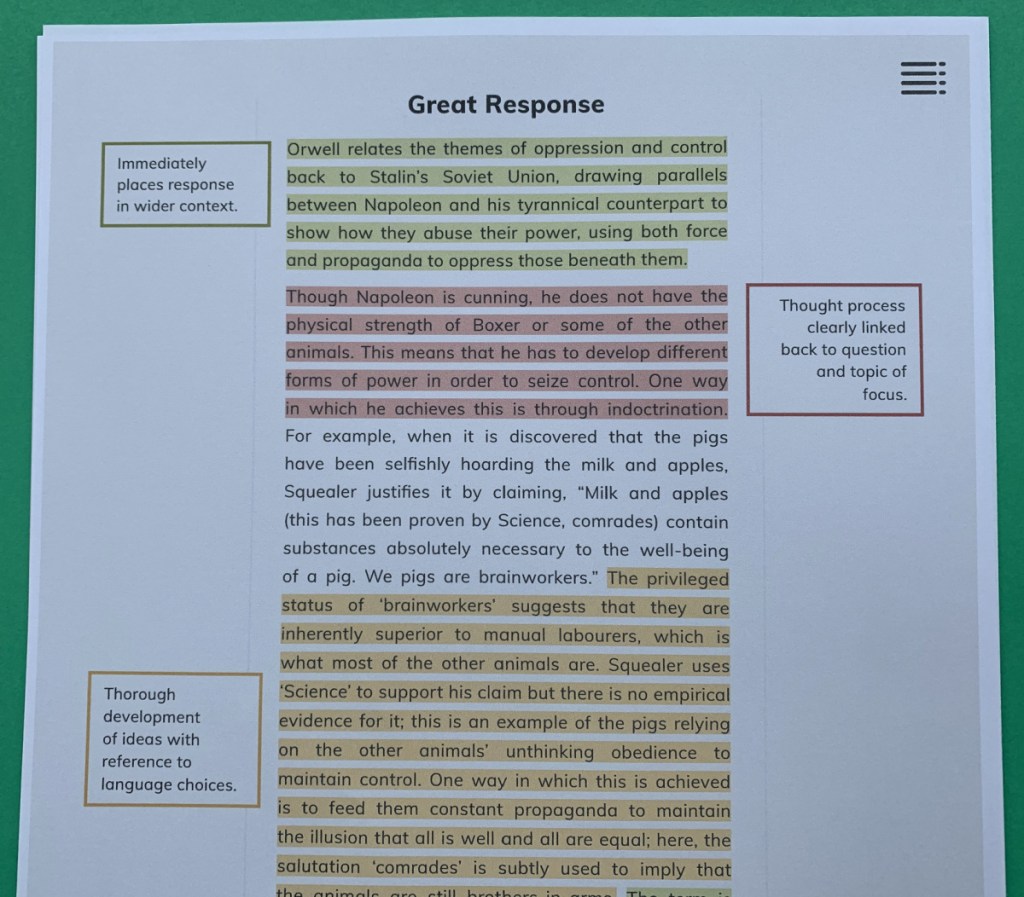
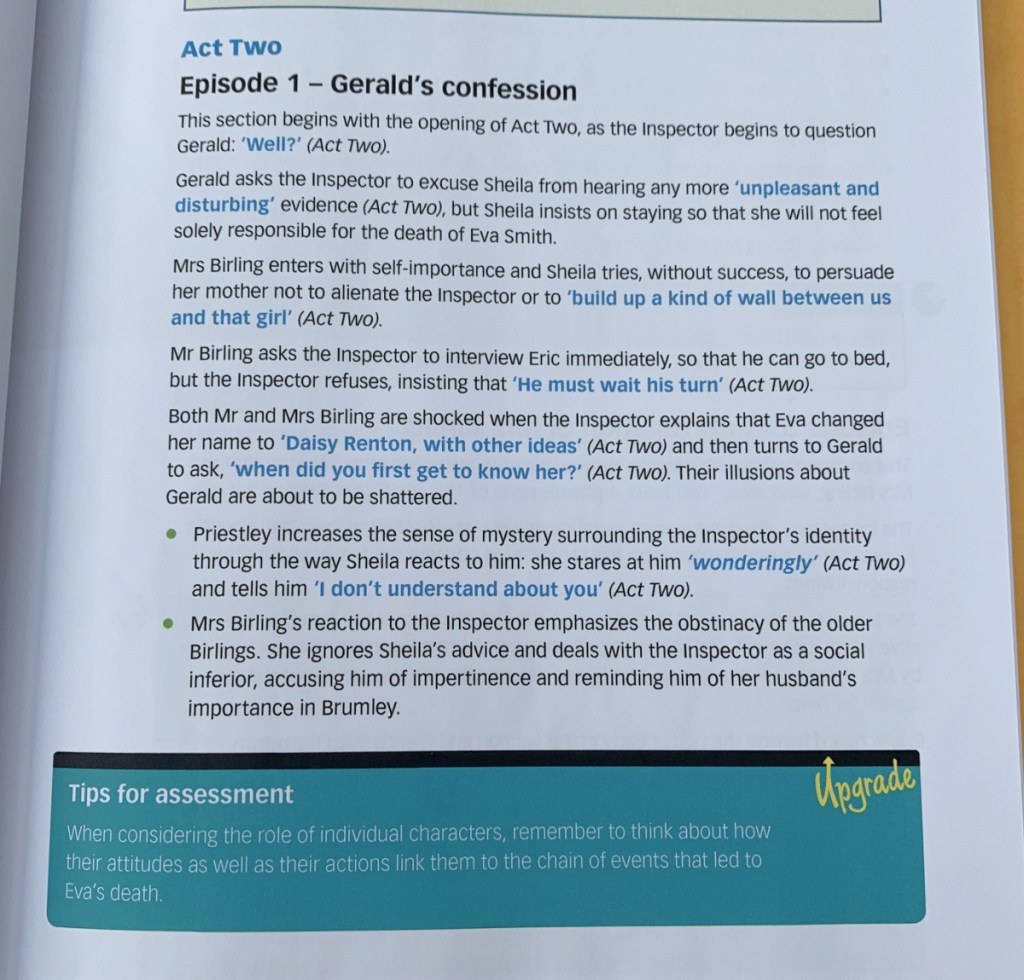
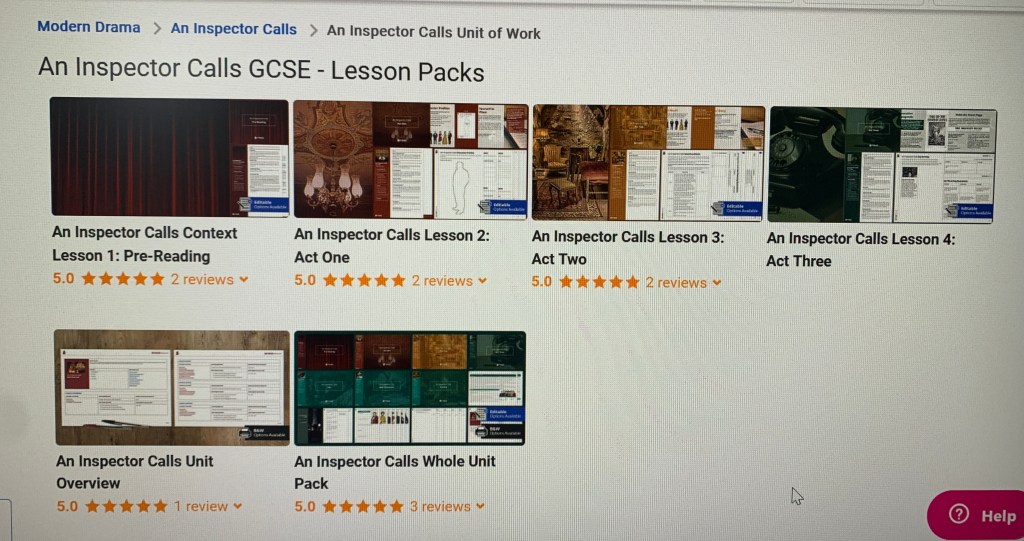
I have been wanting to do Animal Farm for quite a while because it is a great satire of Stalin’s Russia. We started looking at the Communist system under Lenin and Stalin in June/July and my daughter has just started a module on the Cold War so I think it would be a good book to read and discuss as a family. (I love being able to link our literature to topics that we are learning about). And as luck would have it I recently spend quite a bit of time going through the GCSE English Literature resources on Twinkl’s website so I knew they had a whole section on Animal Farm. Now before anyone starts thinking “what, using GCSE resources in Year 7, is she crazy” I have actually used the GCSE English Literature resources with my daughter right through her KS3 years and they have always worked really well. When we use the GCSE Literature resources in KS3 we don’t do the entire unit of work, I dip in and find the activities that I think suit our level and sometimes I even take one of their ideas, bend it slightly and then use it for our purposes. But the point I am trying to make is PLEASE do not shy away from using a resource just because it states GCSE on it, often there is a lot of valuable information and activity ideas in it – so use it and just bend it a bit to suit your kids level.

With Animal Farm I have already printed out the plot cards, the cloze activities, the character link pages and the thematic overview pages and that is just my starting point. I know I will dip in and use a bunch more of their Animal Farm resources when we start the book.

The London Eye Mystery. Earlier this year both my daughter and I read this story and we both enjoyed it and at the time I actually asked my son to hold off reading it so we could do it together as an English book. I really liked the way the author built the story and created her flawed but real characters (I appreciated the fact that the main character is autistic and that the author deals with the autism in a real but still positive manner). And I also looked at the resources pack on the Oxford University Press site and was immediately struck by the fact that a number of the activities would really suit my son. I liked that it included an activity on story openings, figurative language, inference, idioms, an adverting campaign, writing a diary entry, building suspense in a story and a police report, all of which I know I wanted to work on. So apart from the story being a good read, the activities linked in ticked all the right boxes for us.

Then a war story which I have been wanting to do with my kids for years, but it just never seemed like the right fit for my daughter, yet I think my son will get into it (he is not as fussed with blood and guts type stories) is When the Guns Fall Silent. He learnt about the First World War last year but he still has quite a few questions about it so I think at some stage we will circle back to the First World War and when we do I think we will link this book in. It is an interesting read (I have read it) and is quite an honest, sometimes graphic depiction of trench life but it ends on a lovely high note when two old veterans get together (one British and one German), two veterans who meet each other during the Christmas Truce.

And there is a Free resources pack from the Oxford University press site for this book. In fact I have already downloaded and printed out the entire pack. And I really like the activities they have included in this pack – they have managed to link the history and English together in some great activities. So I think this one is also going to be a definite for us.

Two more that I want to read and discuss with my son but they are no linked English activities are Holes by Louis Sachar and Journey to Jo’burg by Beverly Naidoo. Holes was recommend to us by a fellow home educator after her sons really enjoyed the story (and in the past all her book recommendations for my son have been spot on) and Journey to Jo’burg is something that I want to read with the kids as it deals with some parts of Apartheid.

Okay so three books which we are going to do as English units and two that I know we are going to read together. Then I have three other books which I am thinking about, not sure if we will include them this year or leave them for Year 8. Boy Everywhere and Shadow are stories (both which I have already read) which deal with refugees. A sensitive topic but one that I would like to include in our reading at some stage and both of these books have dealt with it in a very real, honest manner but also one that is appropriate for kids.

The Jungle Book is a story he has already read when he was younger but I know he is keen to reread it and I also know there is a free English resources pack that we could link in. So not sure at this stage but a possibility.

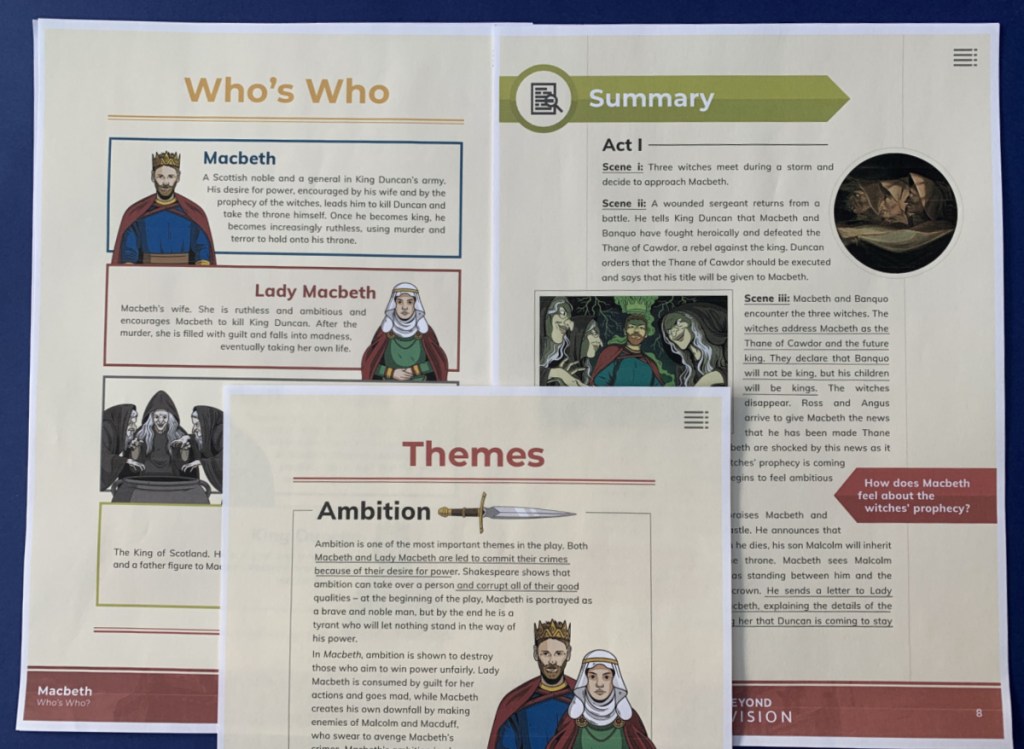
Oh and in case anyone is wondering about Shakespeare – I am still thinking about that, in fairness he did sit through most of his sister’s work on Romeo and Juliet so he knows that one quite well already, and he also picked up most of Macbeth when she did it last year so I feel like he already has quite a good grasp of Shakespeare. But yes I am thinking about that and we may add in a play this year, just not sure which one.

So that is our starting point, as I mentioned I normally add and make changes as we progress through the year but I feel like I have some good books to get us going.

A Note about the Resource Packs for Oxford University Press Rolllercoaster books – when you select the book there is normally a block on the right hand side which takes you to the linked resource (they are always free to download). But you can also access all of the resources here – Rollercoaster Resource Packs.

Posted in Homeschooling | Tagged , , , , , , | 1 Comment

Enola Holmes The Case of the Missing Marquess book and activities

When I first read a bit about the Enola Holmes book I was intrigued and thought it might appeal to my daughter – I thought the fact that it was about a fourteen year old girl trying to solve a crime and set in Victorian England would be just perfect for her, so I agreed to get a review copy. And I have to say both my daughter and I read it and enjoyed it. We enjoy historical fiction and the fact that this is set in Victorian England and there is quite a strong theme running through it about how women were treated differently to men was interesting to both of us. My daughter also enjoys detective stories so it really did tick all the boxes for her.

On Enola’s fourteenth birthday her mother leaves her with a strange assortment of gifts (with some hidden clues inside) and she disappears. Straight away you get an image of Enola Holmes as being a somewhat unusual Victorian teenager, she is free-spirited, clever, quite physical for a girl and clearly has the intellect that everyone associates with her brother, Sherlock Holmes. Once it becomes clear her mother is not returning she contacts her brothers Mycroft and Sherlock and they come to try and sort out the mess and decide to send her to a finishing school, at which stage she runs away. Now it is up to her to figure out where her mom went, stay undetected and solve a few crimes along the way.

The story itself is fascinating. Enola Holmes is Sherlock Holmes younger sister. So they do bring in the characters of Sherlock, Mycroft and even Inspector Lestrade. But they really are side characters. This story is about Enola, how she has to come to terms with the way in which Victorian women were considered unequal to men and how she becomes independent.

The story deals with a lot of Victorian England themes – like the poverty and crime in the London streets, the huge contrast between countryside and city living, the differences in the society, the strange inheritance laws and how a son can end up having control over his mother. There really is a lot about Victorian England which comes through in this book. So if you are covering the Victorian period in your History this would be a great book to read with your kids.

I did go and look on the Oxford University Press site where they have resource pack about the book and in that pack they recommend it for Year 9 students. I have to admit if I was using this as one of our English reading books I would probably slot it at the end of Year 8 or Year 9. My reason for this is the fact that the book deals with lots of Victorian England themes, so I think it would be nice to read it when you cover Victorian England in History. And the writing style of the book has a bit of an older feeling to it, it uses some older words and just feels a bit more formal than most of the modern teen books. Having said that it depends on your kids. My daughter has always enjoyed historical fiction books or books written in a more classical style (she loved Little Women and Pride and Prejudice) so for her this would not be a stretch. Whereas my son prefers more modern writing style so for him I am definitely suggesting he leaves this book for another year or 18 months.

We have used quite and really enjoyed a few of the Free to download resource packs for the Rollercoaster books so I had a quick look at this one.

To start with you get an Introduction page (which emphasis key themes and talks about level of challenge), there is a Teaching Highlight page, then the Overview of the Scheme of Work and the Content Summary (I find these last 2 very useful as it gives me a good starting point and highlights what the pack is going to focus on).

Then you have your lesson plans (think of these as suggested ideas on what you can do). In some books we have stuck to the lesson plans and worked through everything they suggested and in other books we have just dipped in and out. Really it is up to you. And there are answers for everything at the back of the pack.

For each suggested lesson there is normally a resource. These resources are always varied – you get some reading type questions, some writing questions and normally a bit of research. With every pack the activities are always a bit different (so if you do end up working through more than one pack it is not going to be the exact same resources – we like this.)

The pack is in total 36 pages long and is totally FREE for anyone to download (you don’t need to sign up to anything to download the packs).

Honestly if we had discovered this book earlier we would have worked through the pack as part of my daughter’s Year 9 English Literature activities but she is starting her IGCSE English Literature activities so for now I will leave it until my son is in Year 8 or Year 9. But for anyone else home educating their kids it is worth having a look at the Rollercoaster packs on the Oxford University Press site. They always include lesson suggestions and a wide range of resources and they are ALL free to download.

Admin – Oxford University Press sent us a few books for us to read and write reviews about. Which books we write about and the opinions expressed are all our own. We were NOT paid for this post.

Posted in Homeschooling | Tagged , , , , , | Leave a comment

Starting Year 7 Science Resources

Year 7 Science with my son is going to be a bit different. He has actually already covered quite a bit of the KS3 Science just by joining in with his older sister’s Science sessions so we are going to be filling in the gaps and extending existing knowledge. (We are thinking there is a good chance he will do triple Science for his GCSE’s, just based on his area of interests so I want to make sure we have a good foundation). I am going to be sticking with 3 resources that have worked really well in the past but I am going to be doing in a bit of dipping in and out to fill gaps.

At the beginning of 2022 I heard another home educator talk about Theatre of Science, they were raving about how amazing it is and how much her kids enjoyed the sessions so we tried one, my kids LOVED it and then for the rest of that academic year we worked through her live and recorded sessions. They were honestly one of the best Science resources that we have discovered. My kids really enjoy the way Lara presents her lessons, they find her entertaining, informative and although she does not home ed her kids she is always very positive about home education (they also love how expressive she is).

She tends to explain a concept, give questions (which she then works through with the kids) and includes some sort of activity (you kids can do the activity at home while she is doing it, just watch her, or try it later). She always makes it engaging (we have never been bored or not interested in what was happening) and my kids always walk away having learnt something new, also for older kids she is good about giving tips about how to answer questions. At the end of her session she does include harder questions but your kids can choose to stay or leave the lesson at that stage.

So based on that success we are sticking with it for my son’s year 7. We are going to follow her Home-ed lessons that she does once a week and link it to our Activate 1 and Activate 2 books. And we will go back and work through some of her older recorded lessons that we missed. Just to mention you can find Threatre of Science on Facebook and on YouTube. If you have missed her, just go and watch one lesson, you will not be disappointed.

The Science books that I am planning on using are the Activate range. Normally Activate 1 is for Year 7 and Activate 2 is for Year 8 but because he has already done quite a bit of science with his older sister we will combine the 2 books and focus on the gaps. (I have no idea what I will no with him for Year 8 Science). Also to mention in the photo below I have just include the Higher workbook with the student book. But you do also get a foundation workbook. Over the past 3 years when my son linked in with his older sister’s science he would do his Science activities out of the Foundation workbook but at this stage I fell confident that the Higher workbook is the level he will be working at.

We just like the way these books are set out – we like the explanations and the way they develop the topics. And then the fact that the workbooks link in with practice questions (and the workbooks have answers at the back), it just suits us. You read, discuss and then the kids try a few questions and mark their answers. Perfect, easy to use and never had an issue with wording or errors. (For more detail look here – Activate 1 student book, Activate 1 workbooks, Activate 2, Activate 2 workbooks)

  • KS3 Science. Activate 2 student book and Activate 2 workbook
  • Activate 2 Student Book. KS3 Science. Year 8 book
  • Activate 2 Student Book. KS3 Science. Year 8 book

And our final Science resource will be our Oaka Topic Packs (oh and we will also be playing some of the Oaka Science Board games). The photo below is just a selection of the Science Packs – there is a massive range, covering Biology, Physics and Chemistry.

I have used these topics packs a LOT and they work for us. With our Science packs we often tend to do a topic first and then use the Oaka packs as our wrap up activity. I like the way they do the blocks of information (great for visual learners), I like that the kids then write out key words and phrases in the Notes and we all always enjoy having a go at the active learning game at the year. So a great resource and one that we will continue using this year.

  • Oaka Books Vibration, Waves and Sound Topic Pack. KS3 Science resource
  • Variation and Classification Topic Pack from Oaka Books
  • Variation and Classification Topic Pack from Oaka Books
  • Variation and Classification Topic Pack from Oaka Books
  • Plants and Photosynthesis Topic Game from Oaka Books

Science is going to be a bit different this year but I am actually looking forward to the combination of Lara’s sessions with our tried and trusted books.

Admin – These are all resources that I have used in the past, really enjoyed the content and am now reusing them with my son. This is not paid for content. This is just me writing about my Science resources for my son.

Posted in Homeschooling | Tagged , , , , , | 1 Comment