Some thoughts on home educating in primary years

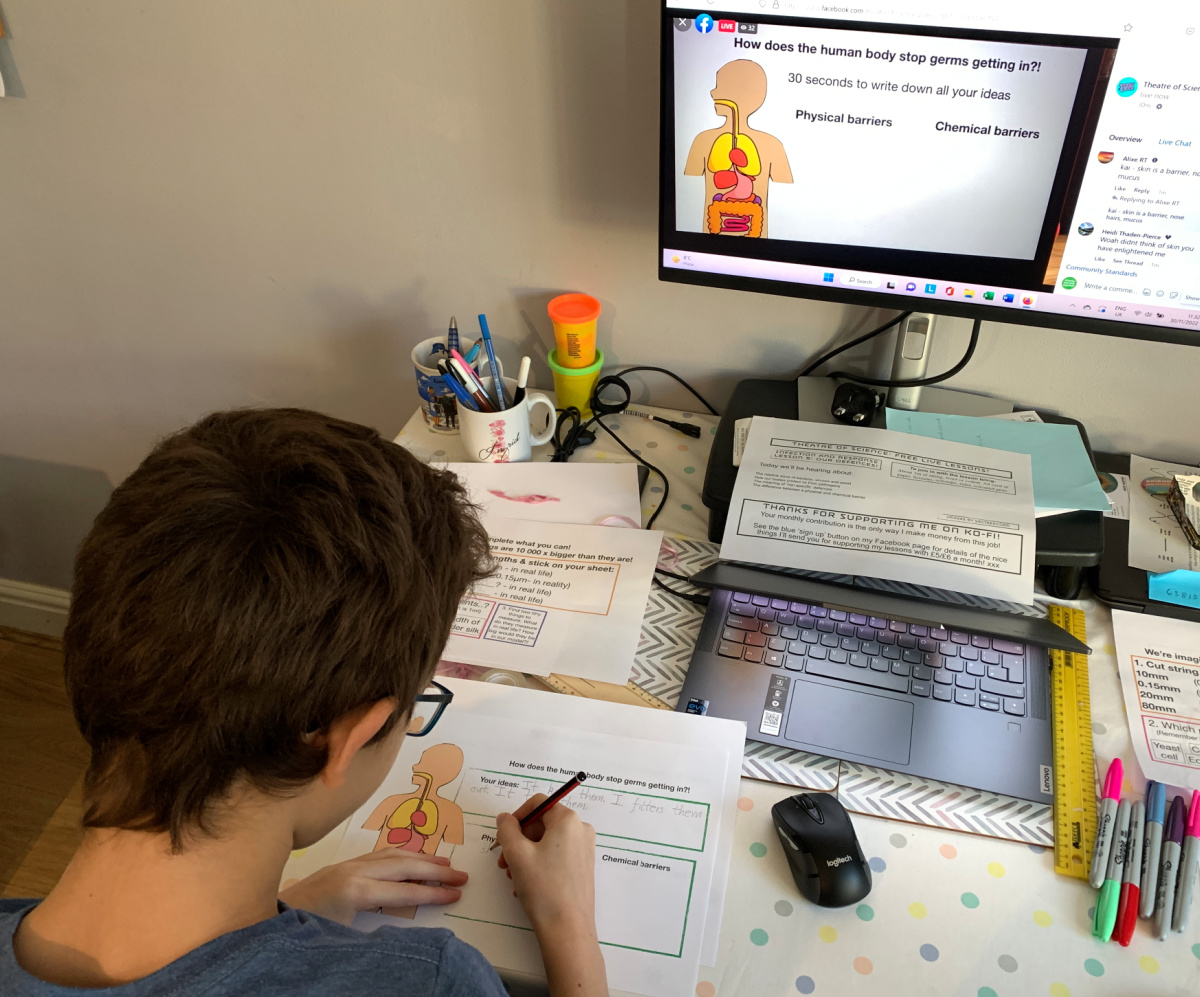
I have been thinking about this quite a bit lately and there are a few words I wish someone had told me when we were new to our journey. I really don’t mean this to sound preachy and I totally agree that everyone should do it differently (home education is all about what suits your kids and your family) but I think some people may need to read this.

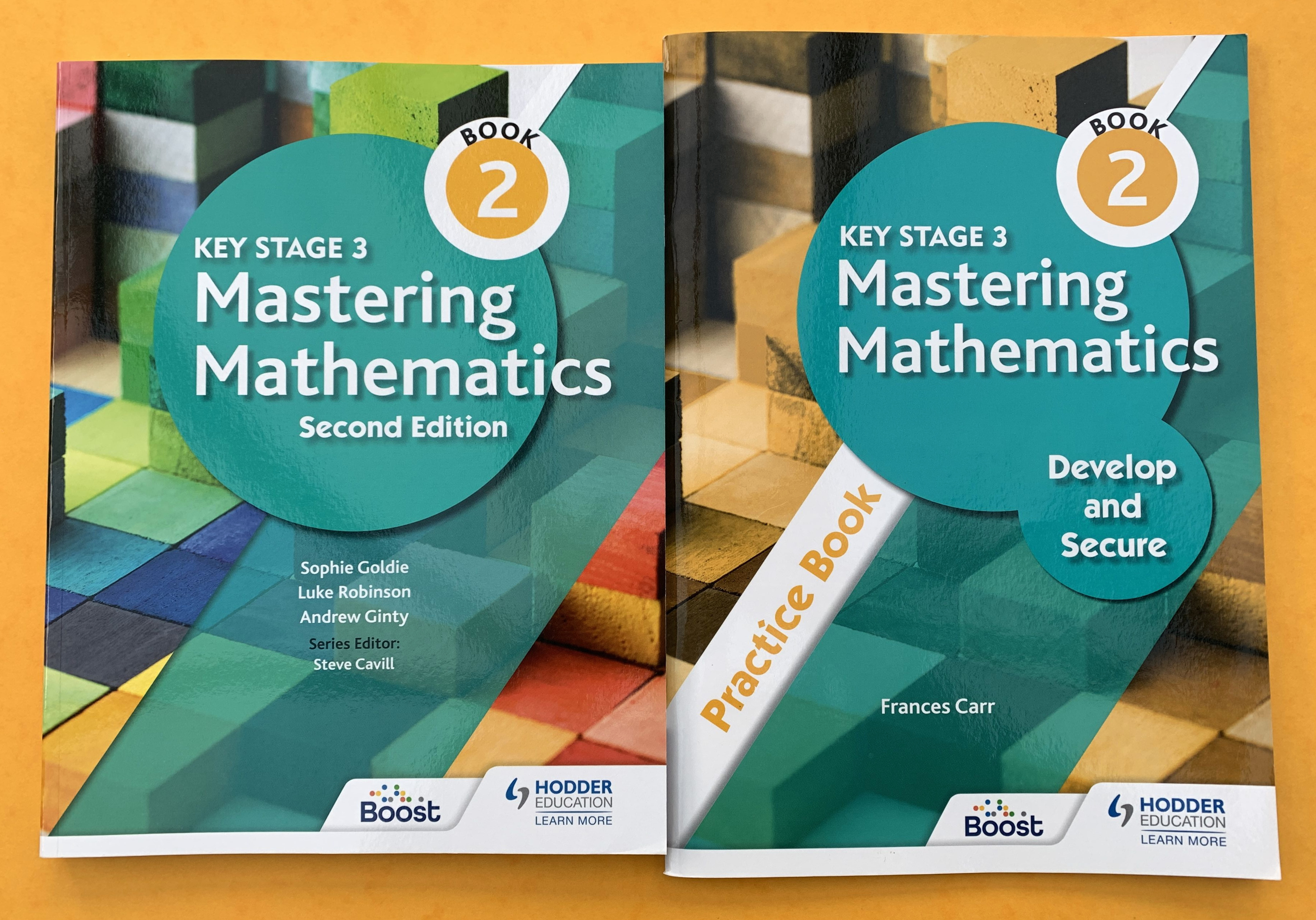
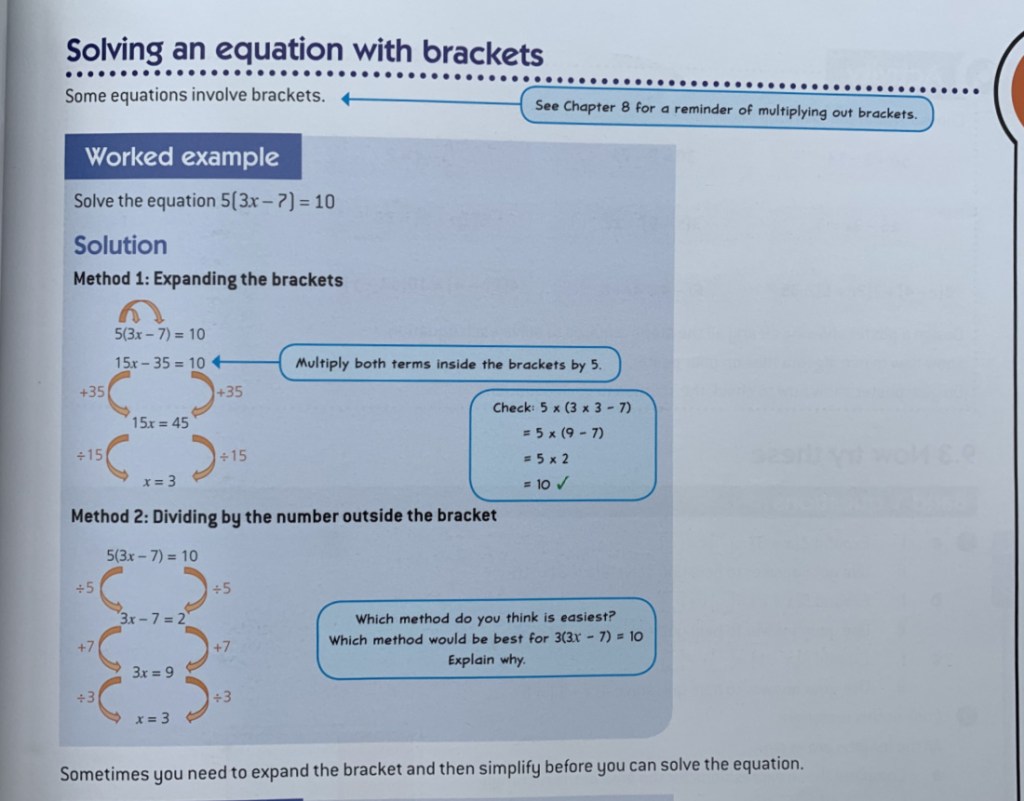
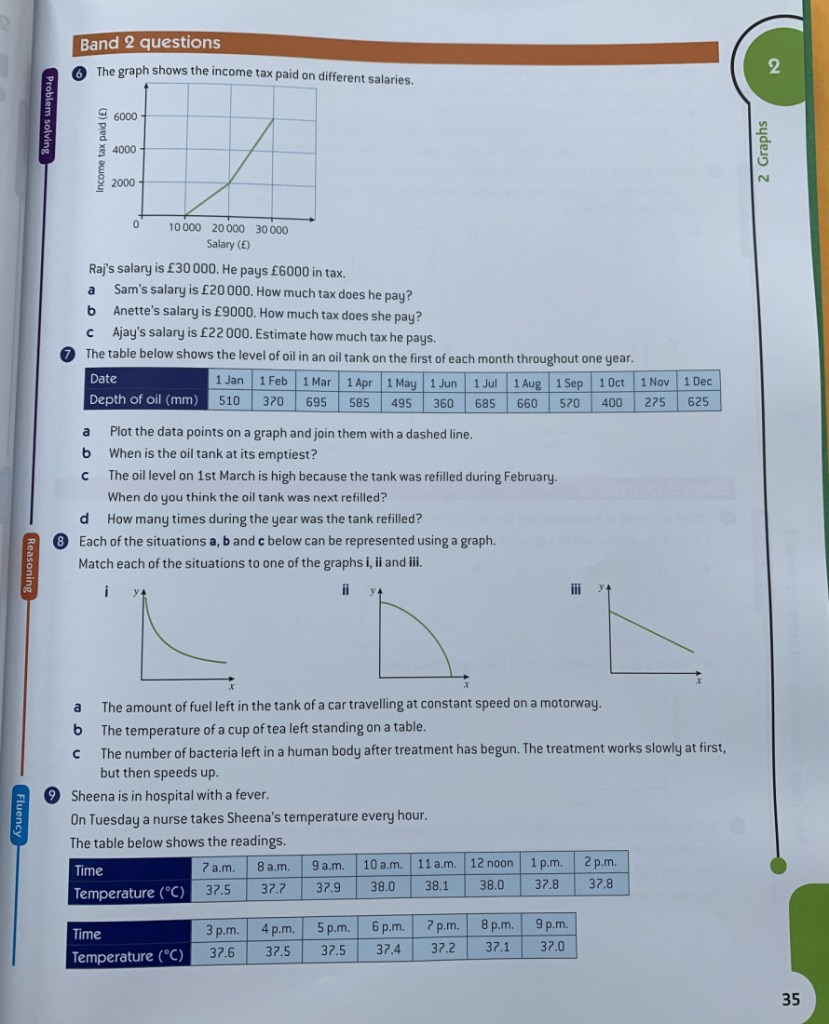
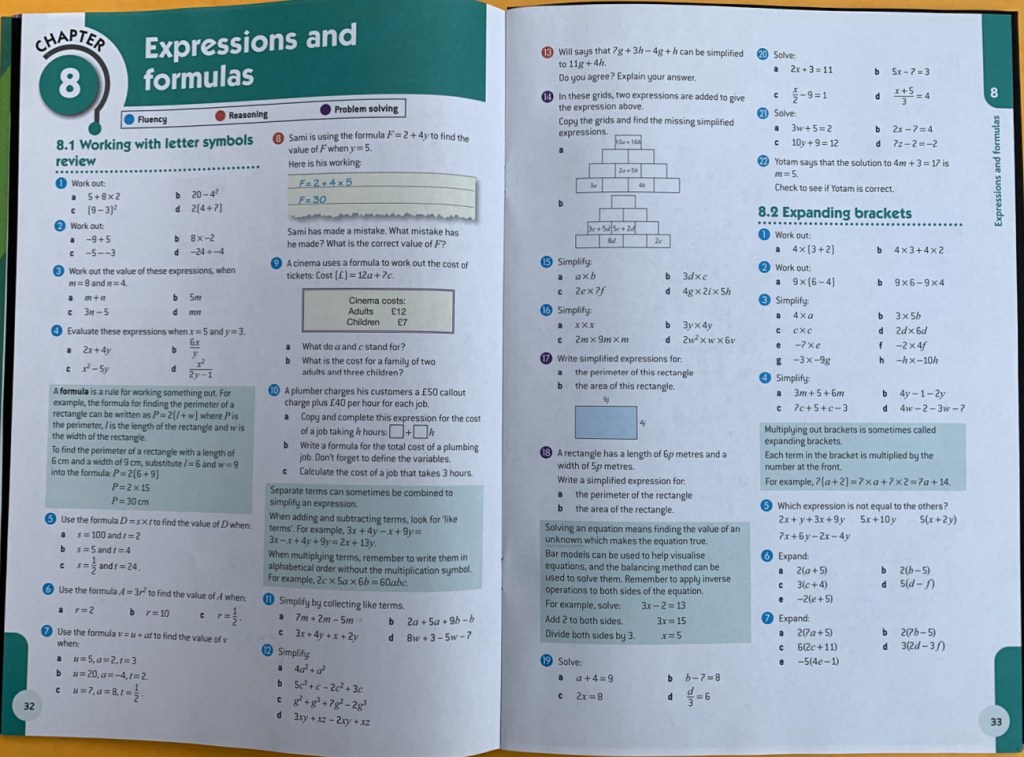
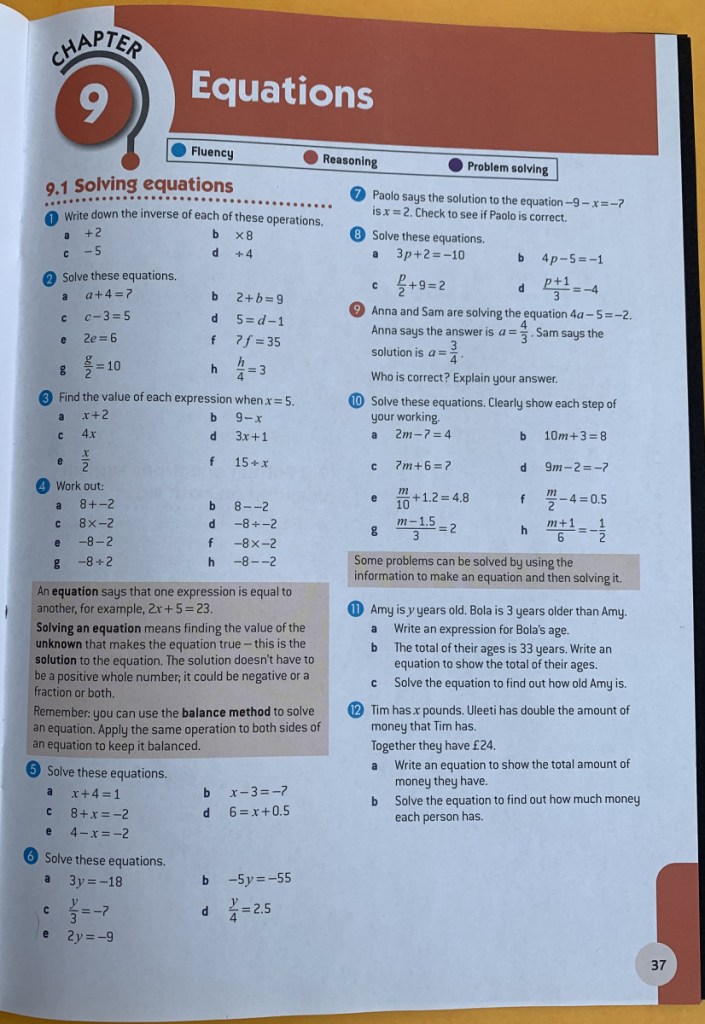
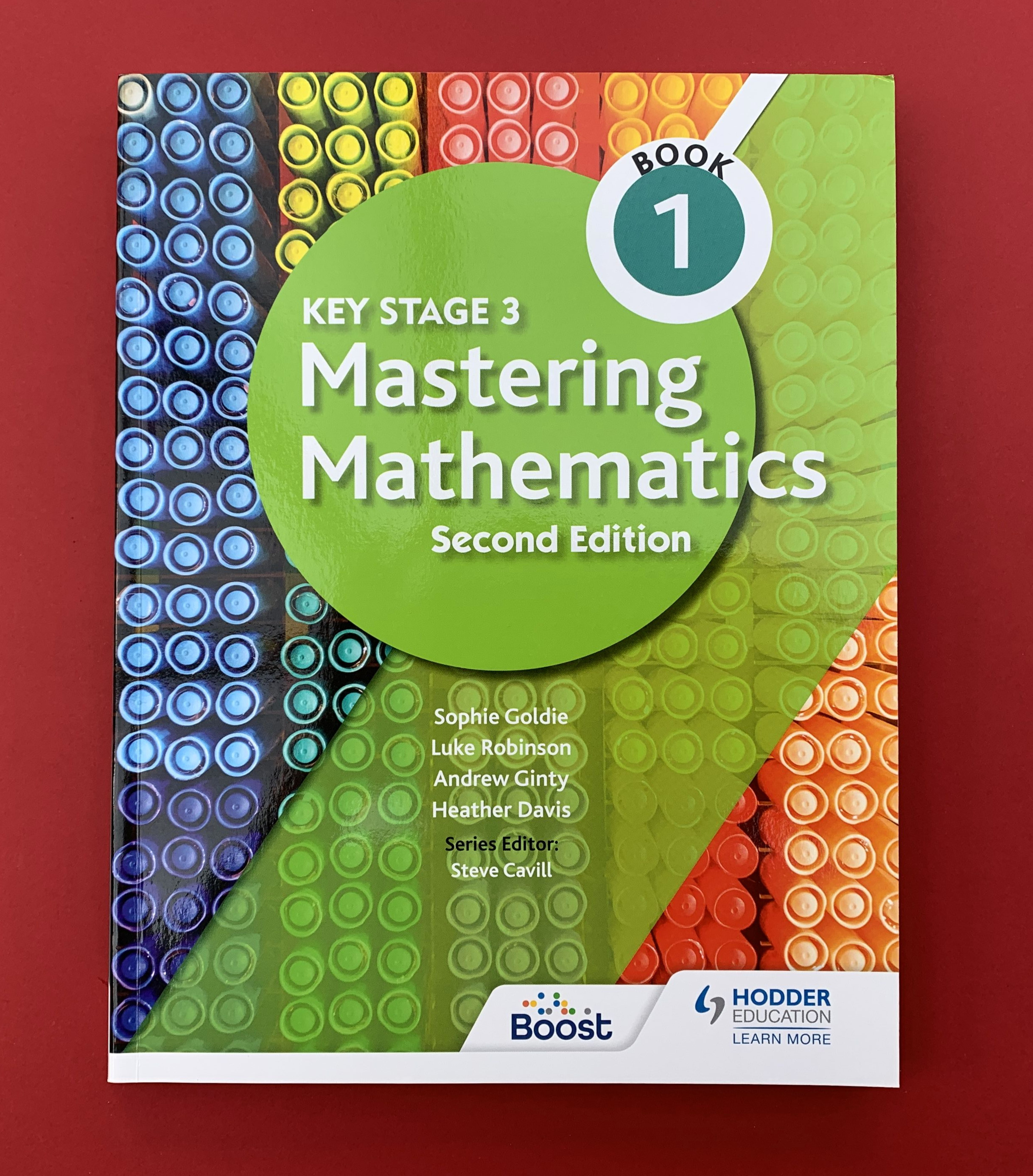
With Maths please do not worry about taking it slow. And I really mean this. If your kiddo is struggling with a Maths concept which is suppose to be “taught” in the current year but they just can not get it. Don’t worry. Give them a break let them focus on some other Maths and come back to it in 6 months or 12 months. With Maths it is more important that they understand the Maths and it is NOT important in what order you do it or what year they do it. Rather take the Maths slow and let them really grasp the basics. In later years the fact that they understand the concepts will help them a great deal.

Read, read and then read some more. And I don’t mean stress about their reading level. What I mean is expose them to stories, you read to them, they sit with you and follow as you read, let them listen to audio stories. Just fill your home with stories. You can never go wrong by reading too many good books. And please don’t fall into that trap of thinking they are too old for you to read to them. Listening to a good book together is a joy, no matter what your kids ages are.

Don’t stress about handwriting when they are little. Some kids are just going to develop differently and for some kids handwriting comes much later, that is okay (in fact this applies to reading as well, so if your kids only read confidently later, it is okay). If they are struggling with handwriting rather spend some time doing fun fine motor activities and lots of art with them, their hands may just need a bit of extra time to develop and strengthen.

Creative Writing. When your kids are writing please don’t stress about what they are writing. If they want to make shopping lists for you, create animal fact pages, if they want to just copy out a story, whatever form of writing they are doing is good. Don’t fall into that trap of thinking they have to be writing about x or y or writing in a certain format. Just enjoy the act that they are writing and encourage them to write. My kids wrote all kinds of things (most of which I am sure would never have been accepted as part of the school curriculum) but I never worried about that I focused on the fact that they wanted to write and enjoyed writing and let them just go for it. Now I have a teen you spends ages creating her own stories and another one who also still gets out a book to create some wonderful world that blows my mind. Writing is good, it does not have to fit into some box that someone decided.

Don’t be scared of not following the set curriculum for the year you kids are in. One of the best things we did was letting our kids deep dive into a topic – we went Viking crazy for over 6 months – it took all kinds of forms and the kids learnt an incredible amount. We also did a lot more world history than what the schools would have done, but we loved it and my kids gained a better appreciation of other countries. We spent ages and I mean ages on dinosaurs and animals, but that extended into our English and Maths. If your kids find a topic interesting they will naturally pay more attention and you will be amazed at how much more they learn and how that learning extends into different areas.

Don’t forget about “life skills”. It is really easy to get caught up in ticking all the boxes that you think you need to cover (ie academics) and then forgetting about every day skills. But here is the thing your kids are at home with you so make the most of it. Teach them about basic home skills – they can make their beds, fold laundry, help with the cooking and don’t forget to bake. Baking together is such a fun activity, and it develops Maths skills (fractions, doubling, halving are all a part of baking), plus after you have baked something everyone gets to eat a tasty treat. They can be involved in menu planning, helping you do a shop and seeing if they can stick to your budget. Let them be involved in the home stuff, you will be amazed at how much they learn by just helping you.

And when everyone is feeling that they have had enough (and I mean the home education parent as well), take a break, go for a walk, go and do something fun, get out the house.

Everyone kid and every family is different, so what works for one family is not going to work for you but that is the beauty of home education, don’t be scared to just be you and do what works for you and your kid.

Posted in Homeschooling | Tagged , , , | Leave a comment

Maths Revision workbooks for GCSE

I am really happy with our Maths student book that we are using but Maths is one of those subjects where you really need to practice so to make sure we had enough practice material I also bought my daughter a CGP IGCSE Edexcel workbook and I bought her the Pearson Edexcel GCSE Revision workbooks (I actually bought both the foundation and the higher version of this).

We are really enjoying these workbooks for a number of reasons. But let me start by clarifying the difference between the Foundation and Higher one. The foundation book only includes questions for kids aiming at grades 1 – 5. However I found there were not a lot of questions around grade 5 level. If your kiddo is aiming for Higher grades than you may find this is a good revision of basics before going onto the Higher workbook (that is how we are using it). The Higher workbook has questions in the range of grades 4 to 9. So you can see there is some overlap (grades 4 and grades 5) with the two workbooks. And you will find there is some duplication of questions but so far we have not found a lot of duplication, in fact we have found there is often completely different pages in the two workbooks.

Here are a few sample pages from the Foundation workbook

And here are a few sample pages from the Higher workbook.

One of the first things that really stuck out about these books was something very simple but incredibly useful for us home educators. On the contents page of both of these workbooks they have used a simple key to highlight which topics they consider “tricky” and which ones they consider a “hot topic”.

Another important thing to stress is all answers are included at the back of these workbooks.

We are using these together with our student book as a source of extra practice questions. So for us that means we are not working through every single page and sometimes we use the page out of the foundation book followed by the page from the Higher book and sometimes we only use the page from the Higher workbook. It really depends on what the Maths topic is. I also sometimes get my daughter to just go back and do pages out of here on topics that we covered a few months ago, just so we can remind ourselves. But honestly I think however you choose to use these books they are useful and there were not that expensive (I paid under £5 for each workbook).

I am finding these really useful as a Maths resources for our IGCSE (yes I know they are written for GCSE Maths but Maths questions are Maths questions and we really just needed to find some good quality sources). We recommend these workbooks.

Admin – I do include Affiliate links. If you follow an affiliate link and go on to purchase that product, I will be paid a very small commission, however your cost will remain the same. I only include affiliate links for products that we use and recommend.

Posted in Homeschooling | Tagged , , , , , | Leave a comment

IGCSE History Depth Study Book

With the IGCSE courses that we are working on I have found that it is a lot easier to find resources for Maths and Science than it is for History. I have actually struggled to find the same quantity and quality of resources for History, something which has started to really get to me because it is actually not that easy guiding your kiddo on answering History questions. Anyway one of the resources that I recently bought was this book – Pearson Edexcel International GCSE History Depth Studies.

Now to begin with I am going to admit that I avoided this book because I did not think it was that practical. You only need to select 2 Depth Study topics and this book covers four depth study topics. So you are buying a book when you are only going to use 50% of it. And in comparision there are other books which just deal with the individual topics – so then you buy 2 books which only cover the 2 topics that you are studying. It also works out cheaper and to me it just made more sense. So I initially went with those books, and in all honesty we have found them good books. But I have struggled to find extra content on the internet (we always like to study using multiple sources) so after lots of searching I actually ended up buying us a copy of the Depth Study book so we could use it as one of our alternative resources.

So that is the background on why I did not initially buy this book. But now I must confess I actually really like this book, yes we are only going to use 50% of the content but I think the content and the way they have chosen to lay it out is excellent.

First off what does this book cover – If you kiddo is writing the Edexcel International GCSE History paper, they need to chose two Depth Study topics for Paper 1. In total there are 8 Depth Studies which you can chose from (you can choose which ever 2 you want). This book only cover 4 of the 8, so make sure you know what you want to cover before you buy it.

We have chosen to do Dictatorship and conflict in the USSR and A world divided: Superpower relations. So I have looked at these two sections in this book but at this stage I have not read the other two. That being said after just flipping through the other sections it is clear that all four sections are written in the same style and the same format.

Each topic is divided into chapters and at the end of these chapters you get a good Focus task and a nice chapter summary. I liked this.

The content itself is split into easy to manage paragraphs, they use lots of subheadings and often include bullet points and diagrams to highlight important information.

Along the side of the paragraphs there are smaller blocks which highlight important points or gives information about the sources. And yes they have included lots of very topical extracts throughout the chapters.

I have read all of the pages on the USSR Topic and I have to say I found them well worded, concise and easy to digest, but at the same time nothing was oversimplified. I really liked the writing style and the way they set out the information.

At the end of the book there is a final section called – Exam Guidance. It is roughly 18 pages long. In this section they take each of the three types of questions which you can expect to get in Paper 1 and deal with them individually. So they start with the Part a (the impression question), and they discuss how to answer it (my daughter who has read and listened to a few people talk about exam guidance she said she found this very helpful and that they explained something here which others had not made clear). After they discuss how to tackle the question they then give an example, showing a sample answer followed by another example for the kids to try themselves. I want to stress something they do this for every topic. So in other words for Part A they have one an example, a model answer and a 2nd example for each of the four topics. I thought this was brilliant.

I have really enjoyed having this book as a 2nd resource for our USSR Topic and I plan on using it for our Cold War topic as well.

We highly recommend this book.

Edit – if you want detailed question cards for this section there are a set on the TES website here – IGCSE History Dictatorship and Conflict in the USSR Question and Answer cards

Admin – I do include Affiliate links. If you follow an affiliate link and go on to purchase that product, I will be paid a very small commission, however your cost will remain the same. I only include affiliate links for products that we use and recommend. And just to make it clear we bought this book, this was not a review copy.

Posted in Homeschooling | Tagged , , , , , , | 1 Comment

Tudors and Stuarts.

My daughter recently dug out our Tudors and Stuarts book so she could check a few things in it and I realized that although we used it quite a lot in the earlier years of home educating (KS2 History) I never actually wrote a post about the book.

This book is part of a series of Usborne History books that we really loved. I like this series because it always selects a time period and focuses on the period, so it is a focused book on a set period. We borrowed quite a few of them from our local library but we did also buy a couple (the ones that I knew we were going to use over and over again) and this is one of the ones that we bought. And honestly all these years later it was well worth the money because it really does contain a lot of information and is perfect for History projects in the KS2 and even early KS3 years.

The book covers all the topics that you would expect (Henry and his wives, his split from the church etc) but it also goes into more detail in areas that other books sometime ignore or just gloss over, that is one of the reasons why I liked this little gem.

All in all it is 61 pages but it is 61 pages filled with interesting facts and written in an easy reading style. And it really does cover a lot – from the facts about the monarchy, to every day living and important events. Instead of trying to list out what it covers I have added a photo of the contents page.

Okay so format wise. The pages are well formatted (what we all come to expect from Usborne) – short paragraphs, lots of interesting pictures and diagrams and some fun boxes along the side of the pages to highlight certain facts. When my kids were younger I did read sections out of the book to them but we really got the most out of this book when my kids could sit and read it themselves. In fact we used it quite a lot when they had mini-projects to do for History (eg when my daughter was creating timelines and family trees or when we were doing a project on “what came after the Tudors”).

As a home educator I found this book really well written and very useful for our History learning. It is one of those books that I am thankful we chose to buy and add to our bookshelf.

Posted in Homeschooling | Tagged , , , , , , | Leave a comment

Year 6 Maths Tests from Twinkl

Lots of readers always ask about Maths Tests for their kids to practice on so I wanted to share a set of Maths tests that I used with both of my kids when they were younger. It is the Year 6 Arithmetic Tests downloaded from the Twinkl website. There are 10 different tests, each one takes 30 minutes to complete and they have included an answer sheet at the back.

Each test is slightly different but in every test you get a wide range of questions that cover the basic four operations, fractions, decimals, and percentages.

All you need to do it download the test, print it out and your kids is ready to practice.

Okay so why did I like these tests – I liked that they had a variety of Maths questions in one test, that it was set out with working space under each question, so you really only need to print out the question paper, I like that they included a mark scheme and the answers. For me it was just easy to use, print it out and you have a test paper all set up. Easy, no extra work needed by me.

What was the purpose of us using these tests – I started using them as a way of getting the kids to practice answering a certain number of questions within a given time frame, it is something that we had never done before. And I liked the fact that while we were working on a certain Maths topic (possibly geometry) I could give the kids a paper like this that would remind them about the other Maths that we had already done – sort of “can you remember this?” activity.

I honestly was not that concerned about the marks, but both of my kids liked marking their papers and working out what their percentage was.

For me these test papers dealt with a few issues in one go – practicing Maths, letting me know if there were areas we needed to revisit, time management and even getting the kids to challenge themselves to do better.

Admin – this post is not linked to the Twinkl website, it is just a post about one of their resources that I found useful as a home educator.

Posted in Homeschooling | Tagged , , , , , | Leave a comment