My Name Is Victoria

My daughter and I are huge fans of Lucy Worsley’s books. She writes Historical fiction so effortlessly that you, the reader are transported back in time and become entangled with fascinating characters. My daughter classifies Lucy’s book as some of the stories where she loses herself – ie while she is reading she forgets that she is sitting in her home in modern England and feels like she is actually living the story as it unfolds (Can any author honestly get a higher compliment than that?) My name is Victoria was the fourth Lucy Worsley book that my daughter has read and it has been just as popular and loved as the others (in case you are wondering they were – Lady Mary, Eliza Rose and The Austen Girls – all books we highly recommend).

The book is written from the perspective of a young girl – Miss V Conroy (V for Victoria), she is the daughter of Mr John Conroy who acts as the Duchesses comptroller (the Duchess being Princess Victoria’s Mother). Mr Conroy was the person who created the Kensington System and can be seen as the person who made Princess Victoria’s life quite challenging and hard as he tried to gain control of the young Princess in the hope that he would be able to end up indirectly ruling (his hope was that the King would die before Victoria turned 18 so he could effectively control her). Miss V is taken to Kensington Palace to act as a companion to the young Princess. In this story the two young girls become incredibly close friends, even viewing themselves more as sisters. Through the book you see Miss V struggle with her thoughts and opinions of her father, someone who she first admired but later starts to question and eventually sees him as evil and controlling. Miss V eventually falls in love with Prince Alfred and the Prince and Princess hatch a plan where Miss V and Princess Victoria trade places. It is a story of a young girl growing up and learning some hard truths about adults in the world but also a story of hope, courage, strength and friendship.

The story is a very interesting take on the childhood of Princess Victoria and one that does make you stop and think because although it is a fictional story there are lots of accurate facts woven into the storyline. And after reading it you do have a new appreciation for Queen Victoria and her reign because you have an appreciation for the fact that her childhood was NOT an easy childhood. Yes she lived in a palace but she actually lived quite a simple life and often ate very basic food. Through the Kensington System she also did not have a lot of freedom and her childhood was actually quite depressing and limiting. It actually makes you marvel and how she managed to turn out so well adjusted and end up being such a popular monarch.

My daughter read the whole story in three days. I had actually given her the book and asked her to finish it by the end of half term but after I got sick and was not in the best of home-ed mom modes she actually ended up reading a lot more and finished it really quickly. She really enjoyed the story, and she was intrigued by the concept of a different Princess Victoria – we like to think of it like the multiverses in all the hero movies, where in one multiverse this just might have been what happened (you can never really know can you?)

Both my daughter and I (I also read the book) highly recommend My name is Victoria. We think it is fun, engaging and a “lose your self in a wonderful story” book. (We recommend for ages 11+)

And for those readers who want it here is an Amazon link for the book My Name Is Victoria

Admin – I do include Affiliate links. If you follow an affiliate link and go on to purchase that product, I will be paid a very small commission, however your cost will remain the same. I only include affiliate links for products that we use and love.

Posted in Homeschooling | Tagged , , , , , | Leave a comment

Biology Scramble Game

We have been massive fans of the different Oaka Board games for a few years now so I was very interested to give the harder Biology Scramble board game a try. It is a game aimed at KS3 ages which is perfect for us as my daughter is in Year 9 and I have been trying to focus a bit more on Science.

Okay first impressions – it looks very similar to the other Oaka board games when it arrives – it’s in a nice box, with the cards in the a4 page format (you just need to pop the cards out), a folded up board, pieces to play the game, question cards and of course merits (their version of money or points).

But I quickly noticed a few things. They have included extra blank question cards (genius!!). So the kids can write their own questions on the back of these cards and pop them in with the other question cards (I can not stress how much we love this little fact because we have actually added a few of our own question cards to other board games but then the cards look a bit different, so it is great that these blank question cards still have the same appearance as the normal question cards).

Also without even starting the game I could see that it was going to be slightly more complicated. The game comes with the standard question cards (purple cards with a question mark on them) but it also comes with 2 extra set of cards (the blue Bacteria Cards and the multi-coloured Biology cards). The bacteria Cards – are a mix of penalty type cards and extra bonus cards. So if you land on a Bacteria square and get a Bacteria card you are never sure if you might gain or lose. And then Biology Cards. There are different colour Biology cards and your aim is to try and collect all 7 Biology cards in one colour. (each colour is a topic – so the green biology cards deal with cells, the pink are reproduction etc etc). So there is definitely more going on with this game then there was with the other KS2 Science games (Which by the way we highly recommend).

Okay so actually playing the game. Our first round was just the two kids and myself and I took on the role of Head Biologist (the person doing the question cards and giving out the merits). To begin with we were not entirely certain about the Biology cards and the kids ended up focusing on landing on the normal purple question squares. But we quickly figured it out and once the kids had selected their colour to collect (They need to collect all 7 cards in one colour of the Biology cards so they can get to the main square and end the game), they quickly realised that landing on the other coloured Biology blocks game them a lot more merits that the normal question squares.

Question wise – the questions included are a definite step up from the questions in the KS2 Science board games. I did find that within the question cards there were easier and harder questions and because my youngest is only Year 6 I did sort through the cards a bit and made sure to give him the questions on topics he had covered so he was not out of his depth and so he actually enjoyed playing the game. (With my oldest she just answered whatever question came up). The first round of the game probably took us about an hour to play and I have to admit it was a fantastic Friday activity. It really was a great way to remind ourselves of some facts and the game resulted in two very interesting discussions (on Biology).

Then over that weekend my daughter asked her dad to play the game with her (that right there is a very good sign – the fact she wanted to play a Science game over her weekend – WOW!). So second time round, we understood how it all worked and the game took off a lot quicker. But two things happened the second time round – my son realised that some facts are actually on the board (he just had to look really carefully) so that meant I could actually include some harder answers for him. (My daughter refused to look at the board for potential answers she wanted to do it all from her memory). And I also noticed that questions that they had gotten wrong the first time they were now remembering and getting the answers correct the second time (I was impressed).

I have been really impressed with this game. It is a step up from the KS2 games but it is still interesting and a great way to revise facts (really prefect for an end of week activity). We have only just started playing this game but I am confident we are going to be using it a lot with both of the kids.

Admin – I have been wanting to try this game with my daughter for ages and when Oaka Books asked if wanted to review anything I immediately asked for this game. I have NOT been paid for this post or Paid for any comments concerning the Oaka Book range

Posted in Homeschooling | Tagged , , , , , , | 3 Comments

Year 9 Update

As we are part way through my daughter’s Year 9 work I thought I would give a quick update on the resources that are working for us.

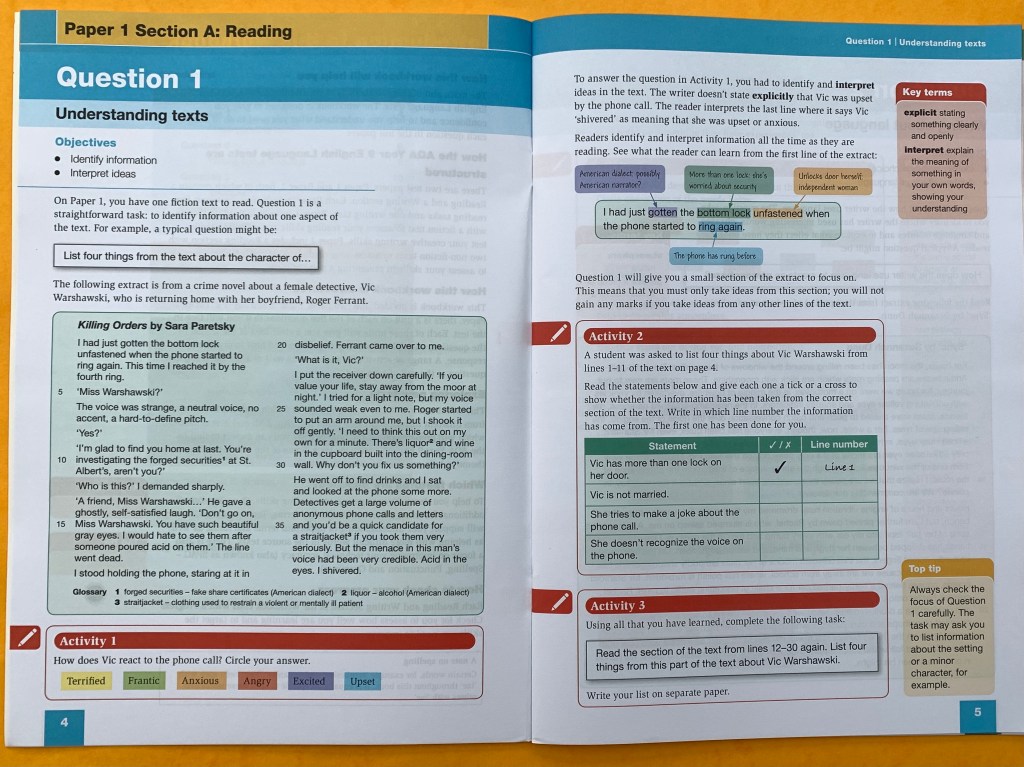
Starting with Maths. I really do feel like this series has been a massive hit for us – Mastering Mathematics by Hodder Education. We are using the Book 3 Text book together with a mix of activities from both practice books. You could use just one of the practice books but I like combining them so I can challenge her in certain areas and possibly give extra practice in other areas. Honestly using this series has just made the Maths a whole lot easier.

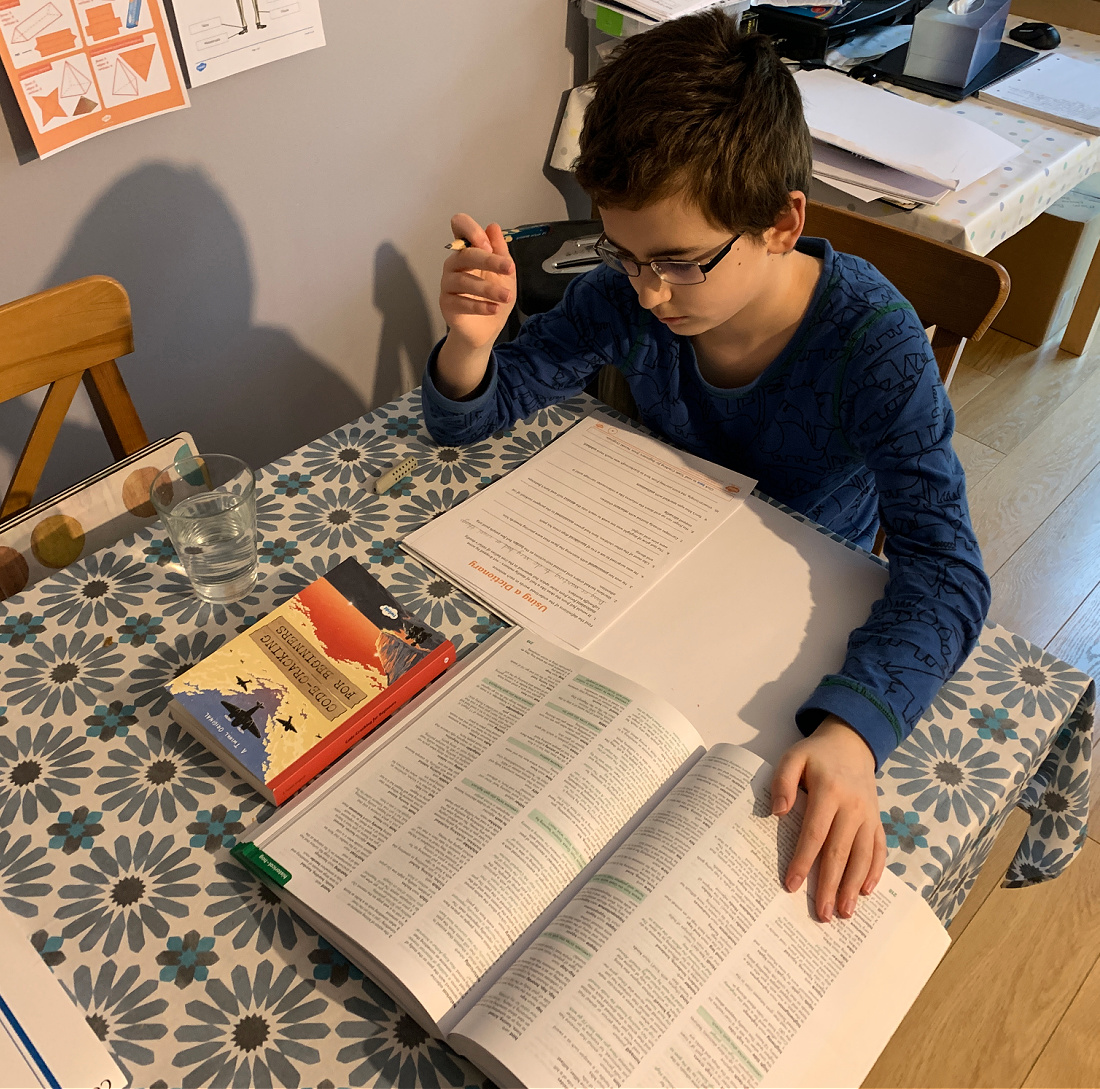
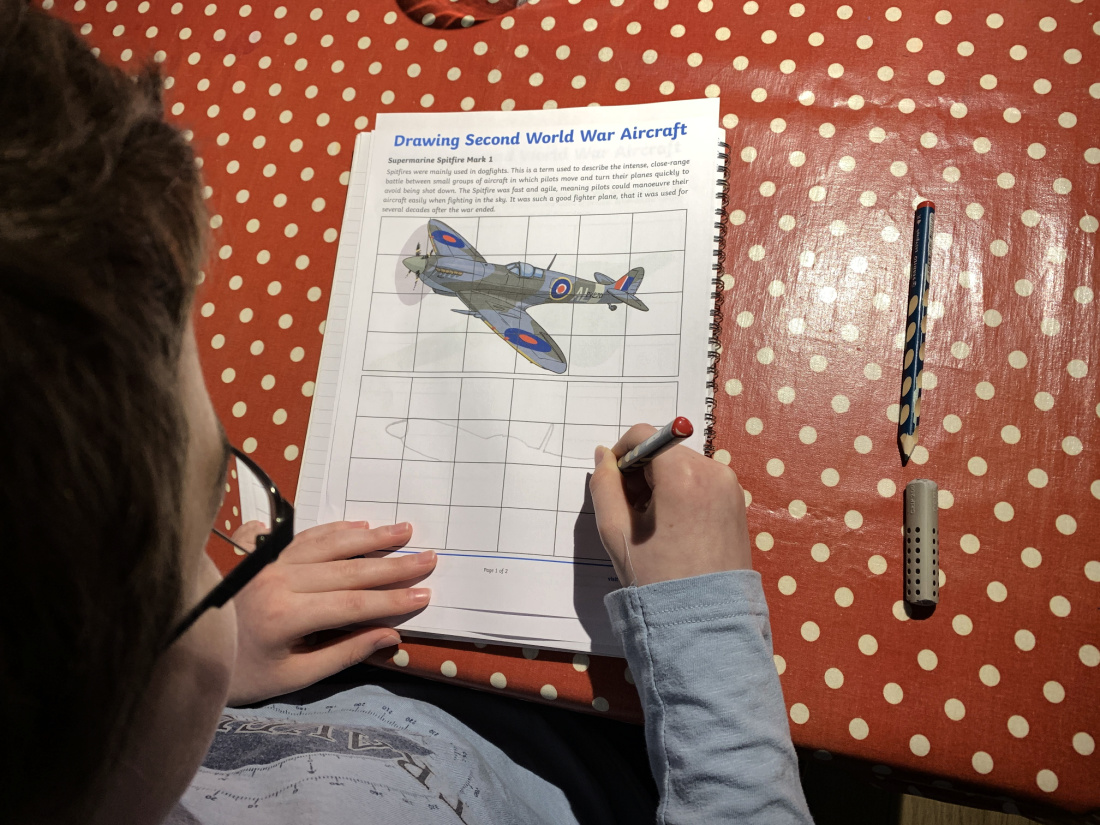
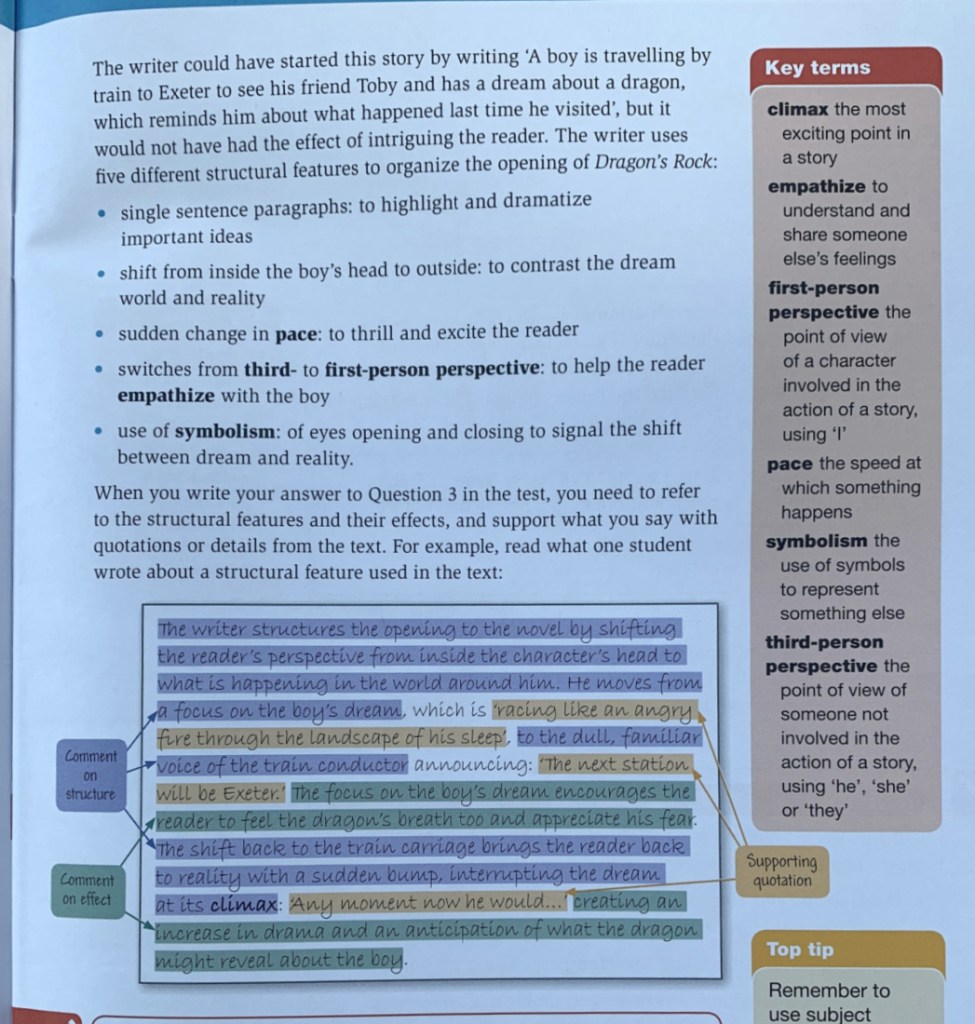
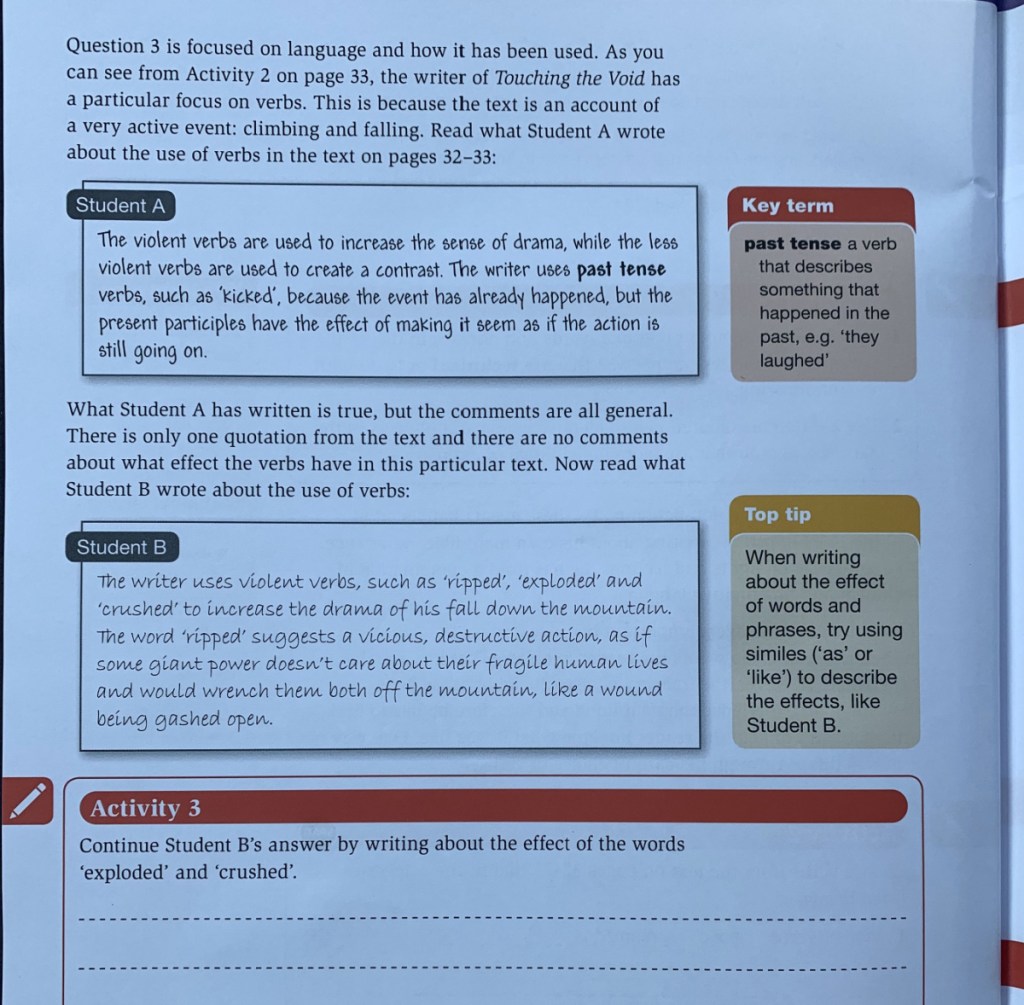
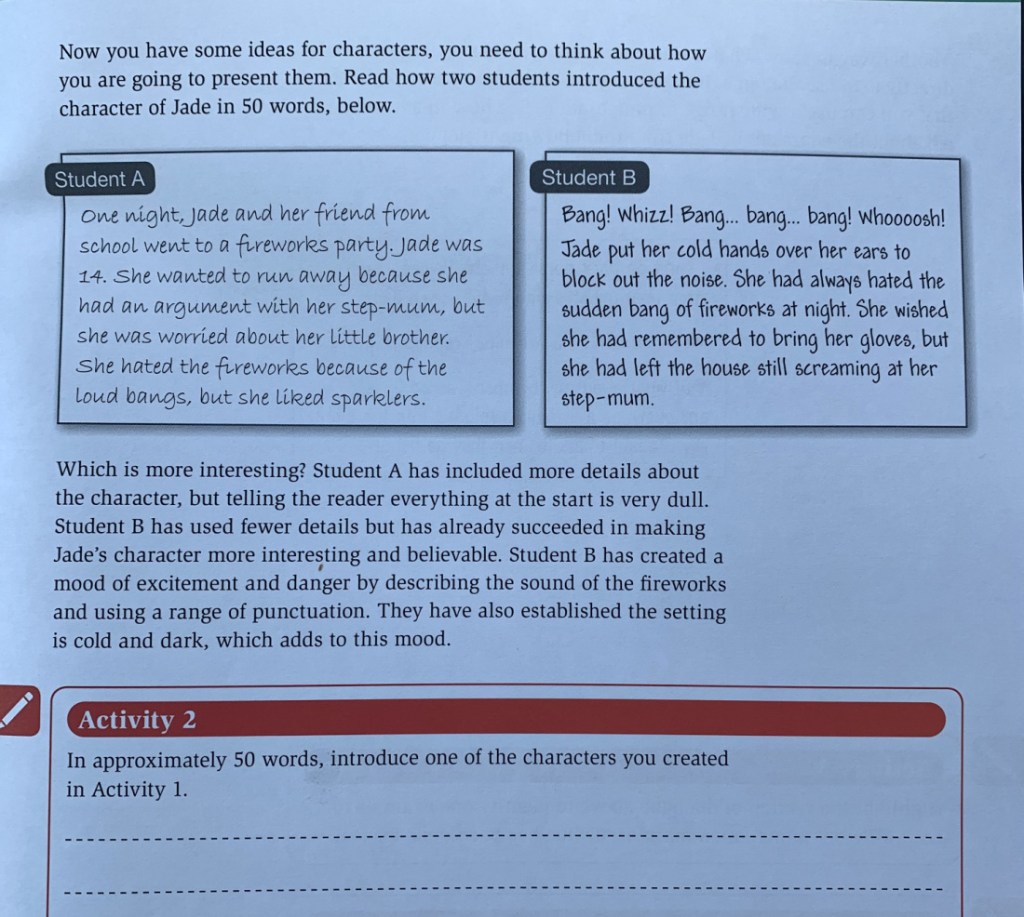
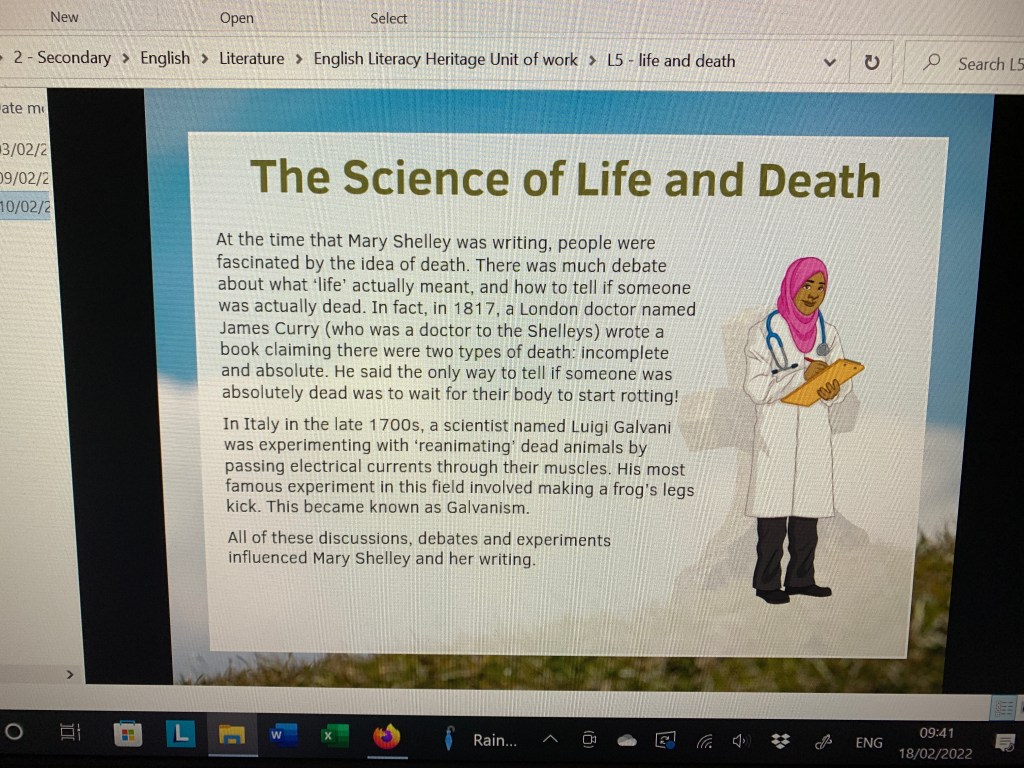
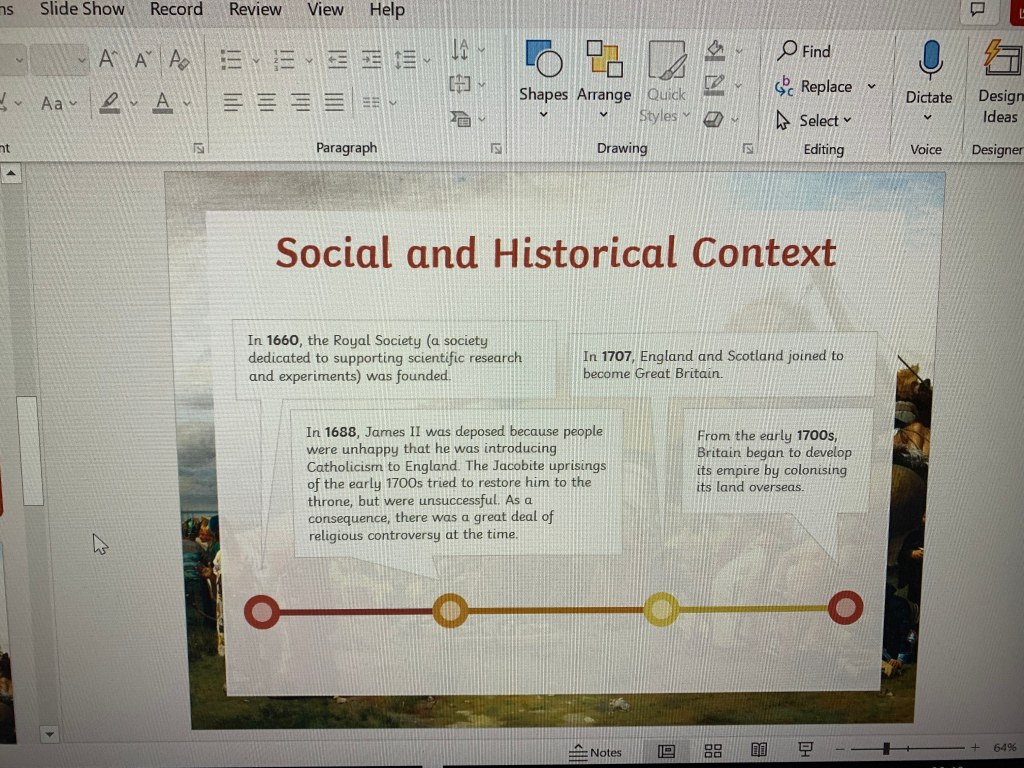
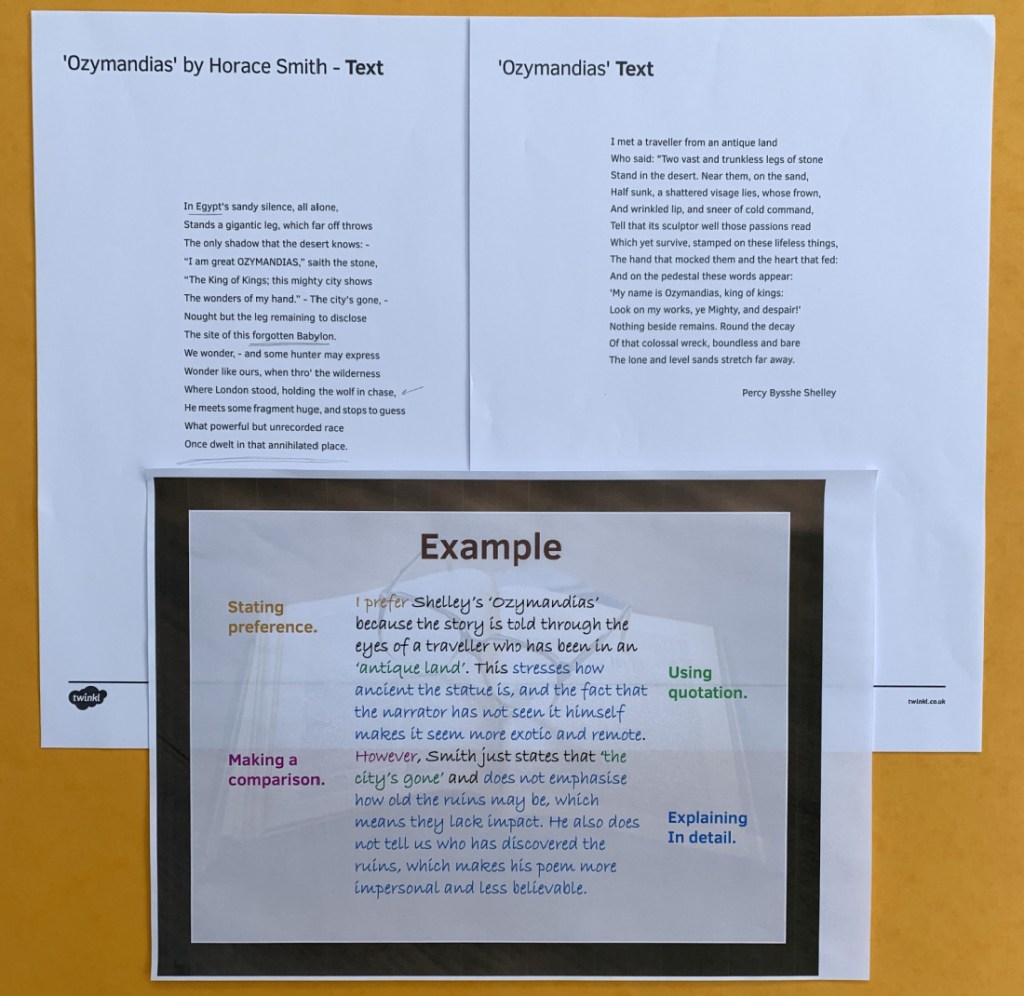
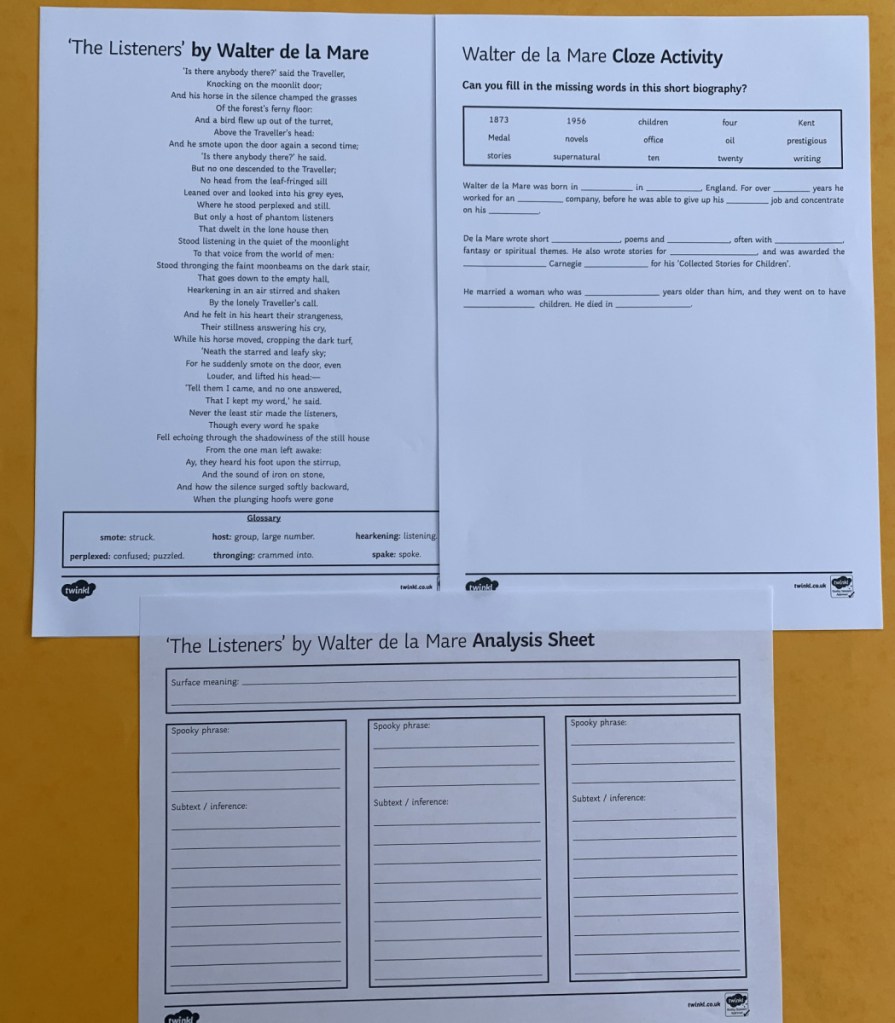
English is quite a mix. Lots of reading and even watching movies linked into themes. We are talking a lot about genres at the moment. And linked into our genres I am still really enjoying the English Anthology series that we started using last year – we have been using the War themed anthology (which I love) and I am hoping to soon move the Dystopian Anthology. I really have become a massive fan of these English Anthologies, they have interesting activities to work through and it just makes sense to look at one type of writing at a time, to sink in and cover it and then to try another. It works for us. We are also using English units from Twinkl. At the moment we are working through a very interesting unit called English Literary Heritage Unit of Work (Into the Unknown) – it is a slightly challenging unit in some aspects but very interesting. And then the Get It Right books – we are using the Spelling, Punctuation and Grammar book and the boost your Vocabulary series.

Science. We are using our Science text book together with the practice books. I have to admit that although we have both Science practice books we do tend to use the Extend practice book. With Science we are also using some of the Oaka Topic packs, matching cards and we just got a new Science game. We are also slotting in quite a bit of Science revision this year just because I want to really build more Science confidence and I think it helps if we do go back and cement some things.

History. Our Main History book is our Wilkes book – Technology, War and Independence – we really enjoy this series. Love it. But because History is a big subject for my daughter we do add in a lot of extras. We do lots of topical reading (historical fiction books), we watch lots of documentaries and movies linked to our topics and where ever possible we link in trips to places. History really has became a multi-media subject for us, in that we have found the documentaries and movies that we watch really bring the subject to life and then being able to go and walk somewhere or see something linked in to our topic (English Heritage sites, Museums etc) is like the final finishing touch.

Technology, War and Independence 1901 to present day. History book for KS3

Geography. We are using our Geog.3 book as our main book (in terms of what topics we are covering) but we are adding in our Oaka Books topic packs. I think the variety helps. I have been trying to bring in more documentaries to watch and have had some luck but not quite as much success as we are having with the History.

Starting Year 9 Geography Resource Ideas

Religious Education – we are working through our Explore RE book, slowly and just verbally (we tend to discuss what we have read and not really do written work on it). It works for us and I am finding The Explore RE book very helpful especially on religions that I don’t know that much about.

Then “extras”. Both kids are learning Latin with their dad. They do a bit every night and it is on an App with their dad explaining and helping them with pronunciation. I am not getting involved in the Latin.

We are also doing Ancient History, which is basically us reading about Ancient Civilisations. My daughter is really keen to do either Ancient History or Classical Civilisations as an IGCSE subject so this year we are just refreshing our general knowledge on the time period as a bit of prep work. Oh and Art, we still do Art but I know my daughter is not keen on Art as an exam subject so Art is becoming more of a relaxing activity instead of a subject as such – we are focusing on Art that helps her to unwind.

I feel like we have a good set of resources which are working well for our needs. I have started to look at possible Year 10/Year 11 resources (in other words GCSE / IGCSE) but I am still doing research and reading and will probably only start writing about those resources around June / July.

Posted in Homeschooling | Tagged , , , , , | Leave a comment

Waiting for Anya – a World War II story

Our History topic at the moment is Nazi Germany and World War Two. And as we like to do, we are extending our History into our English and reading LOTS of books set in this time period. We are doing a complete mix of how we read these books. Some books all three of us are reading independently (I like to read some of the books the kids read so we can discuss them together), one of the books we are reading as a family read (when we all sit together and read it together – The Boy in the Striped Pyjamas) and a few the kids are going to read by themselves and I will not attempt to read (realistically I have a lot to read as I am starting to do some prep work for my daughter’s Year 10 and 11). So there might be a lot of posts about World War Two literature over the next few months.

Waiting for Anya is a book that I selected from our local library 100% based on the fact that it is a Michael Morpurgo book. I just read the blurb on the back so knew it had something to do with Jewish children but that was really it ( so far I have never come across a Michael Morpurgo book that I have read and not been impressed with the characters and the story line). Well, it is an excellent book, everything about it makes it a brilliant read if you are learning about this time period.

The story is set in France in a small village where most of the people are shepherds. Most of the men of the village have gone away to fight the Germans and most of them ended up being captured and are currently prisoners of War. The main character is a lovable kid Jo who is just such a sweetheart character that you instantly start routing for him. One day while he is out looking after the family sheep a bear attacks the sheep, after the bear is killed he goes in search of his dog and discovers a bear cub. It is at this moment that a stranger arrives to help the bear cub, someone who Jo does not recognize which means he does not belong in the village. Anyway Jo ends up following him and soon discovers that the stranger is hiding out in a farm on the mountainside while he waits for his daughter. The stranger and his daughter are Jews and then were separated while they tried to escape. They made a deal that whatever happened if they were separated they would wait for each other on this farm. So he waits and waits and while he waits he helps other Jewish kids escape across the border to Spain. While all this is unfolding a set of German soldiers arrive in the village. I don’t want to give too much more of the story away but I do want to explain why I liked it so much.

The story gives you a glimpse of what life was like in France during World War Two. It talks about the hard aspects of living in German occupied France (getting your houses searched, having a curfew, being watched and listened to, potential of being shot) but in the story there is a German soldier who is kind and has children of his own. His character is written in such a way that you also get the understanding that not all Germans were happy about the way civilians and minorities were being treated. Near the end this German soldier realizes that Jo is involved in a escape plan (for the Jewish children) and he chooses to ignore it, thus giving both the Jewish children a chance and preventing Jo from being killed (if he was caught helping the Jewish children escape Jo would have been shot). There are sad moments, some people do die but it does end on a hopeful note (I did not think it was as sad as Private Peaceful).

It is not a particulary long story (187 pages) but I really do think it is a well written story, a story that deals with lots of sensitive issues in a very gentle understanding manner. I think it is probably one of Michael Morpurgo’s best works. I highly recommend this book.

Posted in Homeschooling | Tagged , , , , | 1 Comment

Library Books January 2022

We have always used our local library but at our old house going to the library meant a car trip. Since we moved a trip to our library is now just a 10 minute walk. So as I am sure you can imagine the fact that our local library is now just a short walk away means we are using it a LOT more than we did before. We often just pop in to see if we can pick up the odd book which means we always tend to have quite a wide selection of library books out at any given time. So I thought I would just give a quick look at some of the library books we currently have, why we have them (for some it is a very specific reason) and what we think of them.

I will start with my son (he has just turned 11 so would be year 6 at school) he is currently going through a massive David Williams phase. MASSIVE. As soon as he finds a new one he just devours it and then he goes back and re-reads sections from the old ones (so at the moment he has read all 4 of these but he is re-reading and quoting sections to us). He loves the humor and I must admit when he is reading one of them he always has questions about vocab or situations so I actually feel like they are great for widening his knowledge (never thought I would say that but he really does ask lots of questions based on the books and we have had some really interesting discussions just from these books).

My daughter, I have to state that she reads 3 or 4 books at the same time. I honestly don’t know how she does that, but she does and she never gets the different books mixed up. Okay so she likes books with a bit of a historical background and at the moment she is very much in the World War theme (I say World War as she is interested in books from both the first and the second World Wars). She is slowly working her way through the Flambard series (not pictured here) and has read the first 2 but we are having to wait for the third. She liked the the first 2 books in the series and enjoyed the characters but I am not sure it griped her like some of the other books have. She has also just finished Hero, which she really enjoyed and I am hoping my son might give it a try (she actually suggested I should read it so it must be good). Waiting for Anya by Michael Morpurgo is a book that was recommended and we are MASSIVE fans of his books so I think my daughter will really enjoy it but she has not started it yet.

The Nancy Drew book, this is the first Nancy Drew book she has ever read (she is almost finished) and we selected it because the Detective Anthology that we are using mentions Nancy Drew quite a bit and she has never read one before so we thought it might be good just to cover one so she gets the main concept behind these books. It has been what I would term an easy and quick read for her but she has also really enjoyed it. Anne of the Island is a book that she has already read but she enjoyed the whole Anne of Green Gables series so she got it out to re-read. (When she finds books that she REALLY enjoys she often takes them out again and just re-reads certain sections again).

Now the Wuthering Heights and Sherlock Holmes books were selected because we are working through a Heritage English unit which introduces key authors and key books. We have just finished the sessions on Sir Arthur Conan Doyle and since our library had some Sherlock Holmes books we thought it would be good to read one just to get a better idea of the characters and how the stories normally develop. (Confession – I have never read a Sherlock Holmes book before so I am also going to read these). Then as part of this English Heritage Unit she had to select an author to research and she selected Emily Bronte, hence Wuthering Heights is now on the reading list.

Okay and the Divergent series. I am actually pre-reading these. I wanted to find a series that we could use as an example of Dystopian Fiction. This series was recommended to us by a friend and I have to admit I have finished the first book (there are 4 books in the series) and so far I am really loving it. My plan is to first read the whole series myself and then potentially, if the other books are as good as the first one we will keep them and read them when we cover Dystopian Fiction. We may only cover it sometime after Easter but it just so happens these were in on the shelf at our library so I grabbed them and started them now.

I hope that might give someone one or two ideas for potential books.

Posted in Homeschooling | Tagged , , , , , | Leave a comment