Lightning Strike – a must read Victorian story

We read a lot, but this book is one of those that has blown us away. And I can honestly say that this story is going to stay with both of my kids for a long time. If you have a kiddo in the 10+ age range that is learning about the Industrial Revolution / factory life in Victorian England then this is a story for them to read. It is a fictional story but it is based on the living conditions of many factory workers and it gives insights into why there were strikes and protests.

Lightning Strike centers around a young girl, Eliza, who lives with her family and works in the local match factory. She is angry about her life, about how they are treated and how they can never improve anything. Through a chance meeting with a woman who wants to write about their living conditions, Eliza and her sister end up in a tough situation and she walks out of her job which results in everyone leaving the factory and the start of a strike. It is a well-written story with a strong female lead (Eliza, the character develops beautifully in the story), some emotional moments and you end up routing for the match girls. The story itself would stand on its own just because of the structure and the characters but what really kicks it up into one of our “not going to be forgotten” stories is how it paints a realistic scene of Victorian life. It makes it all so real for the kids that they are not going to forget, the beetles scurrying around the houses, eating your food with phosphorus on it, how the staff where fined for ridiculous reasons, how the two older girls in the family had to work so that there family were able to pay the rent and yet they still sometimes went hungry. There really are too many things in this book to mention, but by just reading the story, getting involved in Eliza’s life both of my kids have absorbed these facts and now really do have a grip on this whole side of Victorian life. I really do think it is one of the best resources you could use with your kids if you are looking at this time period.

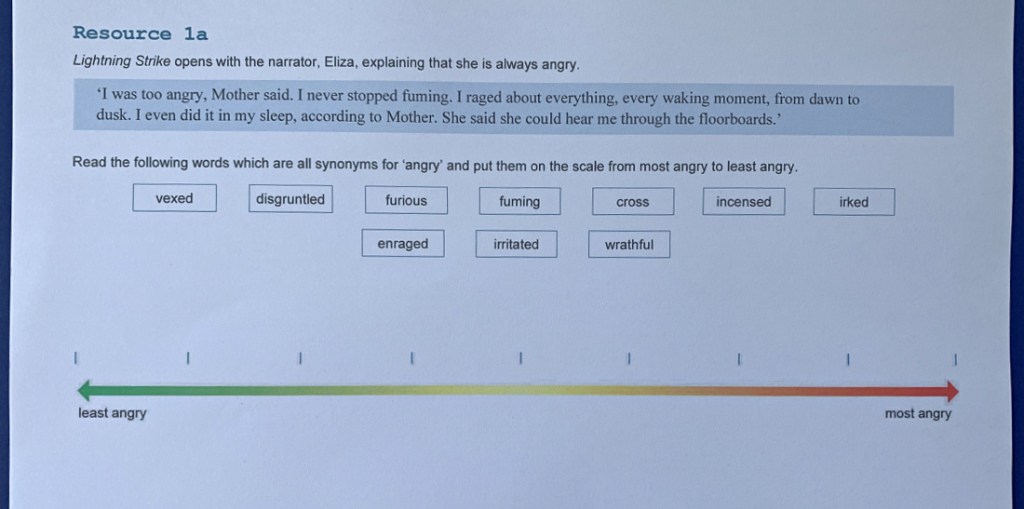
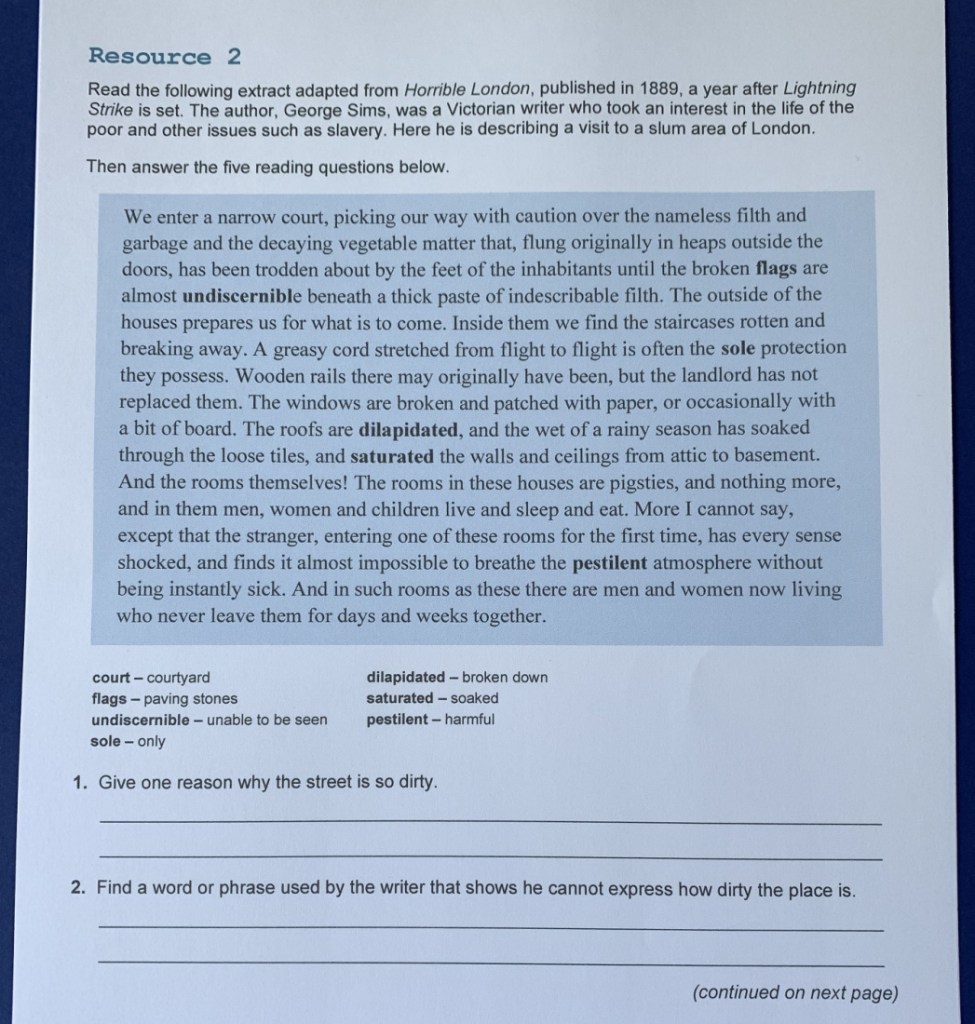
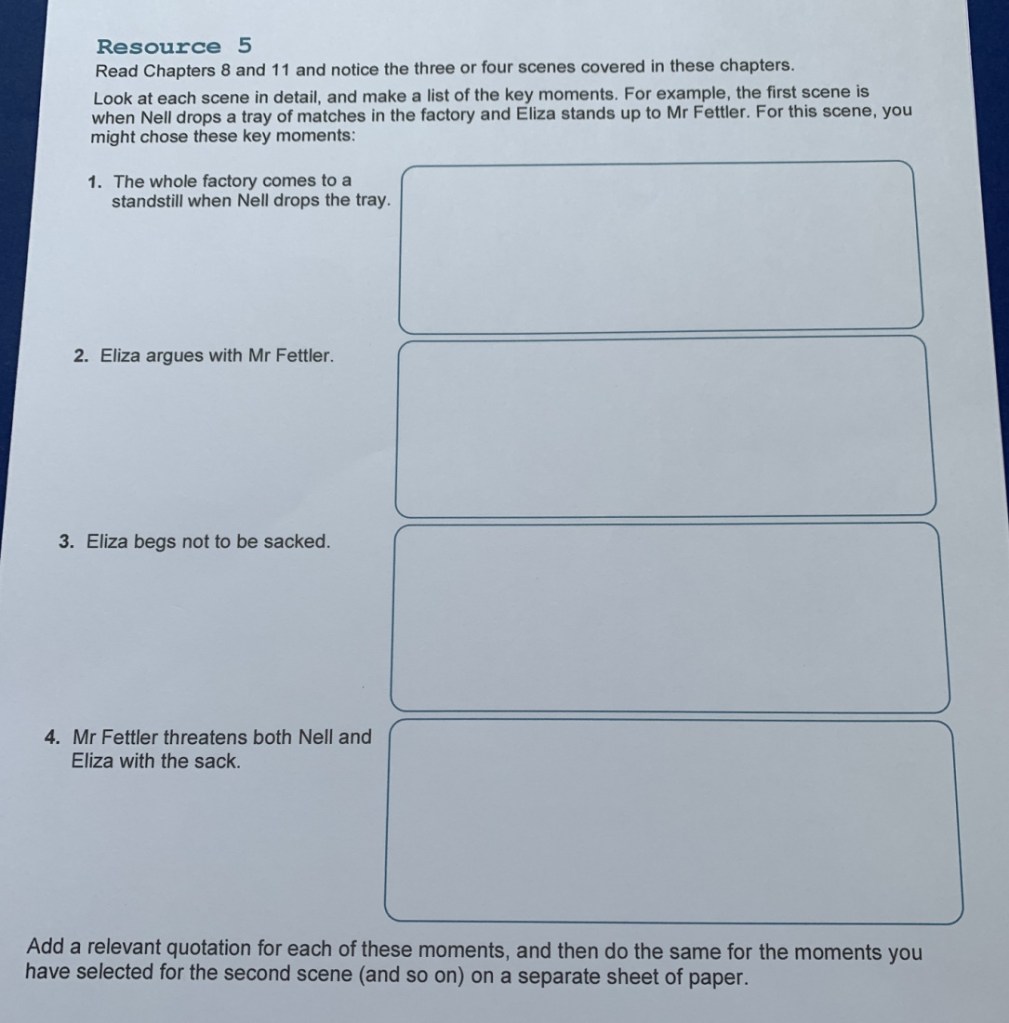
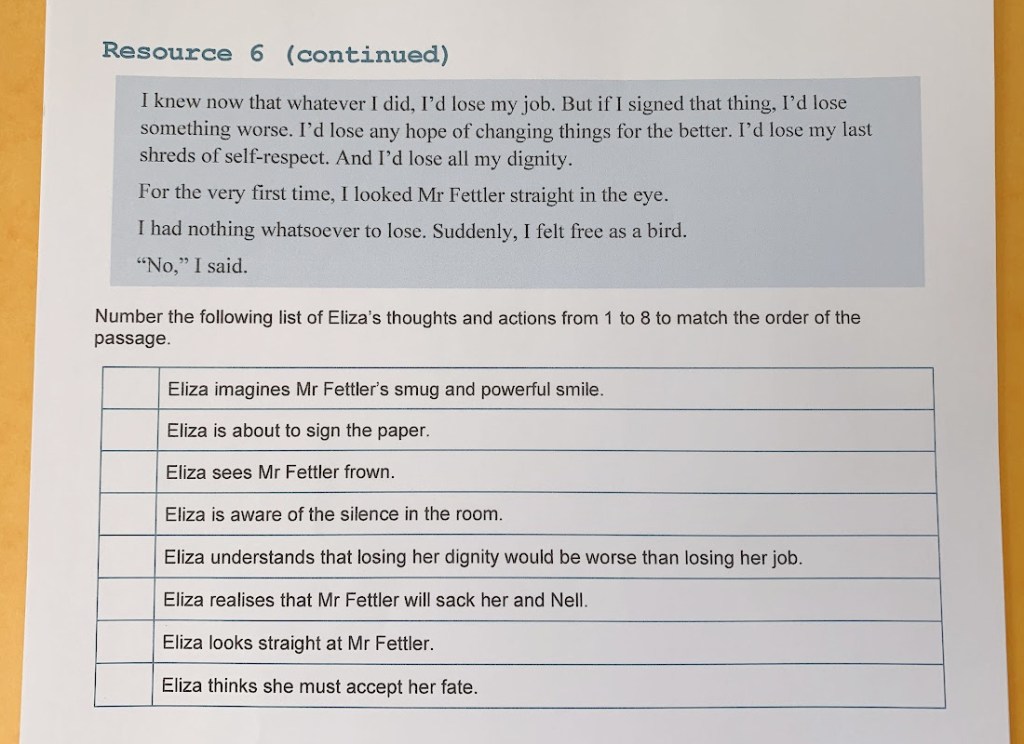
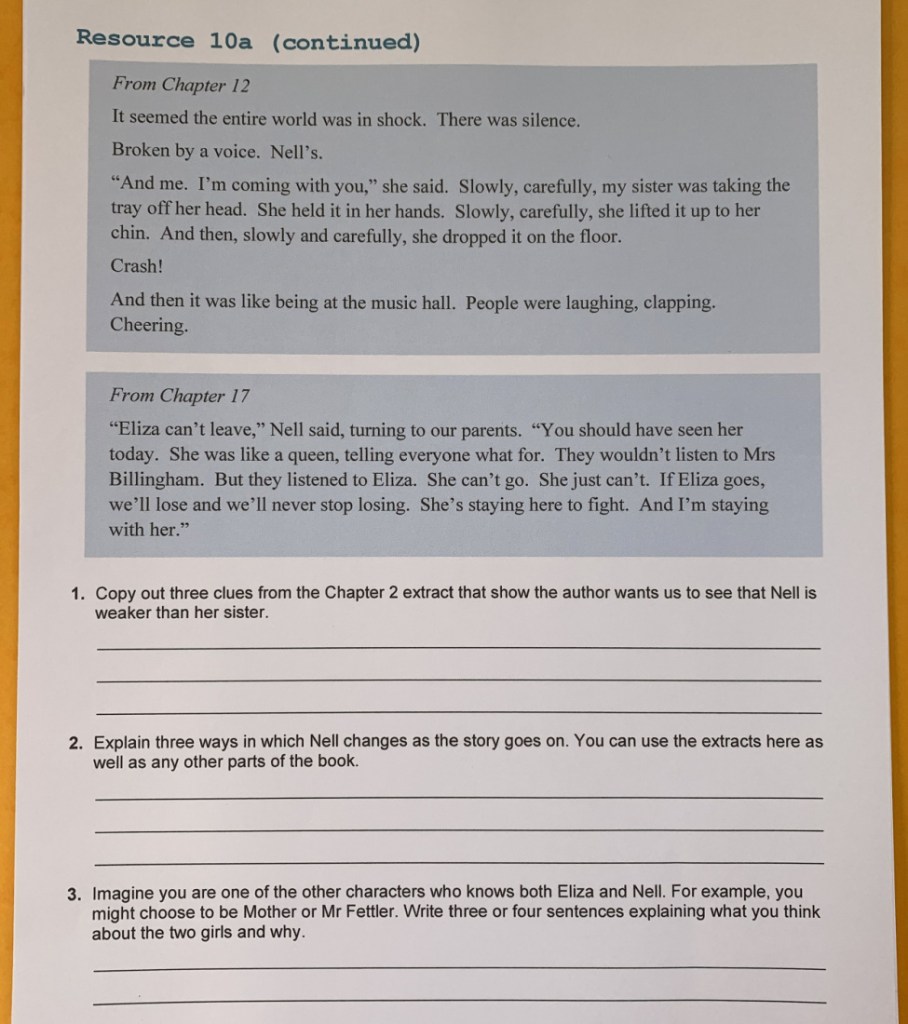
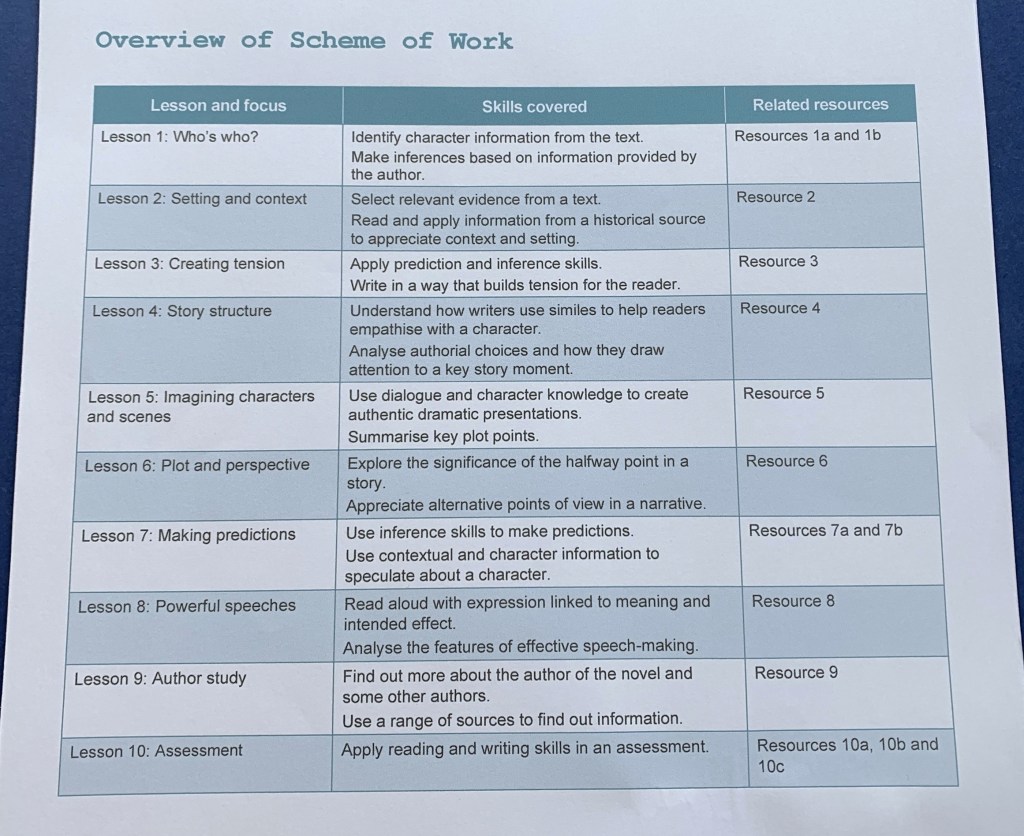
And because the story is part of the new Super-Readable Rollercoaster series there is a Free to download teacher’s pack which goes with it. We used the pack and I found it really useful (when I use these packs I never do every activity mentioned, I read the ideas included and pull out the ones we want to use). There is a overview of the scheme of work – it is broken down into 10 possible lesson. For each lesson there is a one page lesson guide which breaks down what that lesson is covering suggested activities and points you to included resources. The lessons are written for teacher’s but home educators can easily use them as well. And the resources are varied, which we like. Also they have included suggested answers for the different activities at the end of the pack.

Why would I recommend 10+ and not younger? There are a few things in there that I think younger kids may not fully understand, they talk about the main character (Eliza’s) father who has mistresses, they also talk about the dockworkers drinking a lot and coming home and hitting the wives. It is just mentioned, but it is there. Also it deals with things like a a young girl going bald, having all her teeth pulled out (something which mine found emotional), workers dying of Phossy Jaw, the potential of starving. So that is why I would say for 10+ because it does deal with this very real side of Victorian life but a side that I think younger kids may struggle with.

I really do think this an incredible book because it brought this whole period and the struggles of the factory workers to life. I highly recommend this for anyone learning about the Victorian period.

We got our copy from OUP – Lightning Strike but you can also get it from Amazon Lightning Strike (Super-readable Rollercoasters)

Admin Bit – We were sent a few of the Super-Readable Rollercoaster books to read. This had not impact on highly I think of this story.

I do include Affiliate links. If you follow an affiliate link and go on to purchase that product, I will be paid a very small commission, however your cost will remain the same. I only include affiliate links for products that we use and love

Posted in Homeschooling | Tagged , , , , , | 4 Comments

Stealing Frankenstein

I am a bit of a planner, I like to try and get resources organised in advance – books that we are planning on using are often bought a few weeks (sometimes even months) earlier than needed. I just like knowing that I have them, it helps me feel calmer about what we need to cover. But my desire to do some forward planning sometimes backfires.

I have already started thinking about what resources we are going to use for my son’s next next academic year (starting September he would in theory be in Year 6). One of things I know I want to do is go through some of the classic stories but in an abridged version. I have started to see with my oldest, now completing her Year 8 how an understanding of classic stories can help the kids with their later English studies. Yes, often the kids end up reading the proper version later on but just knowing who the characters are, what the main plot is helps them to understand the more complex writing when they tackle it. And I have often seen English activities where extracts of these more classic stories are used, so if the kids already have a basic understanding of the plot, the characters they naturally seem to find the extract and its activities less intimidating.

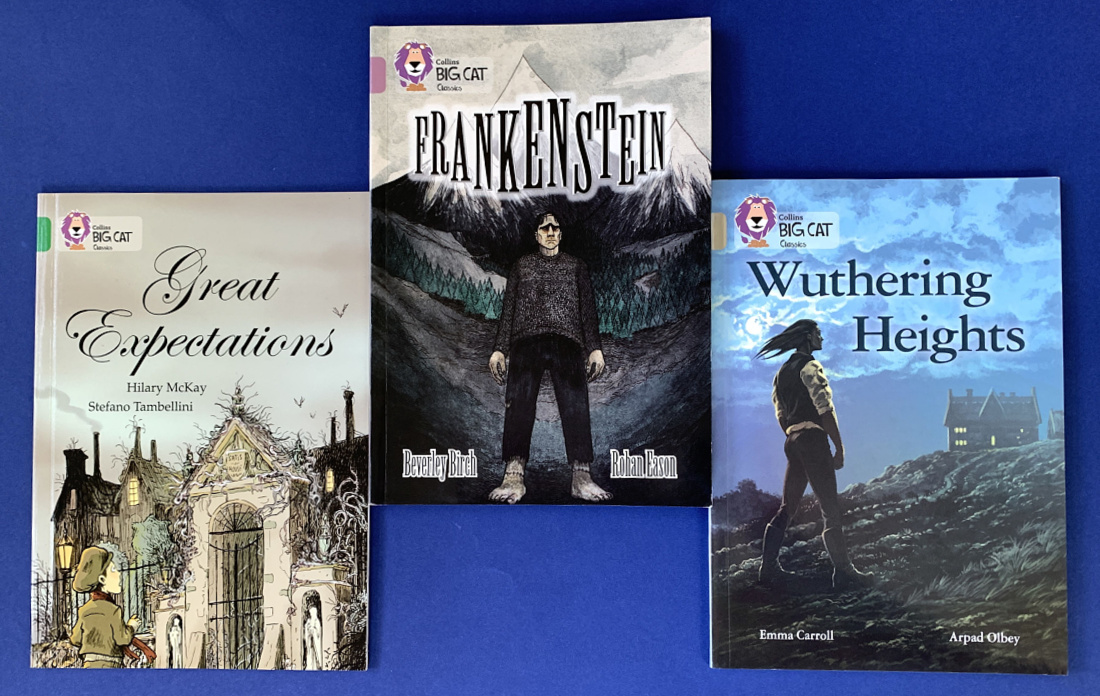
Since we are huge fans of the Big Cat reading series and we have already used a number of their abridged stories (both my kids read the BIG CAT version of Little Women and Black Beauty before they went on to read the unabridged version of both those stories) I asked if we could get a few more of their classics, specifically – Frankenstein, Wuthering Heights and Great Expectations.

And what happened, the day after they arrived my son (who already has a mountain of library books waiting for him to read) spotted them and immediately liberated Frankenstein from my desk. (I am starting to wonder if there is a special power linked to my desk – it does seem that if books are sitting on my desk and not on their desk, or next to their bed, or on top of their bookshelf, or next to the couch or actually anywhere in the house…….. the books on my desk have some sort of magical attraction and there is a great need to “free” them from the desk – just a theory).

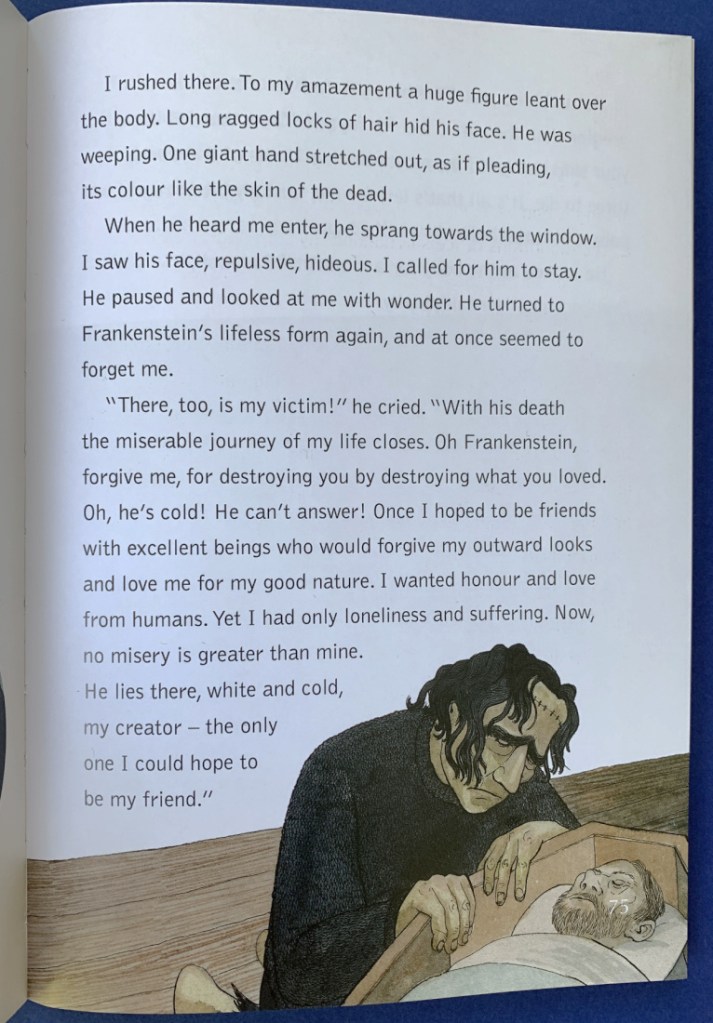
Anyway after stealing or liberating Frank (as he is now called) my son read it cover to cover. He was intrigued by the story and promptly started questioning me about the monster – is he a Zombie or how would we classify him? hmm, I had honestly never thought about this so we had a bit of a strange conversation about how do you classify monsters and what is a monster.

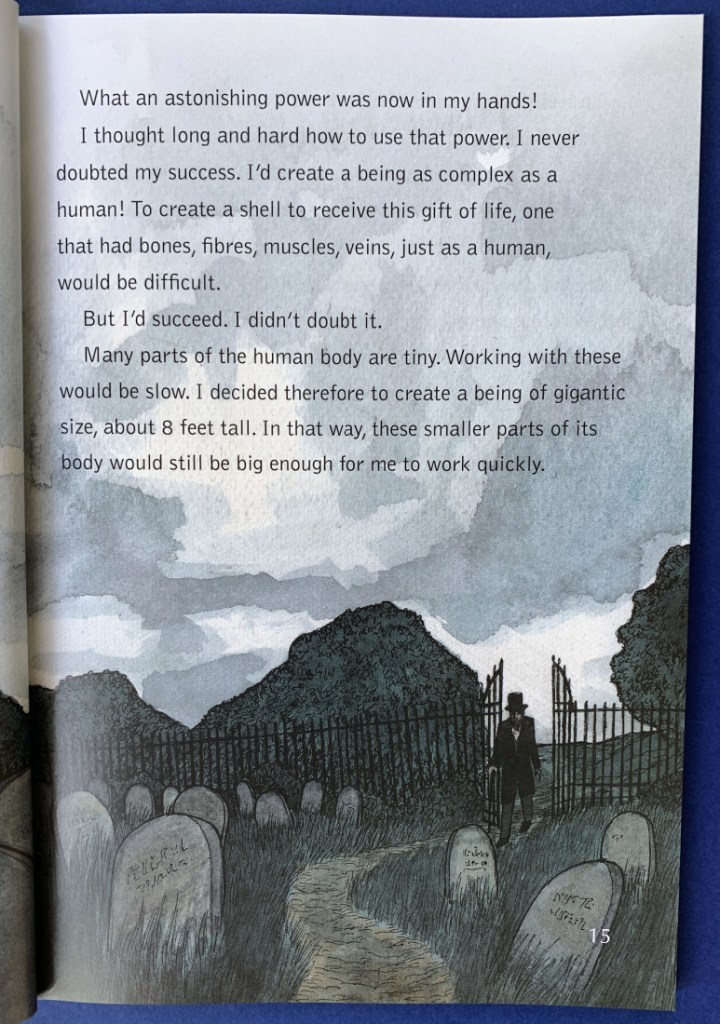
But the point is he has read an abridged version of Frankenstein, he found it interesting and now he knows the basic story line and the characters.

I am all for kids reading the classics (we have a collection on our bookshelf) but I am also all for making the classics appealing and not intimidating. And I have found time and time again that giving the kids a simpler version to read first, opens the door and invites them in.

The books in the images above are these ones – Collins Big Cat – Frankenstein: Band 18/Pearl by Beverley Birch (2016-01-05), Wuthering Heights: Band 17/Diamond (Collins Big Cat), Great Expectations: Band 15/Emerald (Collins Big Cat)

Admin – As I mentioned above I requested these BIG CAT readers from the publisher so we could use them and write about them in a planned starting year 6 post but my son had other ideas.

I do include Affiliate links. If you follow an affiliate link and go on to purchase that product, I will be paid a very small commission, however your cost will remain the same. I only include affiliate links for products that we use and love.

Posted in Homeschooling | Tagged , , , | 1 Comment

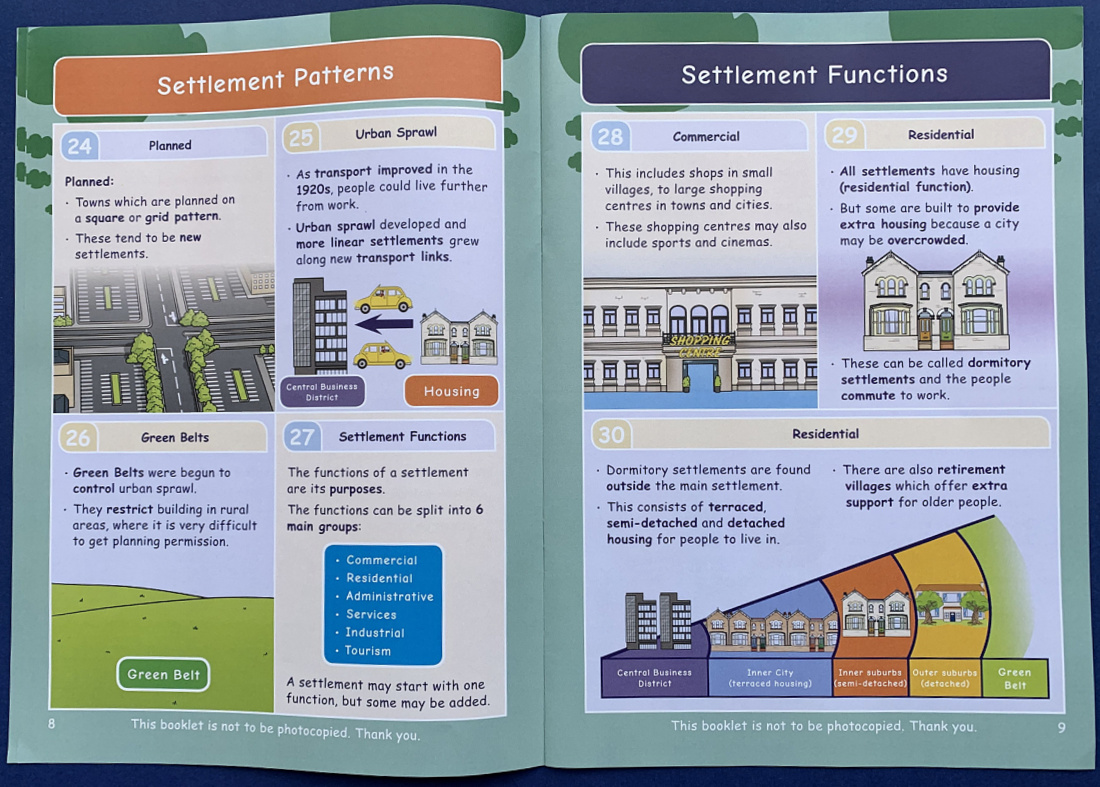
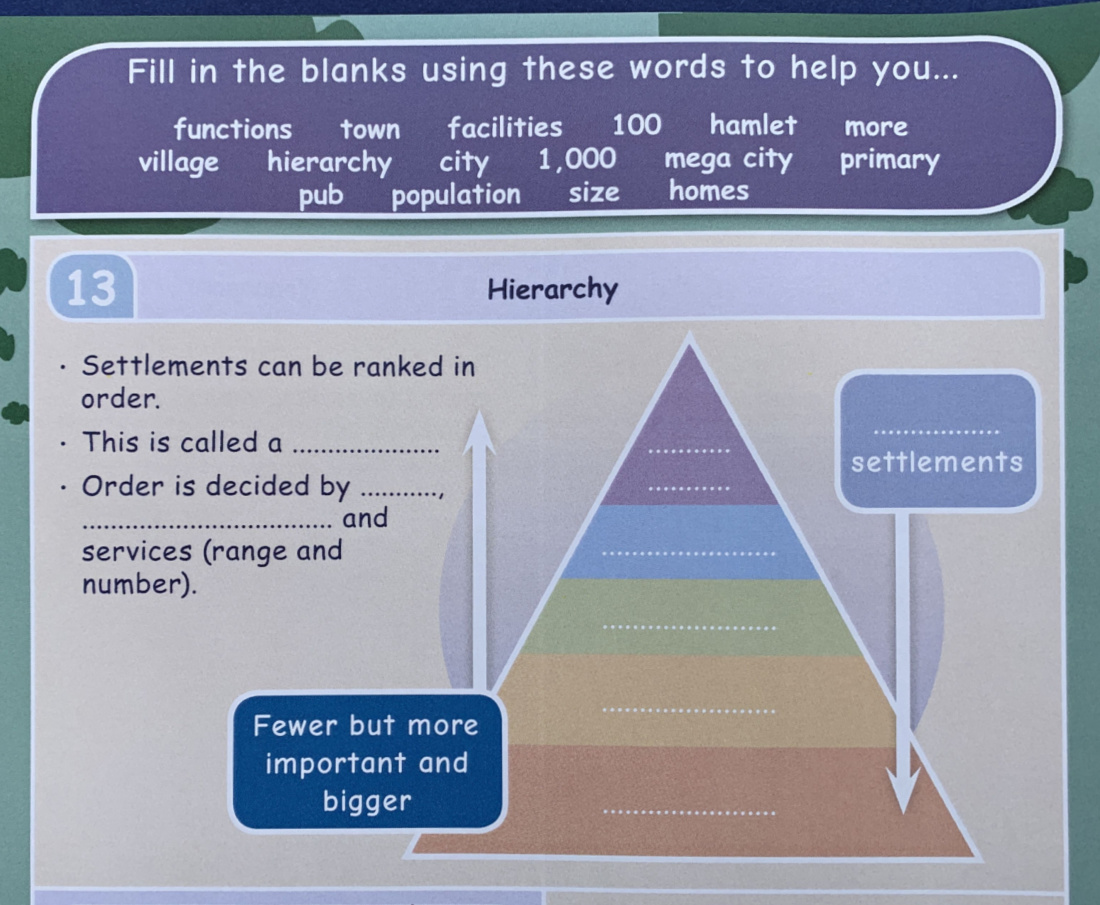
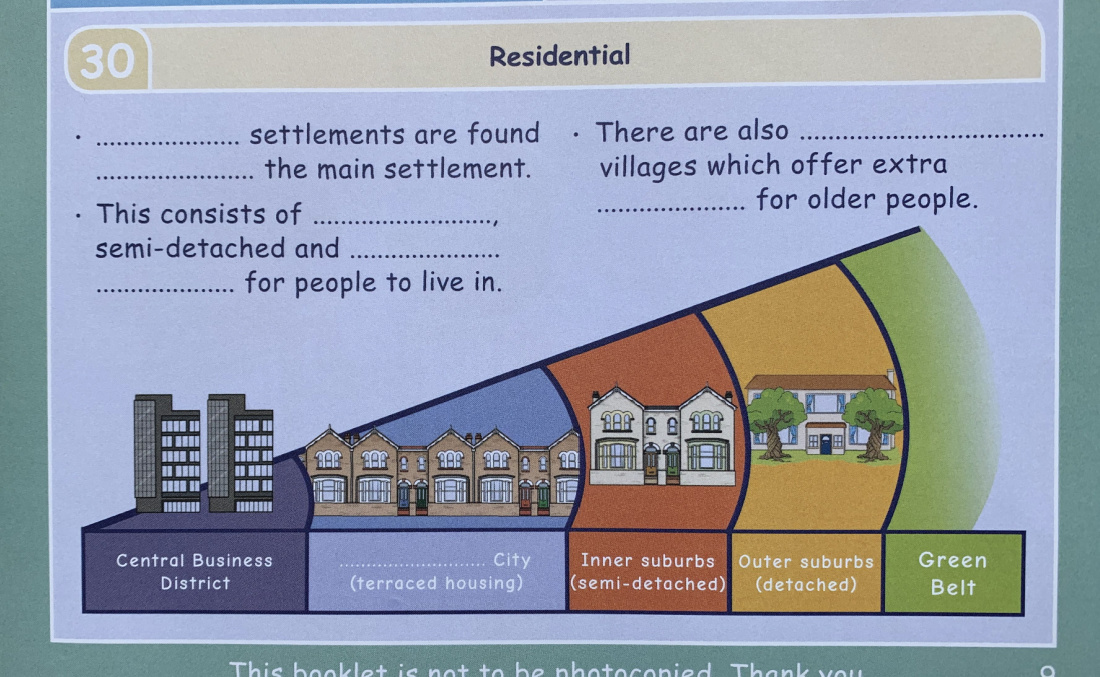
Settlement Topic Pack

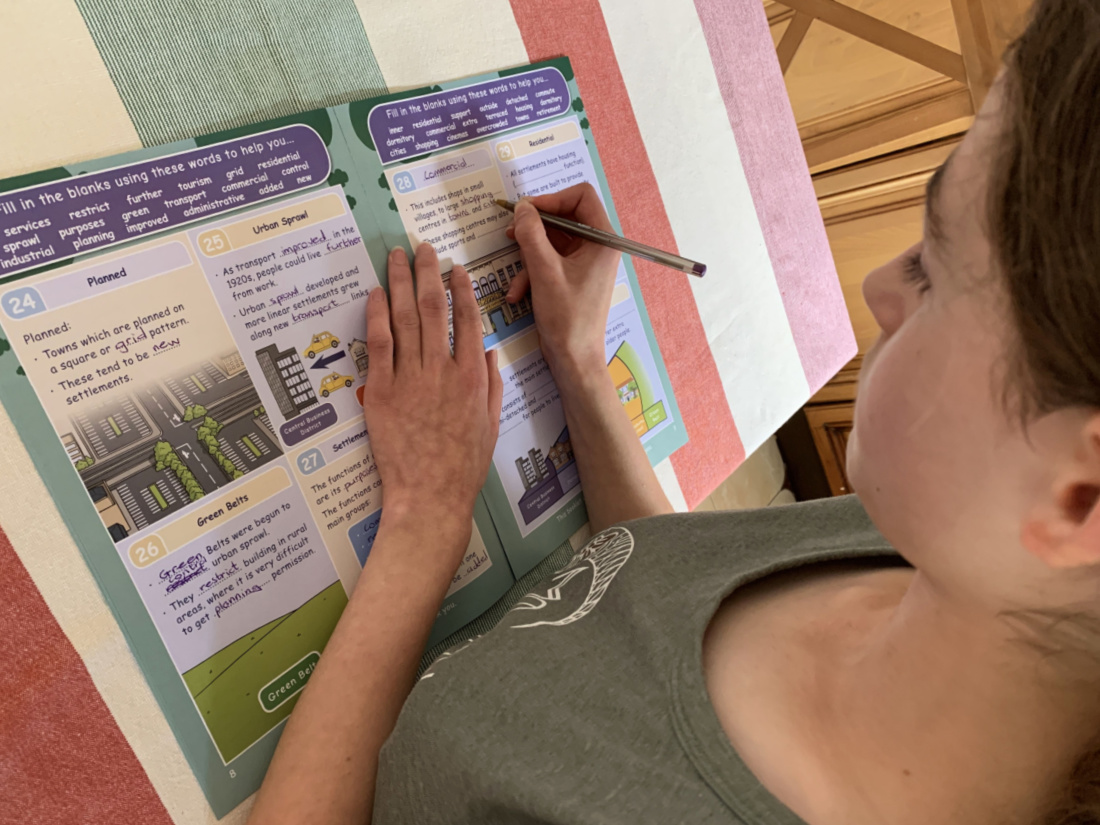
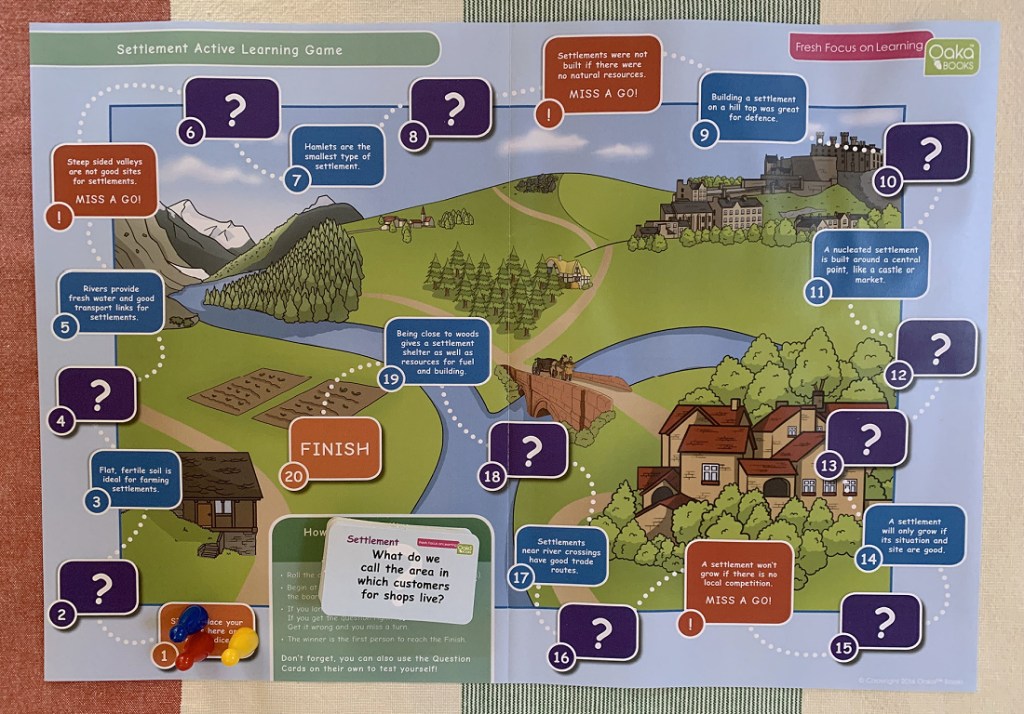
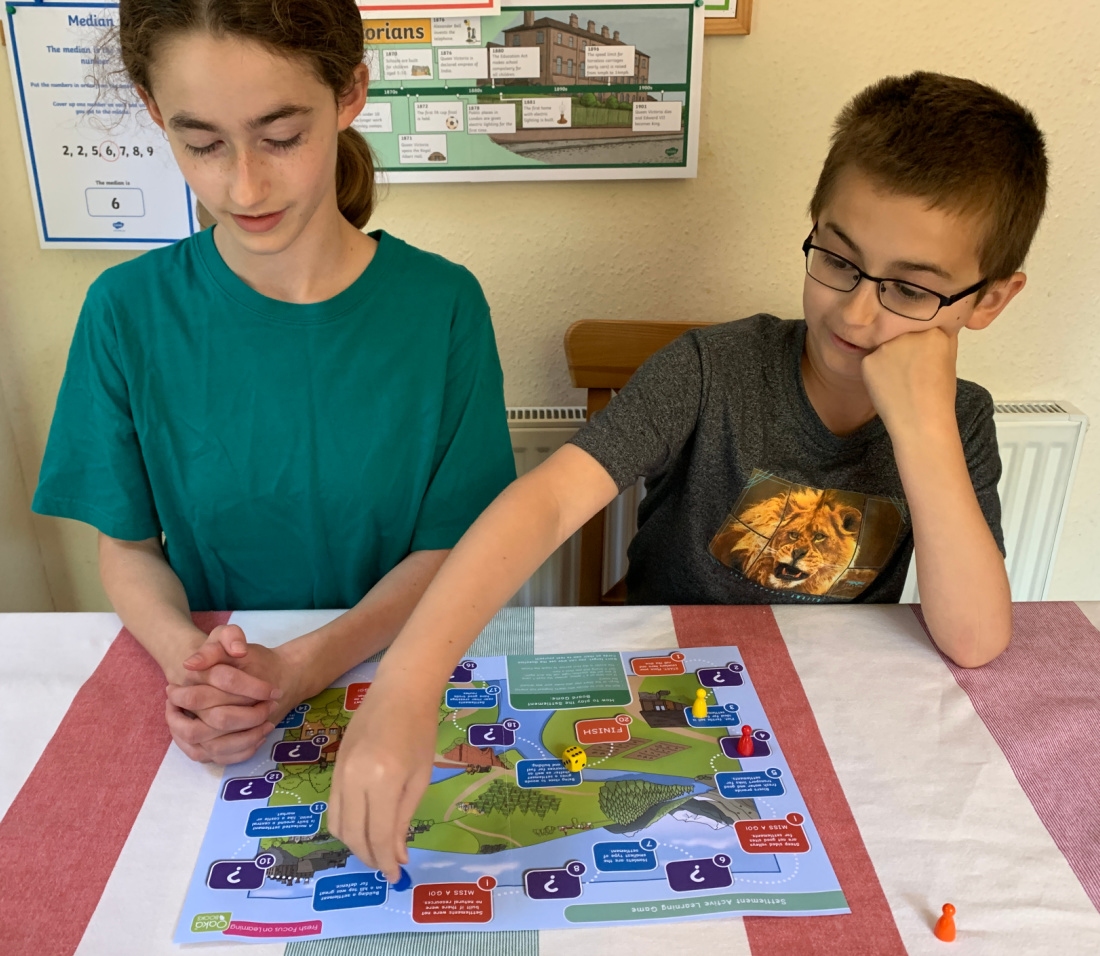
It feels good to be wrapping up some of our subjects ready for our Summer break. Our settlement topic was our last Geography topic and I actually feel like we ticked it off big time thanks to the Settlement Topic Pack from Oaka Books.

I must admit all of this is out of my comfort zone. I prefer the earth geography topics to the human geography so I have really found having this topic pack and the Population Topic Pack incredibly valuable. I read both of them before we started on our Human Geography topic, they helped me get a few facts straight and just gave me the confidence to cover this section with my daughter.

So what is covered in the KS3 Settlement Pack –

  • what is a settlement
  • site factors (water supply, shelter, defence, transport)
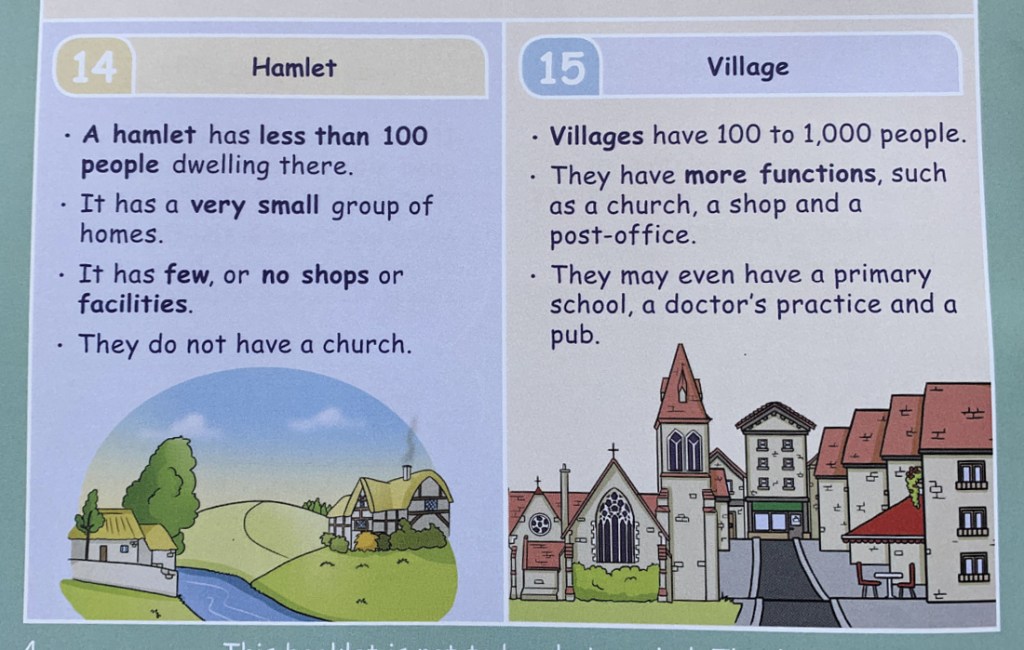
  • types of Settlements (hamlet, village, town, city, megacities)
  • settlement patterns
  • settlement functions
  • shops and services
  • case study: Olympic village
  • KS3 supplement includes urbanisation, poorer countries, squatter and slum areas an how can they be improved).

We like the concise blocks of information in the Topic Booklet and the Write Your Own notes are great at reinforcing all the facts.

Then of course our favourite part the Active Learning Game. “The best way to conclude any topic is by playing one of these games” – quote from my daughter. The kids get to test their own knowledge in a relaxed manner and I get to see if there are any gaps or misunderstandings that need to be sorted out.

I always recommend the Oaka Topic packs but I do have to admit that for me they work at their very best on the topics that I am not that keen on. And after completing the pack my daughter told me that the Oaka packs are her favourite Geography resource (and coming from her that is high praise).

Posted in Homeschooling | Tagged , , , , | 1 Comment

Releasing our Butterflies

We have done the whole Insect Lore a number of times over the years and every year I think, nah, we have done it enough and then someone asks and I order the caterpillars and the excitement starts all over again and I am once again glad that we did it.

Most people know about the Butterflies but just in case you do not here is the quick rundown. You need to have a Butterfly World ( Insect Lore Butterfly Garden (Packaging May Vary)) which is a large net that the butterflies can live in. If you buy the Butterfly world you will get a coupon for caterpillars, if you are return customer then you need to order new caterpillars (Refill Cup of Caterpillars (LIVE CATERPILLARS! No voucher to redeem!)).

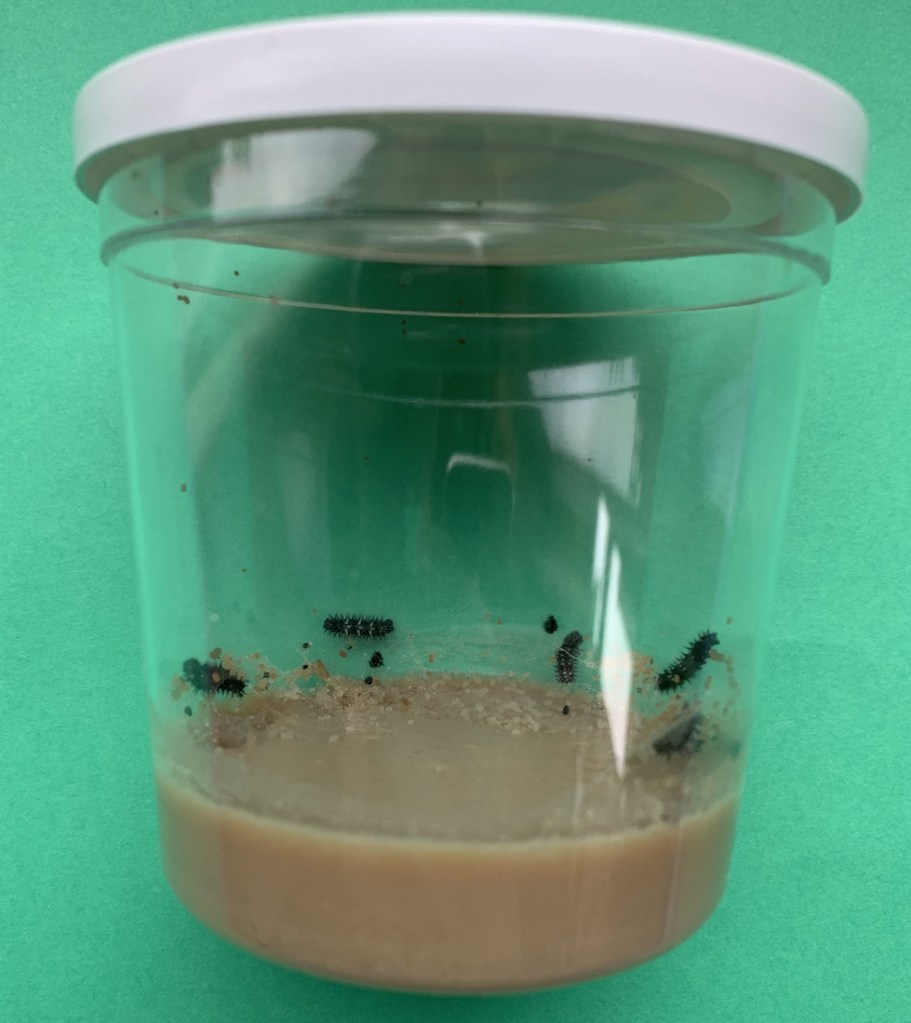
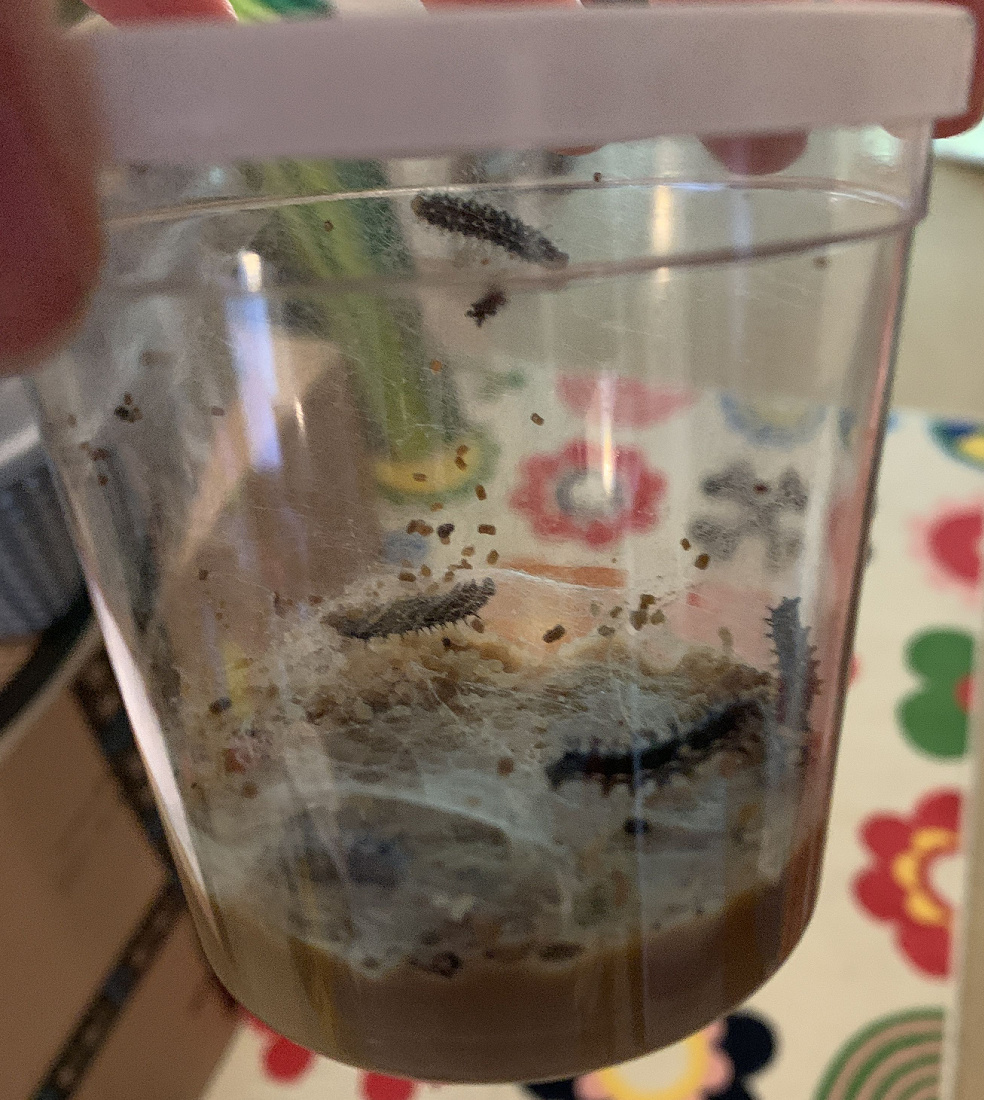
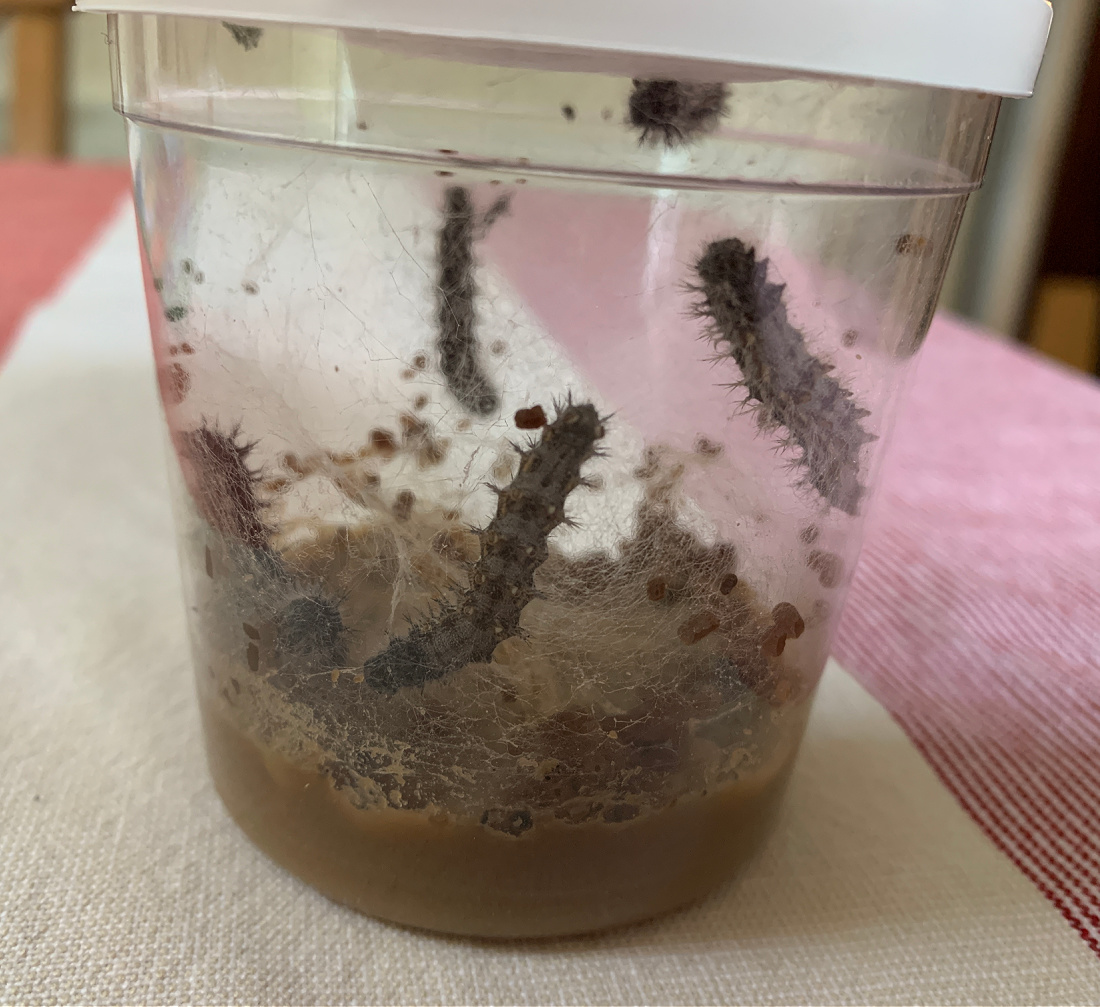
They arrive in a small jar. And you leave them in the jar. There is food at the bottom for them to eat and your job is just to watch them grow and grow.

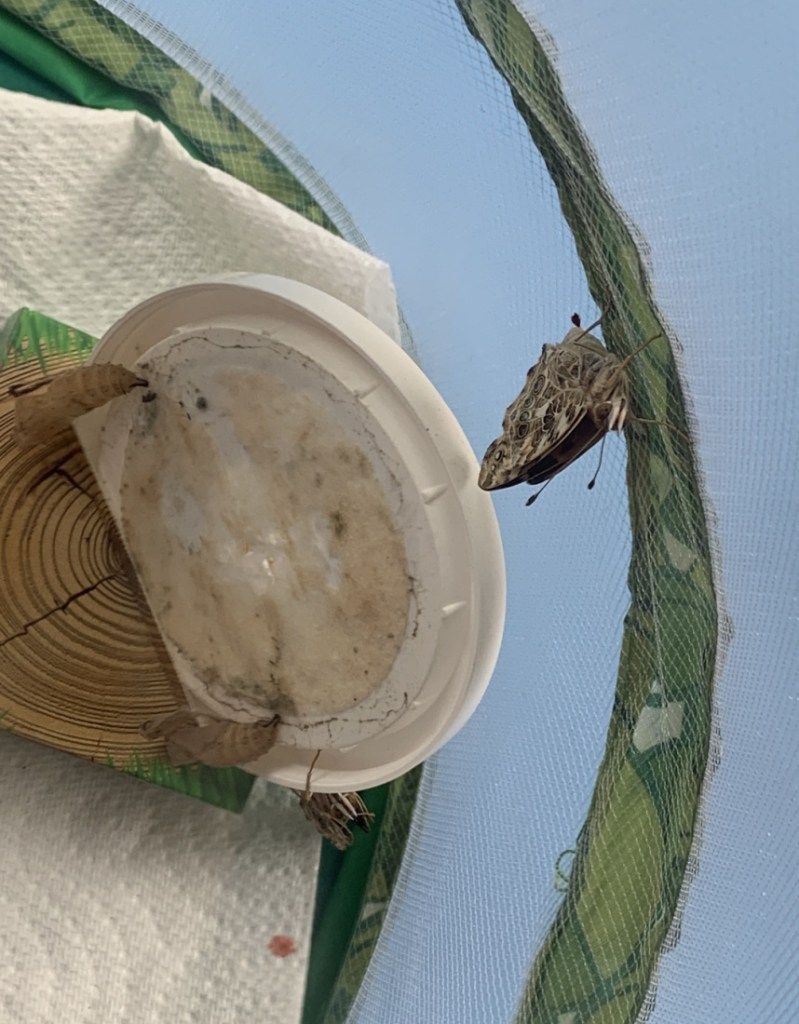
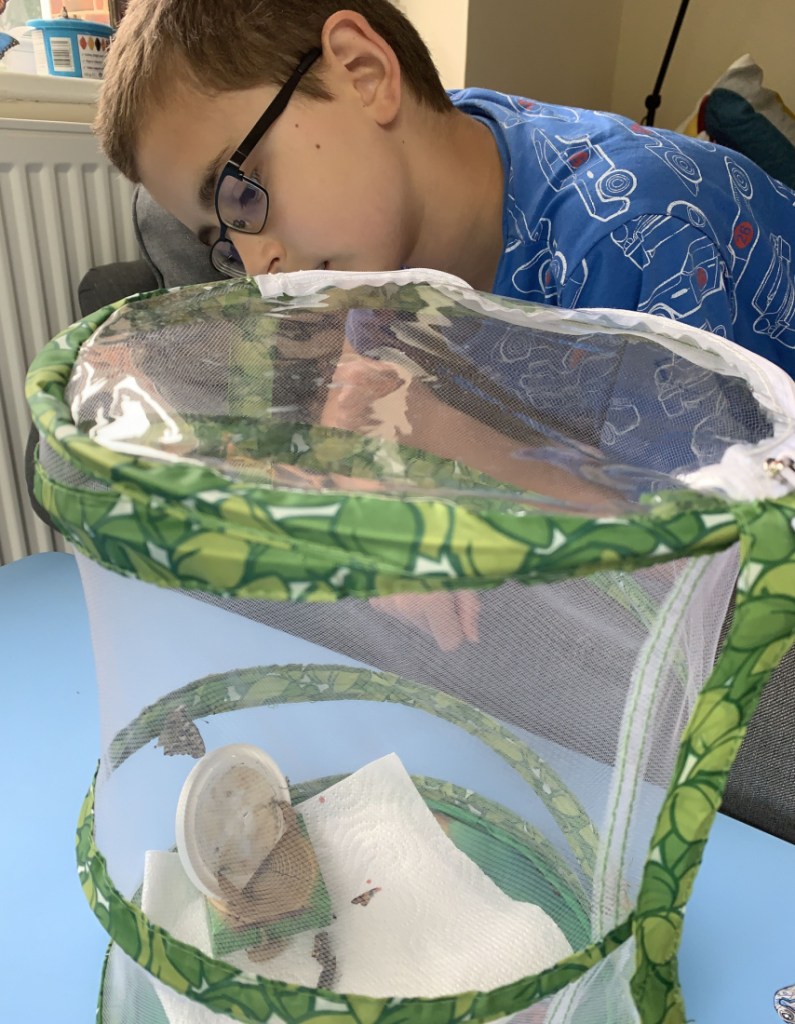
Once the have had eaten enough it will be time for them to change. They will create their chrysalides (normally on the lid of your container). Now is the time you get involved you need to transfer the lid and any extra chrysalides not on the lid into your butterfly world. Then you wait again, this time for the butterflies to emerge.

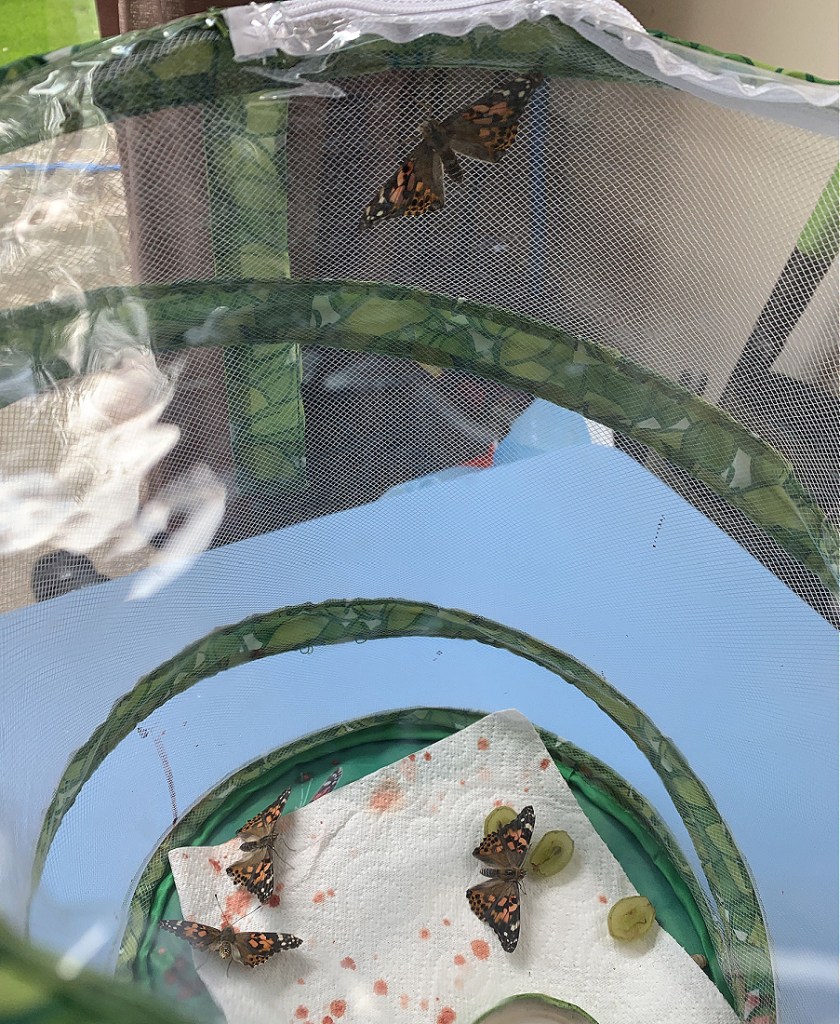
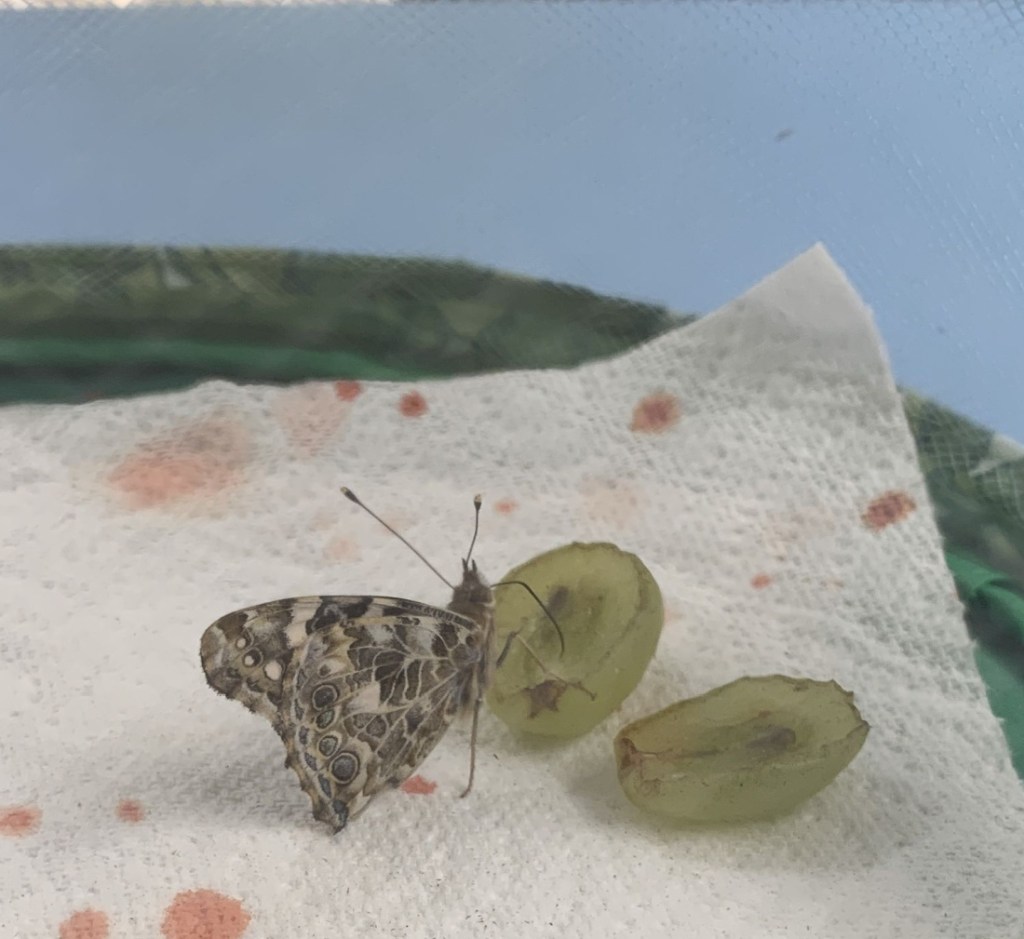
Once you have butterflies you need to provide food (the caterpillars come with a satchel of butterfly food) and you can also add some extra fruit if you like.

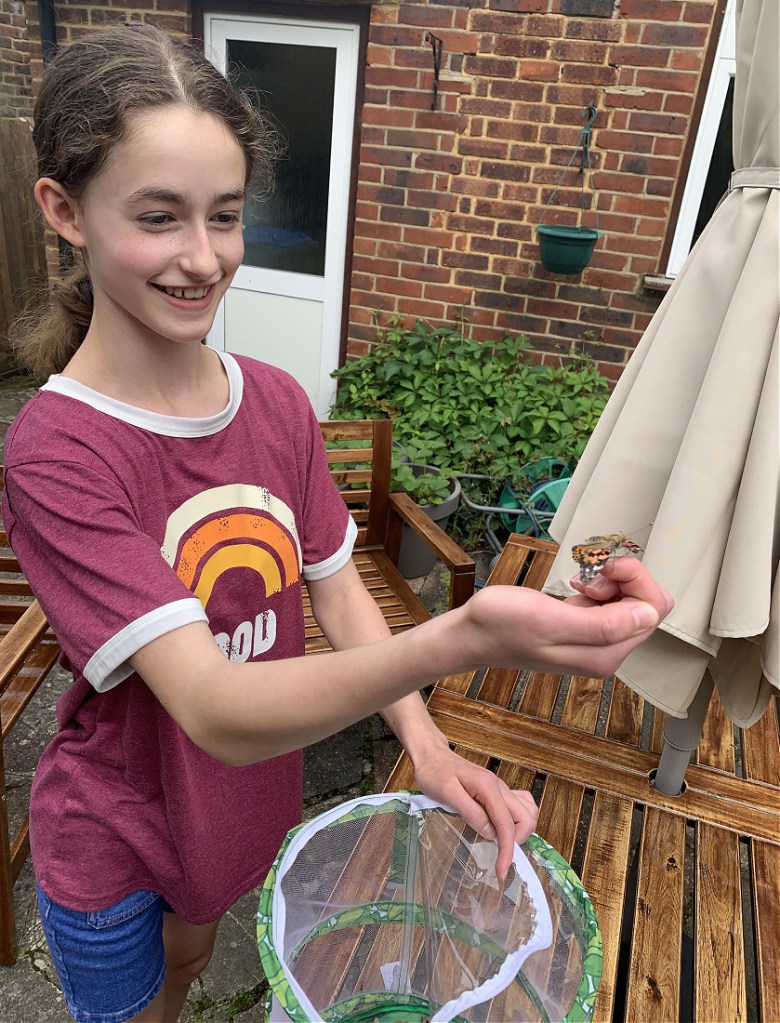
Watch them for a few days and then you need to release them.

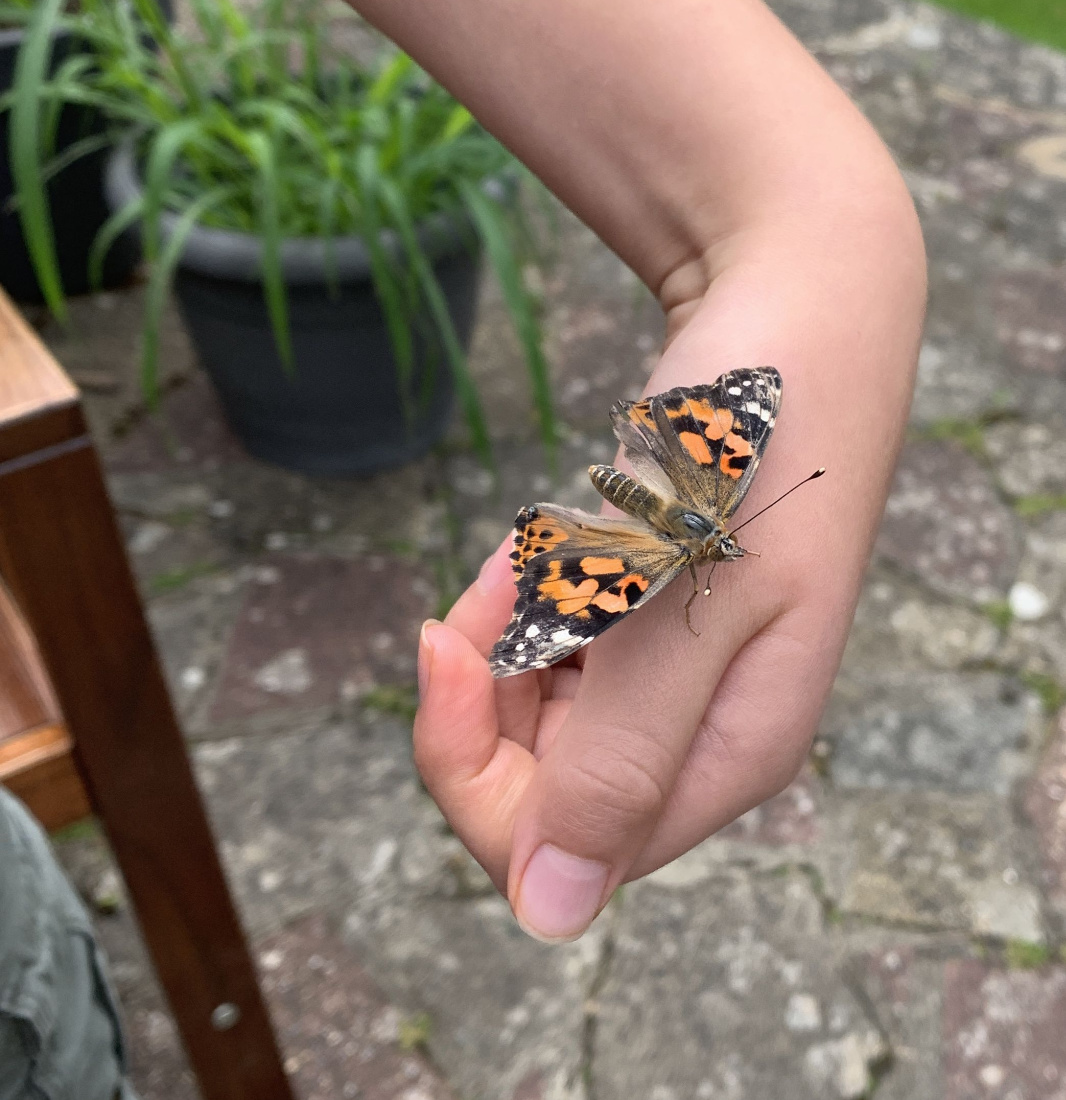
So really not a lot of work required but a great activity to do at home. Now apart from watching the change why do we love it so much? I think it is the fact that the kids can watch the caterpillars and the butterflies up close. It is amazing when you get to see the butterfly stick it’s proboscis into some fruit, or when they are on the side of the net and you can see their legs or wings close up.

We are massive fans of this whole activity and the bonus at the end you get to release from extra butterflies into your local area.

Admin Bit – I do include Affiliate links. If you follow an affiliate link and go on to purchase that product, I will be paid a very small commission, however your cost will remain the same. I only include affiliate links for products that we use and love.
Posted in Homeschooling | Tagged , , , , | 1 Comment

Victorian History Hackers – a Twinkl eBook

As part of my daughter’s Year 8 History we have been looking at the Industrial Revolution and Victorian England and naturally her younger brother has participated in quite a few activities so I thought it might be fun to do the Victorian Ventures History Hackers eBook with him. He is a huge fan of the Twinkl eBooks and their activities, they are actually one of his favourite English activities. He just finds the eBooks fun and he always comments that working through the related activities linked to the eBooks is a more interesting way to do his “work”.

The Victorian Ventures is actually the second History Hackers eBook but we have never read the first one (the Roman History Hackers) and they are written in such a way that they can be read independently. With all the eBooks we always end up doing them slightly differently but they always end up being a fun activity. With this eBook we actually read through it quite quickly and then once we had read the whole book we did a bunch of the linked activities.

I must admit I was impressed with the story. I think sometimes when you hear it is an original story by Twinkl you assume the story is not going to be quality writing but actually I find their stories engaging and great examples of how to use figurative language. As we were reading the kids were finding similes, interesting adjectives, extended noun phrases etc etc. Anyway the point is please don’t assume the stories are going to be a poor quality because they really are not. In this one, two kids travel back in time to the Victorian era where they discover first hand what living conditions were like, what happened in workhouses and how the rich lived a vastly different life to the poor. It is written in such a way that the Victorian facts are woven into the story so they kids learn about the time period just by reading an interesting book.

Activity wise there is always quite a bit to chose from. I had already printed out the Victorian timeline when we were discussing the period with his sister

so for my son I gave him the timeline activity and let him slot in the cards onto the timeline (I always love these type of activities where the kids create their own timeline).

I also gave him the comprehension to try (oh and if you have older siblings there is a great KS3 comprehensions which they could work through – Living in the Victorian Workhouse).

And he also had a go at creating some Venn Diagrams showing the difference between poor and rich lifestyles and Victorian schools and modern schools (I really liked this because we have recently chatted about Venn Diagrams so it was nice to be able to link some in).

And lastly he had a go at creating a mindmap (we call them spider diagrams) and a diary entry about life in the workhouse.

I always find working through these eBooks interesting and easy – easy in terms of no or very little prep work for me, it really is download, chose what we want to do, print and go for it. Something which I am appreciating more and more now that my oldest is getting into more complicated work which requires a lot more prep work on my side.

Posted in Homeschooling | Tagged , , , , , | 1 Comment