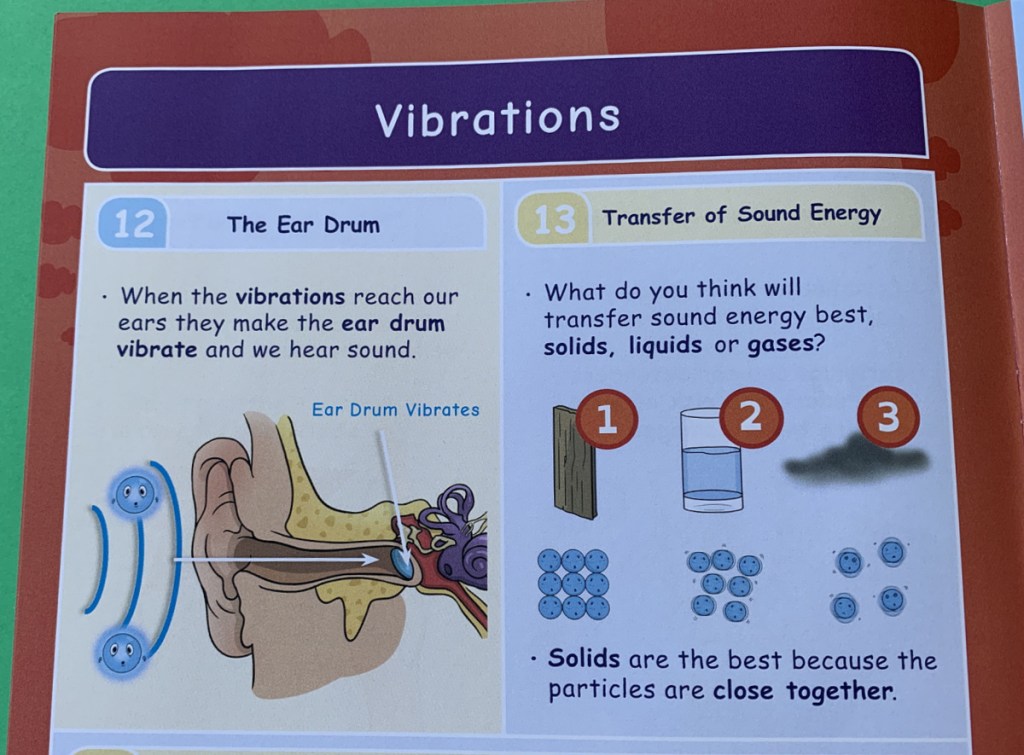
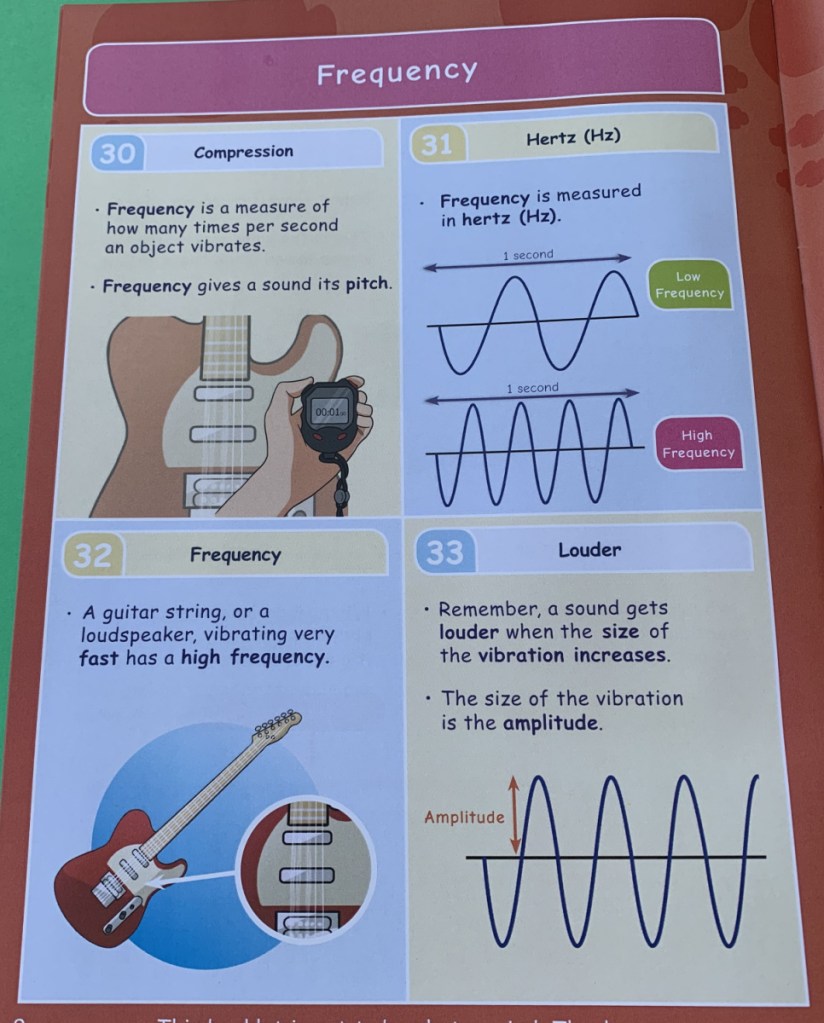
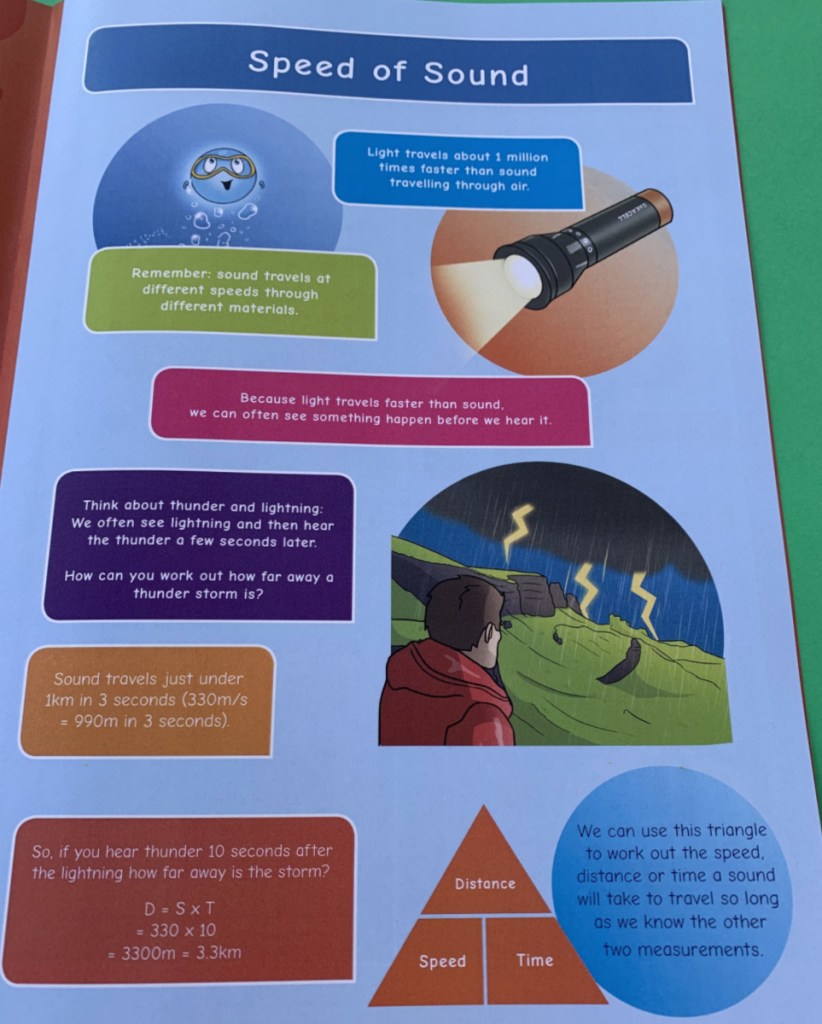
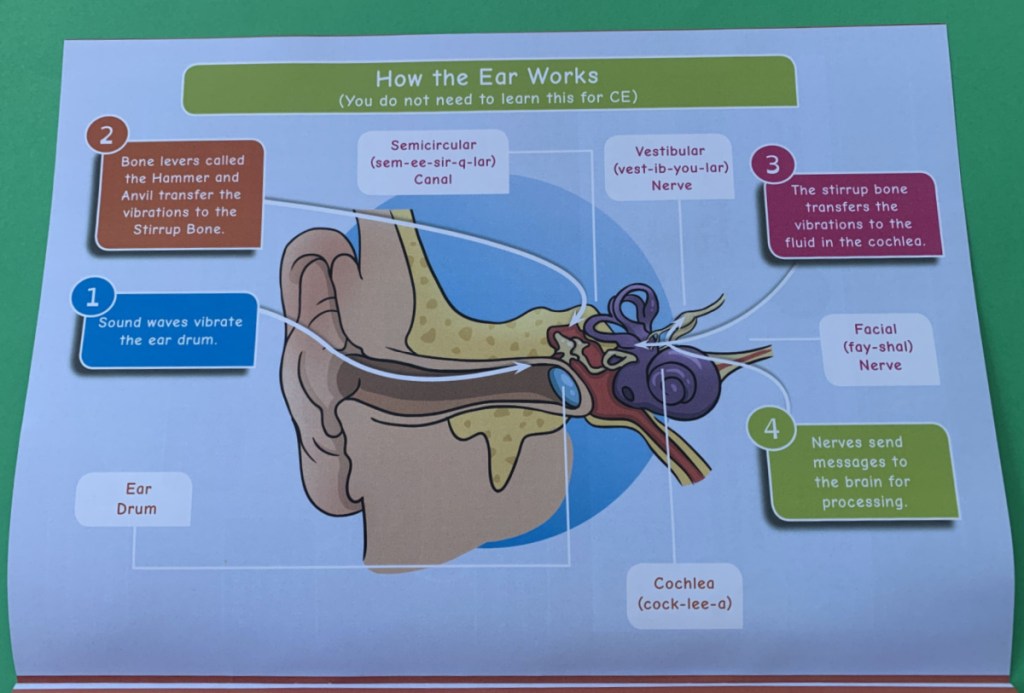
DK’s Water Cycles Book

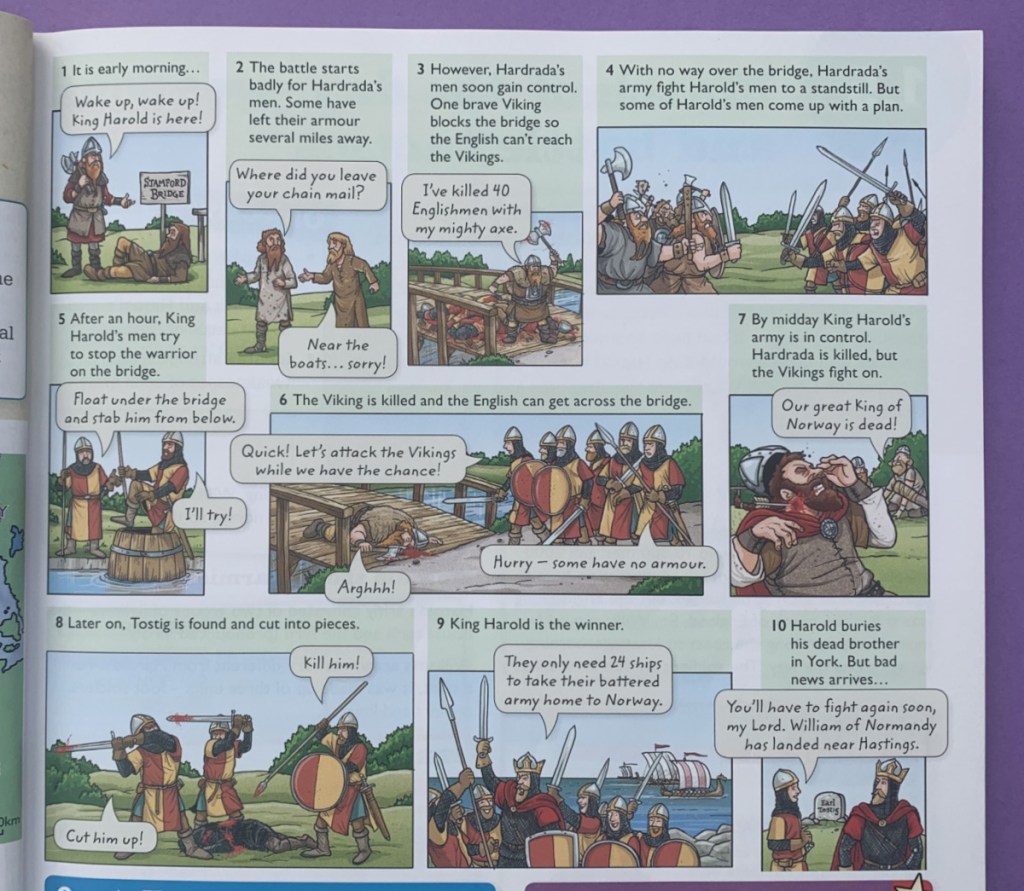
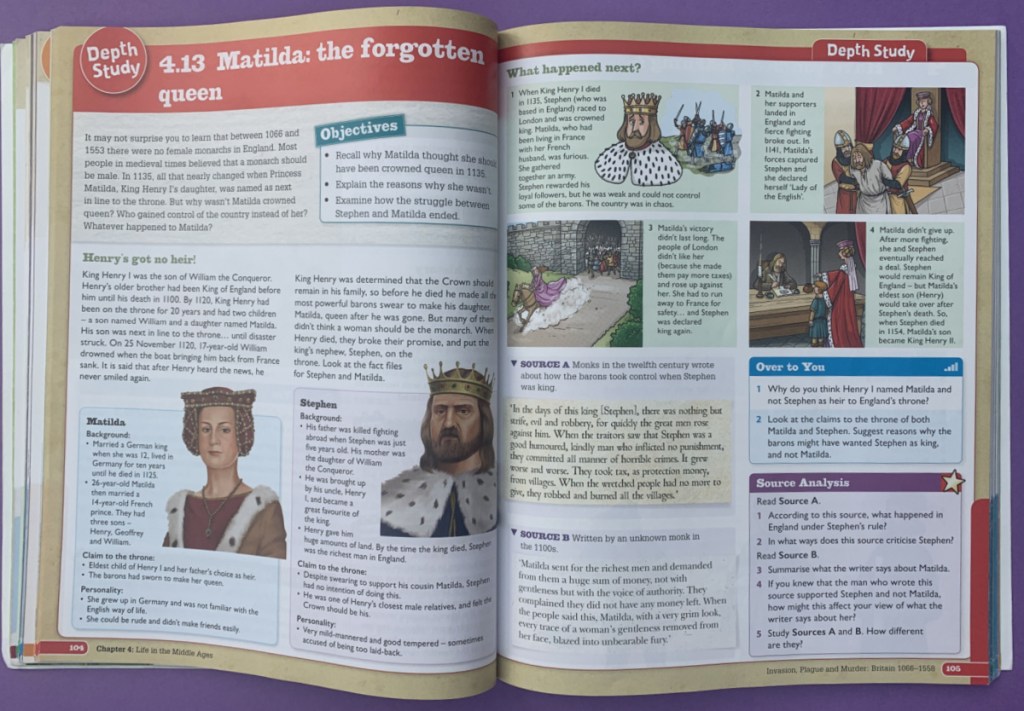
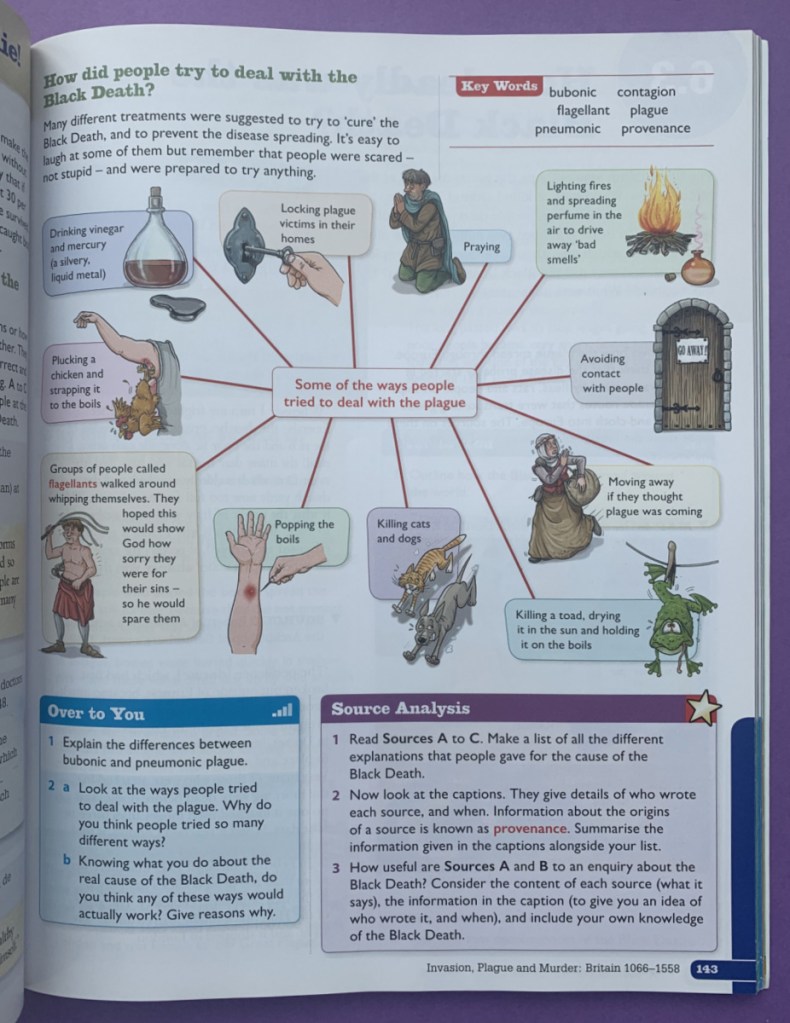
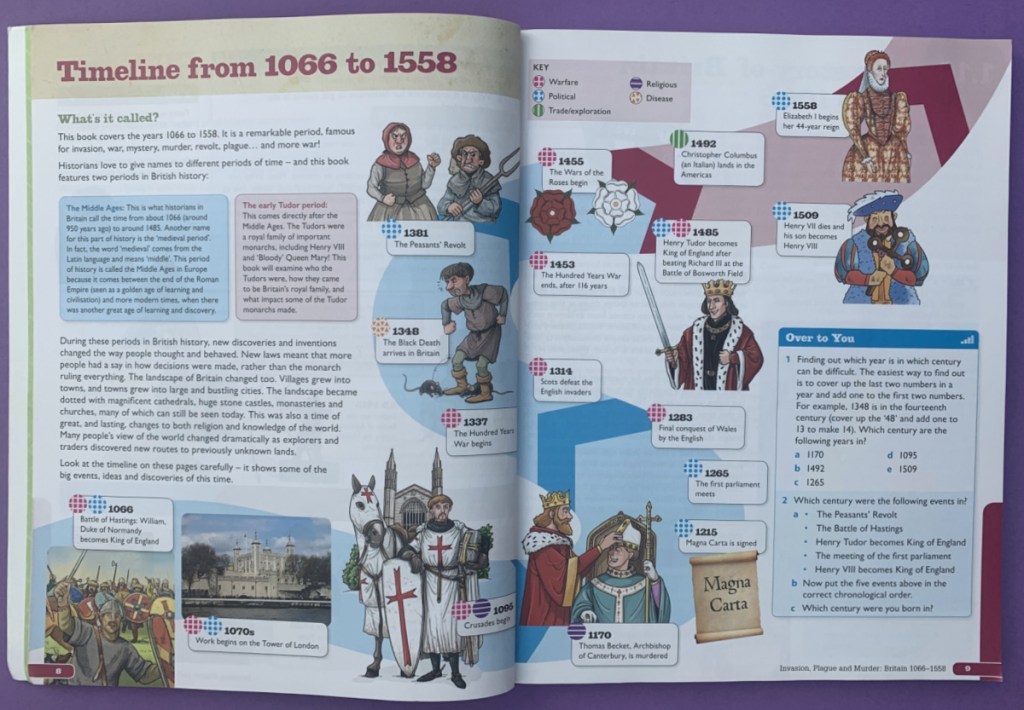
When you see a book title that says Water Cycles you immediately have an expectation regarding its contents. My expectation was the water cycle (rain, clouds, rivers etc) and animals that live in water (fresh water and salt water). But this book exceeds those expectations. Yes it includes life cycles of animals that live in water and it talks about the water cycle but that is honestly just the starting point for this book. Much like it’s sister book Life Cycles this book takes your expectation of what a life cycle is, shakes it up, expands it and then very beautifully starts explaining all of those concepts.

This book is a gem.

Okay so what is included

That is a lot. And it is truly fascinating. The first section Water on Earth is amazing. I was expecting things like the river’s journey and cloud formation (which is beautifully illustrated) but it was the pages on things like hot springs, deep-sea vents, volcanic islands and cave formation that really wowed me. I love that they have extended our concept of water cycles in this way and included all of this detail. It is actually a whole section of Geography explained with interesting diagrams and facts. It just makes rivers and land formation that much more interesting. I really do like this entire section and wish we had it when I did my daughter’s Geography (I think looking at some of these pages would be great as a starting point).

Then Using Water – whoever thought of including the water in cells page – genius. And the collecting water page or surviving dehydration – fascinating.

  • DK's Water Cycle book. Full of all kinds of different life cycles linked to water

Life in Water is the expected animal life cycles. Now confession when I asked for this book, that is the reason why I wanted it – because I knew my son would enjoying learning about all these life cycles. But I will confess the range of animals that they included here really impressed me. I mean who would have thought of a Periwinkle, a water flea or Tetra. So informative. These pages are so well designed that it is just easy and enjoyable reading them. I love it when the book invites you in and then prevents you from leaving because you just have to turn the page to see what else they could have possibly include.

Then the final chapter – Water and humans. Again so informative and it gets the kids thinking about what happens to waste and how hydropower works.

I really could post picture after picture of this stunning book because every page is beautifully illustrated and full of fascinating facts but I think I would rather just sit on my couch and read it.

If you are a home educated this is one of those books that you will never regret adding to your bookshelf.

We got our copy of this book directly from DK – Water Cycles but you can also buy it from Amazon – DK’s Water Cycle Book.

Admin – I asked DK if we could get a copy of this book to review because I suspected it was going to be just as good as the original (Life Cycle book). I do include Affiliate links. If you follow an affiliate link and go on to purchase that product, I will be paid a very small commission, however your cost will remain the same. I only include affiliate links for products that we use and love.

Posted in Homeschooling | Leave a comment

Why is it okay to discriminate against home educated kids?

To say I am fuming is an understatement. I spent yesterday afternoon in an email exchange with a provider who is very blatantly discriminating against kids who are home educated. I am not accepting it and I am taking it further so for that reason I cannot mention who the provider is.

Here is the thing. We do not accept treating a child in an unequal manned based on their gender, their race or their religion. Well that is the hope. No child should be discriminated based on that. But for some reason it is okay to treat a child in an unequal and totally unfair manner because they are not attending a school and are being educated at home.

Now don’t start with all that stuff about choice (ie we choose to home educate so we should just suck it up). Because I will fight anyone on that. Firstly there are not enough schools in this country to actually accommodate all the kids, secondly there are not enough funds to properly provide for kids with addition needs and thirdly there is no way in hell who can tell me placing my child in a situation that will damage then could ever be an option. Hell no, that should never be something that is expected of any parent – to knowingly place your child in a situation that is not positive for them. No that is never an option.

I am home educating, I am working my butt of trying to provide them with a good education. So why am I being told that I am am not allowed access to all the resources that teachers are allowed access to when it comes to GCSE/IGCSE resources? And for those who do not know, I do have to pay for my child to actually write these exams whereas a parent with a child in school does not pay. Yet even though I am paying for every exam she will write I am still not given access to all the resources. How does this work, I pay for a half service? Why is it acceptable that home educated kids writing these exams are just expected to suck it up and not have equal treatment? How has this even been allowed? Why does no one see this as a form of discrimination?

Posted in Homeschooling | Tagged , , , , , | Leave a comment

Home education is suppose to be difficult, a comment made by another home educator

I love having conversations with other home educating parents, we don’t always agree about everything but there is an understanding of what you are trying to achieve and an understanding of some of the issues. During one of my recent chats with a home educating dad he said the following – “Home education is suppose to be difficult. There is no good educator out there who finds every day easy.”

hmm that struck a cord with me. Even after our conversation I was still thinking about the phrase he used “suppose to be difficult”. I will admit that I find home education time consuming, I always have. It does not matter what stage the kids have been at I have always done a lot of reading and research. And yes there is normally always something that I am thinking about, wondering if I could do it better, if we could have done it differently, if I am doing enough, if I am even doing too much. It takes up a lot of my “thinking time”. And even though we have been doing this for 10 years now it does not feel like it gets easier, yes there are lots of things I have figured out, but each new stage of their learning requires me to do even more reading and research and brings a whole new set of things for me to worry about.

But having said all that I have never thought that it is “suppose to be difficult”, in fact I have often felt like a failure because I do find it challenging and there is part of me that thinks surely after all these years it should be easy. But is the fact that I find it challenging possibly a sign that actually I am doing it right? The fact that we (home educators) spend so much of our time worrying about what we are doing, how we are doing it, the fact that we are always talking to other home educators, trying to pick up suggestions or ideas, the fact that we are constantly trying to improve. Maybe that actually means we are on the right track. Maybe the simple fact that we are finding this challenging is a sign we are actually okay. It’s sign we are focused on providing our kids with the best that we can.

An interesting thought.

Posted in Homeschooling | Tagged , , , | 2 Comments

International GCSE Maths Books

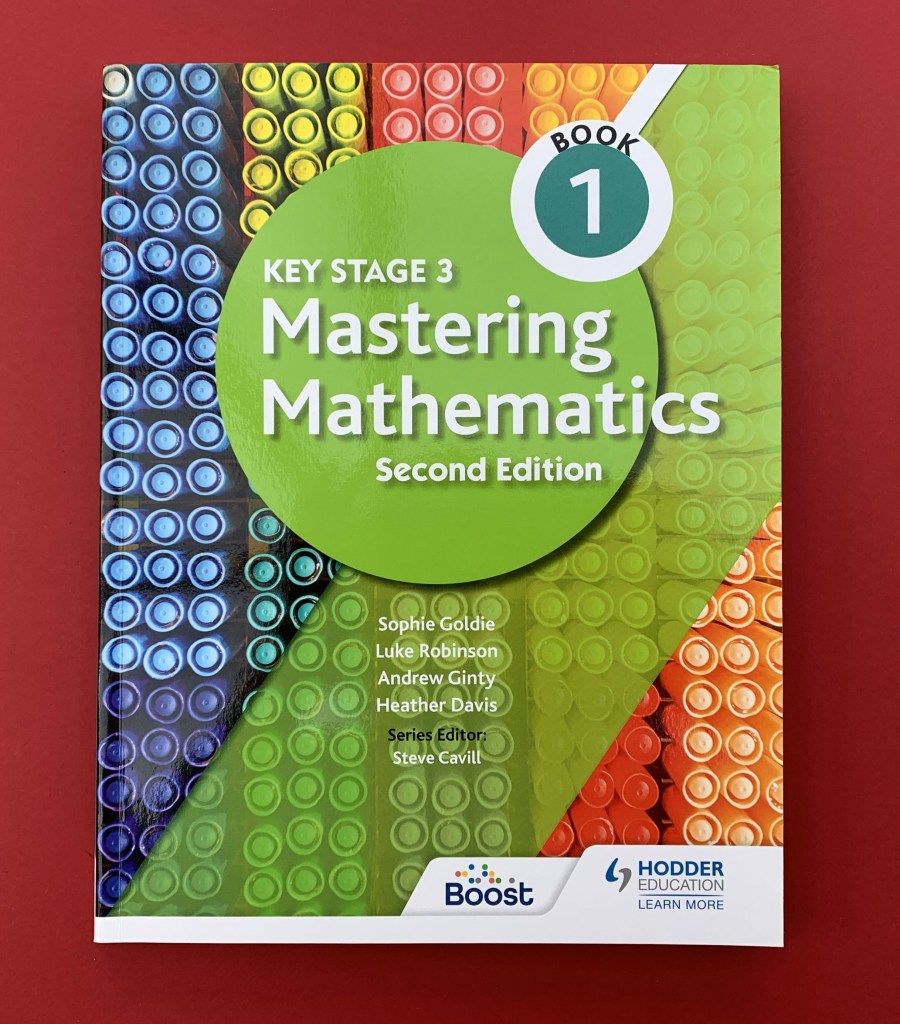
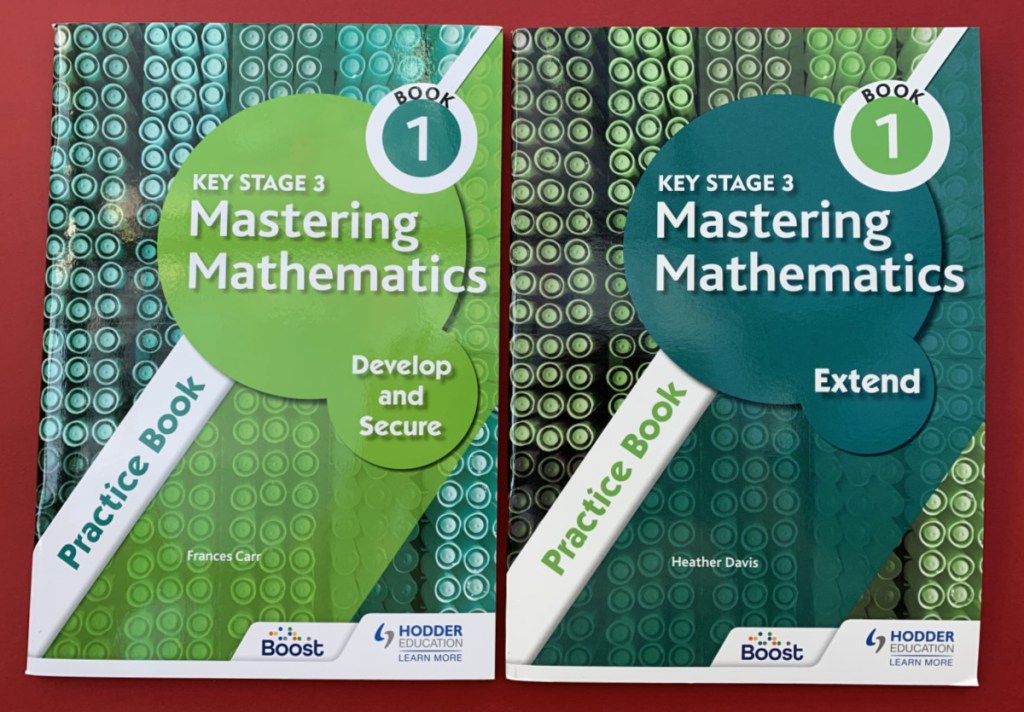
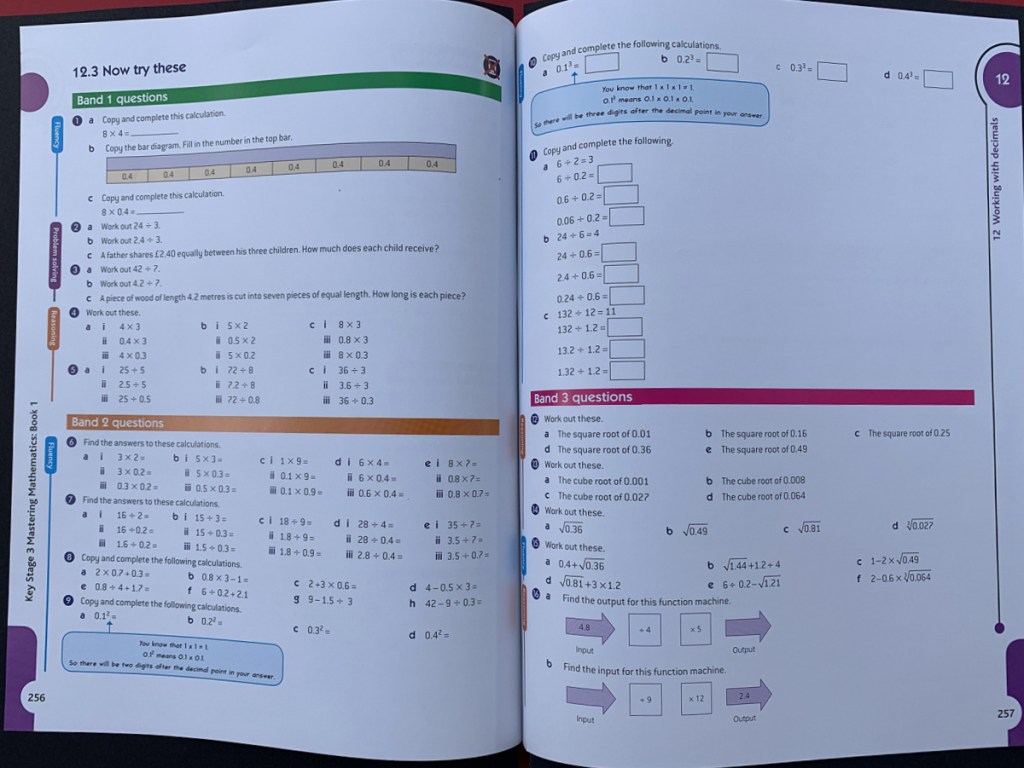
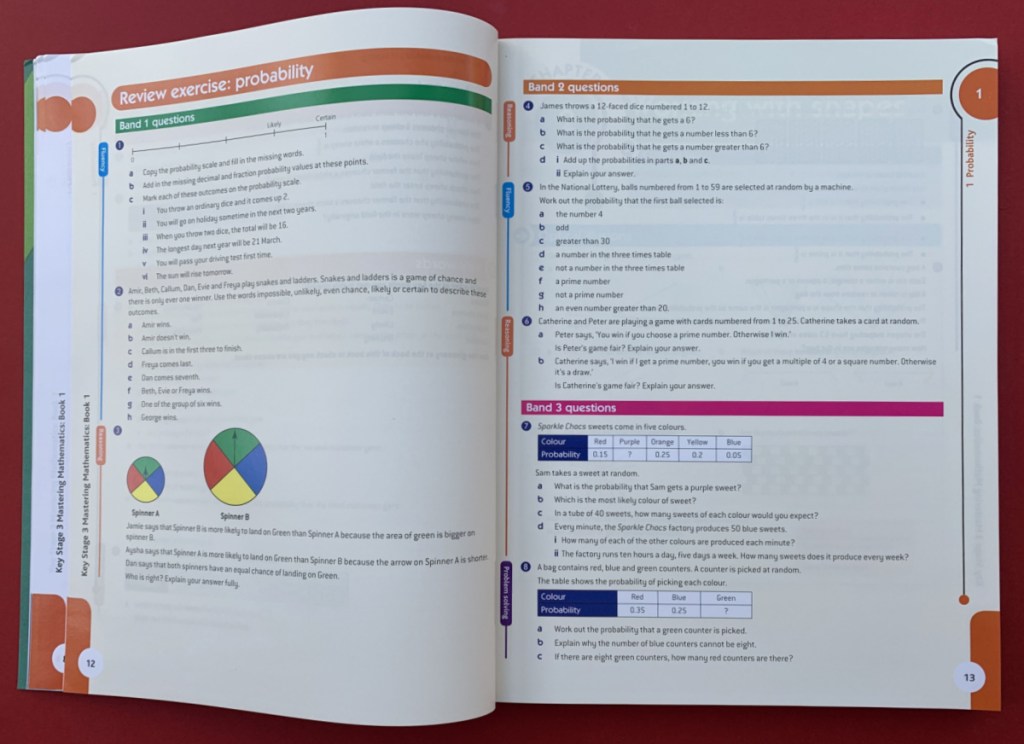
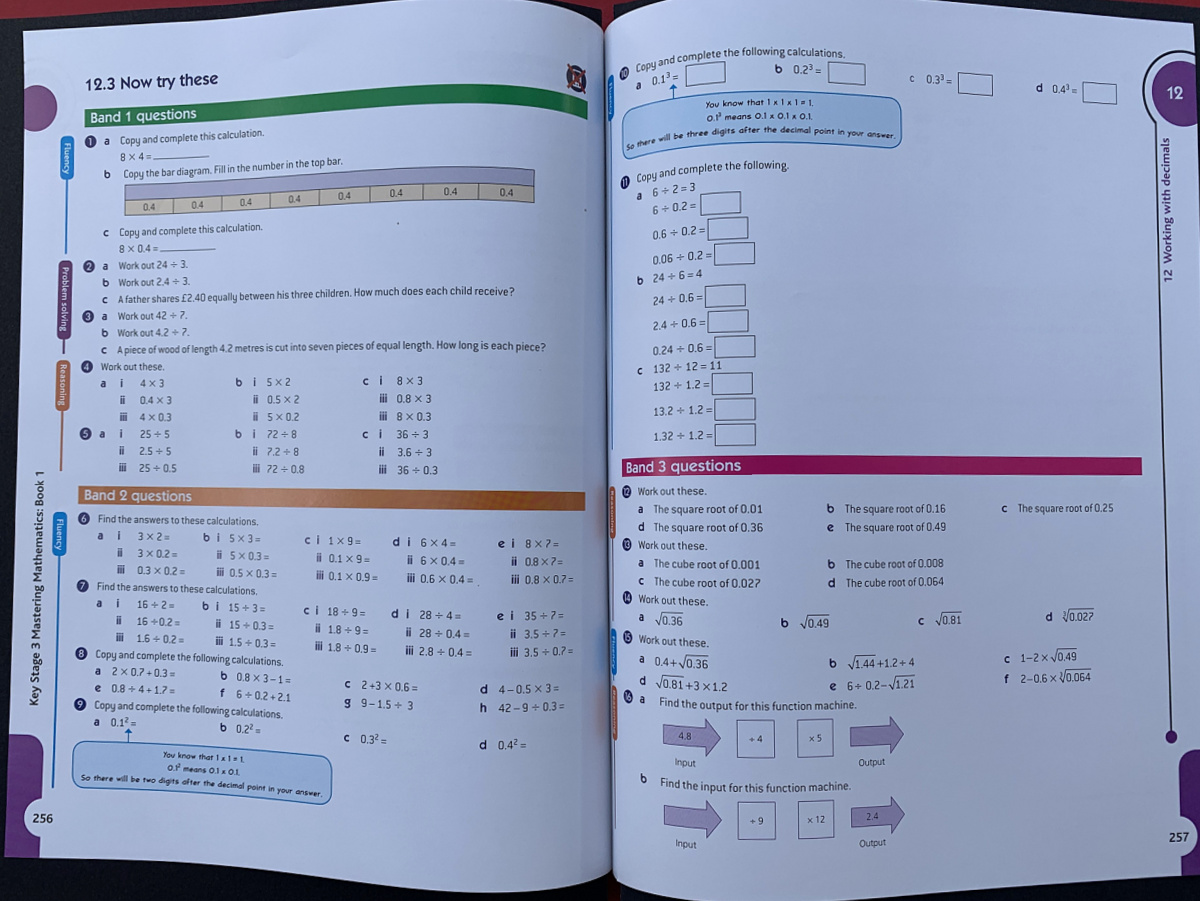
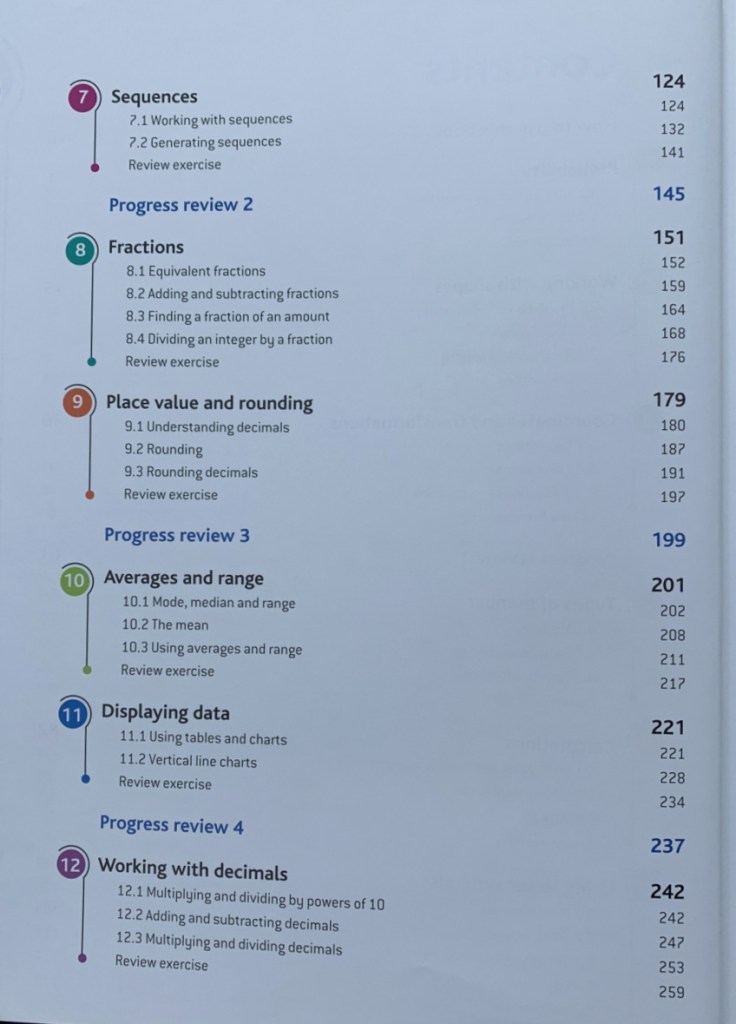
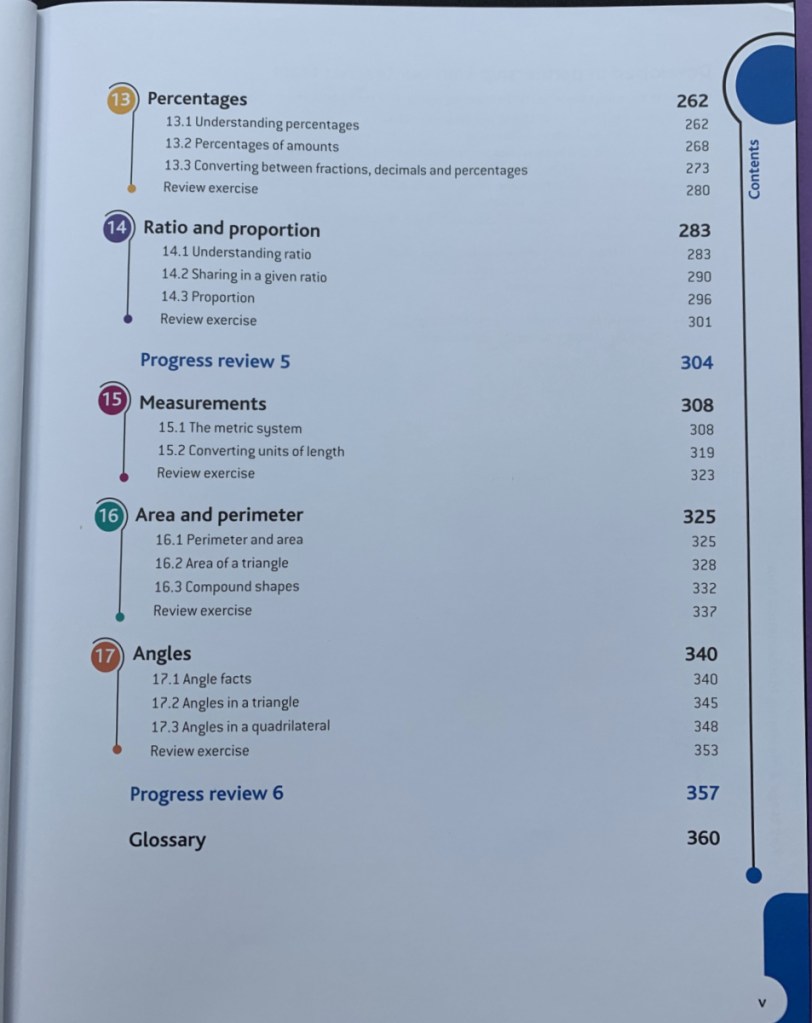
I am slowly writing posts about resources that we are selecting for GCSE/IGCSE subjects. Maths is one that some people dread but I am actually not feeling like that. Maths questions have a logic to them, there are methods that you can teach and the kids can practice so I am not actually dreading it. We are planning on writing the Edexcel Maths Exam and these books from Hodder Education are the ones that I have selected to use – Edexcel International GCSE Maths Books.

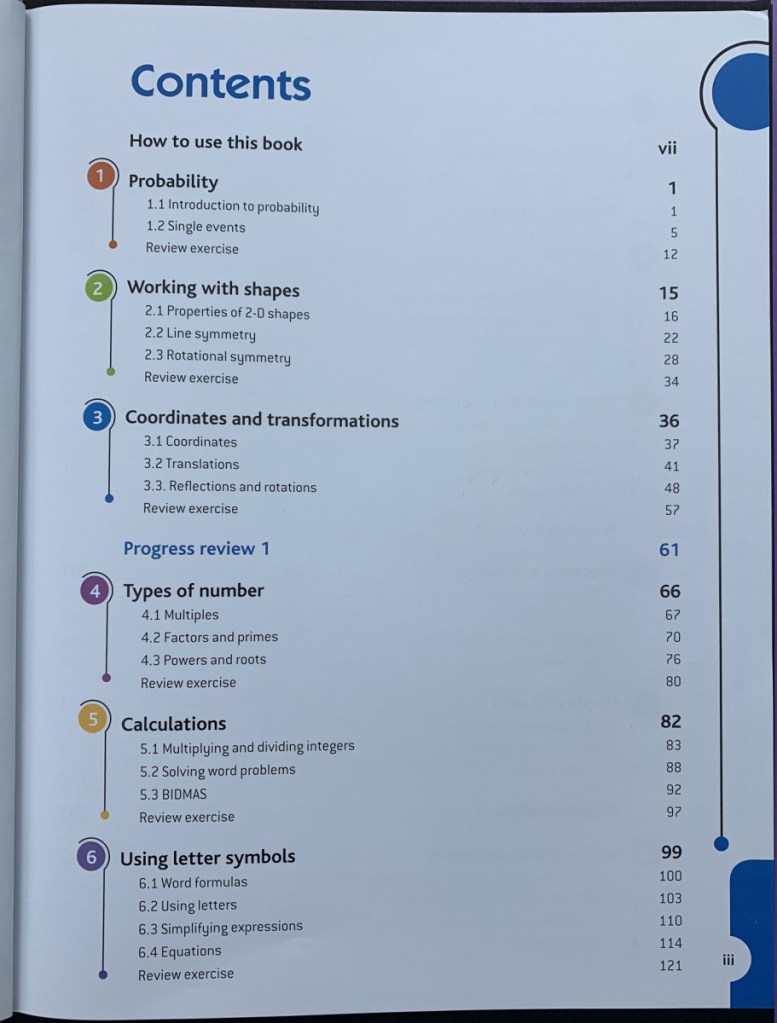
Okay so what do you get? The main book or the student book covers everything you will need for your IGCSE Maths. Everything. So yes, it is a thick book but the original expectation was that students would cover the work over 2 years (I know some home educators like to do it in 1 year). In total there are 28 chapters and it is up to you in what order you cover these chapters.

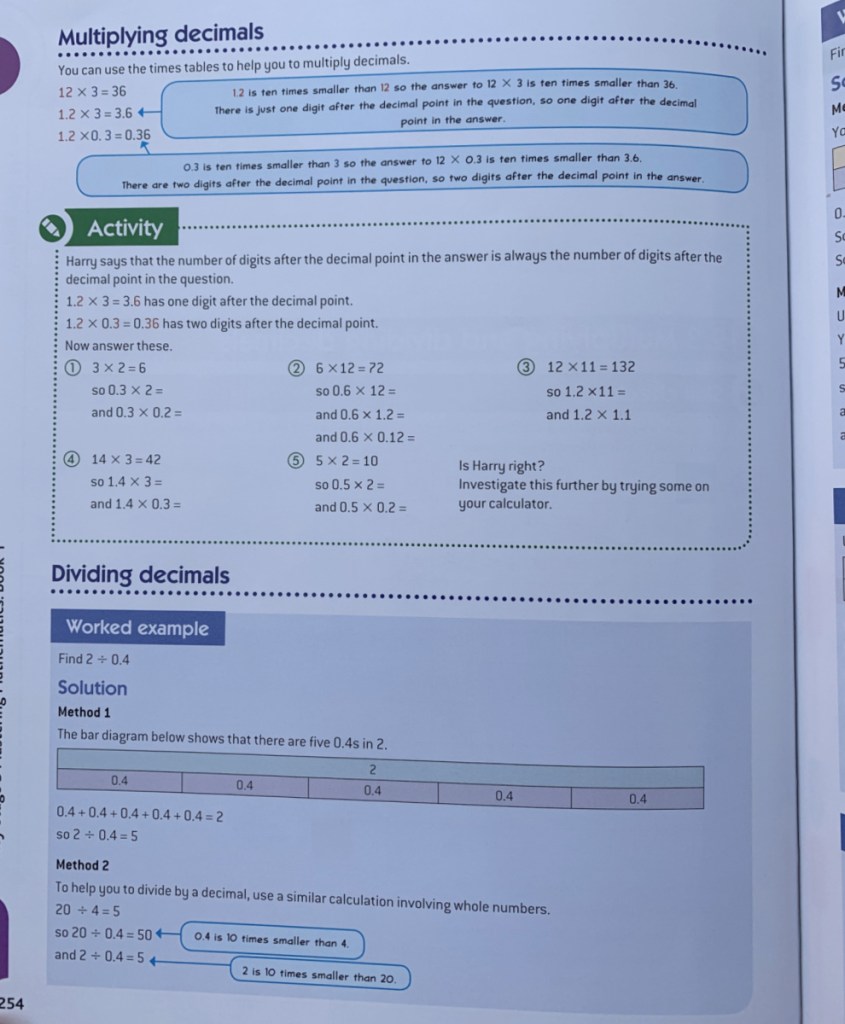
The chapters all follow the same format. It starts with a brief introduction of what you are going to be learning and a puzzle/warm up type activity. Now each chapter is broken down into subsections – think of them as mini-concepts – eg the fractions chapter is split into equivalent Fractions, multiplying and dividing by fractions, decimals, rounding and upper and lower bounds. So you tackle one subsection at at time.

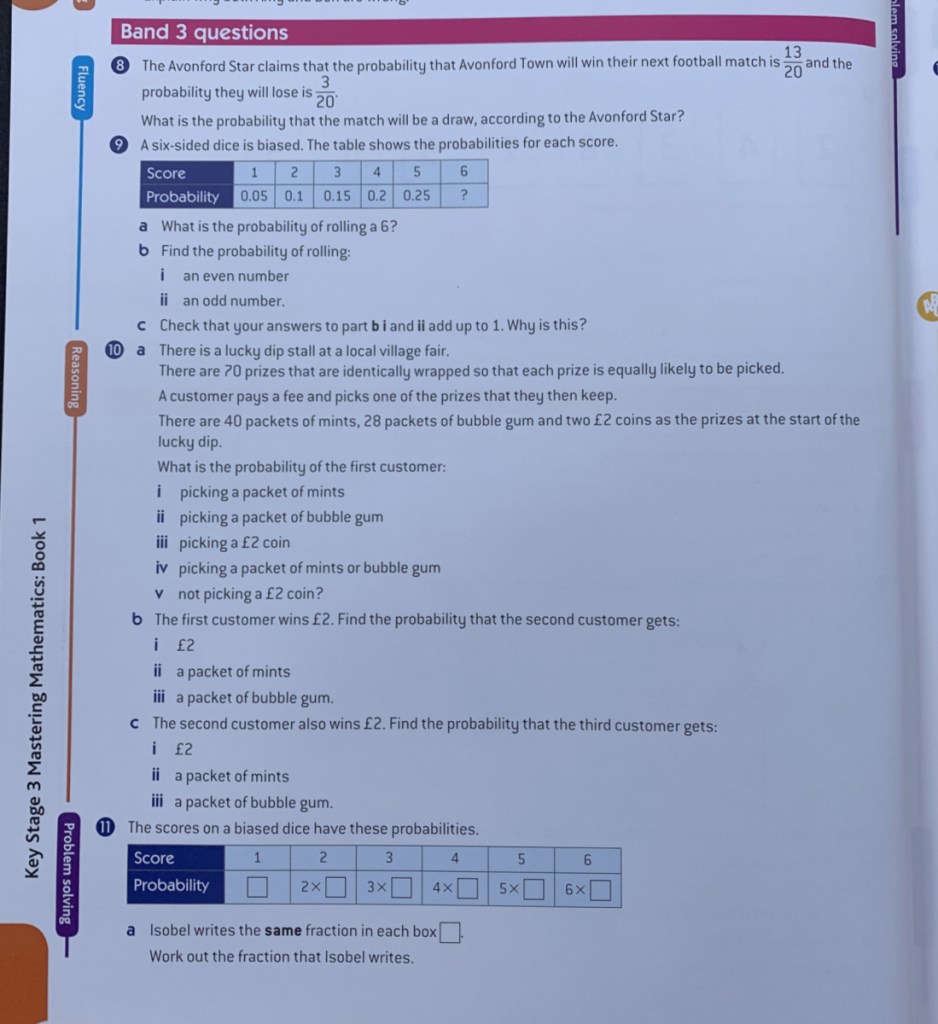
There is always an explanation of the “subsection concept” and I have to say every time they explain something they include a number of worked examples (something which I really like). Then there are exercises for the kids to try and these are colour coded so show you the level of difficulty. As a home educator doing IGCSE Maths for the first time I know this colour coding of the questions is going to be very useful as a way of gauging how we are doing.

Okay then at the end of the chapter you get something called Review Exercises (which are also colour coded) and a number of these are taken from past papers (they indicate which ones are). After the Review Exercises you get a really useful Key Points summary (great idea) and an Internet Challenge which is a way of trying to get the kids to take the Maths a step further.

We are only starting to use this in September so I will write update posts once we are using it but two things have already impressed me (well apart from the colour coding questions and the Key Points at the end of the chapters which I already love). I like the page layout, they don’t try to cram too much onto page, it is just easy to read and easy to digest what is on a page. One of the reasons I always go on about page layout is because I think a good layout helps to prevent kids from feeling overwhelmed. There is nothing worse than looking at a page that is crammed fill of information and you get that sinking feeling because you just don’t know where to start or how you will ever finish a single page. This is NOT that, this is a good layout.

And the second thing is what they call the Resources page on their website. Hodder have included all the Answers Free to download from their website (no need to buy an expensive Teacher’s guide to get the answers) and they have also included what they call Tutor videos which are videos explaining the Maths. And total confession we have already used two of these Tutor Videos to help with KS3 Maths. I have seen a few comments where people say they cannot find these answers and video links so this is the link – Resources for Hodder Edexcel International GCSE

Now the Practice Book. My original plan was to use the practice book along with our student book for extra questions. The way we tend to do Maths is one section at a time and then we do a lot of questions, the practice of doing multiple questions is how my daughter really learns Maths. It works for us. Having said that I read in the introduction of the practice book that the intention of this book was to use it as a final revision before the exams and then I also read on the website that it has been written “to help higher tier students during the course and when revising for their exams”. So I think you can use the practice book as a source of extra examples while you work through the student book and you could use it as a revision tool. I am thinking both work. Once we actually start working through the student book I will have a better idea of how the practice book fits in and I will write a post then but honestly looking through it, it is a source of a lot of questions, all with answers, so you can’t go wrong having it for your kids to use, as and when they need it.

There is also a separate revision guide which I do not have yet but I am planning on adding it to our bookshelf, I have looked at a sample chapter which looks good and they have detailed answers for all the questions on the site.

Maths is one of the subjects that my daughter does not really enjoy but she is actually quite good at it. We have learnt over the years that as long as we go through the sections thoroughly and give her time to practice she actually does really well with Maths, so we are not going to rush her Maths. We are going to work through the Maths over two years with the aim that at the end of the two years she will write her International GCSE Maths exam.

We got both our Student book and practice book directly from Hodder (links are in the post above) but for those of you who like Amazon you can buy them through Amazon here are those links – Edexcel IGCSE Maths Student book and Edexcel IGCSE Maths Practice book

Admin – I did approach Hodder and request review copies of these books, which they kindly sent us. That fact that the books were given to us does not affect our opinions (I will always admit if a book is not what I expected). I do include Affiliate links. If you follow an affiliate link and go on to purchase that product, I will be paid a very small commission, however your cost will remain the same. I only include affiliate links for products that we use.

Posted in Homeschooling | Tagged , , , , , , | 2 Comments

The Guggenheim Mystery – with an autistic main character.

We recently read The London Eye Mystery and I was impressed with the way the author had written Ted, a character who is autistic and is portrayed in a realistic and positive manner. So when I discovered there was a second book – The Guggenheim Mystery I immediately reserved it at our library. Now I must start by stating the second book is not actually written by the same author (Siobhan Dowd) of the London Eye Mystery because she actually passed away from cancer, the second book is written by a different author (Robin Stevens) but it has the same main characters and similar plot/feeling of the first.

The Guggenheim Mystery still centers around Ted (who is autistic), his sister Kat and their family. It is set a few months after The London Eye Mystery and in this adventure they go to visit their cousin and aunt who have moved to New York. A mystery unfolds (a painting is stolen) and Ted once again has to use his unique way of thinking to solve the case as his aunt is falsely accused. No one dies in this, there are no ghastly accidents or anything gruesome, it is a detective style story where they slowly work through a list to eliminate potential suspects and work out what did actually happen.

What really caught my attention about both of these books is the fact that Ted is a main character and both authors do not shy away from talking about how his autism affects him (they keep it realistic but they do not go on about negative aspects instead they show copying mechanisms and positives). I did however find that in this story the autism was even more of a focus than the first, the writing did not seem as natural as the first. In the first story I felt like the author wove it into the story effortlessly whereas in this story I felt like it was a bit forced. But having said that I still really appreciate the fact that there is a second story out there that deals with this incredible character and his family. It is still a positive example of how a kid is coping with his autistic traits. It is honest and does not shy away from things like – when Ted gets very overwhelmed he does need to hit something or the fact that he hates change and spends his school holiday in New York wearing his school uniform because it gives him comfort to have something constant. There is also a small moment where is sister Kat confesses that it is hard being in Ted’s family because everything is about him coping and she often feels like she gets neglected as a result. Something which rang very true to me. There are so many moments throughout this story where I was nodding along going, yes that is a totally realistic reaction from an autistic kid, yes I understand why that character is doing that or saying that. When you are reading it you do get the feeling that the author understands autism and is trying very hard to explain it to the readers so that they can understand it better.

Even thought I felt it was not quite as good as the first (The London Eye Mystery) I still think this is powerful story because it deals with Ted and his family in a very real but ultimately positive manner and for me that makes it a story worth recommending.

Admin – I do include Affiliate links. If you follow an affiliate link and go on to purchase that product, I will be paid a very small commission, however your cost will remain the same. I only include affiliate links for products that we use and love.
Posted in Homeschooling | Tagged , , , , , | Leave a comment